REVIEW · KATHMANDU
Ghorepani Poonhill Trek
Book on Viator →Operated by Mountain Rock Treks And Expedition Pvt. Ltd. · Bookable on Viator
Stairmaster meets Himalayan sunrise. The Ghorepani Poon Hill Trek is a short, friendly entry point to Nepal’s Annapurna region, with rhododendron forests and big Poon Hill sunrise rewards in about 9 days. I especially like how the route is designed for people with limited time, yet still delivers classic mountain-panorama moments, plus real village stops like Ghandruk and its Gurung Museum. The one thing to plan for is the hard climbing: you’re dealing with a staircase section listed at about 3,300 steps, along with rocky, uphill stretches.
From the start, this trip feels organized without being complicated. You’ll premeet near Hotel Florid Nepal, then begin on a 7:15 am schedule, with pickup offered and a maximum group size of 14. The team behind Mountain Rock Treks and Expeditions has shown up in past experiences with guides such as Dawa, Eku, and Sudip, and the overall vibe is practical and safety-minded, even when the mountains do their usual thing and keep you humble.
In This Review
- Key Things I’d Notice First
- From Thamel to the Trail: Kathmandu and Pokhara in One Flow
- Birethanti to Ulleri: Where the Stairs Show Up
- The Ulleri to Ghorepani Trek: Rhododendron and Oak Comfort
- Poon Hill Sunrise Day: Manaslu, Annapurna, Dhaulagiri
- Ghandruk and the Old Gurung Museum: Culture With Real Stakes
- Back to Pokhara From Nayapul: A 5-Hour Finish
- Kathmandu Return and a Farewell Dinner in Thamel
- Price and Value: What $700 Covers in Real Terms
- Comfort, Safety, and Small-Group Pace
- Who Should Choose Ghorepani Poon Hill (and Who Might Not)
- Should You Book This Trek With Mountain Rock Treks?
- FAQ
- What time does the trek start?
- Where is the premeeting location?
- How long is the trek?
- What is the maximum group size?
- What meals and costs are included in the price?
- Is the Pokhara transfer by bus or flight?
Key Things I’d Notice First
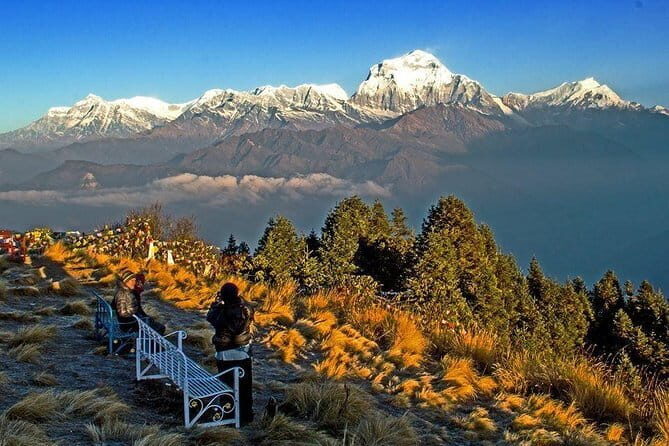
- Poon Hill sunrise is built into the plan with an early-morning hike and panoramic mountain views.
- You get rhododendron and oak forest walking during the calmer middle days around Ghorepani.
- Ghandruk adds culture, not just trekking via the Old Gurung Museum visit.
- Logistics are handled end-to-end: Kathmandu to Pokhara transfer, then road + hike connections.
- Meals are partially included, so you’re not constantly guessing day-to-day costs (drinks and tips are separate).
- Small group size (up to 14) helps the trip feel more controlled and less chaotic.
From Thamel to the Trail: Kathmandu and Pokhara in One Flow
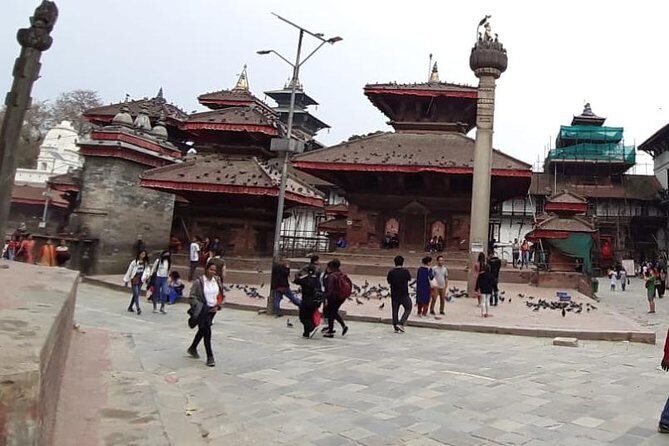
Most of your trip time is spent on the trekking, but the setup matters because it affects how your legs feel on Day 3. Day 1 starts with a premeeting at Hotel Florid Nepal, and then you spend time around Thamel to get oriented and prepared for trekking. This is useful because Thamel is where you’ll pick up your trekking mindset fast: gear checks, quick purchases, and the basic rhythm of Kathmandu.
On Day 2 you head to Pokhara Lakeside. The standard option is a 6–7 hour bus ride (about 200 km). If you prefer to save time, there’s also an option to fly for about 30 minutes, but that’s listed as an additional cost. Practically, I like the bus plan for one reason: it doesn’t just move you, it gives you a long sit-down transition day. If you fly, you may reach Pokhara quicker, but you’ll still want to use that evening to rest and not sprint into a chaotic routine.
By the end of Day 2, you’ve got a free evening in Pokhara. That “do what you need” time is a real plus on a trek like this, because it lets you adjust for weather and energy. If you’re prone to getting cold easily, Pokhara is where you can start dressing for the day-night temperature swing you’ll feel later.
Potential drawback to keep in mind: travel days stack fatigue. Bus + hiking means your first real climb won’t feel like a walk in the park. If you’re trying to go in fresh, aim to sleep early on Day 2.
You can also read our reviews of more hiking tours in Kathmandu


Birethanti to Ulleri: Where the Stairs Show Up
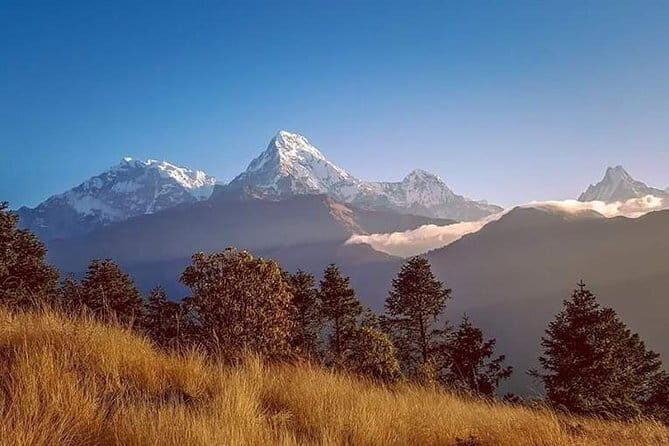
Day 3 is the classic stitch-together day: you travel from Pokhara toward the trailhead, then start hiking from Nayapul. You’ll pass along the bank of the Modi Khola for a while, then you reach Birethanti. This is where TIMS checkpoint and the Annapurna glacier river mixing point are mentioned. The practical value of checkpoint stops is that they remind you the trek isn’t just scenic—it’s a structured route with required tracking and fees.
After Birethanti, you keep moving toward Hile and Tikhedhunga, and then you climb the big step-heavy section up toward Ulleri. This is where the trek earns its nickname “easy trek—until it isn’t.” The information provided also calls out a staircase climb to Ghorepani of about 3,300 steps. Even if the exact step total is spread across sections, you should treat Day 3 as your rehearsal for step rhythm: short stride, steady pace, and breaks before you feel cooked.
Here’s what helps most on this kind of uphill:
- Move slower than you think you should.
- Take breaks at fixed intervals, not only when you’re exhausted.
- Use trekking poles if you have them. They take the stress off knees on steep, stepped descents later.
If you’re a first-time hiker or returning after a break, this segment is doable, but it’s not “effortless.” Plan your expectations: you’ll earn the next days.
The Ulleri to Ghorepani Trek: Rhododendron and Oak Comfort
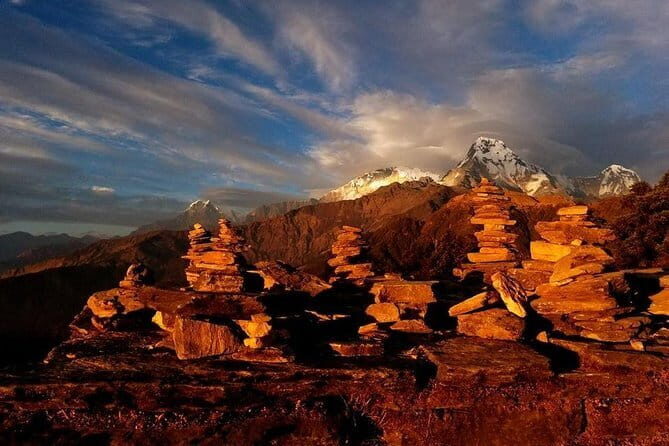
Day 4 is one of the “okay, this is why we came” days. From Ulleri, the hike becomes a gentle ascent. You pass through rhododendron and oak forests, and then you reach Banthanti. The itinerary indicates you’ll walk a couple of hours from Banthanti before arriving at Ghorepani, where you sleep in a guesthouse.
I like how this day gives you variety. The early big climbs are behind you, and you’re walking through forest shade, which often means your body overheats less. Rhododendron and oak forest sections tend to feel calmer underfoot too—more forgiving than constant rock scrambles—so your trekking legs get a chance to settle.
Also, staying in Ghorepani matters. It’s popular because it sets you up for the early morning push to Poon Hill. In other words, you’re not just walking; you’re positioning.
Possible consideration: guesthouses are part of the experience, but they’re also basic by design. If you dislike simple accommodations, you’ll still be fine, but keep your expectations grounded. Also plan for cooler nighttime temperatures at these elevations, even if the trek is considered shorter and lower overall than many Annapurna routes.
Poon Hill Sunrise Day: Manaslu, Annapurna, Dhaulagiri
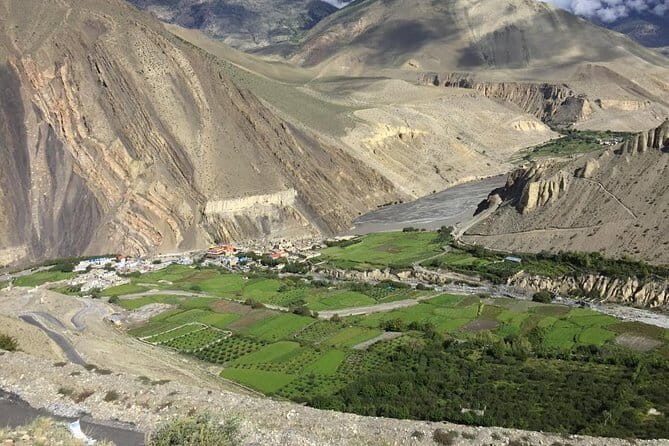
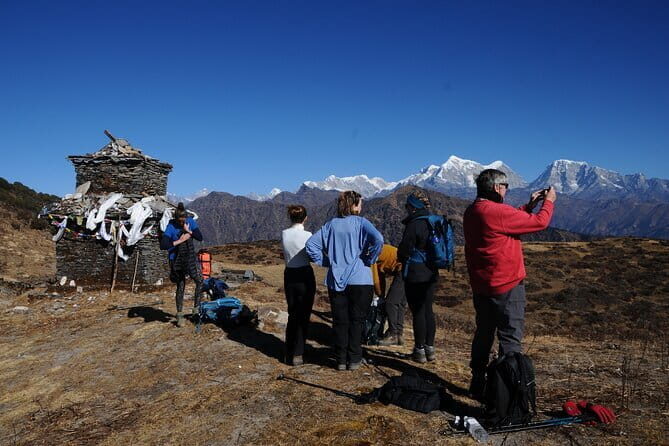
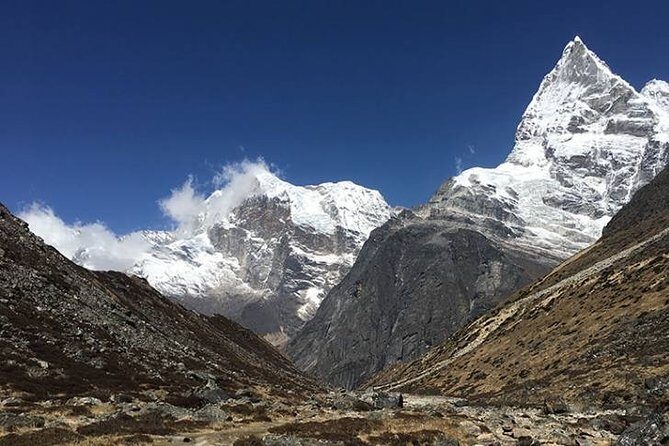
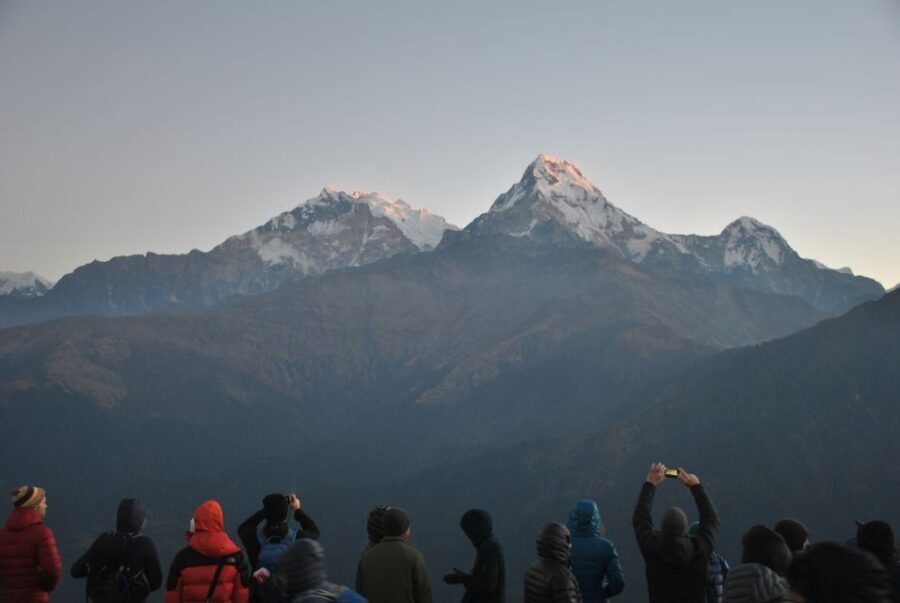
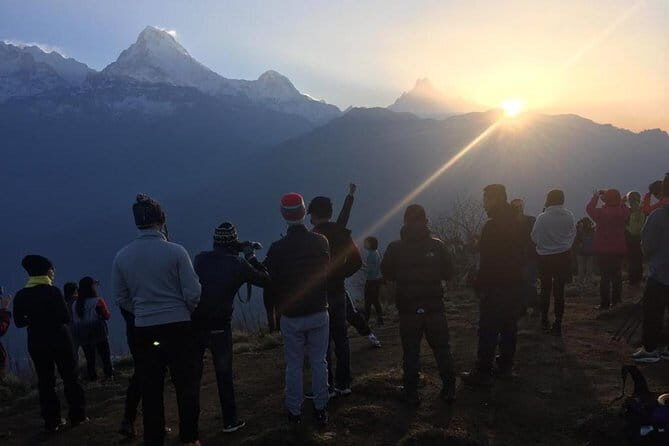
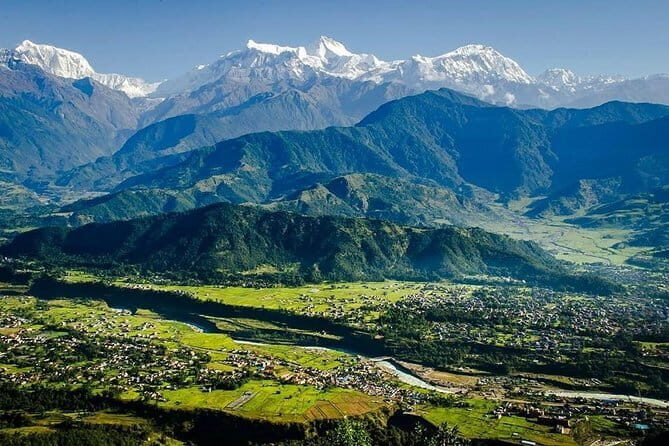
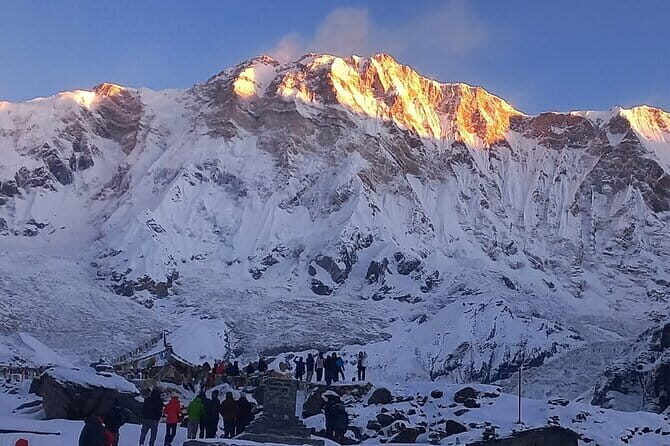
Day 5 is the trek’s headline. It starts with an early-morning hike to Poon Hill (about one hour). Poon Hill is described as offering a wide Himalayan panorama, including Manaslu, Annapurna, and Dhaulagiri mountain ranges. Then comes the payoff: sunrise over the Himalaya is called unbelievable, and you’re given time to enjoy the views.
This is one of those rare trek experiences where the schedule makes sense. You’re hiking early because the weather window is better and because clouds often shift. Once you’ve enjoyed the sunrise, you return to Ghorepani for breakfast and then continue on to Tadapani for your overnight.
I really like the flow of this day because it doesn’t end at the viewpoint. Many short treks feel like one big morning event followed by dead time. Here, the trek continues so your day doesn’t feel wasted—after sunrise, you’re back on trail within the same day.
Practical advice: wear layers. Mornings can feel much colder than mid-day at the same elevation. And bring a small light or plan for dim early hours if you’re walking before dawn.
Ghandruk and the Old Gurung Museum: Culture With Real Stakes
Day 6 is a shorter hiking day, about 3–4 hours, to Ghandruk. You also stop for the Old Gurung Museum. Ghandruk is described as historically important because of Gurkha soldiers, and the museum adds context about Gurung culture.
Why this matters: Poon Hill delivers the mountains, but cultural stops like this are what make the trek feel like a place you passed through—not just a path you walked. Ghandruk is also where you tend to see how traditions survive around tourism. Even when the trek is “easy,” you still get to meet local life through a structured visit.
Where to be careful: a shorter day can make you feel like you have extra energy. Still pace yourself. You’ll likely have another hiking stretch coming shortly afterward, and you want to stay steady instead of overdoing it in the afternoon.





Back to Pokhara From Nayapul: A 5-Hour Finish
Day 7 shifts into decompression mode. The hike to Nayapul is listed as about 5 hours. The information notes that the first part is decent, then there’s a more continuous section along a road until Nayapul. After you reach Nayapul, you take a car back to Pokhara.
This is a smart design for a shorter trek. It gives you a proper hiking finish so you don’t feel like you’re being abruptly “cut off,” but it also reduces the risk of another long, step-heavy climb at the end. Roads can be less scenic than forest or ridge walking, but they’re also more predictable underfoot, which feels good when you’re tired.
In Pokhara, you’ll have the usual chance to reset—eat well, wash up, and stop counting steps for a bit.
Kathmandu Return and a Farewell Dinner in Thamel
Day 8 is the long return to Kathmandu by tourist bus, again listed as 6–7 hours. You’ll have a farewell dinner in Kathmandu that night, and then you sleep at a hotel.
Day 9 wraps it up with a drop near Thamel and airport transfer by a representative. This is a nice touch because it means you’re not stuck arranging a final taxi while you’re still mentally in trek mode.
One thing to plan for: when your body finally feels human again, you’re back in the seat for hours. To make the return smoother, keep your travel snacks simple, hydrate, and don’t plan anything strenuous immediately after arrival.
Price and Value: What $700 Covers in Real Terms
At $700 per person for roughly 9 days, the value depends on what you’d normally spend trying to coordinate this on your own. Here’s what’s included in the provided package:
- Both-way transportation
- All activities fees and national park fees
- 2 nights accommodation
- Fuel surcharge
- Landing and facility fees
- Meals: Lunch (5), Breakfast (9), Dinner (5)
What’s not included:
- Any drinks
- Tips for guide and hotel staff
- Food during the way to Chitwan and from Chitwan to Kathmandu is listed as not included
That last point is worth a quick check because your itinerary here focuses on Kathmandu, Pokhara, and the trek itself. If your overall package includes Chitwan days that aren’t described in the day-by-day segment you received, then that food note matters. If your itinerary truly stays only within the trekking flow, you can ignore it—but don’t assume. Ask your operator to confirm which meal gaps apply to your exact dates.
Now the bigger question: is $700 “cheap” or “fair”? For me, it looks fair because trekking in Nepal isn’t just walking. You’re paying for transport timing, fee handling, and the built-in structure that keeps a first-timer from getting tangled in permits, checkpoints, and day-to-day meal decisions. You’re also getting early coordination like the 7:15 am start and pickup options.
Smart cost-saving move: budget separately for drinks and tips so you don’t get surprised during the trip. And if you’re considering flights versus buses to Pokhara, treat that flight as an intentional time-saver, not a default choice.
Comfort, Safety, and Small-Group Pace
This trek caps at 14 travelers, which is the sweet spot for many people: big enough to feel social, small enough to avoid bottlenecks. A smaller group also tends to make it easier for the guide to manage pacing, especially on step-heavy sections.
The overall guidance system is practical. The itinerary includes pickup offered and a mobile ticket, and the meeting point is clearly described at Hotel Florid Nepal. That kind of clarity reduces the stress that can drain energy before you even start walking.
On the safety front, I take the feedback seriously: some people highlighted feeling safe and secure even when starting the trek with nervous energy. That doesn’t mean the mountains are harmless—just that a well-run team helps you manage timing and conditions. One provided set of feedback specifically praised guides and team members by name, including Dawa, Eku, and Sudip, which suggests you’re not just handed a route and left to figure it out.
What you should still do: follow your guide’s pace, especially after long travel days. The staircase sections and rocky uphill stretches are where people rush and lose their breathing rhythm.
Who Should Choose Ghorepani Poon Hill (and Who Might Not)
This trek fits best if you want:
- A shorter Annapurna region trek with major viewpoints
- Beginner-friendly trekking ideas (with the caveat of steps)
- Big mountain views without committing to the longer, higher-altitude treks
- A mix of nature and culture, including the Old Gurung Museum in Ghandruk
It’s less ideal if you want:
- A long, intense high-altitude endurance challenge
- Totally car-free days with constant dramatic trail scenery (you do have road sections and travel legs)
- A trek where every day is easy flat walking (there are meaningful climbs)
If you’re traveling as a family member or a solo traveler who wants structure, this kind of plan is comforting. If you’re already an experienced hiker craving big technical terrain, you might still enjoy the route, but your “growth” goals may feel more limited.
Should You Book This Trek With Mountain Rock Treks?
I’d tell you to book this if your priority is classic Annapurna views in a reasonable time, and you like the idea of having transport, fees, and key meals handled. The early Poon Hill sunrise hike is the biggest reason to choose it, and the inclusion of cultural time in Ghandruk makes the trek feel more complete than a single viewpoint day.
I’d hesitate only if you know you struggle with lots of steps or you dislike basic guesthouse life. Then the staircase effort could overshadow the enjoyment.
One more reality check: the experience requires good weather. If conditions turn, you should expect the operator to handle adjustments by offering a different date or a refund, depending on their process. With that in mind, book when your schedule has at least a little wiggle room.
FAQ
What time does the trek start?
The start time is listed as 7:15 am.
Where is the premeeting location?
The premeeting is listed at Hotel Florid Nepal in Kathmandu.
How long is the trek?
It’s listed as 9 days (approximately).
What is the maximum group size?
The trek has a maximum of 14 travelers.
What meals and costs are included in the price?
The package lists lunches (5), breakfasts (9), and dinners (5) as included, along with transportation and fees. Drinks are not included.
Is the Pokhara transfer by bus or flight?
The plan includes a 6–7 hour bus ride to Pokhara, with an optional 30-minute flight available for an additional cost.