REVIEW · KATHMANDU
Pikey Peak- 9 Days
Book on Viator →Operated by Alpine Club of Himalaya · Bookable on Viator
Sunrise up Pikey Peak feels like a reset. This 9-day trek pairs Pikey Peak sunrise views with Sherpa culture and monasteries, plus enough hiking variety to keep it fun. You’ll also get real support along the way, from transfers and Kathmandu guiding to porters on the trekking days.
The main thing to weigh is that your big-moment views depend on weather, and the summit day starts early. On top of that, the overnight stops are simple tea houses and lodges, so go in knowing you’re trading luxury for mountain time.
In This Review
- Key Things I’d Mark on Your Mental Itinerary
- Why Pikey Peak Works So Well for Both New and Experienced Trekkers
- Kathmandu Pre-Game: Thamel Strolls, UNESCO Stops, and a Real Briefing
- Day 3: The Long Kathmandu-to-Dhap Drive and First Real Mountain Air
- Day 4: Pikey Peak Base Camp, Rhododendron Forests, and a 4065 m Summit Plan
- Day 5: Sunrise Views, Prayer Flags, and Breakfast on the Ridgeline
- Day 6: Shortcut Forests to Junbesi and the Sherpa Culture Connection
- Day 7: Taksindu Route—Everest Views, Chiwong Monastery, and Ringmo Apples
- Day 8: Phaplu Descent, Chiwong Gompa Option, and a Tea-House Celebration
- Day 9: Flight Back to Kathmandu and the End-Feeling You Actually Want
- Price and Value: What the $1,199 Gets You (and Why It’s Not Just Miles)
- Lodges, Meals, and What Comfort Looks Like on This Trek
- Guides, Group Size Feel, and the Kind of Support You’ll Notice
- Who Should Book This Trek (and Who Should Reconsider)
- Should You Book Pikey Peak- 9 Days?
- FAQ
- What is the duration of the Pikey Peak trip?
- Where does the tour start and end?
- Is airport and hotel pickup included?
- What’s included during the trek days for meals and lodging?
- Do I need permits or a TIMS card?
- What is not included, especially for safety and personal costs?
Key Things I’d Mark on Your Mental Itinerary
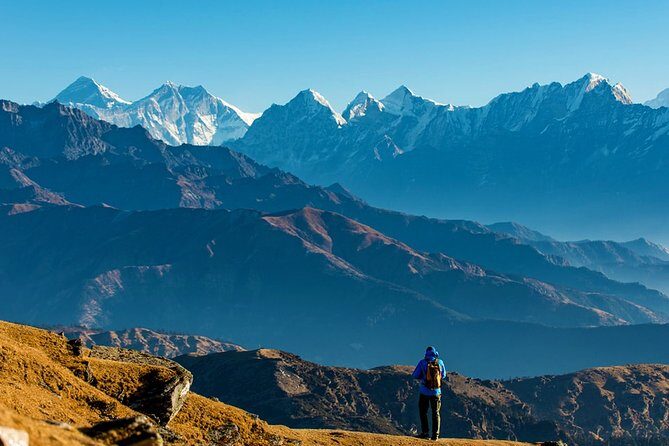
- Pikey Peak at 4065 m with a sunrise strategy (morning summit beats a cloudy evening gamble)
- Kathmandu’s UNESCO sites in 1 guided day plus a trek-leader pre-trip discussion
- Old-school trek pacing: ridgelines, forests, villages, and a chance to see culture up close
- Tea-house accommodations that are basic but convenient after long walking days
- Porters included (2 guests per porter) to keep your hike feeling human
- A flight back from Phaplu to Kathmandu to save you time and reduce long return travel
Why Pikey Peak Works So Well for Both New and Experienced Trekkers
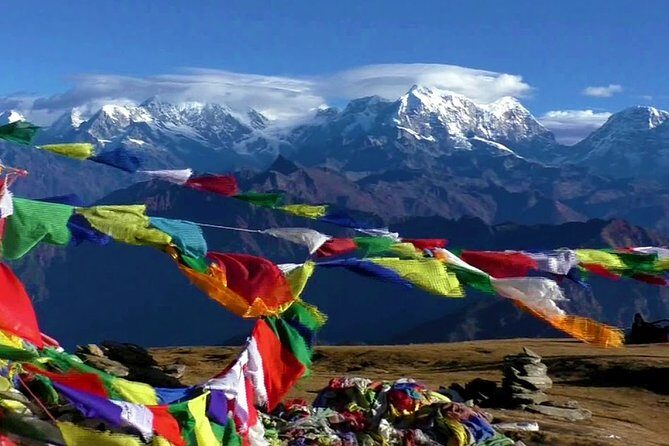
This trek has a smart mix: you hike enough to earn the views, but it avoids the super-grindy feel of longer, higher, multi-pass routes. The itinerary is built around the Pikey Peak payoff and supporting scenery—forests, villages, monasteries, and ridgeline walking—so you’re not just climbing in straight lines for days.
What I like best is how the “destination” is paired with “context.” Pikey Peak is a star, sure, but the surrounding days focus on where the mountains meet people: Sherpa villages like Junbesi, monastery viewpoints, and the cultural rhythm you see as you move through the Solukhumbu region.
If you want big Himalayan scenery without turning your whole life into trail laundry, this is the right idea.
You can also read our reviews of more tours and experiences in Kathmandu.



Kathmandu Pre-Game: Thamel Strolls, UNESCO Stops, and a Real Briefing
Day 1 is all about landing and getting oriented. You’re met at Tribhuvan International Airport by a representative from Alpine Club of Himalaya and taken to your hotel. After check-in, you get time to stroll around Thamel—an easy place to grab a few essentials or souvenirs without needing to figure out transport on day one.
Day 1 also includes a welcome dinner with the team. That matters more than it sounds. Nepalese cuisine is a quick way to understand local tastes, and it sets a friendly tone before you start trekking.
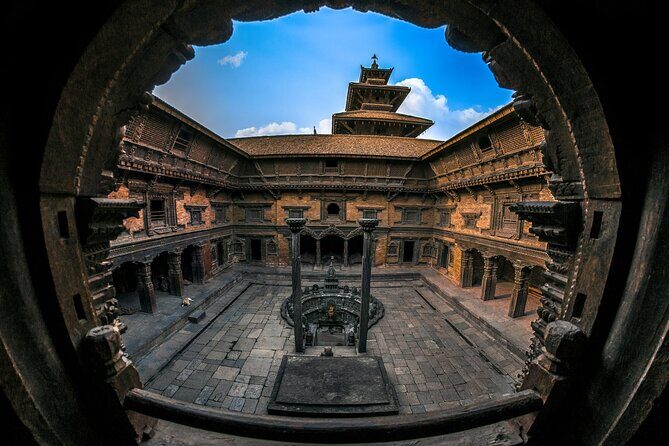
Day 2 is your guided city day, with Kathmandu’s major historical and spiritual landmarks on the schedule. You’ll cover World Heritage-area sites like Durbar Square, plus major Hindu and Buddhist stops such as Pashupatinath, Swayambhunath (Monkey Temple), and Boudhanath, known for one of the largest stupas in the world.
Then comes a pre-trip discussion. This is where you meet your trek leader and team members and ask anything you’re worried about—pace, what to expect on summit day, lodge style, and how porters will work with your gear. I like having that clarity before anyone sends you up a mountain.
Day 3: The Long Kathmandu-to-Dhap Drive and First Real Mountain Air
On day 3, you trade city noise for a long drive—about 8 to 9 hours—from Kathmandu to Dhap. It’s not short, but it’s part of the trade: you’re buying a smoother start to the trekking region instead of stitching together complicated local transport.
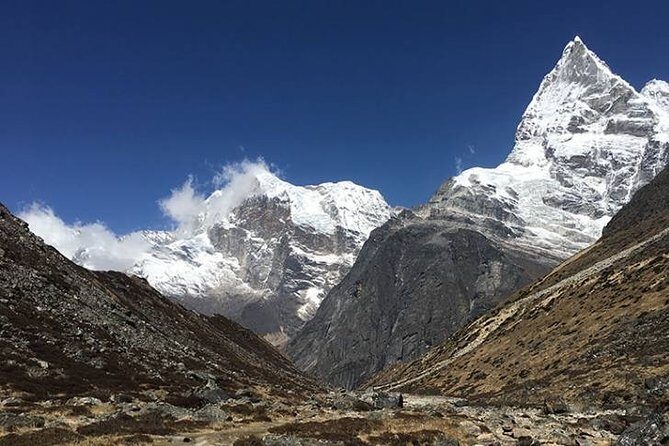
From there, the trek begins off a ridgeline south of Dhap. As the route nears Sigane, the peaks of the Numbur Himal section come into view—those first sight moments that help you feel like you’re actually traveling into the mountains.
You stop overnight at Japre (2920 m). The village sits above a deep valley and has a pretty little gompa and stupa. This is the kind of first-night stop that helps you loosen up: you’re not exhausted beyond reason, but you still get that “we’re in it now” feeling.
Day 4: Pikey Peak Base Camp, Rhododendron Forests, and a 4065 m Summit Plan
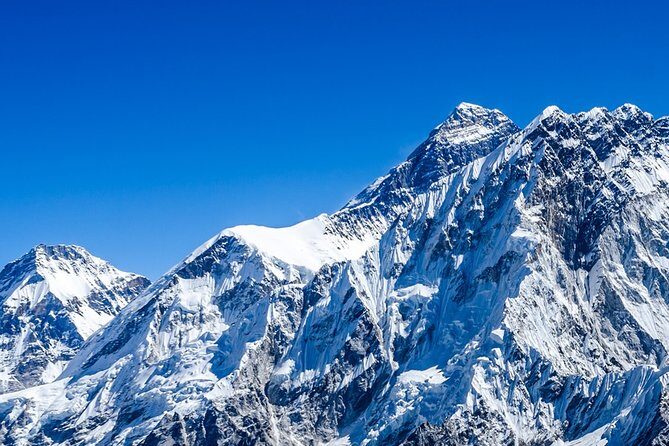
Day 4 starts with a climb from Japre up to Bhulbhule, where there’s a single lodge and nice views of the Everest range. Soon after Bhulbhule, the route splits, and you turn right toward Pikey Peak.
You’ll pass older yak houses and long mani stone walls, then move along a forested hillside contour. One of the best details here is the trail’s rhythm: you get a level section with rhododendrons (spring trekking can mean flowers), then you leave the forest.
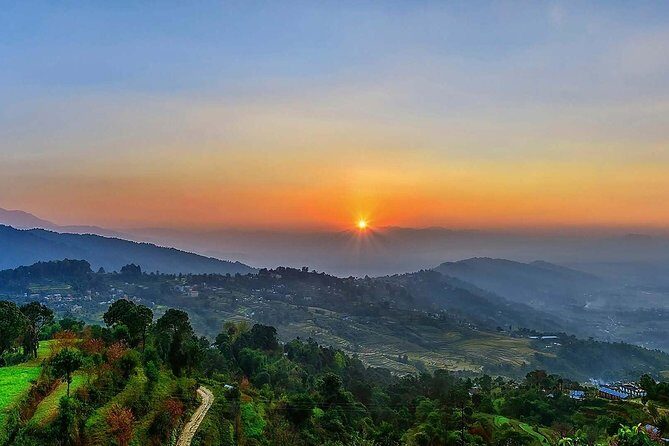
From there it’s not far to Pikey Peak base camp—about 2 hours. Then comes the summit push to 4065 m (about 13,336 ft). The plan favors climbing to the top in the morning for sunrise, unless the evening happens to be unusually clear. That’s a practical choice: sunrise is the goal, and weather tends to be the boss of your plans.
Day 5: Sunrise Views, Prayer Flags, and Breakfast on the Ridgeline
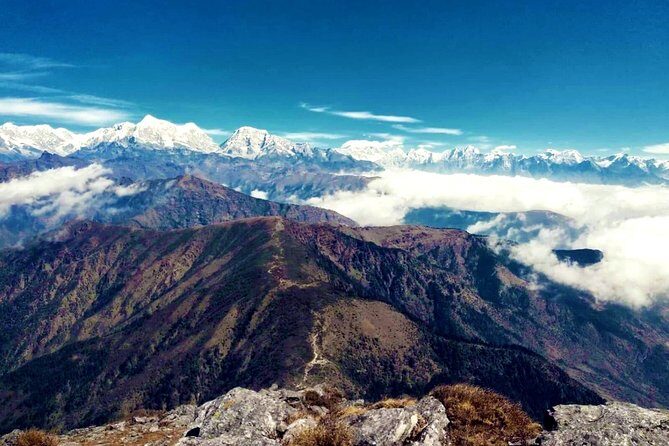
If you’re doing Pikey Peak for the views, day 5 is your centerpiece. You start early and follow a gradual trail toward the summit, with prayer flags marking the way.
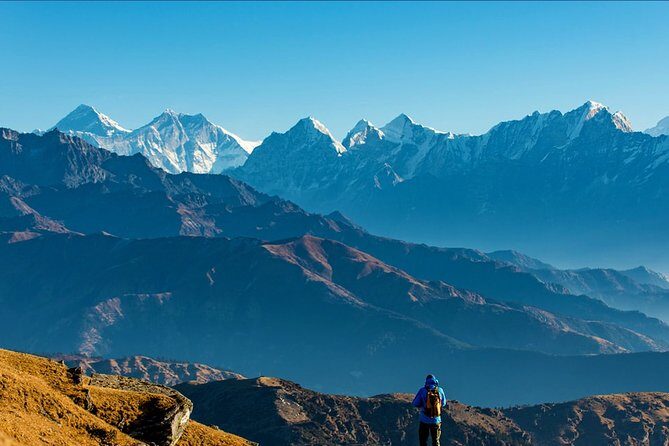
From the top, the views can be sweeping—stretching from Annapurna to Kanchenjunga if the weather cooperates. That’s the kind of line you want to see on your camera roll later, but the bigger win is the mental reward. After days of walking and village life, you get the wide-angle payoff.
After summit time, you continue along a ridgeline that starts flatter and then steepens through the forest. You reach Jase Bhanjyang for breakfast—fuel that feels well-earned. Then you head down to Loding, passing steep sections in the forest.
Loding is another simple but charming tea-house style stop. This is not the trip for expecting marble bathrooms; it’s the trip for feeling satisfied after a long day with a warm meal and a roof.



Day 6: Shortcut Forests to Junbesi and the Sherpa Culture Connection
Day 6 keeps the momentum going with descent and then a meaningful village day. You head down the ridgeline for breakfast at Jase Bhanjyang again, then choose among descent routes toward Junbesi.
The most likely option is a shortcut trail that leaves the ridge after Jase and drops steeply through old-growth forest to Taktor. This segment is important because it connects you with the bigger trekking world—Taktor is where the tea-house network overlaps with the Everest Base Camp trail coming from Jiri. That means you may meet more trekkers for the first time.
From Taktor, it’s a couple hours on a lovely trail to Junbesi. Junbesi sits at about 2675 m and is a traditional Sherpa village. It’s described as a cradle of Sherpa culture and architecture, and the Solukhumbu valley is sacred to the Sherpas. You’ll feel that in the way daily life and spiritual landmarks are woven into what you see while walking through town.
Day 7: Taksindu Route—Everest Views, Chiwong Monastery, and Ringmo Apples
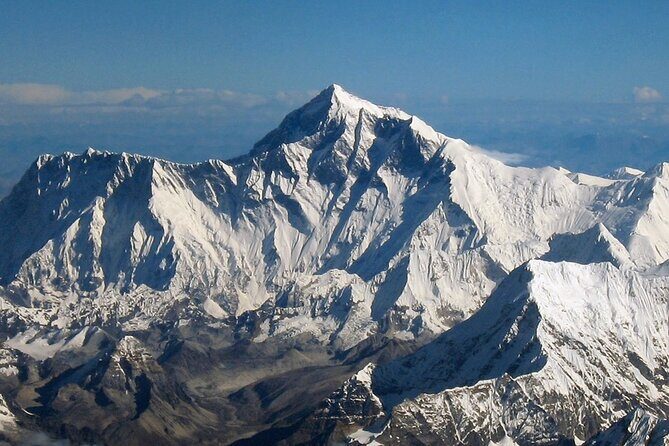
Day 7 points you toward Taksindu. You cross the river at the bottom of town and climb through forest to Salung. On a clear day, you can see Everest (8848 m), plus peaks like Chamlang and Makalu. Weather permitting is doing a lot of work here—these are the days to keep your expectations flexible.
You also get valley views across toward Phaplu and toward Chiwong Monastery. Then the trail keeps shaping the day: contouring, dropping to a stream, and a short climb into Ringmo.
Ringmo is famous for apple orchards. You may also notice apple products—apple rakshi (alcohol), cider, and apple pie are specifically called out. That’s a nice change from pure mountain scenery, and it makes the day feel more like a living landscape rather than just a view corridor.
From Ringmo, there’s a final short climb to Taksindu La, again with mountain views. The plan doesn’t require you to rush past everything; it gives you enough time to enjoy what’s in front of you.
Day 8: Phaplu Descent, Chiwong Gompa Option, and a Tea-House Celebration
On day 8, you leave the main trekking route and take a forest path down to Phaplu. If you want an extra side hike, there’s an option to go up to Chiwong Gompa, perched high on a cliff overlooking the valley.
Chiwong Gompa is noted for being founded in 1923 and for significant Mani Rimdu festival celebrations in autumn. Even if you’re not there during the festival, the fact that the monastery is tied to major cultural events makes it feel more than a random viewpoint stop.
After the descent into Phaplu, you finish the trek at your cozy tea house. This is one of those days where your body is relieved and your mind is still buzzing from earlier ridgeline moments.
Day 9: Flight Back to Kathmandu and the End-Feeling You Actually Want
Day 9 is about transitioning out of trekking mode. You drive back into the Kathmandu Valley and end in Kathmandu at a hotel of your choice. The team can recommend options, or you can explore on your own.
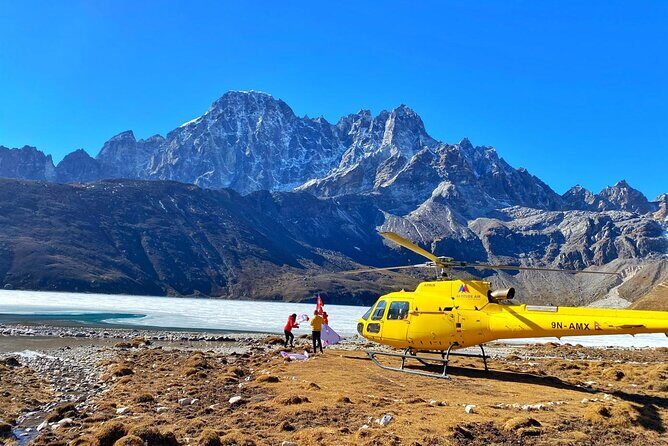
One helpful detail: your route includes a flight from Phaplu to Kathmandu with departure taxes included. That saves you from doing a long overland slog after your last trekking day. When you’ve been walking for days, saving that final travel fatigue matters.
Price and Value: What the $1,199 Gets You (and Why It’s Not Just Miles)
At $1,199 per person, this is priced like a guided Nepal trekking package, and you can see what you’re paying for:
- All the transfers you need (airport–hotel–airport) by private vehicle
- Kathmandu guidance with an expert tour guide and a private vehicle
- Tea-house/lodge accommodation during the trek
- Daily meals during trekking chosen from the menu (breakfast, lunch, dinner)
- Permits and TIMS card fee, plus trip paperwork and service charges
- A porter system: 2 guests per porter, with porter food, accommodation, salary, and equipment covered
- Flights: the Phaplu-to-Kathmandu flight with departure taxes
That’s a lot of behind-the-scenes work. You’re not only buying trail views; you’re buying logistics so you can focus on walking, eating, and sleeping without constant planning.
Two things worth noting for value sense:
1) Lunch and dinner in Kathmandu aren’t included, so budget for a couple meals after you return.
2) Travel insurance is required but not included—and it should cover emergency evacuation up to 5500+ meters, which is exactly the range where plans can get serious.
Lodges, Meals, and What Comfort Looks Like on This Trek
This trip is built around tea-house and lodge stays. That usually means:
- Simple rooms
- Basic facilities
- Meals from the lodge menu each day during the trek
Your included daily meals during trekking reduce the guesswork, and that matters when you’re tired. Also, hot showers and hot/cold drinks aren’t included in the package notes, so plan accordingly.
The porter arrangement is the biggest “comfort lever” on this itinerary. With the 2 guests to 1 porter setup, you’re not responsible for carrying everything. You can also expect your duffel bag to be returned at the end of the trek, which is a small detail—but it helps prevent that end-of-trip gear chaos.
Guides, Group Size Feel, and the Kind of Support You’ll Notice
The trip is private in the sense that only your group participates. It also includes a licensed guide/tour leader setup: a government-licensed expert trekking guide plus porters.
In past groups, guides such as Sujan and Pemba have been mentioned by name, and the feedback pattern is consistent: helpful guidance, professional handling of logistics, and care for needs. You’ll see that most on summit day pacing and on the “don’t worry, we’ll get breakfast ready” sections like the ridge stops at Jase Bhanjyang.
Also, the included Kathmandu pre-trip briefing is a big support layer. When you understand the plan before day 4 and 5, you walk with less stress.
Who Should Book This Trek (and Who Should Reconsider)
This is a great fit if you:
- Want big Himalayan views without a long, punishing expedition schedule
- Like cultural travel as much as mountain travel (Sherpa villages and monasteries are central here)
- Appreciate structured logistics: transfers, permits, meals, and porters handled
- Are okay with simple tea-house style lodging and early summit timing
You might reconsider if you:
- Need guaranteed sunny conditions for your photos (weather can affect summit-day visibility)
- Strongly prefer hotel-level comfort every night
- Don’t want early mornings built into the plan
Should You Book Pikey Peak- 9 Days?
I’d book it if your goal is a classic Nepal mountain trek with a smart pace and a clear view payoff. The itinerary balances sunrise summit drama, Sherpa village culture, and monastery scenery, while also handling the hard parts—permits, meals during trekking, porters, and even the flight back from Phaplu.
Just be honest with yourself about two tradeoffs: weather dependency and tea-house simplicity. If you’re okay with that, this trip has a lot going for it—especially if you want your first Nepal trek (or your next one) to feel well organized and genuinely worth your time.
FAQ
What is the duration of the Pikey Peak trip?
The trip runs for about 9 days.
Where does the tour start and end?
It starts in Kathmandu and ends back at the meeting point in the Kathmandu area after returning from the trek and driving back into the Kathmandu Valley.
Is airport and hotel pickup included?
Yes. Airport to hotel to airport transfers are included by private vehicle, and pickup is offered.
What’s included during the trek days for meals and lodging?
Tea-house/lodges are provided during the trek, and meals during trekking are included (breakfast, lunch, and dinner) chosen from the lodge menu.
Do I need permits or a TIMS card?
Yes. The trekking permit and the TIMS card fee are included.
What is not included, especially for safety and personal costs?
Travel insurance is not included (and you’re told it is essential, with emergency evacuation coverage). Also not included are lunch and dinner in Kathmandu, the Nepal entry visa fee, international airfare/airport tax, alcoholic drinks, personal expenses, personal trekking gears, and tips for staff and the driver.