REVIEW · KATHMANDU
Pikey Peak Trek
Book on Viator →Operated by Breeze Adventure Pvt Ltd · Bookable on Viator
Pikey Peak gives Everest-area views without the chaos. This trek is interesting because it mixes big-mountain sunrise panoramas with quieter walking, plus time on the historic Hillary Trail and a visit to Tupten Choling Monastery. I especially like the early sunrise hike to Pikey Peak and the way the route stays doable for a wide range of walkers, from seniors to families.
The main thing to think about is the long travel days around the trekking (drive into the hills, then a full-day drive back), so bring patience and plan for early starts like the 6:15 am meeting time in Thamel.
In This Review
- Key highlights worth knowing before you go
- Pikey Peak: an Everest-view trek that’s calmer by design
- Where this trek fits: a realistic 7-day pace
- Day-by-day: what each stretch is really like
- Day 1: Kathmandu to Dhap via a Himalayan drive
- Day 2: Sunrise views, then an easy trek toward Jhapre
- Day 3: More climbing, then a push toward Pikey Peak Base Camp
- Day 4: The big moment—Pikey Peak sunrise viewpoint
- Day 5: Trek down into culture and community toward Junbesi
- Day 6: Phaplu area plus Tupten Choling Monastery
- Day 7: Long drive back to Kathmandu (and a breakfast stop)
- Guides and small-team feel: where the experience becomes memorable
- Tea houses, food, and the comfort level you should expect
- Price and value: what $899 actually buys you
- Who should choose this trek (and who should think twice)
- Practical tips so your trek feels easier
- Should you book Pikey Peak Trek with Breeze Adventure?
- FAQ
- What time does the trek start, and where do we meet?
- How long is the Pikey Peak Trek?
- What is included in the price?
- Is there a fuel surcharge?
- How large is the group?
- Where does the itinerary begin and end?
- Can I cancel for a full refund?
Key highlights worth knowing before you go
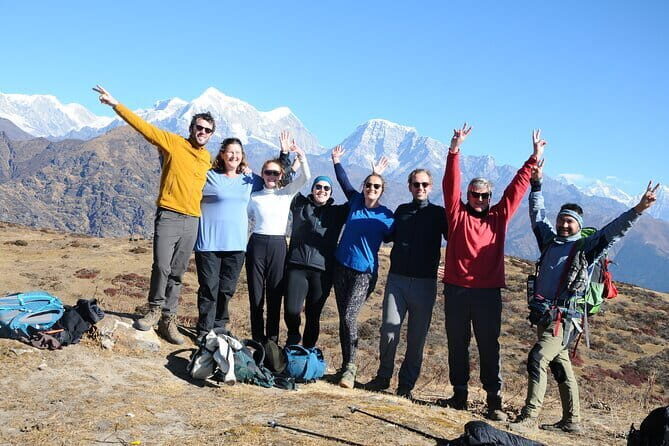
- Pikey Peak sunrise viewpoint: a short pre-dawn style hike to catch panoramic Himalayan views
- Seven-highest-mountain views without the Everest bottleneck: you get the look, minus the crowds
- Hillary Trail route time: historic paths that add meaning beyond the scenery
- Tupten Choling Monastery visit: one of the region’s largest nun monasteries, set at the foot of a mountain
- Small group size (max 20): easier pace control and more personal attention
- Tea house trekking with solid basics: comfortable enough stays without going full luxury
Pikey Peak: an Everest-view trek that’s calmer by design
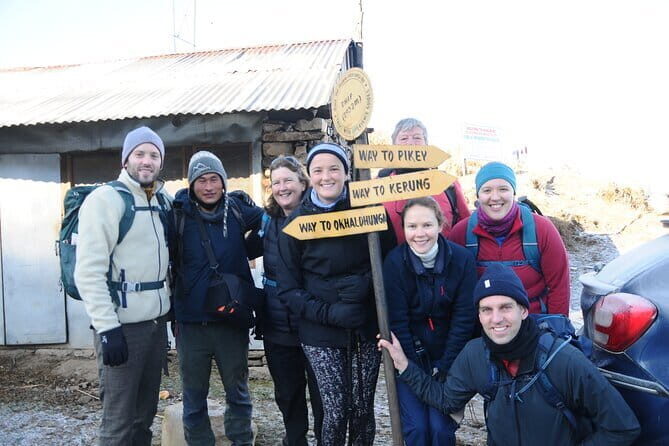
If your mental image of Nepal trekking is packed lodges, constant traffic on the trail, and the same photo spots everywhere, Pikey Peak is a smart reset. You’re still in the Everest region, and you’re still chasing world-class mountain views, but the route is often described as underrated and peaceful.
What I like most is the rhythm. You’re not just “walking until the next day.” You’re building toward specific moments: sunrise views, the big viewpoint day, and cultural stops that make the trek feel connected to place. You also avoid the need to fly to Lukla, which removes one major friction point for many treks in this part of Nepal.
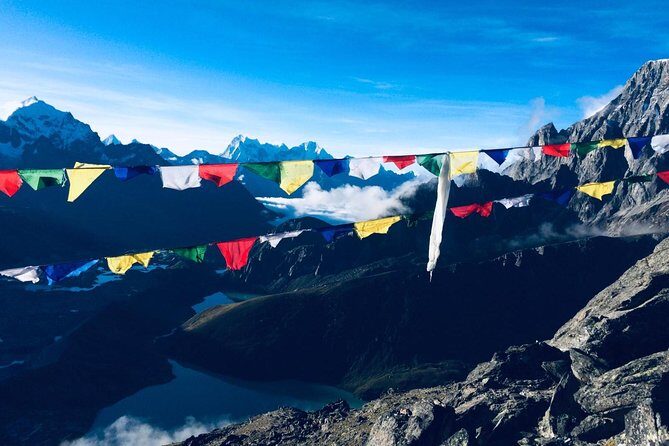
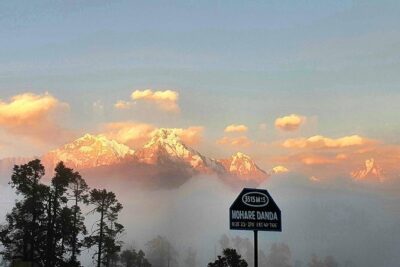
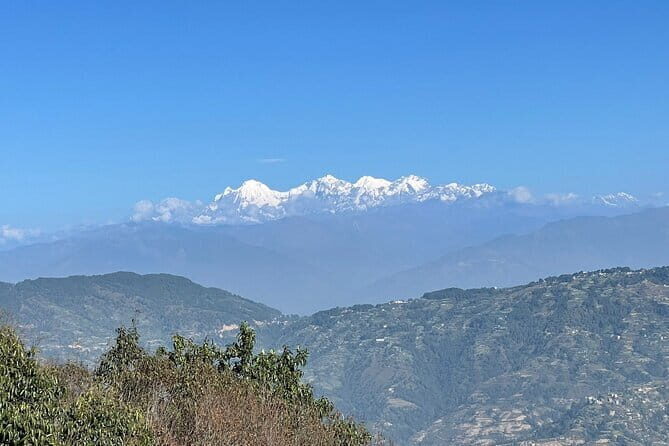
And yes, you’ll see serious Himalaya. The top of Pikey Peak is listed around 4066 meters in the experience details, which helps explain why sunrise is such a big deal here—clear morning light turns the peaks into an event.
You can also read our reviews of more hiking tours in Kathmandu


Where this trek fits: a realistic 7-day pace
This is a 7-day trek (approx.) built around steady walking and real downtime when you need it. Some days are heavier on uphill effort, and some days are more relaxed, but the itinerary overall is friendly compared with many high-altitude treks that feel like a nonstop grind.
You start in Kathmandu, then you drive to the trekking area. That matters more than you might think. If you’ve ever started a trek already tired from travel, you know the first hiking day can feel harder than it should. Here, you get a scenic drive with Himalayan glimpses and village life before your boots even touch the trail.
The walking days also vary in style:
- One day includes an easy trek largely along a newly constructed road
- Another day is mostly uphill with some down sections
- The highlight viewpoint day involves a hike of about 1 hour after waking early
That mix is a big part of why this route works for seniors and families. It gives you time to enjoy the views without turning every day into a suffer-fest.
Day-by-day: what each stretch is really like
Day 1: Kathmandu to Dhap via a Himalayan drive
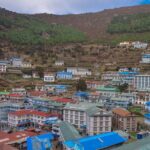
Day 1 is mostly about getting oriented and easing into the region. You depart Kathmandu for Dhap by car, with big scenery along the way—mountain views and glimpses of local villages and traditional life. It’s a long day in terms of time, but it’s gentle on your legs.
This also helps with altitude management in a practical way: you’re not jumping into steep climbing immediately. You arrive in the trekking area ready to start fresh the next morning.
Day 2: Sunrise views, then an easy trek toward Jhapre
You wake up to Himalaya views and enjoy a sunrise start. After breakfast, you begin trekking to Jhapre on an easier day, with much of the route along a newly constructed road.
That kind of day is gold for first-timers. Even if you’re fit, the early days of a trek can feel like a rhythm adjustment—pace, breathing, foot fatigue. An easier route lets you find your stride, test your footwear, and get used to the schedule without burning out.





Day 3: More climbing, then a push toward Pikey Peak Base Camp
Day 3 is your “work day” in the best sense. You’ll enjoy sunrise and breakfast, then continue on mostly uphill toward the Pikey Peak Base Camp area, with some down sections mixed in.
This is where you’ll appreciate having an organized guide and clear pacing. Uphill trekking in Nepal is less about speed and more about staying steady so you don’t blow your energy before the viewpoint day.
Day 4: The big moment—Pikey Peak sunrise viewpoint
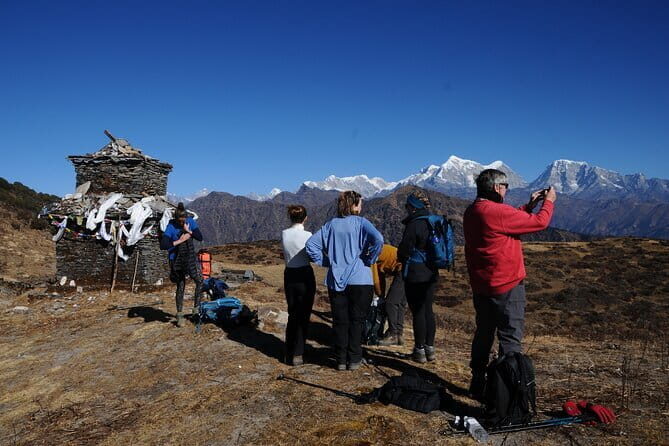
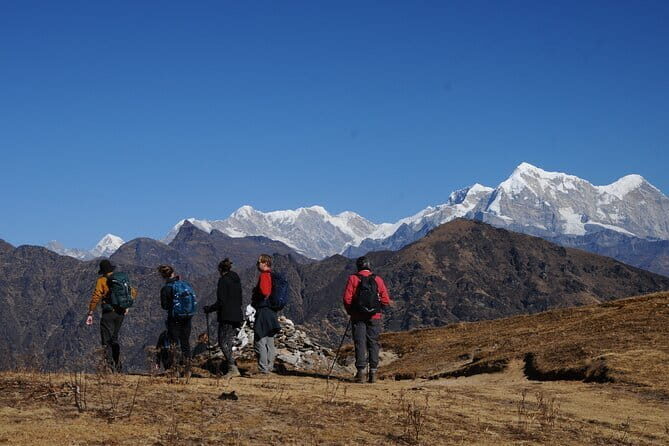
Day 4 is the headline. You hike for about 1 hour to the Pikey Peak viewpoint, aiming for stunning sunrise and panoramic views.
This is the day that feels like why you came. A short approach hike means you can focus on the reward rather than dread the climb. The rest of the day is more about soaking it in and recovering—no need to turn this into an extra-long slog just because you can.
If you want the best chance of clear visibility, treat this morning seriously. Wake up ready, layer up early, and keep your expectations realistic—mountain weather doesn’t care about your itinerary.
Day 5: Trek down into culture and community toward Junbesi
Day 5 shifts the vibe back to walking through real countryside. You trek toward Junbesi and then reach your next stop for the night.
There’s also a note about route variations depending on where you stayed earlier. If you were in Jasmane Bhanjyang, you may trek first to Taktor (about 3.5 hours) before continuing toward Junbesi. Either way, the day is about steady effort with scenery, not a technical challenge.
This is a good day to eat well and keep your hydration on track, because the schedule moves on quickly after this.
Day 6: Phaplu area plus Tupten Choling Monastery
Day 6 combines trekking time with culture. After breakfast you head toward Phaplu Airport area, and you also visit Tupten Choling Monastery, described as one of the region’s largest nun monasteries.
The monastery sits at the foot of a mountain and is home to around 20 nuns (as stated in the experience details). This stop is more than a photo break. It gives you a grounded moment away from mountain drama and into daily spiritual life, which fits perfectly with why people like this trek’s “peaceful and calm” feel.
Day 7: Long drive back to Kathmandu (and a breakfast stop)
Day 7 is a travel day. The drive from Phaplu to Kathmandu is long, so you start early. You stop around after about two hours at Dhap Thade for breakfast with more views.
It’s not the kind of day you “optimize” with extra sightseeing unless you arrive back with energy to spare. Treat it as the finish: focus on safe driving, good snacks, and resetting for city life in Kathmandu.
Guides and small-team feel: where the experience becomes memorable
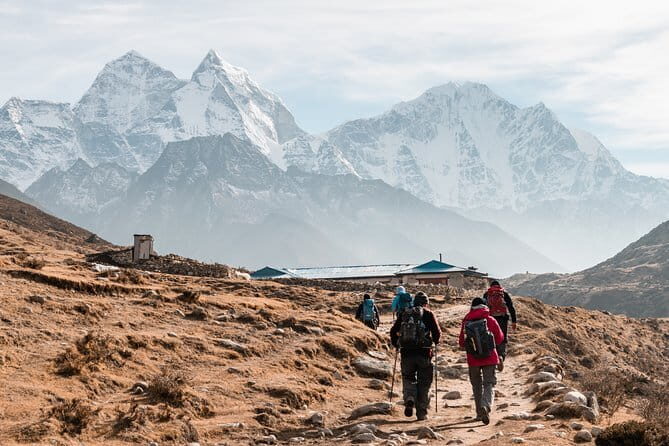
The trek is only as good as the support around it, and the team from Breeze Adventure Pvt Ltd seems to take that seriously. From the experience details and guide names connected with this route, you’ll likely be working with a guide like Sabine or Raj.
You also get the behind-the-scenes coordination that most trekkers never see. Names tied to smooth logistics include Kishwor (support at the Breeze office), Geli, and a porter such as Amrit in the trek narratives shared for this route.
Here’s why that matters to you: on a trek like this, the mountain isn’t the only variable. Weather, trail conditions, and timing all shift. A good guide doesn’t just point the way; they help you keep a sensible pace and make mornings run cleanly—especially the early sunrise day.
Even the group size plays a role. With a maximum of 20 travelers, the trek feels more controlled than routes built for huge crowds.
Tea houses, food, and the comfort level you should expect
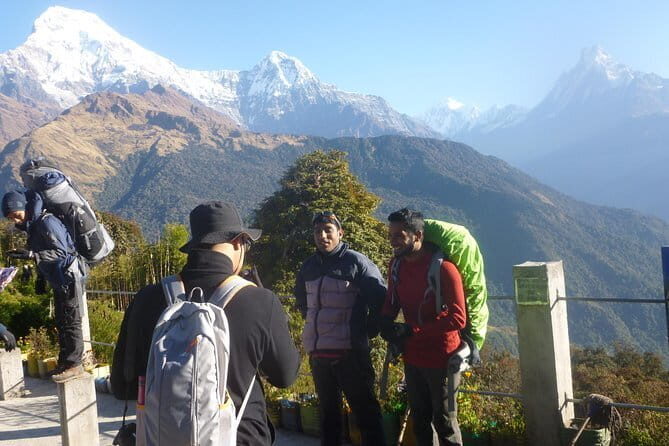
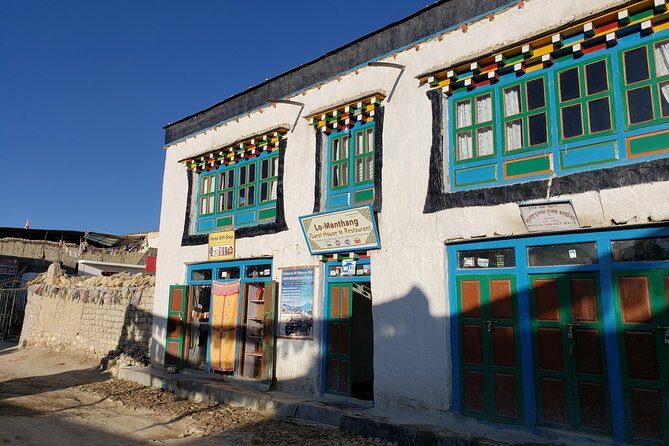
This trek uses accommodations similar to other Nepal trekking routes—meaning tea houses. The room quality can vary by location, but the setup is generally practical: a place to sleep, a common area, and meals that keep you fueled without needing to bring camping gear.
Meal counts are clearly laid out:
- Breakfast: 7
- Lunch: 7
- Dinner: 6
For most people, this is one of the best values of organized trekking. You’re not constantly figuring out where to eat or bargaining over meals at the last minute. You can walk, arrive hungry, and eat.
The key is to pack for reality. Tea house comfort isn’t hotel comfort, but it’s usually warm enough to sleep and sturdy enough to recover. If you’re sensitive to cold mornings, plan layers for the sunrise days, because mornings at altitude can feel sharper than you expect.
Price and value: what $899 actually buys you
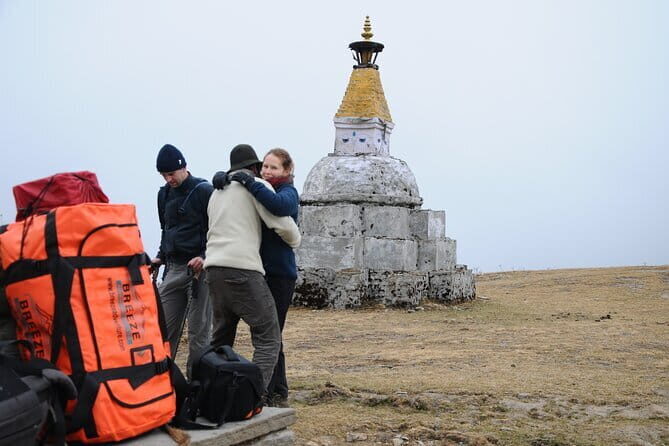
At $899 per person, this trek sits in a midrange zone for Nepal treks organized with meals and guide support. The value case is strongest if you care about reducing planning stress.
What you get includes:
- WiFi on board
- Meals: breakfasts, lunches, and dinners (with the dinner count slightly lower than the other meals, which fits the itinerary structure)
- A mobile ticket
- Support from Breeze Adventure with listed meeting point and timing structure
What you should budget for separately:
- Fuel surcharge (explicitly not included)
Now the practical part: trekking in Nepal has costs you can’t fully compress. Guides, porters, meals along the way, and coordination during a multi-day schedule all add up. When those pieces are handled for you, the $899 feels less like a random number and more like you’re paying for a smooth path from start to finish.
If you want to self-arrange everything—guides, routes, stays—this might sound pricey. But if you want a calmer experience with clear pacing and fewer moving parts, it’s a reasonable trade.
Who should choose this trek (and who should think twice)
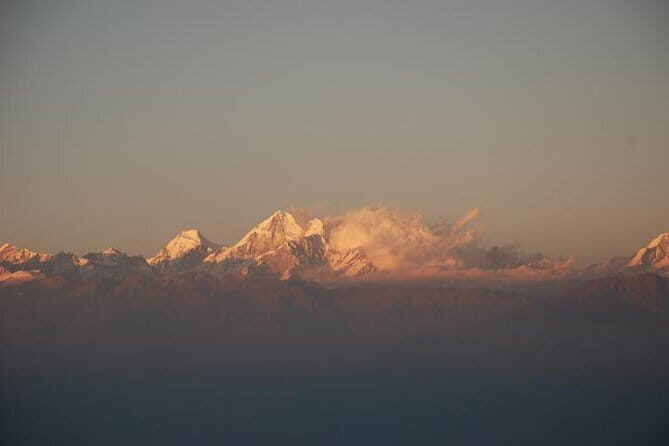
This trek is designed to suit a wide range of ages, including seniors and families. The itinerary’s easy-to-moderate rhythm—especially the day with trekking along a newly constructed road and the short 1-hour hike for the viewpoint—makes it a good entry point for people who still want big views.
You’ll likely enjoy it most if:
- You want Everest-area mountain drama without the highest-altitude intensity of some other treks
- You prefer a quieter trail experience
- You value cultural add-ons like Tupten Choling Monastery
- You like early mornings when you know the reward is worth it
Think twice if:
- You’re not good with long travel days by car (Kathmandu to Dhap on day 1, then the long return on day 7)
- You expect hotel-level comfort every night (tea houses are part of the deal)
Practical tips so your trek feels easier
A few things help you get the most out of Pikey Peak:
- Layer for sunrise: early mornings are cold enough that you’ll feel it during the hike to the viewpoint. Bring a warm layer you can take off later.
- Go slow uphill: on the mostly-uphill day toward base camp, your goal is steady effort, not speed.
- Keep hydration simple: don’t wait until you feel thirsty. Sip during breaks.
- Pack small snacks: while meals are included, extra quick snacks help keep energy steady between segments.
- Respect monastery etiquette: Tupten Choling Monastery is part of the journey—dress and behavior should be calm and respectful.
If you do these basics well, you’ll feel the “energy, peace, and positive vibes” that people associate with this route.
Should you book Pikey Peak Trek with Breeze Adventure?
If your dream is to see the Everest-region peaks with a calmer vibe and a well-run plan, I think this is a strong choice. The standout reasons are clear: Pikey Peak sunrise, the chance to walk a historic Hillary Trail route, and the cultural stop at Tupten Choling Monastery. Add to that a small group size and a team that can handle the details, and the trek becomes easier to enjoy.
I’d book it if you want an accessible trekking experience that still feels special and scenic, and if you’re okay with tea house comfort and long drive days.
If you’re chasing the most extreme, high-altitude challenge possible, this may not be the right fit. But for a value-focused trek with real mountain payoff, it’s hard to beat.
FAQ
What time does the trek start, and where do we meet?
You meet at Breeze Adventure Pvt. Ltd, Thamel Marg, Kathmandu 44600, Nepal at 6:15 am.
How long is the Pikey Peak Trek?
The duration is listed as 7 days (approx.).
What is included in the price?
Included meals are 7 breakfasts, 7 lunches, and 6 dinners, plus WiFi on board. You also receive a mobile ticket. Fuel surcharge is not included.
Is there a fuel surcharge?
Yes. A fuel surcharge is listed as not included.
How large is the group?
The experience notes a maximum of 20 travelers.
Where does the itinerary begin and end?
It begins at the Breeze Adventure meeting point in Thamel and ends back at the same meeting point.
Can I cancel for a full refund?
Yes. Free cancellation is available up to 24 hours in advance of the experience start time for a full refund.