REVIEW · KAVRE BHANJYANG
Live like Monk: Stay in the Nomobuddha Monastry
Book on GetYourGuide →Operated by Namaste Nepal Trekking & Research Hub · Bookable on GetYourGuide
Monastery mornings have a way of rewiring you. Staying at Nomobuddha near Dhulikhel is compelling because you’re built into a daily rhythm of chanting sessions with resident monks and you start the trip with a rewarding hike that clears your head before you ever reach the monastery. I also like that the meals are simple vegetarian food, served right on-site, so the “monk life” feeling isn’t only ceremonial. The main drawback to plan for: the exact balance of meditation vs. watching/participating in rituals can vary with the monastery schedule, and your room may be in nearby guest buildings rather than inside the main monastery complex.
You’ll travel with a small group (up to 10) and an English-speaking guide, typically Anoj, who’s known for being organized and genuinely invested in making the experience meaningful. Just remember the monastery rules: no alcohol or drugs, and you’ll need to follow the dress and behavior guidelines your guide shares.
In This Review
- Key things that make Nomobuddha worth your time
- Nomobuddha Monastery near Dhulikhel: what you’re really signing up for
- Chanting, meditation, and rituals: what participation can look like
- The Dhulikhel-to-Namobuddha hike: a quiet warm-up
- Day 1: arriving, settling in, and meeting monastic rhythm
- Day 2: early sessions, monastery tour, and quiet participation
- Day 3: a final morning practice and the return to Kathmandu life
- Food and daily routine: simple vegetarian meals that teach patience
- Rooms and facilities: basic, shared, and meant for quiet
- The guide experience: where Anoj’s storytelling adds real value
- Price and logistics: is $294 a fair deal?
- Who should book Nomobuddha, and who should think twice
- Tips to get the most out of your “live like a monk” time
- Should you book this monastery stay?
- FAQ
- What is the duration of the Nomobuddha monastery experience?
- Where does the experience take place?
- How do you travel to Dhulikhel and back?
- Is this a small group tour?
- What language is the guide?
- Are meals included?
- How does the walking/hiking part work?
- Is alcohol or drugs allowed?
- What kind of accommodation should I expect?
- What is included in the program besides lodging and meals?
Key things that make Nomobuddha worth your time
- Early chanting and prayer sessions set a calmer pace than a typical sightseeing day
- Dhulikhel-to-Nomobuddha hiking is not just transport; it’s part of the mindset shift
- Simple vegetarian meals help you practice restraint, not just taste local food
- A small group of 10 makes it easier to ask questions without losing the quiet vibe
- Guides like Anoj can turn “monastery visit” into a real explanation of beliefs and daily life
- Expect basic rooms and shared facilities—this is about simplicity, not comfort
Nomobuddha Monastery near Dhulikhel: what you’re really signing up for
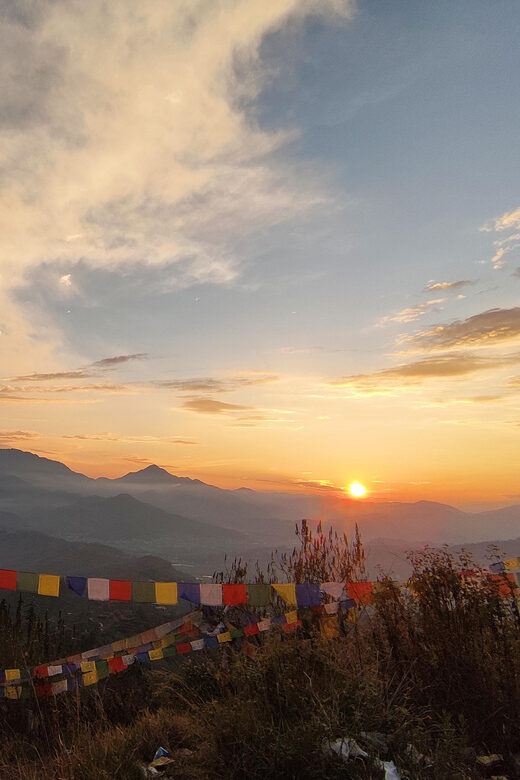
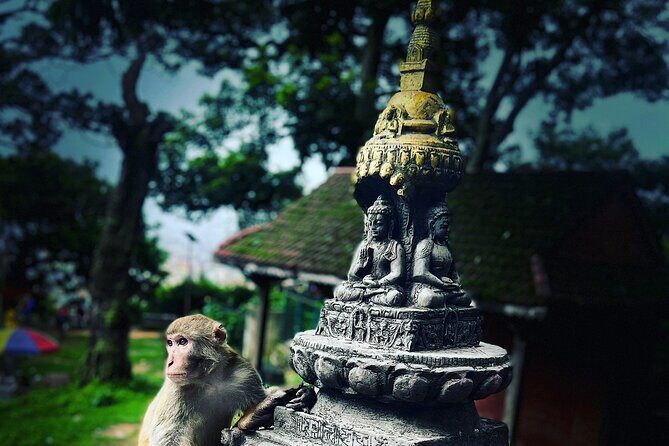
This is a 3-day, 2-night spiritual stay in the Bagmati Zone, organized around Buddhist monastic life at Nomobuddha Monastery. The setting is the hills around Dhulikhel, which means you’ll feel the slow Nepal pace: cool mornings, walking time, and fewer distractions than in Kathmandu.
The value here isn’t luxury. It’s structure. The day is built around meditation/chanting and quiet participation in monastery life, not around checking boxes of temples. If you like experiences where you change your routine for a few days—wake up early, eat simply, keep your voice softer—this program fits that mindset.
One more practical note: Nepal monasteries can’t run on your schedule. If you’re the type who needs everything to be exactly as described, be flexible. The people running the program follow monastic priorities first, and visitor participation depends on what’s happening inside that day.
You can also read our reviews of more tours and experiences in Kavre Bhanjyang.
Chanting, meditation, and rituals: what participation can look like
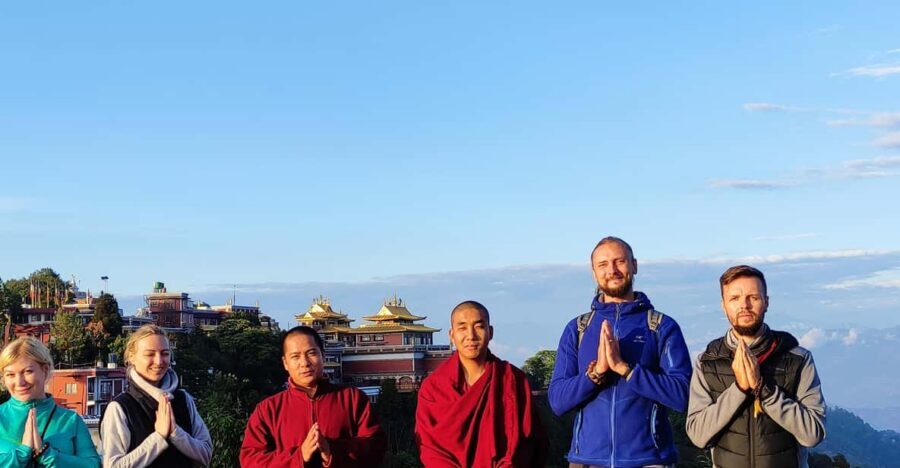
The program description emphasizes meditation, chanting, and mindfulness practices led by resident monks. That’s the goal. In practice, the specific format can shift depending on the monastery timetable and guest access.
Here’s what you should expect to be included as part of the flow:
- Morning sessions with monks, often involving chanting
- Evening chanting to close out the day
- Opportunities for guided reflection and quiet contemplation during the slower parts of the schedule
- A guided tour of the monastery grounds so you understand what you’re seeing
And here’s the part you should confirm in your own mind before booking: some stays focus more on attending prayer/chanting sessions (sometimes called puja or prayer) than on being guided through your own meditation practice alongside monks. That doesn’t make it less authentic—it just means your role may be “student and observer” rather than “active meditation partner.”
A good example from the real-world experience of previous groups: some people found the monastery schedule limited what they could join, like if there was an exam period or if a key figure wasn’t available. Translation: monasteries run a living calendar. If chanting is your priority, you’ll likely still get value. If you want private, one-on-one meditation instruction, you may feel let down.
The Dhulikhel-to-Namobuddha hike: a quiet warm-up
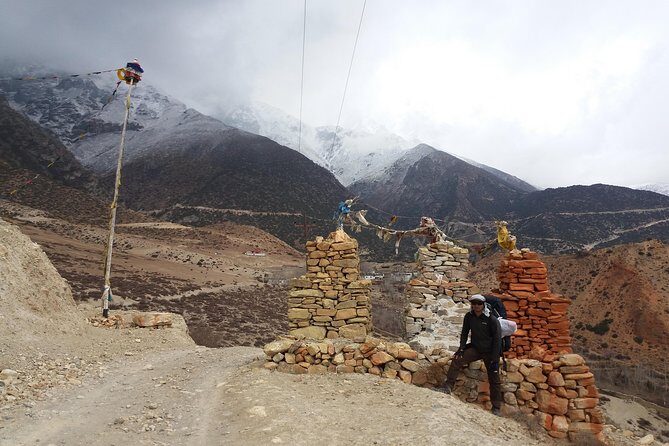
Day 1 starts in Dhulikhel with a hike of about 3 hours to Nomobuddha. This is one of the best parts of the experience because it changes your pace immediately. You’re not dropped off and handed a plan; you’re walking into the setting.
Why this matters for value:
- The hike physically tires you just enough to make evening chanting feel more grounded.
- It reduces the “tour bus” feeling. You pass through local hills and small communities, and you arrive already in observer mode.
- It helps you respect the place. You can feel the effort behind the calm.
What to consider:
- It’s time on your feet. Good walking shoes matter.
- Since it’s in hilly terrain, weather and your own fitness level can influence how “meditative” it feels.
If you’ve spent your Kathmandu days dodging traffic, you’ll appreciate this reset.
Day 1: arriving, settling in, and meeting monastic rhythm
On the first day, you travel from your Kathmandu-area pickup options—Bhaktapur, Kathmandu, or Lalitpur—to Dhulikhel by private transportation. Then you hike to Nomobuddha, check in, and decompress.
Once you arrive, you can expect:
- Time to rest and explore monastery grounds
- An introductory session with resident monks focused on meditation and chanting
- Your first monastery-style evening, where you get a taste of what “living with the daily cycle” means
Accommodation note that can affect your expectations: the program says you’ll stay inside the Nomobuddha Monastery in twin sharing. But in actual experiences, you might find your room is in a nearby guesthouse building (often described as close—think walking distance, sometimes a few hundred meters away). That’s not necessarily a dealbreaker, but it can change your sense of being fully “within” the monastery walls. If you’re booking specifically for that inside-the-monastery feeling, ask where the room will be located.
Either way, the first evening tends to be when the program’s calm tone hits hardest. You’re tired from the hike, and the chanting gives you a steady rhythm to match.
Day 2: early sessions, monastery tour, and quiet participation
Day 2 follows the monastic rhythm more tightly. It starts early with a morning chanting session, followed by a guided meditation to help you start the day with clarity and focus.
Then comes the structure that makes the stay feel real rather than staged:
- Vegetarian breakfast in the monastery dining area
- A guided tour of the monastery grounds, where you learn about history, architecture, and cultural significance
- Lunch prepared by the monastery kitchen, with a simple style that rewards slow eating
- Afternoon time that includes personal reflection and possible monastery activities like gardening or scripture study (depending on what’s going on)
In the evening, you join monks again for evening chanting, followed by a meditation winding down toward sleep.
This day is where you’ll feel the biggest contrast with normal travel. You aren’t just moving between sights. You’re practicing a way of being. Even if you don’t “get it” spiritually on day two, you’ll likely notice the mental difference from day one—less noise, fewer impulses to multitask.
And again: you should stay flexible about how much active meditation you do with monks vs. attending their sessions. If you’re hoping for lots of direct instruction, ask your guide questions throughout the tour so you can adjust your expectations in real time.
Day 3: a final morning practice and the return to Kathmandu life
Day 3 keeps the rhythm but shortens the day. You’ll join morning chanting and meditation again, then have breakfast, a final tour of the monastery grounds, and one more vegetarian lunch.
The trip ends with private transport back to Kathmandu-area drop-offs in Bhaktapur, Lalitpur, or Kathmandu.
The most useful way to think about the final day is this: it’s not “wrap-up sightseeing.” It’s the transition day. You go from the monastery’s pace back to traffic, phones, and plans.
If you want this experience to keep working after you leave, spend your last free moments noticing what the day was doing to you: your sleep, your hunger, your patience during silence. That’s often what people carry home, even if the religious details weren’t familiar.
Food and daily routine: simple vegetarian meals that teach patience
Three vegetarian meals per day are included—breakfast, lunch, and dinner. The key isn’t just nutrition (though it’s a solid, practical choice for a retreat). It’s the role the food plays in the experience.
Monastery meals usually mean:
- Eating slowly and with fewer distractions
- Choosing simple flavors over “big tourist tastes”
- Practicing restraint without making it a spiritual performance
In past stays, people praised the meals as tasty and worth the price. If you’re used to finding food quickly between tours, you’ll likely appreciate the calmer approach here.
One practical tip: since you’re walking and doing early sessions, don’t assume your body will handle spicy or heavy foods the way it does back in Kathmandu restaurants. Ask your guide if you’re unsure what the kitchen tends to serve.
Rooms and facilities: basic, shared, and meant for quiet
The stay is simple by design. You should be ready for:
- Twin sharing accommodations inside the monastery or in very close nearby buildings
- Shared facilities
- Basic amenities rather than hotel-style comforts
This is the moment to decide what matters most to you. If you want a quiet place to practice mindfulness and let your mind slow down, simple rooms can be perfect. If you need a lot of privacy, quiet insulation, and modern comforts, you might feel you’re sacrificing too much.
Also bring the practical items that make “basic” easier: a warm layer for cool mornings, modest sleepwear that fits monastery guidelines, and anything you use to keep yourself comfortable during quiet time.
The guide experience: where Anoj’s storytelling adds real value
A big part of whether this feels meaningful comes from your guide. Many groups are led by Anoj, and the consistent theme is that he’s prepared, kind, and quick to explain what you’re seeing.
In real experiences shared by previous participants, Anoj was praised for:
- Explaining religion and monastery history in a way that makes sense
- Showing the monastery thoroughly rather than rushing
- Trying to figure out whether pujas or specific rituals were happening when schedules got complicated
- Taking care of guests when someone had a stomach issue
That last point matters more than it sounds. When you’re in a remote, simple setting, you’re not surrounded by medical options or a pharmacy next door. A thoughtful guide can turn a rough moment into a manageable one.
So if you book this, treat questions like part of the itinerary. Ask what rituals are likely that day, what the monks’ schedule means for your participation, and what behavior matters most. Your time there gets better fast.
Price and logistics: is $294 a fair deal?
At $294 per person for 3 days, this isn’t an impulse purchase. You’re paying for a package that includes:
- Private transportation to and from Dhulikhel
- The hike segment
- 2 nights of accommodation close to the monastery
- Meals (3 vegetarian meals per day)
- A small-group guide (English)
- Access to monastery facilities and guided tours
- Daily chanting/meditation sessions
Whether it’s “worth it” depends on your expectations around participation. If you want a calm, structured retreat and you’re happy to attend chanting/prayer sessions in a monastery setting, the price can make sense.
If you’re expecting constant, hands-on meditation instruction with monks the whole time—like you’ll always be doing something active every hour—be careful. Some people felt the on-the-ground reality differed from the marketing tone. That doesn’t mean the monastery experience is fake; it means monastic schedules can limit what’s available to visitors on a given date.
My advice: decide what you most want from this trip. If the goal is quiet, ritual contact, and a guided path into monastic routine, you’ll likely feel satisfied. If the goal is a very specific meditation program delivered exactly like a workshop, you may feel shortchanged.
Also, the small group size (up to 10) helps justify the cost. You’re not just buying a bed; you’re buying time with a guide and entry into a schedule most tourists never see.
Who should book Nomobuddha, and who should think twice
This experience suits you if:
- You like structured mornings (early wake-ups won’t bother you)
- You want cultural authenticity more than a checklist of sights
- You’re comfortable with simple accommodations and shared spaces
- You value mindfulness and compassion as lived practice, even if you’re not Buddhist
You might think twice if:
- You’re uncomfortable with basic facilities or shared rooms
- You need lots of personal, one-on-one teaching
- You expect every day to include identical meditation formats regardless of monastery schedule
- You want nightlife, nightlife-adjacent comforts, or a modern travel pace
It’s a retreat-style stay more than a casual day trip.
Tips to get the most out of your “live like a monk” time
Here’s how to make this work in the real world, not the brochure world:
- Treat the hike as your first practice. Walk slower than normal and notice your breathing.
- Plan for the monastery’s schedule to shape what you can join. Ask your guide what rituals are likely each day.
- Keep your questions polite and practical. Guides like Anoj do best when you ask what matters to you.
- Bring a warm layer. Early chanting days can feel chilly.
- Respect the monastery rules about dress and behavior. Follow what your guide shares and you’ll avoid awkward friction.
- If you’re sensitive to stomach issues, eat mindfully and let your guide know early if something feels off.
And one small mindset shift: don’t judge the experience only by whether you were actively meditating at every moment. You’re also learning by being present.
Should you book this monastery stay?
If your idea of a great Nepal trip is early mornings, honest calm, and learning through ritual and routine, I’d say yes—this is a strong choice. You get a real taste of Buddhist monastic life with structured sessions, a guide who can explain what you’re seeing, and simple meals that match the pace.
If your main goal is a highly specific meditation workshop experience with guaranteed, hands-on instruction every day, I’d book with extra caution and clarify your expectations with your guide. The monastery is a living place with its own priorities. When you match your plan to that reality, the trip tends to feel worthwhile.
If you want, tell me your dates and what you’re most hoping to learn (meditation technique, chanting meaning, Buddhist history, or just quiet time). I can suggest how to set expectations so you get the best possible experience from Nomobuddha.
FAQ
What is the duration of the Nomobuddha monastery experience?
The program runs for 3 days and includes 2 nights of accommodation.
Where does the experience take place?
It’s based around Nomobuddha Monastery in the Bagmati Zone of Nepal, with the hike starting from Dhulikhel.
How do you travel to Dhulikhel and back?
You use private transportation from Kathmandu-area pickup points to Dhulikhel, and private transportation back to Kathmandu-area drop-off points after the monastery stay.
Is this a small group tour?
Yes. It’s limited to a small group of up to 10 participants.
What language is the guide?
The guide provides an English-speaking experience.
Are meals included?
Yes. Three vegetarian meals per day are included: breakfast, lunch, and dinner.
How does the walking/hiking part work?
You hike from Dhulikhel to Nomobuddha, taking about 3 hours.
Is alcohol or drugs allowed?
No. Alcohol and drugs are not allowed.
What kind of accommodation should I expect?
It’s simple and reflective of monastic lifestyle, with twin-sharing and shared facilities. You should also be prepared for basic amenities.
What is included in the program besides lodging and meals?
In addition to transportation and meals, the program includes daily meditation and chanting sessions with resident monks, participation in monastery rituals and practices, guided tours of the monastery grounds, and a live guide with all expenses covered.