REVIEW · KATHMANDU
Annapurna Circuit Trekking -17 Days
Book on Viator →Operated by Annapurna Foothills Treks Expedition Pvt. Ltd. · Bookable on Viator
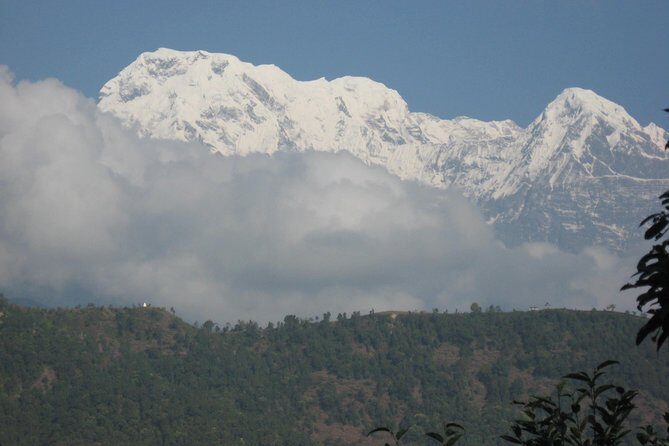
Thorung La feels close on this trek. You’ll hike through terraced farms, reach the Annapurna’s north side, and then push up toward the legendary high point—supported by a licensed English-speaking Sherpa guide and a logistics setup designed to keep you moving.
I especially like the daily rhythm here. You get breakfast, lunch, and dinner while trekking in local lodges, plus a porter arrangement (set for 1 porter between 2 clients on request). That means you’re not scrambling to figure out meals or who’s carrying what in the middle of nowhere.
The main drawback to plan around is effort and altitude. The itinerary climbs to 4,545m at Phedi and involves a long high day via Thorung La Pass, so you’ll need a strong fitness base and good pacing habits from the start.
In This Review
- Key things I’d watch for before you go
- Kathmandu start point: Thamel is your easy on-ramp
- Getting to the trail: the Besisahar drive and Bhulbule warm-up
- Terraced villages to Ghermu Phant and Tal: where the trek starts feeling real
- Timang and Pisang: the climb gets serious, and the days get longer
- Manang and the acclimatization day: the smartest part of your plan
- Yak Kharka and Phedi: short distances, high stakes
- Thorung La and Muktinath: the high point day
- Tatopani to Ghorepani: hot springs vibes, then forest-country trekking
- Hile and Nayapul: the finish leg and the handoff to Pokhara
- Back to Kathmandu and onward: wrap-up with less stress
- Price and value: why $1,400 can make sense here
- Who this trek fits best (and who should rethink it)
- Should you book Annapurna Circuit Trekking (17 Days)?
- FAQ
- How long is the Annapurna Circuit Trekking itinerary?
- What’s included in the price?
- Where do you meet the group, and where does it end?
- Is there porter support for luggage?
- What parts of the trip have included accommodations?
- What happens if weather is poor?
Key things I’d watch for before you go
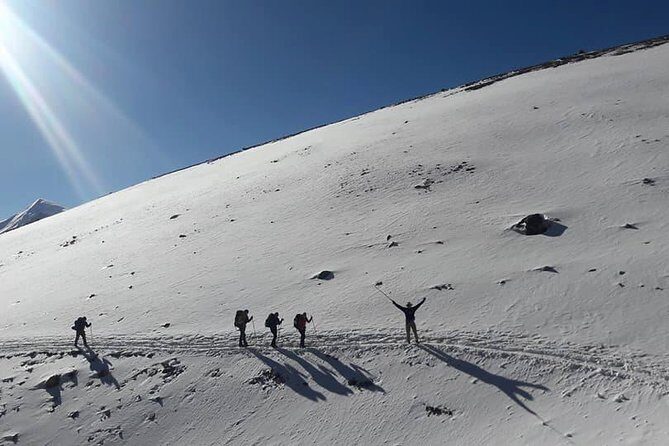
- Licensed, English-speaking Sherpa guidance: you’re not just buying hiking trails—you’re getting trained support for a demanding route.
- Lodge meals included during the trek: breakfast, lunch, dinner are covered for 13 nights, which can save energy and decision fatigue.
- Altitude built with intention: you’ll gain height gradually, then get a dedicated acclimatization day in Manang before the higher pushes.
- Porter help is possible: luggage carry can be arranged as 1 porter between 2 clients when you request it.
- Energy snacks on the trail: you’ll receive items like Snickers, Mars, Bounty, plus fresh fruits along the way.
- Private group, private feel: it’s a private tour/activity, so your group only participates.
Kathmandu start point: Thamel is your easy on-ramp
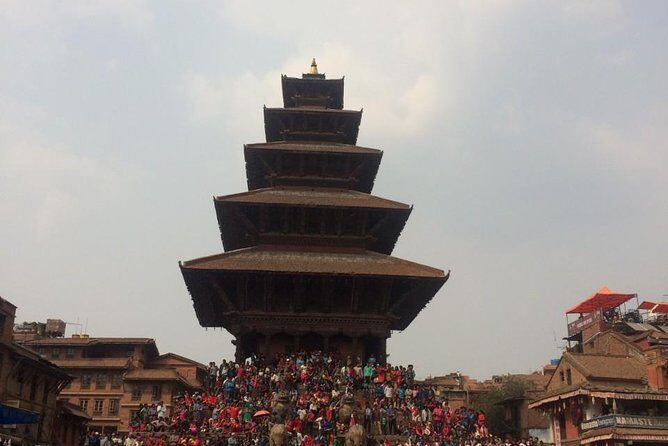
Your trek begins in Thamel, Kathmandu, which is practical. It’s a familiar base for travelers, and it keeps your first day low-stress. On Day 1 you arrive at about 1,300m, which is helpful because you’re not immediately jumping into big climbs the moment you land.
Day 1 is basically about getting your bearings and settling in. If you’re coming from sea level, take it easy that evening. You don’t need to be dramatic—just let your body adjust before the first long day on the trail.
The tour includes two nights in Kathmandu with bed and breakfast, and that’s useful for sleep quality. Good sleep is not a “nice to have” on a trek like this. It affects how your legs feel the next morning.
You can also read our reviews of more hiking tours in Kathmandu


Getting to the trail: the Besisahar drive and Bhulbule warm-up
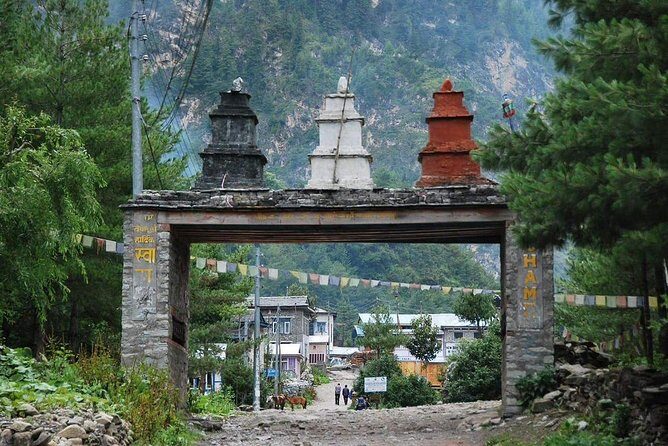
Day 2 starts with a drive to Besisahar (184 km), then you begin hiking to Bhulbule at 820m. You’ll cover about 7 km and around 2 hours.
This matters because it’s not a brutal first day. That early, gentler start lets you find your stride and test your gear without burning matches. Also, after a road transfer, that kind of “off-ramp hike” helps you transition from car-seat stiffness to trail movement.
Day 2 includes meals as part of the trek plan, so you won’t be hunting for lunch options right away. You’ll also be moving with your guide and group, which reduces the mental load of figuring out logistics on day one.
Terraced villages to Ghermu Phant and Tal: where the trek starts feeling real
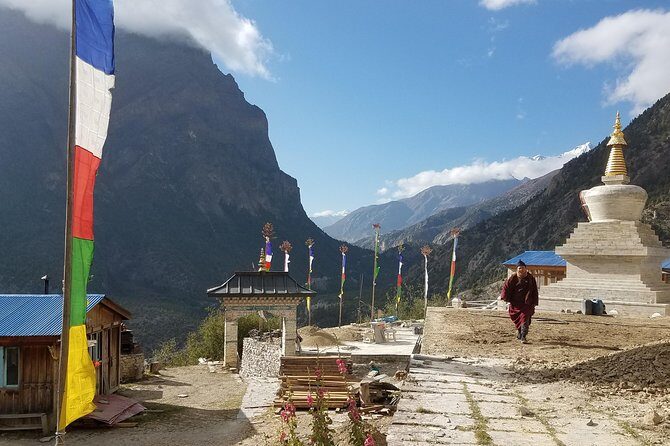
On Day 3 you hike to Ghermu Phant at 1,136m. The distance is about 15 km and the walking time is 5–6 hours.
Day 4 continues to Tal at 1,700m. You’ll trek around 18 km, with about 5 hours on the clock.
This is where the Annapurna Circuit starts to become more than just “a route.” You’ll move through terraced farms and villages, and you’ll notice the human rhythm of daily life along the trail. Even if you’re not a hardcore culture person, it helps to be reminded: the trail is lived on, not just visited.
One practical consideration: these days are long enough that you’ll want a steady pace. If you go hard early, you’ll feel it later when the route starts pushing upward.
Timang and Pisang: the climb gets serious, and the days get longer
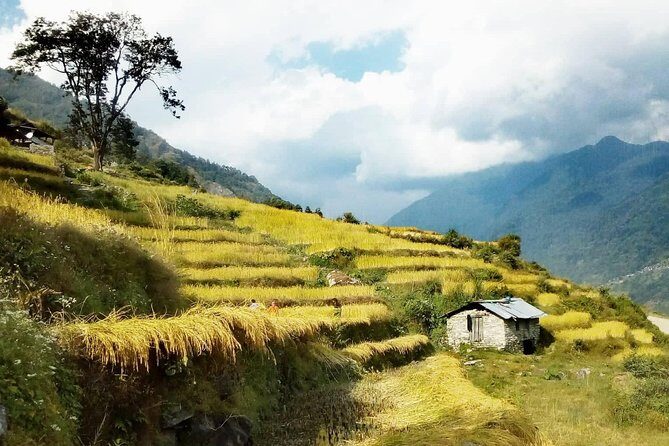
Day 5 takes you to Timang at 2,780m (21 km, 5–6 hours). Day 6 continues to Pisang at 3,200m (27 km, 7–8 hours).
Two things stand out about this stretch:
1) It’s a big distance day, especially on Day 6.
2) The altitude is high enough that your breathing changes, even if your pace stays the same.
This is a good part of the trek to keep your effort controlled. You’re not trying to “win” the climb; you’re trying to arrive feeling functional. The lodge meals included on these days help, because you can focus on recovering instead of searching.
And since this trek is built for hikers who have a strong fitness level, it rewards steady walkers more than sprinty ones.
Manang and the acclimatization day: the smartest part of your plan
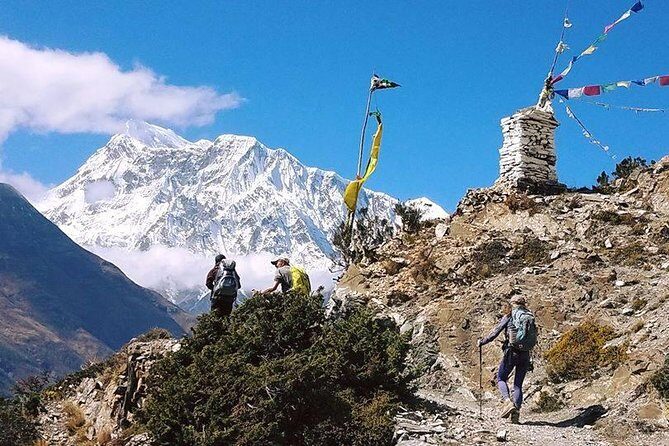
Day 7 takes you to Manang at 3,540m (22 km, 6–7 hours). Then Day 8 is an acclimatization day in Manang.
This is one of the best value elements in the whole itinerary. That extra day is there because high altitude is not a checklist item. It’s a body process. The route continues higher after you’ve already spent time at altitude, which helps you avoid that too-fast, too-hard feeling.
If you’re wondering whether Manang is “worth it,” this is your answer: an acclimatization day is usually where good treks separate themselves from rushed ones. You don’t have to fill every hour with hero moves. Rest, gentle movement, and hydration matter here.
You’ll be in local lodge accommodation as part of the trekking plan, with meals included—another reason you can keep the day calm.






Yak Kharka and Phedi: short distances, high stakes
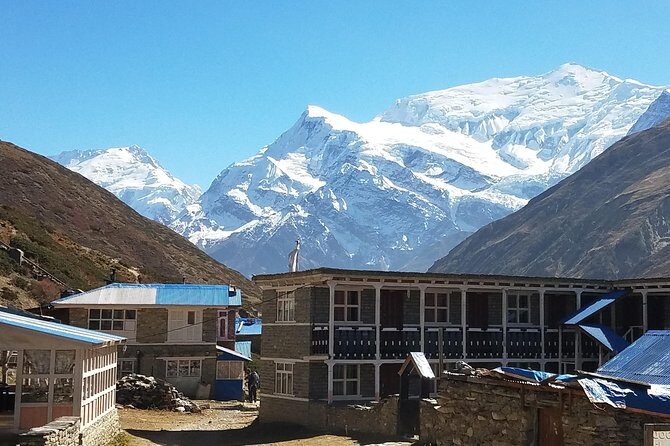
Day 9 heads to Yak Kharka at 4,000m (about 10 km, 4–5 hours). Day 10 climbs to Phedi at 4,545m (8.5 km, 3–4 hours).
Notice the pattern: distance is shorter, but stakes are higher. At these altitudes, even “only” a few kilometers can feel intense. This is also a good time to be honest with yourself. If you’re lagging, speak up early with your guide. That’s what having an experienced Sherpa guide is for.
This is also where the included setup helps. You’ll still be eating through the day, and you’ll have the first-aid medicine kit on hand as support. You’re not going it alone.
Thorung La and Muktinath: the high point day
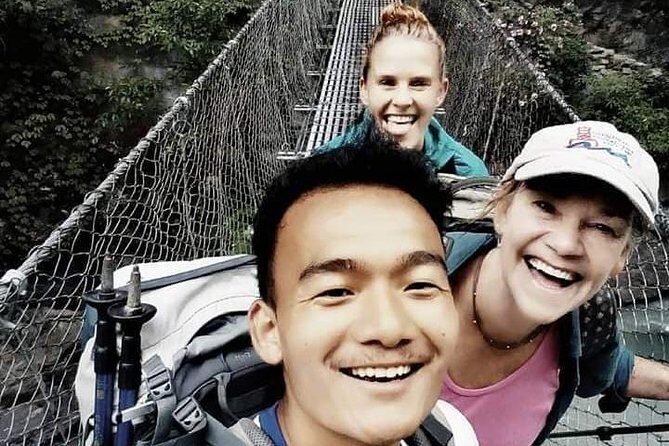
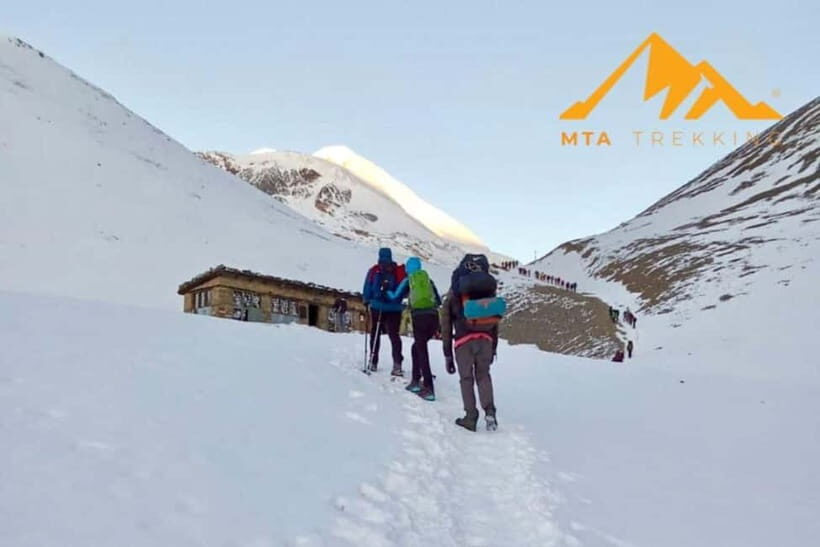
Day 11 is the big push. You trek from Phedi to Muktinath (3,694m) via Thorung La Pass, with a full-day effort of about 16 km and 9–10 hours.
This is the defining day for most people. It’s the route’s high point, and it’s the day where your preparation, pacing, and mental focus all come together.
A practical way to think about this day: treat it like a long workout, not a scenic stroll. Expect that you’ll move slower than you think you should. That doesn’t mean something is wrong—it means altitude is doing its job.
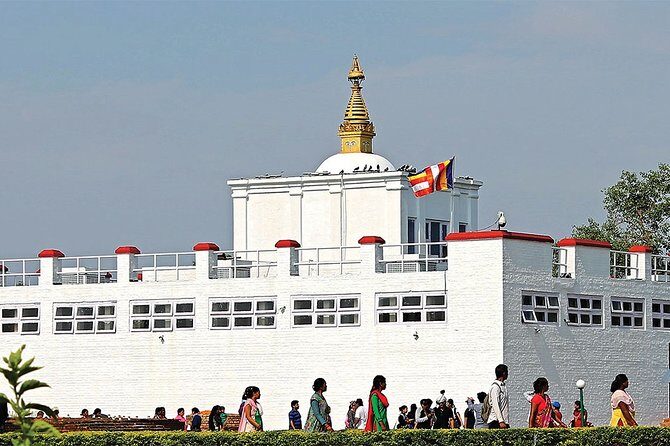
Also, you’ll be moving from the high pass area toward a place associated with pilgrimage activity at Muktinath. The route here is built to connect the big summit moment with a meaningful cultural destination.
Tatopani to Ghorepani: hot springs vibes, then forest-country trekking
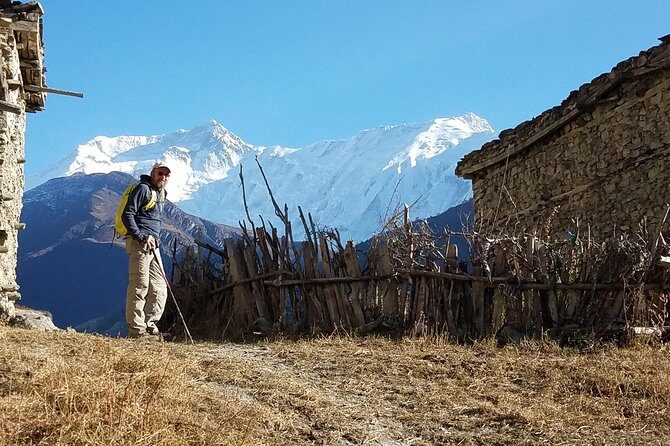
Day 12 is a drive to Tatopani at 1,160m (60 km, 5–6 hours). That drop in altitude can be a relief after Thorung La day.
Then Day 13 takes you to Ghorepani at 2,850m (17.5 km, 6–7 hours).
Tatopani is a classic “get your body back” kind of stop, and the itinerary gives you that reset after the hardest segment. When the trek then climbs again toward Ghorepani, you’re not repeating the hardest part—you’re transitioning to the next hiking mood.
Day 12 and Day 13 include lodge support as part of the trekking plan, and having your food and sleeping figured out helps you stay in recovery mode instead of problem-solving.
Hile and Nayapul: the finish leg and the handoff to Pokhara
Day 14 brings you to Hile at 1,400m (12 km, 5–6 hours). Day 15 is a shorter walking window to Nayapul at 1,010m (7 km, about 3 hours), followed by a drive to Pokhara.
This final walking phase matters more than people expect. After a full circuit, your legs still need gentle work. A day like this helps you close the loop without ending the trek in pure exhaustion.
Pokhara is also where the trip feels like it shifts from trekking to “destination time.” You’ll have one night in Pokhara with bed and breakfast, which is a nice bridge before going back to Kathmandu.
Back to Kathmandu and onward: wrap-up with less stress
Day 16 is your drive back to Kathmandu (about 1,345m). Day 17 is departure.
From a traveler’s perspective, this is a good way to end: you’re not stuck doing your own complicated transfers at the finish. The included transfers include:
- Kathmandu to Besi Shar by public bus
- Nayapul to Pokhara by private vehicles
- Plus a return drive back to Kathmandu
There’s also a note that pickup is offered, and that mobile ticket format is used. Those details matter if you like clarity and fewer surprises.
Price and value: why $1,400 can make sense here
At $1,400 per person, this trek isn’t cheap. But it also isn’t “just directions.” What you’re paying for is the whole working system around the hike: experienced guidance, permits, and a lot of meal and accommodation coverage.
Here’s what stands out as value:
- Local lodge accommodation for 13 trekking nights, with breakfast, lunch, and dinner included
- Kathmandu (2 nights) and Pokhara (1 night) with bed and breakfast
- A government-trained, license-holder English-speaking Sherpa guide
- Permits included (Annapurna Conservation Fee, TIMS, and all required documentation)
- Porter support on request (1 porter between 2 clients)
- Trail energy supplies (Snickers, Mars, Bounty) and fresh fruits, plus a first-aid kit
When you compare trek trips, the real question is not the sticker price. It’s what you’re spared from doing yourself. Here, you’re spared a lot: meal planning, permit wrangling, and carrying gear.
What’s not included is also clear: your personal travel insurance, Nepal entry visa fee, city meals and drinks, and tips for guide/porters/drivers. That’s normal for Nepal trekking, and it’s part of budgeting honestly.
Who this trek fits best (and who should rethink it)
This experience is for people with a strong physical fitness level. If you’re already trekking regularly and you like structured days with clear pacing, you’ll likely enjoy this.
You’ll also like it if you care about having support that feels practical rather than vague. A licensed guide and organized staff help you keep moving when you’d otherwise hesitate.
If you’re looking for an ultra-flexible trek where you choose every decision on the spot, this might feel a little structured. This route is built like a system: steps, altitude, meals, and timing. That’s exactly what makes it easier for most people to succeed.
Should you book Annapurna Circuit Trekking (17 Days)?
I’d tell you to book if you want a classic Annapurna Circuit experience with solid support: English-speaking licensed Sherpa guidance, lodge comfort during the trek, included permits, and a clear rhythm that includes acclimatization in Manang.
I’d hesitate if you know you’re not ready for a demanding high-altitude day via Thorung La Pass, or if you rely on a very independent style of travel. This trip is “hands-on managed,” not DIY.
If you do book, make your commitment to pacing and altitude a serious one. The route rewards hikers who keep things steady.
FAQ
How long is the Annapurna Circuit Trekking itinerary?
The trek is scheduled for 17 days (approx.) from arrival in Kathmandu to departure.
What’s included in the price?
The tour includes 13 nights in local lodges with breakfast, lunch, and dinner during the trek, Kathmandu (two nights) and Pokhara (one night) bed and breakfast, an English-speaking experienced Sherpa guide, porter support (1 porter between 2 clients on request), staff costs, energy supplies/snacks and fresh fruits, a first-aid kit, Annapurna Conservation Fee and TIMS permits, and certain ground transfers (Kathmandu to Besi Shar by public bus, and Nayapul to Pokhara by private vehicles).
Where do you meet the group, and where does it end?
The meeting point is Thamel, Kathmandu (44600), Nepal. The activity ends back at the same meeting point.
Is there porter support for luggage?
Yes. A porter can be arranged on your request, and the setup is 1 porter between 2 clients.
What parts of the trip have included accommodations?
You get two nights in Kathmandu and one night in Pokhara, plus 13 trekking nights in local lodges during the hike.
What happens if weather is poor?
The experience requires good weather. If it’s canceled due to poor weather, you’ll be offered a different date or a full refund.