REVIEW · KATHMANDU
Everest Base Camp Trek
Book on Viator →Operated by Accessible Adventure Pvt. Ltd · Bookable on Viator
Everest Base Camp is the long view of the world. This private guided trek is built for people who want the big Everest sights without the summit headache, plus daily Sherpa-culture moments along the Khumbu trail. I like the small-group feel and the support structure (an experienced lead guide and an assistant guide for personalized care).
I also like that your daily costs are mostly handled. Full-board meals and tea house lodging, plus park entry and community fees, are folded into the package, so you’re not constantly doing math while you’re tired and climbing.
The main drawback is planning stress around altitude and flights. Even with acclimatization stops and support gear, you’ll still be walking high, and flights to Lukla may route through Manthali/Ramechhap with an overnight drive during some conditions.
In This Review
- Key points before you set foot on the trail
- Why Everest Base Camp feels different from an Everest summit trip
- Kathmandu prep days: Thamel, gear checks, and a plan you can trust
- The Lukla route may change: Manthali/Ramechhap and early-morning flying
- Phakding and Namche: bridges, the park gate, and your first Everest glimpses
- Namche acclimatization: the day that makes the rest of the trek feel possible
- Tengboche and Ama Dablam: the monastery stop that slows your breathing
- Dingboche: altitude practice day, with Nagarjun Hill for a high-altitude lesson
- Lobuche: glacier moraine walking and the memorial wall effect
- Everest Base Camp day: 12 km, the Khumbu Icefall, and cold reality
- Kala Patthar at 5,550m: the closest Everest look on foot
- Downhill to Namche and your last evening in Lukla
- Kathmandu again: what you’ll notice after the mountains fade
- Price and value: what $1,169 covers on a high-risk, high-logistics trek
- Who this trek suits (and who should reconsider)
- Practical advice to make the high days feel less scary
- Should you book Accessible Adventure’s Everest Base Camp trek?
- FAQ
- How many days is the Everest Base Camp trek?
- Where does the trek start?
- What is the price per person?
- What’s included in the trek package?
- Are meals included?
- Do I need to pay for park entry fees?
- Is airport pickup and drop-off included?
- How does the trek handle altitude safety?
- What should I know about flights and Lukla?
- What’s the cancellation policy?
Key points before you set foot on the trail
- Private guiding with real first-aid support: English-speaking, government-licensed trek leader trained in first aid, with a first aid kit and pulse oximeter.
- Assistant guide help for small groups: the setup is designed for close care, not “follow the leader and good luck.”
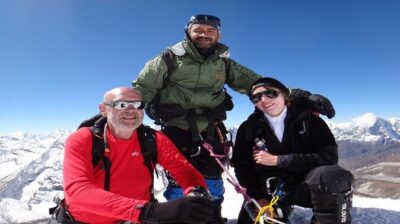
- Kala Patthar is the Everest payoff: a high viewpoint hike (to 5,550m) for the closest look at Everest you can do without climbing.
- Tea houses + full meals reduce decision fatigue: breakfast, lunch, and dinner are included during the trek.
- Porter coverage keeps you moving: porter service carries your main luggage (solo travelers should confirm porter details).
- Souvenirs and gear for the trek: duffel bag, T-shirt, and trekking map are included; down jacket and sleeping bag are provided to use and then return.
Why Everest Base Camp feels different from an Everest summit trip
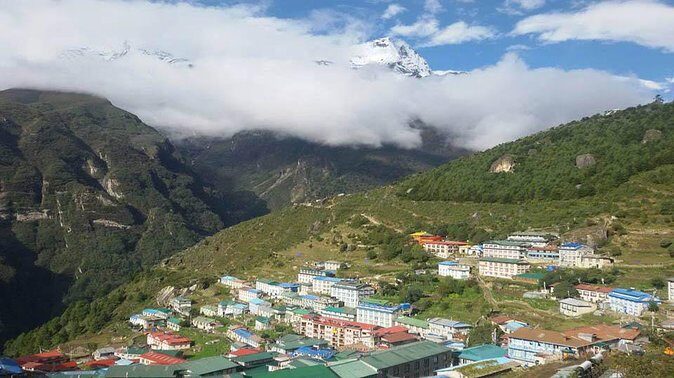
This trek gives you the “real Everest” feeling in a grounded way. You’re not chasing the final ridge or dealing with fixed ropes. Instead, you’re walking into the Khumbu where Everest is always looming, and you’re close enough to feel how massive the mountain is.
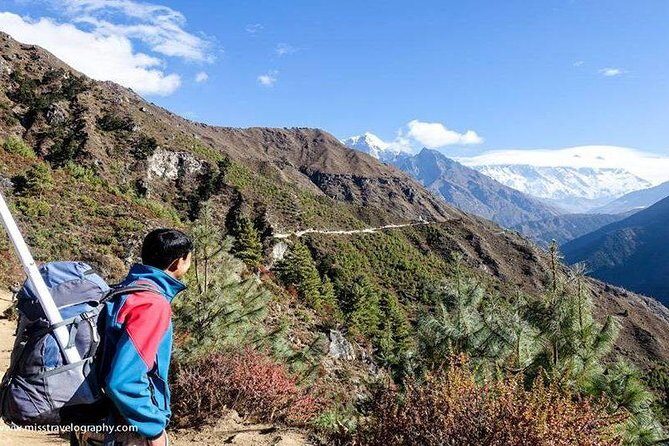
You’ll also get a classic mix of trail textures: pine and rhododendron forests, suspension bridges, glacier-side walking, and big stone memorials for climbers. It’s not just scenery. It’s a moving timeline of the Khumbu region.
You can also read our reviews of more hiking tours in Kathmandu


Kathmandu prep days: Thamel, gear checks, and a plan you can trust
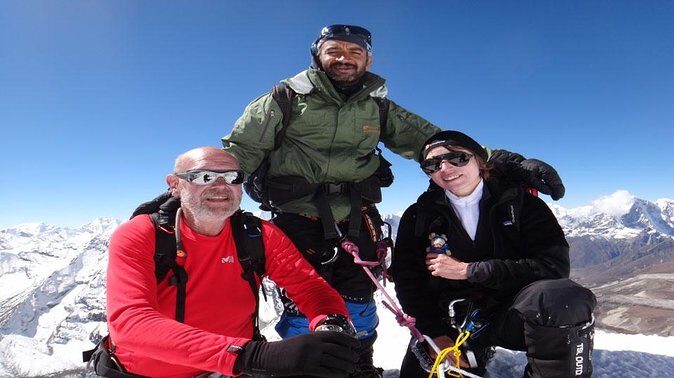
Your first stop is Kathmandu, with airport pickup and a private vehicle transfer to your hotel. After check-in, you meet your trek leader and the rest of the team, then get a briefing to clear questions before you go high.
Thamel is your useful friend here. You can do last-minute gear shopping, check your kit, and get ready for long walking days. This matters because the trek days are “simple but not easy.” Having the right layers and essentials before the flight keeps you from scrambling later.
If you’re someone who likes a calm start, this setup helps. You’re not dropped into confusion and told to wing it.
The Lukla route may change: Manthali/Ramechhap and early-morning flying
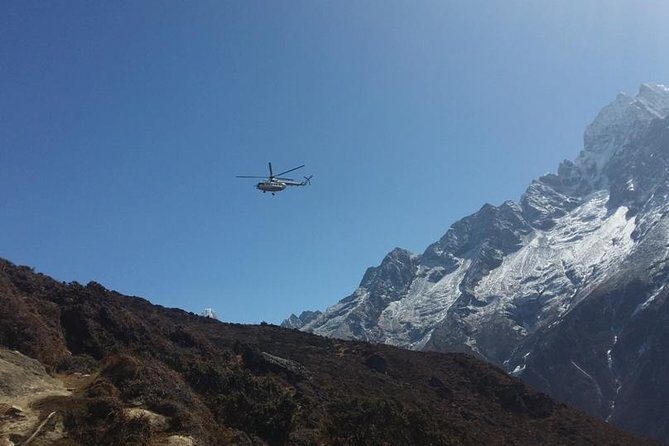
One thing to watch: flights to Lukla can operate out of Manthali Airport in Ramechhap District. That can mean a four-hour drive from Kathmandu during the night, followed by an early morning flight (about 20 minutes).
The mountain flight itself is part of the experience. The landing at Lukla is known for its dramatic grade because one end of the runway sits about 60m higher than the other, and the aircraft typically used is a small Dornier or Twin Otter style plane.
Practical tip: if you’re the type who needs sleep before a big day, treat this flight day like it’s already a workout. Plan to keep your routine simple in Kathmandu so you’re ready when the car picks you up.
Also double-check what’s covered for flights. Your package data says domestic flights are part of the overall tour, but it also lists Lukla flight under what’s not included. It doesn’t mean you won’t fly. It means you should confirm who pays for which flight segment before departure.
Phakding and Namche: bridges, the park gate, and your first Everest glimpses
Day two begins with a walk from Lukla to Phakding, descending toward the Dudh Koshi river. You pass through Chauri Kharka village and follow the riverbank trail. It’s a good way to settle into the rhythm: not too steep, but long enough to feel like real trekking.
You’ll also get cultural texture early. There’s a mention of Khumbila, a sacred peak worshipped by Sherpas, and it’s one of those reminders that the Khumbu is a living place, not a theme park.
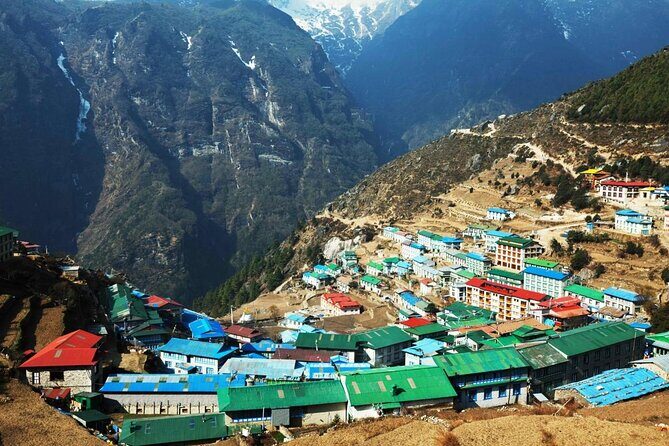
After that, the climb starts in earnest on day three toward Namche Bazaar, the “Sherpa capital.” The route crosses multiple suspension bridges, including the famous Hillary Suspension Bridge. The trail threads through forest sections and river crossings, then finishes with a climb up to Namche.
You also pass through the Sagarmatha National Park area, where permits are checked. This is a straightforward moment, but it’s good to keep your documents ready and easy to pull out.
And yes, you may spot Everest early. The first real “wow” is from a vantage point known as Tope Danda, before you reach Namche.
Namche acclimatization: the day that makes the rest of the trek feel possible
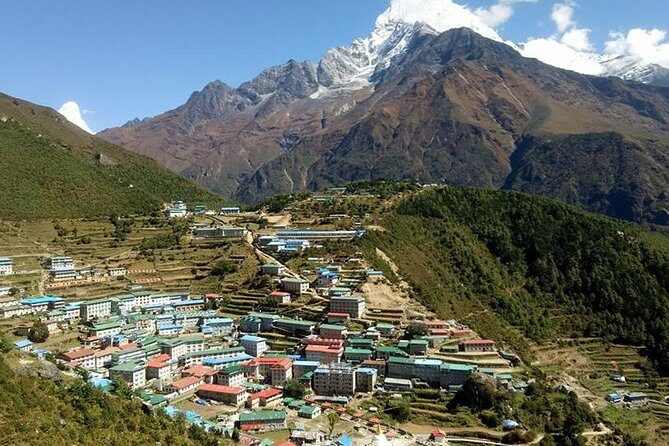
Day four is an acclimatization day in Namche Bazaar. Instead of “walk until you collapse,” you get options. Namche is also where you can do the practical stuff: gear shops, restaurants, and wifi-linked cafes.
You’ll find classic Everest-region side trips here, including:
- Hillary School
- a Sherpa settlement area
- Syangboche Airport viewpoints
- yak farms
If you’re serious about Everest photos, the stop at Hotel Everest View is a standout. It’s on a ridge above town and positioned for strong sightlines. The idea isn’t luxury for luxury’s sake. It’s altitude-aware access to big views while you’re still managing your body.
Syangboche Airport is also worth understanding. It’s close to the mountain and the closest airstrip for Everest-area travel, but it’s not usually used by people going to Base Camp because the pacing acclimatization generally matters. Still, it gives context for how high you’ll be walking.
The real value of this day is simple: it helps your next climbs feel more controlled.






Tengboche and Ama Dablam: the monastery stop that slows your breathing
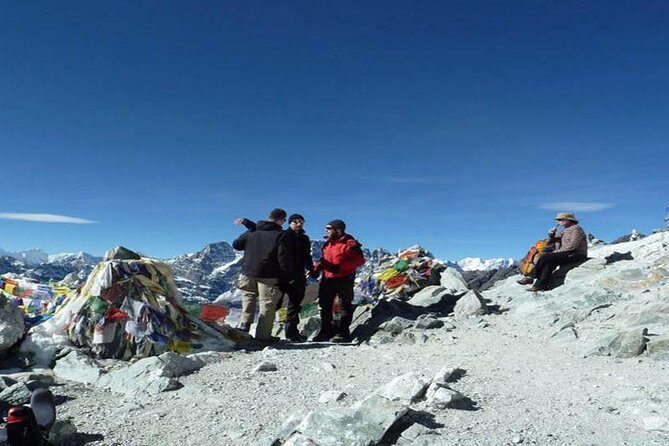
On day five, you move toward Tengboche. The trail offers strong mountain views, and several major peaks are listed as visible on this section, including Everest, Nuptse, Lhotse, Ama Dablam, Thamserku, and Kwangde.
The walking here is through juniper and rhododendron forests, which adds texture when the mountains are doing most of the talking. Then you reach Tengboche and the Tengboche Monastery (Dawa Choling Gompa).
Visiting the monastery is a cultural reset. It’s calm compared to the physical effort of the day, and it gives meaning to why these places are sacred and protected. The monastery is also described as the largest gompa in the Khumbu region, sitting at about 3,867m, so the setting is built for big presence.
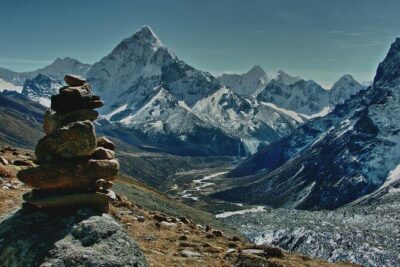
This is also where you can get close views of Ama Dablam. That mountain is famous because of its shape, and Tengboche is one of the places where that beauty actually registers.
Dingboche: altitude practice day, with Nagarjun Hill for a high-altitude lesson
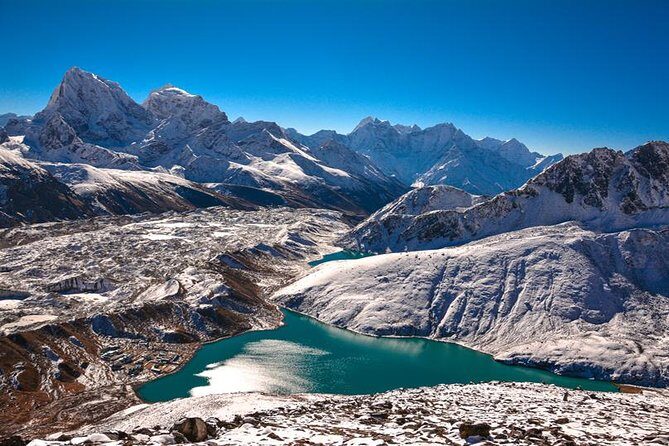
Day six takes you to Dingboche, crossing toward Pangboche and the Imja Khola route. The area is known for a large permanent Sherpa settlement, which means you’ll feel more village life as you go higher.
Island Peak and Ama Dablam are called out for views during this stretch. That matters because Dingboche is a stepping-stone: you’re not at Base Camp yet, but you’re close enough that your body starts making decisions.
Then day seven is a true acclimatization day. You hike up to Nagarjun Hill (listed around 5,100m). The description here is clear: it’s upward, non-technical, and it’s mainly about handling altitude and watching your footing where rocks may be loose.
The reward is big. You can get wide views around the region, including Makalu and Lhotse in the broader panorama, plus close views of Ama Dablam and Island Peak. There’s also a mention of a close-up look at the Imja glacier from this area.
This day is a “work your body before the hard days” moment. You’ll feel why it’s scheduled.
Lobuche: glacier moraine walking and the memorial wall effect
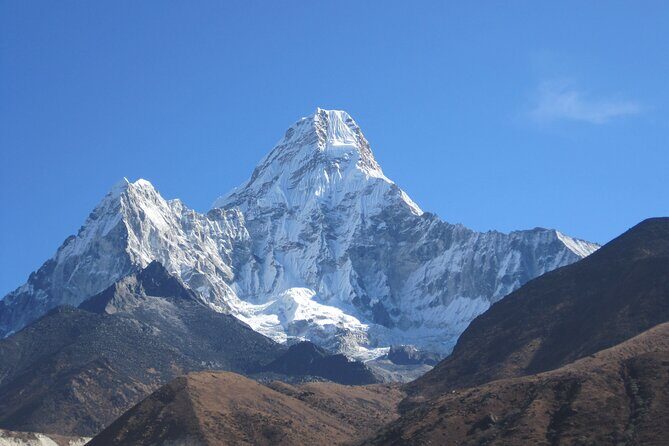
On day eight you head to Lobuche. The route follows the lateral moraine of the Khumbu Glacier. Along the way, you pass stone memorials for climbers who perished on nearby summits.
This is the emotional part of the trail. Not because it’s dramatic every minute, but because it makes you aware you’re walking into an environment where people do very serious work at very serious heights.
The itinerary notes that breathing problems may happen today due to altitude. That’s not meant to scare you. It’s a heads-up that you should slow down and let your guide manage pace and breaks.
If you tend to push when you feel okay, consider this your reminder to stick with the plan even when you think you can do more.
Everest Base Camp day: 12 km, the Khumbu Icefall, and cold reality
Day nine is the long day: about 7–8 hours (around 12 km) walking to Everest Base Camp at roughly 5,365m. The route is described as big and difficult, and it includes glacier-side walking toward the base camp area.
The Khumbu Icefall is specifically called out as spectacular from Base Camp. That makes sense: from this elevation, you’re seeing the “engine room” of Everest climbing conditions, even if you never touch a rope.
There’s also a realistic seasonal detail. During spring, expedition teams may be in the area, so Base Camp can have more movement and background activity than you’d expect from a remote viewpoint.
You return to Gorakshep for the night. Gorakshep is described as a small settlement near a frozen lakebed. Lodges can be basic, but the plan notes that more modern amenities have become available, including satellite high-speed internet access in recent times. In practice, don’t count on staying online all day. But it’s comforting to know connectivity may exist for messages and planning.
Kala Patthar at 5,550m: the closest Everest look on foot
Day ten is your big viewpoint day. After breakfast, you hike to Kala Patthar, described as the most popular viewpoint in the Everest region and the highest point of the trek at 5,550m.
This is scheduled because Everest’s summit itself isn’t visible from Base Camp in the way most people imagine. Kala Patthar changes the geometry. It’s the point where Everest shows itself more directly.
You’re surrounded by icy walls and peak faces including Mount Pumori, Everest, Nuptse, and Lhotse. The plan also highlights a classic “sun hits stone” moment as fiery rays light up the rocky pinnacle.
Then you head back toward Gorakshep and descend to Pheriche for the night. In other words: you do the hardest viewing, then you get to move downhill to recover.
Downhill to Namche and your last evening in Lukla
Day eleven is comparatively easier downhill from Pheriche to Tengboche, then onward to Namche Bazaar. The itinerary suggests you reach Namche late afternoon, which gives you a recovery window: showers if available, dinner, and sleep that feels less fragile.
Day twelve brings the walk back to Lukla. You follow the trail past the Hillary Suspension Bridge and through local villages. This is your final “on foot” day in the high region, and your last night in the mountains.
When people say Lukla feels like a celebration point, it’s not hype. It’s the end of the long altitude stretch and the moment you can finally treat walking like normal again.
Kathmandu again: what you’ll notice after the mountains fade
Day thirteen returns you to Kathmandu. The trek ends, you get transferred to your hotel, and you have time in Thamel for a relaxed day. The plan also notes a helpful mental shift: you’ll start recognizing major peaks from the city viewpoint angle and form.
Day fourteen is your departure day, with transfer to the airport well on time. If you have extra time, this is the moment to slow down and let the trek sink in.
Price and value: what $1,169 covers on a high-risk, high-logistics trek
At $1,169 per person, this trek’s value is mostly in what you don’t have to organize yourself.
Included items that matter on the mountain:
- A government-licensed, trained lead guide with first-aid capability
- An assistant guide for personalized care (not just crowd control)
- Porter service to carry your main luggage (with a stated ratio)
- Sagarmatha National Park entry fee and community fee
- Full-board meals (breakfast, lunch, dinner) during the trek
- Tea house accommodation described as clean and comfortable
- A first aid kit with a pulse oximeter and essential medicines (including paracetamol and Diamox)
- Trek support extras like a duffel bag, T-shirt, and trekking map
- Down jacket and sleeping bag provided for use and return after the trek
The big cost sink in Everest-area trekking is usually staffing, permits, food planning, and logistics in remote villages. This package tries to handle those so your focus stays on walking safely.
What you should budget for separately:
- Travel and medical insurance
- Tips for guide, porter, and driver (tipping is expected)
- Personal expenses like phone call/internet/laundry/snacks
- Accommodation in Kathmandu
- Any excess baggage charges beyond a listed 15kg allowance
- Lukla flight is listed under not included, even though the trek clearly relies on mountain flights as part of the route plan
In plain terms: the price is fair if you want the operational parts taken care of. If you already have a guide/porter arrangement and you prefer DIY scheduling, you might feel you’re paying for support you don’t need.
Who this trek suits (and who should reconsider)
This is aimed at people who want to do the core Everest Base Camp trail with structured acclimatization and guidance. It also fits walkers who want a private guided experience without isolation.
You might love it most if:
- you want small-group trekking (maximum 9 travelers)
- you like having someone manage permits, pacing, and daily logistics
- you value full meals and organized tea house stays
- you want the big visual payoff of Kala Patthar
You should reconsider if:
- you have little flexibility for altitude or you dislike high-altitude walking days that can still feel tough even with rest days
- you’re planning to travel without insurance (because insurance is explicitly not included)
- you’re a solo traveler and you need porter service confirmed (solo porter is listed under not included)
Practical advice to make the high days feel less scary
Even with a guide and medical kit, your body decides everything. Keep your walking slow when you feel tempted to speed up. Save effort for later climbs like Kala Patthar and the glacier-side sections.
Pack for cold nights even in the trekking season. The package includes a down jacket and sleeping bag to use, but you’ll still benefit from wearing your own comfortable warm layers and having a simple rain plan.
Also, take altitude seriously on the days that look “routine.” The itinerary calls out possible breathing problems on the Lobuche day, and that’s a good signal to treat that day as a “conserve energy” day, not a “prove something” day.
Finally, ask your doctor about altitude medication like Diamox before you go. The tour includes it in essential medicines, but you still need personal medical guidance.
Should you book Accessible Adventure’s Everest Base Camp trek?
I’d book this if you want a guided Everest Base Camp experience with strong care, predictable daily support, and a real shot at the classic views from Kala Patthar. The included meals, tea houses, park fees, and medical-ready support are practical value, not frills.
I would not book it blindly if your biggest priority is maximum independence or if your flight logistics depend on a tight schedule. The possible Manthali/Ramechhap routing and the high-altitude pacing mean you should choose dates you can truly commit to.
If you want an Everest trip that feels like walking into a culture and a landscape of serious mountains, this plan fits well.
FAQ
How many days is the Everest Base Camp trek?
It’s listed as approximately 14 days.
Where does the trek start?
The program starts in Kathmandu, Nepal.
What is the price per person?
The price is $1,169.00 per person.
What’s included in the trek package?
It includes airport pickup and drop-off by private vehicle, an English-speaking lead trek guide trained in first aid, an assistant guide, porter service for main luggage, Sagarmatha National Park entry and community fees, tea house accommodation, and full-board meals during the trek. It also includes a first aid kit with pulse oximeter and essential medicines, plus souvenirs (duffel bag, T-shirt, trekking map) and a down jacket and sleeping bag to be returned after the trek.
Are meals included?
Yes. Full board meals are included during the trek (breakfast, lunch, and dinner).
Do I need to pay for park entry fees?
Sagarmatha National Park entry fee and community fee are included.
Is airport pickup and drop-off included?
Yes. Airport pick up and drop off is included in a private vehicle.
How does the trek handle altitude safety?
The tour provides a first aid kit, a pulse oximeter, and essential medicines including paracetamol and Diamox. The lead guide is trained in first aid.
What should I know about flights and Lukla?
Your itinerary describes mountain flights to Lukla, but the package information also lists Lukla flight as not included. It also notes that flights to Lukla may operate out of Manthali Airport in Ramechhap District, which can involve a night drive from Kathmandu and an early flight.
What’s the cancellation policy?
You can cancel up to 3 days in advance for a full refund. If you cancel less than 3 full days before the experience start time, it won’t be refunded. The experience requires good weather, and if canceled due to poor weather you’ll be offered a different date or a full refund.