REVIEW · POKHARA
Pokhara: Visit Best Seven Tourist Destination by Sharing Bus
Book on GetYourGuide →Operated by Crystal Holidays Adventure Pvt Ltd · Bookable on GetYourGuide
Six hours, seven spots, and a lot of steps. What makes this Pokhara outing interesting is how it strings together major viewpoints and faith stops, including World Peace Pagoda views and the Shiva sites around Pumdikot, all while keeping the price low. The main thing to consider is the 200 steps and walking involved, plus the fact a shared-bus day can occasionally run long if the group is late.
I like that this runs like a true group day: you get hotel pickup in Lakeside, a live guide, and round-trip local transport without needing to hire your own vehicle. It’s also a solid value if you want multiple Pokhara highlights in one go, with entrance fees handled on the spot (about NPR 800 per person, not included). A practical drawback: each stop is fairly brief, so if you like slow, unhurried sightseeing, you may feel a little rushed.
This isn’t a sit-and-skip tour. You’ll wear comfortable shoes and clothes, expect short walks between sights, and plan for stairs that come with temple and cave visits. It’s not suitable for wheelchair users, and large bags aren’t allowed—keep things light.
In This Review
- Key highlights worth planning around
- Tour feel in six hours: shared bus, short stops, real Pokhara pacing
- Price and value: $9 plus entrance fees you should budget for
- Pumdikot Shiva Idol and the World Peace Pagoda: a hilltop double-hit
- David Falls and Gupteshwor Mahadev Cave: waterfall power plus Shiva caves nearby
- Mahendra Cave and the Bat Cave: underground formations, with access rules in mind
- Seti River Gorge and the Bindabasini Temple finale in Bagar
- Group dynamics, guide quality, and the common day-to-day hiccup
- Who this Pokhara “best seven” bus tour fits best
- Should you book this tour? My decision guide
- FAQ
- How long is the Pokhara best-seven tour?
- What’s included in the price?
- Are entrance fees included?
- Where do pickups happen?
- What should I bring?
- Is the tour wheelchair accessible?
- How much walking and stairs are involved?
- Can I bring luggage or large bags?
- Is cancellation possible?
Key highlights worth planning around
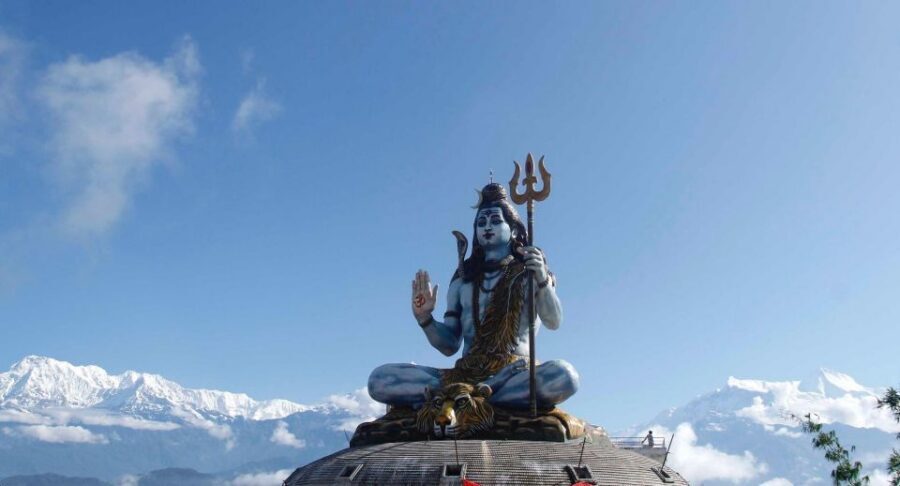
- World Peace Pagoda hilltop views over Pokhara and the Annapurna range area
- David Falls stroll near the Shiva Mandir area, plus a local legend context
- Cave pair with Lord Shiva links: Gupteshwor Mahadev Cave and Mahendra Cave
- Underground stop rules may apply at bat habitats, depending on access conditions
- One faith-shrine capstone in Bagar at Bindabasini Temple with devotional energy and city views
Tour feel in six hours: shared bus, short stops, real Pokhara pacing
This is a “best-of” Pokhara day designed to move. You start with hotel pickup from the Lakeside area, then you’re on a shared local bus for most of the route. The pace is built around stacking sights: you’ll visit a few key religious landmarks, several well-known caves, and a couple of big scenic anchors like David Falls and the World Peace Pagoda.
What I like about this style is the practicality. You don’t need to figure out separate transport for each stop, and the group format can make it easier to hit viewpoints you might otherwise skip when you’re short on time. The tradeoff is that many stops are quick—think “see it, take photos, feel the place, move on,” not “stay and wander for hours.”
You also have to be comfortable with repeated movement throughout the day. Even when you’re not climbing stairs, there’s walking at almost every stop. Add in that the day includes climbs of around 200 steps, and your comfort depends a lot on footwear and your willingness to keep moving.
You can also read our reviews of more tours and experiences in Pokhara.
Price and value: $9 plus entrance fees you should budget for
The advertised price is $9 per person for a 6-hour group tour with hotel pickup/drop-off in Pokhara’s Lakeside area and round-trip transport. That’s genuinely cheap for a day that includes multiple far-flung stops—especially caves and a hilltop monument—where getting around on your own would cost more in vehicle time.
Here’s the catch: entrance fees are not included, and they’re listed as approximately NPR 800 per person. So your real budget is the base tour price plus that entry cost, plus whatever you spend on personal items. Food and drinks aren’t included either, so plan to handle meals outside the tour cost.
If you’re value-minded, this works best when you treat it as a structured route. You’re paying to save decision-making time—where to go first, how to connect transport, and how to see a lot in one day—rather than paying for a private, long-stay experience.
Pumdikot Shiva Idol and the World Peace Pagoda: a hilltop double-hit
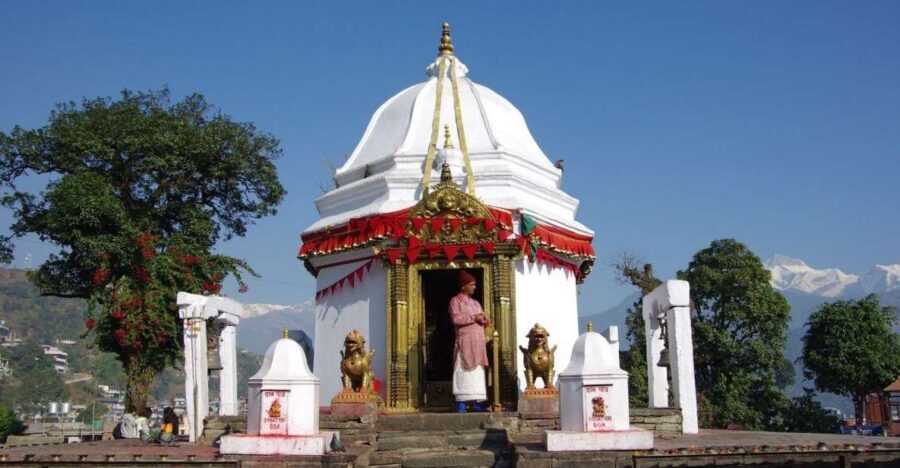
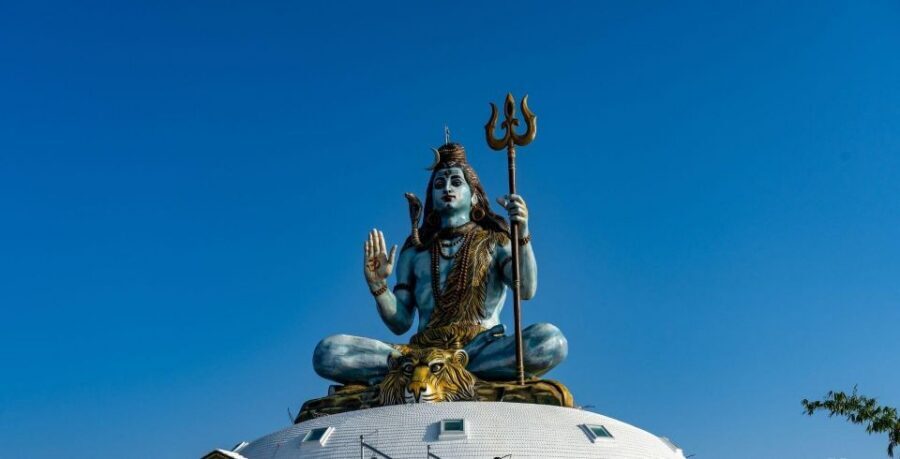
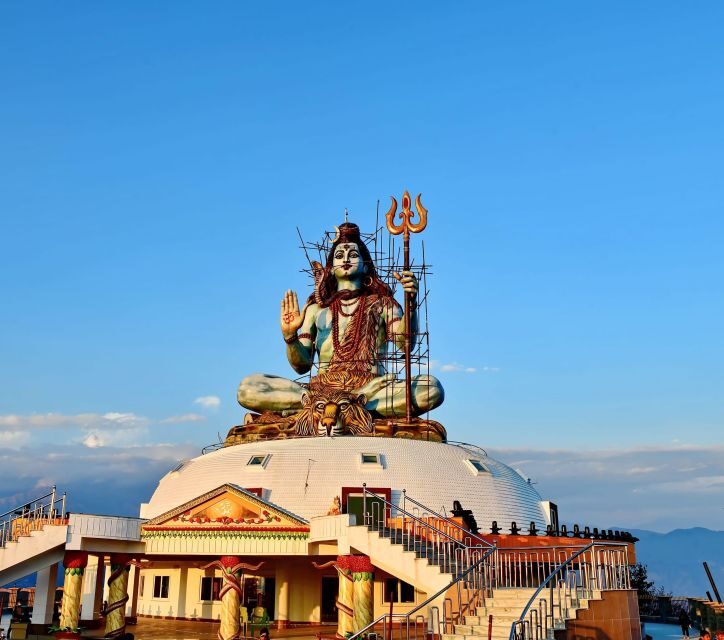
Early on, the tour heads toward Pumdikot for the Shiva idol experience (listed as Pumdikot Shiva Statue, about 30 minutes). This is one of those “big visual” stops in Pokhara: a religious site paired with serious views. The tour info also signals that temple visits require stair climbing, so this is where your legs start warming up.
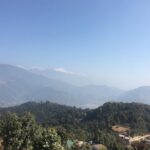
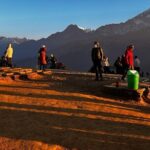
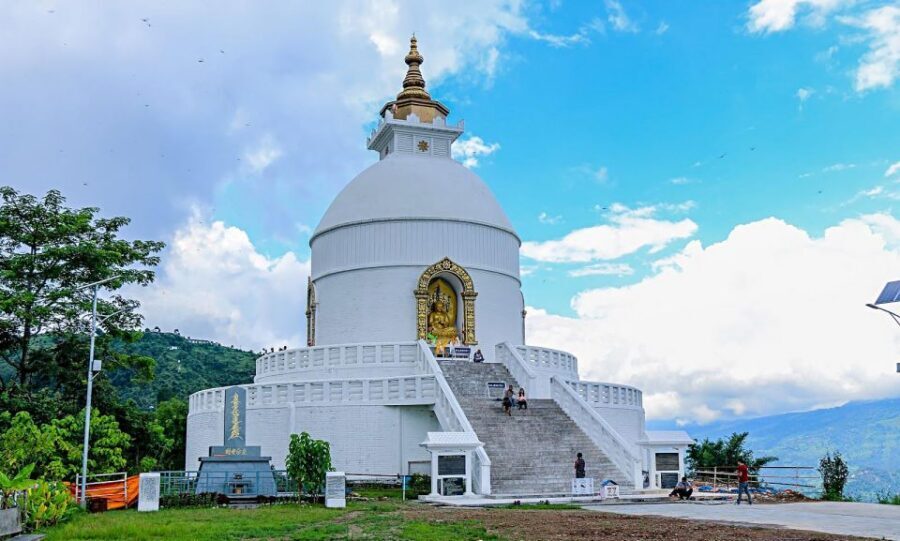
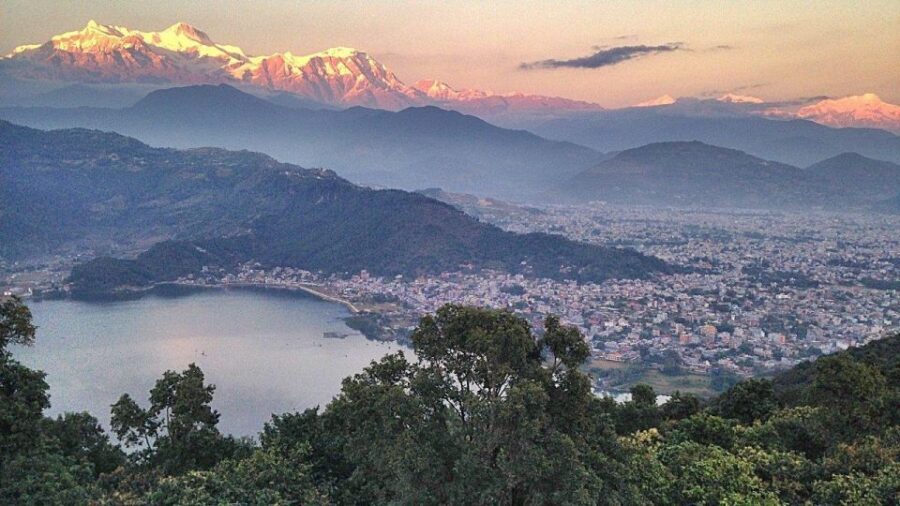
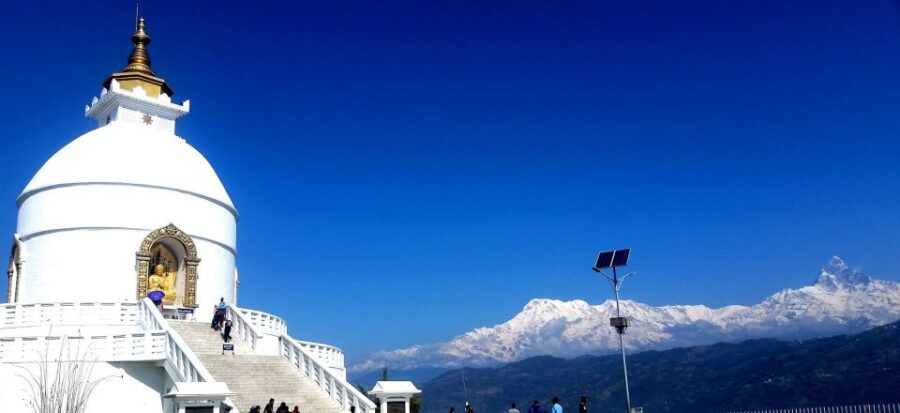
The World Peace Pagoda is the next major viewpoint stop (around 30 minutes). It’s a Buddhist monument on a hill with panoramic views over Pokhara and the Annapurna mountain range area. Even if you’re not deep into architecture or religion, the appeal here is the vantage point and the calm atmosphere that typically comes with a place designed for peace and reflection.
Practical advice: bring comfortable clothing and expect that the hilltop setting can make you feel the time you spend there. When your schedule is tight, 30 minutes is enough to take in the views and reset your energy before the route drops you back toward the cave-and-water part of the day.
David Falls and Gupteshwor Mahadev Cave: waterfall power plus Shiva caves nearby
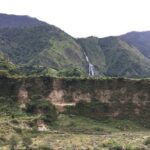
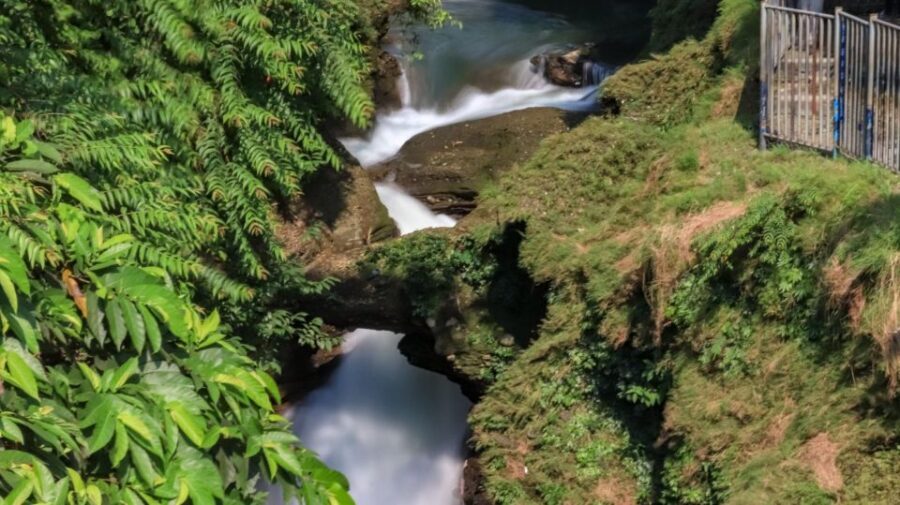
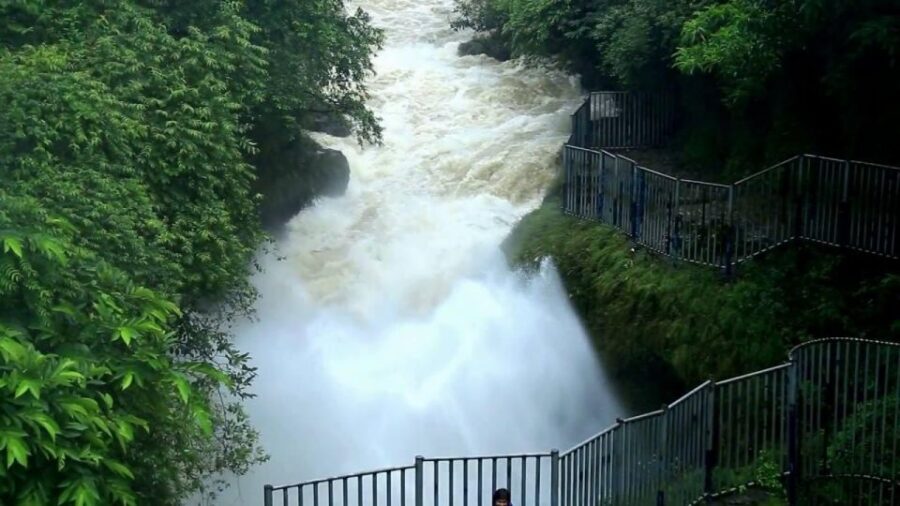
David Falls (also known as Patale Chhango) is one of Pokhara’s signature “wow” moments, and this tour pairs it with cave sightseeing in the same area. You’ll get to David Falls by bus to the Shiva Mandir area, then take a scenic walk to the falls. Expect the kind of powerful cascade that makes you feel the scale quickly, even with a shorter visit window.
What I like about this pairing is the change of pace. Water happens fast—sound, mist, motion—while cave visits slow your senses down. Gupteshwor Mahadev Cave is described as an interconnected cave series dedicated to Lord Shiva, and the highlight is the natural rock formations plus stalactites and stalagmites inside.
One consideration: cave time and waterfall time are both weather-sensitive and comfort-sensitive. If it’s wet, steps and paths around caves and viewpoints can feel slick. Keep your shoes grippy, and don’t rush inside if the cave floor feels uneven.
Mahendra Cave and the Bat Cave: underground formations, with access rules in mind
After the Shiva-associated cave stop, the day moves to Mahendra Cave (named after the late King Mahendra). You reach it by bus to Mahendrapul and then walk a short distance. The key attraction here is the limestone formations and the underground chambers—basically, a geology-focused visit.
Then comes the Bat Cave. The tour info frames it as a cave habitat for bats, emphasizing that bats need certain conditions like shelter and appropriate roosting spots. It also notes that access might be regulated to protect bats and their habitat.
So what does that mean for you? It means you should expect that the bat part might not feel like a typical “open to everyone, walk in freely” attraction. If you’re traveling with a strong interest in wildlife, it’s worth keeping a flexible mindset. If access is limited, you still have the rest of the route, but it may change how long you can spend there.
Underground stops also tend to involve careful footing. Don’t wear anything that makes you slip. And if you feel even slightly uneasy in enclosed spaces, treat this as a “watch your comfort” moment rather than forcing it for photos.


Seti River Gorge and the Bindabasini Temple finale in Bagar
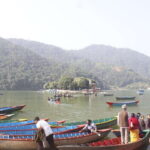
The itinerary includes a short stop at Seti River Gorge (about 10 minutes). In a tight schedule, this is more of a quick scenic check-in than a long exploration. It’s still useful because it adds another Pokhara “water and nature” angle to balance the temple and cave time.
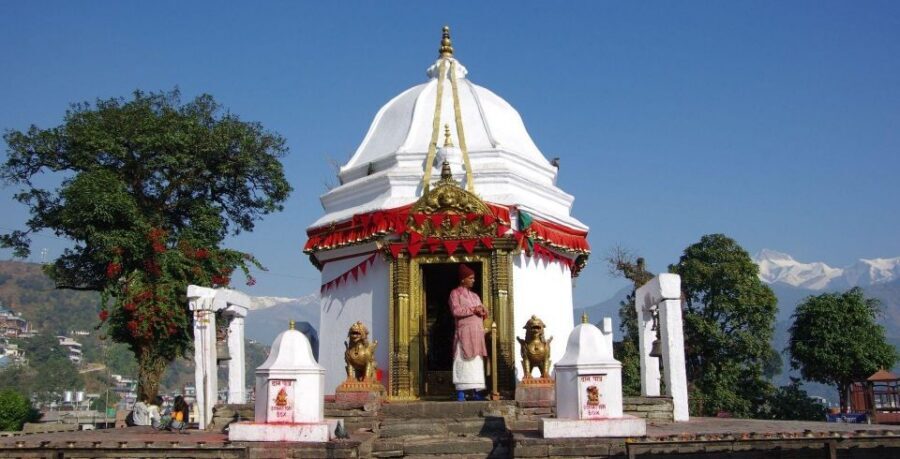
Then the day closes with Bindabasini Temple in Pokhara, dedicated to Goddess Durga. The tour info says you’ll take a bus to Bagar and then walk a short distance to reach the shrine. This is where the tour leans into devotional atmosphere: you can see prayers happening and feel the shrine’s place in daily religious life.
The bonus is the views from the temple premises. The route positions this stop as a kind of final panorama, so if you’re saving your best photo energy for later, this is the time to do it. With about 30 minutes at the temple, you get enough time to observe, walk the area, and soak in the city perspective.
Group dynamics, guide quality, and the common day-to-day hiccup
The tour runs with a live guide and sharing local transport. One of the most praised elements from real-world experiences is how friendly, professional, and helpful the guide accompaniment can feel, and how the group can stay harmonious. A good driver also matters on a day packed with short stops, because timing is everything when you’re bouncing between caves and viewpoints.
Here’s the hiccup to plan for: shared buses can run over schedule if the bus is crowded or if some group members arrive late. The tour can end up lasting longer than expected, which then squeezes how much time you get at each site. There’s also a risk that not every listed destination is reached during a particular run, so don’t assume the day will always go exactly as printed.
How to protect your experience without stress:
- Get to the pickup point early. You’re told to wait in the hotel lobby about 10 minutes before scheduled pickup, so build in that buffer.
- Keep expectations realistic: several stops are only about 10–30 minutes.
- If you have specific priorities (like the pagoda viewpoint or one of the caves), make sure you know your top 1–2 before the day starts.
Who this Pokhara “best seven” bus tour fits best
This works best if you want a structured Pokhara highlights route without paying for a private vehicle. If you’re short on time and you want to see David Falls, the World Peace Pagoda, cave stops, and Bindabasini Temple all in one day, this is a practical way to do it.
It’s also a good fit if you enjoy spiritual sites mixed with nature sights. The route intentionally alternates Hindu and Buddhist landmarks, then adds cave exploration and waterfall scenery. That pattern is part of the appeal: it shows Pokhara as more than just one type of attraction.
It’s not a great fit if you:
- Need wheelchair accessibility (the tour isn’t suitable)
- Want long lingering time at each site
- Can’t handle stair climbing and steady walking (around 200 steps plus walking is part of the plan)
- Prefer private pacing and zero schedule slips
Should you book this tour? My decision guide
Book it if you like the idea of a full Pokhara “highlights sampler” day and you’re comfortable with walking and stairs. At $9 for hotel pickup/drop-off plus shared transport, it’s strong value as long as you mentally budget for entrance fees (about NPR 800 per person) and you accept short stop times.
Skip or reconsider if you want a slow spiritual retreat, need full mobility support, or get stressed by schedule changes caused by an overfilled shared bus. Also consider double-checking your priorities if you’re aiming for every listed cave and viewpoint—this is a packed route, and shared-day timing can be unpredictable.
If you go in prepared—comfortable shoes, light luggage, and a flexible mindset—you’ll leave with a very Pokhara-like mix: hilltop peace, temple devotion, and caves that make you slow down.
FAQ
How long is the Pokhara best-seven tour?
The tour duration is listed as 6 hours.
What’s included in the price?
Hotel pickup and drop-off within Pokhara’s Lakeside area are included, along with round-trip transportation by sharing local bus/coach and a live tour guide.
Are entrance fees included?
No. Entrance fees are listed as approximately NPR 800 per person.
Where do pickups happen?
Pickup is available within the Lakeside area, including many listed hotels such as Hotel Kunja, Dahlia Boutique Hotel, Hotel K2 Pokhara, Pushpa Guest House, Hotel Crystal Palace, and others.
What should I bring?
Bring comfortable shoes and comfortable clothes.
Is the tour wheelchair accessible?
No, it’s not suitable for wheelchair users.
How much walking and stairs are involved?
You’ll climb about 200 steps on the temple and to the cave, and you’ll walk at each place you visit.
Can I bring luggage or large bags?
No. Luggage or large bags aren’t allowed.
Is cancellation possible?
Yes. You can cancel up to 24 hours in advance for a full refund.