REVIEW · KATHMANDU
Langtang Valley Trek
Book on Viator →Operated by Nepal Hiking Team · Bookable on Viator
Langtang Valley has the kind of scenery that sticks. This trek gives you an easy-feeling trail with gradual climbs, then hits big-altitude rewards like Kyanjin Ri and Chorkari Ri. I especially like the way the itinerary mixes quiet village life with standout natural viewpoints inside Langtang National Park.
Two things I really like: you get full-board meals during the trek (so you’re not chasing food every day), and you’re guided by an English-speaking team with a porter support ratio that makes the steep parts more manageable. One consideration: you still reach up to 5,050m, so you need to respect altitude, even if the hiking is described as gradual.
In This Review
- Key Highlights Worth Knowing Before You Go
- Why Langtang Valley Is a Smart Himalayan Choice
- Price and Logistics: What $830 Really Buys
- Kathmandu Setup: Two Hotel Nights and a Clean Morning Start
- Day 2 Drive to Syabru Bensi: The Trek Begins on the Road
- Days 3 to 4: Syabru Bensi to Lama Hotel, Then Langtang Village
- The Cultural Layer: Tamang Settlements and Kyanjin Gompa Time
- Day 5: Kyanjin Ri (4,773m) and Back to Kyanjin Gompa (3,798m)
- Day 6: Exploring Kyanjin Gompa and Climbing Chorkari Ri (5,050m)
- Days 7 to 8: Turning Around at Lama Hotel and Returning to Syabru Bensi
- Day 9 and Day 10: Bus Back to Kathmandu and Departure
- Food, Lodges, and Yak Cheese: What Meal Days Feel Like
- Altitude Planning: From 1,462m to 5,050m
- Group Size, Crew, and the Kind of Service You’ll Appreciate
- Who This Trek Is Best For (and Who Should Think Twice)
- Should You Book This Langtang Valley Trek?
- FAQ
- What is the meeting time for the trek?
- How long is the Langtang Valley Trek?
- What’s included in the trek cost?
- Are hot showers available during the trek?
- What altitude peaks do you hike to?
- How big is the group?
- FAQ
- Do you need to bring personal trekking equipment?
- Is Wi-Fi provided during the trek?
- How do you travel between Kathmandu and Syabru Bensi?
- Is travel insurance included?
- What is the cancellation window?
Key Highlights Worth Knowing Before You Go
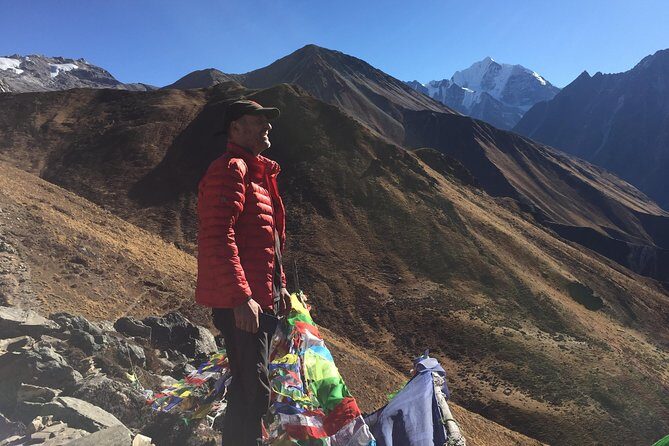
- A valley trek close to Kathmandu: You’ll drive out to Syabru Bensi, then work through the Langtang valley step by step rather than starting from far-flung trailheads.
- Big viewpoints without technical climbing: Days to Kyanjin Ri (4,773m) and Chorkari Ri (5,050m) are tough, but they’re hikes.
- Tamang villages and culture stop included: You’ll pass through welcoming Tamang settlements and get time to explore Kyanjin Gompa.
- Langtang National Park protection: The trek runs through a protected zone, giving you a better shot at seeing local flora and fauna.
- Yak cheese is on the menu: Himalayan food isn’t just theoretical here; you’ll get the chance to try local specialties like yak cheese.
Why Langtang Valley Is a Smart Himalayan Choice
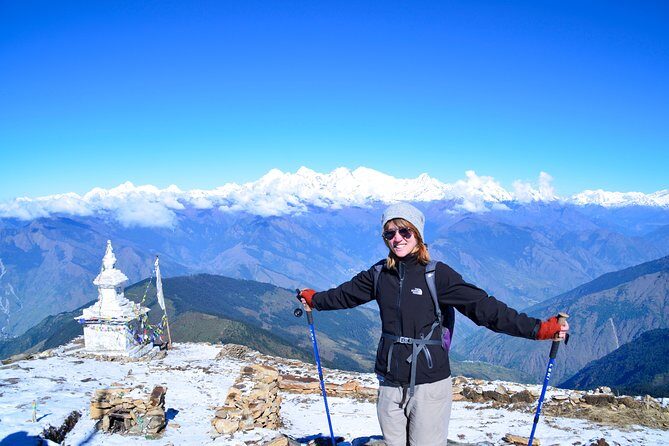
Langtang Valley sits close enough to Kathmandu that it feels like a realistic Himalayan trip, not an expedition that requires months of planning. The route is built around lodge-to-lodge walking, so you’re not carrying a base camp on your back.
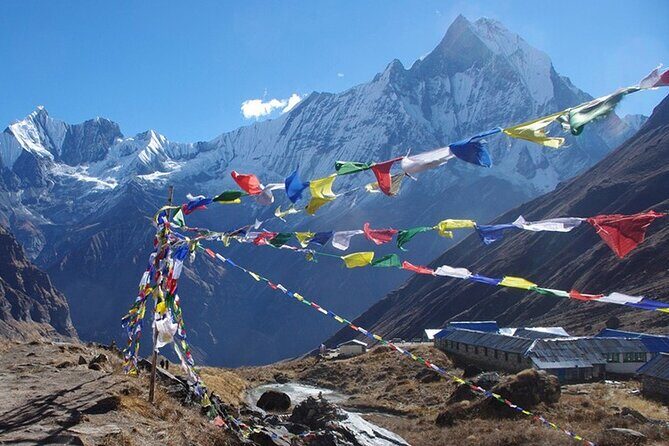
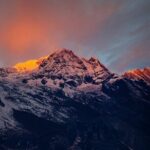
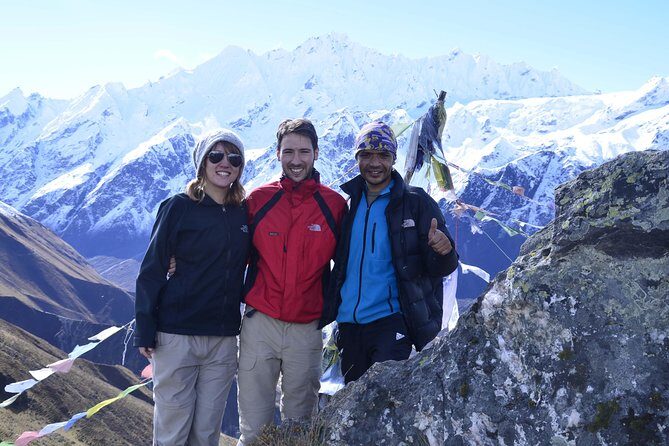
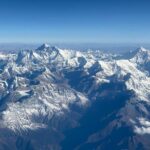
What makes it interesting is the mix of settings. You start in the Syabru Bensi area, then you move through the glacial basin of the valley floor. As you rise, the scenery turns more dramatic, with constant mountain drama from peaks like Mount Langtang Lirung (7,227m), Ganesh Himal (7,422m), Dorje Lakpa, and more.
The other factor is pacing. The trek is described as having an easy trail with gradual elevation and rivers gushing by. That’s a huge deal for first-timers and for anyone who wants their body to learn altitude slowly rather than being shocked by it on day one.
You can also read our reviews of more hiking tours in Kathmandu
Price and Logistics: What $830 Really Buys
At $830 per person, this trek is not the cheapest option. But it’s also not “pay more for nothing.” Your money is covering a lot of the moving parts that can quietly add up.
Included costs you should value:
- Airport pickup and drop-off in Kathmandu by private vehicle
- Two nights in Kathmandu at a 3-star category hotel with breakfast
- Full-board meals during the trek (breakfast, lunch, dinner plus tea/coffee)
- Lodging during the trek in twin-sharing lodge accommodations
- An English-speaking guide plus porter support (including a porter ratio described as 2 trekkers to 1 porter)
- Trekking permits, government taxes, and office service charge
- First aid kit and trekking duffle bag (you’ll need to return it)
What’s not included, and you’ll want to plan for:
- Meals in Kathmandu beyond the breakfast included at the hotel
- Travel insurance and the Nepal entry visa
- Hot showers during the trek
- Personal trekking equipment
- Wi-Fi during the trek
- Tips for trekking staff and the driver
My practical take: if you’d otherwise spend time and money coordinating permits, guides, lodging, and consistent meals, this package can feel like good value. If you already have everything handled and you’re comfortable organizing in-country yourself, the cost might feel steep.
Kathmandu Setup: Two Hotel Nights and a Clean Morning Start
You land at Tribhuvan International Airport and then get into the flow quickly. The tour starts with airport pickup and drop-off, which matters more than people think. Kathmandu can be chaotic, and reducing friction on day one helps you settle.
You’ll also have two nights in Kathmandu at a 3-star category hotel with breakfast. That’s a smart buffer before you head up into the mountains. You can get groceries, sort charging gear, and adjust to Nepal time without burning a whole day to reach the trail.
The daily starting time is 7:15am, so expect an earlier rhythm than a vacation in Europe. If you’re the type who likes late mornings, you’ll need to adjust your internal clock.
You’ll also receive a mobile ticket, which is one less thing to print and lose.
Day 2 Drive to Syabru Bensi: The Trek Begins on the Road
Day 02 is a drive from Kathmandu to Syabru Bensi at 1,462m, listed as about 7 hours. This is a key day for your altitude prep. You’re not hiking steeply yet, but you are moving to higher ground and changing air pressure.
It’s also your first taste of the Langtang region’s rhythm. The trek is built around gradual elevation, and the road transfer supports that idea. The schedule doesn’t leave you scrambling to start the climb the second you arrive.
Surface transfer back from Syabru Bensi to Kathmandu is handled by public bus later in the trip. That means you’re not using private vehicles for the main mountain-to-city transport, which keeps the package focused but might be less comfortable than private cars.
Days 3 to 4: Syabru Bensi to Lama Hotel, Then Langtang Village
Day 03 moves you from Syabru Bensi to Lama Hotel (2,500m) in about 5 hours. Day 04 continues to Langtang Village (3,307m), also around 5 hours.
This is where the trek’s “easy trail with gradual elevation” promise becomes real. You’re gaining altitude steadily, without the kind of dramatic jump that can wreck your breathing in the first days.
Why these stops work:
- Lama Hotel is a practical midpoint. You get used to higher elevation and lodge life without pushing too hard.
- Langtang Village is your cultural and scenic ramp-up. It’s high enough to feel clearly alpine, but not so high that everything becomes a grind.
Also, the description emphasizes rivers gushing by along the route. That usually means you’ll have steady water noise and a valley feel, not a dry, desolate hike.
The Cultural Layer: Tamang Settlements and Kyanjin Gompa Time
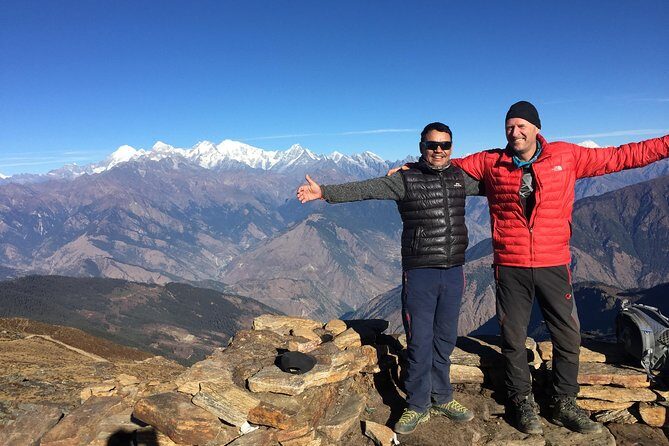
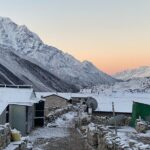
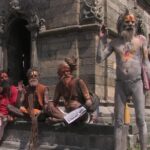
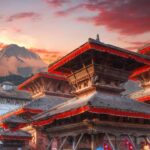
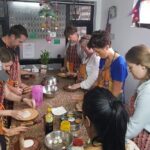
One of the most rewarding aspects of this itinerary is that the mountains are not the only attraction. You’ll walk through Tamang villages in the Langtang Valley Trek route, and you’ll have an exploration day connected to Buddhism at Kyanjin Gompa.
Cultural stops like this are more than a sightseeing checkbox. They help you understand why people built settlements here and how faith and community show up in mountain life. When you’re spending multiple days outside, that context makes your time feel fuller.
The trek is also centered on Langtang National Park. That matters because it signals a landscape that’s protected, not just pass-through wilderness.
Day 5: Kyanjin Ri (4,773m) and Back to Kyanjin Gompa (3,798m)
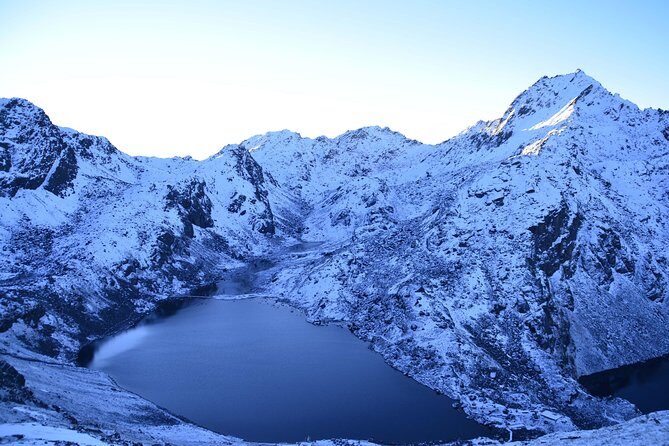
This is your big “earn the view” day. Day 05 is listed as 7–8 hours: you go from Langtang Village to Kyanjin Ri (4,773m), then return to Kyanjin Gompa (3,798m).
Two things to understand before you attempt it:
- The altitude at Kyanjin Ri is serious, even if the hike is not technical.
- The schedule includes both a climb and a return, so you need stamina.
The payoff is the panorama. You’re moving into a viewpoint zone where the peaks in the region start to feel close. The itinerary sets you up for sights tied to Mount Langtang Lirung, Ganesh Himal, Dorje Lakpa, and more.
If you tend to go out too fast on the first steep section, this is the day to slow down. Think steady breathing and small steps. The goal is to get there without draining yourself before the return.
Day 6: Exploring Kyanjin Gompa and Climbing Chorkari Ri (5,050m)
Day 06 blends a cultural moment with a higher-altitude hike. You’ll explore the Kyangjuma/Kyanjin Gompa area and then climb Chorkari Ri (5,050m), with about a 7-hour total duration.
That 5,050m number is the part of this trek that deserves respect. If you treat it like a casual day hike, altitude will remind you who’s in charge. The good news is that you’re doing it as part of a longer acclimatization rhythm rather than jumping straight to extreme altitude.
Also, the Gompa exploration is a nice contrast. It’s easier to keep your motivation up when you’re not only chasing height; you get a change of pace with quiet, religious architecture and local life.
Days 7 to 8: Turning Around at Lama Hotel and Returning to Syabru Bensi
Day 07 takes you from Kyanjin Gompa back to Lama Hotel (2,500m) in about 5–6 hours. Day 08 then returns from Lama Hotel to Syabru Bensi (1,462m) in about 5–6 hours.
On paper, it looks like just downhill and done. In real life, the return days can be tough because your legs take a different kind of workload. Going down can stress knees, and you’ll still be tired after several days above 3,000m.
Still, this is a relief rhythm. After the Chorkari Ri day, dropping back toward 2,500m helps your body recover. And reaching Syabru Bensi sets you up for the final drive back to Kathmandu.
Day 9 and Day 10: Bus Back to Kathmandu and Departure
Day 09 is the drive from Syabru Bensi to Kathmandu by bus. Day 10 is your departure or farewell.
Plan for a “soft landing” mindset. You’ve been living at altitude and in a daily walking routine. Even if you feel fine, travel days can feel long.
Also remember: hot showers aren’t included on the trek. If you’re used to daily comforts, you’ll likely appreciate the Kathmandu hotel comforts more on the final nights and again on day 10.
Food, Lodges, and Yak Cheese: What Meal Days Feel Like
This trek uses a simple but powerful system: you’re on full-board meals during the walking days, with tea/coffee included. That matters because when you’re hiking, food becomes a timing tool. You need calories on schedule, not when you feel like hunting them down.
Lodges are described as “best available” twin-sharing accommodations during the trek. Expect basic mountain lodging rather than a polished resort experience. The upside is predictable logistics and less decision fatigue.
And yes, Himalayan comfort food shows up. One highlight is trying yak cheese. It’s one of those “you can’t fake it” foods. If you like sampling local staples, this is the kind of meal memory you’ll keep.
Altitude Planning: From 1,462m to 5,050m
This itinerary is paced, but it’s still high-altitude. Here’s the altitude story in simple terms:
- You start at 1,462m in Syabru Bensi.
- You reach 2,500m at Lama Hotel and 3,307m at Langtang Village.
- You spend time around 3,798m at Kyanjin Gompa.
- You climb to 4,773m (Kyanjin Ri) and then 5,050m (Chorkari Ri).
The trek is described as having gradual elevation and an easy-feeling trail. That’s helpful, but altitude is altitude. If you get headaches, nausea, or unusual fatigue, you should speak up immediately and follow your guide’s advice.
My suggestion for comfort and safety: treat slow walking like a skill, not a sign of weakness. It keeps you steady on the climb and calmer on the return.
Group Size, Crew, and the Kind of Service You’ll Appreciate
The group size is capped at a maximum of 15 travelers. That’s a sweet spot for many people. It’s large enough to feel social, but not so large that you lose your place or spend time waiting constantly.
Each trek includes an English-speaking guide and porter support. A porter ratio is described as 2 trekkers to 1 porter. That means you can hike while your pack burden is reduced.
Also, the team behind the scenes is part of the value. In the past planning stories tied to Nepal Hiking Team, people have highlighted Ganga (managing director) and a coordinator named Baloram for quick communication and flexibility. Guides named across experiences include Prajwal, Deepak Dhakal, Navaraj, Surya, Arun, and Tsirien. Seeing those names repeated gives you a sense that the same kind of careful handling is common.
A small but real detail: the trek includes a duffle bag for the trip, and you need to return it. It’s a reminder that the operation is organized. The downside is that you shouldn’t plan to pack something fragile in a way that depends on your own bags being perfect.
Who This Trek Is Best For (and Who Should Think Twice)
This trek is a great fit if:
- You want a Himalayan experience with gradual elevation and clear daily structure
- You like natural scenery plus a culture layer (Tamang villages and Gompa exploration)
- You want full-board meal support while hiking
- You’re a reasonably fit traveler who can handle altitude days without panicking
You might want a different plan if:
- You know you struggle with high altitude even at lower elevations
- You’re expecting hot showers during trekking days
- You want to move at your own unstructured pace every hour
The good news is that the walking days are scheduled with multiple base-and-midpoint stages, so this isn’t a one-shot grind.
Should You Book This Langtang Valley Trek?
I’d recommend booking if you want a near-Kathmandu trek that’s more than just photos. The combination of lodge-to-lodge convenience, included meals, and real route highlights like Kyanjin Ri and Chorkari Ri makes this a strong value for many people.
Before you commit, ask yourself two questions:
- Are you comfortable treating altitude seriously, especially at 4,773m and 5,050m?
- Do you prefer an organized plan with guide support over DIY travel?
If your answer is yes, this trek can deliver the kind of mountain memory that doesn’t fade after the return flight.
FAQ
What is the meeting time for the trek?
The start time is 7:15am.
How long is the Langtang Valley Trek?
The trip is listed as 10 days (approx.).
What’s included in the trek cost?
Included are airport pickup/drop-off in Kathmandu, two nights in Kathmandu with breakfast, full-board meals during the trek (breakfast, lunch, dinner with tea/coffee), lodge accommodations during the trek (twin sharing), an English-speaking guide and porter support, all trekking permits, first aid kit, and government taxes/office service charge.
Are hot showers available during the trek?
Hot showers are not included during the trek.
What altitude peaks do you hike to?
You’ll hike to Kyanjin Ri (4,773m) and Chorkari Ri (5,050m) as part of the itinerary.
How big is the group?
The tour has a maximum of 15 travelers.
FAQ
Do you need to bring personal trekking equipment?
Yes. Personal trekking equipment is not included, so you’ll need to bring what you require for hiking.
Is Wi-Fi provided during the trek?
Wi-Fi internet during the trek is not included.
How do you travel between Kathmandu and Syabru Bensi?
You’ll drive from Kathmandu to Syabru Bensi on day 2, and you’ll return to Kathmandu by bus on day 9. Surface transfer to/from Syabru Bensi is by public bus as part of the package.
Is travel insurance included?
No. Travel insurance is not included.
What is the cancellation window?
Free cancellation is available up to 24 hours in advance for a full refund, and the experience may be changed or refunded if poor weather cancels it.