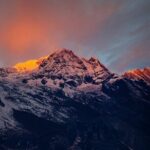
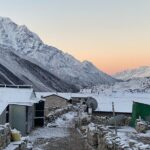
Everest starts with a small Lukla hop. This 14-day trek strings together classic Khumbu Sherpa towns, high-view days like Kala Patthar (5,545m), and lodge-to-lodge hiking with everything organized for you. I like that the trip covers the big moving parts, from Kathmandu pickup to the mountain permits, so you can focus on walking and acclimatizing.
Two more things I like: you get a government-licensed guide plus porters (1 porter for 2 people), and you start with real Kathmandu groundwork, including a hotel stay with breakfast and a welcome dinner. One thing to think about first: this route is physically demanding at altitude, and Lukla flights can be tight because you fly at the start and end of the trek and flights can be hard to get.
In This Review
- Key Highlights That Make This Trek Work
- Kathmandu First Night: Arrive, Breathe, Get Oriented
- Lukla Flight to Phakding: Your Body Learns the Altitude Lesson
- Namche Bazaar Through Sagarmatha National Park: Big Town, Big Altitude
- Namche Acclimatization Day: Sherpa Museum and Everest View Lodge
- Dingboche: Wildlife, Wide Views, and a Slowly Raising Pace
- Second Dingboche Day and the Chhukung Option: Acclimatization With Purpose
- Lobuche and Gorakshep: When the Trek Gets Longer
- Kala Patthar Sunrise: The View Day You Train For
- Down to Namche: Tengboche Monastery and the Hillary Suspension Bridge
- Lukla and Back to Kathmandu: Finish Strong and Keep Flight Expectations Real
- Price and What Your $1,800 Covers (Value Check, Not Just Sticker Math)
- Lodges, Meals, and Daily Comfort at Altitude
- Who Should Book This Trek, and Who Should Rethink It
- Should You Book Everest Base Camp With This Operator?
- FAQ
- How long is the Everest Base Camp trek?
- Where does the tour start and end?
- Do I fly to Lukla or hike there on foot?
- Are trekking permits included?
- What meals and drinks are included during the trek?
- Are hot showers included?
- What kind of guide and porter support is included?
- Is this a private tour?
- What’s the cancellation refund window?
Key Highlights That Make This Trek Work
- Lukla by air, not by road: you gain time and start the trek on schedule (weather permitting).
- Acclimatization built into the plan at Namche and Dingboche, not as an afterthought.
- Kala Patthar sunrise day for big panoramic views of Everest and neighboring giants.
- Lodge/tea-house trekking with included standard meals and warm drinks (tea or coffee).
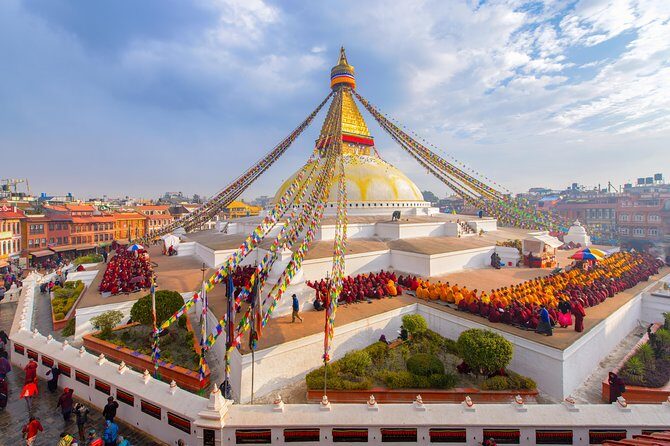
- Sherpa culture stops like the Sherpa Museum, Khumjung, and a major stop at Tengboche.
- Guides and support staff matter: the company’s team includes well-known guides such as Rabin (owner), Veer, Dhansingh Gurung, Phaul, Sushil, and porters like Bale.
Kathmandu First Night: Arrive, Breathe, Get Oriented
Day 1 is all about getting set up in Kathmandu. After you land, a delegate from Everest Trekking Routes meets you and handles your transfer to the hotel. In the afternoon, you can rest or pop into their office, then you’re treated to a welcome dinner with Nepalese food, which is a nice low-stress way to start understanding the country’s flavors before you switch into mountain rhythm.
You’ll also appreciate that your first day isn’t packed with “tourist chores.” It helps because tomorrow starts with a flight and trekking begins quickly. If you’re the type who likes to keep logistics calm, this start is a good match.
You can also read our reviews of more hiking tours in Kathmandu


Lukla Flight to Phakding: Your Body Learns the Altitude Lesson
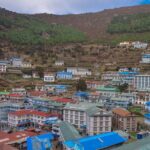
Day 2 is where the trek becomes real. You fly domestically to Lukla (about a 30-minute flight), and the team introduces you to local mountain porters before you start walking. From there, the trek heads through larger village areas like Chourikharka and follows toward the Dudhkoshi River before reaching Phakding (2,652m / 8,700ft), where you spend the night in a lodge.
Why this first hiking day matters: it’s long enough to get into rhythm, but not so punishing that you blow past acclimatization. And because you’ll be at higher altitude quickly, even “moderate” trekking starts to feel different in your lungs.
Practical note: pace is everything. Early days like this are not about speed. They’re about letting your body adapt so you can enjoy the views later rather than just survive the climb.
Namche Bazaar Through Sagarmatha National Park: Big Town, Big Altitude
Day 3 brings you to Namche Bazaar, one of the main hubs of the Khumbu region. On the way, you enter Sagarmatha National Park, passing through the entry point associated with the Trekkers Information Management System. You’ll trek upward along the Dudhkoshi River and cross at the highest bridge near the Namche area, then continue to Namche for the night.
Namche is popular for a reason. It’s not just a waypoint. It’s a place where you’ll feel the mix of trekking life and Sherpa culture—shops, monasteries, and real mountain community energy.
A smart shift happens here: you stop treating altitude as a number and start treating it as a daily factor. You’ll want to drink water, pace your steps, and keep your effort steady.
Namche Acclimatization Day: Sherpa Museum and Everest View Lodge
Day 4 is an acclimatization day, which is good news because it gives you something besides “climb, climb, climb.” After breakfast you visit the Sherpa Museum, a strong culture stop that helps you understand Sherpa history and life before you go deeper into the high country.
Then the day turns into views. There’s an optional hike to the Everest viewpoint, with tea or coffee at Everest View Lodge, and if the weather is clear you can see Everest along with neighbors like Lhotse, Island Peak, and Ama Dablam.
After that, you head toward Khumjung Village and the Admon (Admon Hillary) school area for lunch, before returning to Namche for your lodge night.
Why I think this day is valuable: it gives your legs a break while still delivering payoff. You’re not just waiting for acclimatization to happen—you’re earning it with meaningful stops and a real sense of place.
Dingboche: Wildlife, Wide Views, and a Slowly Raising Pace
Day 5 shifts you toward Dingboche. The route includes a beautiful segment between Phortse and Dingboche (as organized by the trekking team), with lunch options around Upper Pangboche or Somare. You’ll take it slow on the way up and spend the night in a lodge.
This area is often described in terms of views, but the trek is also about noticing what’s around you. In the Dingboche region you’re in wildlife country, with chances to see animals like blue sheep, deer, and Himalayan thar, plus domestic yaks grazing nearby.
Days like this teach you a useful trekking skill: moving efficiently without “overreaching.” At this altitude, you don’t need to win the day. You just need to arrive feeling like tomorrow is possible.






Second Dingboche Day and the Chhukung Option: Acclimatization With Purpose
Day 6 keeps you based in the Dingboche area, with another night at the lodge. Day 7 is a dedicated acclimatization day where the plan is lighter hiking—either a hike to a small peak (a light option) or a hike toward Chhukung.
The key point here is timing and clothing. You’ll be asked to wear warm layers and drink lots of water so your body can adapt without getting chilled or drained. The goal is simple: make sure you can reach Everest Base Camp comfortably and plan to stay the extra night in this area if needed.
If you’re prone to rushing when you feel good, this is where you should resist that instinct. The mountain rewards patience.
Lobuche and Gorakshep: When the Trek Gets Longer
Day 8 is a tougher move toward Lobuche, at over 4,000 meters. The plan is to take extra care with health on this section, gradually moving toward Thukla, resting, and then pushing through the harder stepping toward Lobuche. You’ll pass through forests along the way—rhododendron, pine, and oak—which is a welcome change from the bare-rock feel you’ll get later.
This day also sets up your imagination: you start seeing that iconic high-country drama—Ama Dablam, Lobuche Peak, Nuptse, and more referenced on-route through the peaks you may spot.
Day 9 is one of the big effort days. You go from Lobuche to Gorakshep, leave early, and then you do the Base Camp visit. The day is described as hard and long, around 8 to 10 hours. You’ll take light food and hot drinks like tea or coffee for the early start, then return to the lodge after the Base Camp time.
Why Gorakshep works well in the plan: you get an organized place to stay for the Base Camp push, and you also have a practical rhythm—early departure, a focused window for the visit, then back down for recovery.
Kala Patthar Sunrise: The View Day You Train For
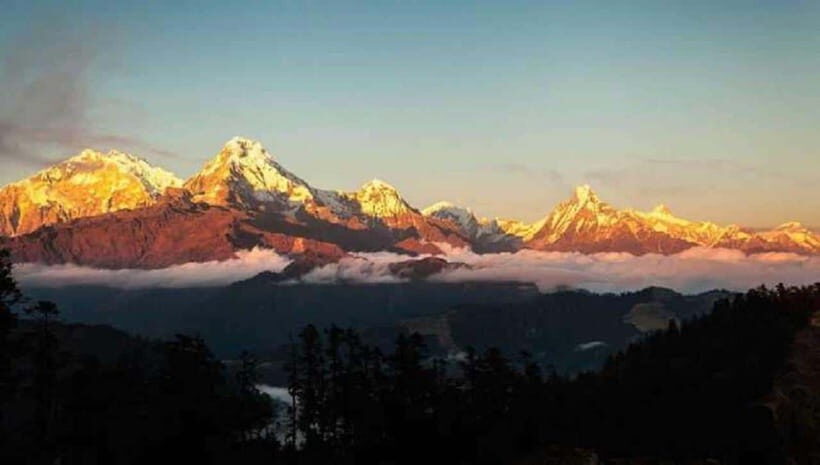
Day 10 is your big sunrise hit: an early morning hike to Kala Patthar (5,545m). The payoff is panoramic sunrise views over the Himalaya, including Everest, plus peaks like Pumori and others depending on conditions. After returning, you enjoy breakfast in Gorakshep, then trek onward to Pheriche or Pangboche for your overnight lodge.
This is the classic “work for the moment” day. You’ll feel it in your legs because you’re going uphill early, but it’s also why the earlier acclimatization steps matter. When your body is ready, you can actually enjoy the sunrise instead of just enduring the climb until the cold wins.
Tip for enjoyment: bring warm gear and don’t treat the early-morning temperature like it’s the same as daytime. In high places, the cold is part of the show.
Down to Namche: Tengboche Monastery and the Hillary Suspension Bridge
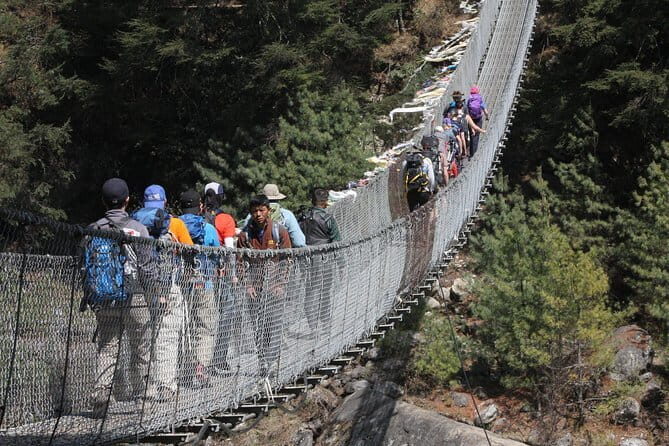
Day 11 starts from Pheriche toward Namche Bazaar after breakfast. The route includes the Hillary Suspension Bridge and passes through local villages. Then you reach old Buddhist Tengboche monastery, followed by a forest walk before arriving back in Namche.
The walking time here is described as about 7 to 8 hours with easy downhill, though you’ll still notice more traffic from yaks and porters. That makes sense: this is a main corridor, and your return leg is when many trekking groups are also moving.
Why this day is different: you get less altitude stress and more rhythm. It’s still work, but it’s a “moving through culture” day, not a “surviving the steep grade” day.
Lukla and Back to Kathmandu: Finish Strong and Keep Flight Expectations Real
Day 12 is the trip’s home stretch on foot: Namche Bazaar to Lukla. It’s described as easy downhill with plenty of yak and porter traffic. You take light lunch en route and continue to Lukla to finish the trek. Then the warm-up continues in Kathmandu on Day 13.
Day 13 includes a Lukla flight to the Kathmandu valley. The plan specifically notes that flights can sometimes be hard to get and that many people wait, so it’s important to reserve flights before your trek begins. Once you land, you explore Kathmandu and do souvenir shopping for family, then spend one more night in Kathmandu.
Day 14 is the departure day, with a vehicle drop-off to the international airport.
This end stage is where you should keep your schedule flexible in your head. When you’re in the mountains, timing isn’t always in your control, and you’re better off staying calm than trying to micromanage the last details.
Price and What Your $1,800 Covers (Value Check, Not Just Sticker Math)
At $1,800 per person, this trek isn’t cheap on paper. But a lot of that number is tied up in the expensive parts: both-way domestic air tickets between Kathmandu and Lukla, lodge accommodations during the trek, permits (including Sagarmatha National Park and local permits), and the core human support—guide plus porter.
You also get standard meals during the trek and warm drinks (tea or coffee), plus Kathmandu hotel nights (2 nights with breakfast) and airport/hotel transfers by private vehicle. If you were to plan these pieces yourself, it’s often the logistics, permissions, and coordination that eat your time and raise your stress level.
What you should watch for: not everything is included. Cold drinks like Coke and bottled water, charging devices, and hot showers are not included. In high altitude trekking, those small costs add up, so it helps to bring some cash and plan ahead.
Lodges, Meals, and Daily Comfort at Altitude
This is a lodge/tea-house style trek. That means you’ll sleep in basic accommodations rather than a “hotel-like” setup. Expect communal-style dining and simple rooms, with comfort levels depending on the specific lodge.
Meals are described as standard with included breakfast count listed as 13, and you’ll also get meals during trekking plus tea or coffee. This is important because it reduces the mental overhead of constantly choosing where and what to eat.
Comfort note: hot showers are not included. If you’re used to feeling “fresh” every day, plan to be okay with cold or minimal bathing on some days.
If you want the trek to feel easier, use this setup well: eat on schedule, drink steadily, and keep clothing layers ready for morning chill and evening cooling.
Who Should Book This Trek, and Who Should Rethink It
This trek is described as moderate and challenging, and it specifically asks for strong physical fitness. That’s consistent with the itinerary’s harder segments: the long Base Camp day (about 8 to 10 hours), the early Kala Patthar hike to 5,545m, and the high pass-like feel you get from the altitude even without a named pass in the description.
This is a good fit if you:
- Want a classic Everest Base Camp experience with built-in acclimatization
- Prefer lodge trekking over camping
- Like having a licensed guide and porter support to reduce decision fatigue
You might rethink booking if you:
- Don’t handle altitude well or struggle to commit to long hiking days
- Need guaranteed hot showers or lots of convenience in basic mountain lodging
- Get nervous about flight timing around Lukla (the plan notes it can be difficult)
The mountain has no interest in your schedule. Your job is to give it respect with pacing and preparation.
Should You Book Everest Base Camp With This Operator?
I’d book this trek if you want strong organization and a straightforward Everest Base Camp route with culture stops and acclimatization days that are actually part of the plan. The included Lukla flights, permits, lodge nights, meals, guide, and porter ratio are the kind of coverage that keeps you moving instead of scrambling.
I’d hesitate if you know you’ll struggle with altitude effort, very early starts, or the reality of Lukla flight timing. Also, if you really care about hot showers and lots of extra comfort items, you’ll want to budget and adjust expectations.
If you’re ready for a serious but well-managed trekking adventure, this one is set up to help you get to the views with less stress.
FAQ
How long is the Everest Base Camp trek?
The trek is listed as 14 days (approx.).
Where does the tour start and end?
It starts in Kathmandu, with airport pickup and a hotel stay, and it ends with a transfer to the international airport in Kathmandu after returning from Lukla.
Do I fly to Lukla or hike there on foot?
You fly from Kathmandu to Lukla and fly back from Lukla to Kathmandu (both-way domestic air ticket is included).
Are trekking permits included?
Yes. The package includes the Sagarmatha National Park permit and local permit.
What meals and drinks are included during the trek?
During the trek you receive standard meals, plus tea or coffee during the trekking days. Breakfast is included for 13 days per the provided details.
Are hot showers included?
No. Hot shower is listed as not included.
What kind of guide and porter support is included?
The plan includes a government license holder trekking guide and a porter (1 porter for 2 people).
Is this a private tour?
Yes. It’s described as a private tour/activity, with only your group participating.
What’s the cancellation refund window?
You can cancel up to 24 hours in advance for a full refund. Within 24 hours, it is not refunded.