REVIEW · KATHMANDU
Kathmandu Top 4 or 2 UNESCO World Heritage Sites Day Tour
Book on Viator →Operated by Attractive Travels and Tours Pvt. Ltd. · Bookable on Viator
UNESCO day trips can feel chaotic, but this one is built smart. You get hotel pickup and drop-off, then hit Kathmandu Valley’s biggest sacred sites—without wasting time figuring out transport or entrances. It also adds hands-on cultural stops like a thangka painting school and a singing bowl demonstration, so you go home with more than photos.
I like the way the guide turns each landmark into something you can actually understand, and I also like that the craft side isn’t tacked on like an afterthought. In particular, guides such as Prakash Aryal show up in multiple reviews, and people consistently talk about how he explains what you’re seeing and adjusts to your interests.
One consideration: the day moves quickly, and a few stops require walking and stair climbing—especially Swayambhunath. Also, the UNESCO entrance tickets cost extra, so your $40 tour price isn’t the full total.
In This Review
- Key highlights that matter
- Hotel pickup and a route made for Kathmandu timing
- UNESCO World Heritage sites you cover in one day (and why it’s worth it)
- Pashupatinath Temple on Bagmati River: what you’ll notice right away
- Boudhanath Stupa and the Tibetan Buddhist atmosphere
- Swayambhunath Monkey Temple: the climb that changes your perspective
- Patan Durbar Square: Newar architecture and the palace-square vibe
- Thangka painting school: traditional art you can actually see
- Singing bowl demonstration center: the calm stop with a purpose
- Price and entrance fees: what $40 really buys
- Who should book this UNESCO Kathmandu day tour
- Should you book? A practical yes—with the right expectations
- FAQ
- How long is the Kathmandu UNESCO day tour?
- Which UNESCO World Heritage sites are included?
- Are entrance tickets to the UNESCO sites included?
- Is hotel pickup and drop-off included?
- What’s included in the tour price?
- Is food included?
- Is the tour private or group-based?
- Do I need to worry about cancellation?
Key highlights that matter
- Hotel pickup right at your door to save you from Kathmandu navigation stress
- Four UNESCO World Heritage sites packed into a 5–7 hour loop
- Thangka painting school visit for a real look at traditional art methods
- Singing bowl demonstration center that adds meaning beyond sightseeing
- Pashupatinath where Hindu riverfront rituals can be a standout moment
- Private format so your guide can respond to your pace and questions
Hotel pickup and a route made for Kathmandu timing
The biggest win with this tour is how it removes the friction that normally ruins a good day in Kathmandu. Instead of trying to coordinate taxis, tickets, and meeting points, your driver meets you at the hotel and handles the car-to-car logistics. You also get drop-off back where you started, which matters more than it sounds when you’re juggling temples, crowds, and city traffic.
The route itself is practical: it clusters major UNESCO sites across Kathmandu and nearby areas, which keeps your day from turning into a “travel between places” marathon. Based on the typical flow, you start with Pashupatinath, then head through the stupa-heavy and hilltop sights, and finish with Patan Durbar Square. That sequencing helps you avoid feeling like you’re doubling back constantly.
If you’re the type who likes a clear plan but also wants to ask questions, this format tends to work well. The tour is described as private, and the guide experience is emphasized as a time to learn—not just to move on.
You can also read our reviews of more historical tours in Kathmandu

UNESCO World Heritage sites you cover in one day (and why it’s worth it)
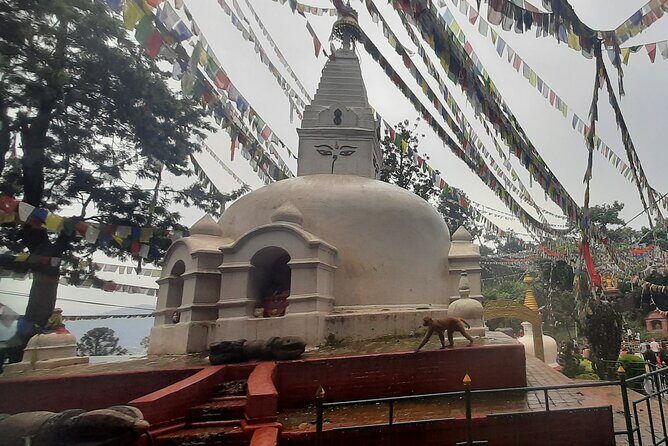
Kathmandu Valley can be overwhelming fast. You can stand in front of a temple, turn around, and realize you have no idea what you’re looking at—why that site is sacred, what each symbol means, or how it connects to Nepal’s broader cultural mix. This tour takes on that problem directly by bundling UNESCO World Heritage landmarks with context from a guide.
Here are the four stops included in the standard “Top 4” version:
- Pashupatinath Temple
- Boudhanath Stupa
- Swayambhunath (Monkey Temple)
- Patan Durbar Square
Each site gives you a different side of the Valley’s sacred architecture. You’ll shift from Hindu temple life to Tibetan Buddhist traditions, then to hilltop stupa views, and finally into the palace-and-square world of Newar architecture. It’s a lot to pack into one day, but it’s also exactly the kind of itinerary that makes the UNESCO label feel real instead of abstract.
Pashupatinath Temple on Bagmati River: what you’ll notice right away
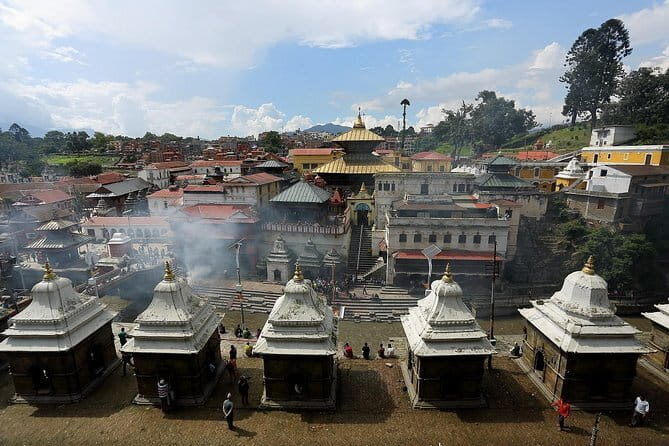
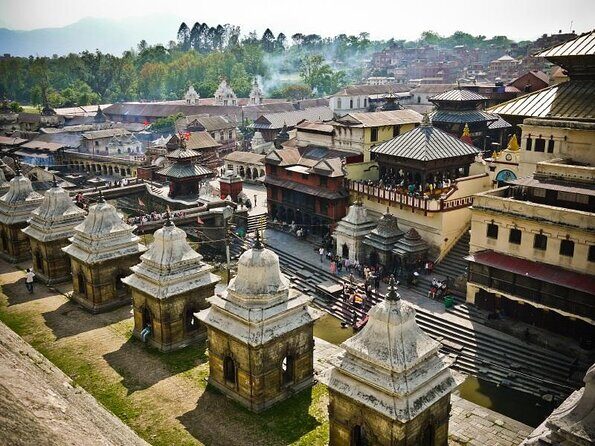
Pashupatinath sits in the eastern part of Kathmandu Valley on the Bagmati River. It’s devoted to Lord Shiva, so this isn’t just an old building you pass by—it’s an active spiritual center in Hindu practice.
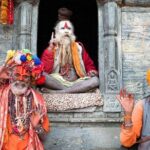
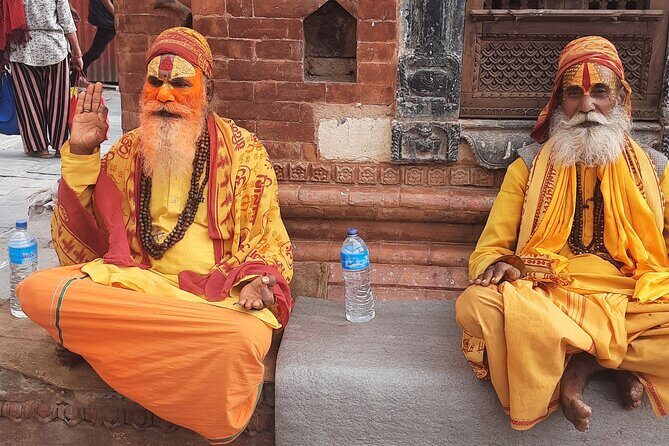
What I like about this stop is how it tends to slow people down. Even when you’re on a schedule, you can’t help noticing the riverfront atmosphere, the temple’s role in religious life, and how the place feels designed for ritual rather than tourism. The tour description flags that it’s a major Hindu temple, and one of the strongest moments highlighted in the feedback is the chance to see Hindu open cremation rites associated with the site. If a ceremony is taking place during your visit, it often becomes a high-emotion, high-learning moment, and your guide’s role matters here because the meaning and etiquette can be confusing if you go in blind.
Practical notes for your experience:
- Expect about 2 hours here. That’s enough time to look, ask questions, and absorb the vibe.
- Bring your patience for riverfront crowds and foot traffic.
- Your guide can help you understand what’s happening so you’re not just watching things without context.
Boudhanath Stupa and the Tibetan Buddhist atmosphere
Next up is Boudhanath Stupa, with a strong Tibetan influence and monasteries around the main stupa. This is where the Valley’s religious mix becomes obvious in a good way: you go from Shiva-centered temple life to a Buddhist setting that feels culturally Tibetan right from the first look.
The stupa area also rewards slow walking. Even within a short time window, you can spend a few minutes watching people move around the stupa, observe the surrounding monasteries, and pick up details you’d miss if you treated it like a quick photo stop.
You’re given about 1 hour here. That’s not a lot, but it’s enough for orientation and a first meaningful pass. If you want more, you’ll need to plan either extra time with your guide or a separate visit later.
A quick consideration: this is a very active sacred space, so it’s smart to keep your expectations simple. Your goal should be understanding the setting and noticing the Tibetan Buddhist feel, not trying to “see everything” like it’s a museum floor plan.
Swayambhunath Monkey Temple: the climb that changes your perspective
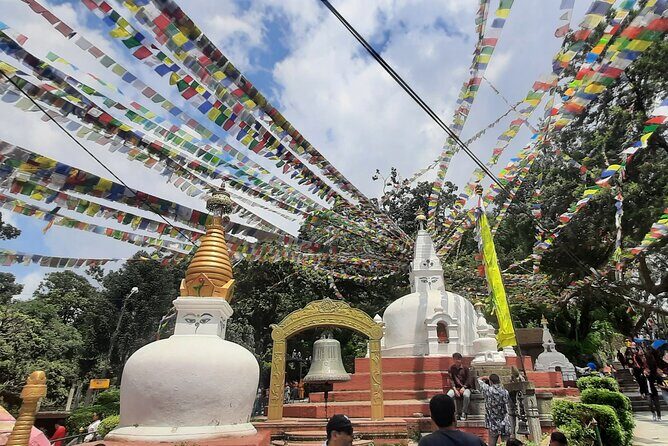
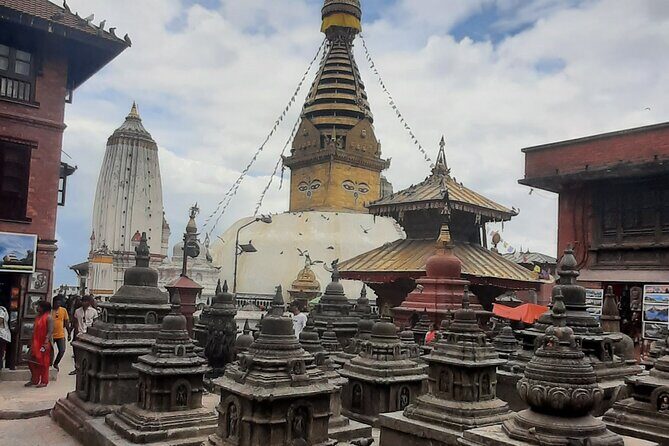
Swayambhunath is also called the Monkey Temple, and it sits atop a hill. That means you’ll climb a long set of stairs to reach it. If you’re comfortable on foot, it can be a fun part of the day because you’re literally moving up toward the best views and the stupa’s presence grows as you ascend.
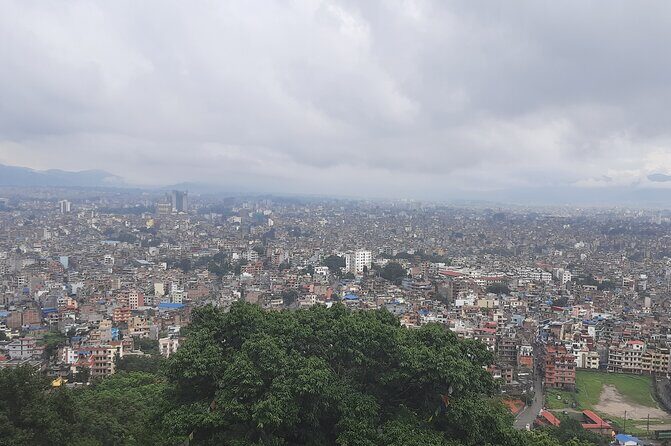
Once you reach the top, the stupa and temple area give you that classic hilltop effect: the city stretches around you, and the site feels like a spiritual landmark designed to oversee the Valley. Your guide can help you interpret what you’re seeing, but the biggest “wow” often comes just from the viewpoint and the way the complex holds attention at close range.
The tour gives about 2 hours for Swayambhunath, which balances climb time plus enough minutes at the site to look around and ask questions. Still, pace matters. If stairs tire you out, you’ll feel rushed. Comfortable shoes are a must here, and if you need breaks, speak up early so the guide can adjust.





Patan Durbar Square: Newar architecture and the palace-square vibe
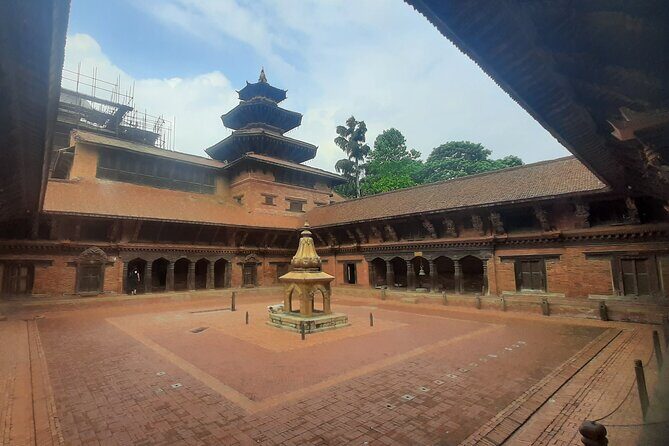
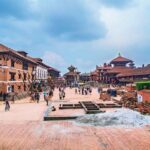
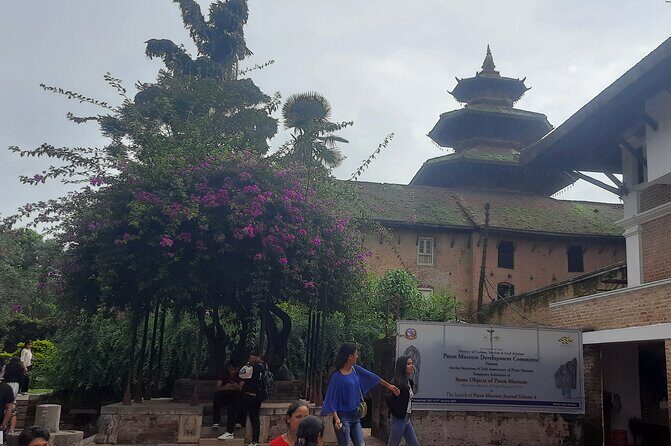
Patan Durbar Square represents Newari architecture at a peak during the reign of the Malla kings. That’s more than trivia. It helps explain why the square feels like a designed stage for culture—palaces, temples, and ornate stonework all mixed together.
The tour stop here is about 1 hour, which is short but focused. You’re there to experience the square as a historic architectural complex rather than to tour it like a multi-hour museum circuit. If you’re the kind of traveler who enjoys details—carvings, layout, and the feel of old city planning—this stop can hit hard even in a short time.
Also, some feedback mentions a strong highlight around the palace area and the Golden Temple setting within the square. Even if you don’t zoom in on every carving, the square is one of those places where you can sense the artistry without reading a single sign.
Optional browsing time can also happen around this area. One recurring theme from the feedback is that the guide allowed extra time to look at handicraft shops and pick up heritage souvenirs. That’s a real value-add because it turns your visit into a purchase you feel good about, not a random stop where you’re pressured to buy.
Thangka painting school: traditional art you can actually see
The tour doesn’t end when the temples do. It builds in a visit to a thangka painting school, which is a big deal if you’re curious about how Tibetan Buddhist art is made rather than just how it looks.
Thangka art is traditionally associated with Buddhist iconography, and the value here is simple: you get to see the craft practice up close and understand what goes into it. You’re not just looking at finished works; you’re learning how traditional art-making happens and why it matters within the religious world that also includes Boudhanath and Swayambhunath.
This stop is also a nice energy reset. After walking temples and squares, art instruction can feel calmer and more human. It’s the kind of experience that helps your day feel connected instead of like a checklist.
Singing bowl demonstration center: the calm stop with a purpose
Next comes a healing and singing bowl demonstration center. Singing bowls show up in lots of places as a wellness concept, but the value of a guided demonstration is that you get the cultural and practical explanation in context.
Even if you’re not buying anything, this kind of stop adds variety. The day includes riverfront rituals and hilltop temple life; the singing bowl segment gives you something different: a chance to understand sound practices as part of tradition, not just a modern trend.
The tour description emphasizes exclusive behind-the-scenes access. In practice, that often means you get closer to how the process is taught and why it works the way it does, instead of only seeing a performance from the doorway.
Price and entrance fees: what $40 really buys
At $40 per person, the tour price is reasonable for a half-day itinerary that includes:
- hotel pickup and drop-off
- a professional guide
- all transportation per the plan
- a thangka painting school visit
- a singing bowl demonstration center
- bottled water (one bottle per person)
But the key number is the UNESCO entrance fee, which is not included. The tour states:
- $20 per person for 4 UNESCO sites
- $10 per person if only 2 sites are visited
So for the full “Top 4” version, you should budget roughly $60 total per person once entrance fees are included. That still tends to make sense because the itinerary is dense and the guide work is part of what you’re paying for.
Where you can get value fast:
- If you want multiple UNESCO sites in one day without logistics stress
- If you care about explanations, not just photos
- If you’ll appreciate the craft stops enough that they justify the schedule
Where you might rethink it:
- If you’re comfortable building your own route and already know the background
- If you prefer a slower pace with fewer stops
Who should book this UNESCO Kathmandu day tour
This tour fits best if you want a structured cultural day with minimal planning. You’ll like it if:
- you’re short on time in Kathmandu and want the core UNESCO highlights
- you’d rather have a guide connect the dots between Hindu temples, Buddhist stupa traditions, and Newar architecture
- you enjoy craft experiences like thangka painting and want a non-temple cultural break
It can be less ideal if:
- you hate stair climbs and you’re sensitive to physical pacing
- you want long, unhurried time at each UNESCO site
- you’re expecting food to be included (it isn’t)
Also, since it’s private and you can tailor your itinerary, it can work well for couples, solo travelers, and families who want control over timing and questions.
Should you book? A practical yes—with the right expectations
I’d book this tour if you want a guided UNESCO hit list that also includes real cultural practice, not just sightseeing. The value isn’t only that you visit four sites. The value is that the day comes with guidance, and the craft stops (thangka and singing bowls) help your experience feel earned instead of rushed.
Just go in with two realistic expectations. First, the day is time-packed, so wear comfortable shoes and expect walking. Second, plan on paying the UNESCO entrance fees on top of the $40.
If that fits your travel style, you’ll come away with a stronger understanding of Kathmandu Valley’s sacred architecture and a couple of cultural skills you can point to later, not just a phone full of temples.
FAQ
How long is the Kathmandu UNESCO day tour?
The tour duration is listed as approximately 5 to 7 hours.
Which UNESCO World Heritage sites are included?
The stops include Pashupatinath Temple, Boudhanath Stupa, Swayambhunath, and Patan Durbar Square.
Are entrance tickets to the UNESCO sites included?
No. UNESCO entrance fees are not included. The tour lists $20 per person for 4 UNESCO sites, or $10 per person if only 2 sites are visited.
Is hotel pickup and drop-off included?
Yes. Hotel pickup and drop-off are included, and your driver meets you right at the door.
What’s included in the tour price?
The tour includes transportation as per the itinerary, a professional guide, visits to a thangka painting school and a healing and singing bowl demonstration center, and bottled water (one bottle per person).
Is food included?
No. Foods are listed as not included.
Is the tour private or group-based?
This is a private tour/activity. Only your group will participate.
Do I need to worry about cancellation?
Free cancellation is available up to 24 hours in advance for a full refund.