REVIEW · KATHMANDU
Langtang Valley Trek
Book on Viator →Operated by Pariwar Holidays Pvt Ltd · Bookable on Viator
If you want mountains without the rush, this trek fits. Langtang sits about 19 miles north of Kathmandu, and it has that rare mix of pine forests, swift streams, snow-capped peaks, and ancient monasteries, all with a glacier backdrop. I especially like the way this route frames the valley as the “valley of glaciers,” with Langtang Lirung as the big visual anchor. I’m also a fan of how much the operator leans on strong guiding, with names like Sujan, Dinesh Ban, Pabitra, Sunil Tamang, and Ram Dahal showing up in guest reports for culture, patience, and practical help. One drawback: this is a moderate-fitness, multi-day walk, so if you’re expecting a casual stroll, you’ll likely feel the altitude and long hiking days.
You’ll start early (meeting point at 7:15 am) and you’re not left to figure things out alone. With hotel pickup/drop, included accommodation, and meals laid out by the itinerary (B/L/D), you can keep your brain on the scenery instead of the logistics.
In This Review
- Key things I’d highlight
- Langtang Valley’s Glacier Views Aren’t Just Pretty
- Kathmandu Pickup, Mobile Ticket, and the Stuff You Don’t Want to DIY
- A 6-Day Trek Means You Need Moderate Fitness (Not Couch Fitness)
- Following the Valley’s Story: Pines, Streams, Rocks, Meadows, Monasteries
- Lower slopes: pine forest and water sounds
- Stream country: swift mountain water and steady walking
- Rocky sections: where the trek gets honest
- Grassy meadows: openness and a breather for the views
- Ancient Buddhist monasteries: the cultural pause that changes the trek tone
- The Guides Make or Break It: Sujan, Dinesh Ban, Pabitra, Sunil Tamang, Ram Dahal
- Meals and Accommodation: Included Food Is a Real Trek Advantage
- Price Check: What $1,000 Covers and What That Buys You
- Who Should Book This Langtang Valley Trek
- Should You Book Langtang Valley Trek with Pariwar Holidays?
- FAQ
- What time is the trek meeting in Kathmandu?
- Does the package include pickup and drop?
- What meals are included during the Langtang Valley trek?
- Is this a private tour?
- What fitness level do I need?
- Can children join?
- FAQ
- How does free cancellation work?
Key things I’d highlight
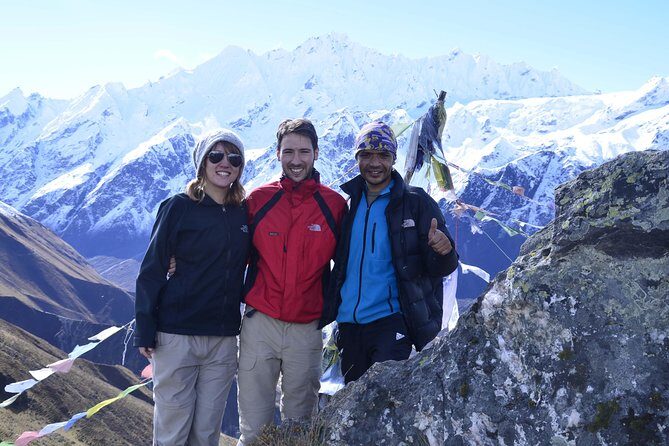
- Valley of glaciers scenery: You’ll be walking in and around a landscape shaped by Himalayan glacier flows, with snow peaks as a constant backdrop.
- Langtang Lirung dominates the view: The mountain called out as the most commanding presence is part of what makes the trek feel focused, not random.
- Strong guide track record: Guest feedback repeatedly singles out guides such as Sujan, Dinesh Ban, Pabitra, Sunil Tamang, Subodh Pandey, Ram Dahal, and others for knowledge and care.
- Included food removes a big planning headache: Breakfast, lunch, and dinner are part of the package plan, so you can budget and pace more easily.
- Private, small-group feel: It’s listed as private, so it’s your group only—useful if you want more questions answered and fewer awkward timing gaps.
Langtang Valley’s Glacier Views Aren’t Just Pretty
Langtang Valley is a trek setting that feels built for wonder, but also for motion. The overview calls it the valley of glaciers, and that matters because it tells you what kind of scenery you’ll keep bumping into: not just mountains in the distance, but a whole environment shaped by ice.
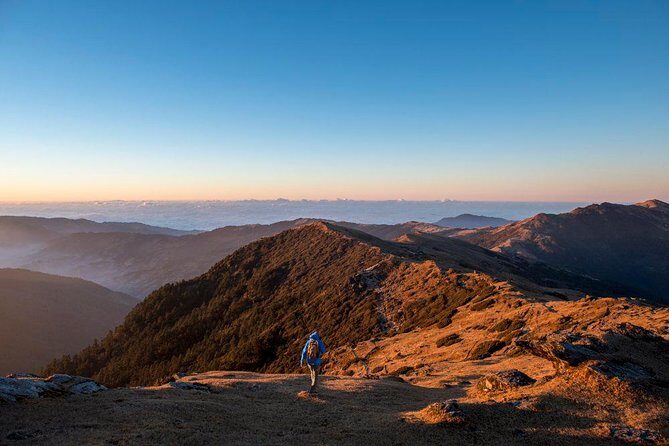
I like that the trek description isn’t generic. It specifically points to different visual textures along the way: pine forest, swift mountain streams, rugged rocks, grassy meadows, and ancient Buddhist monasteries. That gives the walk variety. One day you’re reading the valley through trees and water sounds; another stretch is all about rock and openness; and monasteries add a human-and-spiritual layer that makes the scenery feel lived-in rather than just scenic.
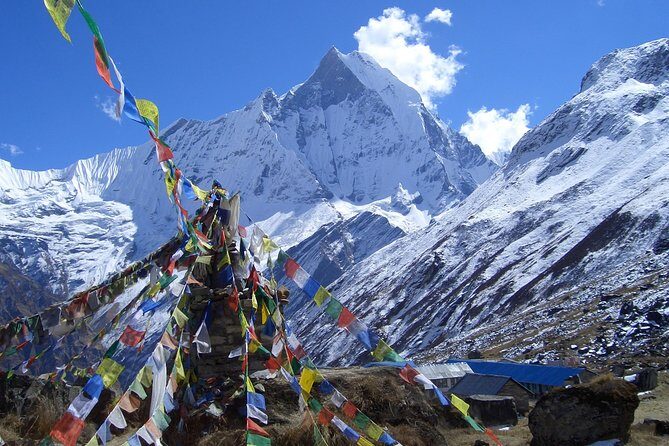
And the big thing in the frame is Langtang Lirung (7246). Even if you’re not tracking peak numbers like a mountain nerd, having one dominant mountain name helps you orient your sense of progress. It’s like having a compass without needing a map app.
You can also read our reviews of more hiking tours in Kathmandu



Kathmandu Pickup, Mobile Ticket, and the Stuff You Don’t Want to DIY
This trip is anchored in Kathmandu, and that’s a practical advantage. You get hotel pickup and drop, and the meeting time is set for 7:15 am. That early start can be a little jarring the first time, but it’s also a gift: you start hiking while the day is still fresh, and you avoid the common slow-motion scramble of figuring out transport.
The package also includes accommodation as per the itinerary and all taxes, fees, and handling charges. That sounds like administrative language, but the real value is psychological. When you’re trekking, you don’t want to be surprised later by line items you didn’t budget for.
You also get a mobile ticket and a confirmation received at booking. That reduces the “what exactly do I show at what time?” stress. And since it’s a private tour/activity with only your group participating, the operator can keep things tighter and more responsive than a big shared group.
Quick note: the package doesn’t include drinks or alcohol (alcoholic drinks are available to purchase). So if you like to treat evenings with something special, plan for that in your on-trail budget.
A 6-Day Trek Means You Need Moderate Fitness (Not Couch Fitness)
This experience is listed for travelers with a moderate physical fitness level. That’s exactly what you should expect from a 6-day trek in a glacier valley: you’ll be walking most days, and you’ll be doing it at a pace where rest is earned, not scheduled on demand.
The good news is the operator seems experienced with different needs. In the reviews, I saw an example of a partner with asthma being supported, and another mention of a serious dairy issue. The takeaway for you is not that the trek becomes effortless—but that this company’s guides and team are used to dealing with real-life constraints with patience and care.
What to consider before you book:
- If you’re recovering from an injury or you get winded easily, ask a few direct questions about pace and break frequency.
- If you’re excited but undertrained, build a baseline first. Multi-day trekking is less about one heroic day and more about keeping your legs happy.
Following the Valley’s Story: Pines, Streams, Rocks, Meadows, Monasteries
Since the detailed day-by-day stops aren’t spelled out in the info you provided, I’ll describe the trek in the way it’s framed: as a sequence of terrain and viewpoints. Think of it as reading Langtang by landscapes (literal and physical), not by checkboxes.
Lower slopes: pine forest and water sounds
The route description calls out pine forest early on. This kind of start matters because it’s where your body settles into rhythm. Pines also tend to mean cooler, shaded walking compared with fully exposed ridgelines.
If you’re someone who gets impatient when hikes feel repetitive, pine forest sections are a relief. There’s a lot to look at besides the ground: light through branches, the slope texture, and the sense that the valley is enclosed by something solid.






Stream country: swift mountain water and steady walking
The overview highlights swift mountain streams. That usually translates into a trail that keeps reminding you you’re in a glacier-fed region. You get constant motion nearby, and that can make the trek feel alive.
For you, the practical value is navigation and pacing. Stream areas often have clearer paths (not always, but often), and the “follow the water vibe” helps the day feel more intuitive.
Rocky sections: where the trek gets honest
Rugged rocks are mentioned, and that’s your cue to expect more uneven footing. This is where trekking poles, careful steps, and consistent hydration make a difference. It’s not about being fast; it’s about staying safe and steady.
If you’ve only hiked on easy local trails back home, this is the segment where you’ll either adapt—or slow down until you do. Since the operator uses professional guides, you should expect route management and pacing decisions to come from someone who knows how to keep groups moving without turning the day into a race.
Grassy meadows: openness and a breather for the views
Grassy meadows show up in the trek description. This is where Langtang Valley likely shifts from “tucked-in hiking” to open-air scenery. Meadows are also a classic moment for photos and for catching your breath without feeling like you’re just standing still.
I like meadows because they break up the mental loop. After rocky and forested segments, open space can feel like a reward you walk into.
Ancient Buddhist monasteries: the cultural pause that changes the trek tone
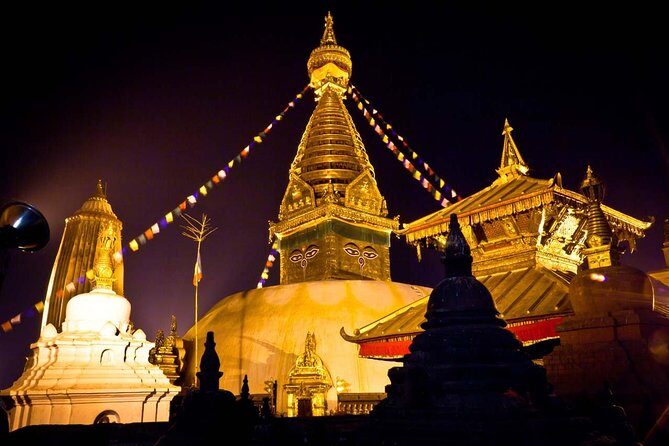
Monasteries along the trail are mentioned explicitly. This is important. Without those stops, many valley treks can become purely scenic walks. Monasteries add a different pace: slower looking, more noticing of symbols, and a chance for cultural context.
And that’s where the guide quality becomes more than a nice-to-have. In reviews, Sujan is described as knowledgeable about Nepalese culture and customs. Pabitra is praised for professional guiding and kindness, and she’s also described as knowing a lot about places visited. In plain terms: you get more than directions. You get meaning.
The Guides Make or Break It: Sujan, Dinesh Ban, Pabitra, Sunil Tamang, Ram Dahal
I can’t ignore the pattern in the feedback. People aren’t just saying the views were good. They’re talking about the guides.
Here are a few highlights that stand out:
- Sujan is repeatedly described as excellent and knowledgeable about culture and customs, with a knack for making the experience successful rather than chaotic.
- Dinesh Ban gets called out as an expert in the mountains and nature, plus knowledge about guest houses along the trek.
- Pabitra earns praise for kindness, professionalism, and sharing anecdotes that bring places to life.
- Sunil Tamang is mentioned for taking time to make sure everything runs smoothly.
- Ram Dahal is described as patient, kind, and caring, including support when someone had asthma and a serious dairy issue.
- Subodh Pandey is singled out for professional, attentive, and friendly service.
Why this matters to you: on a glacier valley trek, weather, trail conditions, and group energy change day by day. A good guide doesn’t only point. They adjust pacing, manage logistics, and keep the day from turning stressful.
Also, several reviews mention the office side being helpful—people brought up a welcome from “Manoj,” and support from team members handling coordination right after arrival (like Biju, who spoke to a new arrival and explained trekking packages in detail). That’s not a guarantee of anything, but it suggests the company is used to meeting people who are still figuring out Nepal.
Meals and Accommodation: Included Food Is a Real Trek Advantage
The package includes meals as per itinerary: breakfast (B), lunch (L), and dinner (D). Even without a full menu schedule, that inclusion is meaningful.
When meals are included:
- you don’t constantly spend time negotiating or deciding what to eat mid-hike,
- you can better manage energy for walking days,
- and you avoid the budget whiplash that hits when you’re paying for lunch every day.
Accommodation is also included as per the itinerary. That means you should spend less time hunting for places to sleep at the last minute. For trekking, that kind of stability helps your body recover instead of wondering if you’ll find a warm bed and a decent bathroom situation.
Downside to know: drinks aren’t included, and alcoholic drinks are available to purchase. So you’ll still need to plan your hydration and evening extras on your own.
Price Check: What $1,000 Covers and What That Buys You
At $1,000 per person, this isn’t a budget impulse buy. So you should judge value by what’s bundled and how much it removes uncertainty.
Here’s what’s explicitly included:
- accommodation as per itinerary
- all taxes, fees, and handling charges
- meals as per itinerary (B/L/D)
- professional guide
- hotel pickup and drop
For a multi-day trek, that combination matters. Many cheaper packages pull you into extra payments later, or they skip meals, or they treat the guide like a basic escort instead of a real trail manager. Here, the guide and meals are included, and you’re picked up and returned in Kathmandu.
The biggest “watch this” item is what isn’t listed. Drinks are not included, and souvenirs/photos and DVD are available to purchase. Also, the info you gave doesn’t spell out whether specific trekking permits or entry fees are included beyond the line about all taxes/handling charges. Since permits can be a major cost driver in Nepal treks, I’d suggest confirming that everything you’ll need paperwork-wise is covered in the final quote.
Overall, for a private trek with a professional guide and full-board meals, the price can feel fair—especially if your alternative is assembling a guide, transport, food plan, and lodging yourself.
Who Should Book This Langtang Valley Trek
This is a good match if you want:
- a moderate fitness trek rather than an extreme expedition,
- a guided experience where cultural context is part of the day,
- and a private setup where your questions get answered.
You’ll likely enjoy it most if you like scenery variety: pine forests, streams, rocks, meadows, and monasteries. If you prefer one-note hiking with no cultural texture, you might find the monastery stops distracting. But if you’re the type who likes stopping to look, this will click.
It’s also a reasonable choice if you’re traveling with someone who values care and patience. The guides’ reputation in the reviews is consistently about kindness and support, not just route knowledge.
One more practical detail from the info: children must be accompanied by an adult. And confirmation is received at booking, which helps if you’re coordinating Nepal dates tightly.
Should You Book Langtang Valley Trek with Pariwar Holidays?
I’d say book it if you want a glacier-valley trek that doesn’t treat you like a number. The included meals, Kathmandu pickup/drop, and the repeated praise for guides like Sujan, Pabitra, Dinesh Ban, and Ram Dahal all point to an operation that focuses on making your days smoother.
I would hesitate only if:
- you’re looking for a super light stroll and not a multi-day hike,
- you don’t like planning for non-included items like drinks,
- or you want every detail of the route spelled out upfront and you’re not willing to ask what the day-by-day looks like when you confirm.
If you’re comfortable with moderate trekking and you care about getting cultural and trail guidance, this is the kind of Nepal experience that tends to stay with you long after you leave the valley.
FAQ
What time is the trek meeting in Kathmandu?
The start time is 7:15 am, and you’ll meet for pickup around public transportation access.
Does the package include pickup and drop?
Yes. The tour includes hotel pickup and drop in Kathmandu.
What meals are included during the Langtang Valley trek?
Meals are included as per the itinerary, with breakfast (B), lunch (L), and dinner (D).
Is this a private tour?
Yes. It’s listed as a private tour/activity, so only your group participates.
What fitness level do I need?
You should have a moderate physical fitness level.
Can children join?
Children must be accompanied by an adult.
FAQ
How does free cancellation work?
You can cancel up to 24 hours in advance for a full refund. If you cancel less than 24 hours before the start time, the amount you paid won’t be refunded.