REVIEW · POKHARA
Pokhara: 5-Day Mardi Himal Trek with Guide
Book on GetYourGuide →Operated by Snow Peak Tours and Travels pvt.ltd. · Bookable on GetYourGuide
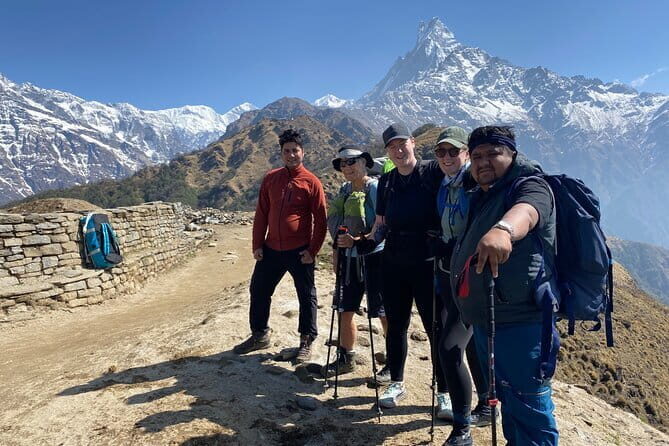
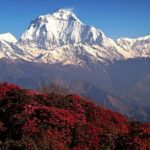
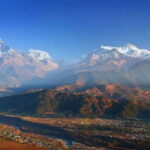
Mardi Himal Base Camp feels strangely close. This 5-day trek from Pokhara pairs rhododendron-filled trails with unobstructed Annapurna-range views, plus the kind of mountain closeness that makes Machapuchare feel right there. I especially like how the route keeps you moving toward the Mardi Himal and then gives you time to enjoy the Base Camp moment without rushing.
The one thing to think through is the walking days. This is not a stroll, and if you’ve got knee trouble or you’re sensitive to altitude or motion, the pace and cold mornings can be rough (a few people recommend planning ahead and using hiking poles).
In This Review
- Key things I’d bet on
- Mardi Himal Base Camp: Why This 5-Day Route From Pokhara Feels Special
- Price and Logistics: Getting Value From $181 Per Person
- Your Day-by-Day Plan: From Pitam Deurali Viewpoint to Mardi Himal Sunrise
- Day 1: Pokhara to Pitam Deurali (via Kande, Australian Camp, Pothana)
- Day 2: Trek to Low Camp (rhodo forests and village rhythm)
- Day 3: Trek to High Camp (the last settlement before Base Camp)
- Day 4: Mardi Himal Base Camp, sunrise time, then back to Low Camp
- Day 5: Lumre canyons and Lwang Ghalel, then back to Pokhara
- Tea Houses, Meals, and Where You’ll Sleep
- Guides and Safety: What Private Group Guidance Changes
- How Hard Is It, Really? Knee Tips and Altitude Reality
- What to Pack (and What the Trek Provides)
- Who This Trek Fits Best
- Should You Book This Pokhara Mardi Himal Trek?
- FAQ
- Where do pickups happen for this Mardi Himal trek?
- Is this a private trek, and what languages does the guide speak?
- How long is the trek, and how do starting times work?
- What does the price include?
- What lodging should I expect on the trail?
- Is travel insurance included?
- Do I need a porter?
Key things I’d bet on
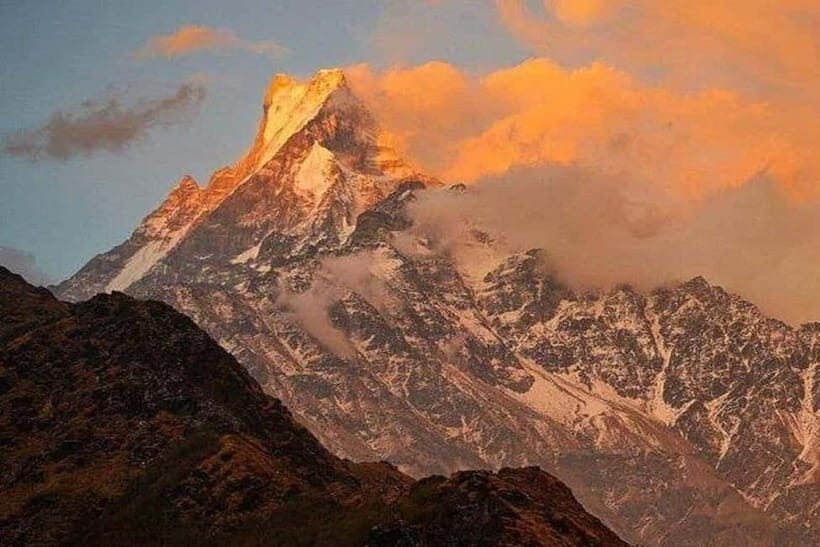
- Mardi Himal and Machapuchare feel close on this route, not just far-looking from a ridge
- Sunrise at or near Base Camp adds real drama to the final approach
- Rhododendron forests and small villages break up the climb with frequent scenery changes
- Private group guidance keeps pacing sensible and questions answerable
- Tea houses and simple lodges keep it practical while you focus on the trail
Mardi Himal Base Camp: Why This 5-Day Route From Pokhara Feels Special
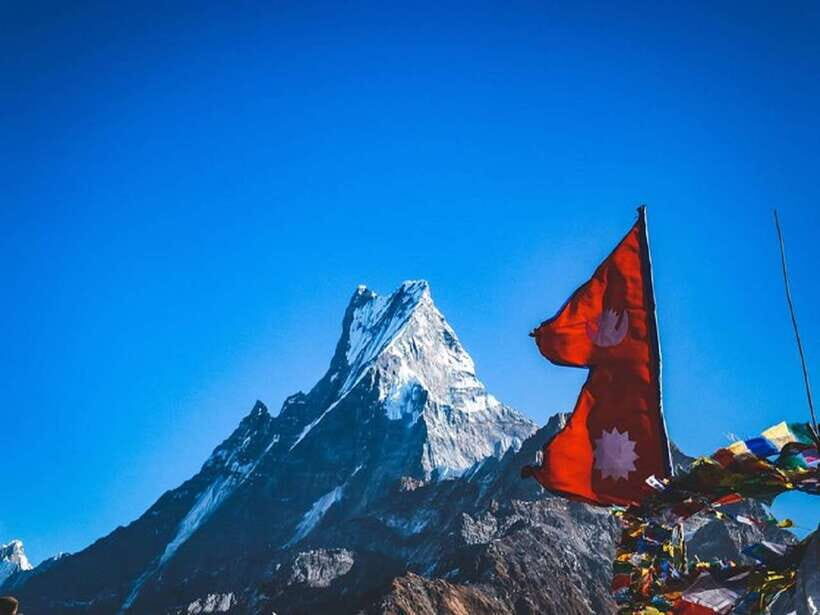
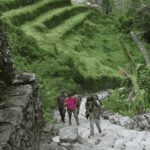
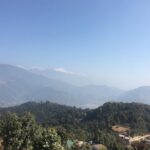
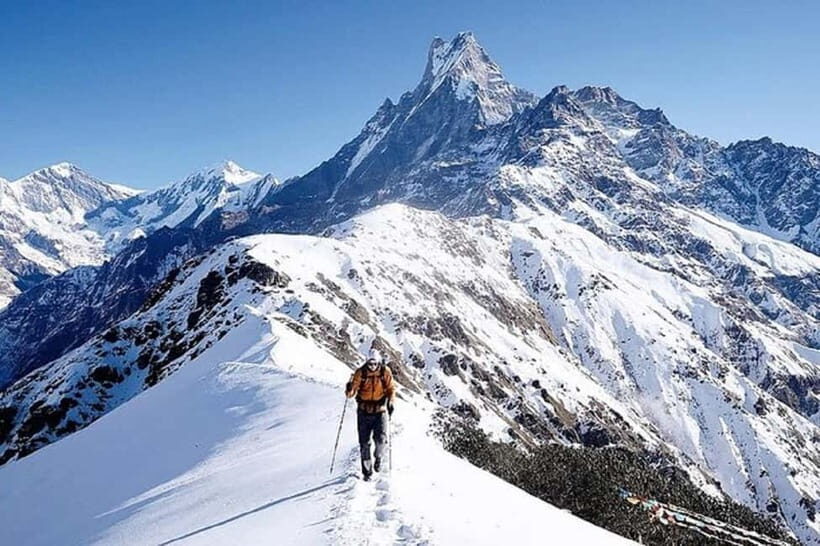
This trek is built for people who want the Annapurna region without spending every day in a crowd. You’ll be walking through rhododendron forests and through villages where life feels local, not staged for tourists. Then, when you reach the upper camps, the views shift from “pretty valley” to “mountains everywhere,” including a strong sense of closeness to Mardi Himal and Machapuchare.
I like that the itinerary doesn’t just focus on the top. You get several nights along the way (Low Camp and High Camp), so the mountains have time to sink in. That also helps you settle into trekking rhythm, instead of trying to do everything in a single exhausting push.
You can also read our reviews of more guided tours in Pokhara

Price and Logistics: Getting Value From $181 Per Person
At $181 per person for a 5-day guided trek, the big value is what’s handled for you. You’re paying for permits and fees, a certified guide, and the costs tied to running the trip (including guide meals, accommodation, insurance, salary, transportation, and equipment). You also get round-trip transportation between your hotel, Pokhara International Airport, and the trek starting point, plus luggage storage in Pokhara while you’re on the trail.
What you don’t get is equally important. Travel insurance is mandatory but not included, and you’ll cover personal snacks and beverages. Emergency rescue services are also not included, so don’t assume help is automatically paid for if things go wrong.
One practical takeaway: if you want a guide plus logistics plus permits bundled into a single price, this model is usually easier than piecing things together yourself.
Your Day-by-Day Plan: From Pitam Deurali Viewpoint to Mardi Himal Sunrise
Here’s how the days typically unfold, and what each one means for your experience.
Day 1: Pokhara to Pitam Deurali (via Kande, Australian Camp, Pothana)
Your day starts with breakfast, then a scenic drive to Kande. From there, you’ll trek through areas including Australian Camp and Pothana, with lunch along the way in rhododendron forest country before reaching Pitam Deurali.
Why this day matters: it’s your main transition day. You’ll trade city life for forest tracks and then settle into higher altitude ground by night. The potential drawback is timing: after a drive, the first stretch can still feel like a warm-up hike that adds up. Comfortable shoes matter here.
Day 2: Trek to Low Camp (rhodo forests and village rhythm)
After breakfast, you move through charming settlements and enchanting rhododendron forests toward Low Camp. There’s a lunch break along the trail, then you settle in for the night.
This is a great day for building confidence. You’re still climbing, but it doesn’t feel like you’re sprinting to the top. If you’re someone who likes steady progress, this day often feels like the right “middle gear” between arrival and the steeper final approach.
You can also read our reviews of more hiking tours in Pokhara
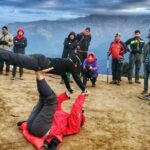
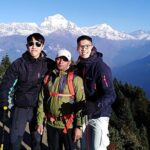
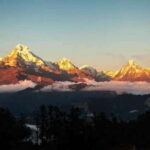
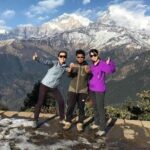
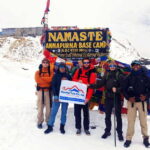
Day 3: Trek to High Camp (the last settlement before Base Camp)
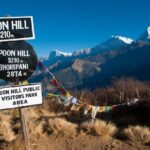
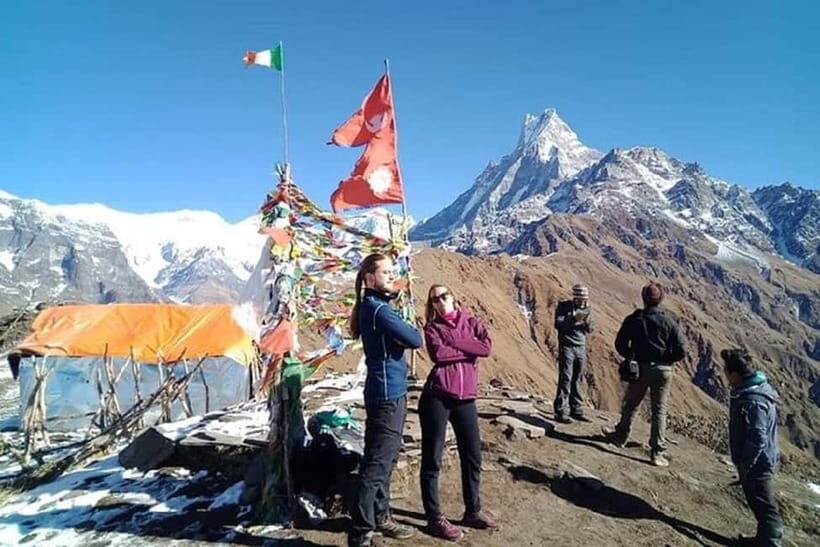
You’ll start with breakfast and continue upward to High Camp, with lunch en route. High Camp is described as the final settlement area on this trek, so it’s where the mood changes. The air tends to feel colder, the walking feels more focused, and the views become the main event.
The drawback to plan for: this is where tired legs show up first. If you’ve got any knee issues, it helps to use trekking poles early rather than waiting until you’re already struggling. One useful tip people bring up for altitude and effort is discussing altitude medication like Diamox with a medical professional before you go.
Day 4: Mardi Himal Base Camp, sunrise time, then back to Low Camp
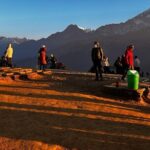
Today is the big one: you trek from High Camp to Mardi Himal Base Camp, then return to Low Camp. You’ll have time at Base Camp for panoramic Annapurna views, and the itinerary highlights sunrise over the mountains plus time to explore before retracing your steps.
This is also a day where you can feel both excitement and fatigue. Going up to Base Camp is one effort; going back down to Low Camp is a different one. If you tend to feel knee pain on descents, this return matters more than the ascent in how you’ll feel by evening.
One nice bonus: when weather is good and you finish earlier than expected, your guide may be able to add extra local time. For example, guide Santosh added time to Lwang village, where people watched a volleyball tournament and shared a barbecue with locals after the hike.
Day 5: Lumre canyons and Lwang Ghalel, then back to Pokhara
After breakfast, you descend to Sidding for lunch, then continue to Lumre. From there, your vehicle meets you and takes you back to Pokhara, so you’re not stuck finishing with a long walk into town.
This day can feel lighter because you’re ending the trek, but don’t treat it like a free day. Descents still work your legs, and the weather can shift fast at lower elevations. If your guide includes extra stops around Lumre canyons and Lwang Ghalel, it’s a good way to end with a final hit of scenery and local atmosphere.
Tea Houses, Meals, and Where You’ll Sleep
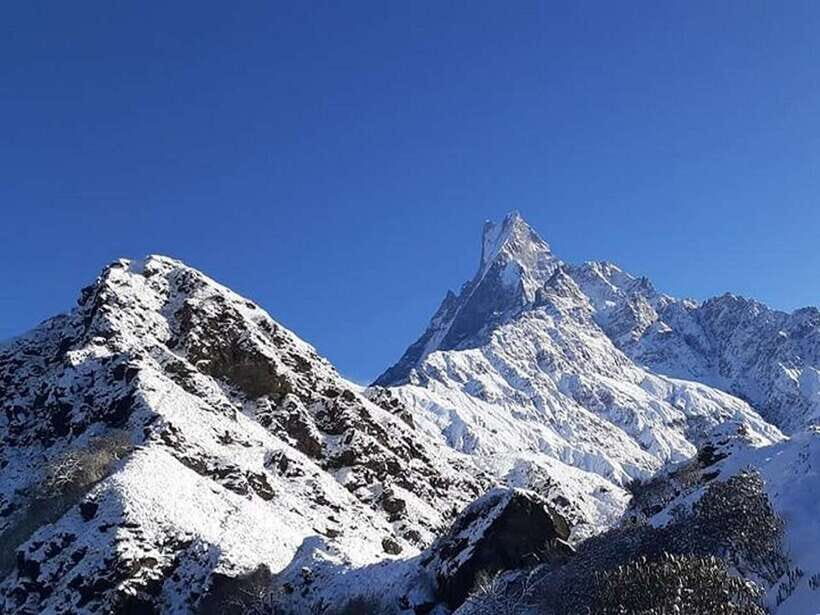
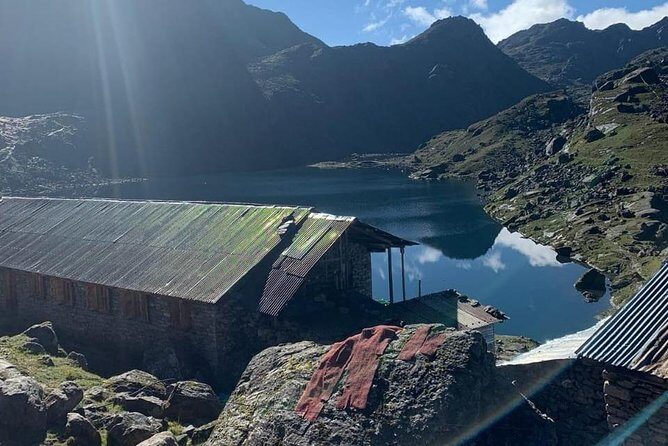
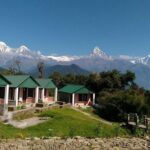
This trek uses simple tea houses or lodges. The practical benefit is that you don’t have to plan camping gear. Included accommodation keeps the experience straightforward, especially if you’re new to multi-day trekking.
Meals are included throughout the trek depending on the option selected. Since the exact menu isn’t listed here, the best move is to pack your expectations realistically: you’ll likely eat what’s available at tea houses in that area, and you’ll do well if you eat early and drink steadily instead of trying to snack your way through the day.
Guides and Safety: What Private Group Guidance Changes
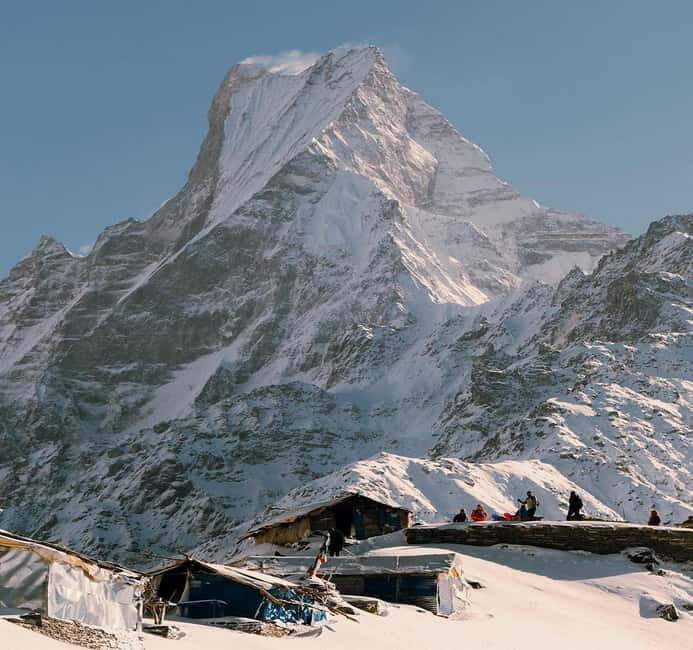
This is a private group with a live guide speaking English, Hindi, and Nepali. Private guidance can be a big deal on a trek like this because it affects pacing, decision-making, and how comfortable you feel asking questions.
Guides also matter for small safety and comfort details. The route includes multiple days of hiking with camp-to-camp progress, and an experienced guide can adjust the day based on how you’re feeling. That becomes especially relevant if you’re managing a knee issue or trying to avoid pushing too hard after a long cold morning.
Also check your own comfort boundaries. The tour notes it is not suitable for people with motion sickness, and it’s not designed for mobility impairments. If you know you get nauseous on winding roads or on pack-mule style movement, plan carefully before you book.
How Hard Is It, Really? Knee Tips and Altitude Reality
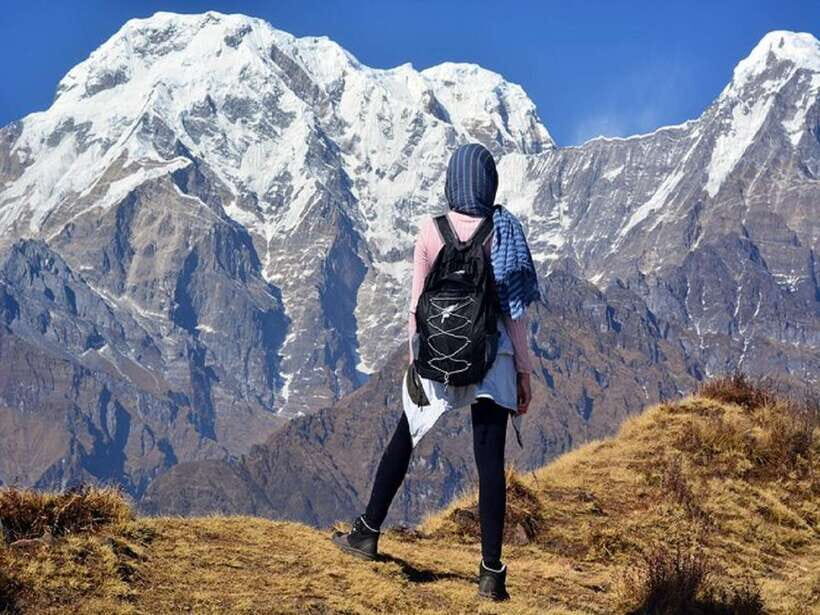
The trek is often described as not too easy and not too difficult, which fits many athletic beginners—especially if you walk consistently and don’t try to force big strides. Still, you should expect a real uphill effort on consecutive days.
A few practical points to keep the trek manageable:
- Use trekking poles if you have them. People commonly recommend them for knee support, especially during descents.
- Start slower than you think. The mountains reward patience.
- If you’re considering Diamox or similar altitude support, talk with a doctor first, and don’t treat it as a casual supplement.
One more reality check: the route includes multiple camp nights (Low Camp and High Camp). That means you’re getting repeated days of hiking, not one long day and then recovery.
What to Pack (and What the Trek Provides)
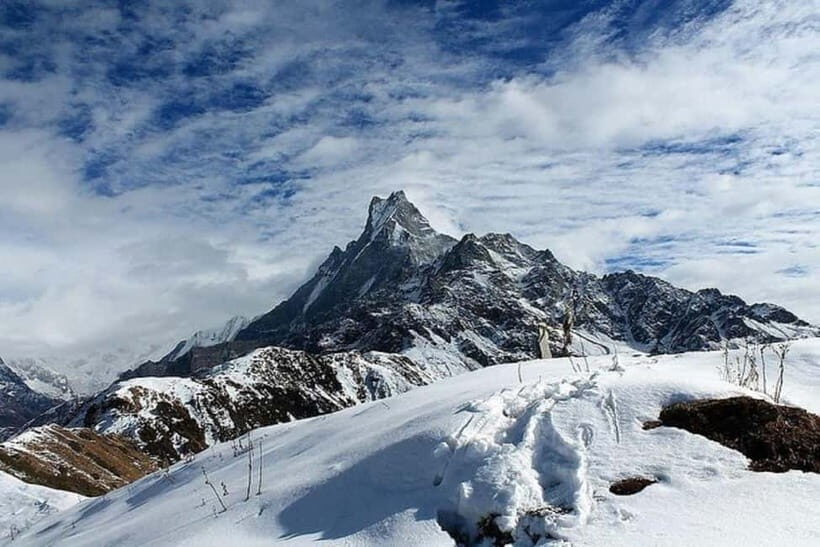
The essentials listed here are straightforward, but they matter more on a mountain trail than at home.
Bring:
- Comfortable shoes
- Jacket and comfortable clothes
- Hat and camera
- Cash
- Hair tie
- Trekking gear (even if some gear may be provided)
You’ll also want practical trail items, even if they aren’t listed: water plan, lip balm, and a way to manage cold mornings.
What’s covered:
- Trekking sticks and sleeping bags as needed
- Luggage storage in Pokhara
So if you’re a light packer, you can keep your load reasonable. Still, don’t assume you won’t want your own poles or your own jacket. If you’ve got gear that fits well, that can make you feel safer and more comfortable.
Who This Trek Fits Best
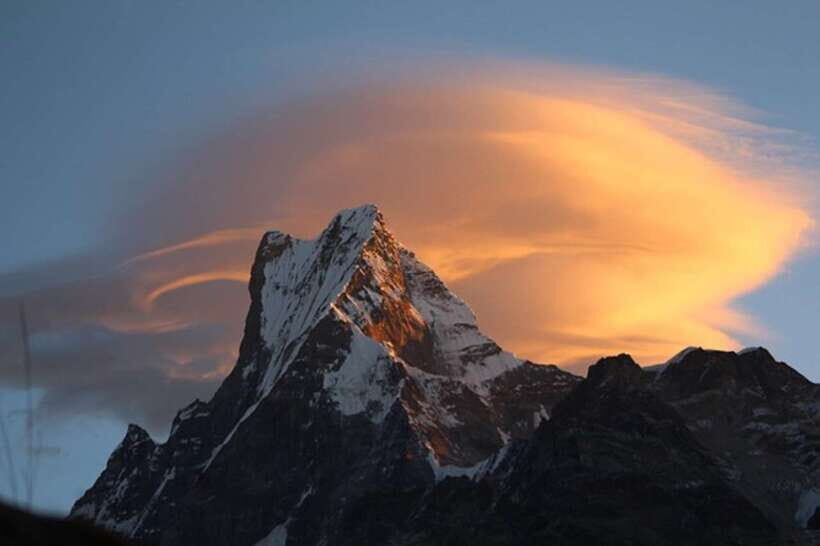
This trek is a strong match if you:
- Want a guided route with permits, food, lodging, and transportation handled
- Like mountain views that feel close and personal, not just distant
- Enjoy rhododendron forests and village walking as part of the journey
- Want to try a multi-day trek without camping and without complicated logistics
It’s less suitable if you:
- Have significant mobility limitations
- Struggle with motion sickness
- Are older than 95 (the tour states it isn’t suitable)
If you’re new to multi-day trekking, you’ll probably do best if you train for walking ahead of time and commit to steady pacing. If you already know your knee is fragile, plan for poles and a slower descent day on Day 4.
Should You Book This Pokhara Mardi Himal Trek?
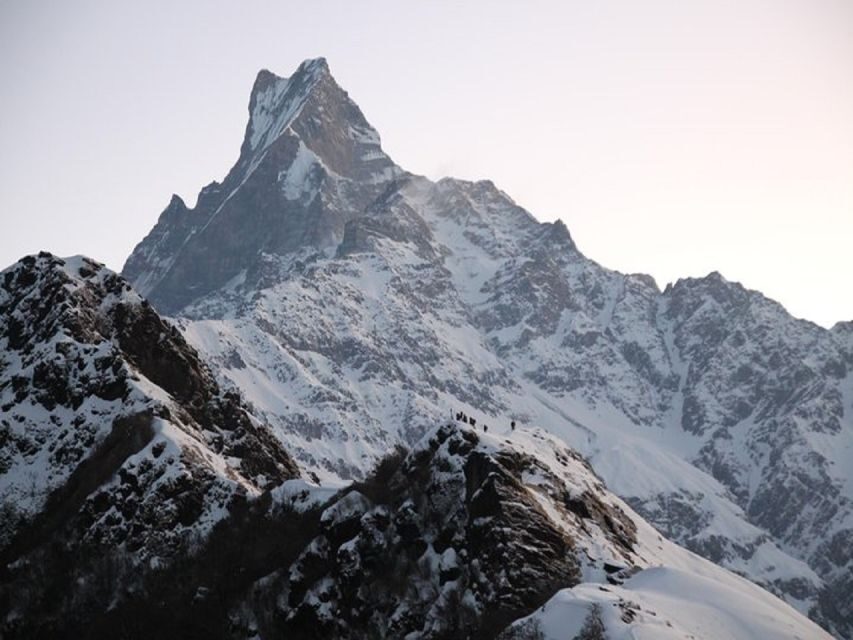
If your goal is classic Annapurna-region views with a real sense of closeness to Mardi Himal and Machapuchare, this is a good-value option. The included guide, permits, meals (per option), and the camp-to-camp structure make the trek simpler to manage than building a trip piece by piece. Add in the fact that sunrise and clear-weather views are part of the experience focus, and you’re looking at a strong “big payoff for the effort” itinerary.
I’d book it if you’re realistic about the walking, you pack for cold mornings, and you’re comfortable with tea house lodging. I wouldn’t book it if you’re motion-sickness prone, need mobility accommodations, or you know your knees won’t handle multi-day descents without extra support.
FAQ
Where do pickups happen for this Mardi Himal trek?
You’ll have pickup options including Lakeside Rd 6, Pokhara International Airport (PIA), and Pokhara Lakeside. You can also meet your guide in your hotel lobby before the scheduled pickup time.
Is this a private trek, and what languages does the guide speak?
Yes, it’s a private group. The live guide speaks English, Hindi, and Nepali.
How long is the trek, and how do starting times work?
The duration is 5 days. Starting times can vary, so you’ll need to check availability to see the specific start schedule.
What does the price include?
It includes round-trip transportation between your hotel, the Pokhara International Airport area, and the trek starting point; meals during the trek depending on the option; tea house or lodge accommodation; a certified trekking guide; permits and fees; and the guide’s expenses. Trekking sticks and sleeping bags are included as needed, plus luggage storage in Pokhara.
What lodging should I expect on the trail?
You’ll stay in simple tea houses or lodges.
Is travel insurance included?
No. Travel insurance is mandatory for your safety and peace of mind.
Do I need a porter?
A porter is not included. If you want one, you can arrange it for $15 per day.