REVIEW · KATHMANDU
Goisankunda, Trek of the Holy Lakes
Book on Viator →Operated by Flyeast Nepal · Bookable on Viator
One good road trip and you’re already climbing. The Goisankunda (Gosainkunda) Holy Lakes trek turns Kathmandu-area transport into a real mountain journey, with a guide, permits, and teahouse life handled for you. I love how the days are paced around five steady trekking days, so you’re not scrambling to cram everything in. I also like the human touch from the team at Flyeast Nepal, including guides and porter guidance that makes a solo trip feel genuinely safe. The one drawback to think about: this is serious altitude trekking (you’ll go up to 4390m), so you’ll want to be realistic about your pace and breathing.
I came away impressed by how practical the setup feels for a private group, with a pickup-style start and a private jeep to Dhunche. You get your meals and teahouse accommodation tied into the trek plan, which means fewer decisions on the trail. Still, since beverages and tips aren’t included, you’ll want to budget for extras and plan how you handle hydration each day.
In This Review
- Key things that make this trek tick
- Why Goisankunda’s holy-lake hike feels different
- Price and logistics: what $555 buys you (and what it doesn’t)
- Day 1: the Dhunche drive sets your altitude mindset
- Day 2: Chandanbari (3330m) and the first real climb
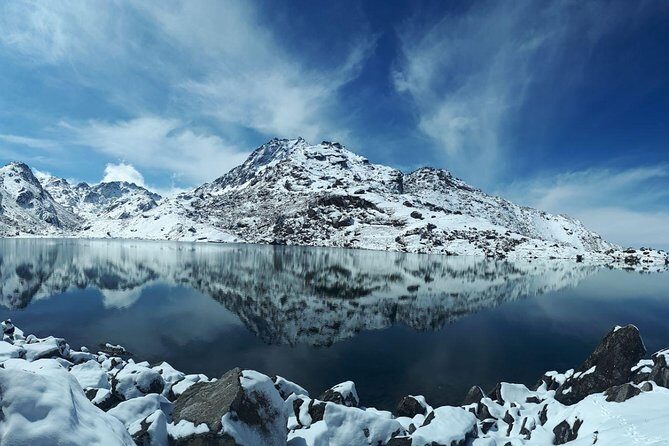
- Day 3: Gosainkunda lake area (4390m) is the main event
- Day 4: Ghopte (3530m) and your rhythm reset
- Day 5: Kutumsang (2470m) and feeling “lower” again
- Day 6: Chisapani (2215m) brings you toward civilization
- Day 7: Sundarijal (1460m) to Kathmandu and the end feeling
- The Flyeast Nepal factor: guides, porters, and real care
- How demanding is it, really? (Moderate fitness, daily trekking)
- Should you book this Goisankunda trek?
- FAQ
- What time does the trek start?
- Where do you drive to on the first day?
- How long is the trek, and how many days are trekking?
- What’s included in the tour price?
- Is vegetarian food available?
- How many people are in a group?
- Is this a private tour?
- What about cancellation?
- Is Kathmandu hotel accommodation included?
Key things that make this trek tick
- Private jeep from Kathmandu area: less stress on day one, and an easy reset on the last day.
- Permit included: you won’t be hunting documents while you’re already focused on altitude.
- Teahouse/lodge rhythm: you hike daily between villages for five days, then eat and sleep in the same simple rhythm.
- Experienced guide plus strong porter support: the trail is easier when someone knows how to pace you and manage logistics.
- Meals handled on the trek: 3 meals a day plus a menu item keeps energy steady.
- Solo-friendly feeling through the team: multiple reviews point to safety and care, even when someone travels alone.
Why Goisankunda’s holy-lake hike feels different
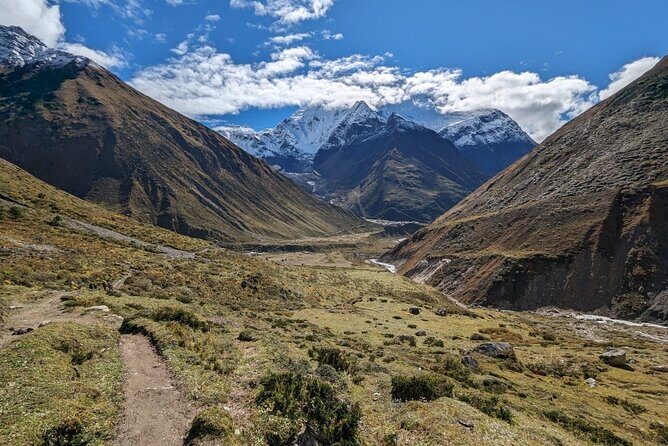
This is one of those treks where the destination matters, but the road to it matters just as much. You’re hiking through mountain villages and forests while going higher day by day, and by the time you reach the Gosainkunda lake area (4390m), it feels like you’ve earned the view and the stillness.
At this elevation, you’ll likely notice your body working a bit harder. That’s not a reason to avoid the trek; it’s a reason to go steady. The best approach is to treat every day as a win, not a race. If you’ve ever done a high-altitude walk before, you already know what I mean. If you haven’t, you’ll learn fast.
What I like most is the balance: you’re not just hiking in a straight line. You’re moving village to village across five trekking days, which keeps the days varied and gives you that classic “arrive, eat, sleep, repeat” structure that works well for many people.
And yes, you should expect stunning scenery. Reviews repeatedly call out the views as a highlight—plus, the Gosainkunda lake area is the obvious visual payoff after several days of climbing.
You can also read our reviews of more hiking tours in Kathmandu


Price and logistics: what $555 buys you (and what it doesn’t)
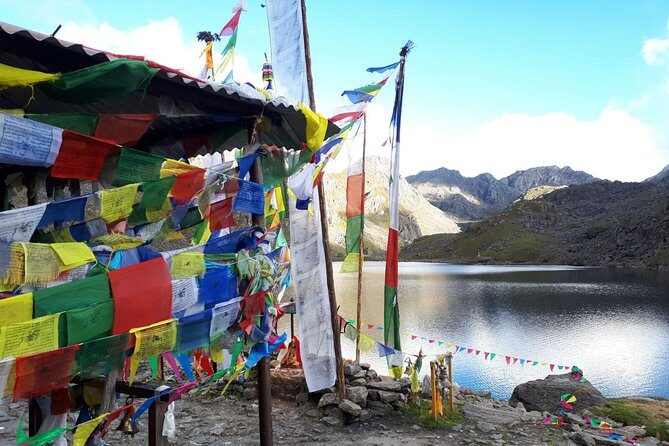
At $555 per person for about 7 days, this package is built around removing the big headaches. You’re paying for the essentials that make a trek run smoothly:
- Private jeep to Dhunche and the drive back from Sundarijal
- 1 experienced guide
- Trek permit
- Food (3 meals a day) during the trekking days, with 1 item from the menu
- Accommodation in teahouse/lodges
- Fuel surcharge, plus breakfast
That’s the key value. Trekking often falls apart when you’re trying to line up transport, permits, meals, and sleep at the same time. Here, the structure is handled. You still choose your pace, but you’re not stuck trying to figure out the basics at altitude.
What’s not included is also important for budgeting:
- Hotels in Kathmandu
- Personal insurance
- Beverages
- Tips for staff
A practical move: estimate your daily drink/snack costs in advance. Even if you don’t buy much, it helps to know where your money will go.
Day 1: the Dhunche drive sets your altitude mindset
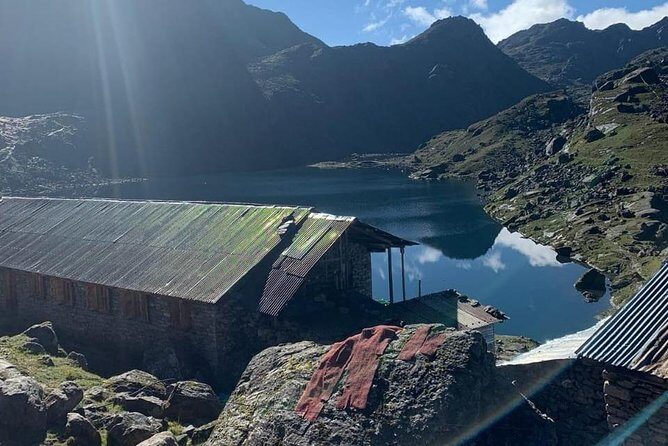
You start around 7:15am, with transport out of the Kathmandu area. Day one is about transition: drive to Dhunche (1900m).
This is where I’d encourage you to keep expectations calm. You’re not trekking hard yet. You’re going from city noise to mountain pace. The payoff is psychological: you arrive at a trailhead altitude and start the next day already in the right zone.
Also, a private jeep matters more than people think. In mountain regions, the difference between organized transport and improvised transport shows up as time, comfort, and saved energy. Since day two begins your trekking climb, conserving energy on day one is smart.
Day 2: Chandanbari (3330m) and the first real climb
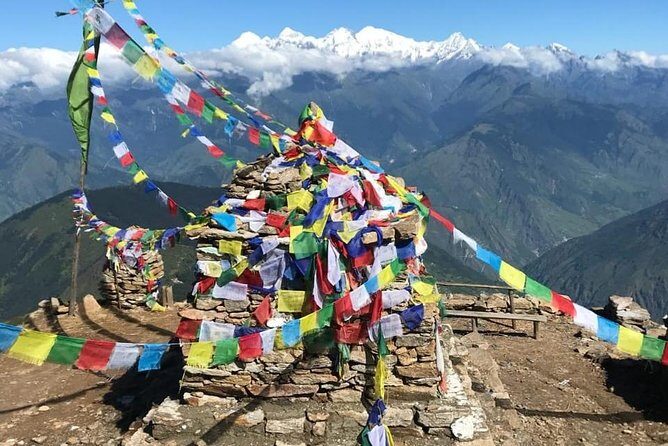
Day two is a trek to Chandanbari (3330m). This is your “settling in” day: you’re going from the earlier altitude into a place where your breathing changes and your legs start to feel the rhythm.
What you’ll likely enjoy here is the gradual build of the experience. It’s early enough that you still feel optimistic, but high enough that you’re learning how the trek will feel. With a guide and a planned teahouse stay, you can focus on walking, not on logistics.
A small drawback to consider: your pace on day two matters because it influences how you’ll feel later. If you start too fast, altitude discomfort can pop up. The better plan is simple: short pauses, steady steps, and drink water regularly.
Day 3: Gosainkunda lake area (4390m) is the main event
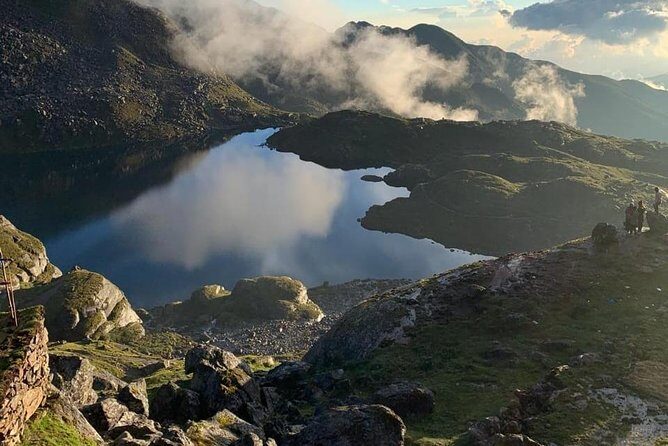
This is the day most people remember. You trek to Gosainkunda (4390m) and reach the lake area.
That number—4390m—should be taken seriously. Even if you’re fit, higher altitude changes how you move and how you recover. The best strategy is to treat the climb like a controlled effort, then enjoy the lake area without rushing.
From the reviews, the vibe here is clear: the views are stunning, and the destination feels like a real payoff after the previous days. The Holy Lakes theme also adds meaning; you’re not hiking just for a viewpoint, you’re hiking toward a place with spiritual weight in the region.
One more practical point: at places like this, conditions can shift. Even if the day looks perfect at 9am, plan for cooler air later and pack layers. The tour includes meals and accommodation on trek days, but it doesn’t replace your need for clothing you can adjust.
If you’re the kind of traveler who likes a moment to take it all in—this day rewards you.






Day 4: Ghopte (3530m) and your rhythm reset
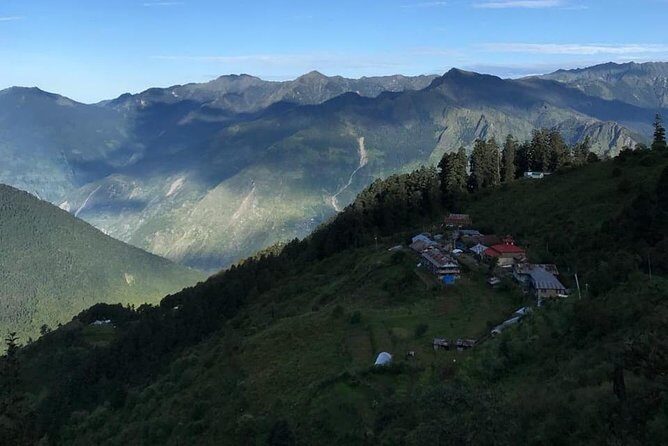
Day four takes you to Ghopte (3530m). Compared to the jump to 4390m, this is a “reset” altitude-wise, which can be a relief for your body.
I like days like this because you get a chance to recalibrate. Your legs have learned the workload, so you can walk a bit more comfortably. It also helps mentally. After the big altitude emphasis of day three, you feel the difference on day four.
Still, don’t treat it like an easy stroll. The trail is working whether you’re gaining or losing a little altitude. Expect ongoing effort, just not the same peak push as the day you reach the lake area.
Teahouse stays on days like this also become part of the experience. You’re not going from hotel to hotel. You’re living the simple mountain routine—food, rest, and the chance to warm up and talk with your guide.
Day 5: Kutumsang (2470m) and feeling “lower” again
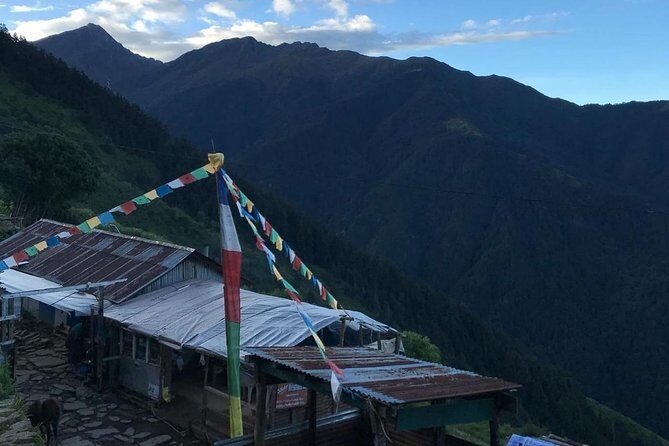
Day five goes down to Kutumsang (2470m). A lower altitude day can feel like a gift, and it often helps people recover from the earlier climb.
This is also a good day to keep your attitude positive. When you drop altitude, it’s easy to speed up and forget that long hiking still adds up. Your legs may feel better, but fatigue can still build if you push too hard.
The value of having an experienced guide is exactly this: they can steer your pace so you arrive feeling ready for the next day, not wrecked by the end.
Day 6: Chisapani (2215m) brings you toward civilization
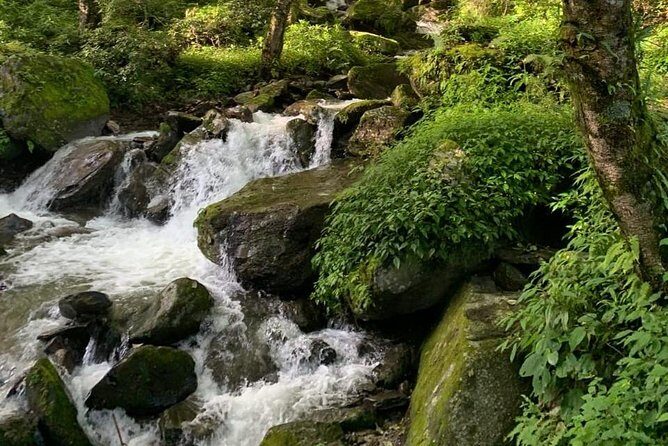
Day six is a trek to Chisapani (2215m). This is still trekking, but it’s trending toward the lower elevations that feel more comfortable after a high stretch.
Chisapani is the kind of place where you start to notice the world getting closer again: more signs of regular foot traffic, and a calmer sense of finishing up. That matters because day seven is the jump back down to Sundarijal (1460m) and then the drive to Kathmandu.
If you’ve been keeping your walking steady, day six is often where you start to feel proud. Not because it’s easier, but because you’re clearly working your way out of the high-altitude zone.
Day 7: Sundarijal (1460m) to Kathmandu and the end feeling
The last day includes a trek to Sundarijal (1460m) and a drive back to Kathmandu.
For me, this ending is one of the better designs: you don’t finish the trek and then immediately face more complicated travel steps. You get a clear handoff from trail to road.
Also, the drive makes the day feel complete. You’ll likely want a shower, a proper meal, and time to decompress. Since hotels in Kathmandu aren’t included, you’ll need to have your post-trek lodging sorted. But the route is handled for you.
This day is where you’ll see how well the trek pacing worked. If your recovery stayed on track earlier in the week, you’ll feel human again. If you overdid it on the steep days, you might feel it here.
The Flyeast Nepal factor: guides, porters, and real care
A big part of why this trek works is the people layer. Reviews highlight strong service and a friendly crew—specifically mentioning staff like Abhi and Roshan for planning knowledge, plus a porter guide named Ram who was praised as the best for taking care of what people needed.
There’s also a consistent theme that the team made solo travelers feel safe. If you’re traveling on your own, that matters a lot more than it sounds. Trekking can be physically challenging, but the mental confidence comes from knowing your guide and support team have the details under control.
So here’s my practical takeaway: even if you consider yourself “independent,” don’t try to manage the trek like you’re on your own. Use your guide. Ask questions. Let them set the pace.
How demanding is it, really? (Moderate fitness, daily trekking)
The tour is designed for people with moderate physical fitness. You’ll be trekking every day between villages for five days, with driving on the first and last day.
That structure is ideal if you want adventure without the stress of constant long driving days. Still, daily trekking at altitude is not the same as a casual hike. Your goal should be to finish feeling steady, not heroic.
A few smart rules:
- Walk slow enough that you can keep moving consistently.
- Plan for cooler air at higher elevations.
- Tell your guide if you’re feeling off—don’t “push through” altitude discomfort.
If you’ve got joint issues, take the “moderate fitness” requirement seriously and speak with your operator before booking. The trek is structured around continuous hiking time, so you’ll want to be sure your body can handle it.
Should you book this Goisankunda trek?
Book it if you want a private, guided trek with permits, meals, and teahouse stays handled, plus a clear plan that gets you to the Gosainkunda lake area without extra logistics stress. It’s also a strong choice if you appreciate support that feels personal—because the guide/porter care from people like Ram, and the team attitude mentioned by Abhi, Roshan, and Nani, is a recurring theme.
I’d think twice if you’re not comfortable with a high-altitude hike up to 4390m, or if you hate daily walking for five straight days. Also note you’ll need to budget for beverages and tips since they aren’t included.
If you want mountain trekking with real payoff and fewer moving parts, this is a solid value play.
FAQ
What time does the trek start?
The start time is 7:15am.
Where do you drive to on the first day?
You drive to Dhunche (1900m) on day one.
How long is the trek, and how many days are trekking?
It’s about 7 days total, with 5 days of trekking between villages. The first and last days include driving.
What’s included in the tour price?
It includes a private jeep to Dhunche and drive back from Sundarijal, 1 experienced guide, permit, meals (3 per day with 1 item from the menu) during the trek, and teahouse/lodge accommodation for the trekking days.
Is vegetarian food available?
Yes, a vegetarian option is available. You should advise the operator at the time of booking.
How many people are in a group?
A minimum of 2 people is required per booking, and a maximum of 14 people is allowed.
Is this a private tour?
Yes, it’s a private tour/activity, meaning only your group participates.
What about cancellation?
There is free cancellation up to 24 hours in advance for a full refund.
Is Kathmandu hotel accommodation included?
No. Hotels in Kathmandu are not included.