REVIEW · KATHMANDU
Kathmandu Heritage Sightseeing Tour
Book on Viator →Operated by Classic Escapades · Bookable on Viator
Four sacred stops, one early-morning plan. This Kathmandu Valley day tour is a smart way to see how Buddhist and Hindu traditions shape daily life, from hilltop stupa views to riverbank ceremonies. You get private transportation and a professional guide, plus admissions handled for you—so your morning stays focused on the places, not logistics.
I love the way this tour centers on meaning, not just sightseeing. You’ll get interpretive context from a guide such as Sunil Bikram Shah, and that makes landmarks feel personal instead of distant. I also love that admission tickets are included, which cuts down on waiting and lets you move through each site with less hassle.
The main drawback is practical: the 5:15 am start, and lunch plus bottled water are not included. If you hate early mornings or you need a dependable midday meal, plan ahead so you don’t feel rushed or under-fueled.
In This Review
- Key highlights worth waking up for
- Why this Kathmandu heritage route works in 6–7 hours
- Swoyambhu Mahachaitya (Monkey Temple): hilltop stupa energy
- Patan Durbar Square: medieval palace-square with living traditions
- Boudhanath Stupa: 1700 years of Buddhist devotion
- Pashupatinath Temple: Hindu temple complex and riverbank cremation rituals
- Price and what you actually get for $147
- Morning logistics that affect your comfort
- How to get more out of each stop (without turning it into a homework project)
- Should you book this Kathmandu Heritage Sightseeing Tour?
- FAQ
- How long is the Kathmandu Heritage Sightseeing Tour?
- What time does the tour start?
- Is there pickup for this tour?
- Which heritage sites are included?
- What’s included in the price?
- What is not included?
- Is it a private tour?
- Is there free cancellation?
Key highlights worth waking up for
- Swoyambhu Mahachaitya (Monkey Temple) hilltop views over Kathmandu Valley
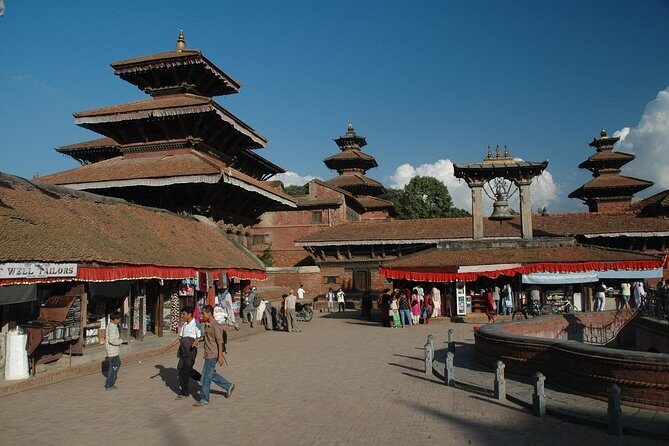
- Patan Durbar Square as a Medieval palace-square experience
- Boudhanath Stupa’s 1700-year history and slow, devotional atmosphere
- Pashupatinath Temple and Hindu cremation rituals on the river bank
- Private guide + private transport with fees and taxes handled
- Mobile ticket for easier check-in on the go
Why this Kathmandu heritage route works in 6–7 hours
Kathmandu Valley can feel like sensory overload fast. This tour gives it structure. In about 6 to 7 hours, you hit four major heritage sites that represent different spiritual worlds—Buddhist, Buddhist again (with a different tone), and then Hindu—so the day becomes a clear storyline rather than a list of stops.
The pacing also makes sense. You’re not trying to “win” by speed-walking. Instead, each place gets time to register: roughly 1 hour at Swoyambhu, 2 hours in Patan Durbar Square, 2 hours at Boudhanath, and 1 hour at Pashupatinath. That’s a good rhythm for photos, quiet moments, and actually understanding what you’re looking at.
One more thing I appreciate: the tour bundles the pieces that usually get annoying. You’re not coordinating separate tickets, and you’re not spending time figuring out routes between distant landmarks. With private transportation, you can keep the day moving smoothly—especially helpful with a 5:15 am start.
You can also read our reviews of more historical tours in Kathmandu

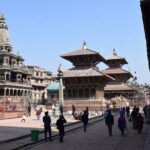
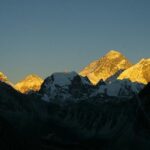
Swoyambhu Mahachaitya (Monkey Temple): hilltop stupa energy
Swoyambhu Mahachaitya is the kind of place that instantly gives you orientation. The stupa sits on a hill, and the whole area feels like a spiritual viewpoint—literally. If you like places where architecture and scenery are partners, this is your first hit of the day.
This stop is about 1 hour, which is a good length for absorbing the design details, watching how people move through the space, and getting your bearings on the hill. It’s also the site commonly called the Monkey Temple, and that nickname makes sense once you’re there. Expect the area to feel alive, with plenty of activity around the stupa and its approaches.
What you’ll likely love here is contrast. You start high, and you end up seeing Kathmandu Valley in a wider context than you had when you woke up. Even if you’re not a “view person,” this stop tends to land because it helps you understand where the rest of the day fits into the valley.
A small consideration: Swoyambhu is a hilltop site. Plan for early-day movement, and don’t expect a long sit-down break. The tour timing keeps you in motion, so if you’re the type who needs frequent rest stops, keep that in mind.
Patan Durbar Square: medieval palace-square with living traditions
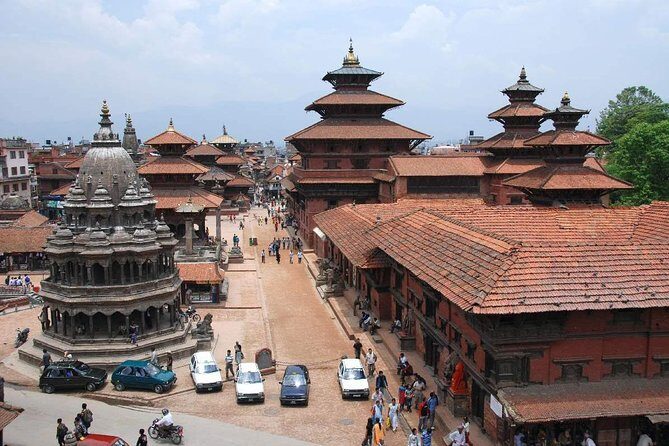
After Swoyambhu, Patan Durbar Square shifts the mood. This isn’t a single monument moment—it’s a whole medieval palace square setting. The feel is more grounded, more civic. The space carries the sense of court life and cultural power, but you also see how heritage functions as part of everyday devotion and community.
You’ll spend about 2 hours here, which is the right amount of time. Two hours lets you slow down: take in the layout, notice architectural details, and understand how the palace-square concept differs from stupa-centric layouts. If your brain likes connections—between history, symbolism, and how places are used—Patan is a strong middle stop.
The value of having a guide becomes especially clear at Patan. A palace square can look like a collection of buildings unless someone explains what to notice. With a professional guide, you’ll likely get clearer on what makes this square historically important and how it connects to the wider Kathmandu Valley story.
Potential drawback? Two hours in an open, heritage-heavy area means you may feel the day getting long. But since you’re on a private tour with your guide controlling the pace, you can usually manage it better than on a rushed group circuit.
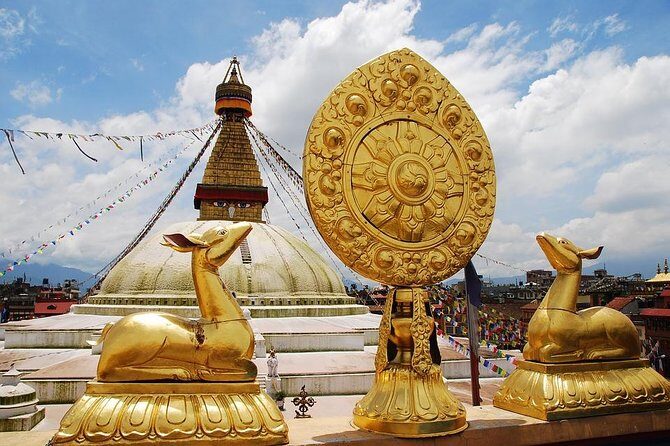
Boudhanath Stupa: 1700 years of Buddhist devotion
Boudhanath Stupa is where the tour slows down in a good way. This stupa is described as 1700 years old, and you can feel that age in the way people gather here. It’s not just about viewing a structure. It’s about witnessing a devotional rhythm that doesn’t need your permission to exist.
You’ll have about 2 hours at Boudhanath, which is ideal. Stupas reward time: time to look for design elements, time to observe how people participate, and time to let the space settle your thoughts. If you’re hoping for a spiritual-feeling stop that isn’t just a photo op, this is the one.
This is also a great place to lean into your guide’s explanations. The stupa’s features make more sense when you understand how Buddhist symbolism works and why people interact with the space the way they do. Guides also help you navigate what’s meaningful versus what’s just tourist-friendly.
One practical consideration: Boudhanath can feel dense with activity around the monument area. Your tour’s private pace helps, though. You can spend longer on what you find interesting without getting swept away by a larger group schedule.
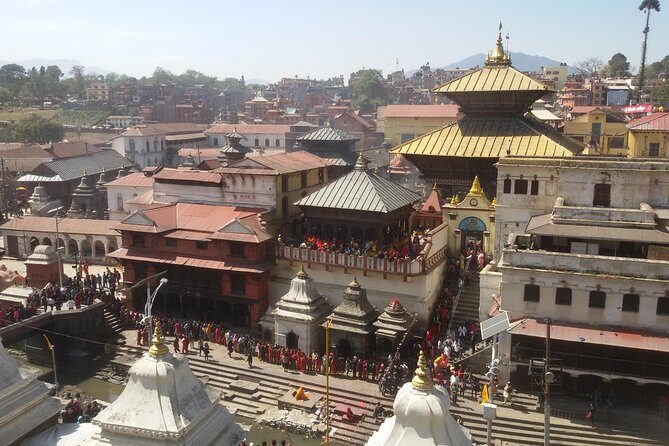
Pashupatinath Temple: Hindu temple complex and riverbank cremation rituals
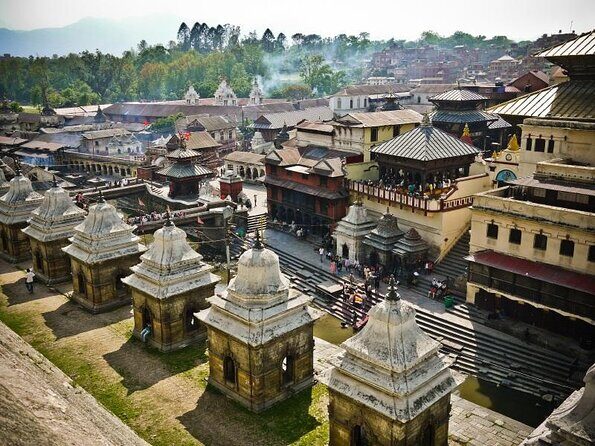
Pashupatinath Temple is the most solemn-feeling stop on the route. It’s a Hindu temple complex known for cremation rituals on the bank of a river. That combination changes the tone of the whole day—reminding you that heritage here is not frozen in time. It’s practiced.
You’ll spend about 1 hour at this stop. One hour can be enough to understand the basics and respect the space without feeling overwhelmed. A good guide matters here, because the right perspective helps you see beyond the shock-factor of what you might be seeing. The goal is respectful observation, not gawking.
If you’re sensitive to emotional or spiritual moments, I’d treat this stop as a “prepared headspace” moment. Go in with the understanding that you’re stepping into a living religious setting, and your role is to observe carefully. Your guide can help you figure out how to approach the area appropriately and what to focus on.
The upside of including Pashupatinath is simple: it rounds out the day. After Buddhist landmarks at Swoyambhu and Boudhanath, you get Hindu context and the river’s role in ritual life. That shift is part of why this tour works so well as a Kathmandu Valley overview.



Price and what you actually get for $147
At $147 per person, this tour sits in a midrange bracket for Kathmandu day experiences. The key is what’s bundled. You’re not paying extra for each attraction’s entry. The tour includes all fees and taxes, plus a professional tour guide and private transportation.
That bundle changes the math. If you were to arrange the same four sites on your own, you’d typically spend time sourcing local guides or drivers, and you’d likely pay admissions along the way. Here, the value comes from time saved and coordination removed. For a first-time visitor or anyone who’s short on days, that’s not a small thing.
What’s not included also matters for budget planning:
- Lunch
- Bottled water
So yes, the headline price looks clean, but you still need to cover your own food and drinks. If you plan a snack strategy in advance, the overall day cost stays predictable and you avoid last-minute scrambling.
Morning logistics that affect your comfort
This tour starts at 5:15 am, and it runs around 6 to 7 hours. Early starts can be great for a couple reasons: fewer idle gaps and more of your day handled before it stretches into late afternoon. The downside is obvious—you’ll want to be ready to go on time.
Because it’s a private tour, you’re not dealing with the energy drain of waiting for other people. It’s just your group, your guide, and your driver. That usually makes the stops feel easier to manage, especially when religious sites have their own flow and etiquette.
You’ll also use a mobile ticket, which tends to reduce hassle on the day. And since pickup is offered, you can likely minimize time spent searching for meeting points—just make sure you confirm where pickup happens when you book.
How to get more out of each stop (without turning it into a homework project)
I like tours that don’t try to cram meaning into a checklist. This one gives you time at each site, so your best move is simple: choose what you’ll pay attention to.
At Swoyambhu, focus on the hilltop layout and the big-picture view. At Patan Durbar Square, focus on how the space feels as a palace-square area, not just individual buildings. At Boudhanath, focus on the devotional setting and how the stupa functions as a gathering point. At Pashupatinath, focus on respectful observation and understanding the role of riverbank cremation rituals in Hindu practice.
Also, treat water and food as part of your plan. Since lunch and bottled water aren’t included, bring a simple buffer—something you can eat without slowing the tour down. This way you’ll stay comfortable enough to enjoy the full route instead of thinking about snacks every 20 minutes.
Finally, if your guide is Sunil Bikram Shah (mentioned in feedback for this tour), lean into his explanations. The best part of guided heritage tours is not facts you forget. It’s context that changes how you see the next site. That’s where the day’s spiritual and historical “connective tissue” gets clearer.
Should you book this Kathmandu Heritage Sightseeing Tour?
If you want a first-pass Kathmandu Valley heritage overview that balances Buddhist and Hindu landmarks in one organized day, I think this tour is a strong choice. The combination of private transport, a professional guide, and included admission fees makes it easier than self-arranging four major sites.
Book it if:
- You want a clear route in a limited timeframe
- You’d rather spend money on guidance and convenience than on piecing together tickets
- You like heritage sites that include real religious practice, not just monuments
Skip it (or at least think twice) if:
- The 5:15 am start is a deal-breaker for you
- You prefer long unhurried breaks and a built-in lunch stop
- You don’t want your day to include a solemn stop like Pashupatinath’s cremation rituals
If you can handle an early morning and bring your own food and water, this tour offers real value for seeing major Kathmandu Valley heritage without the usual day-trip chaos.
FAQ
How long is the Kathmandu Heritage Sightseeing Tour?
The tour lasts about 6 to 7 hours.
What time does the tour start?
The starting time is 5:15 am.
Is there pickup for this tour?
Pickup is offered, and the tour includes private transportation.
Which heritage sites are included?
You’ll visit Swoyambhu Mahachaitya (Monkey Temple), Patan Durbar Square, Boudhanath Stupa, and Pashupatinath Temple.
What’s included in the price?
The tour includes a professional tour guide, private transportation, and all fees and taxes. Admission tickets for the listed sites are included.
What is not included?
Lunch and bottled water are not included.
Is it a private tour?
Yes. It is a private tour/activity, so only your group participates.
Is there free cancellation?
Yes, there is free cancellation up to 24 hours in advance of the experience start time for a full refund.