REVIEW · GHANDRUK
Pokhara: Hike To Australian Base Camp
Book on GetYourGuide →Operated by Travel Guides · Bookable on GetYourGuide
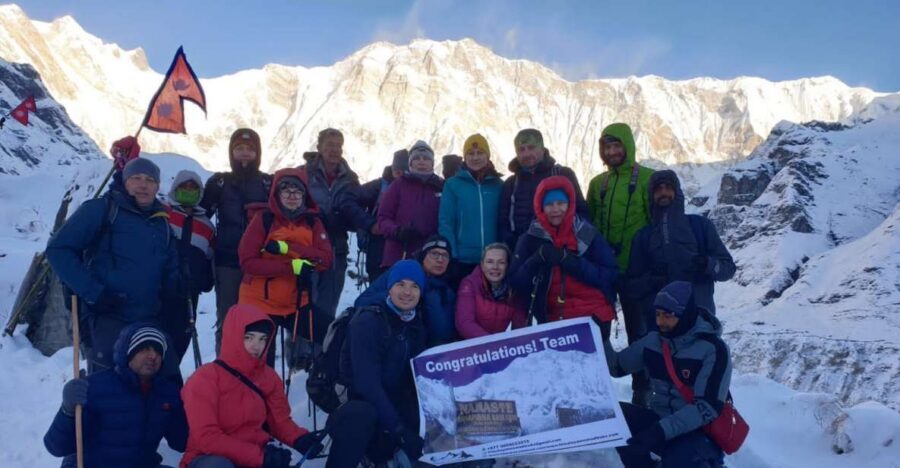
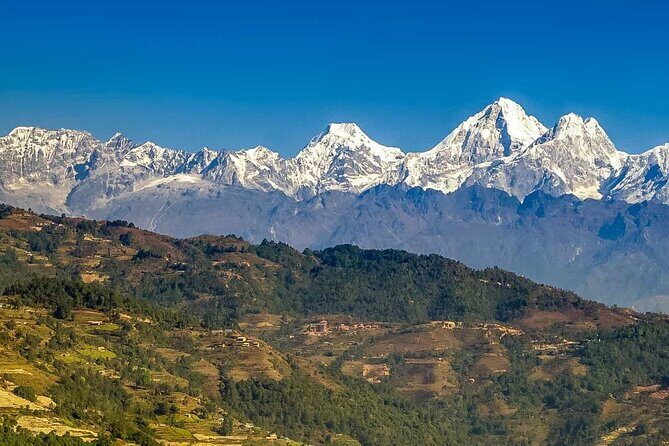
Himalayas get personal at Australian Camp. A short, guided day hike from Pokhara takes you from Kande up toward the Australian Camp viewpoints where the Annapurna and Dhaulagiri peaks often fill the sky. You also get a feel for how local life connects to the hills, not just photo stops.
What I really like is the mix of scenery and storytelling: terraced paths, village walks, and that panoramic payoff over Pokhara’s basin. The guide (for example Ram Hari or Motie, depending on your day) keeps the pace comfortable and adds context during the Gurung settlement time, so you’re not just watching mountains. The main consideration is weather: if clouds roll in, the views can soften, and the downhill sections with stone steps can feel tiring even on an easy hike.
In This Review
- Key Things I’d Plan For
- Quick Reality Check: What This Hike Really Is
- The Route: From Hotel Pickup to Australian Camp Views
- Stop 1: Kande (short walk and viewpoints)
- Stop 2: Australian Camp trail head via Dhampus (main photo block)
- Stop 3: Dhampus (more photos, village feel, and a real break)
- Stop 4: Phedi (guided descent walk)
- What Makes It Special: Views Plus Gurung Culture
- The Photo Opportunities (and How to Not Feel Rushed)
- Value and Price: Is $65 a Fair Deal?
- What It Feels Like on the Ground (Comfort Tips That Matter)
- Who This Hike Suits Best
- Weather, Views, and the One Thing That Can Ruin Your Mood
- Small Logistical Details That Save Time
- Should You Book This Australian Camp Hike?
- FAQ
- How long is the hike from Pokhara to Australian Camp?
- Where does the hike start?
- Is pickup included?
- What’s included in the price?
- Are meals included?
- What should I bring?
- Is this hike suitable for everyone?
Key Things I’d Plan For
- Australian Camp viewpoint time: Expect a longer photo-and-view block so you can actually enjoy it, not just rush through.
- Kande to Dhampus rhythm: Short trail segments plus stops make it manageable if you’re not a regular hiker.
- Gurung village walk with a guide: You’ll get more meaning out of what you see in traditional settlements.
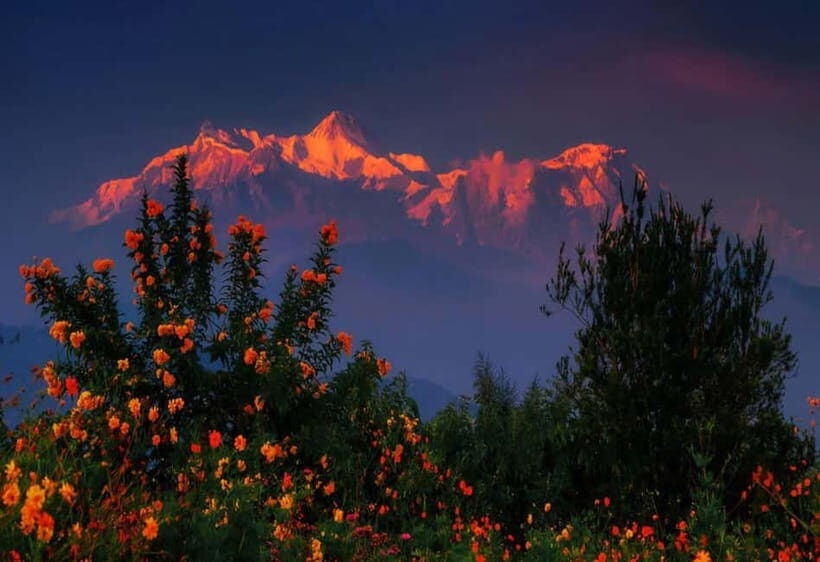
- Panoramas over Pokhara Valley and Phewa Lake: The best moments are often wide-angle, not close-up.
- Downhill on stone steps: Bring shoes with good grip; your legs will notice the descent.
Quick Reality Check: What This Hike Really Is
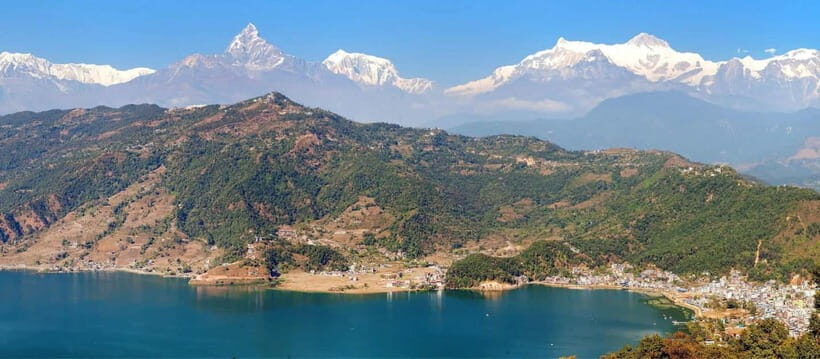
This is billed as a short and easy day hike, and it fits that label more often than not. You’re not trekking for hours and hours at altitude—you’re doing a full morning-to-afternoon outing with a drive, gentle walking segments, and a guided schedule that keeps things moving.
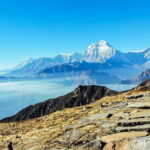
The big attraction is simple: Pokhara’s viewpoints have a way of making the Annapurna and Dhaulagiri ranges look close enough to point at. Australian Camp is the star. Kande, Dhampus, and the descent side (Phedi) are the supporting cast that make the hike feel like a real route through the hills instead of a single lookout.
At $65 per person for about 6 hours, it’s good value if you want guided pacing, permits, and a focused route with photo moments. If you’re comfortable hiking on your own and you already know how to reach these viewpoints, the cost is more about convenience than necessity—though the guide time helps a lot.
You can also read our reviews of more hiking tours in Ghandruk
The Route: From Hotel Pickup to Australian Camp Views
Your day starts with pickup from the Lakeside area of Pokhara. The operator offers pickup from a long list of hotels, and you’ll typically wait around the hotel lobby for the guide to arrive with a name card. That matters because it keeps the day organized; you’re not wandering around trying to meet up at the last second.
From there, you head to Kande by vehicle. Kande is your warm-up stage: a short walk plus scenic viewing time while the guide orients you to what you’ll be chasing later. It’s also a practical moment—if you’re the type who likes to get your bearings fast, this helps.
Stop 1: Kande (short walk and viewpoints)
Kande doesn’t take long, and that’s the point. You get the first taste of the wider Pokhara region and you start moving on a well-trodden route. You’ll also do guided time and a walk that’s meant to be easy on your legs before the viewpoint climb.
If you’re prone to sore knees, this is where you should pay attention to footwear. The later stone steps make shoe grip worth it.
Stop 2: Australian Camp trail head via Dhampus (main photo block)
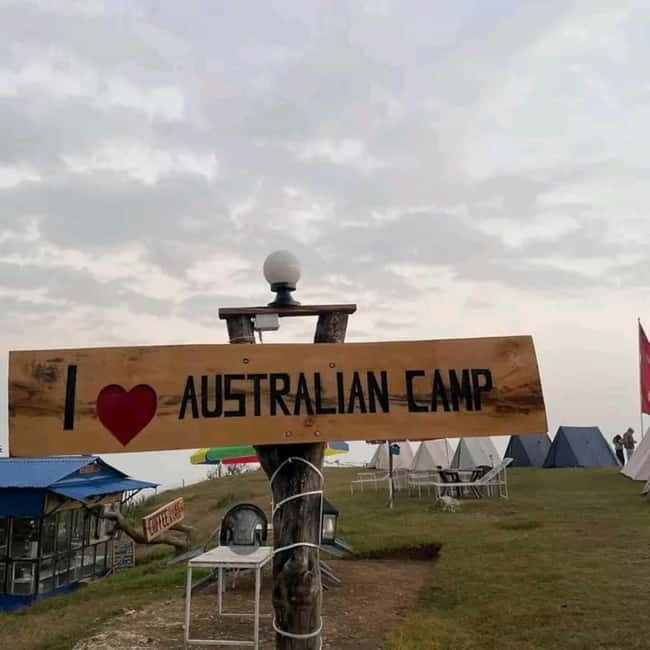
From the approach side around Dhampus, you reach the Australian Camp trail head area. This is where the schedule gives you the most time: a long guided/photo window. The guide sets you up for what to watch for—peak positions change with light and weather—so you can shoot and then pause long enough to actually see.
In good conditions, the view is the whole reason you came. One of the best parts is that you can take photos from a place that’s already framed for scenic panoramas rather than squeezing in for one quick snapshot.
Stop 3: Dhampus (more photos, village feel, and a real break)
After the main Australian Camp time, the route brings you through Dhampus again for photo stops and guided walking. This is also where you’ll get a lunch break (the plan includes a 1-hour lunch stop).
One important thing to check before you go: the tour info includes a lunch stop, but it also states meals and drinks aren’t included. In practice, that means you should confirm whether lunch is provided as part of the package or if you’ll want to bring your own snacks and water to cover that hour. Either way, there’s a planned moment to sit down.
If you’re hungry by then, don’t rely on luck—pack energy snacks just in case. The hike is short, but you’ll still burn calories and spend a lot of time looking upward at mountains.
Stop 4: Phedi (guided descent walk)
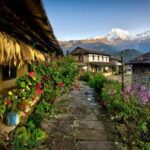
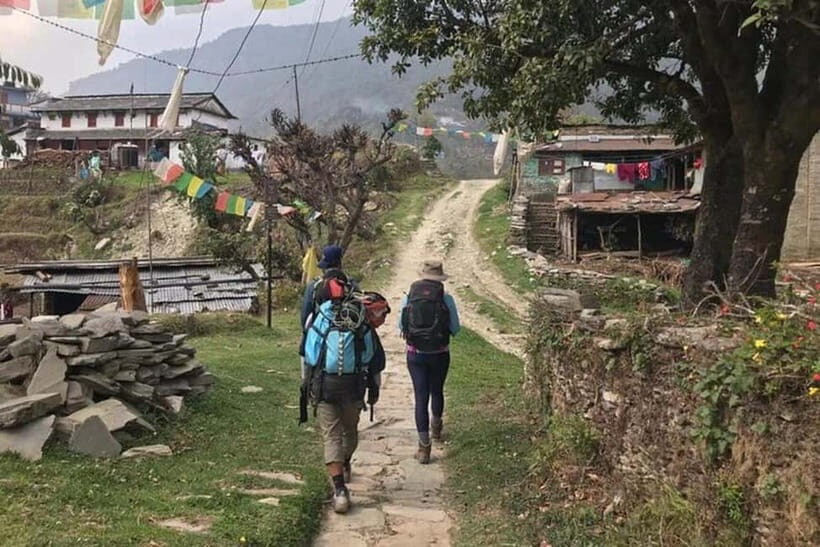
Phedi marks the next part of the route: guided time plus a walk during the descent side. This segment is less about a single iconic viewpoint and more about getting the full experience of the route—hillside paths, terraced surroundings, and the way the settlements sit on the slopes.
Also, this is where the day can feel longer. Downhill walking can be tiring even if the climb was gentle. If you have back issues, this part is the one that makes you think twice.
What Makes It Special: Views Plus Gurung Culture
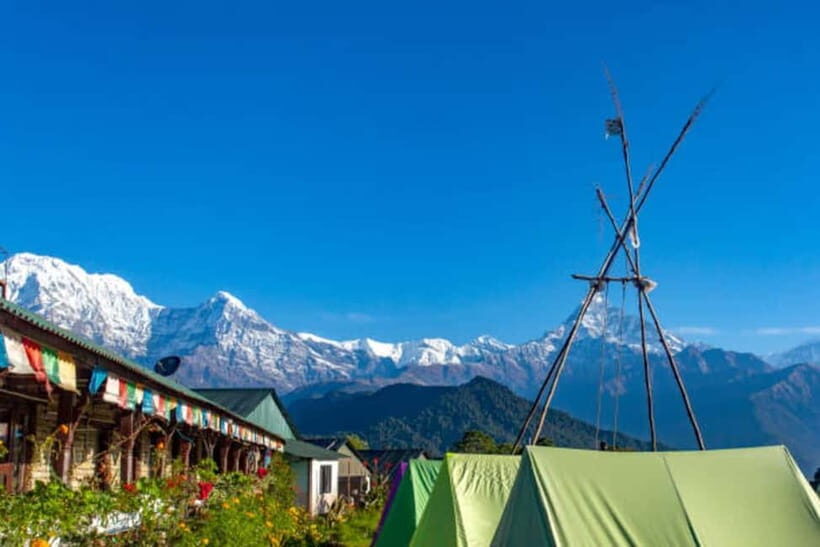
A lot of viewpoint hikes in Nepal are basically “walk up, look out, walk down.” This one tries to add something meaningful in between.
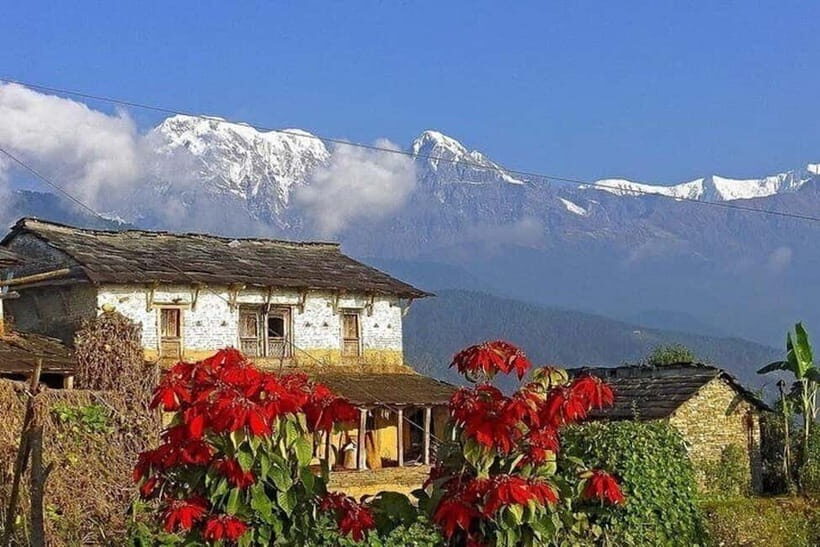
The guided portion includes time exploring traditional Gurung settlements and local village life. That’s valuable because you’re not just seeing the mountains—you’re learning how people live in the shadow of them. You’ll walk through terraced areas and around settlement spaces, and your guide helps connect what you see to how communities operate on these slopes.
It’s also why I’d recommend this hike even if you’re not a hardcore trekker. The cultural guide component makes the route more than a viewpoint circuit.
And the guides can make a difference. In the available feedback, Ram Hari was described as friendly and knowledgeable, with helpful Japanese support that made the experience feel smoother for a Japanese-speaking participant. Another guide, Motie, was noted for checking the pace and creating opportunities for conversation during breaks. That pacing matters on a day hike—especially when you’re mixing walking with sightseeing.
The Photo Opportunities (and How to Not Feel Rushed)
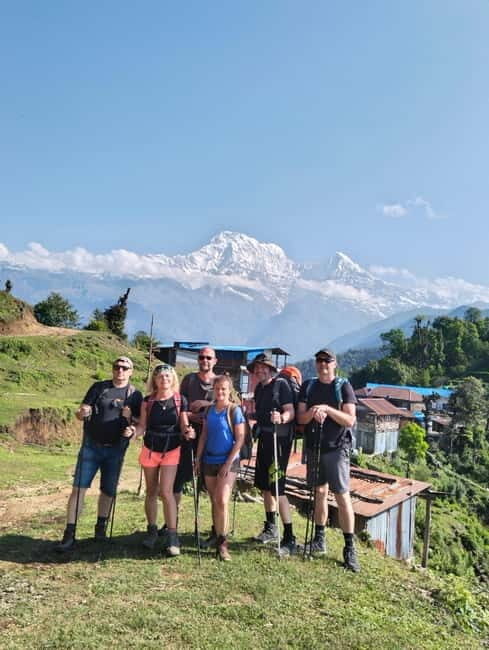
This tour is clearly structured around photography. You’ll have photo stops at multiple points, including the trail head area toward Australian Camp and again in Dhampus.
Here’s how I’d use that time:
- Shoot first, then look longer. Don’t spend the entire visit composing photos with your neck locked in one position.
- Plan for changing views. Even within the day, light shifts. If you get even partial visibility, it’s still worth taking a few minutes—mountain silhouettes can look very different from one minute to the next.
- Go for wide shots from the viewpoint time. The strongest imagery tends to be broad panoramas: Annapurna and Dhaulagiri angles and the wide spread of the Pokhara Valley.
If weather turns cloudy, don’t panic. The experience still includes village walking, terraced paths, and scenic stops. But if clear skies are your top goal, aim to keep your day flexible so you can go when the weather looks best.
Value and Price: Is $65 a Fair Deal?
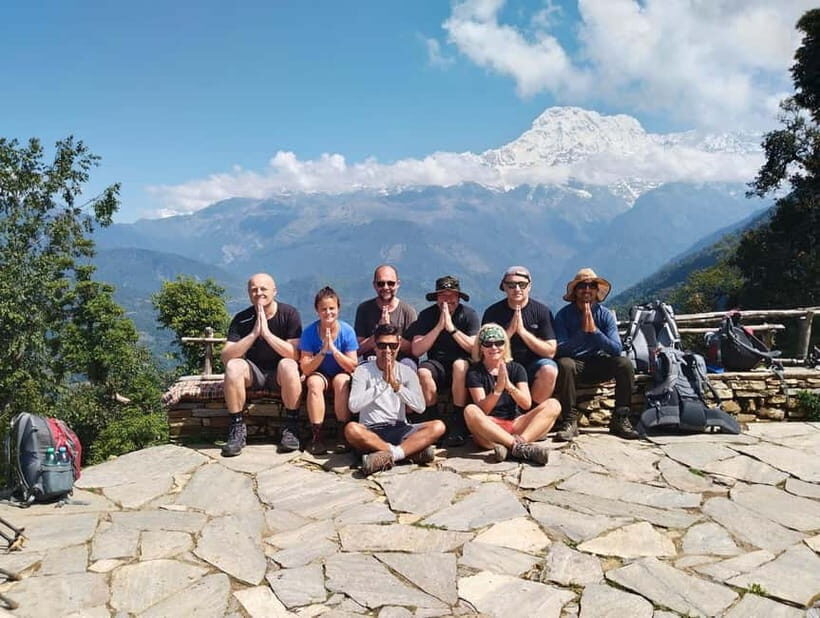
Let’s be practical about the cost.
You pay $65 per person for a guided hike of around 6 hours, with permits and several logistics handled: guide included, bag keeping help in Pokhara, and a photography component. Pickup is included from Lakeside hotels.
What’s not included is equally important:
- Meals and drinks aren’t listed as included.
- Personal expenses aren’t included.
- Car transfer is arranged with a driver for $30 paid directly, and the info says no commission.
That last part is the one many people miss when they compare prices. Depending on your pickup location and how the operator organizes transport, your real day cost can be closer to the hiking fee plus the direct car payment. Still, compared to hiring a private driver yourself just to get to Kande and back, the guided plan often feels fair—especially because you’re not doing the route research.
If you love structure, language support (English and Japanese), and not having to figure out trail timing, this price makes sense. If you’re a confident DIY hiker and you already have easy access to these viewpoints, you might find you’re paying mostly for convenience.
What It Feels Like on the Ground (Comfort Tips That Matter)
The tour is described as short and easy, but don’t let that trick you into poor planning. The hill walking is real. Your comfort comes down to four things: shoes, sun protection, water, and pacing.
Bring:
- Comfortable hiking shoes with grip
- A hat
- Sunscreen
- A refillable water bottle
- A camera (it’s recommended and the route is built for photos)
The tour also says smoking isn’t allowed during the hike. That’s easy to follow, but it’s good to know you won’t have to deal with cigarette breaks during viewpoints.
If you’re deciding what clothing to wear, choose layers that breathe. Even if the hike is “easy,” you’ll heat up on the walking segments and then cool slightly at viewpoint stops. Comfortable clothing beats fashionable clothing every time on these routes.
Who This Hike Suits Best
This is a good fit if you:
- Want big mountain views without a multi-day trek
- Like guided context and not just a walking workout
- Prefer a plan with breaks and photo time
- Are staying in Lakeside Pokhara and want pickup
It’s not suitable for:
- Wheelchair users
- People with back problems
- Pregnant women
If you’re in any of those categories, I’d skip this route and look for a gentler viewpoint option closer to the road.
Weather, Views, and the One Thing That Can Ruin Your Mood
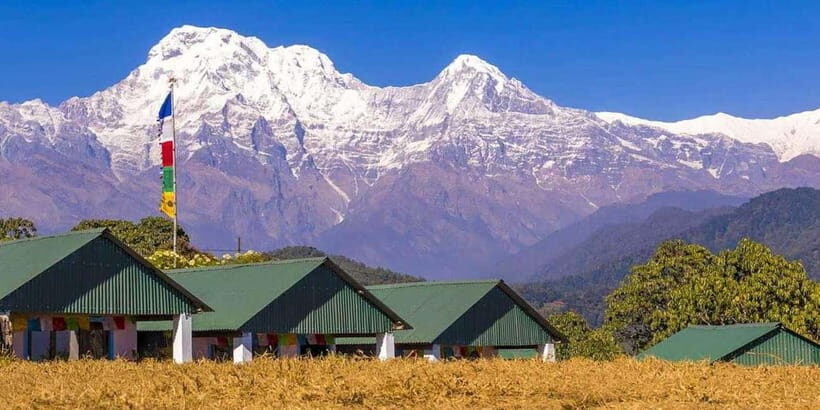
Views depend heavily on conditions. One of the experiences shared in the feedback included a day with less-than-perfect visibility due to weather. The guides and driver still handled things well, but the main payoff wasn’t as clear as hoped.
So here’s the reality: you can’t fully control the sky. You can control your readiness:
- Go early enough in the day to maximize chances of clear sightlines
- Keep your expectations flexible—if the peaks aren’t fully visible, you can still enjoy the village walk and Pokhara Valley panoramas
Even partial views can look dramatic if the light catches the ridgelines.
Small Logistical Details That Save Time
A few practical pieces make this smoother:
- Pickup is arranged from Lakeside hotels, with the guide waiting about 10 minutes at the lobby and confirming with a name card.
- The day includes help with bag keeping in Pokhara, which is nice when you don’t want to carry extra weight.
- The tour is offered with English and Japanese live guides, and private group setup is listed.
If you want more comfort, treat this like a well-run half-day outing: travel light, bring only what you’ll use, and plan snacks in case the lunch situation isn’t what you expect.
Should You Book This Australian Camp Hike?
Book it if your priority is a guided, easy day hike that delivers serious Pokhara-and-mountain views plus a cultural walk through Gurung settlements. The included permits, guide time, pickup convenience, and structured photo stops make it a good value if you don’t want to piece together logistics.
Skip or rethink it if you’re sensitive to downhill steps, have back problems, or you need guaranteed visibility. And if you’re counting on lunch being provided, confirm that detail before you go.
If you want a day that balances scenery, culture, and an achievable route, this is one of the smarter ways to see the Annapurna and Dhaulagiri region from Pokhara without committing to a trek.
FAQ
How long is the hike from Pokhara to Australian Camp?
The total duration is about 6 hours.
Where does the hike start?
You’re picked up from your hotel in Lakeside Pokhara and the hike begins from Kande, with the route continuing toward Dhampus and Australian Camp.
Is pickup included?
Yes. Pickup is included from Lakeside Pokhara hotels, and the guide waits in the hotel lobby for about 10 minutes with a name card.
What’s included in the price?
The tour includes a guide, permits, bag-keeping help in Pokhara, and a photography component.
Are meals included?
Meals and drinks are listed as not included. The schedule does include a lunch stop, so it’s smart to confirm whether lunch is provided or if you should bring your own.
What should I bring?
Bring comfortable hiking shoes, a hat, a camera, sunscreen, and a refillable water bottle.
Is this hike suitable for everyone?
No. It’s not suitable for wheelchair users, people with back problems, or pregnant women. Smoking is also not allowed during the hike.