REVIEW · GHANDRUK
Pokhara: Poon Hill Trek
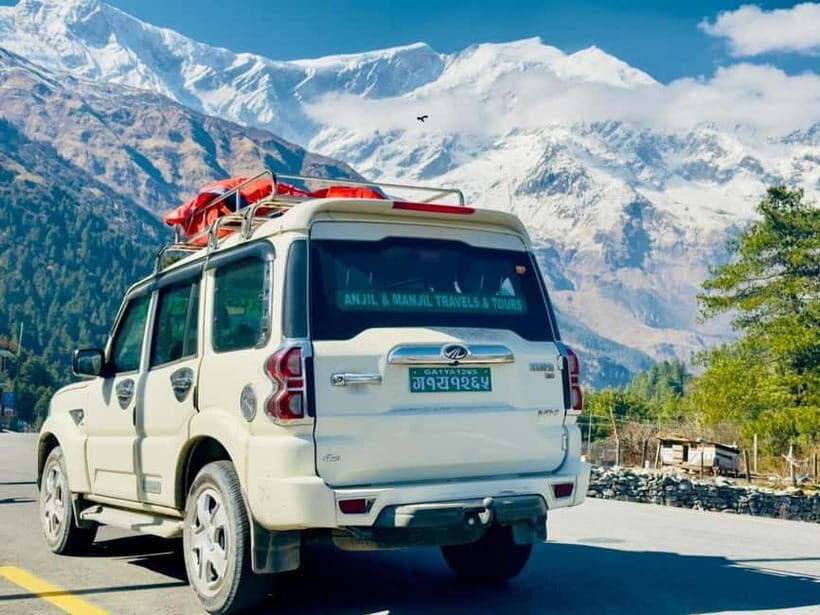
Book on GetYourGuide →Operated by Anjil Manjil Travels and Tours · Bookable on GetYourGuide
Some mountains need zero hype.
This short trek from Pokhara is all about big views at a very doable pace, plus real village life on the Annapurna side. I like how it mixes Poon Hill sunrise with quiet trail hours through changing forests, guided by professionals who know how to keep the day moving without rushing you.
What I really like is the blend of culture and scenery. Ghandruk village brings you into preserved Gurung traditions, and the climb adds that classic Annapurna feeling when the sky clears over the ridgelines. On top of that, the support from the trekking team can make a big difference; examples like guide Gobinda helping with carry-burden and even dealing with cramps (including a foot massage) are exactly the kind of practical care that turns a hard stair day into a manageable one.
One thing to consider: meals aren’t included, so you’ll budget for food on the trail. Also, you can’t bring large luggage, which means you’ll need to travel light and rely on the provided luggage storage back in Pokhara.
In This Review
- Key things that make this trek worth it
- Why this 4-day Poon Hill plan fits Nepal’s mountain reality
- Day 1: Nayapool to Ulleri (about 5–6 hours) and Magar hospitality
- Day 2: Ulleri to Ghorepani through rhododendron forests
- Day 3: Poon Hill sunrise (3,210 m) and the descent to Ghandruk
- Day 4: Ghandruk to Nayapool and that traditional Gurung breakfast send-off
- Lodges, meals, and what your $208 really buys
- Permits, passports, and packing rules that can save you stress
- Best seasons and how weather affects your sunrise plan
- Who this trek suits (and who should pick another route)
- Should you book this Poon Hill trek?
- FAQ
- How long is the Poon Hill trek?
- Where do you start and end?
- What’s included in the price?
- Are meals included?
- What altitude do we reach?
- Do I need a passport?
- Is the trek suitable for everyone?
Key things that make this trek worth it
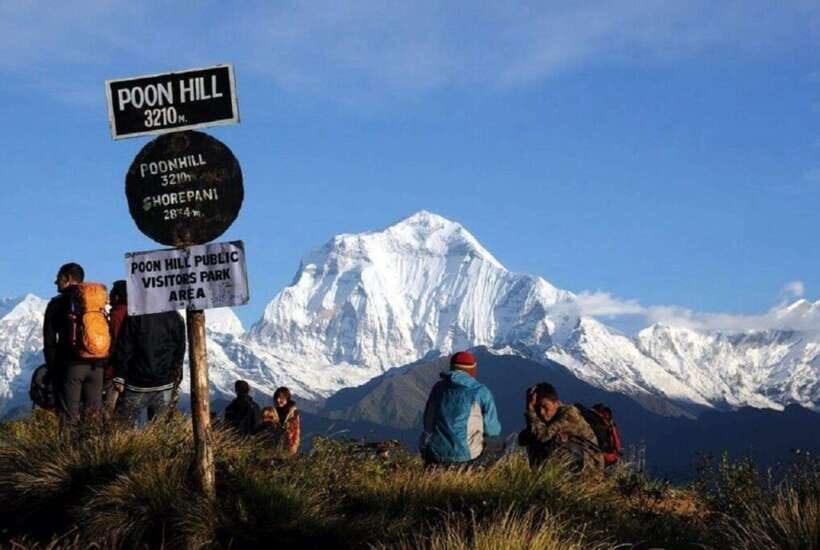
- Poon Hill sunrise, with wide Annapurna and Dhaulagiri views you can plan around and photograph easily.
- Ghandruk for authentic Gurung culture, including a traditional Gurung breakfast on Day 4.
- Rhododendron forest walking on the Ulleri to Ghorepani stretch, with seasonal color during the best times of year.
- Village-to-village rhythm (Magar community at Ulleri, then Gurung at Ghandruk) that gives context to the trek.
- Real guide support, like Gobinda-style help with carrying and comfort when your legs feel it.
Why this 4-day Poon Hill plan fits Nepal’s mountain reality
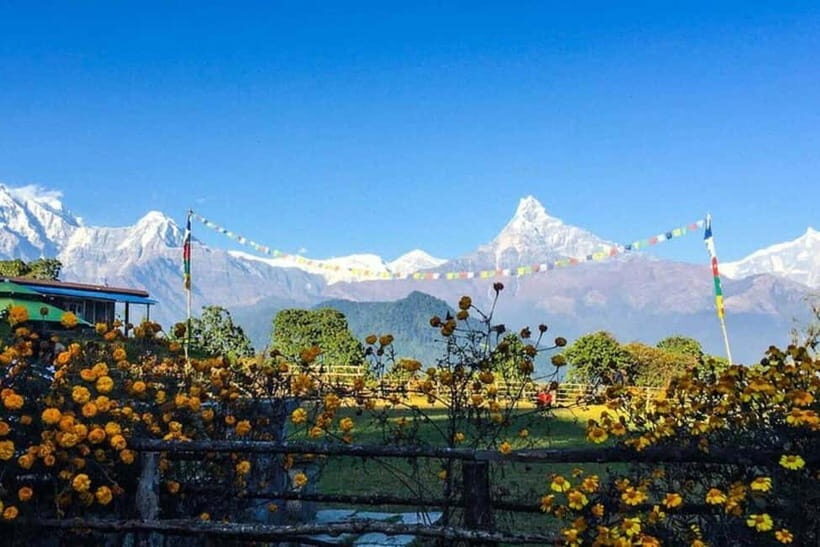
If you want Nepal mountains without committing to a long trek, this route is built for you. The pacing is framed as a manageable hike with about 5–6 hours on trekking days, and the top altitude you’re targeting is 3,210 meters at Poon Hill—high enough for drama, not so high that you need high-altitude experience.
You’re also getting a tight “arc” of experiences. Day 1 starts you at Nayapool (around 2,070 meters) and lifts you gradually toward the Ulleri/Ghorepani area. Day 3 is the peak moment: an early sunrise mission to Poon Hill, then a descent to Ghandruk (about 1,940 meters) where village life takes over. That means you’re not just climbing for climbing’s sake.
What makes it feel practical is the structure: private group, English guide, tourist-standard lodge stays, and transportation that handles the Pokhara end. You still hike the trail, but logistics don’t steal your energy.
You can also read our reviews of more hiking tours in Ghandruk
Day 1: Nayapool to Ulleri (about 5–6 hours) and Magar hospitality
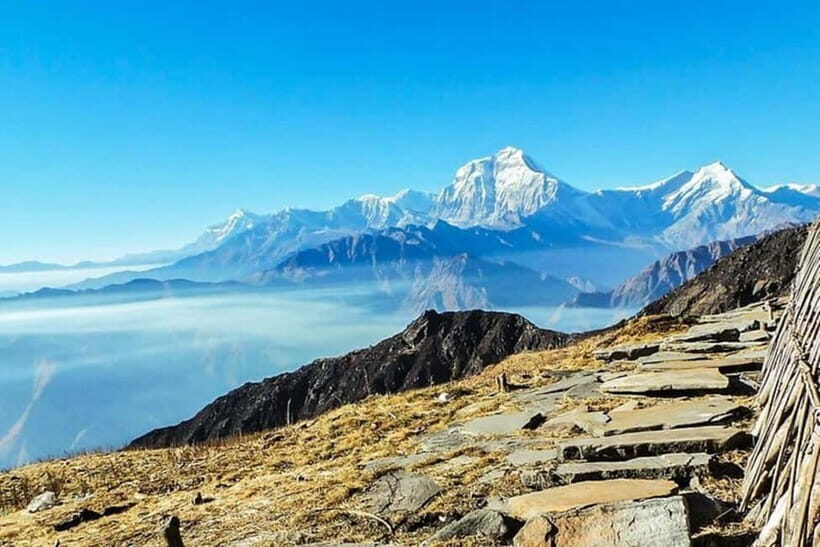
Day 1 is the warm-up day, but it’s still real walking. You’ll travel by vehicle from Pokhara to Nayapool, then begin trekking toward Ulleri (around 5–6 hours on foot, finishing at a lodge for dinner and sleep).
Ulleri matters because it isn’t just a stopover on a map. The plan includes time with the Magar community hospitality, so you’re not only thinking about elevation and steps. You’re seeing how people actually live near trekking routes—what food and guest life look like at tea-house style lodges, and how the day’s rhythm settles into evening.
Practical note: since this is a private trek, the guide can adjust the “feel” of the day to how you’re doing, especially if your body needs a slower rhythm after the initial transfer from Pokhara.
Day 2: Ulleri to Ghorepani through rhododendron forests
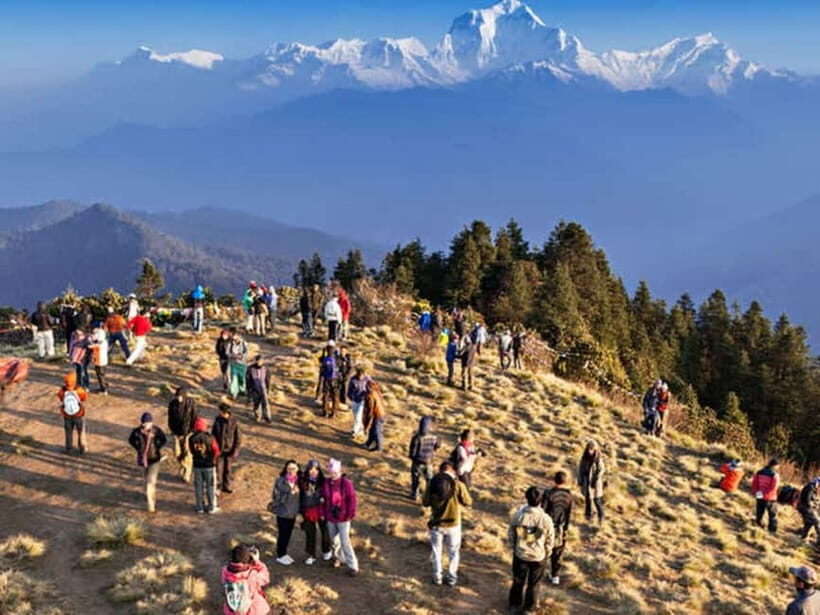
Day 2 is where the trail starts to feel like a proper trek. You’ll hike from Ulleri toward Ghorepani, reaching about 2,850 meters, with another 5–6 hours total. Lunch is arranged at Nangethati, and you’ll sleep in Ghorepani.
The highlight on this day is the rhododendron forest walking. Depending on the season, those forests can add real color to the hike—less “rocky corridor,” more shaded path with a natural rhythm that keeps you moving. It’s also a day where you might catch sight of wildlife. The itinerary doesn’t promise a specific animal, but it’s honest that the route gives chances.
The other reason I like Day 2 is the emotional pacing. Ghorepani is basically your base for the sunrise mission on Day 3. Getting there by Day 2 means you’re not scrambling for time or trying to force the climb after a night you can’t manage.
Day 3: Poon Hill sunrise (3,210 m) and the descent to Ghandruk
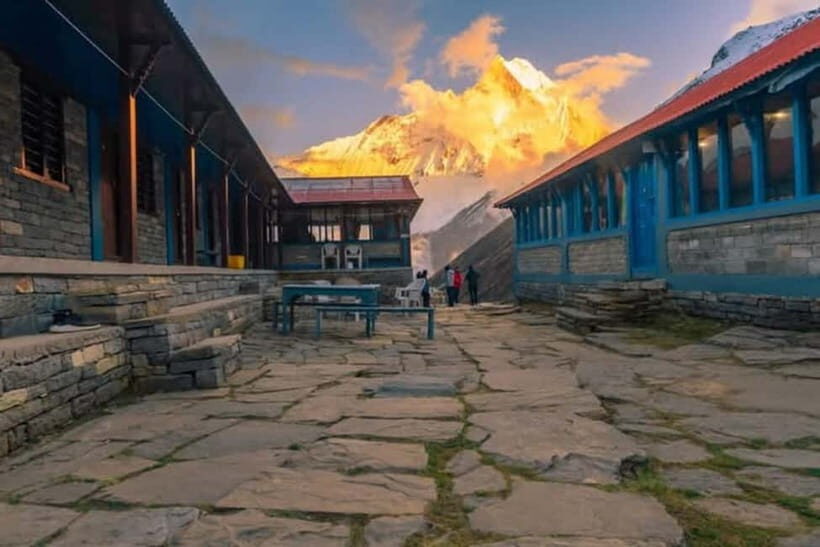
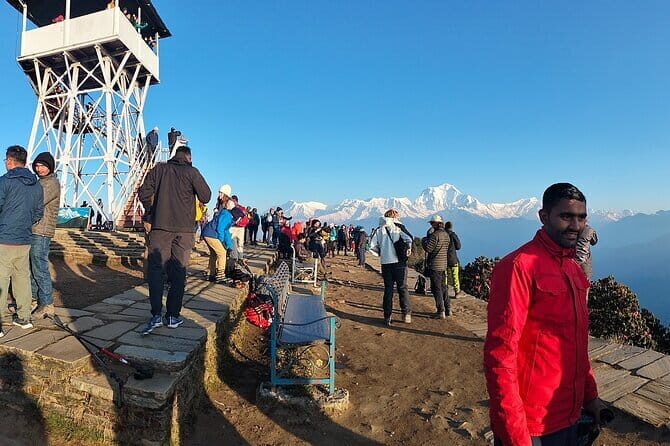
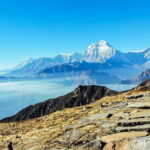
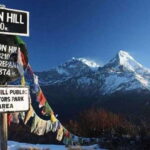
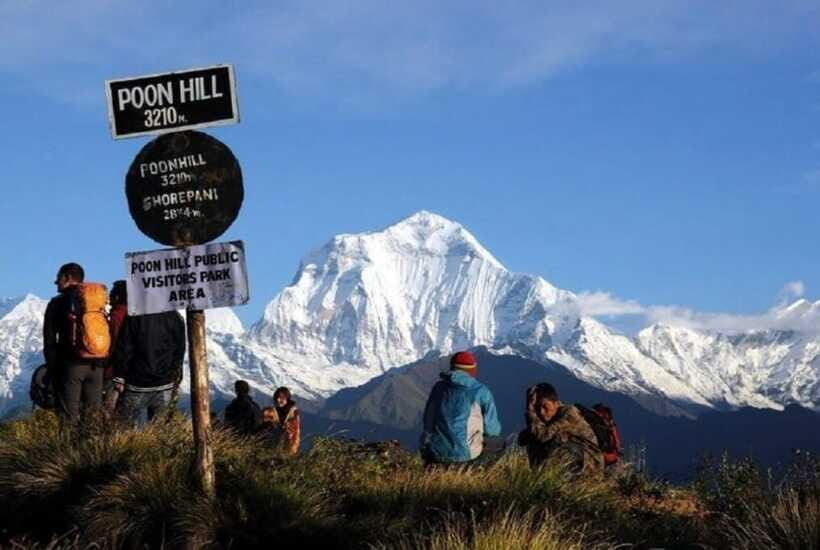
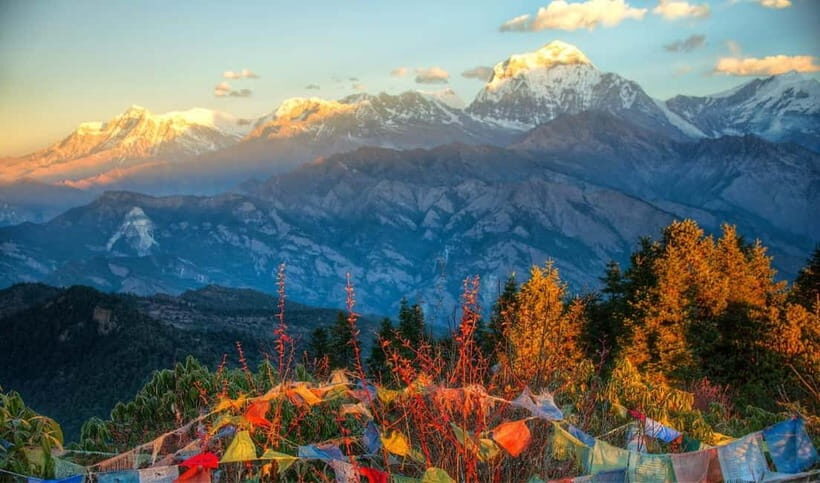
This is the day with the headline view. The trek rises to Poon Hill at 3,210 meters for sunrise overlooking the Annapurna Massif range and the Dhaulagiri mountain range. The peaks you may see from that vantage point include Annapurna I (8,091 m), Dhaulagiri I (8,167 m), Annapurna South (7,219 m), and Machapuchare (6,993 m), plus other nearby high points.
Then comes the part many people forget: after sunrise viewing, you hike back for breakfast and continue trekking to Ghandruk. Lunch is arranged at Tadapani, and you’ll settle at Ghandruk for the evening. The day includes an altitude swing—up to Poon Hill, then down to about 1,940 meters—so it’s visually dramatic and physically varied.
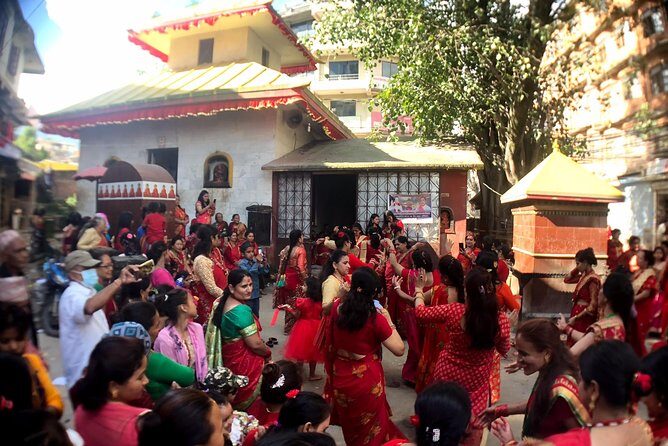
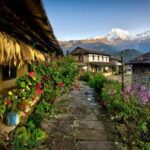
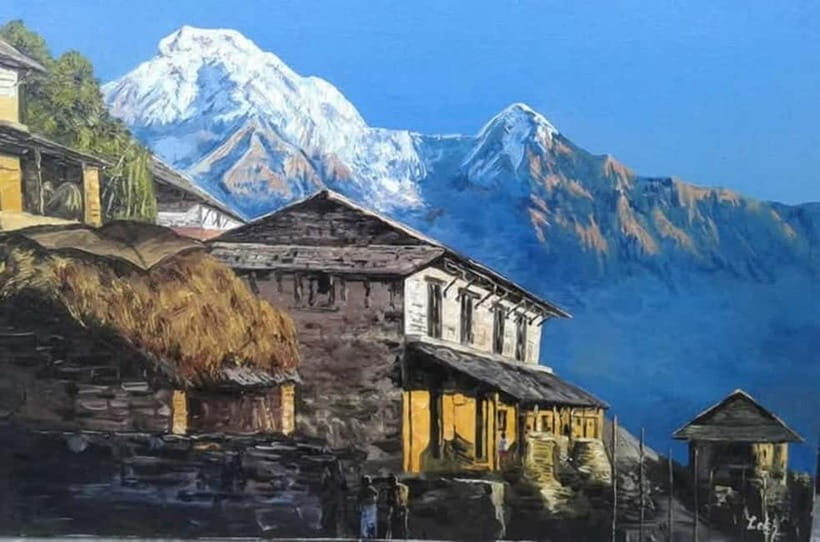
Why this is valuable: sunrise days can be tiring, but the route balances it by giving you a warm, human payoff afterward. Ghandruk is described as a Gurung village with ancient traditions preserved, and that village atmosphere is the “landing gear” after the big mountain moment.
And here’s where support really matters. When legs cramp or the stairs feel relentless, guide care can turn the day from stressful to doable. A good example is what guide Gobinda was noted for: helping with carrying when needed, and providing hands-on comfort like a foot massage when muscles seized from continuous stair climbing. That kind of help doesn’t change the altitude—you still earn the view—but it changes how you experience the effort.
Day 4: Ghandruk to Nayapool and that traditional Gurung breakfast send-off
Day 4 starts in Ghandruk, not on a cliff edge. The itinerary highlights an early “sun’s first ray” feeling over the village, then a traditional Gurung breakfast before you head downhill.
You’ll hike down from Ghandruk to Nayapool, and a vehicle is waiting to take you back to Pokhara, dropping you at your hotel. It’s a satisfying ending because you finish where the trek started, but with a different perspective: Day 1 felt like getting into the mountains, while Day 4 feels like returning with stories.
Also, since the trek includes cultural time at both village areas—Magar hospitality at Ulleri and Gurung traditions in Ghandruk—it’s not just a “view-and-leave” format. You get at least a couple of distinct local settings, which makes the walk feel connected to people, not just scenery.
Lodges, meals, and what your $208 really buys
The stated price is $208 per person for a 4-day trek. What’s included is meaningful: private accommodation on tourist-standard lodge style, Pokhara pickup/drop, round-trip transportation, and the paperwork side (government permits, TIMS, and taxes).
You’re also paying for real human support: a professional trekking guide (government registered), plus a team that covers guide food, accommodation, insurance, salary, transportation, and equipment. A first aid kit is included as well. On the “carry the day” side, there’s mention of duffel bag/trekking pole/trekking bag if you require it, and luggage storage is available in Pokhara while you hike.
Meals are the only major gap: all meals are not included, available for purchase (about $20 per person per day). That’s not a small detail, because meals add up across four days. But it can also give you flexibility: you can eat based on your appetite and energy instead of being locked into one menu.
So the value equation looks like this:
- You pay for lodging + guide + logistics + permits.
- You budget for food on the trail.
If you want the simplest trip-planning, this package does that. If you’re a picky eater, you may want to factor in how you like your meals and plan for extra time at lunch stops.
Permits, passports, and packing rules that can save you stress
This trek includes government permits, TIMS, and taxes, which is great for your peace of mind. Still, you do need the right travel documents handed over to the operator: the requirement lists a passport (a copy is accepted) and a passport-sized photo.
On the ground, the packing rule is one you should take seriously: no luggage or large bags are allowed. That’s why the itinerary includes luggage storage in Pokhara during trekking. Practically, you’ll want to travel with what you need for the hike and keep the rest back where it’s safe.
Also note the trek is set up as a private group and isn’t described as wheelchair- or pregnancy-friendly. If you fall into those categories, you’ll want to look for an alternative itinerary designed for your needs, since this one is described as not suitable for pregnant women and wheelchair users.
Best seasons and how weather affects your sunrise plan
The best seasons called out are spring and autumn. That matters here because this trek’s signature moment is sunrise from Poon Hill. Sunrise success is tied to visibility, and good season timing makes that more likely.
The itinerary also gives you a structure that helps: you’re reaching Poon Hill on Day 3 after two days of trekking progress. That means you’re not doing the entire climb, logistics, and sunrise timing all in one chaotic push. You arrive in the general area, settle for the night, and then do the sunrise viewing when conditions are most favorable in the season you selected.
Even with good timing, clouds and weather can happen. The responsible way to plan is to understand sunrise is the goal, but conditions decide the final payoff.
Who this trek suits (and who should pick another route)
This is a good choice if you want:
- a short, scenic trek from Pokhara
- a clear target day for mountain sunrise viewing
- local cultural stops at village communities
- English guidance in a private group setup
- tourist-standard lodge comfort rather than camping logistics
It’s also a smart option for someone new to trekking, because the difficulty is described as manageable and the schedule keeps each trekking day within a similar 5–6 hour range.
But skip it if:
- you need wheelchair access or wheelchair-friendly trekking (it’s listed as not suitable)
- you’re pregnant (also listed as not suitable)
- you don’t want to hike stairs and steep segments for several days
If you’re the type of traveler who likes a plan that’s simple on paper but still rewarding on foot, this hits the sweet spot.
Should you book this Poon Hill trek?
I’d book this trek if you want one of Nepal’s most famous viewpoints without a long expedition. The package makes the hardest parts easier: transportation is handled, permits are covered, lodging is arranged, and you’ll have a guide who can help with pacing and comfort.
I’d think twice if your biggest priority is fully included meals or if you hate the idea of traveling with no large luggage. The meal cost is separate, and the luggage limits are real—though the Pokhara luggage storage helps a lot.
Also, keep an eye on season. Spring and autumn are the best match for maximizing your odds of good views from Poon Hill, and the whole rhythm of the trek is built around that sunrise moment.
If you’re ready to hike 5–6 hours most days, enjoy village culture in Magar and Gurung areas, and collect those mountain moments at the right time of day, this is a strong value for a 4-day Nepal experience.
FAQ
How long is the Poon Hill trek?
The trek duration is 4 days.
Where do you start and end?
You start in Pokhara, with pickup included from any hotel in Lakeside Pokhara (and the airport). You end back in Pokhara with drop-off at your hotel.
What’s included in the price?
The package includes private accommodation on tourist standard lodge, hotel pickup and drop-off, round-trip transportation, government permits/TIMS/taxes, a professional trekking guide, first aid kit, and luggage storage in Pokhara. It also includes duffel bag/trekking pole/trekking bag if you require them.
Are meals included?
No. All meals are available to purchase, about $20 per person per day.
What altitude do we reach?
You trek up to Poon Hill at about 3,210 meters. The itinerary also includes stops around 2,070 meters (Nayapool), Ulleri, and about 1,940 meters (Ghandruk).
Do I need a passport?
Yes. A passport is required, and a copy is accepted. You’ll also need a passport-sized photo.
Is the trek suitable for everyone?
It’s listed as not suitable for pregnant women and wheelchair users. Pets are not allowed (assistance dogs are allowed).