REVIEW · KATHMANDU
Folklore and Everyday Life in Ancient Patan
Book on Viator →Operated by Travel Nextdoor · Bookable on Viator
Patan courtyards tell stories when you slow down. In this 2 to 2.5 hour walk through ancient Patan, I like how the guide links everyday faith with the street layout, so you don’t just see temples—you understand how they live in daily routines. You start at Patan Dhoka and finish near Swotha Square, just a short walk from Patan Durbar Square, but you focus on the surrounding neighborhood for a more local feel.
My favorite part is the way Sandip and Pinhua make the place feel understandable, with lots of practical context and a good sense of humor. I also enjoy how the route uses courtyards as a teaching tool, from Pimbahal to Nyakhachowk to Nagbahaa, so you get a clear picture of Newar Buddhist and Tantric Hindu influences in urban Patan life.
One thing to consider: this walk does not cover Patan Durbar Square itself. That’s a plus if you want a calmer, neighborhood perspective, but it also means you’ll likely want to add Durbar Square and its museum on your own afterward.
In This Review
- Key things to watch for on this Patan walk
- Why Patan’s courtyard streets beat the big-name route
- Price and what $65 buys you in real value
- Meeting at Patan Dhoka: timing, pace, and how to prepare
- Stop 1: Pimbahal and the spiritual logic of a Buddhist monastery
- Stop 2: Nyakhachowk, falchaa resting areas, and ancestral shrines
- Stop 3: Nagbahaa (Nagbahaa) and the story behind global iconography
- Stop 4: Swotha Square, temples, shrines, and a natural end point
- Guides, humor, and how Sandip’s style changes the walk
- Who this tour is best for (and who might want a different one)
- Practical takeaways for your day in Patan
- Should you book this Folklore and Everyday Life tour in Patan?
- FAQ
- Does this tour include Patan Durbar Square?
- How long is the walking tour?
- Where do I meet the guide?
- Where does the tour end?
- Is Patan Durbar Square ticket included?
- What should I expect about group size and tickets?
Key things to watch for on this Patan walk
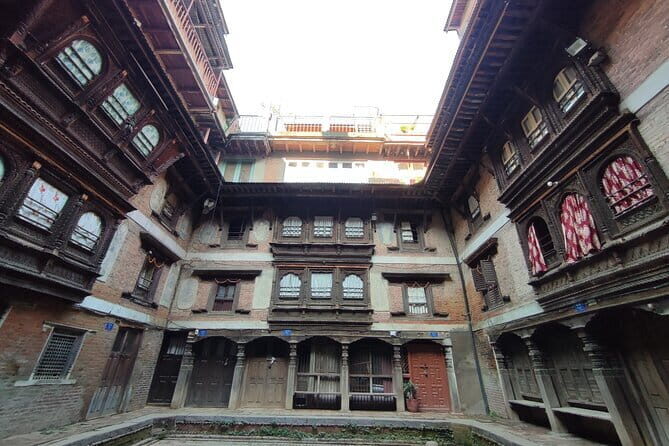
- Pimbahal’s monastery scale: you’ll hear about a Newar Buddhist monastic order tied to thousands of ordained monks.
- Courtyard design as faith in action: the spaces aren’t random—spiritual practices shape how people move, gather, and rest.
- Falchaa and ancestral shrines in everyday sight: you’ll notice resting areas and shrine patterns that many visitors miss.
- Iconography with older global echoes: you’ll hear how Hellenistic-style influences show up in Buddhist/Hindu artistic traditions.
- A finish near Swotha Square, not at the main ticketed complex: you can top off your day by adding Patan Durbar Square later.
Why Patan’s courtyard streets beat the big-name route
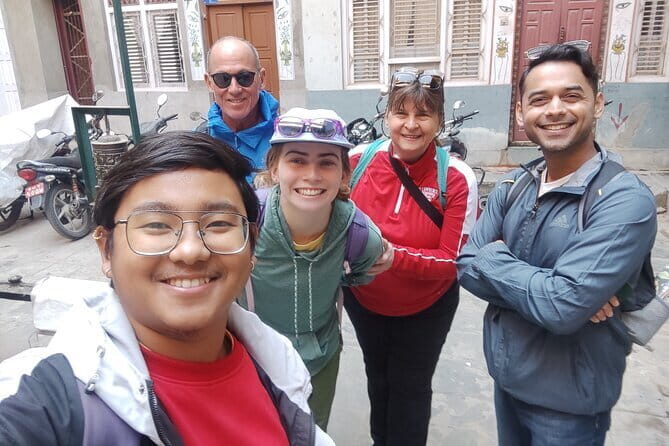
Patan can look like a museum from the outside, all gold and stone. But if you only go to the headline sights, you miss the logic of the place: how people organize daily life around temples, monasteries, and family shrines. This tour is built around that idea. Instead of rushing through one monument, you move through narrow lanes and open courtyards where faith practices show up in the urban pattern itself.
The tour also spends real time connecting the past to modern Patan. The guide frames how young Nepalis keep cultural norms while balancing modern values. That matters here, because Patan isn’t frozen in time. It’s a working neighborhood with religious continuity—sometimes visible in woodwork and iconography, sometimes visible in how courtyards function as gathering spaces.
If you like getting your bearings fast in a place with complicated layers, this route helps. You’ll learn what you’re looking at while you walk, rather than trying to puzzle it out later from guidebook photos.
You can also read our reviews of more tours and experiences in Kathmandu.



Price and what $65 buys you in real value
At $65 for roughly 2 to 2.5 hours, this is not a bargain street-walk where you just follow a person around. You’re paying for a local guide, small group size (up to 10 travelers), and an interpretation-focused route that centers courtyards, monasteries, and everyday belief systems.
For me, the value comes from the “small-space storytelling.” You’re spending time in places where the details matter—woodwork, courtyard layout, and iconography—so the guide’s explanations are doing heavy lifting. If you’re someone who enjoys architecture and religious traditions but hates vague sightseeing, you’ll likely feel this price is fair.
The other value point: it uses a mobile ticket. That keeps the practical side easy, especially if you’re juggling multiple days in Kathmandu Valley.
Meeting at Patan Dhoka: timing, pace, and how to prepare
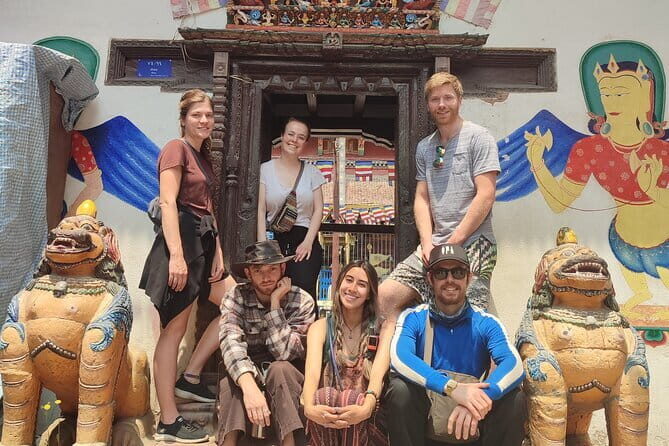
The tour starts at 10:00 am at Patan Dhoka (Patan Dhoka Road, Lalitpur). Expect a walking-first experience through parts of old Patan where streets are narrow and surfaces may be uneven. The stops are short on paper—about 15 to 30 minutes each—but the tour isn’t just stop-and-go. There’s time moving between courtyards, and the guide uses that in-between walking to keep the story connected.
Good weather matters. The experience notes that it requires decent conditions, and if it can’t run due to poor weather, you’ll be offered a different date or a refund. For the best comfort, I’d dress for walking and bring water, especially if you’re there during warmer hours.
Group size is limited to 10, and the guide is local and experienced. That combination usually means you can ask questions without getting rushed.
Stop 1: Pimbahal and the spiritual logic of a Buddhist monastery

Your first big anchor point is Pimbahal, introduced as a traditional courtyard setting where spiritual practices and indigenous knowledge meet in everyday urban form. This is where the tour starts teaching you how to read Patan.
Pimbahal is a Newar Buddhist monastery associated with a monastic order involving more than 4,000 ordained monks. Even if you don’t catch every detail at once, the scale is part of the message: these monasteries aren’t decorative. They’re institutions with long continuity, and their presence shapes courtyard life around them.
What to pay attention to here:
- Intricate woodwork and carved details (you’ll be encouraged to look closely)
- How the courtyard space is organized for worship and community movement
- The way the guide connects architecture to faith practice, not just aesthetics
A small practical note: since this is a monastery setting, be mindful about respectful behavior and how you position yourself while looking around. If you’re sensitive to quiet spaces, this stop is still appropriate, but keep your voice down and your movement steady.
Stop 2: Nyakhachowk, falchaa resting areas, and ancestral shrines
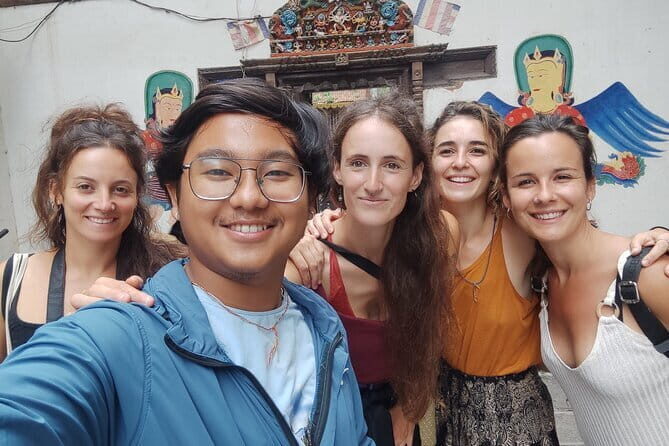
From Pimbahal, the walk continues along a cosier path into Nyakhachowk. This stop is great if you like traditional architecture because you’ll see practical details built into the neighborhood’s design.
The guide points out falchaa, which are resting areas. That might sound small, but it tells you a lot about how courtyards function for real life—people pause, meet, and regroup as part of the rhythms of the day.
You’ll also spot ancestral shrines and vernacular houses. The key here isn’t that you’re seeing something rare. It’s that you’re learning the pattern: shrines aren’t only inside big temples. They show up near homes and courtyards, blending family devotion with shared neighborhood space.
And yes, there’s another layer of faith at Nyakhachowk as you enter the courtyard and see the monastery presence there (the tour notes that it houses one of the mosques). This mix of sacred spaces is one reason Patan feels complex—in the best way. The neighborhood supports multiple religious expressions that coexist in the urban fabric.
Time is tight at each stop, so if you’re the type who likes photos, I’d prioritize a few close shots over lots of wide panoramas. The guide’s explanations will matter more than extra pictures you rush through without understanding.





Stop 3: Nagbahaa (Nagbahaa) and the story behind global iconography
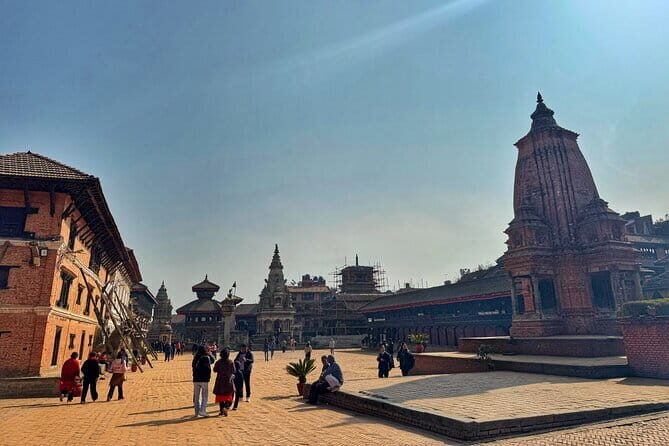
Next comes Nagbahaa (Nagbahaa), described as one of the larger courtyards in old Patan. Even with only about 15 minutes here, the point is clear: courtyard size and layout can indicate how far-reaching a tradition’s influence is.
This is where the tour brings in the big idea of how older global contacts affected local religious art. The tour highlights that Greek influence and Hellenistic impressions can appear in Buddhist and Hindu iconography. That’s a fascinating thread to follow because it changes how you view familiar religious imagery. Instead of seeing it as purely local tradition, you start noticing stylistic echoes.
What helps you get value out of this stop:
- Listen for what changes in iconography (not just that a foreign influence exists)
- Compare what you see to the stories the guide offers about faith and art
- Keep an eye on how the courtyard setting frames the artworks and devotional elements
This is the kind of stop where you’ll either love it or wish you had more time. If you like art history questions—who influenced whom, and how styles travel—this is a strong moment. If you want purely scenic photography, you might feel it’s slightly more “explanation-heavy” than “look and go.”
Stop 4: Swotha Square, temples, shrines, and a natural end point
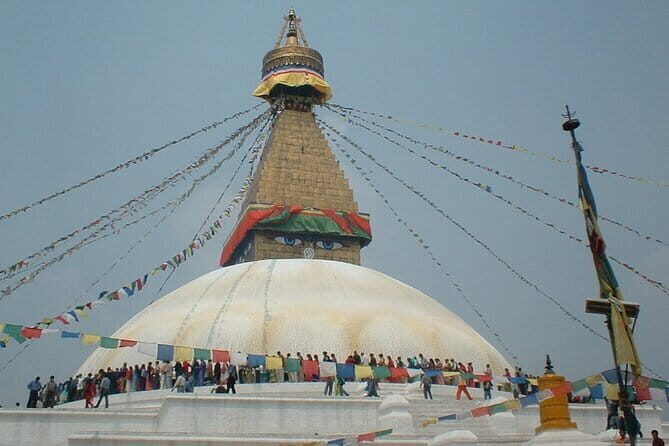
You wrap up at Swotha Square, a nice final setting with several temples and shrines plus tea shops nearby. This ending works well because it gives you a breather after the courtyards and makes it easy to continue your day.
There’s also a practical payoff: Swotha Square is just a couple minutes’ walk to Patan Durbar Square. The tour intentionally ends here, and if you want the famous palace complex, you can go right after. Just remember it’s ticketed, and there’s extra admission for the museum inside the palace complex.
I like this ending approach. You get the local neighborhood perspective first, then you can choose whether you want the big ticket sight afterward with a clearer sense of what you’re seeing.
Guides, humor, and how Sandip’s style changes the walk
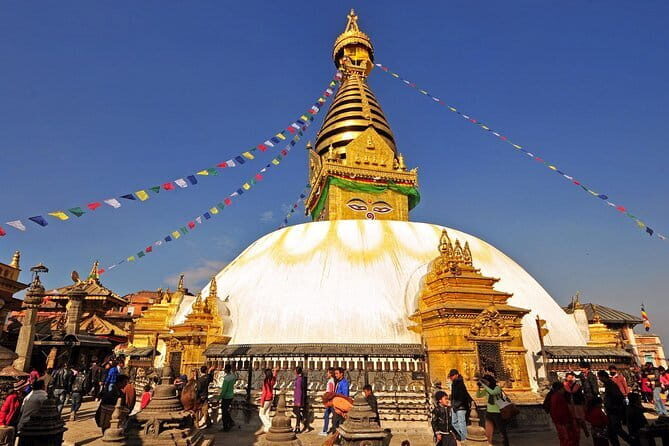
A lot of Patan tours end up sounding similar: history, monuments, and quick stops. What made this one stand out for me is the guide’s tone and delivery. Sandip’s teaching style is easygoing and attentive, and he brings a lot of local context into small details you’d otherwise overlook.
The humor matters too. When a tour guide can explain complex religious ideas—Newar Buddhism, Tantric Hinduism, and how they show up in daily life—without turning it into a lecture, you actually remember it. It also helps with walking comfort. You’re moving through narrow lanes and courtyard spaces, and a guide who keeps the pace lively can make the time feel lighter.
If you’re traveling with someone who worries that “cultural tours” will be boring, this is a route that tends to keep people engaged.
Who this tour is best for (and who might want a different one)
This is a great match if you:
- Want to understand Kathmandu Valley culture with a street-level lens
- Like faith and architecture, especially how temples and monasteries shape daily life
- Prefer a smaller group format (max 10) over a crowded rush
- Appreciate storytelling about folklore and how past influences present traditions
It may be less ideal if you:
- Only want the headline monuments and don’t want to add extra sightseeing afterward
- Feel uncomfortable entering active sacred areas (though you can simply observe respectfully)
Because the walk does not cover Patan Durbar Square itself, I’d think of it as a foundation day: you learn how Patan works, then you decide what to layer on next.
Practical takeaways for your day in Patan
Here are a few ways to get more out of this walk:
- Bring a curious mindset, not a checklist. The story relies on listening as you move through courtyards.
- Pause for details. Stops like Pimbahal and Nagbahaa are shorter than you might expect, so focus on the guide’s highlighted features.
- Plan your Durbar Square visit after. Since the tour ends near Swotha Square, you can naturally continue to Patan Durbar Square if you want the museum too.
- Expect a neighborhood walk. This isn’t a sit-down museum tour; it’s lived-in Patan streets and courtyard spaces.
Should you book this Folklore and Everyday Life tour in Patan?
If you’re the type of traveler who wants to understand how a place works—how faith, art, and daily life connect—then I think this tour is a strong yes. It’s also a smart use of time: in about 2 to 2.5 hours, you get several courtyard-focused stops and a coherent explanation of Newar Buddhism and Tantric Hindu influences, plus the artistic thread of Greek/Hellenistic impressions.
If your top priority is Patan Durbar Square itself, you might feel like you’re doing extra work by adding it later. But the flip side is this: you’re choosing a calmer, more local angle first, which makes the palace complex easier to interpret once you go.
My rule of thumb: book this if you want meaning, not just sights. Add Durbar Square afterward if you want the famous highlights too.
FAQ
Does this tour include Patan Durbar Square?
No. The tour intentionally does not cover Patan Durbar Square. The meeting point is in the old town area, and the tour ends near Swotha Square so you can visit Durbar Square on your own after the walk.
How long is the walking tour?
It runs about 2 hours to 2 hours 30 minutes.
Where do I meet the guide?
You meet at Patan Dhoka on Patan Dhoka Road, Lalitpur 44600, Nepal.
Where does the tour end?
The tour ends at Swotha Square (near Patan Durbar Square).
Is Patan Durbar Square ticket included?
No. Patan Durbar Square is not included, and extra admission fees apply if you visit it afterward, including the museum inside the palace complex.
What should I expect about group size and tickets?
The group is limited to a maximum of 10 travelers, and the tour uses a mobile ticket.