REVIEW · KATHMANDU
Manaslu, Nar Phu and Annapurna Three Passes Trek
Book on Viator →Operated by Touch The Himalaya Treks & Expedition · Bookable on Viator
Three passes. Big valleys. Big views.
This is the kind of Nepal trek that strings together Tsum Valley Tibetan culture, the quieter Nar Phu region, and classic high-altitude challenges into one 34-day route. I like that it’s built for real scenery—Ganesh Himal first, then Manaslu up close, and later Tilicho Lake before you even think about Thorung La. One thing to weigh carefully: this is serious altitude work. You’re crossing passes around 5,160m, 5,306m, and 5,416m, so plan on careful pacing and good fitness.
I also like the way Touch The Himalaya handles the moving parts for you: airport pickup and airport drop-off, a Kathmandu briefing, road transfer to the trek start, and permit coverage for the Manaslu/Tsum/Nar Phu restricted areas. The main drawback is practical: only a couple of Kathmandu breakfasts and two Kathmandu hotel nights are clearly listed as included, so you’ll want to confirm how mountain meals and lodging are handled for your exact booking, and budget for extra costs on top of the headline price.
In This Review
- Key things I’d highlight before you go
- What you’re really signing up for: Manaslu + Nar Phu + Three Passes
- Kathmandu warm-up: Durbar Square, Swayambhunath, and a proper trek briefing
- First road days: getting to Arughat and learning the rhythm
- Tsum Valley days: gompas, prayer wheels, and that Tibetan feel
- From Tsum back toward Manaslu: the Ganesh and Shingri build-up
- Acclimatization you should take seriously: Samagaon to Samdo
- Larkya La to Bhimtang: your first real high pass moment
- Into the Annapurna side: Dharapani, Koto, and the start of Nar Phu
- Phu and Nar Phu country: chortens, bird-watching, and tough days that feel worth it
- Kang La and the Manang link: big pass altitude without the cushion
- Tilicho Lake: the highest lake in Nepal before the final push
- Thorung La: from Yak Kharka to High Camp to Muktinath
- Jomsom and Pokhara: finishing with river views and apples
- Price and logistics: what $2,426.67 gets you (and what you still must plan for)
- Who should book this trek, and who should think twice
- Should you book Manaslu, Nar Phu and the Annapurna Three Passes with Touch The Himalaya?
- FAQ
- How long is the trek?
- What are the three high passes on this route?
- Which permits are included?
- Are airport transfers included?
- Are hotel nights in Kathmandu included?
- Is Jomsom to Pokhara included, and how do you travel?
- Who provides guiding and porter support?
- What meals are included?
- What happens if the weather is poor and the trek can’t run?
- Is this tour private?
Key things I’d highlight before you go
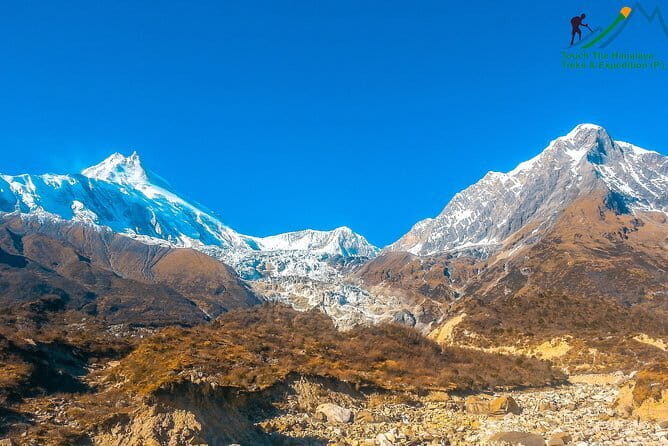
- Three high passes on one route: Larkya La (5,160m), Kang La (5,306m), Thorung La (5,416m)
- Tsum Valley + Nar Phu together, including restricted-area permits and Tibetan Buddhist sites like gompas and mani walls
- Tilicho Lake detour to the highest lake in Nepal, with a steep-feeling day added before the push toward Thorung
- Built-in acclimatization stops at Samagaon/Samdo and again in the Phu area, so you’re not only “go higher, suffer”
- Support structure: expert local guide, porters (2 clients per porter), and an assistant guide for groups (1 per 5 trekkers)
What you’re really signing up for: Manaslu + Nar Phu + Three Passes
This trek is basically a long braid through three different “Nepal trekking worlds.” You start in the Manaslu region, move through the hidden-feeling Tibetan valleys of Tsum, continue into the remote Nar Phu (restricted) area, and then connect into the Annapurna Three Passes finish. The payoff is that you don’t just get one kind of day—you get village trekking, monasteries, big mountain panoramas, and high-pass mornings back to back.
The most important mental shift is that this isn’t a “casual views” hike. You’ll spend many days climbing and descending through remote valleys where the trail can feel long even when the distance isn’t huge. Expect teahouses in most places and plan to treat every extra hour at altitude as training for the passes.
And yes, you’ll likely have some days that feel easier than others—like gentle walking stretches in the Tsum Valley days—but then the route tightens up again around the pass crossings.
You can also read our reviews of more hiking tours in Kathmandu


Kathmandu warm-up: Durbar Square, Swayambhunath, and a proper trek briefing
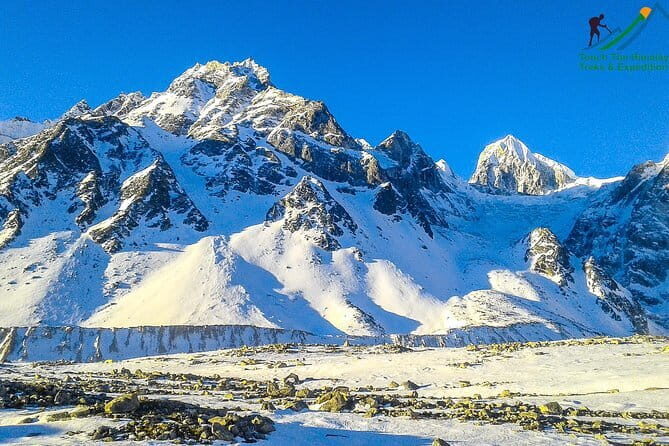
Your trip begins in Kathmandu with airport pickup and transfer to a tourist-standard hotel (twin share). After you settle in, you’ll get a full trek briefing at the operator’s office. This matters more than people think. For a trek this long, you want clarity on permits, timing, team roles, and what to do if weather turns.
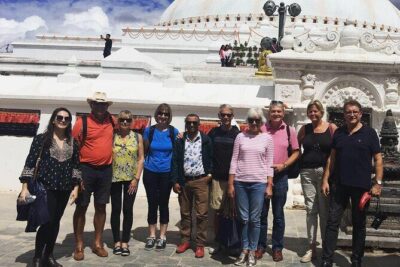
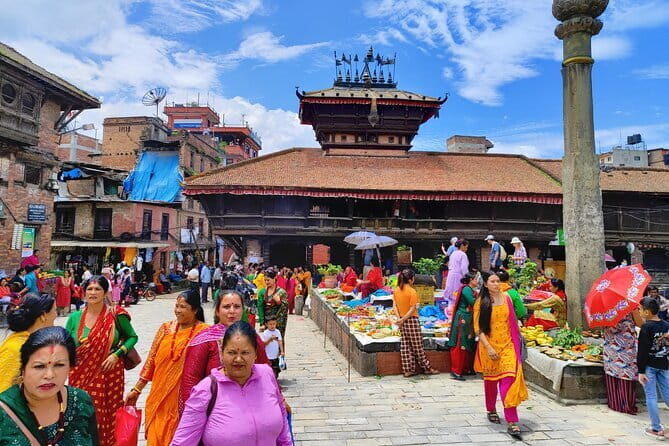
Then you’ll do guided sightseeing with stops at Kathmandu Durbar Square (UNESCO) and Swayambhunath Stupa (Monkey Temple). This is a good match for a trek like this: temples and courtyards by day, then early sleep and hydration prep at night.
Practical note: the itinerary lists admission tickets as not included, so you should expect to pay for any temple/stupa entry fees beyond the scheduled stops.
First road days: getting to Arughat and learning the rhythm
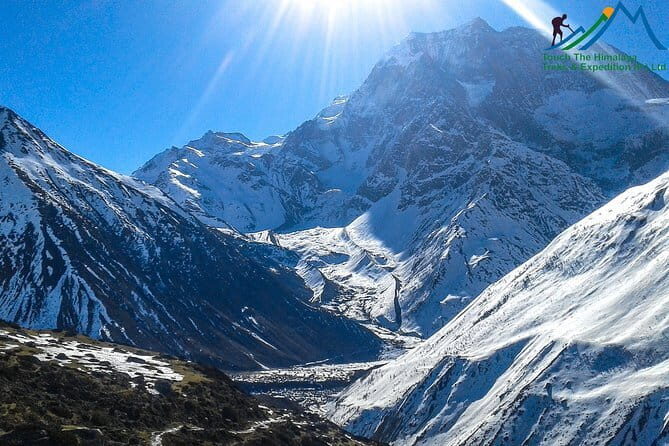
On day 2, you’re in Kathmandu for briefing and a guided city tour. Day 3 is the big transfer day, moving you from Kathmandu toward the trek starting region with bus travel to Arughat, then a hotel night in Arughat. This road leg sets your pacing. After a day in traffic, your first hiking day is not just a “day hike”—it’s your reset.
Day 4 starts the trekking route near Soti Khola, walking along the river toward Sotikhola and Machhakhola. The details matter here. You’ll pass waterfalls, stone-paved sections, and mani walls, and if weather cooperates you may catch early views of Ganesh Himal. It’s the kind of first-day payoff that makes you trust the rest of the itinerary.
From a comfort standpoint, the early nights in riverside villages (like Machhakhola and Jagat) are useful. You’re learning how your body handles the altitude while still sleeping relatively “lower” than the passes.
Tsum Valley days: gompas, prayer wheels, and that Tibetan feel
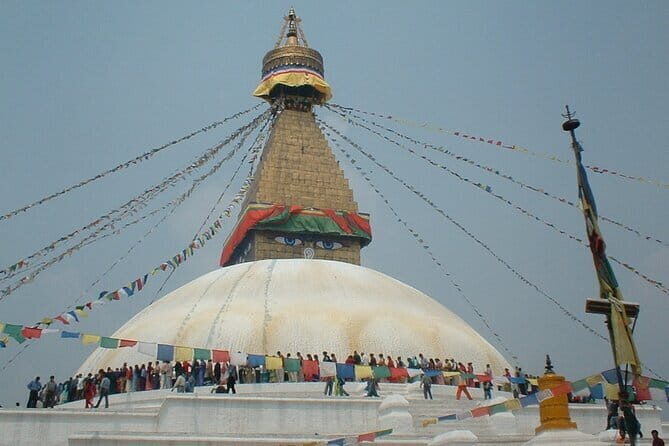
The Tsum Valley portion is one of the reasons many people choose this trek instead of a more direct route. The vibe changes as you move north and enter areas tied to Tibetan Buddhist culture.
Expect:
- Suspensions and river crossings, including a bridge over the Bhudi Gandaki
- Trail sections that feel steady—some gentle climbs, some plateaus, some “just keep walking” hours
- Village stops with monasteries and carved religious markers
Key village highlights include:
- Philim and Lokpa, as you transition into the Tsum Valley world
- Chumling, known for gompas and prayer wheels, with views south of the Shingri Himal that can feel wide-open
- Mu Gompa, where the trek focuses on Buddhist culture and a visit to Milarepa Cave
You also have options on at least one day around Chumling—either camp there if conditions allow or continue back to Lokpa. That flexibility is helpful when weather and your energy level don’t match the best-case scenario.
One caution: Tsum Valley can feel “less dramatic” than high passes, but it’s not easy on the body. The trail still requires endurance, and the detours to religious sites take time. If you’re the type who gets frustrated by slow, meaningful stops, you might have to adjust expectations.
From Tsum back toward Manaslu: the Ganesh and Shingri build-up
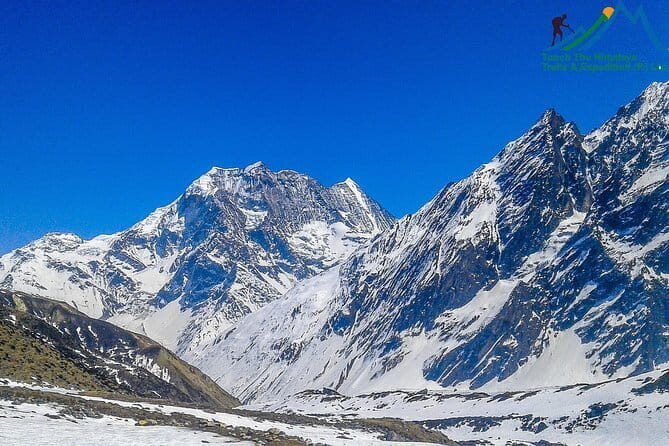
Once you head west again, the route starts stacking big views rather than just cultural ones. You pass through villages like Deng and Namrung, with chances for clear views of Ganesh, Shingri, and Kutang Himal along the way.
Then you reach the moment many trekkers wait for: seeing Manaslu in the flesh. The day heading toward Lho includes permit checks and the shift into the Manaslu region proper.
When you arrive around Lho and then Samagaon (Sama/Ryo), the trek becomes more “classic high-mountain.” You’ll stop in Shyala for a 360-degree Himalayan view before continuing to Samagaon. This section is where the trek starts to feel like the main event.






Acclimatization you should take seriously: Samagaon to Samdo
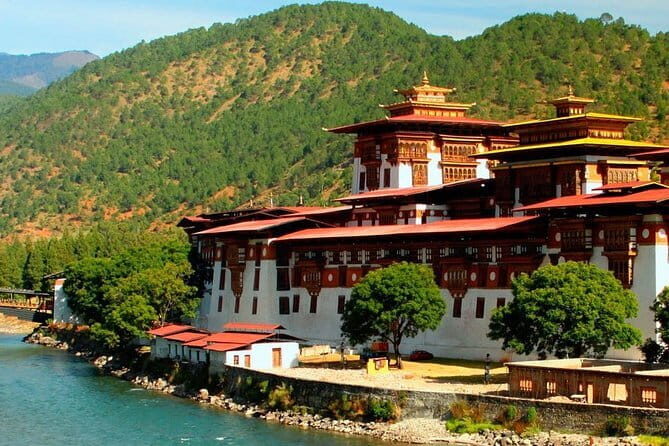
The itinerary gives you a planned acclimatization day in Samagaon. You can hike around Birendra Lake and Manaslu Base Camp or go to Pungen Gumpa. The idea is simple: you get altitude exposure without jumping straight toward the passes.
Then the next phase climbs more slowly toward Samdo, with time to rest and the option to hike to Samdo Peak if you have stamina. Samdo is also described as a Tibetan refugee camp, which gives the day more texture than just trekking.
I like that this trek doesn’t pretend acclimatization is optional. If you skip it, you pay later at pass time.
Larkya La to Bhimtang: your first real high pass moment
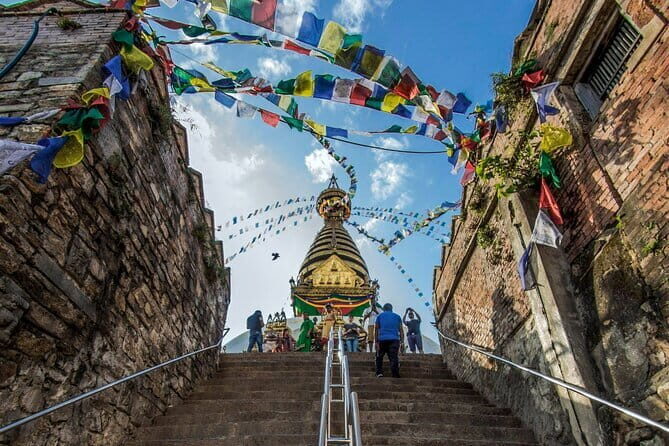
The move toward Dharmasala (also known as Larkya Phedi) sets up your first pass crossing. The trek to Dharmasala is slow and gradual, and it’s meant for rest and preparation.
Then comes Larkya La around 5,160m. You start early, hike steadily, take a break at the pass, and enjoy the mountain panorama. After the crossing, you descend to Bhimtang.
Two things to understand about days like this:
- The early start is not just scheduling. It’s about temperature, wind, and trail conditions.
- The pass day isn’t only about reaching the top. It’s about controlling your breathing so you don’t burn yourself out before the descent.
If you can, you’ll want to keep your camera batteries warm. The itinerary repeatedly points out views and sunrise moments—so you’ll likely be stopping often.
Into the Annapurna side: Dharapani, Koto, and the start of Nar Phu
After Larkya La, you hike downhill for much of the day to Gho, then down to Dharapani. A sunrise option is mentioned from the teahouse—exactly the kind of payoff that makes early wake-ups worth it.
From there, you head west toward Chame, passing pine forests and small villages before reaching Koto. This is a practical day too: Koto is noted as a good last place to restock supplies, so don’t treat it like just another stop. If you need extra snacks or anything personal, this is a smart day to handle it.
Then the trek continues north along the Nar Khola river to places like Meta, and eventually you reach the Nar Phu / Phu region.
Phu and Nar Phu country: chortens, bird-watching, and tough days that feel worth it
You reach Phu via the northern trails from the Nar Phedi fork. Phu is described as a spiritual place with chortens, mani prayer wheels, and an 18th-century stupa. If you like religious architecture and quiet village life, this section is your reward day after day.
You also get another acclimatization day at Phu. Options include hiking to Himlung Base Camp and returning. This is where the trek keeps you from “skipping steps,” which helps you make it to the later passes.
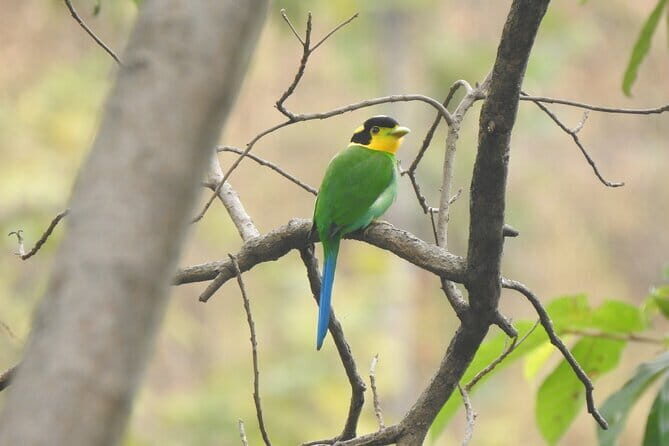
There’s also mention of wildlife opportunities: bird watching in the area, and the possibility of spotting elusive snow leopards along with blue sheep. I can’t guarantee sightings, but the route is clearly designed to move through habitats where that kind of chance exists.
After that, you retrace to Nar Phedi and head west to Naar, then work toward Kang La.
Kang La and the Manang link: big pass altitude without the cushion
Kang La is the second high pass, around 5,306m. The day starts around Kang Phedi and climbs up to the pass, then descends steeply toward Nawal (Ngawal).
This is one of those “no shortcuts” days. Descending after a pass can feel worse than ascending because your legs take the impact. Go slow early, and don’t try to make up time once you feel tired.
From Ngawal, you pass through Braga and the larger town of Manang before continuing to Khangsar. Manang is your bigger resupply chance, so treat it as more than scenery.
Tilicho Lake: the highest lake in Nepal before the final push
After Khangsar, the trek moves toward Tilicho Base Camp following the Marshayangdi River and reaching Tilicho Base Camp.
Then comes the Tilicho Lake day. You start early (about 6am). You hike gradually upward, reach Tilicho Lake after about three hours, spend time enjoying the views, and then return to base camp. After that, the route takes you north toward Siri Kharka.
This is not just a scenic detour. It adds altitude stress right before the Thorung section. Your legs and lungs need to be ready, which is why the acclimatization earlier in the itinerary matters.
Also: the itinerary treats Tilicho as a major moment—so you’ll want to bring a steady supply of water and snacks. You’ll likely be moving with a hungry sort of excitement.
Thorung La: from Yak Kharka to High Camp to Muktinath
The days leading up to Thorung La are where endurance really gets tested.
- Day 29: Shorter walk to Yak Kharka, with mention of a safe drinking water station
- Day 30: Climb toward Thorung High Camp (with mention of blue sheep and a chance at snow leopard sightings if you’re lucky)
Then Day 31 is your highest pass of the route: Thorung La around 5,416m. It starts in the early hours (about 4 to 4:30am). After you cross, you descend through barren terrain until reaching Muktinath.
Muktinath adds culture to the physical challenge. It’s described as being named after a Hindu god of salvation, and the temple is famous for 180 healing and purifying water taps. The itinerary also notes that horse riding can be arranged from here.
This is a morale day. You’ve done the big altitude grind, and now you get a place where people come for spiritual and practical reasons.
Jomsom and Pokhara: finishing with river views and apples
After Muktinath, you head toward Jomsom via Kagbeni and the Kali Gandaki river. Kagbeni and Jomsom are described for apple orchards, which makes for nice photo moments.
Then you connect to Pokhara. Your options are a jeep/road route or a flight (about 25 minutes). Flying is often a good choice when you want to shower, eat a real meal, and recover without losing half a day in transit.
Pokhara is described as a city with lots to do, and with a flight you get time to explore instead of immediately going back to Kathmandu.
Price and logistics: what $2,426.67 gets you (and what you still must plan for)
At $2,426.67 per person for roughly 34 days, the value depends on what you expect to be included.
What’s clearly covered:
- Airport pickup and drop-off
- Two nights in Kathmandu in a tourist-standard hotel (twin share)
- Kathmandu to Soti Khola transfer by bus
- Return transfers including jeep from Dharapani back to Besisahar, then bus to Kathmandu or Pokhara
- Permits: TIMS, ACAP/MCAP, plus restricted permits for Tsum Valley, Manaslu, and Naar Phu
- An expert Manaslu local guide (including guide meal, accommodation, salary, and insurance)
- Porter support: 2 clients per porter, plus an assistant guide for every 5 trekkers
- Rescue arrangements if necessary and a basic first-aid kit carried by the trekking guide
- Welcome/farewell dinner and an achievement certificate
What to budget separately (or confirm tightly):
- Mountain meals and accommodations may be arranged separately, since only breakfasts are explicitly listed as included and the package notes that meal and accommodation in mountain areas can add cost
- Drinks, wifi, charging, hot shower
- Lunch and dinner in Kathmandu and extra Kathmandu accommodations if you need more than the two included nights
- International airfare and Nepal visa fee
- Personal insurance, personal gear, and tips for guide/porter
- Sightseeing entry fees in Kathmandu
If you’re the kind of traveler who likes knowing exactly what everything costs up front, this is the part to double-check before you book. If you’re okay handling some add-ons and keeping some buffer money, the covered permits and guide/porter structure can make this a smart deal for a tough trek.
Who should book this trek, and who should think twice
This is a strong fit if you:
- Have moderate-to-good fitness and can handle multi-hour days
- Want a mix of Tsum Valley culture and remote Nar Phu trekking, not just a “pass-hopping” checklist
- Prefer a team setup with porters and a dedicated guide plan
- Like the idea of Tilicho Lake as a major add-on before Thorung La
You might want to rethink if:
- You’re altitude-sensitive or not comfortable with long high-pass days
- You need the entire trip cost to be fully fixed with no extra mountain-lodging decisions
- You’re traveling on a tight timeline where weather changes could force adjustments (this route depends on workable conditions)
Should you book Manaslu, Nar Phu and the Annapurna Three Passes with Touch The Himalaya?
If you want one long trek that actually connects the dots—Tsum Valley + Nar Phu + Manaslu + three major passes + Tilicho Lake + Muktinath—this is the kind of itinerary that makes sense. The permit coverage and the structured porter/guide support are the practical wins, especially for such a remote-feeling route.
I’d book if you’re honest with yourself about fitness and you confirm the mountain meal/lodging arrangement for your exact departure. Then pack smart: layers, a solid sleeping setup for teahouses, and enough patience for slow uphill mornings.
If that sounds like your kind of adventure, you’ll likely love the long arc of the journey—from Tibetan prayer wheels to high-pass dawns to river valleys on the way out.
FAQ
How long is the trek?
The experience is listed as approximately 34 days.
What are the three high passes on this route?
The itinerary mentions Larkya La (5,160m), Kang La (5,306m), and Thorung La (5,416m).
Which permits are included?
Permits included in the package are TIMS, ACAP/MCAP, and restricted special permits for Tsum Valley, Manaslu, and Naar Phu.
Are airport transfers included?
Yes. The package includes airport pick up and drop off by car, jeep, Hiace, or bus depending on group size.
Are hotel nights in Kathmandu included?
Yes. The package includes the first two nights on arrival in Kathmandu in a tourist standard hotel (twin share).
Is Jomsom to Pokhara included, and how do you travel?
You’ll have an option to take a flight to Pokhara (about 25 minutes) or drive. The itinerary supports either approach.
Who provides guiding and porter support?
An expert Manaslu local guide is included. Each two clients get one porter, and for every five trekkers there is one assistant guide.
What meals are included?
Only breakfasts are explicitly listed as included (2). Mountain meals and accommodations may be arranged depending on the package agreement and can add additional cost.
What happens if the weather is poor and the trek can’t run?
The experience notes that it requires good weather. If canceled due to poor weather, you’ll be offered a different date or a full refund. Free cancellation is available up to 24 hours before the experience’s start time.
Is this tour private?
Yes. It’s a private tour/activity with only your group participating.