REVIEW · KATHMANDU
Birding Hike: Day Birdwatching in Kathmandu
Book on Viator →Operated by Samsara Trekking · Bookable on Viator
The birds here sing on cue. This day birding hike in and around Kathmandu pulls you through several habitats—national park trails, protected forest, hill viewpoints, and riverside areas—so you’re not just walking, you’re bird-hunting with scenery. You also get the bonus of huge northern views toward the Himalaya and a high look down on the Kathmandu Valley’s terraced fields from above.
What I like most is the way the route is built around bird-rich zones and listening as much as looking. Two strong highlights for me are the guides—often named Krishna Thapa—who can find and identify birds reliably, and the fact that the day can include quiet stops with spiritual sites when you want them.
One thing to consider: this is a proper day out in the hills, and the tour doesn’t include lunch, tea/coffee, or bottled water, so you’ll want to plan around food and hydration. Add early start timing and variable walking pace, and it helps to be comfortable with a long, active day outdoors.
In This Review
- Key points to know before you go
- Nagarjun and Shivapuri: birding where you can hear the action
- Phulchoki Protected Forest: altitude birding plus big Himalayan vibes
- Champadevi Hills and Sankhu: where birding overlaps with culture
- Sundarijal, Suryabinayak Forest, and Manohara: Kathmandu Valley from above
- Guide matters: Krishna Thapa’s bird-finding style and Prem’s bird-attraction tips
- Price and logistics: what $220 covers, and how to make it worth it
- Duration, walking level, and how to pace yourself
- What this birding hike is best for
- Should you book this day birdwatching hike near Kathmandu?
- FAQ
- Where do we meet for this birding hike in Kathmandu?
- How long should I plan for the experience?
- Is this a private tour or shared group?
- What is included in the $220 price?
- What should I bring since lunch and drinks aren’t included?
- Which birding areas are covered around Kathmandu?
- Is there a chance to see rare or endemic birds?
- Do I need good weather for the hike to run?
Key points to know before you go
- Over 311 bird species in the area, including 117 migratory species, so you’re not stuck with a short list.
- Spiny Babbler is specifically possible here (endemic to Nepal), which is a big draw for serious birders.
- The trails in hill forest are known for the sound of birds and leaves, meaning you’ll learn to bird by ear too.
- Your day may mix forest birding with spiritual sites, depending on how the hike is arranged.
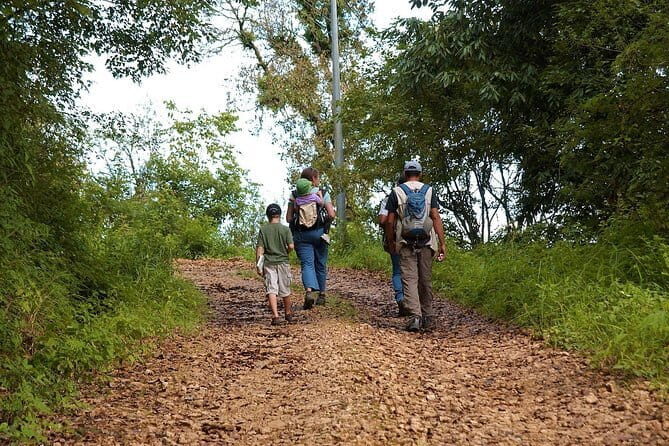
- It’s designed for families and school students, so it’s not only for hard-core twitchers.
- You’re traveling with private transportation and a guide, not a crowded group tour.
Nagarjun and Shivapuri: birding where you can hear the action
If you want birding that feels alive, starting in the Kathmandu-side hills makes sense. The Nagarjun/Shivapuri area is one of Nepal’s important bird and biodiversity zones, and the whole point of the hike is to use the forest trails where birds are active and vocal.
What you’ll feel quickly is that this isn’t a straight-line sightseeing walk. You’ll spend time moving slowly, stopping often, and listening—because the hillside forests are known for the combination of bird calls and leaf rustling that helps you locate birds even when they’re not fully visible.
The best part for most people is that you’re not trying to do “everything.” You’re doing smart birding: pause, scan, and let the habitat do the work. If you’re traveling with kids or a mixed group, that rhythm usually lands well because it builds breaks into the walk.
One practical note: the area supports a lot of birds all year, but day conditions matter. If weather is poor, the tour may need to be shifted or refunded, so keep an eye on forecast and be ready for a date change.
You can also read our reviews of more hiking tours in Kathmandu


Phulchoki Protected Forest: altitude birding plus big Himalayan vibes

Phulchoki Protected Forest is where the day often takes on a more expansive feel. This is a higher-altitude birding zone near Kathmandu, and that altitude can mean you’re looking at different species than you’d see at lower elevations.
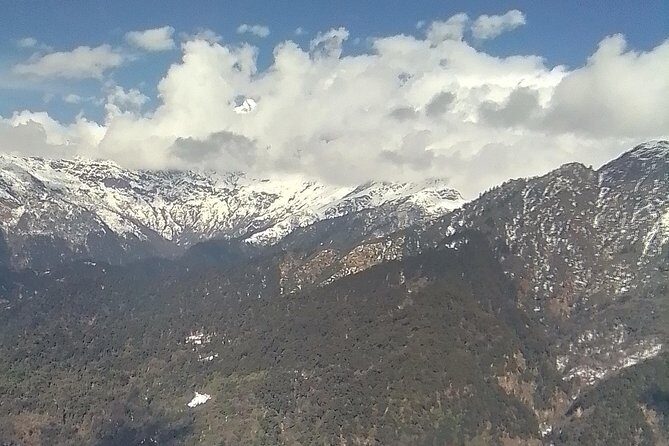
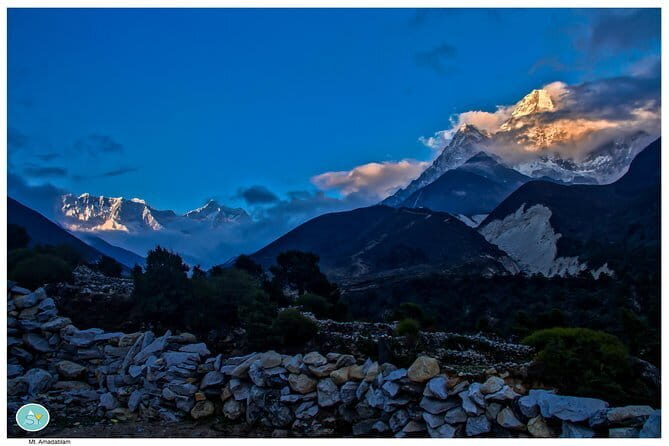
From a birding point of view, the advantage is simple: varied altitude and forest structure tends to increase your chances of picking up more species in the same day. From a human point of view, you also get the payoff of spectacular panoramic views toward the Himalayan range to the north.
In early October, one of the standout themes from past days here is that the guide chose the route well for higher-altitude birds. You don’t need to be a specialist to appreciate that logic—higher ground often changes the bird “mix,” so a guide who understands where altitude matters can make your day more productive.
This is also a segment where you’ll want to pace yourself. Even when the walk is not extreme, hill terrain adds up over hours, so take it slow, drink water when offered (and bring your own if you prefer), and don’t rush your scanning time.
Champadevi Hills and Sankhu: where birding overlaps with culture
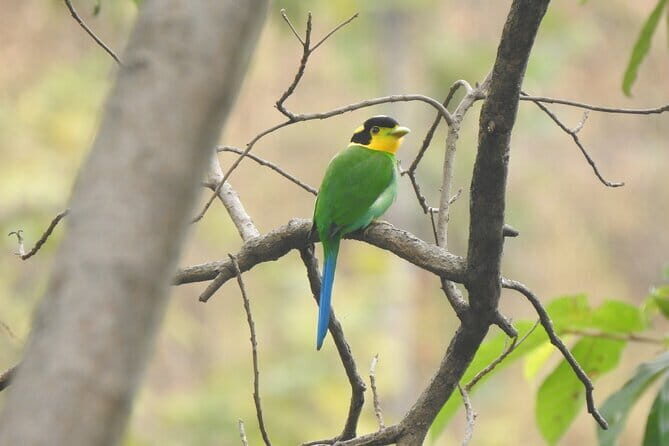
One of the best surprises of this hike is the chance to combine birdwatching with spiritual stops. The itinerary can include areas like Champadevi Hills and Sankhu, where you’re likely to pass through settings that are more than just forest and views.
Why does this matter for you? Because birding gets repetitive fast when you’re staring at the same kind of scenery for hours. Mixing in a temple or a cultural stop gives your brain a rest, and it also helps you understand how locals live alongside these forests and hills.
If you like photography, cultural stops can help you reset between birding sessions. Birds still matter, but you get a second visual storyline: the ridgelines, the valley, and the human landscape all in one day.
The only “watch-out” here is timing. If you’re on a day where you want maximum birding time, keep an eye on how long you spend at spiritual stops. On the other hand, if you want a more balanced day, these places can make the experience feel more meaningful, not just technical.
Sundarijal, Suryabinayak Forest, and Manohara: Kathmandu Valley from above
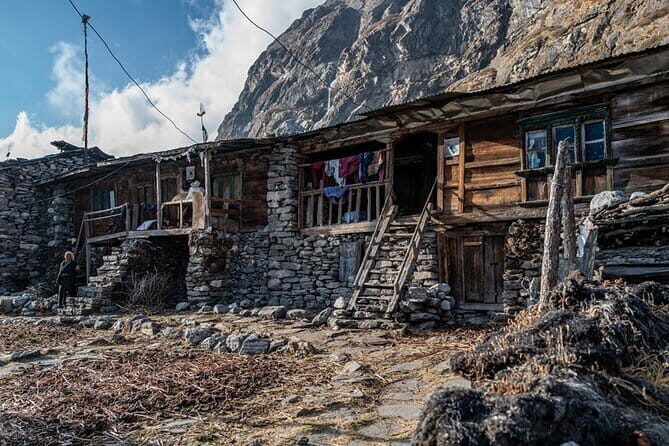
As your hike moves through the lower-forest-and-ridge sections, you shift into that Kathmandu Valley viewpoint birding mode. This is where the day often gives you a clear sense of place: terraced fields below, ridgelines around you, and forest corridors that birds use to move and feed.
Sundarijal and the nearby Suryabinayak Forest areas are part of the route, and the Manohara region adds another angle to the day’s scenery and bird habitats. The big idea is habitat variety in one outing, which is a strong strategy when you only have one day near Kathmandu.
For you, the value is the visual payoff plus the birding logic. You’re not just walking from point A to point B. You’re moving through a chain of environments, and the birds respond to that.
Also, this part of the day often helps beginners. Even if you can’t identify birds by sight yet, you’ll learn faster when you can watch birds against open views or when you can see how the forest edges work. The guide can also use calls and movement patterns to help you track what’s happening.
If you’re sensitive to early mornings, plan to be patient. The hike runs from morning hours, so you’ll likely start before the sun is fully up, and it takes a bit for your body and attention to click into “birding mode.”
Guide matters: Krishna Thapa’s bird-finding style and Prem’s bird-attraction tips
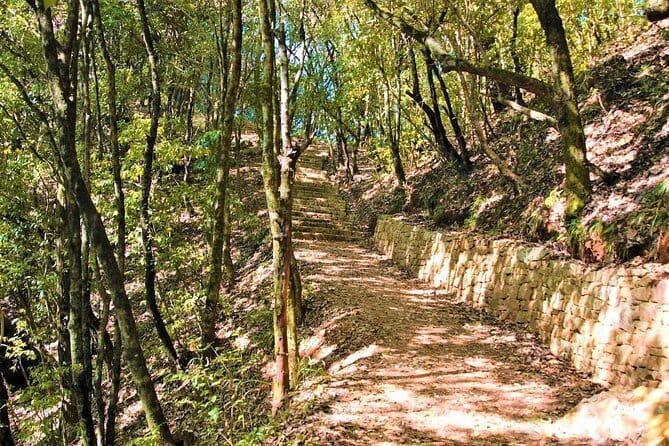
I’m going to say this plainly: with birding, the guide’s skill is the difference between an okay day and a great one. In this region, guides named Krishna Thapa and Prem show up in past experiences, and the common thread is how quickly they can turn a random hillside into a birding hotspot.
Krishna’s style (as described in past days) stands out for expertise and attentiveness, plus the ability to identify what you’re actually seeing instead of leaving you with a blurry guess. People have also praised how Krishna picks routes that match altitude and season, which can be a huge deal if you’re chasing particular species.
Prem is praised for knowing Nepalese birds well and, importantly, for knowing how to attract birds. That doesn’t mean turning the hike into a gimmick. It means using birding-appropriate techniques to increase your chances of seeing the bird that’s calling, not just the one you happen to stumble into.
One more practical advantage: good guides help you take photos too. In earlier days, people described being able to capture birds with the guide’s help, even when they didn’t get every “top bird” on the first pass.
So how does this help you? If you’re new to birding, a skilled guide teaches you what to look for and how to keep your eyes busy. If you’re experienced, you still benefit because local knowledge helps with timing, calls, and where birds are likely to show.






Price and logistics: what $220 covers, and how to make it worth it
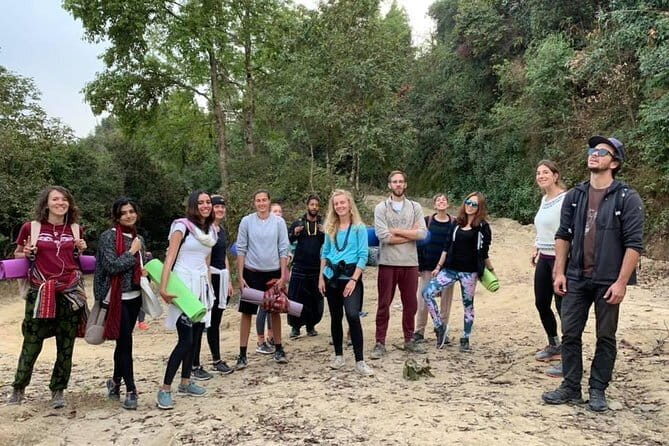
At $220 per person, this hike isn’t the cheapest activity in Kathmandu. But it isn’t trying to be. You’re paying for private transportation, guide fees, and all fees and taxes—so you’re not juggling additional costs for the core experience.
Where the value can really show is if you want a one-day birding outing with flexibility. Because it’s private, you can move at your group’s pace and focus on what you care about most: more time at prime spots, less time on slow transitions, and a route that fits the day’s conditions.
What’s not included is where you need to plan: there’s no lunch and no bottled water, and you’ll also want to bring your own tea/coffee plan since those aren’t included either. For a hike that can run up to the longer end of the time window, skipping this can turn a great bird day into a tired and snackless one.
Also note the time window. The activity is listed to run between 6:45 AM and 4:45 PM, and it starts at Amrit Marg in Kathmandu. That early timing is normal for birding because birds are most active earlier, but it does mean you should treat this like a half-day-plus commitment, not a casual stroll.
If you’re working with a tight schedule, aim to book with some buffer. Weather can affect whether the hike runs as planned, and the operator may offer a different date if conditions aren’t right.
Duration, walking level, and how to pace yourself
The duration is approximate—around 4 to 9 hours depending on the route and pace. That range is big enough that your personal comfort matters.
Most people can participate, so you don’t need to be an ultrarunner. But you should expect real walking time on uneven terrain. The “birding by ear” style also means you’ll stop and start, which can feel easier than constant trekking, yet still adds up.
My practical advice: decide ahead of time what you want most. If you’re focused on maximizing species, you’ll want a steady pace and fewer long breaks. If you want a calmer day with family-friendly speed, prioritize stops and enjoy the surroundings.
Since lunch isn’t included, plan how you’ll handle hunger. Pack snacks that won’t melt easily, and bring a simple meal plan so you can eat without losing your birding window.
If you’re traveling with school students or kids, the private format helps. You can usually keep the day manageable by adjusting how long you linger at viewpoint and temple stops versus walking segments.
What this birding hike is best for
This is a smart choice if you want a birding day that also feels like Kathmandu-adjacent life. You’ll hear birds, see birds, and learn how the hills around the city support daily ecosystems.
It also fits well if you like a mix of interests:
- Birders who want a guided shot at endemic Nepal birds like Spiny Babbler.
- Families who want an outdoor day without needing technical hiking gear.
- Photography-minded travelers who want views of the Himalaya and the Kathmandu Valley from hilltops.
- People who want a cultural thread through temple areas like Sankhu and the Champadevi hills.
If you’re the type who only likes flat walks and hates early mornings, this may be less comfortable. But if you can handle a morning start and steady uphill/downhill terrain, it’s a solid match.
Should you book this day birdwatching hike near Kathmandu?
I’d book it if you want one guided birding day that takes you beyond a single spot. The combination of multiple habitats, strong endemic-bird potential (including Spiny Babbler), and guide help with identification makes it a practical way to get serious birding results in limited time.
I’d think twice if you’re unwilling to walk for several hours or if you rely on the tour to provide meals and water. Since lunch and bottled water aren’t included, you’ll need to bring your own plan to stay comfortable.
One more reason to say yes: the format is private, so you’re not trapped in a slow group rhythm or rushed by others. You can focus on what matters to you—birds, views, or a mix with spiritual stops—while still getting expert direction to find more along the way.
If you’re in Kathmandu and you care about birds, this is one of the more focused ways to do it without turning the day into a logistics headache.
FAQ
Where do we meet for this birding hike in Kathmandu?
The meeting point is Amrit Marg, Kathmandu 44600, Nepal. The activity ends back at the meeting point.
How long should I plan for the experience?
The hike lasts about 4 to 9 hours depending on the route and day conditions.
Is this a private tour or shared group?
This is a private tour/activity, meaning only your group will participate.
What is included in the $220 price?
Included are private transportation, all fees and taxes, and guide fees.
What should I bring since lunch and drinks aren’t included?
The tour does not include lunch, bottled water, or coffee/tea (and alcoholic beverages). Plan to bring your own water and food so you’re not rationing during the hike.
Which birding areas are covered around Kathmandu?
The day birding hike can include Nagarjun, Shivapuri National Park, Phulchoki Protected Forest, Champadevi Hills, Sankhu, Sundarijal, Suryabinayak Forest, and Manohara.
Is there a chance to see rare or endemic birds?
Yes. The area is described as hosting over 311 bird species, including 117 migratory species, and Spiny Babbler, the endemic bird of Nepal, can be sighted there.
Do I need good weather for the hike to run?
Yes. The experience requires good weather. If it’s canceled due to poor weather, you’ll be offered a different date or a full refund.