REVIEW · KATHMANDU
Langtang Valley Trek
Book on Viator →Operated by Accessible Adventure Pvt. Ltd · Bookable on Viator
Langtang feels personal fast, especially when you see the Tibetan-border influence in everyday village life and then get big views from the higher ridges. I like how the route moves from river gorges and forests into alpine country, with Kyangjin Gompa as a real anchor point. The day-by-day rhythm is also clear and manageable, with built-in recovery time in local lodges.
I love the balance of scenery and logistics. You get a friendly, experienced guide team (names like Himal and Shiva come up often in people’s write-ups), plus porters who help keep the trek practical. I also really like that cold-weather basics are covered: the trip supplies a down jacket, a seasonal sleeping bag, a trekking duffel bag, a t-shirt, and a trekking map (returned after the trek).
My only caution is effort and altitude choices. Some sections are landslide-prone and require careful footing, and there’s an optional hike up to about 4300m from Kyangjin area that’s not for everyone.
In This Review
- Key highlights worth your attention
- Why Langtang Valley feels different from the usual Nepal trek
- 9 days that start with a drive and end with airport timing
- Day 1 in Kathmandu: smooth arrival, then free time
- Day 2 to Syabrubesi: off-road segments, Trisuli River views, and village food
- Day 3 begins the trek: rivers, Bamboo, and a real chance of wildlife
- Day 4: reconstructed Langtang Village, mani stones, and dramatic peak views
- Day 5 to Kyangjin Gompa: monastery work, wooden bridges, and the Kyangjin Ri choice
- Day 6: back down to Lama Hotel and the view shift that keeps it interesting
- Day 7: the Thulo Syabru finale with Sherpagaun and Tamang culture
- Day 8 Kathmandu: recovery time that actually matters
- Day 9 departure: airport transfer before your international flight
- Price and logistics: is $860 good value here?
- The human side: guides who keep the trek feeling safe and flexible
- Packing reality: included gear is big, but bring your essentials
- Who should book Langtang Valley (and who should pause)
- Should you book this Langtang Valley trek?
- FAQ
- Do I get pickup in Kathmandu?
- How many days is the Langtang Valley Trek?
- What is included in the price?
- What is not included?
- What kind of group size should I expect?
- Is there any health or fitness requirement?
Key highlights worth your attention
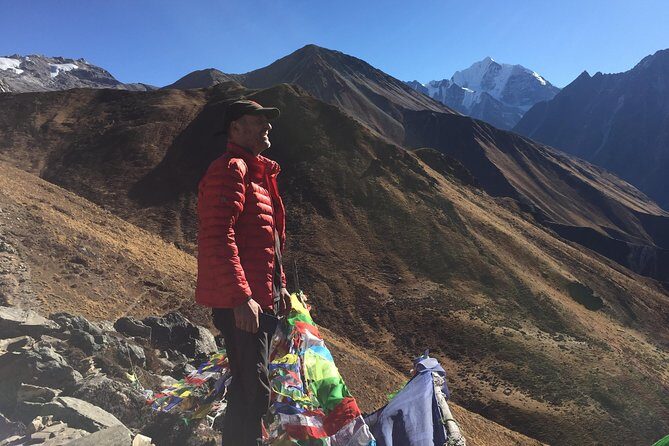
- Guide-led culture stops with real explanation of Himalayas, Buddhism, and Nepalese life, not just photo breaks
- Small-group trekking with a maximum of 15 travelers plus group discounts
- Cold-weather gear included (down jacket, sleeping bag) and a medical kit in the mix
- Reconstructed Langtang village route after the 2015 earthquake, with teahouses back in operation
- Kyangjin Gompa day with options (including Kyangjin Ri around 4300m) and monastery reconstruction to witness
- Long drives before and after (Kathmandu to Syabrubesi and back), worth planning for comfort
Why Langtang Valley feels different from the usual Nepal trek
Langtang Valley sits right near the Tibet border, and that shows up in more than geography. You’ll see it in the way villages carry on trade-route traditions and in the cultural style around monasteries and everyday life. That mix matters because the trek is not only about altitude and views. It’s also about moving through communities that feel like they belong to this region, not just a postcard stop.
One of the most meaningful parts is how the trail passes through the area affected by the 2015 earthquake. Langtang Village was destroyed, and now it’s reconstructed again, with teahouses operating. That change gives the route a grounded feeling: you’re trekking through a place that has been through real hardship and is rebuilding in front of you.
And yes, you still get the high-mountain payoff. The trek is built around the Langtang ranges and viewpoints, including sunrise-style views from higher ground like Tserko Ri (mentioned as a goal in the trip description). If you want a journey that combines culture, nature, and perspective changes over a week, Langtang is a strong pick.
You can also read our reviews of more hiking tours in Kathmandu



9 days that start with a drive and end with airport timing
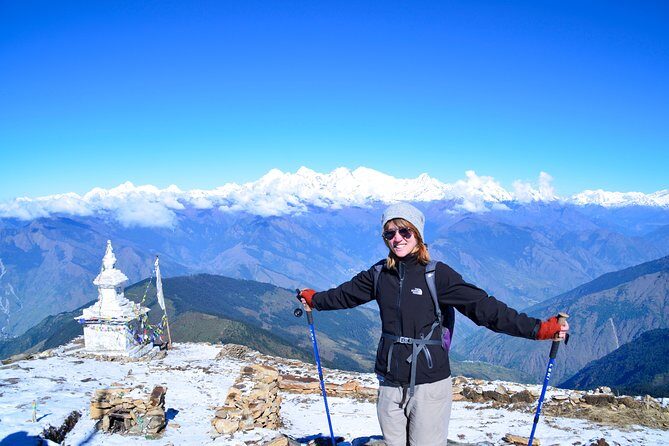
This is a 9-day overall package in Kathmandu, with trekking spread across multiple days and two major vehicle days. Expect a long, off-road Kathmandu-to-Syabrubesi drive early on, and another long return later. The trek days are timed in a way that keeps the walking hours reasonable, usually in the 6–8 hour range.
The operator also caps the group size at 15 travelers, which is one reason the pace feels less chaotic. Smaller groups also tend to make it easier for a guide to manage slower walkers, adjust rest stops, and keep everyone together around rivers and rocky sections.
The trip is described as suitable for moderate physical fitness. That’s realistic: you’ll be walking daily in mountain terrain, including careful crossings in landslide-prone zones. If you know you can handle a steady uphill day and you’re comfortable with altitude-building, you’ll likely feel good here.
Day 1 in Kathmandu: smooth arrival, then free time
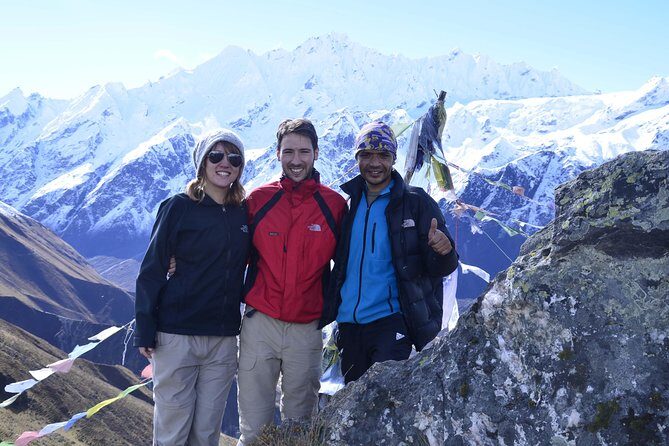
Day 1 is all about getting into place. You land at Tribhuvan International Airport, handle visa and customs, and then meet a representative holding a display card with your name. After that, you’re transferred to your hotel and assisted with check-in.
The rest of the day is free time. That’s important. Kathmandu days can be a little intense, and you want a calm block to eat something simple, hydrate, and get your gear sorted before the drive and trek begin.
Day 2 to Syabrubesi: off-road segments, Trisuli River views, and village food
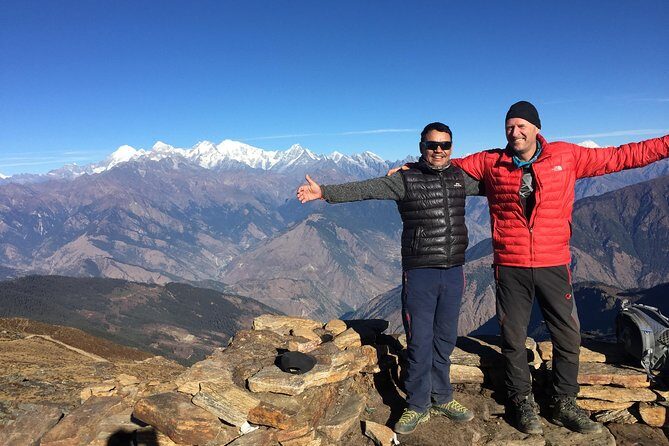
The real journey starts on Day 2 with a bus/jeep drive from Kathmandu to Syabrubesi. The drive is about 6 to 8 hours, and yes, it includes off-road segments. The payoff is that you’re not stuck staring at the road the whole way.
You’ll pass through changing scenery: start with busier outskirts, then gradually shift toward a remote feeling as you cross Dhunche. You’ll also see the raging Trisuli River, terrace farmlands, and spotted views of Ganesh Himal.
Once you reach Syabrubesi, you get fresh at a local lodge and can stroll around. People often like this part because it’s practical and low-stress: local bakery and cheese items show up, and you can take a breather with tea or coffee before tomorrow’s trekking start. Overnight in Syabrubesi keeps things simple and reduces early-morning rush.
Day 3 begins the trek: rivers, Bamboo, and a real chance of wildlife
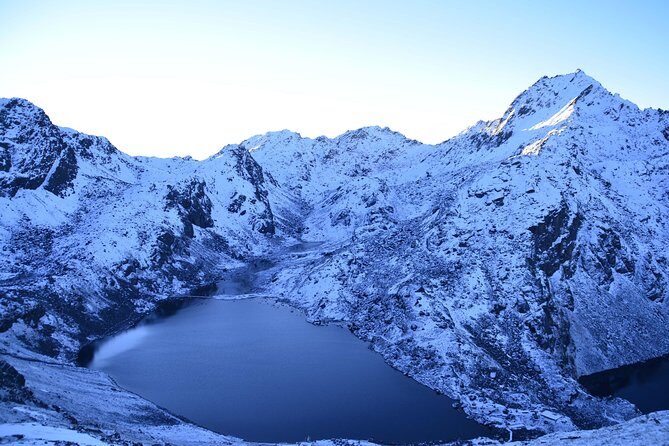
Day 3 is where you switch from vehicle to walking. After an early morning breakfast, you start with crossings that set the mood right away. The route crosses Bhote Koshi River and then Langtang Khola, with a gradual ascend toward a place called Bamboo.
A key detail here: the description flags some landslide-prone areas. That means you’ll want to move carefully, especially if the trail feels slick or uneven. This is one of those days where an experienced guide’s pacing and attention really matters.
Lunch is at a riverside location near Ramche, and then you continue onward to Lama Hotel for the night. This day also includes wildlife expectations. You might spot rare flora and fauna, including red pandas and langur monkeys. Even if you don’t see them, the fact that the route runs through varied terrain is a reason this day feels alive.






Day 4: reconstructed Langtang Village, mani stones, and dramatic peak views
On Day 4, you’ll walk through an area strongly tied to the 2015 earthquake. Langtang Village was destroyed, but it’s been rebuilt, and teahouses are operating again. That matters because it turns the trek into more than sightseeing. You’re seeing how the region has resumed daily life, one step at a time.
You stay at Langtang Village and then walk further toward Mundu village. The route includes mani stone walls and gives some excellent views, including Langtang Lirung, Changbu, and Kinshung peak.
This is also a day where you’ll likely appreciate the gradual feel. It doesn’t sound like an intense summit push; it’s more about walking into a place that looks different from the start of the valley. If you like the sense of place—villages, stonework, small paths—this is one of your best days.
Day 5 to Kyangjin Gompa: monastery work, wooden bridges, and the Kyangjin Ri choice
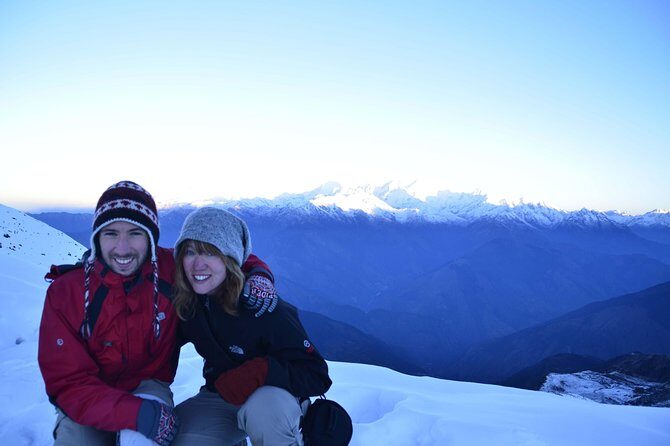
Day 5 centers on reaching Kyangjin Gompa. From Mundu, the walk to Kyangjin Gompa is described as about 2 hours of gradual ascend. You’ll go through grazing lands and cross small river streams on wooden bridges. This kind of trail can be very photogenic, but also very worth taking slow. Small bridges demand a steady step.
Two details here add depth. First, there used to be a cheese factory near Kyangjin Gompa, but it’s no longer operating. Second, the monastery is also under reconstruction. That means you’re seeing the living present of the area, not a sealed-off tourist set.
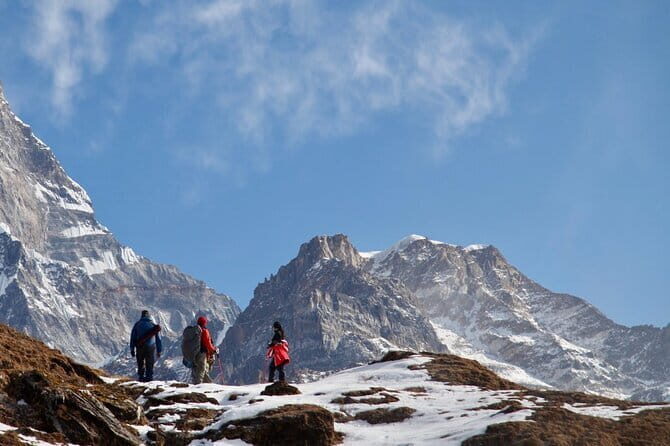
You’ll have choices for altitude today or tomorrow. If you’re up for it, there’s an optional hike from Mundu to Kyangjin Ri at roughly 4300m, then return to Kyangjin Gompa the same day. If you’d rather not go that high, you can simply arrive at Kyangjin Gompa and plan for either Kyangjin Ri or a Cherkuri hike the next day.
If you’re wondering what to choose: pick based on how your body feels after Day 4. This trek gives you more than one “way to do it,” which helps a lot when you’re traveling with mixed fitness.
Day 6: back down to Lama Hotel and the view shift that keeps it interesting
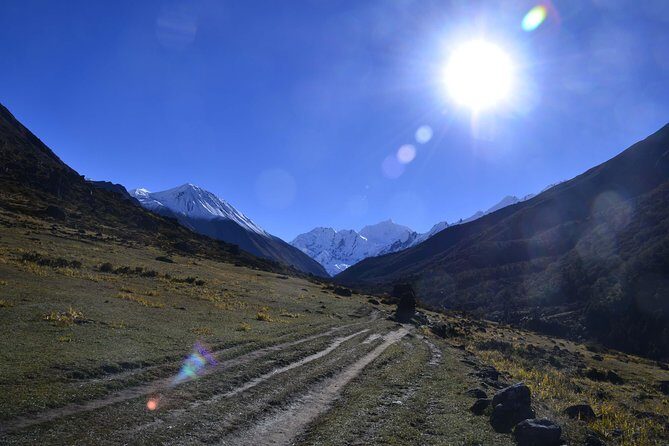
Day 6 mostly follows a descent back down via the same general route. But the direction change gives you a different perspective on terrain, river views, and village arrangements. It’s one of those hikes where your brain catches up to what you walked past yesterday.
You’ll cross Ghodatablea, then continue along the river side of Langtang Khola before reaching a tea house in Lama Hotel for overnight. A “same trail, different direction” day is a real gift. It lets you enjoy the scenery again while reducing the strain of new climbs.
Day 7: the Thulo Syabru finale with Sherpagaun and Tamang culture
Day 7 is your final walking day in this version of the Langtang trek. From Lama Hotel, you pass through Sherpagaun, described as a culturally rich Sherpa village. The scenery shifts toward greener valleys with wider views and more local settlements.
You can also choose how deep you want to go culturally and geographically. The trek description mentions that on the western side there’s a route connected to a Tamang heritage trail to Gatlang, and on the eastern side there’s an option to cross the Laurebina pass toward Gosaikunda.
In this standard trip setup, you don’t extend. Instead, you move toward the return plan with a vehicle later and head back toward Kathmandu on the next travel day. That makes Day 7 a good day for anyone who wants to end strong without stretching too far into higher passes.
Day 8 Kathmandu: recovery time that actually matters
After your last hike day, Day 8 is a morning drive back from Syabrubesi to Kathmandu, about 7 to 8 hours. When you arrive, an office representative helps with hotel check-in.
Then you get free time again through the end of the day. Use it for recovery: wash up, rehydrate, and eat something that feels easy on your stomach. Also, it’s a smart window to confirm your flight details and double-check any borrowed gear you had during the trek.
Day 9 departure: airport transfer before your international flight
Day 9 finishes with a hotel-to-airport transfer to Tribhuvan International Airport, timed to arrive about 3 hours before your scheduled international departure. You pack, you go, and the staff assists with the transition so you’re not scrambling with high-stress timing.
If you’ve ever rushed through an airport after a long trek, you know how much calmer timing helps. This format builds in that buffer.
Price and logistics: is $860 good value here?
At $860 per person, you’re paying for more than walking. The big value is that a lot of mountain-run logistics are included. You get:
- A highly experienced, helpful guide and porters (notably listed as 1 porter for 2 people), including their food, accommodation, salary, equipment, and insurance
- Permits and “all necessary paper work” handled for you
- A comprehensive medical kit
- All applicable taxes and service charges
- Cold-weather trekking gear: down jacket, four-season sleeping bag, trekking duffel bag, a t-shirt, and a trekking map
- Local support for transport between Kathmandu and Syabrubesi and back, plus private transportation included in the package summary
- Breakfast included on two days (listed as Breakfast (2))
What’s not included is also clear: your Nepal entry visa fee, international airfare and airport taxes, and most drinks. Alcoholic drinks and other drinks are listed as not included, though hot boiled drinking water and hot shower are mentioned as available.
So the value question comes down to this: if you would otherwise have to hire a guide and arrange permits yourself, and if you don’t already own proper cold-weather gear, this package helps you avoid a lot of extra spending and coordination. If you already have everything and can self-plan permits easily, the price may feel higher. But for most people, the bundled support makes it feel fair.
The human side: guides who keep the trek feeling safe and flexible
One of the strongest recurring themes in the trip feedback is the way guides and porters manage day-to-day needs. Names that come up include Himal and Shiva (and one mention of Raj Kumar alongside Shiva). What matters for you is not the names themselves—it’s the style.
Expect a guide who:
- Is helpful and attentive, not just “point and walk”
- Can explain what you’re seeing, including Himalayas, Buddhism, and Nepalese culture
- Helps with group pacing so people with different fitness levels can still finish safely
- Adjusts the plan when someone isn’t feeling well, including options to shorten or change the itinerary
That flexibility is practical on a mountain trek. Even if everything goes smoothly, you’ll benefit from a team that can read the group and respond.
Packing reality: included gear is big, but bring your essentials
This trip supplies a down jacket and four-season sleeping bag, plus a trekking duffel bag and a map. Those items are meant for your trek use and the jacket and sleeping bag are returned after the trip completion. So you can travel lighter than you would on a purely self-supported trek.
What you still need to plan for: personal trekking equipment is listed as not included, and travel/medical insurance and helicopter rescue are also not included. Also, keep drink expectations in check. Alcohol and other drinks are not included, but hot boiled drinking water and hot shower are called out.
Because cold-weather gear is provided, your packing priority should be your own comfort basics and anything you consider personally necessary. If you want fewer surprises, ask your operator what they expect you to bring specifically for personal equipment.
Who should book Langtang Valley (and who should pause)
Book this trek if you want:
- A moderate fitness trekking plan with steady daily walking
- Cultural learning alongside the hike, including Tibetan-border influence
- A structured route with a clear “arrive in Kathmandu, drive to Syabrubesi, trek to Kyangjin Gompa, return” flow
- The chance to experience reconstructed communities after the 2015 earthquake
You might want to pause if:
- You’re unsure about your footing in uneven terrain. The trek description calls out landslide-prone sections where careful steps matter.
- You’re not comfortable with altitude choices. While you can skip some options, the Kyangjin Ri option around 4300m is not trivial.
Should you book this Langtang Valley trek?
If you want a guided trek that’s not only scenic, but also organized and culturally grounded, I think booking this one makes sense. I’d especially recommend it if you’re looking to travel without needing to source cold-weather gear yourself.
Consider booking if:
- You value guide attention and practical support
- You like the idea of Kyangjin Gompa and optional higher viewpoints
- You appreciate a smaller group size (max 15)
Think twice if:
- You hate long drives and want the trek to start immediately
- You’re expecting drinks and alcohol to be included, because they’re not
FAQ
Do I get pickup in Kathmandu?
Yes. Pickup is offered as part of the trip package.
How many days is the Langtang Valley Trek?
It’s listed as 9 days approximately, starting in Kathmandu and ending with airport transfer for your departure.
What is included in the price?
Your price includes guide and porters (with porter ratio 1 porter for 2 people), permits and paper work, a comprehensive medical kit, cold-weather gear (down jacket, sleeping bag, trekking duffel, t-shirt, trekking map), taxes and service charges, transportation in the package, and breakfast on two days.
What is not included?
Not included are Nepal entry visa fees, international airfare and airport taxes, alcohol and most drinks, personal shopping and laundry, phone/internet/camera charging, personal trekking equipment, travel/medical insurance, helicopter rescue, and tips.
What kind of group size should I expect?
The maximum group size is 15 travelers.
Is there any health or fitness requirement?
You should have moderate physical fitness. The route includes careful walking in landslide-prone sections and optional higher hikes around 4300m.