REVIEW · KATHMANDU
Buddhist Pilgrimage Tour
Book on Viator →Operated by Hike On Trek · Bookable on Viator
Three days, four sacred stops, one calm rhythm. This Buddhist pilgrimage tour in Kathmandu and the Lumbini area feels like a guided walk through the ideas behind the faith, not just photos on a phone. I like how the route stays tight and focused, so you spend your limited time in the places that matter most.
I also like that the package gives you real day-to-day help: breakfast plus two lunches are included, which makes planning easier and keeps you from scrambling for meals between temples. With a small group size capped at 30 and a start time listed at 11:15 am, it has a manageable pace.
One consideration: admission tickets are not included, and that can add up depending on what you’re required to pay at each stop. Still, if you budget for that up front, the trip works well as a clean introduction to Nepal’s Buddhist pilgrimage trail.
In This Review
- Key highlights to know
- The 3-day Buddhist path: what this tour is really good for
- Day 1 in Kathmandu Durbar Square: start with a strong sense of place
- Day 2 at Swayambhunath and Boudhanath: the pilgrimage mood turns real
- Day 3 in Lumbini Monastic Site: why this stop is the emotional center
- Price and value: is $693.34 per person worth it?
- Timing, day flow, and how to plan around the 11:15 am start
- Logistics that make the trip feel easier (pickup, mobile ticket, group size)
- Who should book this Buddhist pilgrimage tour (and who might skip)
- Should you book Buddhist Pilgrimage Tour with Hike On Trek?
- FAQ
- How long is the Buddhist Pilgrimage Tour?
- What time does the tour start?
- Is pickup offered for this tour?
- Do you get a mobile ticket?
- What meals are included in the tour?
- Are admission tickets included for the stops like Kathmandu Durbar Square, Swayambhunath, Boudhanath, and Lumbini?
- What is the maximum group size?
- Is free cancellation available?
- What happens if weather is poor?
Key highlights to know
- Kathmandu to Lumbini in 3 days with a clear temple-to-temple flow
- Focused Lumbini visit centered on the Monastic Site, with nearby sacred areas like Tilaurkot and Gotihawa in mind
- Meals included: breakfast and two lunches to keep your day practical
- Mobile ticket and pickup offered so you spend less time figuring things out
- Small group limit (max 30) helps keep the experience organized
The 3-day Buddhist path: what this tour is really good for
This is the kind of tour you take when you want meaning, but you also have a clock ticking. In about three days, you cover key stops in Kathmandu and then switch gears to Lumbini Monastic Site in the larger birth-place pilgrimage area. The value here isn’t in trying to cover everything in Nepal. It’s in connecting major sites into one readable story.
You’ll start in Kathmandu with time set aside for classic landmarks and temple visits, then you end in Lumbini with a longer block dedicated to the monastery complex. That layout makes the experience feel less like hopping and more like moving through stages of devotion and reflection.
One more practical note: the tour is offered by Hike On Trek, with confirmation at booking time and a maximum of 30 people. If you like your travel days organized and not chaotic, this format tends to fit.
You can also read our reviews of more tours and experiences in Kathmandu.



Day 1 in Kathmandu Durbar Square: start with a strong sense of place
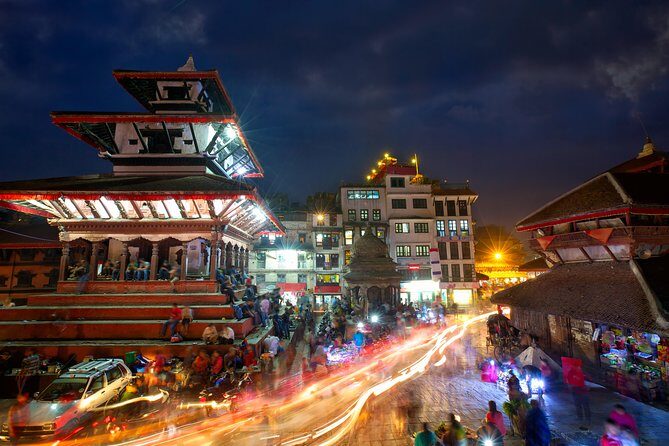
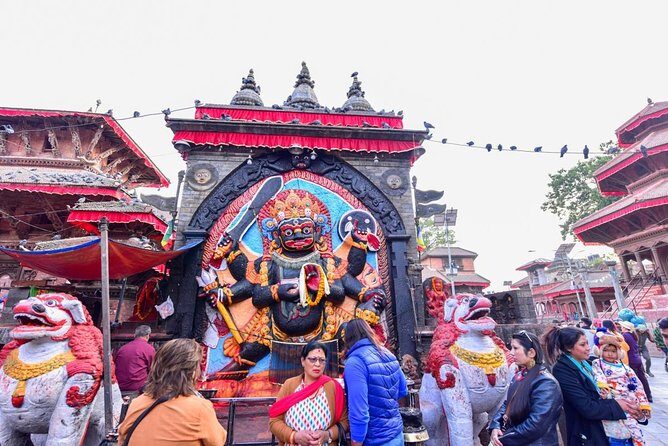
Your first stop is Kathmandu Durbar Square, with a transfer from the airport to your hotel and the option to arrange sightseeing. The key thing I like about starting here is that it anchors you in Kathmandu’s historic core before you go deeper into Buddhist sacred sites.
Durbar Square is also a smart warm-up because it helps you understand the city’s scale and atmosphere quickly. Even if you’re not a history person, you’ll get a feel for the way culture and spirituality overlap in everyday Nepal life.
The practical catch: admission is not included here. That means you should plan for extra costs on arrival and keep a little flexibility in your schedule if ticket lines or fees slow things down.
Day 2 at Swayambhunath and Boudhanath: the pilgrimage mood turns real
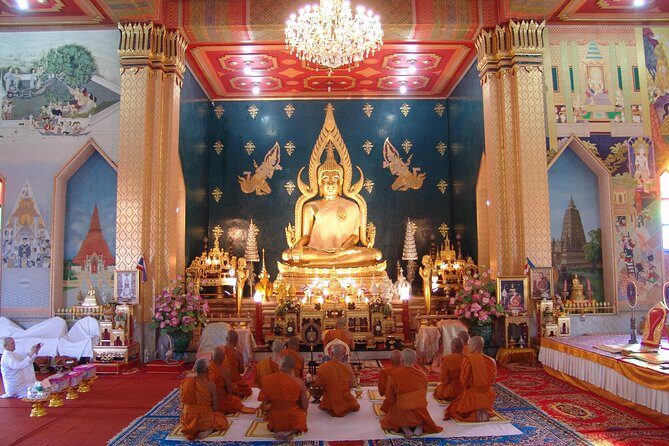
Day 2 is where the trip becomes unmistakably Buddhist. You visit Swayambhunath Temple and Boudhanath on the same day, with about two hours listed for the temple block. Doing both in one day works because these sites give you two different ways to experience devotion: one tends to feel more like a viewpoint-and-temple day, while the other is more about communal prayer and calm attention around a stupa area.
I like that the schedule gives you enough time to actually notice details without feeling rushed. These aren’t just checkboxes. When you’re surrounded by prayer activity, small gestures—quiet passing, watching people bow, observing chanting spaces—end up doing a lot of the storytelling.
Also, this is where the right guide matters. In the feedback tied to this operator, names like Deepak come up for clear direction during the trip. Another guide mentioned is Sami, praised for making the journey feel organized and meaningful. If you want the pilgrimage part to land emotionally, you’ll be glad if your guide keeps things simple and explains what you’re looking at.
Admission tickets aren’t included, so again, budget for entry fees. And if you’re sensitive to crowds or crowds moving differently than you expect, arrive with patience and keep your plans flexible.
Day 3 in Lumbini Monastic Site: why this stop is the emotional center
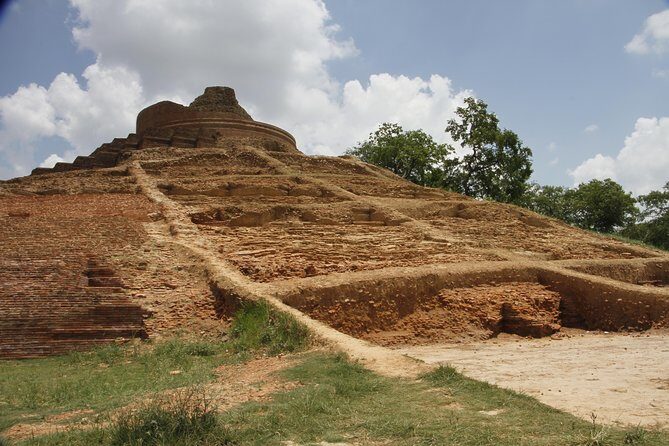
Day 3 is the long block: about four hours at Lumbini Monastic Site. This is the heart of the itinerary, and it’s also where the pilgrimage meaning shows up most clearly.
You’re visiting the monastery area connected to the birthplace devotion for Lord Siddhartha Gautam. That connection matters, because it shifts your attention away from sightseeing and toward ritual spaces—places where people come to sit, pray, and reflect.
What makes the Lumbini portion especially interesting for many people is that the tour package recommendation includes nearby sacred areas within Lumbini—specifically Tilaurkot and Gotihawa. Even if you can’t cover every site in the area, focusing on these stops keeps the day anchored to the birth-place pilgrimage narrative rather than turning it into a generic Lumbini walking tour.
One caution: because this is the main spiritual day, you don’t want it to feel stressful. If you have strong time constraints or you need lots of free time to roam at your own speed, consider whether four hours is enough for you at the monastery complex. For most people, it’s a solid dedicated window, especially paired with the shorter Kathmandu blocks.
Price and value: is $693.34 per person worth it?
At $693.34 per person for roughly three days, the best way to judge value is by what’s included versus what you’ll have to pay anyway.
Included:
- Breakfast
- Lunch (2)
- Pickup offered
- Mobile ticket
- A guided structure across the Kathmandu and Lumbini stops
- Group size max 30, which typically helps with flow
Not included:
- Admission tickets at the listed sites
- Other items and any governmental charges
So where does that leave you? If you’re someone who wants a guided route that removes guesswork, the price can feel fair. You’re paying for coordination, transportation support, and a plan that strings Kathmandu and Lumbini together without you building the whole thing yourself.
The admission-tickets gap is the biggest variable. If you’re comfortable budgeting extra for entry fees, the overall package becomes easier to justify. If you hate surprise costs, you’ll want to ask your operator what exact admissions to expect for each site before you go.
Also, compared to doing this kind of trip independently, you’re buying time and stress reduction. That’s often the real currency on short itineraries.




Timing, day flow, and how to plan around the 11:15 am start
Your meeting time is listed at 11:15 am. That detail matters because it shapes how your Day 1 will feel. You likely won’t need an ultra-early morning routine for Kathmandu Durbar Square, and you can plan a slower start in the morning before the tour begins.
The itinerary is built as a sequence of focused blocks rather than an all-day marathon. Day 1 centers on the Kathmandu Durbar Square stop, Day 2 stacks Swayambhunath and Boudhanath, and Day 3 returns to a longer visit at Lumbini Monastic Site. That pacing is helpful if you want spiritual attention without getting physically crushed.
Still, remember that pilgrimage sites can involve stairs, walking in crowds, and weather changes. You’ll be happiest if you wear comfortable shoes and keep water handy. The tour requires good weather, and if weather turns bad, the experience may be rescheduled or refunded.
Logistics that make the trip feel easier (pickup, mobile ticket, group size)
A lot of Nepal tour frustration comes from the boring stuff: finding meeting points, figuring out tickets, and managing multiple handoffs. This package tries to smooth that over.
You get pickup offered and a mobile ticket, plus the start is clearly defined. Mobile tickets are a simple upgrade, especially when you’re dealing with lines or quick entries.
The group size cap of 30 people is another meaningful detail. Big groups can turn spiritual sites into a timed shuffle. A smaller group usually gives the guide more control over pacing, and it often helps your day feel calmer.
In the feedback associated with this operator, service quality is a repeated theme. Names like Aashish appear in connection with helpful, informative planning for someone who initially had no tour plan. People also mention professionalism from a driver named Krish Alemagar, described as professional, knowledgeable, and focused on safe driving. That kind of support matters on a short itinerary where one delay can throw your whole day off.
Who should book this Buddhist pilgrimage tour (and who might skip)
This tour is a strong fit if you:
- want a short, organized intro to Buddhist pilgrimage sites in Kathmandu and Lumbini
- like having meals handled (breakfast plus two lunches)
- prefer a small-to-mid group structure with a clear route
- value guides who explain what you’re seeing so you don’t just wander
You might consider a different option if you:
- want a lot more free time at each site
- hate the idea of admissions not included
- need a slower pace for physical comfort and photo stops
If you’re traveling solo, couples, or with family members who still want a guided plan, this format often works well because it’s not too long and it keeps your days purposeful.
Should you book Buddhist Pilgrimage Tour with Hike On Trek?
I’d book this tour if you want a clean, meaningful loop through Kathmandu’s major Buddhist sites and into Lumbini Monastic Site, without spending days planning. The value comes from the structure: meals included, pickup offered, mobile ticket support, and a group size capped at 30.
Before you commit, do two things to protect your budget: factor in admission tickets you’ll pay on-site, and ask what to expect for the Lumbini portion tied to Tilaurkot and Gotihawa within the broader area. If those extra costs don’t scare you, you’ll likely appreciate how quickly the tour builds momentum toward the emotional center of the pilgrimage.
FAQ
How long is the Buddhist Pilgrimage Tour?
The tour duration is listed as 3 days (approx.).
What time does the tour start?
The start time is listed as 11:15 am.
Is pickup offered for this tour?
Yes, pickup is offered.
Do you get a mobile ticket?
Yes, a mobile ticket is included.
What meals are included in the tour?
Breakfast is included, and lunch is included twice.
Are admission tickets included for the stops like Kathmandu Durbar Square, Swayambhunath, Boudhanath, and Lumbini?
No. The tour information says admission tickets are not included.
What is the maximum group size?
The tour has a maximum of 30 travelers.
Is free cancellation available?
Yes, free cancellation is available. You can cancel up to 24 hours in advance for a full refund.
What happens if weather is poor?
The tour requires good weather. If it is canceled due to poor weather, you will be offered a different date or a full refund.