REVIEW · KATHMANDU
Smells of Kathmandu Walking Day Tour
Book on Viator →Operated by Classic Escapades · Bookable on Viator
Spice-scented streets beat any museum. On the Smells of Kathmandu Walking Day Tour, you spend about 2.5 hours threading through Old Kathmandu, with Asan market as the main stop in the Durbar Square-to-Thamel corridor. I love that the route is built around real shopping life—spices, fruit and vegetables, fish and meat, grains and pulses—so you learn what people buy every day, not just what tourists photograph. I also love the small-group feel (up to 10), which makes it easier to ask questions and get explanations at a human pace; guides such as Rajendra (praised for perfect German) and Sunil (praised for taking people into tight alleyways) are mentioned as standout parts of the experience. The one drawback to plan for is that it’s a crowded, sensory market walk—busy streets and strong smells—so go in with patience if you’re sensitive.
You can often arrange pickup, or you’ll meet at the Karmachari Sanchaya Kosh Building on Tridevi Sadak at 2:45 pm, then return to the same starting point after the walk. There’s a mobile ticket involved, and the whole tour runs in good weather, so you’ll want to keep your eyes on conditions that afternoon.
In This Review
- Key Highlights You’ll Actually Feel
- Why Asan’s Market Area Is the Smart Choice in Kathmandu
- What a 2.5-Hour Kathmandu Walk Feels Like (and Fits Into Your Day)
- Stop-by-Stop: Asan, Indrachowk, the Bead Bazaar, and the Old Kathmandu Lanes
- Asan: Where Ingredients Become Stories
- Indrachowk: A Different Street Energy
- Bead Bazaar and the Craft-Side Streets
- Passing Through Other Old Kathmandu Areas (Bangemudha, Nardevi, and More)
- The Guide Is the Whole Point: Rajendra, Sunil, and What to Listen For
- What You’ll Smell, See, and Possibly Taste (Food Isn’t Included)
- Price and Value: Is $28 Worth It for Kathmandu?
- Practical Tips for Walking Asan and Staying Comfortable
- Should You Book Smells of Kathmandu?
- FAQ
- How long is the Smells of Kathmandu Walking Day Tour?
- What time does the tour start?
- How much does the tour cost?
- Where does the tour start and end?
- Is hotel pickup available?
- How many people are in the group?
- What areas do we visit?
- What’s included in the price?
- What is not included?
- What happens if the weather is bad?
Key Highlights You’ll Actually Feel
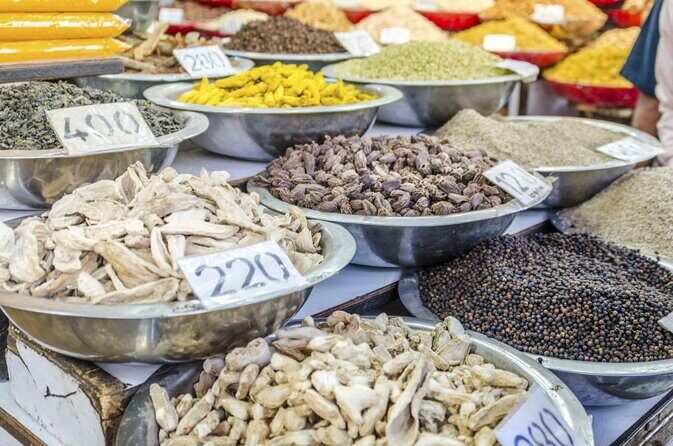
- Asan is the center of gravity for spices, produce, grains, pulses, and more
- Narrow lanes and side streets between Durbar Square and Thamel keep it local
- Indrachowk and the bead bazaar area add variety beyond just one market
- Small group size (max 10) helps the guide keep things interactive
- In-person guide focus on ingredients, stories, and practical context
Why Asan’s Market Area Is the Smart Choice in Kathmandu
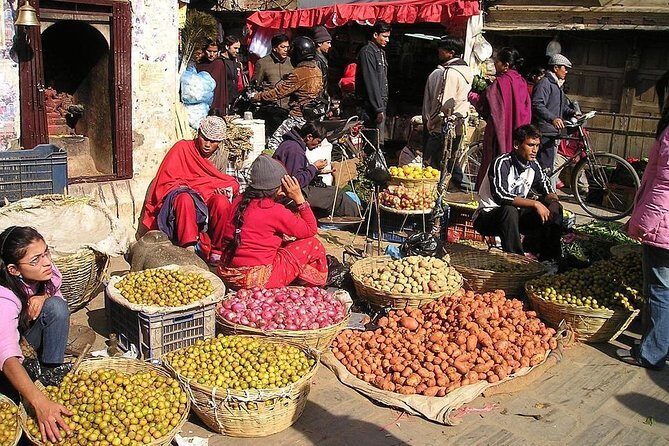
If you want Kathmandu to make sense, start where people shop for daily life. Asan is exactly that kind of place. Rather than treating the city like a set of monuments, this walking tour orients you to the food system and everyday economy of Old Kathmandu.
You’ll spend most of your time in the market area between Durbar Square and Thamel. That matters because it’s the sweet spot where visitors start to run out of “main street” comfort, and where locals are still doing routine tasks—buying, bargaining, moving through tight lanes, and spotting what’s fresh. It’s also why this experience earns such high praise: it’s not an observation-only walk. You’re surrounded by the raw materials of meals and daily living, so the explanations land fast.
And yes, the smells are part of the point. Spices, herbs, and food ingredients create a constant background layer. It’s not a gimmick; it’s how markets work. You’ll also get the sense of scale. You see how many categories of goods people handle in one compact area—produce, grains, pulses, and animal products—so you understand why this neighborhood stays busy.
You can also read our reviews of more walking tours in Kathmandu

What a 2.5-Hour Kathmandu Walk Feels Like (and Fits Into Your Day)
This tour runs about 2.5 hours. That timing is ideal for Kathmandu, where afternoons can turn into traffic chaos and where walking in the heat (or after rain) can change the experience fast. Starting at 2:45 pm gives you a useful rhythm: enough daylight to explore, but not so late that you’re scrambling for dinner.
The pace is built for walking through markets and alleys rather than long-distance sightseeing. You’re not covering the entire city. Instead, you’re getting a dense look at a specific area, which is what makes this type of tour so effective. In a short time, you can go from recognizable tourism zones into more local street patterns—without needing to fight your way through navigation.
You also return to the same meeting point after the tour. That small detail is surprisingly comforting. You don’t have to figure out transportation or plot your own route home through unfamiliar streets while your brain is full of new sights and smells.
Two more practical notes matter for comfort:
- Small group size (max 10): you’re not stuck behind a parade of strangers.
- Weather matters: the tour requires good weather. If conditions are poor, you’ll be offered a different date or a full refund. So keep plans flexible that afternoon.
Stop-by-Stop: Asan, Indrachowk, the Bead Bazaar, and the Old Kathmandu Lanes
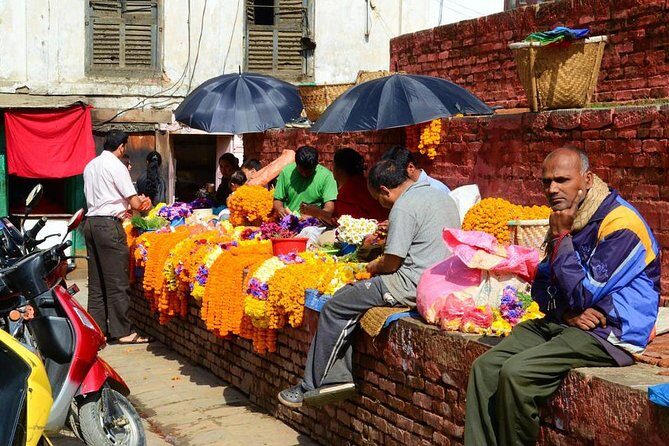
Here’s what you can expect as you move through the Old Kathmandu surroundings.
Asan: Where Ingredients Become Stories
Asan is the anchor. The emphasis is on local ingredients you’d use to cook or stock a household: spices, fruit and vegetables, fish, meat, grains, and pulses. The guide’s job is to point out what’s in front of you and explain what it means in everyday terms.
Why this is valuable is simple: markets teach you through your senses. You’re not just reading about ingredients; you’re standing beside them. That makes it easier to remember what you see later when you order food, shop for snacks, or try to name things at a grocery stall.
Asan also helps you read the city. You start noticing patterns: where certain goods cluster, how people move, and how sellers present products. Even if you don’t plan to buy anything, it’s a fast education in how commerce works at street level.
One practical consideration: because it’s a major market hub, it can be crowded and noisy. Keep your focus on the guide and your group, especially in tighter lanes where foot traffic flows quickly.
Indrachowk: A Different Street Energy
From Asan you move toward other local stops in the area, including Indrachowk. This gives the tour more balance. Indrachowk isn’t just “more market.” It changes the texture of what you’re seeing—street flow, storefront style, and the feeling of different local rhythms.
That variety matters because it prevents the walk from becoming repetitive. You’re still learning about day-to-day Kathmandu shopping, but you’re also learning how neighborhoods create their own micro-environments.





Bead Bazaar and the Craft-Side Streets
The bead bazaar area adds a craft angle to the ingredients-heavy market world. Even if you don’t buy beads or jewelry, it helps you understand that this part of Kathmandu isn’t only about food. It’s also about materials, making, and the supply chains that support local artisans and commerce.
This is a good moment to slow down and look closely. You’ll see how goods are arranged and how customers browse. Guides often use these stops to connect dots between what you’re watching and how the city’s trades fit together.
Passing Through Other Old Kathmandu Areas (Bangemudha, Nardevi, and More)
The tour also references surrounding areas such as Bangemudha and Nardevi as part of the Old Kathmandu walk. In practice, this means you’re not limited to one lane system. You’ll be guided through nearby parts of the neighborhood mosaic—enough to feel like you’re moving through “real streets,” not only crossing from one point to another.
If you like street-level atmosphere, this “around the edge of other areas” effect is what makes the experience feel bigger than its 2.5-hour duration.
The Guide Is the Whole Point: Rajendra, Sunil, and What to Listen For
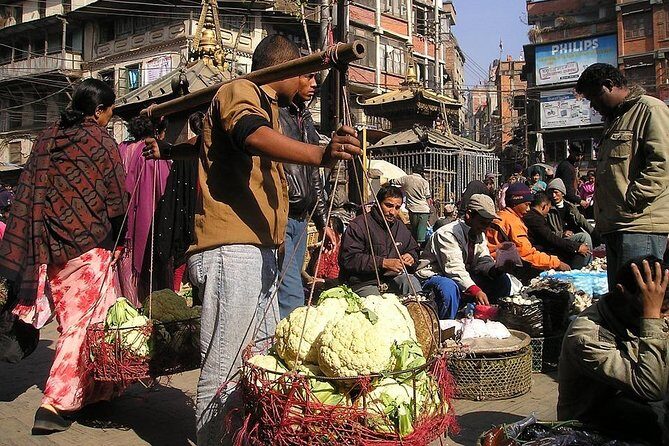
On paper, this tour is about markets. In real life, it’s about interpretation. The tour’s standout value is the in-person guide and how they connect what you see to how Kathmandu functions.
Two guide examples show the range:
- Rajendra has been praised for speaking perfect German and explaining everything clearly during the walk.
- Sunil has been praised for taking visitors into narrow streets and alleyways that many tourists skip, while sharing detailed context about daily life.
Even if your guide isn’t the same person, aim to get the same outcome: explanations that translate the street scene into something you can actually use.
When you’re on the walk, here’s what to pay attention to (these are the kinds of details that make the stories stick):
- Ingredient categories: spice vs. herb vs. grain vs. pulse, and how sellers group them
- Where things appear: what’s easy to spot and what needs a second look
- Local language cues: your guide may point out names of items so you can recognize them later in shops or on menus
- How people move: crowds behave differently inside market corridors than along wider streets
If you want to learn, ask practical questions. Things like what’s used most often, how people choose fresh produce, or what a certain spice blend is typically for. The tour is designed for that kind of interaction.
What You’ll Smell, See, and Possibly Taste (Food Isn’t Included)
The title says it all: smells of Kathmandu. That’s your first sensory clue that this won’t be a quiet, postcard-style stroll.
You’ll encounter strong aromas from spices and food goods, and you may notice a mix of sweet, earthy, and savory scents depending on where you are within the market. It’s not “one smell.” It’s a rotating set of impressions as you pass between different categories—produce, dry goods, meat and fish areas, and spice stalls.
Food and drinks are not included, and that’s important for managing expectations. This tour is about observation and ingredient knowledge, not a meal.
That said, the experience can include small tastings depending on the guide. One guest described being taken to a local place to try delicious tea. So think of it as opportunities rather than a guaranteed included snack. Bring a bit of flexibility, and if you need a caffeine or sugar break, you’re probably close enough to local spots for a quick pause.
Also, shopping isn’t included. If you do buy something, treat it like any market purchase: keep your hand on your bag, check quality with the guide’s help, and remember that prices can be part of the conversation.
Price and Value: Is $28 Worth It for Kathmandu?
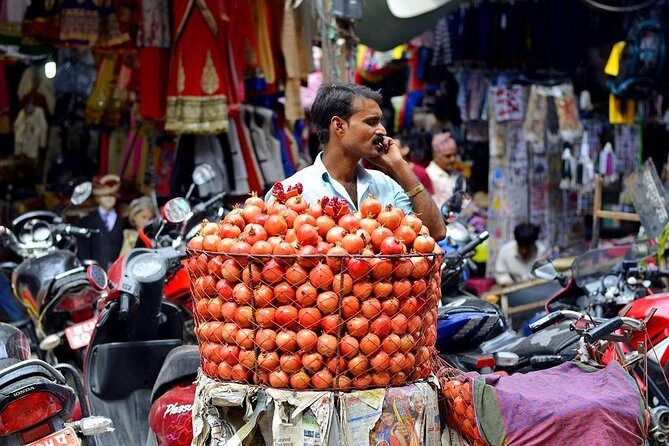
At $28 per person for an in-person guided walk lasting about 2.5 hours, this tour is positioned as a budget-friendly way to get real context. You’re not paying for private transport or museum entrance fees. You’re paying for a local guide to interpret a tightly packed area of everyday life.
So the “value question” is really this: do you want to understand the market you’re walking through, or do you just want to pass through it?
If you want understanding, this price makes sense because:
- You get expert information while you walk, not just at the start or end.
- The group stays small (max 10), which tends to improve the quality of interaction.
- The tour centers on ingredient categories you can use later—at restaurants, home cooking, or even when bargaining at a stall.
One more small perk: the tour includes an admission ticket as listed. The details of what that covers aren’t spelled out here, but the practical effect for you is that there’s one less thing to figure out mid-walk.
If you prefer self-guided wandering with minimal talking, you might feel the price is less justified. But if you like asking questions and learning names, uses, and habits, this feels like a fair trade.
Practical Tips for Walking Asan and Staying Comfortable
Market walks reward preparation. Here’s what I’d do to make the experience easy on you.
- Wear closed-toe shoes with grip. You’ll be on uneven surfaces and in tight lanes.
- Bring something for strong smells if you’re sensitive—light scarf or simply keep your expectations realistic.
- Keep water handy, even though drinks aren’t included. You’ll likely want sips after time in busy streets.
- Go with a simple plan: look, learn, then decide if you want to buy. Markets can get tempting fast.
- Use the guide as your filter. If you don’t know what you’re looking at, ask. Guides can steer you to the right stalls and explain categories so you don’t waste time guessing.
Pickup is possible. If you’re staying near the action, hotel pickup can save time and stress. If you’re meeting at the start point, plan to arrive early enough to find the exact building without rushing.
Finally, since the tour needs good weather, check conditions that afternoon. If it’s rained recently or the streets are slick, you’ll be happier with solid footing and a plan for timing.
Should You Book Smells of Kathmandu?
I’d book this Kathmandu walking tour if you want a practical, street-level understanding of Kathmandu. It’s especially good for:
- first-timers who feel overwhelmed by the number of sights
- food-minded travelers who like markets and ingredients
- anyone who likes chatting with a guide and learning names, not just taking photos
- travelers who want to stay in a focused area for a short time instead of crisscrossing the city
Skip it or approach with caution if you:
- dislike crowds or strong odors
- need a quiet, minimal-walking experience
- don’t want to spend time in market areas at all
For the money, the experience earns its reputation: it puts you in the heart of Kathmandu shopping life—Asan first, then nearby streets like Indrachowk and the bead bazaar area—so you leave with a better mental map of how people live, buy, and cook.
FAQ
How long is the Smells of Kathmandu Walking Day Tour?
It lasts about 2 hours 30 minutes (approx.).
What time does the tour start?
The start time is 2:45 pm.
How much does the tour cost?
The price is $28.00 per person.
Where does the tour start and end?
It starts at Karmachari Sanchaya Kosh Building, Tridevi Sadak, Kathmandu 44600, Nepal, and ends back at the same point.
Is hotel pickup available?
Hotel pick up can be arranged.
How many people are in the group?
The tour has a maximum of 10 travelers.
What areas do we visit?
You’ll spend most of your time around Asan, and also visit other local spots such as Indrachowk and the bead bazaar area. The route includes Old Kathmandu surroundings like Bangemudha and Nardevi as well.
What’s included in the price?
An in-person guide with expert information and a cultural experience are included, and an admission ticket is listed as included.
What is not included?
Gratuities, food, drinks, shopping, and similar items are not included.
What happens if the weather is bad?
This experience requires good weather. If it’s canceled due to poor weather, you’ll be offered a different date or a full refund. You can also cancel for free up to 24 hours in advance.