REVIEW · KATHMANDU
14 Day – Everest Base Camp Trek
Book on Viator →Operated by Overland Trek Nepal · Bookable on Viator
A flight that feels like a dare. This 14-day Everest Base Camp trek pairs the rush of a Lukla arrival with the payoff of Kala Pattar sunrise views, plus real time to acclimatize in the Namche Bazaar area. I like the strong basic structure: tea house nights, a clear climb-and-recover rhythm, and an English-speaking guide who keeps the group moving at altitude. One consideration: this is high-altitude trekking, and the route depends on weather and cold conditions, so you’ll want a realistic fitness base and flexible expectations.
What makes this one stand out is how “handled” it feels without turning it into a theme park. You get pickup in Kathmandu, airport transfers, two nights in a Kathmandu hotel, domestic flights Kathmandu to Lukla and back, plus Everest National Park entry permits and a TIMS card. You also have a porter support model designed to keep your hiking focused on walking, not hauling everything yourself.
Is it perfect? Nothing on Everest is. The bigger trade-off is that the trek is built around time in mountain air and long days on foot, so if you want warm comfort, guaranteed smooth weather, or a luxury hotel experience every night, you may end up disappointed.
In This Review
- Key highlights you’ll feel on the trail
- Everest Base Camp in 14 Days: the value is in the pacing
- Kathmandu arrival and prep: more than just a hotel night
- Lukla flight to Phakding: the start that sets the tone
- Namche Bazaar acclimatization: the view day with a purpose
- Tengboche and Dingboche: monasteries, prayer, and cooler air
- Lobuche and Gorakshep: when Everest starts to feel real
- Kala Pattar sunrise: the pre-dawn push is worth it
- The descent: Pheriche to Namche to Lukla, step by step
- Price and logistics: what you pay for, and what you’ll still need
- Guides and porter help: support you can feel when altitude gets loud
- Cold, altitude, and the reality of teahouses
- Gear and training: what you should plan before you go
- Who this trek fits best
- Should you book this Everest Base Camp trek?
- FAQ
- What is included in the trek price?
- How long is the Everest Base Camp trek?
- Do you fly to Lukla or hike from Kathmandu?
- Where does the tour start and what time?
- What fitness level do I need?
- What happens if weather is poor?
Key highlights you’ll feel on the trail
- Lukla flight start: a short hop that instantly drops you into mountain trekking mode
- Kala Pattar sunrise run: early hike to a high viewpoint at 5550m for the Everest panorama
- Acclimatization breathing space: dedicated rest days in Namche Bazaar and Dingboche
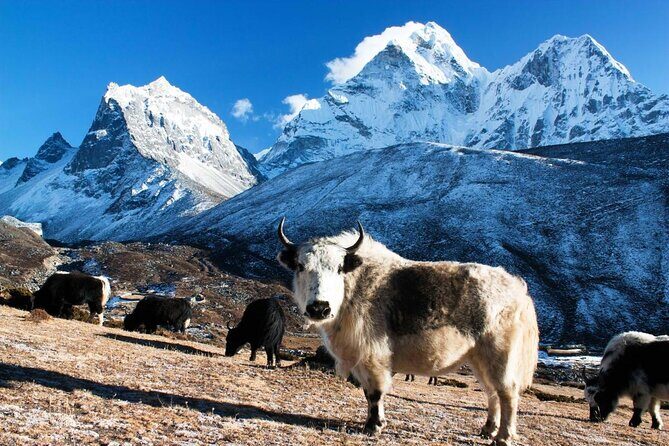
- Tea house nights: simple lodging that keeps logistics manageable in the Khumbu region
- Private-group feel: only your group participates, so pacing and questions get easier
- Porter support system: 1 porter for every 2 people to carry part of the load
Everest Base Camp in 14 Days: the value is in the pacing
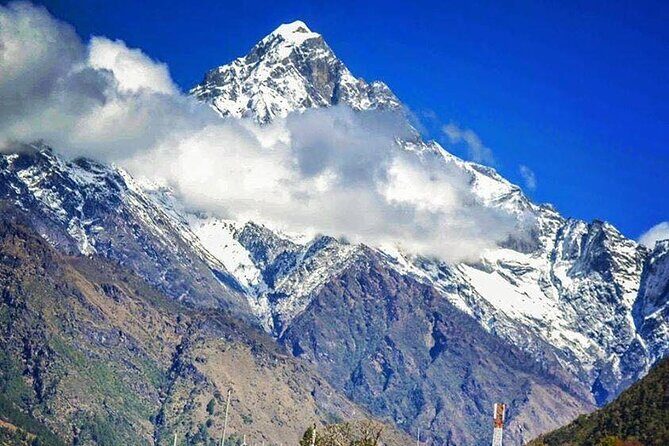
The Everest Base Camp trek is famous for a reason: it’s not just one viewpoint. It’s a slow build. You go from busy Kathmandu energy to the quiet rhythm of the Khumbu Valley, with altitude climbing step by step. The final pay-off is the feeling of arriving at 5364m Everest Base Camp, then looking at the mountain up close like it’s finally stopped being a distant symbol.
This specific plan keeps the experience practical. You’re not pushed on every single day like a speedrun. Instead, you climb, recover, and climb again. That matters because altitude is the real boss on this trek. A well-timed rest day in the right place can be the difference between feeling steady and feeling wrecked.
Also, the cultural layer is always there. Even though the goal is Everest, you pass through Sherpa communities and monasteries, and you’ll notice how mountain life shapes everything from trail behavior to teahouse routines.
You can also read our reviews of more hiking tours in Kathmandu


Kathmandu arrival and prep: more than just a hotel night
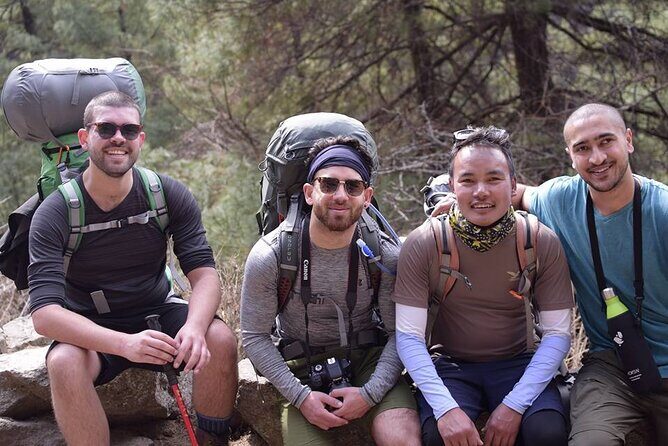
You’ll land in Kathmandu and get transferred to your hotel for preparation and overnight. This matters because Kathmandu isn’t just a waiting room. It’s where you sort out small things that affect your trek comfort: what you’re wearing, what you’re storing, and how you’re managing water and layers.
With two nights in Kathmandu included, you’re not forced to sprint straight from the airport into packing chaos. That’s good value, especially if you’re coming in from a long-haul flight and you want time to get your bearings fast, not late at night.
If you’re the type who likes a little structure, you’ll probably appreciate what’s included before you even hit the mountains: airport pick up and drop, domestic flight tickets, and the paper trail basics like TIMS and park permits.
Lukla flight to Phakding: the start that sets the tone
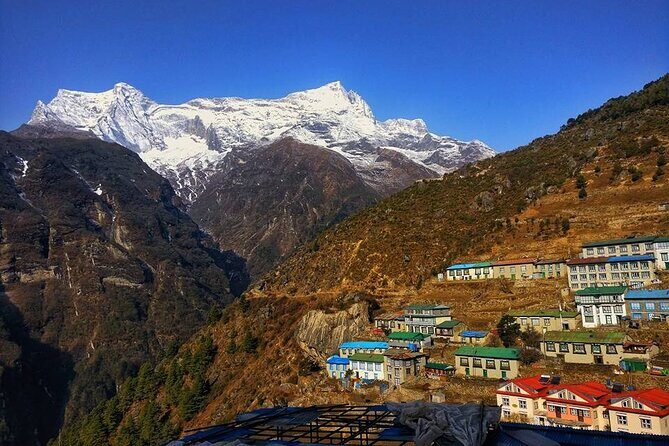
Day one of the trekking arc is a flight from Kathmandu to Lukla (about 40 minutes) at roughly 2840m. Then you’ll eat breakfast in Lukla and start hiking to Phakding around 2610m. That combination is a classic Everest move: you gain elevation quickly, then you start walking gently rather than immediately going for broke.
What I like about this approach is the immediate contrast. In a few hours you shift from city gravity to mountain gravity. Your body is learning the altitude before you’re committed to a deep climb.
Phakding is also the kind of first trekking town that helps you find your rhythm. It’s early enough in the trip that you can still feel curious instead of purely focused on survival.
Namche Bazaar acclimatization: the view day with a purpose
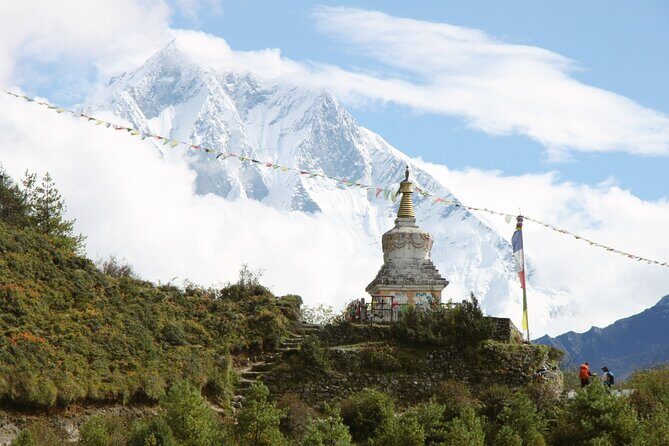
Namche Bazaar sits around 3440m, and the plan includes an acclimatization day there. This isn’t a free day. It’s a strategic reset. You rest, explore, and enjoy the views while your body adjusts to higher altitude.
Why this is so valuable: Namche helps you build lung tolerance gradually before you push higher toward places like Tengboche and Dingboche. You’re not just sightseeing. You’re practicing altitude life: walking slowly, drinking water, and paying attention to how you feel.
This is also where the trek starts to feel more human. You’ll see daily mountain routines, teahouse bustle, and the local rhythm of people moving through the same valleys you’re trekking.
Tengboche and Dingboche: monasteries, prayer, and cooler air
After Namche, you hike toward Tengboche at about 3868m, then continue to Dingboche at around 4410m. The trek includes time at Tengboche and then a dedicated acclimatization day at Dingboche.
This is where the mountains start to look less like scenery and more like weather systems. The air gets thinner, and temperature swings become more noticeable. Tengboche, in particular, is famous for the spiritual presence in the Khumbu region. Even if you don’t chase religious sites, it adds texture to the trek beyond the climb math.
Dingboche’s acclimatization day is another safety net built into the route. You get time to settle in around 4410m and continue adjusting. Done right, it reduces the chance you’ll feel hit-and-miss later when the altitude peaks climb toward higher camps.






Lobuche and Gorakshep: when Everest starts to feel real
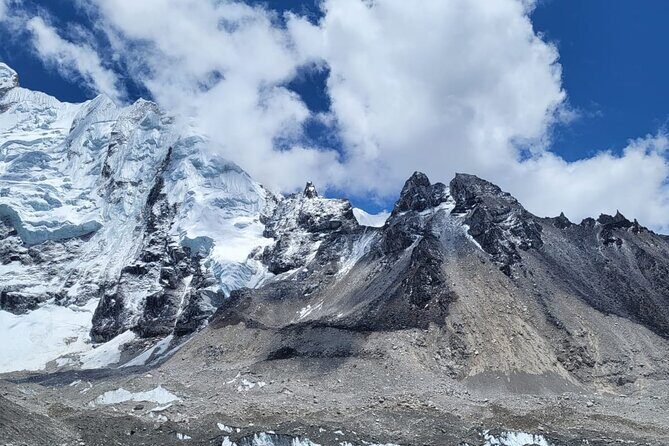
From Dingboche you climb to Lobuche at roughly 4910m, then continue up to Gorakshep near 5180m. From Gorakshep you reach Everest Base Camp at about 5364m, with an overnight back in Gorakshep.
This stretch is a grind. Not because it’s chaotic, but because each step costs more energy. You’ll feel the altitude in your breathing, your legs, and your sleep. This is also when teahouse routines become important. Warm drinks, simple meals, and consistent timing help more than you’d think.
The Base Camp day is the emotional peak for most people. You’re in the zone where the world of Everest logistics turns into the world of your own human effort. Even if you’ve seen photos, the scale hits differently in person.
Kala Pattar sunrise: the pre-dawn push is worth it
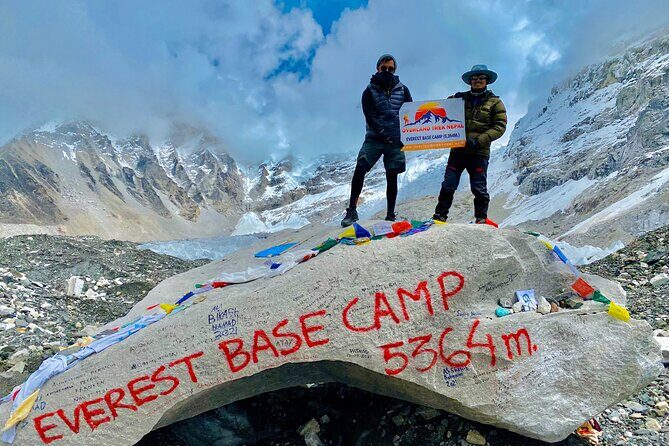
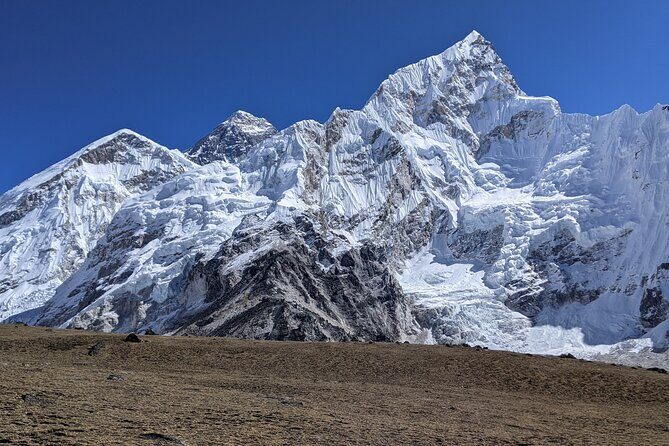
The plan includes an early morning hike to Kala Pattar at 5550m to catch sunrise views of the Everest range, then you return for breakfast and trek down to Pheriche around 4240m.
This is one of those choices that either feels magical or feels brutal, depending on how well your acclimatization went. But sunrise from Kala Pattar is also one of the most classic Everest experiences because you’re high enough to see the terrain in layers, not just one peak.
I like that this trek doesn’t hide the effort. You start early, you climb higher than Base Camp, and you earn the view. Then you come back down before your body fully resets.
The descent: Pheriche to Namche to Lukla, step by step
After Kala Pattar, you trek from Pheriche back toward Namche Bazaar at 3440m, then on to Lukla at around 2840m. That descent is longer than you might expect because you’re still hiking daily, just without the same intensity of climbing.
The practical win here is recovery. Descending lowers altitude stress and gives your body time to breathe easier. Mentally, it also helps you enjoy the trail again instead of just staring at your next step.
By the time you reach Lukla, you’ve basically completed the full Everest rhythm: climb, adjust, reach the big objective, then return with your altitude experience intact.
Price and logistics: what you pay for, and what you’ll still need
At $2,000 per person for a 14-day trek, the value is in the systems. You’re not just buying a hiking route. You’re paying for:
- Private-group support (your group only)
- Airport transfers and domestic flights Kathmandu to Lukla and back
- Everest National Park entry permits and a TIMS card
- Tea house accommodation during the trek
- An English-speaking guide
- Porter service with a ratio of 1 porter between 2 people
- Meals that include breakfasts, lunches, and dinners during the trek
- Insurance and a medical kit
- Kathmandu hotel support (two nights) plus small trail snacks like Snickers and Oreo peanut items
- Trip items like a duffel bag and a t-shirt
- A trip certificate
What’s not included is where you’ll need to plan personally:
- Your Nepal entry visa and any international airfare
- Personal equipment (this can be the biggest cost if you’re not already set up)
- Tips for guide and porter (tipping is expected)
- Personal expenses like battery charging, hot shower water, cold drinks, and other add-ons
In plain terms: if you don’t already own the gear and you still need a Nepal visa and international flights, your real total will be more than $2,000. But if you’re set for gear and only need the basics covered, this price can feel reasonable for the included transport, permits, and on-the-ground support.
Guides and porter help: support you can feel when altitude gets loud
The guide side matters on this trek because altitude creates confusion. You can’t always tell if you’re tired or unwell, and pacing mistakes become expensive fast.
This trip includes an English-speaking guide, plus porter support designed so you carry less. When you’re moving for hours at high elevation, carrying a heavy load can turn ordinary walking into a constant uphill battle. The included porter model (1 porter per 2 people) is one of those details that improves your odds of finishing feeling human.
In the feedback you’ll see names like Nick, Lopsang, Tenjing, Pramish, and Unish showing up as strong points for organization and support. The common thread is not just friendliness. It’s problem-solving and calm handling when the mountain or logistics don’t go perfectly.
If you’re trekking with a group where people have different fitness levels, a good guide and porter system helps keep the whole crew together without turning the hike into a competition.
Cold, altitude, and the reality of teahouses
Even when the days are well paced, this is still a cold and wild-mountain environment. You’ll likely feel it most at night and during the early morning hours, especially around higher elevations and on sunrise days.
Tea houses are the standard approach on this route, and the plan includes them for lodging. That means you’re not camping in the high cold, but you should still expect simple comforts. Rooms can be basic, heating may be limited, and you’ll want to rely on your layers more than your bedding.
Also remember that some conveniences are not included. The plan doesn’t promise hot showers or extra drinks. Battery charging and hot water costs can add up, so it’s smart to budget a little for these small things.
Gear and training: what you should plan before you go
The tour data doesn’t list a gear checklist, so I’m not going to pretend it does. But you can still plan smarter before you arrive by focusing on what the route punishes:
- Cold mornings and chilly evenings (layering beats single heavy items)
- Breathing effort at altitude (train for steady aerobic effort)
- Foot comfort for long days on trail
- Water management and snacks, since included meals will not cover every craving you’ll have at altitude
If you’re coming from a low-activity routine, start training now. Think long walks, moderate hills, and consistent pace. The plan requires moderate physical fitness, which is code for: you should be able to walk daily and not panic when the trail gets steep or slow.
Who this trek fits best
This is a good match if you:
- Want Everest Base Camp with an established route and a support team
- Prefer tea house trekking rather than camping
- Like structure: guides, permits, meals, and transportation handled for you
- Are okay with cold weather realities and high-altitude fatigue
It may not fit you if:
- You want luxury comfort and frequent private bathrooms
- You’re not comfortable with altitude and multi-day hiking
- You need guaranteed flight certainty regardless of weather (the experience depends on good conditions)
Should you book this Everest Base Camp trek?
I’d book it if you want a classic Everest route with practical logistics and real altitude pacing. The combination of Kathmandu prep, Lukla start, acclimatization stops, Base Camp, and Kala Pattar makes it feel like a complete Everest story rather than a rushed checklist.
I’d think twice if you’re expecting warm comfort, easy walking, or a plan that never changes. High elevation doesn’t care about schedules. What you can control is your fitness, your layering, and your attitude.
If you’re ready to work steadily, follow guidance, and trade modern comfort for mountain reality, this is the kind of trek that gives you a memory you won’t need to edit.
FAQ
What is included in the trek price?
The price includes airport pick up and drop in Kathmandu, TIMS card, Everest National Park entry permits, tea house accommodation during the trek, an English-speaking guide, porter service (1 porter between 2 people), insurance for the trip, and meals (breakfasts, lunches, and dinners). It also includes domestic flights round trip between Kathmandu and Lukla, two nights of hotel in Kathmandu, and items like a duffel bag and a t-shirt.
How long is the Everest Base Camp trek?
It’s listed as a 14-day trek (approx.).
Do you fly to Lukla or hike from Kathmandu?
You’ll fly from Kathmandu to Lukla (about 40 minutes) and later fly back from Lukla to Kathmandu.
Where does the tour start and what time?
Start is at Alpine Hotel & Apartment near Manang Hotel in Kathmandu, with a listed start time of 6:15 am. The meeting point is also listed along Chaksibari Marg.
What fitness level do I need?
The plan says travelers should have moderate physical fitness level.
What happens if weather is poor?
The experience requires good weather. If it’s canceled due to poor weather, you’ll be offered a different date or a full refund.