REVIEW · POKHARA
4 Days Poon Hill Trek from Pokhara
Book on Viator →Operated by Dream Noble Adventure (DNA) · Bookable on Viator
Four days to Annapurna sunrise sounds unreal. This Poon Hill trek is built for big Himalayan views in a short time, with a classic 3210m sunrise payoff and a chance to see remote villages along the route.
I also like the practical package basics: hotel pickup and drop-off, an English-speaking trekking guide, and guest house accommodation during the hike. It cuts down on the usual Nepal-travel stress.
One thing to plan for: meals are not included, and several trekking days are long (around 8 hours). If you hate carrying snacks or keeping a steady pace, budget extra time and food.
In This Review
- Quick take
- Why Poon Hill Gets Picked for a 4-Day Trek from Pokhara
- Price and Logistics: What $280 Per Person Actually Covers
- Getting Started: The Pokhara Drive and Ulleri (1990m)
- Ulleri to Ghorepani (2880m): The Big Step Up
- The Poon Hill Day (3210m): Sunrise Without a Long Commitment
- Tadapani to Ghandruk: Finishing with a Gurung Village Feel
- The Best Part: A Real Private Trek with Included Guide and Permits
- What You Need to Budget Beyond the Trek Price
- Who This Trek Fits Best (And Who Might Reconsider)
- Small Details That Make the Trek Feel Easier
- Should You Book This Poon Hill Trek from Pokhara?
- FAQ
- How long is the Poon Hill trek from Pokhara?
- What is the highest altitude on this trek?
- What are the trekking stops on the route?
- Is hotel pickup and drop-off included?
- Is an English-speaking trekking guide provided?
- Are trekking permits and TIMS card included?
- Are meals included in the price?
- Is this a private tour?
- Do I need to cancel far in advance for a refund?
- What if I have special needs for animals?
Quick take
- Sunrise at Poon Hill (3210m) with Annapurna views that make the early start worth it
- Four-day route linking Ulleri, Ghorepani, Tadapani, and Ghandruk
- English guide + permits included, so you can focus on walking, not paperwork
- Private trip for your group, even though pricing may offer group discounts
- Guesthouse stays included, but you’ll still want a meal budget
Why Poon Hill Gets Picked for a 4-Day Trek from Pokhara
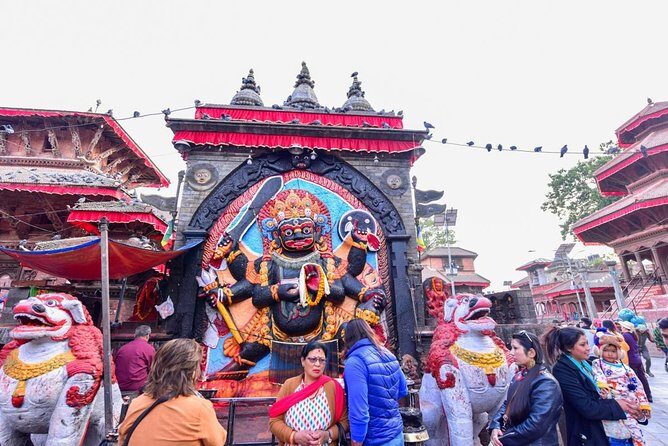
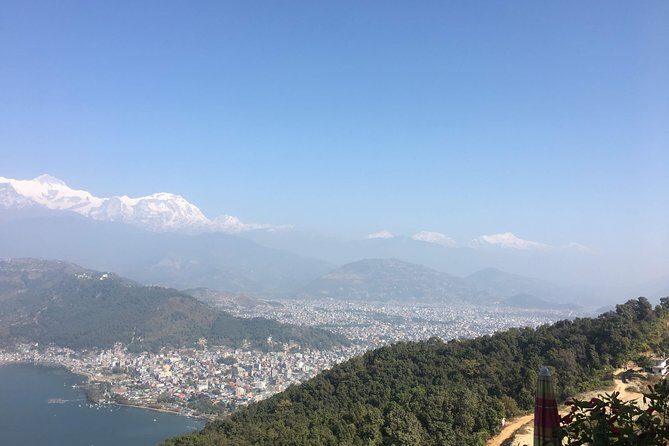
Poon Hill has a reputation for a reason. You’re aiming for a sunrise moment with wide mountain views, and this trek compresses the experience into about four days. Starting from Pokhara means you’re also tapping into Nepal’s easier side of logistics: you can get oriented quickly, then step into a quieter, rural world on foot.
What I like most about doing it this way is the balance between effort and reward. You get multiple village stops and a real trekking rhythm, but you’re not committing to a long, multi-week grind. The route is also designed around altitude that builds step-by-step, with Poon Hill topping out at 3210 meters.
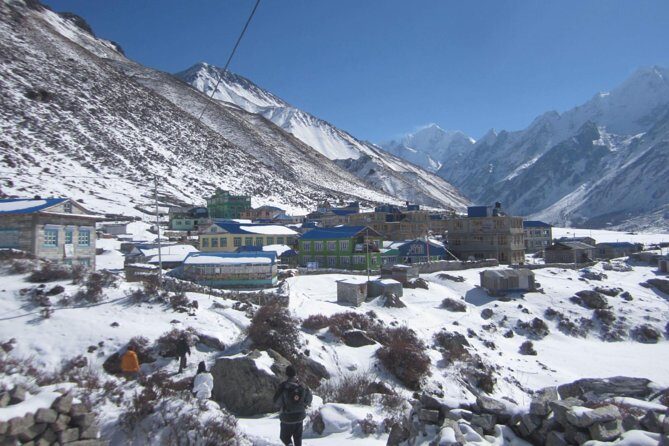
The other reason this trek stays popular: it’s not only about the view. You’ll pass through places that reflect local life, and Ghandruk is called out as a rural Gurung village—a cultural contrast to the busy start in Pokhara.
You can also read our reviews of more hiking tours in Pokhara
Price and Logistics: What $280 Per Person Actually Covers
At $280 per person, this trek is priced as a mid-range guided package. The key is that several essentials are included, which is where many trekking budgets quietly explode.
What’s included (based on the tour details):
- Private trip (only your group participates)
- Guesthouse accommodation
- English-speaking trekking guide
- Hotel pickup and drop-off
- Trekking permit and TIMS card
Also included:
- Mobile ticket
- Group discounts are mentioned as a feature, which can matter if you’re traveling with friends or family
What’s not included:
- Meals (all meals and personal expenses)
- Alcoholic drinks
- Optional gratuity
- Rescue costs in an emergency
That last part is worth thinking about. When rescue isn’t included, it doesn’t mean something will go wrong. It just means you should travel with appropriate readiness—good footwear, realistic pace, and basic travel insurance if you already use that.
So the value question becomes simple: you’re paying for the guide, core paperwork, and lodging. If you’re comfortable handling your own meals and you want the route managed end to end, the price makes sense. If you want a fully catered experience where every bite is handled, you’ll likely spend extra on top.
Getting Started: The Pokhara Drive and Ulleri (1990m)

Your trek begins with a drive from Pokhara to Nayapul, then the hiking portion to Ulleri (1990 meters). The day is listed as about 8 hours, so expect a long first push rather than a gentle warm-up.
Ulleri is one of the early village steps on this classic route. Even without “tourist sights” in the usual sense, early stops like this matter because they help you settle into altitude and trail pace. You’re not just walking for distance—you’re training your body for later climbs toward Ghorepani and ultimately Poon Hill.
Because the schedule is tight, I’d treat this first day like a pacing test. Go easy at the start. Save your energy. You’re aiming to feel steady by the time you’re heading higher.
Also, the tour includes hotel pickup and drop-off, so you don’t have to coordinate your own transportation to Nayapul. That’s a real time-saver, especially if you’d rather focus on trekking than on schedules.
Ulleri to Ghorepani (2880m): The Big Step Up
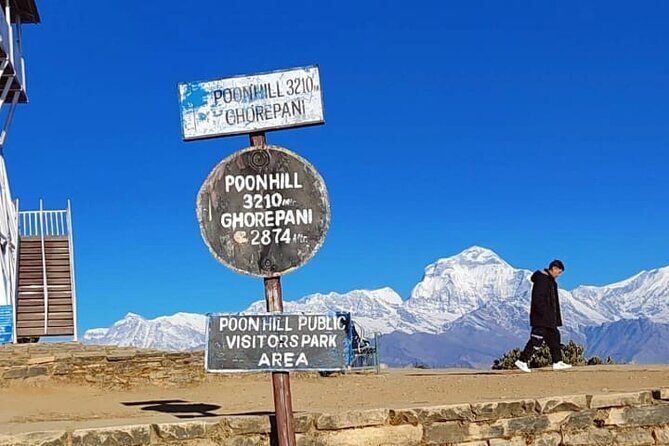
Next comes the trek from Ulleri to Ghorepani (2880 meters), again around 8 hours. Ghorepani is one of the route’s higher anchors, and you’ll feel the difference in the air. This is where your body starts working harder, even if your pace stays the same.
Why Ghorepani matters: it’s positioned as a practical base for the next phase, including the summit day. In treks like this, “base villages” do more than provide a bed. They set up your logistics and timing for early morning starts.
A consideration here is effort management. Two 8-hour days in a row is not extreme by trekking standards, but it is long enough that your comfort will depend on your walking pace, hydration, and how you handle breaks. If you’re the type who wants lots of long stops for photos, you’ll likely feel rushed. If you can keep a steady rhythm, you’ll enjoy the journey more.
You’ll also have a guesthouse stay included, which helps. You’re not arranging your own lodging at the last minute, and you’ll likely sleep in the same place each night of the hike as the plan follows the route.
The Poon Hill Day (3210m): Sunrise Without a Long Commitment
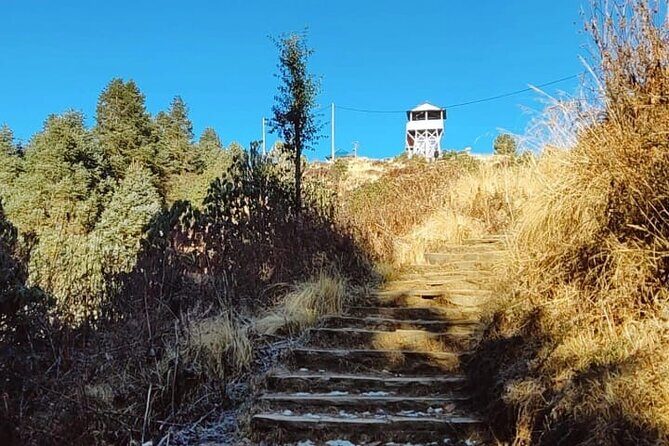
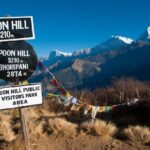
This is the highlight day: you trek to Poon Hill (3210 meters) and then continue, including a return to Ghorepani and onward to Tadapani (2660 meters). The day is listed as about 8 hours total.
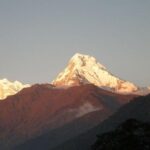
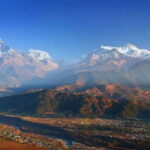
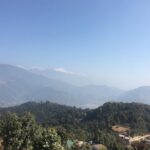
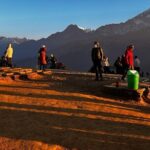
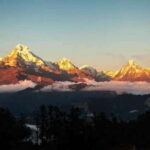
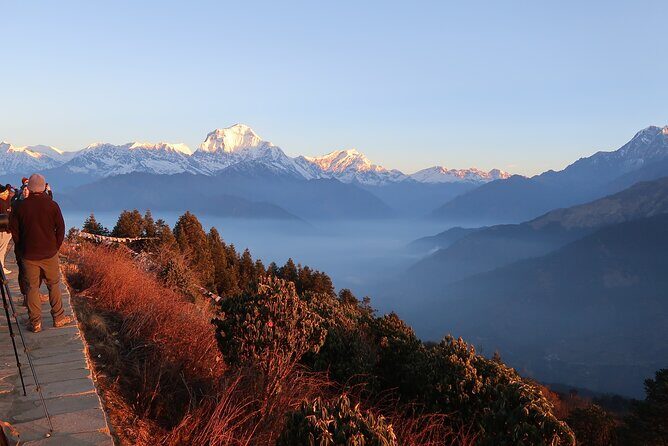
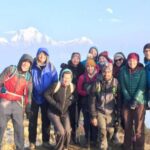
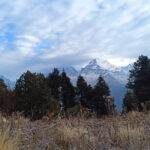
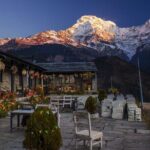
Even if you’re not a sunrise person, Poon Hill makes sense because the view is built into the schedule. The trek’s promise is clear: sunrise over the Annapurna region with sweeping Himalayan panoramas. For many hikers, this is the moment that turns a multi-day hike into a story you remember.
Here’s the practical side. A “sunrise climb” usually means a very early start and a long day afterward. Since the route includes both climbing for the viewpoint and moving on to Tadapani, you don’t get the luxury of a slow, rest-heavy day.
So what should you do? Keep your breakfast and water planning simple. Bring the essentials you can reach quickly while walking. And if you’re prone to getting cold early in the morning, dress in layers you can adjust without fuss.
When the plan continues to Tadapani after the viewpoint, that also means you shouldn’t treat this day like a one-and-done hike. It’s more like a high point inside a full trekking push.
A few more Pokhara tours and experiences worth a look

Tadapani to Ghandruk: Finishing with a Gurung Village Feel
On day four, you trek from Tadapani to Ghandruk, then drive back to Pokhara. It’s listed as about 8 hours—so you’ll likely still be walking before the ride.
Ghandruk is specifically noted for being a remote rural Gurung village. That cultural piece matters because it shifts your last day away from pure viewpoint chasing. Instead of focusing only on the sky and peaks, you end with a sense of place—how people live in the foothills of the Himalaya.
From a pacing standpoint, your body may feel the cumulative effect by day four. That’s normal. The best way to enjoy the finish is to slow down mentally. Stop chasing your pace and just keep moving comfortably. You’ll arrive at the end in better shape for the drive back to Pokhara.
The Best Part: A Real Private Trek with Included Guide and Permits

This trek is set up as a private trip, which means only your group participates. If you’ve ever done group treks where you get pulled along by someone else’s pace, this can feel more personal and calmer. It also helps your guide manage timing to match your group.
The guide is listed as English speaking, which is one of the biggest value drivers for first-time trekkers. Even if you don’t need much explanation, it reduces confusion. You also get a built-in problem-solver on route—someone who can handle the flow of permits, trail coordination, and the basic rhythm of each day.
Permits are included:
- Trekking permit
- TIMS card
For planning, that’s a big deal. Paperwork and access rules can become a hassle if you try to assemble a trek last minute or without proper guidance. Here, you start with the core admin handled.
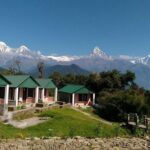
Accommodation in guest houses is included too. That’s a practical choice for a four-day trek. You get simple lodging without the complexity of planning where to sleep yourself each night.
What You Need to Budget Beyond the Trek Price

Since meals aren’t included, plan for food costs daily. That doesn’t make the trek worse—it just means your total spend isn’t only the $280.
Also consider personal expenses. Even on guided treks, you’re usually responsible for snacks, drinks, and any small items you need on the trail. If you’re someone who tends to buy extra drinks or energy snacks, factor that in.
Alcohol isn’t included either, which is standard on many trekking packages. If you drink occasionally, just treat it like a separate line item rather than expecting it built into the tour.
Finally, rescue cost in an emergency isn’t included. You don’t want to think about that while you’re excited for sunrise, but it’s smart planning. At minimum, travel with a realistic mindset, follow your guide’s pace, and don’t push through symptoms that feel wrong.
Who This Trek Fits Best (And Who Might Reconsider)

This trek says most travelers can participate, which is helpful. It signals that the route is designed as a doable walking plan rather than something only ultra-fit hikers should attempt.
This is a strong match if you:
- Want the Poon Hill sunrise experience without a long trek commitment
- Like having a guide and basic logistics handled
- Prefer guesthouse lodging over tent-based camping
- Are okay covering your own meals
You might reconsider if you:
- Want all meals included as part of the price
- Need very short hiking days or a fully flexible schedule
- Have medical limits that make sustained 8-hour trekking days difficult
If you fall somewhere in between, a good approach is to be honest with your fitness level and choose a comfortable walking pace. The tour’s structure already does the hard part: it gives you a plan.
Small Details That Make the Trek Feel Easier
A few tour notes help you understand how smooth the experience might be:
- Hotel pickup and drop-off are included, so you can start in Pokhara without hunting transport.
- The experience offers a mobile ticket, which is simple for most travelers.
- Service animals are allowed (if that matters for your situation).
- It’s listed as near public transportation, which can help if your arrival or schedule in Pokhara is complicated.
- Confirmation is received at booking, so you’re not left guessing.
Also, the trek is described as offering group discounts. Since it’s private for your group, that likely means your overall pricing may depend on how many people share the booking.
Should You Book This Poon Hill Trek from Pokhara?
If you want a classic Annapurna-region sunrise with panoramic views and you’d like it wrapped into a guided four-day structure, I’d say yes, this is a good fit. The strongest selling points are straightforward: guide + guesthouse + permits are included, and the route is built specifically around the Poon Hill (3210m) sunrise.
Book if:
- You’re comfortable budgeting for meals on top of the tour price
- You can handle multiple 8-hour trekking days
- You prefer a private trip setup for your group
Consider something else if:
- You need a fully catered food package
- You strongly dislike long trekking days with continuous movement to the next stop
If you’re trying to choose between DIY and guided, this one leans guided for a reason. It takes the guesswork out of permits and daily coordination, so your energy goes into the trail and the sunrise moment that made you sign up in the first place.
FAQ
How long is the Poon Hill trek from Pokhara?
The duration is listed as 4 days (approx.).
What is the highest altitude on this trek?
The itinerary includes Poon Hill at 3210 meters.
What are the trekking stops on the route?
The route includes Ulleri, Ghorepani, Tadapani, and Ghandruk, along with a trip up to Poon Hill.
Is hotel pickup and drop-off included?
Yes. Hotel pickup and drop-off are included.
Is an English-speaking trekking guide provided?
Yes. The tour includes an English speaking trekking guide.
Are trekking permits and TIMS card included?
Yes. Trekking permit and TIMS card are included.
Are meals included in the price?
No. All meals are not included.
Is this a private tour?
Yes. This is a private tour/activity, and only your group will participate.
Do I need to cancel far in advance for a refund?
For free cancellation, you can cancel up to 24 hours in advance for a full refund.
What if I have special needs for animals?
The tour notes that service animals are allowed.