REVIEW · KATHMANDU
Mardi Himal Trek
Book on Viator →Operated by Mission Himalaya Trekking · Bookable on Viator
Mardi Himal delivers big mountain payoff without the long, punishing grind. This trek is especially interesting if you like the idea of reaching Mardi Base Camp while still keeping the route friendly for novice hikers. I like how the itinerary builds in acclimatization above 3,000 meters and how the guide-and-porter setup helps you focus on walking and views instead of logistics. The main drawback to plan around is altitude and cold: you’re climbing to high elevations, and weather can make day-to-day comfort drop fast.
You’ll start in Kathmandu, fly to Pokhara, then work your way from Phedi/Kande through Deurali, Forest Camp, and High Camp toward the base camp viewpoint area—then descend through Sidhing and Lwangghale and finish with time in Pokhara. The “easy-ish” reputation is real in terms of trail type, but it doesn’t mean “no effort.” If you have moderate fitness and you pack for cold, this is one of the most satisfying trek packages in Nepal for the time and money.
In This Review
- Key Highlights I’d Actually Plan Around
- Why Mardi Himal Fits First-Time Trekkers (and Still Feels Serious)
- Price and Value: What You’re Really Paying For
- The Big Logistics Win: Transfers, Flights, and a Real Plan
- Kathmandu to Pokhara: Getting Your Feet Under You
- Deurali to Forest Camp: A Gentle Start With Real Atmosphere
- Low Camp and Acclimatization Above 3,000 Meters
- The Route to Base Camp: Views Get Better, Then the Climb Turns Emotional
- Sidhing and Lwangghale: When the Trek Becomes a Walk You Enjoy
- Pokhara Recovery Days: Tea Gardens, Lakeside Meals, and Guided Stops
- Lodges, Food, and the Cold Gear Reality
- Your Guide and Porter Team: The Difference You Feel in Your Knees
- What to Pack for Mardi Himal (Without Overthinking It)
- Who Should Book This Trek, and Who Should Pause
- Should You Book Mission Himalaya Trekking’s Mardi Himal Trek?
- FAQ
- How long is the Mardi Himal Trek?
- Where does the trek start and where do you meet the group?
- What’s included in the trek permits?
- Are flights included between Kathmandu and Pokhara?
- What accommodation can I expect in Kathmandu and Pokhara?
- Are meals included during the trek?
- Do you provide trekking gear for cold weather?
- Is this a private tour?
- Is there a cancellation option for a full refund?
Key Highlights I’d Actually Plan Around
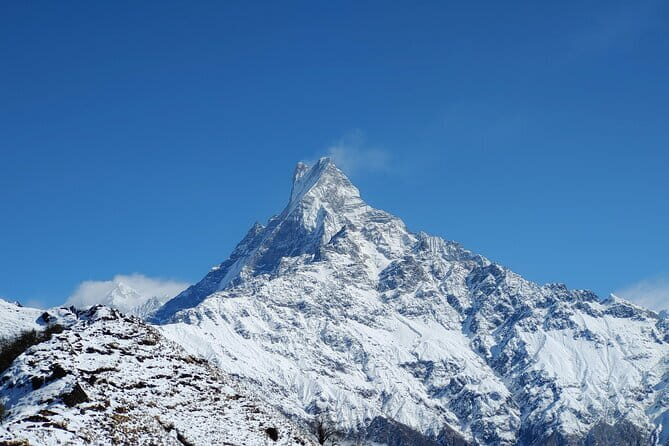
- Mardi Base Camp views: a real destination day, often described as the most beautiful section.
- Acclimatization rhythm above 3,000 meters: shorter walking days to help your body adjust.
- Well-supported trek: a government-licensed guide plus a strong porter team for meals and lodging.
- Rhododendron season potential: spring brings color in the woodlands on the lower-middle route.
- Cold-gear options included: down jacket, sleeping bag, and duffel bag are available on request (returned after).
Why Mardi Himal Fits First-Time Trekkers (and Still Feels Serious)
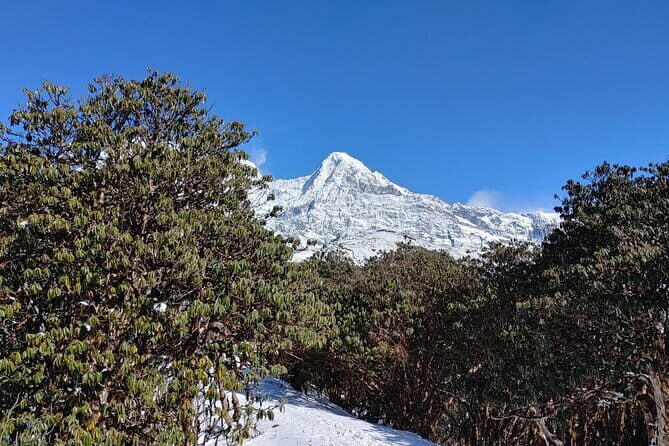
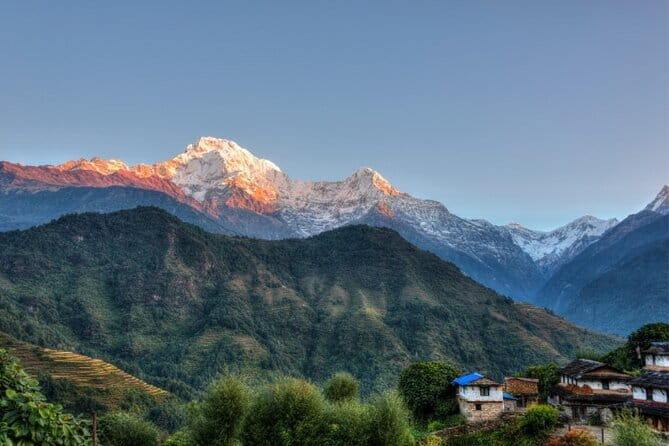
Mardi Himal sits in Nepal’s western Himalaya region, and it’s popular with people who want a meaningful trek without the extreme length of some classic routes. The standout is the final push toward the Mardi Base Camp area at around 4,500 meters, where you’re rewarded with major views of the Annapurna massif, Mount Machhapuchhre, and Mardi Himal itself.
What I like for you here is that the trek design makes sense. You’re not just rushing upward; the schedule slows down at altitude with shorter days and a clear hydration focus. That’s what separates a “great idea” trek from one where you’re thinking about your legs every evening.
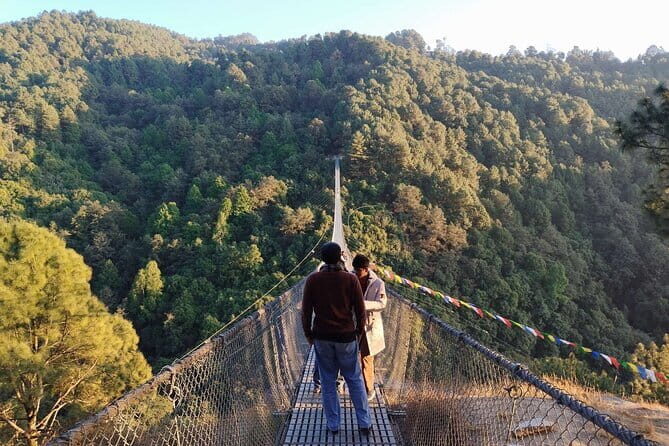
You also get a nice mix of scenery. Lower sections can pass through woodland and rhododendron areas, and later you move into more exposed high-mountain terrain. If you enjoy that progression—trees to big sky to peak views—this route delivers.
You can also read our reviews of more hiking tours in Kathmandu



Price and Value: What You’re Really Paying For
At $1,058 per person (about 11 days), you’re paying for a lot that would be a hassle to coordinate yourself. This package includes Kathmandu and Pokhara 3-star hotels with breakfast, all required trek permits (ACAP and TIMS), and domestic flight tickets between Kathmandu and Pokhara and back.
On top of that, the trek is supported by a licensed, trained trekking guide and a porter who travels with you with meals and accommodation covered. You also get lodge accommodation on the trek in twin sharing, plus included meals: 10 breakfasts, 8 lunches, and 8 dinners.
Then there’s the gear. You can request a down jacket, sleeping bag, and duffel bag—handy if you don’t want to buy cold-weather items for one trip. (You return the gear afterward.)
What’s not included matters too. You still need to budget for your Nepal visa fee, international flights, personal drinks and expenses, WiFi, hot showers, and tipping. The biggest “hidden cost” risk is your comfort at altitude: if you under-pack for cold, you’ll feel it every evening even if the trek is well run.
The Big Logistics Win: Transfers, Flights, and a Real Plan
The experience is built around the idea that you shouldn’t spend your limited time in Nepal figuring out rides and permits. Pickup is offered, and you get private vehicle transfers for sightseeing and city-to-city movement, including airport and city transfers.
The Kathmandu to Pokhara to Kathmandu domestic flight is a time-saver. It cuts down on hours of road travel and helps you arrive for trekking with less fatigue. That matters on day-to-day pacing—especially if you’re new to altitude.
And the meeting point is straightforward: Mission Himalaya Treks and Expeditions in Thamel (Kathmandu). Ending back at the meeting point keeps things tidy when you return from the trek.
Kathmandu to Pokhara: Getting Your Feet Under You
Day 1 is Kathmandu, with airport arrival help and a drive to Thamel. After checking in, you get time to rest and reset. This is not a “jump into adventure immediately” day, which I appreciate because Kathmandu can hit you with traffic stress and a mild jet-lag headache.
Day 2 uses an early morning flight to Pokhara, followed by a drive to Kande, where the hiking begins in earnest. This transition matters: Pokhara is calmer, and the route sets you up to start trekking on a trail that feels gradual rather than abrupt.
You’ll also spend time in Pokhara later in the trip. Day 9 includes a sunrise-style walk idea around tea gardens in the Lwangghale area, and Day 10 includes guided sightseeing options such as Davis Waterfall and Gupteshwor Mahadev. That’s a useful balance: trek day effort, then city day recovery without losing the “Nepal” feeling.
Deurali to Forest Camp: A Gentle Start With Real Atmosphere
On the first trekking day, you’ll hike for around 6 hours after a meal in Deurali. The trail starts on a level path and winds through scenery that can include forested sections. For many first-timers, this day is about getting your trail rhythm: steady steps, learning how your breathing changes with altitude, and getting comfortable with the lodge routine.
A practical advantage: these early miles are long enough to feel like a trek, but not so technical that you’re fighting the ground constantly. That means more time looking around, less time clenching your jaw.
The possible drawback is that “easy” can still feel like work. If you go out too fast because you feel good, you’ll feel it later. A slow start is your friend here.






Low Camp and Acclimatization Above 3,000 Meters
By Day 4 you’re above 3,000 meters, and the plan adjusts—distance can be shorter, but the altitude pressure is real. You’ll follow breakfast with hiking through mixed woodland, then lunch at Low Camp.
This is one of the smart parts of the itinerary. It’s not just about how far you walk; it’s about how your body handles the altitude step-up. A day with reduced distance helps you avoid the classic mistake: feeling invincible on day one, then paying for it on day three.
Day 5 continues the acclimatization approach with shorter treks over similar high-elevation conditions. The itinerary strongly encourages hydration to prevent altitude sickness. That’s not optional advice on a trek like this—it’s how you keep the adventure enjoyable instead of stressful.
The Route to Base Camp: Views Get Better, Then the Climb Turns Emotional
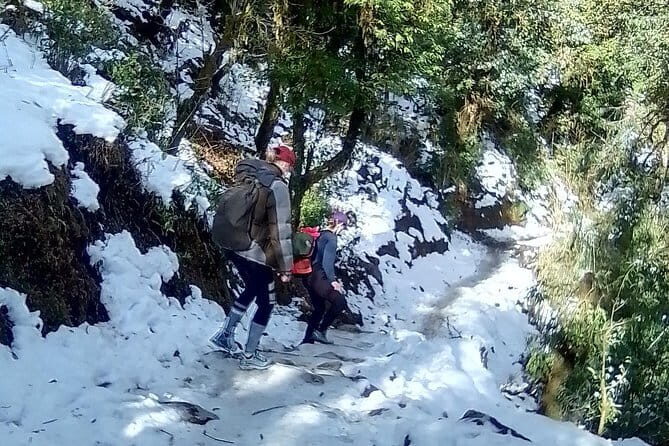
As you move toward the Mardi Himal base camp area, expect a longer day—about 7 hours—from breakfast with mountain views toward the climb. En route, you’ll reach a stunning viewpoint offering panoramic vistas.
This is where the trek starts to feel like the trek you pictured. The higher you get, the more the scenery stops being “nice forest” and becomes “big mountain stage.” And the final push to base camp is often described as the best part—many people associate it with pure relief and joy, the kind that makes you forget how tired you are.
One important detail: base camp is around 4,500 meters in the common route expectation, so treat that day as the centerpiece effort. If you’ve ever had doubts about your fitness, this is where those doubts get answered—provided you pace yourself and follow your guide’s cues.
Also, carry a calm attitude about weather. At altitude, conditions can shift quickly. This itinerary gives you a structured progression, but your comfort still depends on what the sky decides to do.
Sidhing and Lwangghale: When the Trek Becomes a Walk You Enjoy
After base camp, the trek turns toward descent and steadier movement. Day 7 walks begin with breakfast at higher elevation, then descending to Sidhing. The route passes through rhododendron and pine trees, and depending on time, you may stop at low camp for food.
Day 8 is often described as a highlight because it can include mostly flat terrain along a scenic path to Lwangghale. You’ll reach a charming village area with old-style houses. This is a nice shift after higher effort days: less altitude anxiety, more attention on scenery, village life, and how your body feels.
If you like treks that don’t only punish you, this is the good balance. You get a real high-mountain goal, then a more relaxed walking stretch before the end.
Pokhara Recovery Days: Tea Gardens, Lakeside Meals, and Guided Stops
Day 9 starts early with the tea gardens sunrise walk idea around Lwangghale. It’s the kind of morning you remember because the air feels cooler, and you’re not just marching—you’re watching light hit the hills.
Then you return to Pokhara for guesthouse recovery and a final mountain meal rhythm. Day 10 includes breakfast at a lakeside spot and guided sightseeing options (Davis Waterfall, Gupteswor Mahadev, and other city attractions). The mix is useful: you get to celebrate your trek without needing to plan every detail while you’re tired.
By Day 11, you’re back in Kathmandu with time for a town-guide exploration of popular destinations. This is a comfortable end because you’re not rushed into another big day trip right after you finish the climb.
Lodges, Food, and the Cold Gear Reality
This trek uses “best available” lodges in twin sharing on the trail. That’s typical for Nepal treks, but it’s still worth setting expectations: you’re trading hotel comfort for location and practicality. The trade-off is you sleep close to the hiking rhythm, and you’re not moving lodges at the last minute.
Food is included for key meals, and you’ll have meals at lunch and dinner stops during the trekking portion. If you’re a picky eater, you might find the lodge menu more limited than a city restaurant, but you’ll usually have enough variety to keep going.
The cold is where you need to stay honest. Even if you request the down jacket and sleeping bag from the provided kit, don’t assume it’s automatically enough for every body. One useful piece of advice from people who’ve done this route: bring enough warm clothing for the mountain, not just “decent chilly” gear. On colder nights, that extra layer can be the difference between “I’m okay” and “I’m counting the minutes.”
And yes, there’s a fun food detail that stands out: some hikers specifically recommend trying pizza at High Camp if it’s available when you’re there. It sounds silly until you’ve climbed all day and you want one comforting treat.
Your Guide and Porter Team: The Difference You Feel in Your Knees
This package is designed around a government-licensed, ministry trained trekking guide. That matters because the guide isn’t just there for direction—they’re also there for pacing, altitude management, and making route decisions when conditions change.
A name that comes up often is Birendra, described as professional, warm, and helpful with arrangements. People also mention that he takes photos during the trek, which means you’ll actually have more than shaky phone selfies after a hard day.
Porters aren’t an afterthought here. You get a strong, experienced porter with meals, accommodation, salary, and insurance included. In plain terms: if your body is tired, having that support reduces fatigue and helps you enjoy the views more.
What to Pack for Mardi Himal (Without Overthinking It)
You can request a down jacket, sleeping bag, and duffel bag, then return them after the trek. That reduces what you need to carry on your own.
But you should still plan to handle cold conditions at altitude. Pack for mornings and nights, not just daylight hiking. If you tend to get cold easily, add a layer you trust.
Also think about:
- Comfortable hiking shoes with good grip
- Warm layers for above-3000-meter days
- A rain-ready plan for bad weather (you’ll likely feel it more at higher camps)
- Personal items for your health and hygiene, since WiFi and hot showers aren’t listed as included
If you’re unsure, don’t try to “wing it” with thin gear. This route’s biggest discomfort risk is often cold, not technical difficulty.
Who Should Book This Trek, and Who Should Pause
This trek is a great fit if:
- You want a Himalayan trek that’s considered relatively beginner-friendly
- You’re excited by a specific goal day (Mardi Base Camp around 4,500m)
- You want a guided experience with permits handled, plus porter support
- You’d enjoy a mix of woodland walks and big-mountain views
You might think twice if:
- You’re very sensitive to cold or altitude and don’t want to commit to proper warm-layer packing
- You’re hoping for hotel-style comfort on the trail
- You’re not ready for moderate daily hiking even with acclimatization days
Should You Book Mission Himalaya Trekking’s Mardi Himal Trek?
If you want a well-run trek with permits included, a licensed guide, porter support, and real high-altitude views without the longest multi-week commitment, I’d say yes—especially if this is your first real Himalayan trek.
Book it if you can commit to altitude pacing and you pack for cold nights. The base camp day is the kind of moment that makes you feel like you earned it, and the rest of the itinerary sets you up to enjoy the win instead of just surviving.
Skip it (or ask more questions) if you’re uncertain about your ability to handle above-3,000-meter conditions, since weather and comfort can change faster than you expect. The trek is rewarding, but it asks you to respect altitude.
FAQ
How long is the Mardi Himal Trek?
The duration is listed as 11 days (approx.).
Where does the trek start and where do you meet the group?
The trekking route starts from Phedi/Kande area after travel from Kathmandu and Pokhara, and the meeting point in Kathmandu is Mission Himalaya Treks and Expeditions in Thamel.
What’s included in the trek permits?
The tour includes permits for ACAP and TIMS.
Are flights included between Kathmandu and Pokhara?
Yes. Domestic flight tickets for Kathmandu to Pokhara and back are included.
What accommodation can I expect in Kathmandu and Pokhara?
You stay in 3-star category hotels in Kathmandu and Pokhara with breakfast.
Are meals included during the trek?
Yes. Breakfast is included for 10 days, lunch for 8 days, and dinner for 8 days during the trekking portion. Meals in Kathmandu and Pokhara are only included where specifically mentioned.
Do you provide trekking gear for cold weather?
You can request a down jacket, sleeping bag, and duffel bag. They are returned after the trek.
Is this a private tour?
Yes. It’s listed as a private tour/activity, and only your group participates.
Is there a cancellation option for a full refund?
Yes. Free cancellation is available up to 24 hours in advance for a full refund.
If you tell me your hiking experience level and your travel month, I can help you sanity-check the cold/altitude fit and suggest what to emphasize in your packing.