REVIEW · KATHMANDU
Ghorepani Ghandruk Trek ( Poon Hill circuit, Annapurna sunrise view trek)
Book on Viator →Operated by Nepal Trekking Routes Pvt. Ltd · Bookable on Viator
Dawn over the Himalaya happens early. The Ghorepani Ghandruk Trek is built around Poon Hill sunrise and a low-stress-but-still-real trekking loop through Gurung and Magar villages, oak and rhododendron forests, and classic Annapurna views. I especially like how the route mixes big mountain moments with everyday village life, not just photo stops.
One thing to plan for: you’ll be out on steep trail sections and you’ll wake up early for sunrise, so this isn’t a lazy vacation stroll.
This trip also feels well organized from the start: you’re met in Kathmandu at Tribhuvan International Airport and kept moving with a local guide, private tour setup, and an overall group cap of up to 10 travelers.
In This Review
- Key Points I Think Matter
- A Poon Hill Circuit That Fits Real Schedules
- Kathmandu’s Temple Day: You’re Not Waiting Around
- Getting to Pokhara: Flight vs. the Prithvi Highway View
- The Trail From Nayapul: Ulleri’s Stair Climb Through Forest
- Ghorepani Village: Rhododendrons, Teahouse Nights, and Big Views
- Poon Hill Sunrise: The Main Event at 3,210 m
- Tadapani, Chhomrong Area, and the Jhinu Hot Springs Reset
- Landruk and Tolka: Gurung and Magar Villages on the Way Down
- How You Finish: Tokla to Nayapul, Then Pokhara
- Price and What Your $590 Actually Buys
- Who Should Book This Trek (and Who Should Rethink It)
- Should You Book This Ghorepani Ghandruk Trek?
- FAQ
- Where does the trek start and who meets you?
- How long is the Ghorepani Ghandruk Trek?
- Is pickup included in the price?
- Does the tour include a local guide?
- Is the trek group large?
- Can I choose a vegetarian option?
- What’s included in terms of meals?
- How do you get from Kathmandu to Pokhara?
- How do you return from the trek back to Kathmandu?
- Meta Note
Key Points I Think Matter
- Poon Hill at 3,210 m: the classic early-morning viewpoint for Annapurna and Dhaulagiri
- Village culture over scenery alone: Ghorepani, Ghandruk, and the Gurung/Magar communities
- Forest trekking with real biodiversity: rhododendron and oak along the way, inside the Annapurna conservation area
- Hot spring payoff at Jhinu Danda: a practical recovery stop after hiking downhill/uphill
- You get options for the return route: Tokla back to Nayapul via Deurali, or via Phedi/Pothana
- Value includes guide and lodging: you’re paying for coordination, not just the trail
A Poon Hill Circuit That Fits Real Schedules
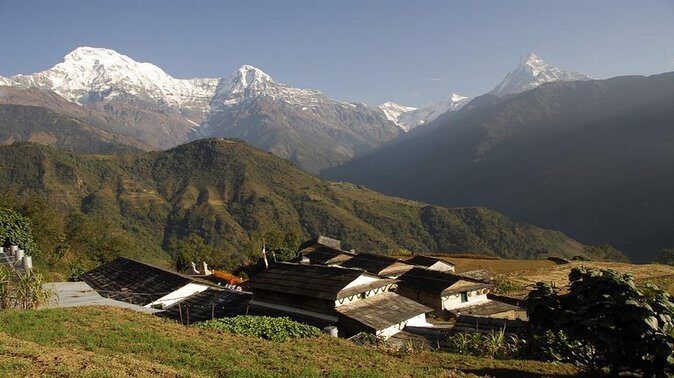
This trek is often described as an Annapurna sunrise trek, but it’s more than that. The route gives you a smart “best-of” setup: you get multiple Himalayan angles without committing to the full Annapurna region marathon. You’ll still hike daily, but the pacing is designed to stay within reach for most people who can handle a long day on foot.
The big win is that your summit drama is spread out. You’re not just hoping for one magical moment. You get mountain panoramas during the trek (including Annapurna and Dhaulagiri views from higher villages), and then you get the headline event at Poon Hill. That structure matters because sunrise trekking success depends on weather and timing, and here you’re building in several chances to enjoy the scenery even if one morning is clouded.
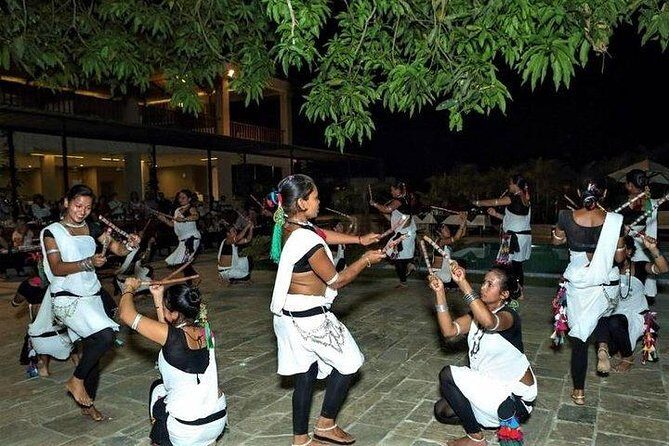
Another plus is cultural immersion. Ghorepani and Ghandruk are Gurung villages in the Annapurna region, and the trek runs right through that social fabric—daily routines, local hospitality, and the sense of community that comes from people who live where tourists only visit.
You can also read our reviews of more hiking tours in Kathmandu


Kathmandu’s Temple Day: You’re Not Waiting Around
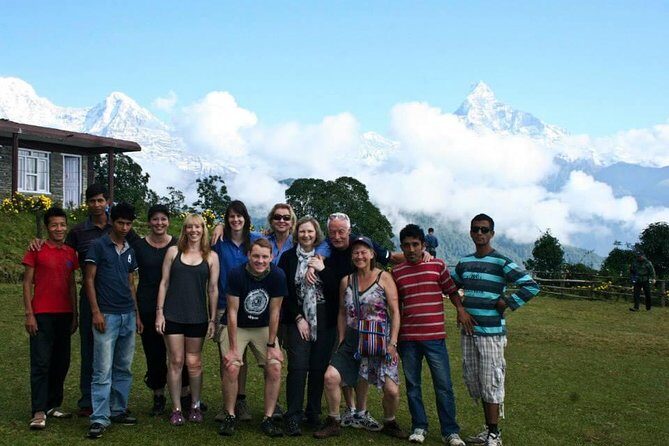
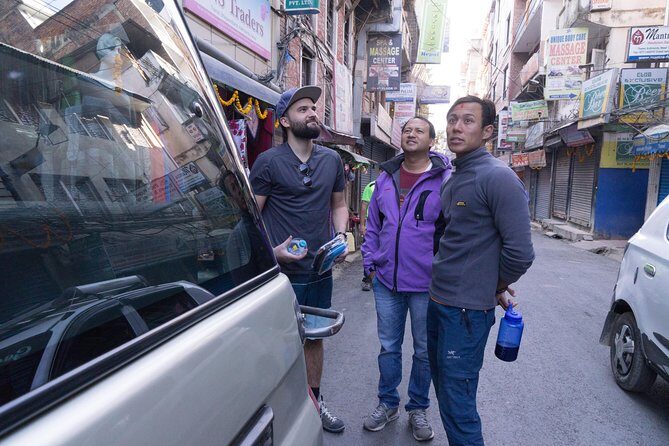
Most trekking trips start with a long drive and a rushed intro. Here, you start with Kathmandu’s major highlights—structured, guided, and easy to digest.
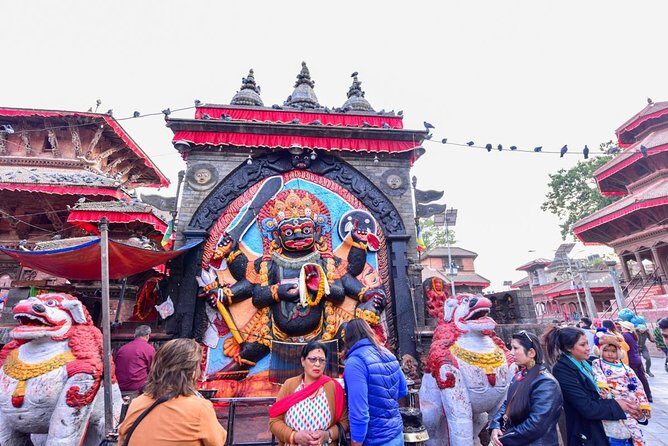
On your first full day, you visit several UNESCO sites: Pashupatinath Temple, Bouddhanath Stupa, Swayambhunath (Monkey Temple), and Patan Durbar Square. That’s a lot of sites packed into one day, but the idea is simple: you land, you see the culture, you understand the setting, then you shift into trekking mode.
Why I like this approach for a trek like Ghorepani–Ghandruk: it helps you reset your brain. You’re not just arriving to a country and immediately jumping into altitude and staircases. You’re seeing Hindu and Buddhist landmark architecture, watching daily life around the sites, and getting a feel for how Nepali religious culture and village life connect to the trekking communities you’ll meet later.
Practical note: expect walking and stairs in Kathmandu too, just not at Himalayan altitude. Bring comfortable shoes, because your feet will do their own training.
Getting to Pokhara: Flight vs. the Prithvi Highway View
You have two ways to reach Pokhara: a faster flight or a scenic drive along the Prithvi Highway. The route runs past major rivers, including the Trishuli and Marsyangdi, and that matters because the journey itself gives you an early taste of Nepal’s geography.
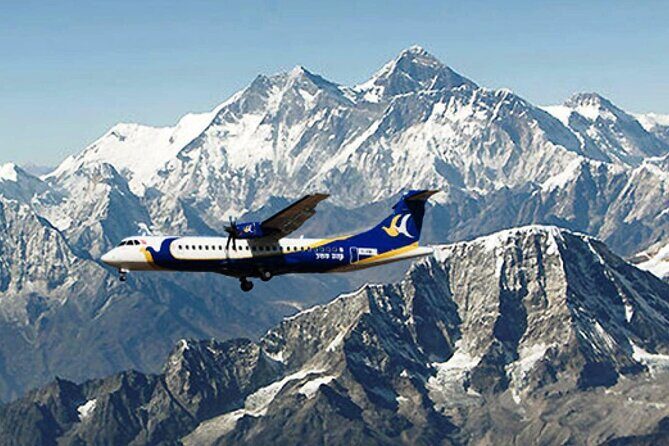
If you drive, you’ll pass through small towns and see changing mountain ridgelines along the Annapurna ridge area and other Himalayan regions in the distance. If you fly, you trade scenery for speed and a bird’s-eye look at natural landmarks.
This choice is more than comfort. It also affects what you can do with your time in Pokhara. After arriving, you’ll be taken to your hotel, then you have free time to explore Lake City around your own pace—use that time for a calm meal, gear check, and figuring out what you’ll need for the trail (especially snacks and layers for early mornings).
The Trail From Nayapul: Ulleri’s Stair Climb Through Forest
Your trek begins at Nayapul, the gateway to this Annapurna Sunrise View route. From there, you walk along the Modi Khola banks, then head into rhododendron and oak forests while the Annapurna massif starts showing more clearly as elevation builds.
Then comes the famous challenge: the trail includes 3,000+ stone staircases before reaching Ulleri. Even if the overall trek is described as easy-trail friendly, that kind of stair density is still work. It’s also the kind of work that rewards steady pace. Take it slow early. You want your legs fresh for the longer hiking rhythm later.
Ulleri itself is a large Magar village in the Annapurna region. That detail matters because the trek isn’t only “nature tourism.” You’re walking through a place with its own identity—people, homes, and routines. And because Gurkhas have strong ties in the broader region (many male members have served in British and Indian armies), you may hear stories about bravery and service as part of village conversation.
Ghorepani Village: Rhododendrons, Teahouse Nights, and Big Views
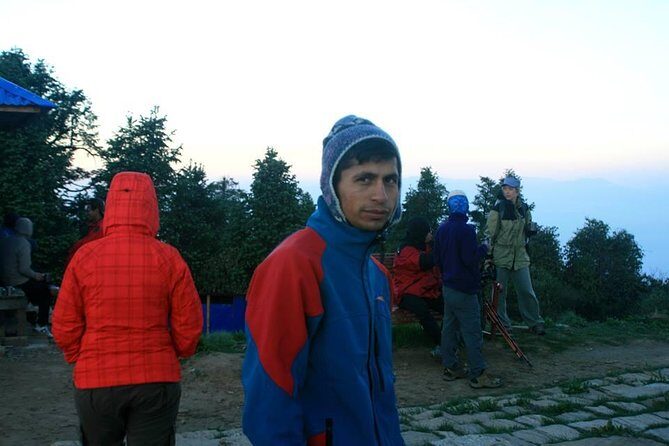
After Ulleri, the path continues past small hamlets, rivulets, and dense rhododendron and oak forests within the ACAP (Annapurna Conservation Area). This section is where the trek starts feeling like a proper mountain walk rather than a quick climb to views.
Ghorepani is the key stop and it’s worth understanding why. The trek description highlights that Ghorepani has the largest rhododendron forest in the world, with 8 of Nepal’s 32 rhododendron species. That’s not a random fact; it explains why the forest atmosphere can feel so alive in the right season—flowers, color shifts, and that thick canopy feeling you don’t get on barren routes.
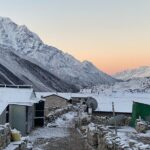
Ghorepani is also one of the largest Gurung villages. You’re not just passing through; you’re spending the night here and experiencing the village as a place to sleep, eat, and watch the mountains change from late afternoon into dusk.
From Ghorepani, the vistas include the Annapurna range and the Dhaulagiri range, setting you up for the next morning’s sunrise mission.
A few more Kathmandu tours and experiences worth a look

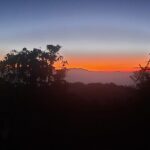
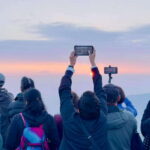
Poon Hill Sunrise: The Main Event at 3,210 m
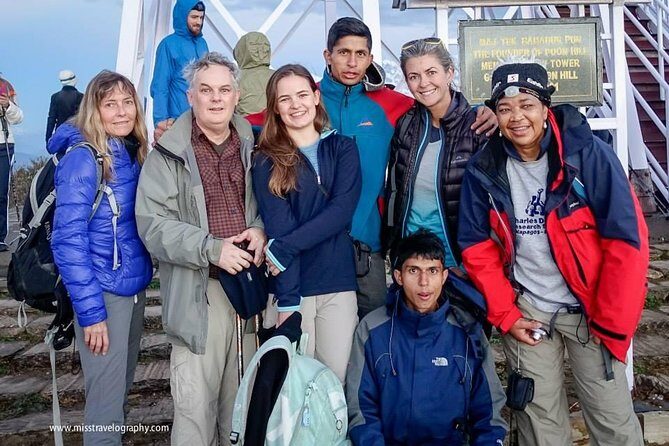
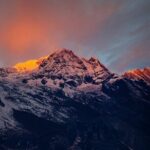
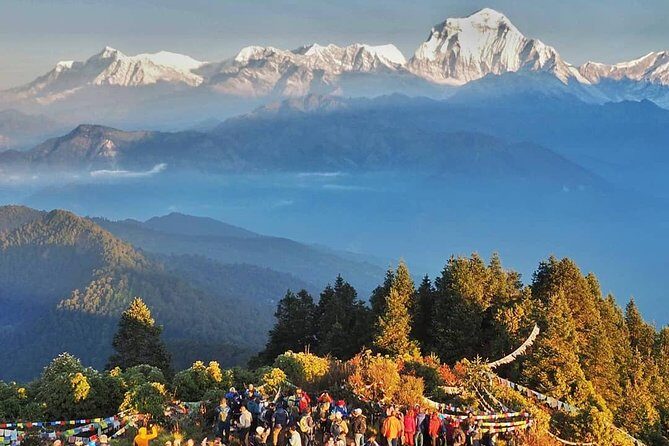
This is the part most people remember. You wake up early, hike to Poon Hill (3,210 m) in about an hour from Ghorepani, and then you watch the snow-capped peaks light up as the sun hits.
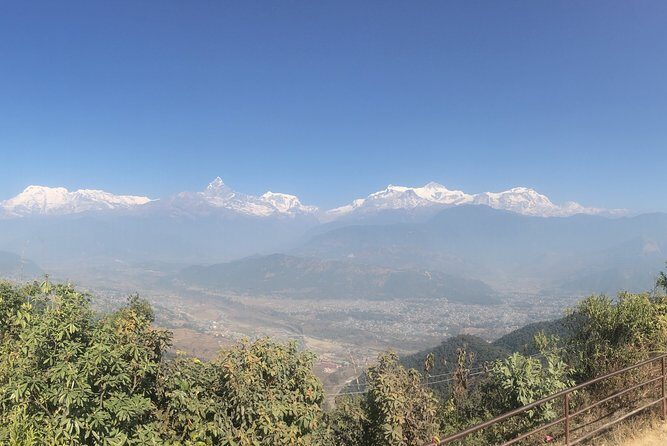
From the summit viewpoint, you can see the Dhaulagiri massif, the Annapurna massif, and even Machhapuchhre (6,993 m) plus Fishtail (another name linked to that same striking peak). The trek also mentions other high points like Nilgiri and Singa Chuli as part of the overall Himalayan frame you’ll experience in the region.
Here’s what I’d call the reality check: sunrise trekking is sensitive. Clouds, fog, or late-start delays can change what you see. The good news is the route is designed so you’re not relying on one single view for your whole trip. Even after Poon Hill, you continue hiking through villages and valleys with ongoing mountain glimpses.
After sunrise, you return for breakfast, then continue onward. That back-to-teahouse rhythm is important. It helps you turn the emotional payoff of sunrise into a practical day you can actually finish.
Tadapani, Chhomrong Area, and the Jhinu Hot Springs Reset
After the sunrise day, you move on toward Tadapani, trekking along terraced farmland and rhododendron forests. Tadapani is a small village stop that helps break up the day and keeps your energy for the next climbing/downhill pattern.
Then you’re heading toward Chhomrong Village, a major landmark stop in the Annapurna region route system. The hike includes a mix: you start with downhill, then work uphill, with heart-melting views of the Annapurna massif and forest scenery.
From Chhomrong, you reach Jhinu Danda, and this is the practical reward: natural hot springs. The idea here is simple and smart. After days of stairs and foot fatigue, you’re given a place to ease physical strain and reset mentally. It’s one of the few “sit and recover” moments you get on a trekking circuit, and it changes how you feel for the remaining hiking days.
You also have an alternative described here: from Tadapani, you can trek to Ghandruk in about 3–4 hours, using a mostly downhill trail. That option matters if you want a faster move toward Ghandruk’s village atmosphere.
Landruk and Tolka: Gurung and Magar Villages on the Way Down
After breakfast, you descend toward Komrong Khola, cross a new bridge, then trek by a waterfall area in Himalpani. From there, you reach Landruk, another Gurung village. This is where you start getting a sense of how village life shapes the trek rather than just scenery around it.
Then you continue to Tolka, described as a typical Magar village. The trek keeps mixing community stops—Gurung and Magar—so you see cultural diversity across the same mountain corridor.
If you choose to spend the night in Ghandruk Village, the route shifts to follow the Modi River early on, then cross a bridge again, and move through terraced fields toward Landruk and Tolka. That isn’t a random fork. It affects what kind of walking you do: more river walking versus more village-field patterns.
From Tolka, you trek down to Phedi by leaving behind villages such as Pritam Deurali, Pothana, and Dhampus (as listed along the descent). This is often where the mountain views can keep pulling you along, because every downhill turn reveals new angles and layers of forest and settlement.
How You Finish: Tokla to Nayapul, Then Pokhara
Toward the end of the trekking section, you have two return options for getting back to the road system that leads to Pokhara.
One path goes from Tolka to Nayapul via Deurali. The other returns via Phedi and Pothana. Both options connect you to the highway that takes you back to Pokhara.
That flexibility is genuinely useful because it lets the day match your pace and energy. If you feel like you’ve got it in you, you take the route that seems more direct. If you need calmer steps, you take the alternate down-valley option.
Once you reach Pokhara, you can settle in for the night. Then your final transfer out of Nepal depends on your timing: you can either fly back to Kathmandu or drive via the scenic highway route. Back in Kathmandu, you’re escorted to Tribhuvan International Airport based on departure time.
Price and What Your $590 Actually Buys
At $590 per person for an ~11-day trip, the value is mostly in coordination. Your package includes:
- Local guide
- Accommodation as per the plan
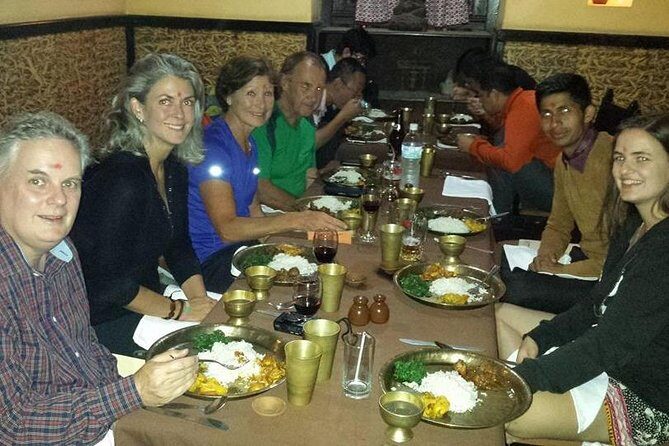
- Dinner
- Round-trip shared transfer
- Private tour
- Pickup offered (meet at TIA)
- Mobile ticket
What it does not include:
- alcoholic drinks
- food and drinks overall (the trek meals are on you, even if some breakfasts are included)
So here’s the practical way to think about it: you’re paying for someone to organize the transport between Kathmandu and Pokhara, guide the trek, and handle your lodging nights so you can focus on walking and views. You still need a trekking budget for lunches and dinners along the way.
Also, because it’s a private tour with a maximum of 10 travelers, you’re likely to have a small-group vibe rather than a huge trekking herd. That can make a difference on narrow trails and in the teahouse rhythm at the end of the day.
Who Should Book This Trek (and Who Should Rethink It)
This is a smart pick if:
- you want Annapurna sunrise views without committing to a long, high-altitude grind
- you like a cultural trekking style through Gurung and Magar villages
- you want a manageable itinerary that still includes recovery time via Jhinu hot springs
- you can handle early starts and uneven trail days
You might want to rethink it if:
- you don’t do well with stair-heavy sections (there are 3,000+ stone steps early on)
- you want a totally low-effort trip. Even when routes are described as easy-trail friendly, you’re still hiking day after day on mountain terrain
The trek notes that most travelers can participate, and it also mentions vegetarian options if you request them in advance. If you’re bringing a service animal, that’s allowed as well.
Should You Book This Ghorepani Ghandruk Trek?
If you want the Annapurna region without spending weeks in transit and on high passes, I think this is a solid booking choice. You’re getting the headline sunrise at Poon Hill, classic village trekking through Gurung/Magar communities, and at least one meaningful reset stop with Jhinu hot springs. It’s also priced like a guided package: you pay for organization and support, not just trail time.
My only “wait and think” moment is weather and sunrise reality. This trek is scheduled around early-morning payoff. If clear skies matter most to you, plan for the possibility of a cloudier-than-ideal sunrise and enjoy the rest of the route anyway.
If that trade-off sounds acceptable, book it. This circuit has enough variety—temples, rivers, forests, villages, and hot springs—that even a slightly imperfect sunrise doesn’t ruin the whole story.
FAQ
Where does the trek start and who meets you?
You start in Kathmandu, and a representative meets you at Tribhuvan International Airport. You’re then escorted to your hotel and guided through the early parts of the trip.
How long is the Ghorepani Ghandruk Trek?
The duration is listed as about 11 days.
Is pickup included in the price?
Yes. The tour includes round-trip shared transfer, and pickup is offered from Kathmandu on arrival.
Does the tour include a local guide?
Yes. A local guide is included.
Is the trek group large?
The experience has a maximum of 10 travelers.
Can I choose a vegetarian option?
Yes. A vegetarian option is available if you advise at the time of booking.
What’s included in terms of meals?
Dinner is included, and breakfast is included as listed (breakfast (2)). Alcoholic drinks are not included, and food and drinks in general are not included beyond what’s specified.
How do you get from Kathmandu to Pokhara?
You have a choice: drive or fly. Which one you use depends on your agreement with the agency while booking.
How do you return from the trek back to Kathmandu?
From the trekking area you return to Pokhara. Then you can either fly back to Kathmandu or drive back on a scenic highway route.
Meta Note
I’ve kept this review practical and decision-focused. If you tell me your fitness level and travel month, I can help you judge whether the early mornings and stair-heavy sections match your comfort level.