REVIEW · KATHMANDU
Everest Base Camp Trek with Helicopter Return to Lukla – 10 Days
Book on Viator →Operated by Luxury Holidays Nepal Pvt. Ltd. · Bookable on Viator
One mountain. Two ways to feel it. This Everest Base Camp trek mixes high-altitude trekking with an included helicopter return from Gorakshep, so you don’t spend your final energy on the hardest backtracking.
I love the way this package handles the big headaches—permits, flights, and a licensed English-speaking guide—so you can focus on pacing, not paperwork.
One thing to think about: the hiking is still real, and with standard guesthouses you’re trading comfort for altitude and views.
In This Review
- Key points before you go
- Why the Gorakshep helicopter return is the main event
- Kathmandu setup: 3-star breakfast, private transfers, and a 9:00 a.m. start
- Fly to Lukla: short air time, big altitude reality
- Trek through Sherpa villages and the Dudh Koshi River
- Namche Bazaar, Tengboche monastery, and Dingboche acclimatization stops
- Everest Base Camp and Kala Patthar sunrise: what the hard part buys you
- Guesthouses, duffel bags, and how comfort works on this trek
- What the package includes for $799—and what you still pay for
- Safety and high-altitude reality check
- Who this Everest Base Camp trek fits best
- The decision: book this helicopter-return EBC trek or not?
- FAQ
- Does the trek include permits?
- What flights are included in this package?
- Is the helicopter ride included, and where does it go?
- Where do I meet the group in Kathmandu?
- Do I need a visa for Nepal?
- What happens if weather cancels the experience?
Key points before you go
- Helicopter return from Gorakshep to Lukla: a dramatic finish that saves fatigue for the last leg.
- Permits and logistics handled: Sagarmatha National Park, TIMS, and Pasang Lhamu Entry are included.
- Small group size (max 15): easier for a guide to manage pace and conditions.
- English-speaking licensed guide: in feedback, guides like Ram and Rupak are praised for care, patience, and keeping morale up.
- Gear support included: duffel bag, sleeping bag, T-shirt, and a map are part of the package.
- Kathmandu cultural send-off: farewell dinner with Nepali cuisine and cultural show after you return.
Why the Gorakshep helicopter return is the main event
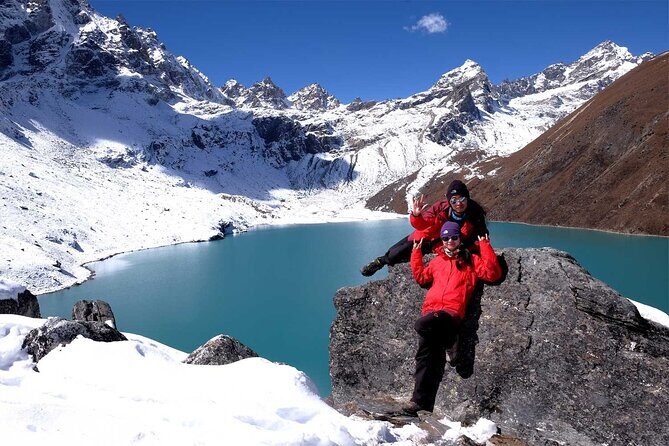
Most Everest treks test your legs on the way up and on the way back. Here, the helicopter return from Gorakshep to Lukla changes the ending in a way you feel immediately. You still earn Everest Base Camp and Kala Patthar with real trekking days, but you get to finish with an aerial view instead of another long scramble downhill.
That also matters mentally. After days at altitude, the last thing you want is to turn your “I did it” moment into a slog. The helicopter leg gives you a clean, high-impact finale—mountains from the air, your route stitched together below you, and less time stuck in fatigue mode.
The flip side: helicopter plans depend on weather, and this experience requires good conditions overall. So keep flexibility in your travel calendar.
You can also read our reviews of more hiking tours in Kathmandu


Kathmandu setup: 3-star breakfast, private transfers, and a 9:00 a.m. start
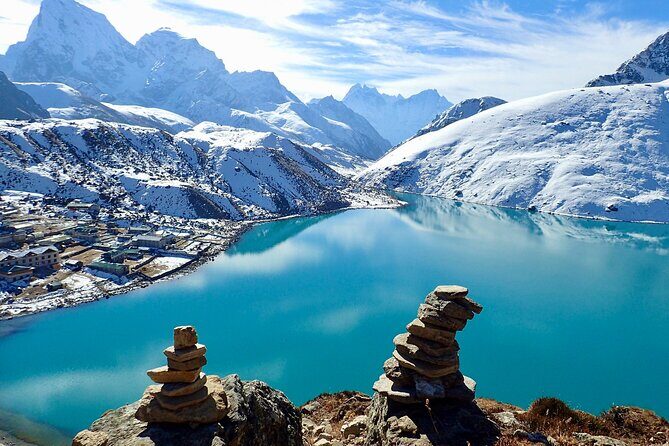
Your trip begins in Kathmandu with a private vehicle pickup and a 3-star hotel that includes breakfast. That’s a practical win because the first day isn’t just “sleep and hope.” You’ll be able to start the trip with food in your stomach and enough time to get ready without rushing.
The meeting point is Tribhuvan Airport with a 9:00 a.m. start. Flights in Nepal can be weather-sensitive, so being ready early is smart. If you’re the type who likes to double-check details (and you should), this schedule rewards that.
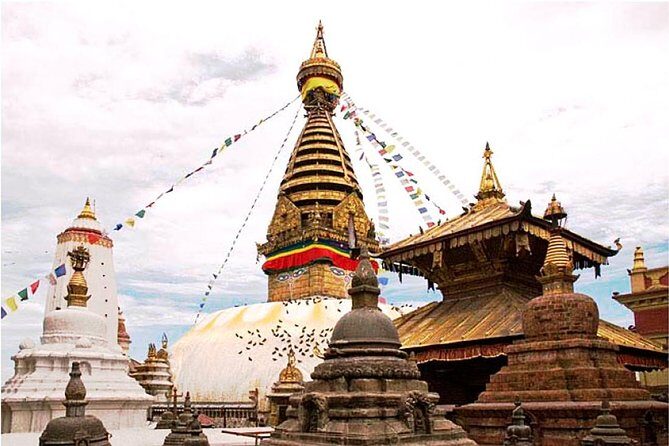
Also, Kathmandu isn’t just a waiting room for the trek. A city day with a guide (often highlighted as a strong part of the experience) helps you connect the dots between what you’ll see in the mountains and the Hindu and Buddhist traditions you encounter before you ever climb.
Fly to Lukla: short air time, big altitude reality
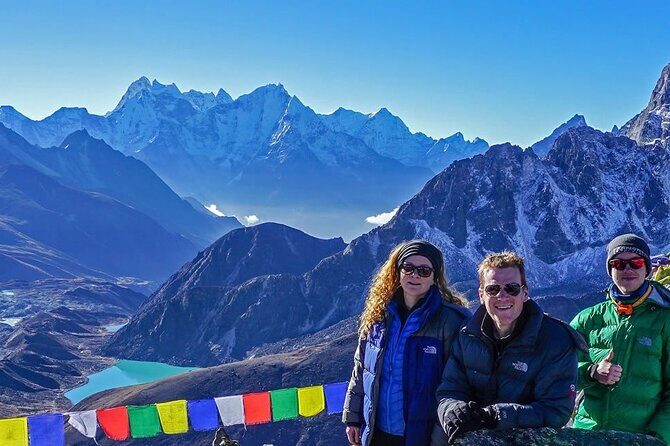
The package includes domestic flights round-trip between Kathmandu/Manthali and Lukla. Then you’re off to start trekking.
This matters for two reasons. First, you cut out the long land approach—so the trek itself starts faster. Second, the transition from Kathmandu’s lower elevation to the Everest region can feel like a jump. Even if you’re fit, don’t treat this like a normal hike. You’ll want to pace yourself from the first day and follow your guide’s plan.
One more practical detail: the trek includes a full logistics package like permits and guided support, but it doesn’t replace the need for your own planning on things like insurance. You must carry insurance that covers medical and high-altitude evacuation, because that’s the real safety net when altitude turns unpredictable.
Trek through Sherpa villages and the Dudh Koshi River
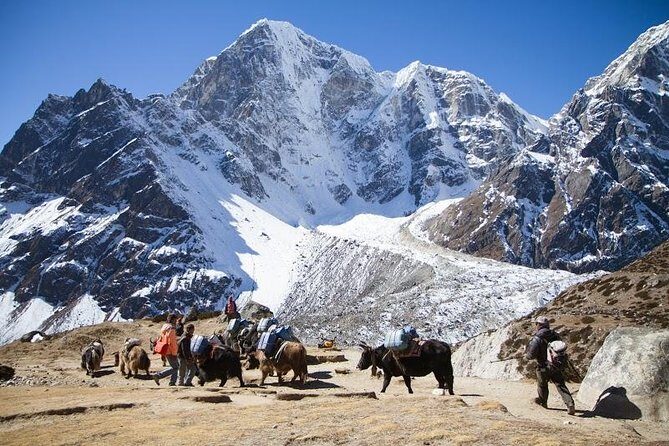
Once you’re trekking, the route is classic Everest-area travel by foot: Sherpa villages, forested stretches, and the Dudh Koshi River corridor. Even without listing every single overnight stop, you can expect a rhythm of gradual altitude gain and constant scenery change.
Here’s what makes this segment worth your time:
- Sherpa villages give you more than views. You’ll see daily life patterns that make the rest of the trek feel grounded.
- The Dudh Koshi River keeps the journey from feeling like one endless stairway. The sound and the movement of water help you stay calm and keep your breathing steady.
- Guesthouses along the way keep logistics simple. You’ll have somewhere consistent to sleep as you adjust.
The tradeoff is pace. You’re still climbing at high elevation, and the air gets thinner even if your legs feel okay. Take it slow. Your body will thank you later.
In feedback, the guide component really shows up here. People highlight guides such as Ram and Rupak for stepping in early when someone feels off, adjusting pace, and keeping spirits up—even when the group includes different ages and fitness levels. That kind of attention isn’t just nice. It helps you keep a steady trekking rhythm.
Namche Bazaar, Tengboche monastery, and Dingboche acclimatization stops
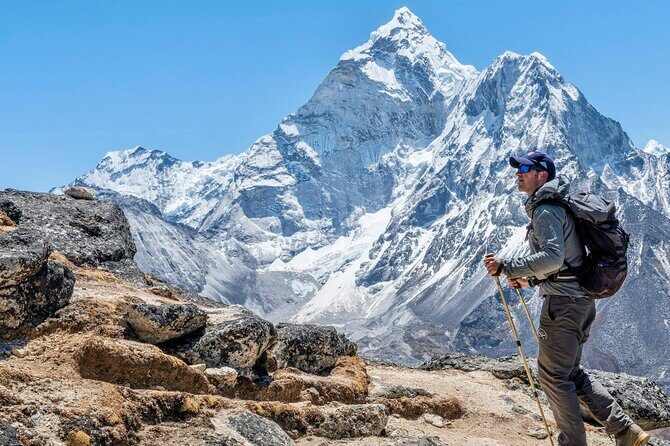
This is where the trek stops being only about steps and turns into strategy.
You’ll pass through key highpoints like:
- Namche Bazaar, where you pause and take in the vibe while giving your body a chance to catch up.
- Tengboche, known for its monastery presence, giving the route a spiritual anchor and an emotional break from pure altitude grind.
- Dingboche, an acclimatization stop where you slow down and let the higher elevation settle.
Why these stops matter: acclimatization isn’t just a checkbox. It’s how you reduce the odds of feeling miserable later. When you take the breaks seriously—hydration, easy walking, not sprinting to the next viewpoint—you’re setting yourself up for Base Camp and Kala Patthar.
Also, these are the places where a guide’s calm approach really pays off. In feedback, guides are repeatedly praised for patience and for helping people feel more confident at altitude. If you tend to worry, a steady guide can change your experience from stressful to focused.
A few more Kathmandu tours and experiences worth a look

Everest Base Camp and Kala Patthar sunrise: what the hard part buys you
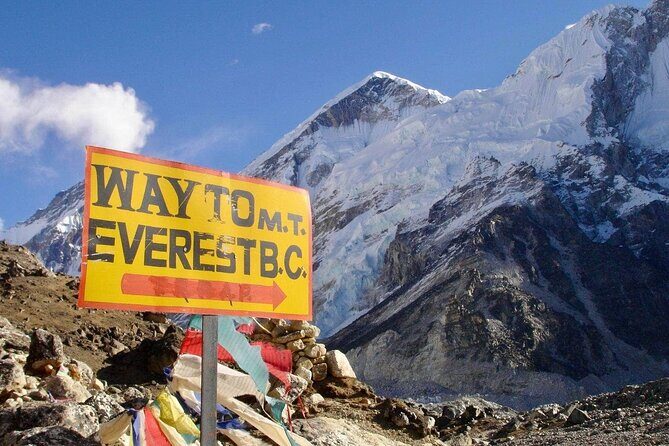
Reaching Everest Base Camp is the obvious target. But the trek is really built for the “why” moment: standing in a spot that makes the Everest story feel immediate, not abstract.
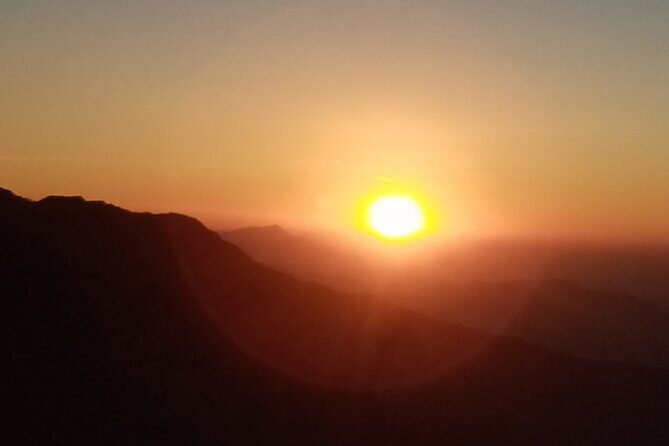
Then comes the moment that many people remember the most: hiking to Kala Patthar for an early sunrise over the Himalayas. This isn’t just about having a pretty picture. It’s about contrast—your legs are tired, the air is thin, and then the sky opens up like someone turned on a light switch. If you’ve ever wondered whether effort actually equals payoff, Kala Patthar is where you get an answer.
A fair warning: both Base Camp and Kala Patthar are demanding. Not everyone finds the sunrise push fun at the time. But if you take it step-by-step—slow pace, consistent breathing, warm layers—you’re more likely to enjoy it rather than endure it.
Your guide will matter here too. People highlight guide flexibility and care on summit-day style pushes—making sure everyone reaches key points feeling accomplished, not crushed.
Guesthouses, duffel bags, and how comfort works on this trek
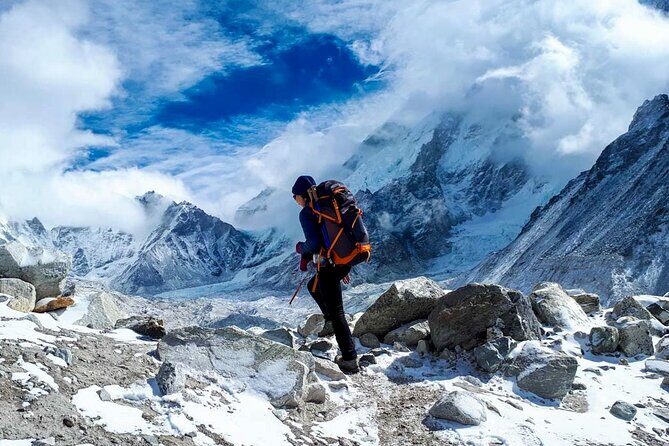
This package uses standard guesthouses for lodging. Translation: you can expect basic, functional rooms. Don’t show up expecting hotel-level comfort at altitude.
What helps is that the package includes trekking gear support. You receive a duffel bag and a sleeping bag, plus a T-shirt and a map. That reduces what you need to pack from home and helps you arrive with less stress. It also means the operator has thought about the practicalities of cold nights.
If you like order and clarity, you’ll also appreciate that you get a comprehensive first aid medical kit and a licensed guide. And if you want a second layer of support, porter service is optional—with one porter for two trekkers recommended. For many people, that’s the difference between finishing strong and arriving at the end with regret.
What the package includes for $799—and what you still pay for
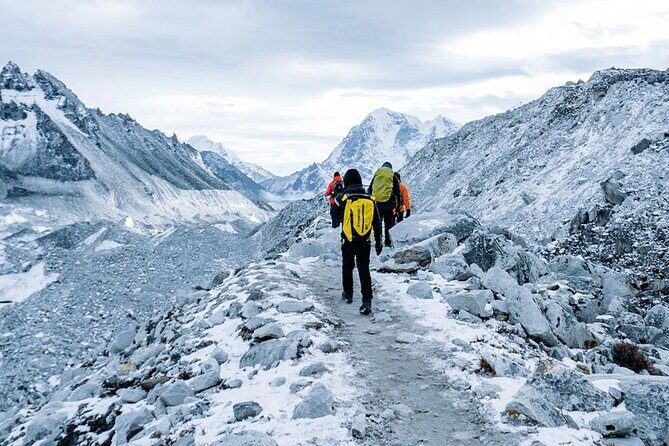
At $799 per person, the value isn’t only that the views are included. It’s that the expensive, time-consuming admin is mostly handled.
Included costs you typically don’t want to juggle on your own:
- Permits: Sagarmatha National Park, TIMS, Pasang Lhamu Entry
- Domestic flights: Kathmandu/Manthali ↔ Lukla
- Helicopter: Gorakshep to Lukla
- Licensed English-speaking guide
- Trek lodging in guesthouses
- Gear items like duffel bag and sleeping bag
- Taxes and official fees
- Kathmandu hotel with breakfast
- Farewell dinner with Nepali cuisine and cultural show
What you should budget separately:
- International flights to and from Kathmandu
- Nepal visa (obtained on arrival)
- Meals: lunch & dinner in Kathmandu and all meals during the trek (breakfast in Kathmandu is included, and the farewell dinner is included)
- Insurance that covers medical and high-altitude evacuation
- Optional porter service (recommended as one porter for two trekkers)
- Personal expenses like snacks, beverages, laundry, and tips
My practical take: this is good value if you want a guided, structured Everest experience without spending days sorting out permits, flights, and mountain logistics. If you’re trying to cut costs by self-planning everything, this package may feel pricier than going fully independent. But if you’d rather trade DIY stress for mountain time, the bundle makes sense.
Safety and high-altitude reality check
Altitude can humble even strong hikers. This trek is listed for people with moderate physical fitness. That doesn’t mean it’s easy. It means it’s designed for realistic capability, not for people who expect level-ground comfort.
The most important safety input you should take from the package details is insurance. If you’re going to Everest-region altitudes, get coverage that includes high-altitude evacuation. That’s not a nice-to-have line. It’s your actual plan B.
Also, the experience requires good weather. If weather forces a cancellation, you’ll be offered a different date or a full refund. That’s reassuring. Just be aware that air travel and helicopter rides are part of the plan, so weather is more than a mood—it’s a decision-maker.
Who this Everest Base Camp trek fits best
This is a great match if you:
- Want Everest Base Camp and Kala Patthar, but you prefer not to finish with the long grind of returning on foot.
- Like having logistics handled, especially permits and flights.
- Appreciate guided pacing, especially if your group has mixed ages or different comfort levels. In feedback, guides like Ram and Rupak are often praised for patience and for helping everyone feel steady.
- Want small-group dynamics. A maximum of 15 means more attention and less chaos than big trekking crowds.
Who might rethink it:
- If you hate early mornings and steep effort, the Kala Patthar sunrise segment may be harder on you than you expect.
- If you need full board meals included, note that lunch/dinner in Kathmandu and all trek meals are not included (though your farewell dinner is).
The decision: book this helicopter-return EBC trek or not?
If your goal is the full Everest experience—Base Camp, monastery stops, Dingboche acclimatization, and a sunrise at Kala Patthar—while also protecting your energy for the finish, I’d lean yes. The included Gorakshep-to-Lukla helicopter is the kind of upgrade that turns the trek from a one-direction endurance test into a more complete story.
Book it if:
- You want a smoother logistics load.
- You value the chance to celebrate without spending your last day physically spent.
Skip it if:
- You’re chasing the lowest possible cost and don’t mind self-managing permits, flights, and everything else.
- You’re highly sensitive to weather changes, since the experience depends on good conditions.
FAQ
Does the trek include permits?
Yes. The package includes permits for Sagarmatha National Park, TIMS, and Pasang Lhamu Entry.
What flights are included in this package?
You get round-trip domestic flights between Kathmandu/Manthali and Lukla.
Is the helicopter ride included, and where does it go?
Yes. The helicopter ride included is from Gorakshep to Lukla.
Where do I meet the group in Kathmandu?
The meeting point is Tribhuvan Airport in Kathmandu, with a 9:00 a.m. start time.
Do I need a visa for Nepal?
Yes. You obtain a Nepal visa on arrival.
What happens if weather cancels the experience?
This experience requires good weather. If it’s canceled due to poor weather, you’ll be offered a different date or a full refund.