REVIEW · KATHMANDU
Annapurna Poon hill Sunrise Trek
Book on Viator →Operated by Well Plan Trekking · Bookable on Viator
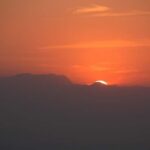
The sunrise at Poon Hill is worth waking up early for. This short, moderate Annapurna mid-hills trek keeps mountain views coming at you from the start, with a big payoff from Pun Hill’s viewpoint above 3,210m. I also like how the trip is set up with dependable support: an English-speaking guide, plus an extra set of hands with a porter for every two clients, and smooth transfers between Kathmandu and Pokhara. One thing to consider is that the best day (the sunrise climb) depends on clear weather, and the early start plus a bit of steep walking can feel tough if you’re not used to hiking.
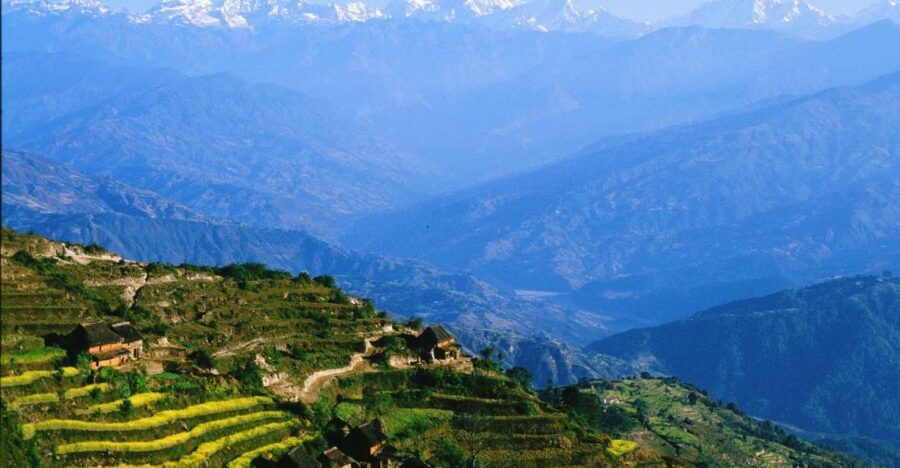
You’ll base yourself in Pokhara with a lakeside feel, then work your way through villages like Ulleri, Ghorepani, and Ghandruk. The route mixes stone steps, rhododendron forest, and ridge viewpoints, so it’s not just one long climb—it’s a series of changing views and gradual altitude gains. For me, that makes this trek a great “taste of the Annapurnas” without the commitment of a long circuit.
In This Review
- Key Highlights You’ll Actually Feel on the Trail
- Why Poon Hill Sunrise Feels Like a Real Annapurna Experience
- Well Plan Trekking’s Support: Guide, Porter, Pickup, and Follow-Through
- Kathmandu to Pokhara: How the Trip Gets You Ready (Without Dragging)
- Day-by-Day Trek Breakdown (What Each Section Really Does for You)
- Day 1: Arrival Day in Kathmandu
- Day 2: Overland to Pokhara, Then Lakeside Easy Time
- Day 3: Nayapul to Hille and Ulleri (First Climb, Village Feel)
- Day 4: Ulleri/Bhantati Ridge to Ghorepani (Forest, History, and Big Views)
- Day 5: The Pun Hill Sunrise Push (Early Climb, Big Morning Payoff)
- Day 6: Tadapani to Ghandruk, Then Back to Pokhara
- Day 7: Drive Back to Kathmandu (5–6 Hours) and Free Time
- Day 8: Final Nepal Day and Airport Transfer
- Permits, Food, and What’s Actually Included in the Cost
- Packing and Pace: Make “Moderate” Work for You
- Weather Reality: Clear Views Are the Whole Point
- Who Should Book This Poon Hill Sunrise Trek
- Should You Book This Trek?
- FAQ
- What is the highest altitude on the Annapurna Poon Hill sunrise trek?
- How long is the trek?
- What meals are included during the trek?
- Are permits included?
- How do you travel between Kathmandu and Pokhara?
- Is pickup included?
- What if the weather is bad or I need to cancel?
Key Highlights You’ll Actually Feel on the Trail
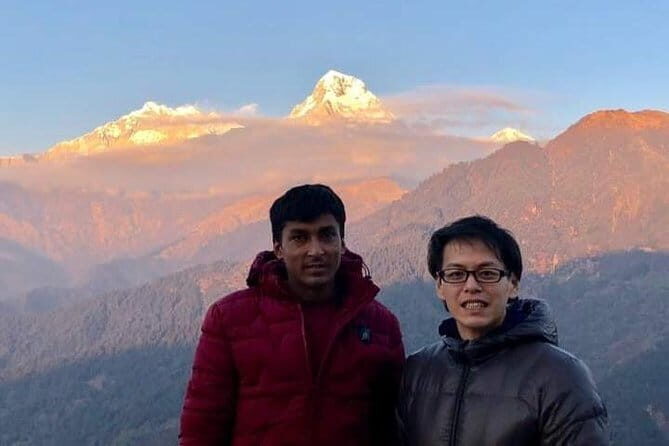
- Pun Hill sunrise viewpoint (3,210m+) for panoramic views across multiple ranges
- Pokhara lakeside base with hotel stay and relaxed time to get oriented
- Forest walking through rhododendron, magnolia, pine, oak, and fir on the upper sections
- Village texture in Ulleri, Ghorepani, and Ghandruk with real mid-hills life
- A guide and porter structure designed for small-group pacing (private for your group)
- Permits handled for you with Annapurna Conservation Area permit and TIMS
Why Poon Hill Sunrise Feels Like a Real Annapurna Experience
Poon Hill isn’t the highest place you’ll ever hike in Nepal, but it’s one of the most rewarding. You’re high enough to see far, and you’re close enough to the trail communities that the experience stays human-scale. Expect constant mountain impressions on the way up—then a true “moment” when the light hits the peaks from the viewpoint.
This trek is also a smart length if you’re short on time. You’re looking at about 8 days including transfers and buffer time for the trekking rhythm. That means you get the Annapurna vibe—ridges, villages, and big sky views—without needing weeks of leave.
And there’s another practical reason I like it: it’s “moderate” in the way you can plan for. The route uses stone-paved steps at times and involves a daily pattern of uphill and downhill, so you can train lightly and still feel good about it.
You can also read our reviews of more hiking tours in Kathmandu
Well Plan Trekking’s Support: Guide, Porter, Pickup, and Follow-Through
Good trekking companies are the ones that make the hard parts feel organized. This one includes airport pickup in Kathmandu when you arrive, then handles the key overland transport between Kathmandu and Pokhara. You also get a mobile ticket, which helps reduce last-minute friction.
On the mountain days, the structure matters. The trip includes an experienced, helpful, friendly, English-speaking guide, and there’s one porter for every two clients. That doesn’t mean you never carry anything, but it does mean you’re less likely to show up at the end of the day exhausted from heavy bag weight rather than the climb itself.
The guide coverage also seems consistent with what you’d want on a sunrise trek. In earlier trips organized by Well Plan Trekking, the owner/guide named Ram Pant has been specifically mentioned for being dependable from the first pickup to the final drop-off, plus for keeping things lively and clear during the trek. It’s the kind of detail that matters when you’re up early and the day depends on quick decisions.
Kathmandu to Pokhara: How the Trip Gets You Ready (Without Dragging)
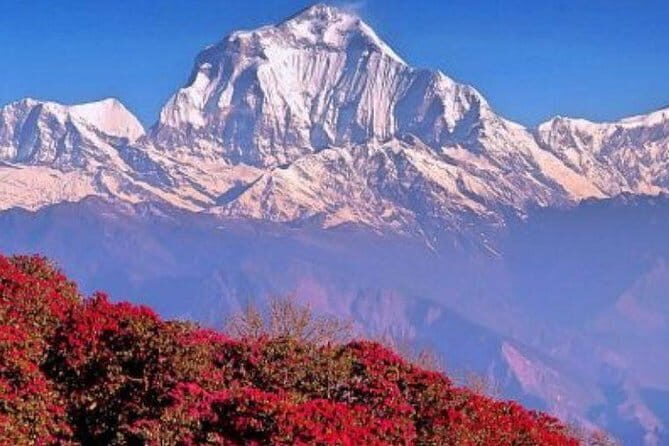
Your first real chunk of time is in Kathmandu (two nights) and Pokhara (two nights). That’s not filler. It’s how you reduce stress. You land, get transferred to your hotel, then you have time to settle before trekking starts.
Pokhara is where the mood shifts. You’ll travel from Kathmandu to Pokhara by tourist bus (comfortable coach or tourist bus style), and once you arrive you’ll be taken to your hotel with views over the Phewa Lake area. Expect warm sub-tropical conditions at this stage, plus a chance to take a short lakeside walk in the afternoon. It’s a simple activity, but it helps you adjust before the hill walking begins.
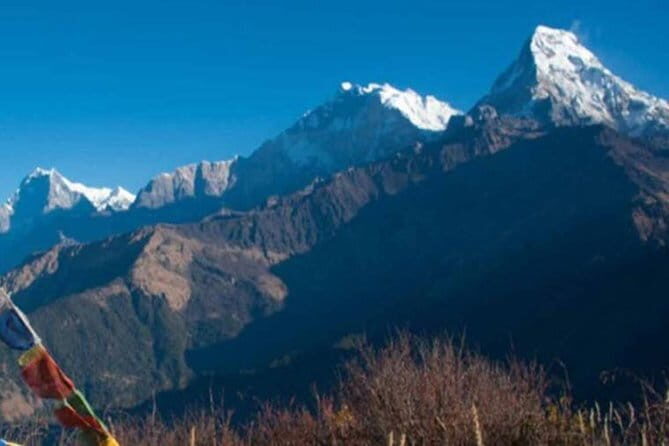
Also, the drive itself offers early visual payoff. You’re going beyond Pokhara’s city energy into mountain-facing valleys where you can spot big-name peaks like Manaslu and Annapurna, and even Machhapuchare—often described as Fish Tail.
Day-by-Day Trek Breakdown (What Each Section Really Does for You)
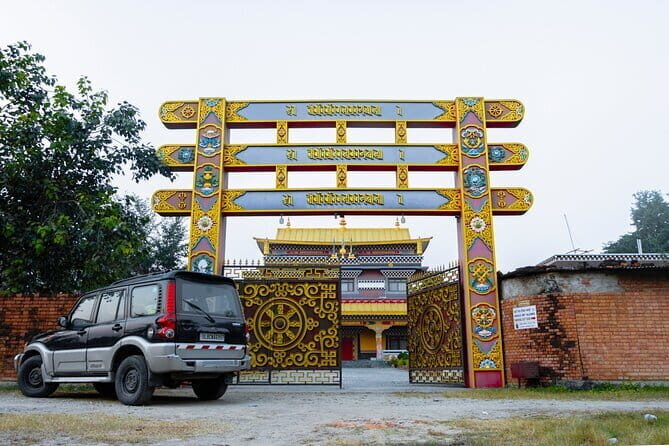
Day 1: Arrival Day in Kathmandu
This is the buffer day. A representative meets you at the airport and transfers you to your booked Kathmandu hotel based on your arrival time. If you’re coming in on international connections, that alone reduces the chance of a chaotic first night.
A few more Kathmandu tours and experiences worth a look

Day 2: Overland to Pokhara, Then Lakeside Easy Time
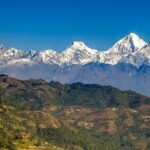
You start with the drive to Pokhara, then check into the hotel and get that first real taste of the mountains. Afternoon time is kept free for short walks around the lakeside and casual exploring. This is useful because your next days will ask more from your legs, especially with stone steps and ridge walking.
Day 3: Nayapul to Hille and Ulleri (First Climb, Village Feel)
You’ll depart early in the morning by car from Pokhara, then reach Nayapul. From there, the route follows the Modi River toward Bhirethati, and the scenery shifts into farm villages and terraced fields. It’s a slower introduction to the altitude game.
The walk begins with a climb from the foothills around Hille toward Ulleri. You’ll use stone-paved steps here, and that’s a key “training moment.” If you’ve been sedentary, this day helps you find your pace without going too extreme—though it’s still a real climb.
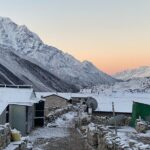
What I like about Ulleri as a first major stop is the village texture. You’re not just walking through scenery—you’re moving through lived-in hills with tea house-style lodging you’ll likely see again later.
Day 4: Ulleri/Bhantati Ridge to Ghorepani (Forest, History, and Big Views)
Today starts with uphill movement to a ridge above Ulleri and Bhanthati, then transitions into a winding path through forest. Expect tall stands of rhododendron, magnolia, pines, oak, and fir trees. Even if you’re tired, the shade and regular trail turns help break up the effort.
You’ll reach Ghorepani, a classic trekking village. It’s known for lodge-style stays and for its viewpoint access, including views of ranges like Dhaulagiri while also keeping the Annapurna region in sight.
There’s also a fun historical layer here: Ghorepani sits on an old route associated with salt trade between Nepal and Tibet, part of the Trans-Himalayan Salt Trade Route. The information you’ll get locally frames Ghorepani as a stepping point toward places like Upper Mustang and toward the Karo-la area. Even if you don’t obsess over the history, it gives you a sense that these weren’t random footpaths.
If you’re visiting in spring, the rhododendron season is a highlight. The hills can turn into a patchwork of different colors from rhododendron blooms.
Day 5: The Pun Hill Sunrise Push (Early Climb, Big Morning Payoff)
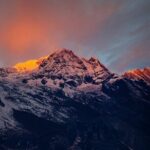
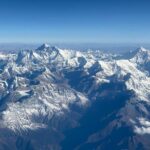
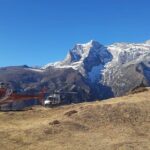
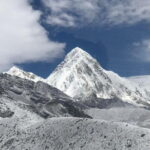
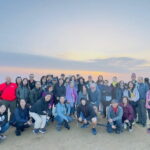
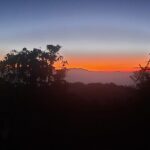
This is the day with the headline. You’ll hike early—about an hour or more uphill—to Pun Hill, which sits above 3,210m. The goal is sunrise and clear visibility over a wide panorama that includes ranges like Dhaulagiri, Tukuche, Nilgiris, Annapurna, and Manaslu, with Machhapuchare Fish Tail showing up in the mix when conditions are right.
After sunrise, you’ll head back to Ghorepani for breakfast. Then you continue walking into rhododendron forest and work your way through more altitude gains and losses. The day ends with the last climb to reach Tadapani, a forest setting with strong views.
A practical note: this is the hardest-feeling day for most people because it’s early, and you climb before you’re properly awake. Bring warm layers even if the forecast sounds mild earlier in the week.
Day 6: Tadapani to Ghandruk, Then Back to Pokhara
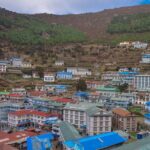
The morning walk leads downhill through a mist-filled forest setting into terraced farm fields above Ghandruk. Ghandruk is one of the larger Gurung villages in the Annapurna region, so it tends to feel more “town-like” than smaller hamlets you pass through.
You’ll pause at Ghandruk for a refreshing break, then later descend and use a vehicle for the drive back to Pokhara by Phewa Lake. This day is great because it gives you a sense of completion. You’ve done the ridge portion and the sunrise push, and now it’s about enjoying the easier rhythm and getting comfortable again in a hotel.
Day 7: Drive Back to Kathmandu (5–6 Hours) and Free Time
You’ll take a morning drive back to Kathmandu, usually about 5–6 hours depending on road conditions. When you arrive, you’ll transfer to your hotel.
The afternoon is left free. It’s a good chance to do last shopping for souvenirs and handicrafts if that’s your thing, or just take a breather after days of walking.
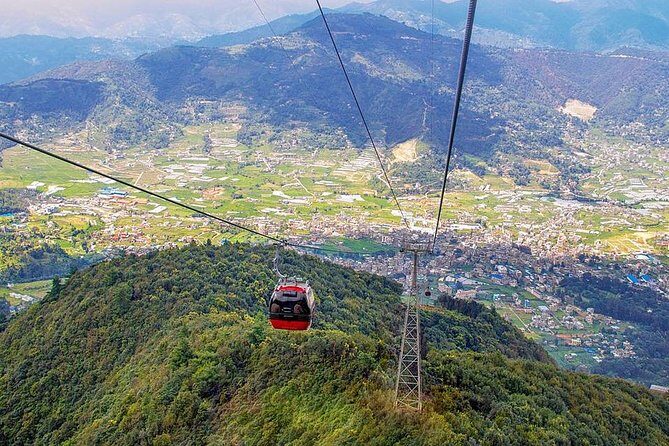
There’s also an alternative if you prefer to save time and avoid long roads: an option by air (about 30 minutes) back to Kathmandu with views, depending on your schedule.
Day 8: Final Nepal Day and Airport Transfer
Your last day is handled based on your international flight time. You’ll be transferred to the airport or to your next port of call. The key is that the trek ends with a real “wrap-up” rather than leaving you to organize everything yourself on short notice.
Permits, Food, and What’s Actually Included in the Cost
This trek is priced at $736 per person, and the value comes from what’s bundled. You’re not just paying for a guide. You’re also paying for permits, meals during trekking days, and the major transport legs.
Included items cover:
- Kathmandu and Pokhara hotel stays (two nights each) with breakfast included
- Trek meals: breakfast 8 times, lunch 4 times, dinner 3 times
- Permits: Annapurna Conservation Area permit and TIMS
- Kathmandu–Pokhara–Kathmandu by tourist bus
- Experienced English-speaking guide and porter (1 porter for 2 clients)
- Pickup offered and mobile ticket
Not included items are also worth knowing so there are no surprises. You’ll pay for travel and rescue insurance yourself. Personal expenses like charging, bottled water, and bar bills are not covered. Tips for guide and porter are not included. Kathmandu and Pokhara lunches and dinners aren’t included either.
For price-value thinking, here’s the simple way I see it: sunrise treks often cost more because they require early logistics, guides, and permits. This one stays in a moderate price band by keeping the itinerary short and using tourist bus transport, while still covering the core mountain essentials.
Packing and Pace: Make “Moderate” Work for You
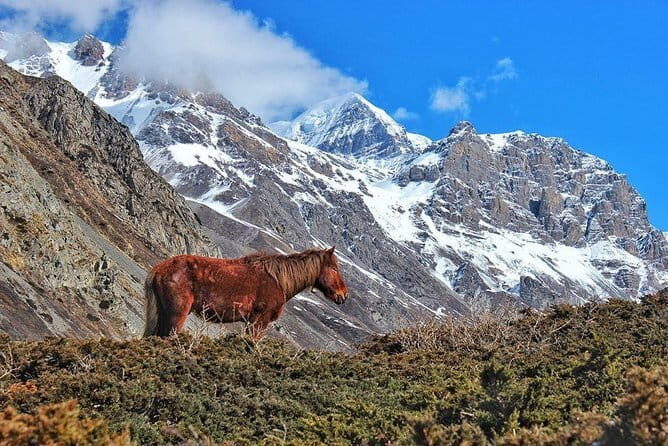
“Moderate” trekking can still feel demanding depending on your fitness and how early you start. The trail includes stone steps, ridge sections, and long downhill/ups on walking days. You’ll reach a maximum elevation at Poon Hill above 3,210m, which is high enough that you’ll want to treat breathing and hydration seriously.
Pack for cold early mornings, even if Pokhara feels warm. Layers help because you’ll go from lakeside warmth to forest shade and then back to windy viewpoint conditions at sunrise.
Also, think about how much you want to carry. With a porter included for two clients, your goal is to keep your own load reasonable so your legs are the limiting factor, not your shoulders.
Weather Reality: Clear Views Are the Whole Point
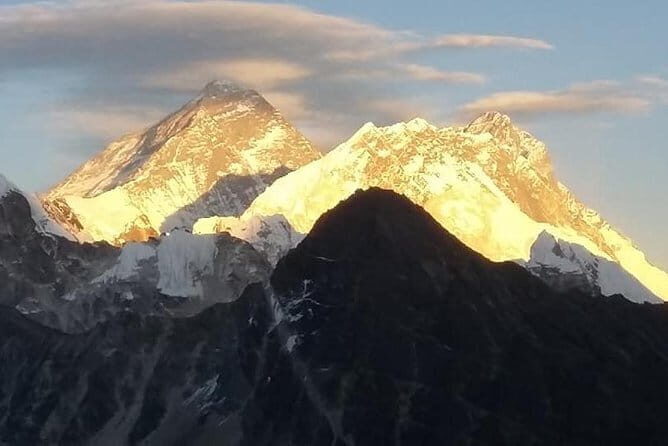
The trek requires good weather. That’s not small talk. If clouds or fog roll in heavily around the viewpoint, the sunrise experience changes fast. The good news: if the trek is canceled due to poor weather, you’ll be offered a different date or a full refund.
For you, the best strategy is to stay mentally ready for shifting conditions. Sunrise is the target, but your day still includes ridge walking, village stops, and forest scenery even if the sky is less cooperative than hoped.
Who Should Book This Poon Hill Sunrise Trek
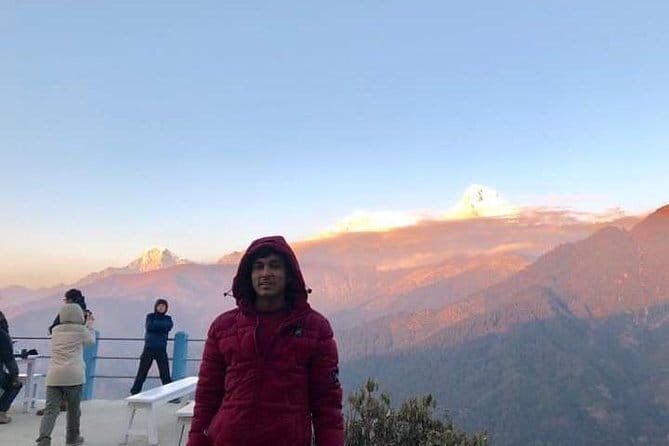
This trek is a strong fit if you want:
- A short Annapurna introduction with mountain views almost every day
- A manageable maximum elevation at 3,210m rather than extreme high passes
- Village life plus ridge and forest walking, not just one long track
- Organized support: pickups, permits, and a guide-led pace
It might be less ideal if:
- You struggle with early mornings and steep steps without training
- You expect guaranteed sunrise conditions regardless of weather
- You hate road travel; the Kathmandu–Pokhara–Kathmandu legs are overland (though there is an air option for the return to Kathmandu)
Should You Book This Trek?
If you want a classic, rewarding Annapurna experience without a huge time commitment, I’d say this one is worth strong consideration. The combination of Pun Hill sunrise, a Pokhara base, and real village walking creates a trip that feels full even though it’s short.
I’d book it if you like clear planning with day-by-day structure, and if you appreciate having permits and logistics handled. Just be honest with yourself about the early sunrise hike and bring clothes and stamina for cold, early starts.
If you’re ready to trade one early morning for a big view payoff, this is a smart choice.
FAQ
What is the highest altitude on the Annapurna Poon Hill sunrise trek?
The maximum elevation you reach is around 3,210m at Pun Hill.
How long is the trek?
The trek duration is about 8 days (including travel days between Kathmandu and Pokhara).
What meals are included during the trek?
Breakfast is included 8 times, lunch 4 times, and dinner 3 times during the trekking period. Kathmandu and Pokhara lunches and dinners are not included.
Are permits included?
Yes. The tour includes the Annapurna Conservation Area permit and TIMS.
How do you travel between Kathmandu and Pokhara?
You travel Kathmandu to Pokhara and back by tourist bus. There’s also an option to fly back to Kathmandu by air (about 30 minutes) with views.
Is pickup included?
Pickup is offered. A representative meets you at the airport on arrival in Kathmandu and transfers you to your hotel, and transfers are also provided at the end of the trip based on your flight time.
What if the weather is bad or I need to cancel?
This experience requires good weather. If it’s canceled due to poor weather, you’ll be offered a different date or a full refund. You can cancel up to 24 hours in advance for a full refund, and cancellations within 24 hours of the start time are not refundable.