REVIEW · KATHMANDU
Everest Base Camp Trek
Book on Viator →Operated by Nepal Trekking Experts Pvt. Ltd. · Bookable on Viator
Everest feels closer on foot. This 12-day Everest Base Camp trek from Kathmandu mixes big Himalayan views with down-to-earth tea-house living and Sherpa hospitality. You’ll spend your days hiking and your nights sorting out hot tea, layered clothes, and the tiny details that make the mountains feel real.
I also like how this trip is built for smooth logistics, with meals included and the basics like national park fees and a professional guide handled for you. The only catch: you need to show up ready for effort, because you hike about 6–7 hours most days.
In This Review
- Key things that make this Everest Base Camp trek worth your time
- Kathmandu prep: where your Everest Base Camp trek really begins
- The tea-house rhythm: why nights in “simple” lodges feel so special
- The hiking days: 6–7 hours, steady pace, and view management
- Village walks and historic monasteries: culture you can actually see
- Reaching Everest Base Camp: the moment that changes your perspective
- What you’re paying for: value in permits, meals, and a real guide
- Group size and the guide team: why control matters in the mountains
- Gear and food reality: what to plan for without guessing
- Who this Everest Base Camp trek is best for
- Should you book this Everest Base Camp trek?
- FAQ
- How long is the Everest Base Camp trek?
- What’s included in the price?
- What isn’t included during the trek?
- How many people are in the group?
- What fitness level do I need?
- What happens if weather is bad?
Key things that make this Everest Base Camp trek worth your time
- Small group (max 10 people) so your guide can actually manage pace and altitude concerns
- Tea-house accommodation keeps you connected to everyday mountain life, not sealed-off lodges
- Culture stops included with village walks and historic monastery visits along the way
- Meals, permits, and fees covered means fewer surprises and more time focusing on the trek
- Professional guide who can explain flora and fauna as well as local culture
- Pickup and drop-off in Kathmandu helps the trip start (and end) with less stress
Kathmandu prep: where your Everest Base Camp trek really begins
Most EBC trips feel like they start when you hit the trail, but the smart part starts in Kathmandu. This tour includes hotel pickup and drop-off, which matters on a long travel day. Less wrestling with taxis means you can use that energy for sleep, packing, and getting your questions answered.
Also note the paperwork side: you’ll need passport details (name, number, expiry, country) at booking. That isn’t glamorous, but it prevents last-minute headaches. A good tour moves fast here, and this one is set up to confirm at the time of booking.
If your schedule is tight or flights shift, pay attention to how the operator handles it. In past experience with this company, the owner Rajesh has stepped in when arrivals were delayed and helped people keep their connection moving toward the trek start. That kind of problem-solving is exactly what you want when mountains don’t care about airline schedules.
You can also read our reviews of more hiking tours in Kathmandu


The tea-house rhythm: why nights in “simple” lodges feel so special
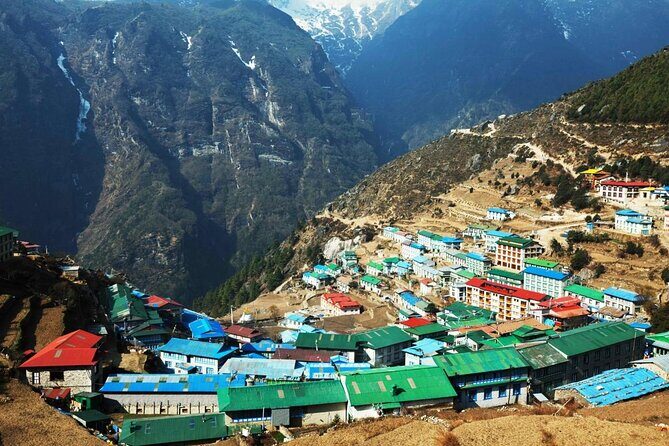
This trek is designed around tea-house accommodation. That phrase can sound plain, but on the ground it’s the point. Tea houses are where hikers trade stories, where locals run a small business on mountain time, and where you learn to travel lightly without losing comfort.
Here’s what that rhythm does for your body and your mood:
- After 6–7 hours of trekking, you get a real break and a predictable place to recover.
- You’ll eat dinner and breakfast on-site, which keeps your day from turning into a scavenger hunt.
- You’ll likely spend time with other groups, and you’ll also get quiet moments when the trail sounds fade.
You should expect the usual mountain trade-offs: rooms can be basic, heat is limited, and evenings may call for extra layers. Still, the value comes from being part of the local flow rather than moving through the region like a spectator.
And yes—Sherpa hospitality is a highlight here. That tends to show up in small ways: how the staff treat you, how willing they are to help, and how your guide explains what you’re seeing instead of rushing past it.
The hiking days: 6–7 hours, steady pace, and view management
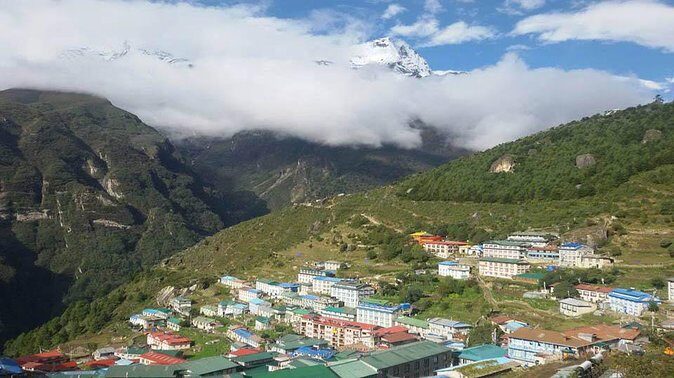
The trip expects you to hike roughly 6–7 hours each day in the Himalaya region. That’s a meaningful daily commitment, even if the trails are manageable by experienced hikers. The trick is not to “race” the trail—your body climbs best when you keep a steady tempo.
What I like about this design is that it’s realistic. You’re not pretending the trek is effortless, and you’re not hoping for luck either. Your guide is there for pace and for explaining what’s around you: flora, fauna, and cultural cues you’d miss on your own.
One consideration: planning for daylight. In high mountain areas, light changes fast and weather can shift. So think of your day as moving from one goal to the next—tea-house check-in, meals, and then a slow reset—rather than trying to squeeze in extra sightseeing after you’re tired.
Village walks and historic monasteries: culture you can actually see
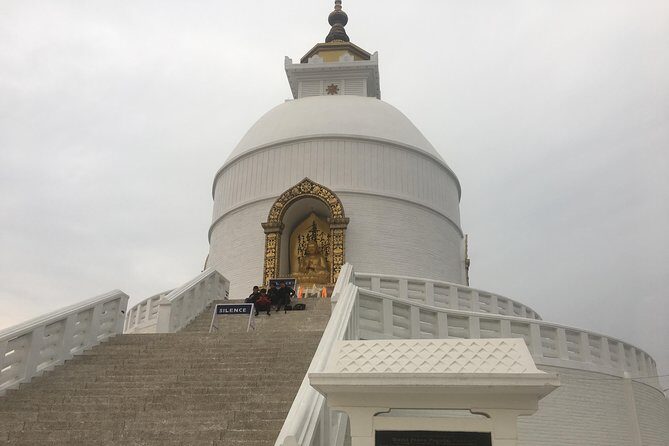
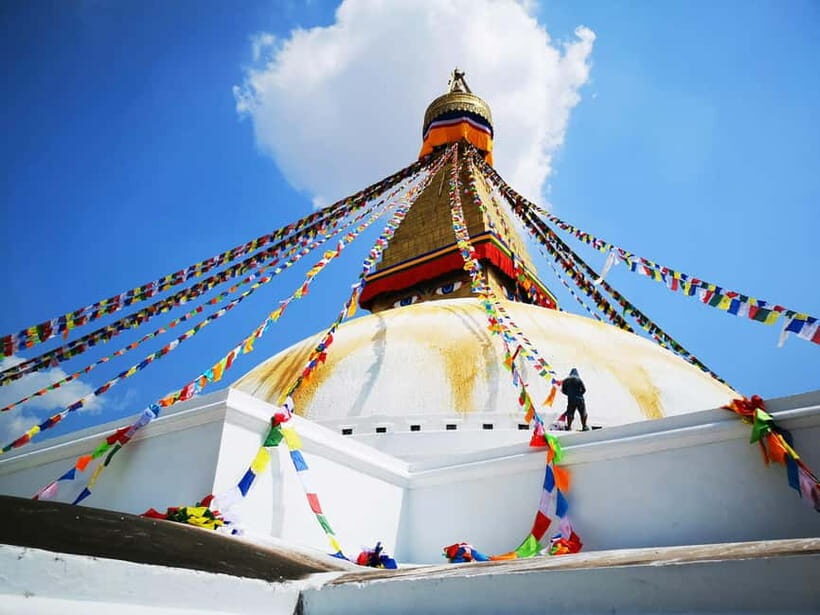
You won’t just look at Everest—you’ll also learn about life nearby. The tour includes visits to villages and historic monasteries, plus opportunities to pick up context about mountain culture along the way.
Why this matters:
- It keeps the trek grounded. You’re hiking through a living region, not a museum.
- It makes the scenery more meaningful because you understand why people built, worshiped, traded, and lived where they did.
- It gives your brain a break from pure physical focus.
Your guide also aims to teach you about local nature. The highlights call out flora and fauna, which usually means more than a quick photo stop. You’ll get short explanations about what’s growing, what animals might show up, and how the environment shapes daily mountain life.
If you care about respectful travel, this kind of cultural programming is a bonus—especially when it’s handled by someone who knows what’s appropriate to see and how to talk about it.
Reaching Everest Base Camp: the moment that changes your perspective
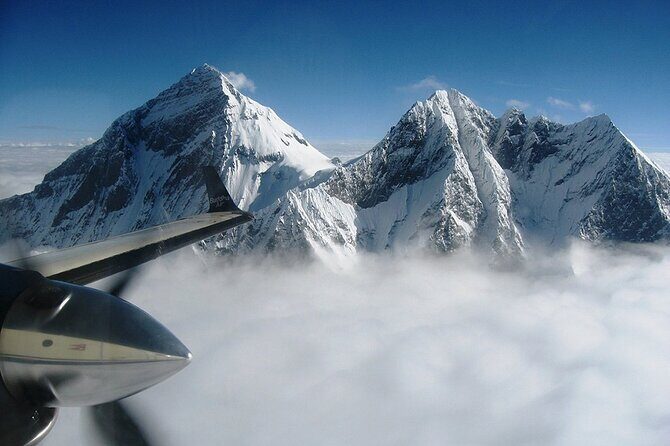
The headline is the obvious one: you’ll reach Everest Base Camp at the foot of the world’s tallest mountain. But the real value isn’t only the postcard photo. It’s the build-up: days of steady walking, higher-altitude quiet, and the sense that each step is adding up to something bigger than a checkmark.
When you finally arrive, you’re likely to feel a mix of things—relief, awe, and a strange calm. That’s normal. People often expect excitement to be nonstop, but on the trek, you earn your emotions one slow hour at a time.
One practical note: the weather in this region can decide how much you see. The tour is described as requiring good weather, which is a good reminder that the mountain doesn’t work like theme-park scheduling. Build the mindset that your day might change, and you’ll be less stressed if visibility shifts.




What you’re paying for: value in permits, meals, and a real guide
At $1,590 per person for about 12 days, you’re paying for more than movement. This is an all-inclusive structure (with key exceptions), and that’s where the value shows up.
Included items you should pay attention to:
- Accommodation as per itinerary (tea-house nights)
- Meals as per itinerary (breakfast, lunch, dinner)
- National Park fees and local taxes
- A professional guide
- Hotel pickup and drop-off in Kathmandu
- The tour’s stated fees/permissions through the operator
Those inclusions matter because they reduce your planning workload. When you’re walking hours a day, it’s not the time you want to research what’s open, where to eat, or what permit you forgot.
What’s not included (and can add up fast if you ignore it):
- Temple/monastery entrance fees
- Alcoholic drinks
- Drinks like cola, Fanta, mineral water during the trek
- Food and drinks in Kathmandu
- Souvenir photos (sold on-site)
So, for budgeting: expect to pay for water and drinks separately while trekking, and expect a little extra for any monastery entrance fees. If you’re the type who likes bottled convenience snacks, keep that in mind before you go.
Group size and the guide team: why control matters in the mountains
This tour limits the group to 10 travelers, which is not just a comfort detail. Smaller groups mean:
- Less waiting at turns and viewpoints
- Better pacing flexibility
- Easier communication for the guide
The guide quality is repeatedly praised in feedback about this operator, including named guides like Rajesh and team members such as Dinesh and Orsun, along with other guides referenced like Prakash and Resham. When the guide is the right fit, you don’t just get a person walking in front—you get interpretation: how to move well, what to look for, and what to respect culturally.
Also, one first-timer detail showed up in people’s stories: if it’s your first time hiking above 3000 meters, you’ll want a slow, careful approach. A good guide helps you handle that reality without making it feel scary or dramatic.
Gear and food reality: what to plan for without guessing
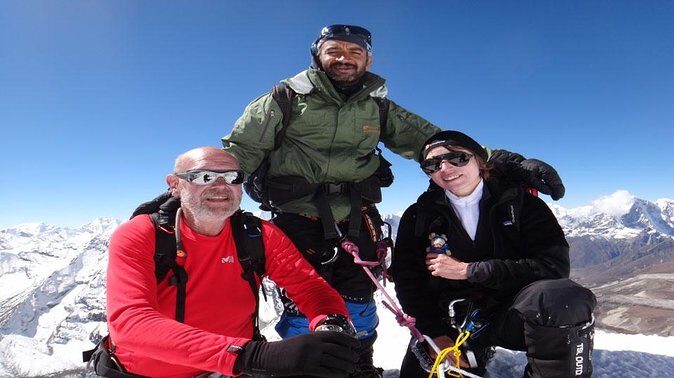
The tour covers your core meals and lodging, which reduces decision fatigue. Still, your daily comfort depends on smart choices.
Since mineral water and many soft drinks aren’t included during the trek, plan on purchasing them along the way. The practical move is to carry what you need for early days and then top up when you can. Your guide will help you with “what’s available” and what makes sense.
Alcohol isn’t included, and that’s normal for trekking, but don’t count on it being a low-cost habit either. If you like to reward yourself after a hard day, bring a realistic attitude and treat drinks as part of the expense equation.
For packing: you’ll want layers for morning starts and cooler evenings in tea houses. Keep your daily hiking kit simple, because you’ll be living out of it for about 12 days.
Who this Everest Base Camp trek is best for
This is a strong fit if:
- You want a classic Everest Base Camp experience with tea-house nights
- You like having meals and key fees handled
- You prefer a small group where the guide can manage pace
- You care about local culture—villages and historic monasteries are built into the trek
- You’re physically prepared for 6–7 hours of hiking most days
It may be less ideal if:
- You’re hoping for a gentle stroll or lots of free time off-trail
- You dislike daily physical effort, altitude strain, and a steady hiking schedule
- You want every drink and entrance fee included in the price
If you’re a fit walker but new to high altitude trekking, don’t panic. Just treat the first days like training, not performance.
Should you book this Everest Base Camp trek?
I’d say book it if you want a well-structured EBC journey with the practical basics covered: tea-house lodging, meals, park fees, and a professional guide. The small group size and the emphasis on culture, villages, and monasteries are real reasons this feels more human than a rushed stamp-collecting trip.
I’d hold off if you’re not ready for the daily hiking effort (6–7 hours), or if you hate the idea of paying extra for water and certain entrance fees along the trail. In that case, you could still do EBC, but you’ll want a trip style that matches your pace and budget.
FAQ
How long is the Everest Base Camp trek?
It’s listed as 12 days (approx.).
What’s included in the price?
The tour includes accommodation as per the itinerary, local taxes, national park fees, meals (breakfast, lunch, dinner), a professional guide, and hotel pickup and drop-off in Kathmandu.
What isn’t included during the trek?
Not included are temple/monastery entrance fees, alcoholic drinks, drinks like cola, Fanta, and mineral water during the trek, plus food and drinks in Kathmandu. Souvenir photos are also not included.
How many people are in the group?
The maximum group size is 10 travelers.
What fitness level do I need?
The tour states that travelers should have a strong physical fitness level.
What happens if weather is bad?
The experience requires good weather. If it’s canceled due to poor weather, you’ll be offered a different date or a full refund.