REVIEW · KATHMANDU
9 Days LANGTANG VALLEY TREKKING IN NEPAL
Book on Viator →Operated by Mountain Tiger Nepal · Bookable on Viator
A long trek in Nepal feels like a story. This one lines up Kathmandu’s UNESCO temples with Langtang Valley trekking and ends with sunrise views from Kyanjin Ri. You’ll walk through forests, past rivers, and into alpine country dotted with rhododendrons, with snow-capped giants like Langtang Lirung and Dorje Lakpa always looming in the background.
I really like how the trip keeps balance between culture and effort. You get real temple time in Kathmandu, then a guided trek where the focus stays on safety, pacing, and enjoying the route—not just checking boxes. And once you’re on the mountain trail, the tea-house/lodge rhythm makes it easier to settle in each evening and actually recover for the next day.
One consideration: Kyanjin Ri climbs up to about 4,773 meters, so you need solid motivation and a realistic attitude about altitude and stamina. Even if this is framed as a beginner trek option, you should still prepare for cold mornings, a lot of walking days, and the physical challenge of high views.
In This Review
- Key Things I’d Want You to Know
- Kathmandu Temple Warm-Up: Pashupatinath, Swayambhunath, Boudhanath
- Getting to Langtang: Private Ride, Dhunche Gate, Syabrubesi Base
- Syabrubesi Hot Springs and Thulo Syabru’s Tamang Culture
- Langtang Village to Kyanjin Gompa: Tea-House Trek at High Altitude
- Kyanjin Ri Sunrise Viewpoint Above Langtang Lirung and Dorje Lakpa
- Returning via Ghodatabela and Why the Trek Feels Complete
- Price and Logistics: Getting Value in Permits, Gear, and Support
- Who This Trek Fits Best (and Who Should Think Twice)
- Should You Book This Langtang Valley Trek?
- FAQ
- What’s the duration of the Langtang Valley trekking experience?
- Where does the tour start and end?
- What’s included for permits?
- Are meals included during the trek?
- Where do you stay during the trek?
- Is transportation included?
- Are trekking essentials provided?
- Can I cancel for a full refund?
Key Things I’d Want You to Know
- UNESCO temple setup in Kathmandu before you hit the trail, so you ease into Nepal in a meaningful way
- Private, air-conditioned transport from Kathmandu toward the trek start, then local mountain villages once you’re there
- Permits handled for you, including TIMS and the Langtang National Park permit
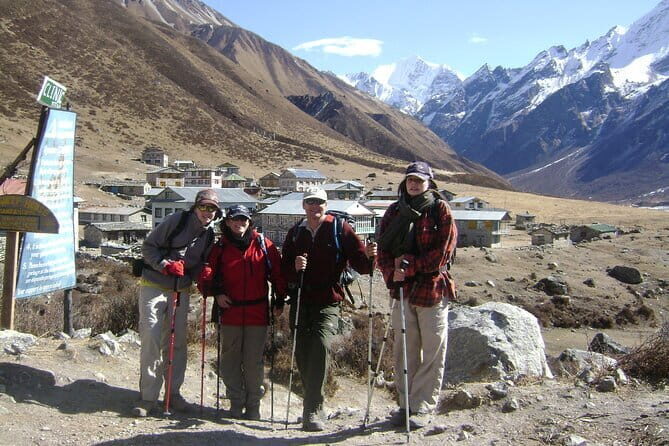
- Real trekking support with an experienced guide and a porter, plus trekking poles and a sleeping bag
- Kyanjin Ri sunrise viewpoint near Kyanjin Gompa for big mountain names and panoramic reward
Kathmandu Temple Warm-Up: Pashupatinath, Swayambhunath, Boudhanath
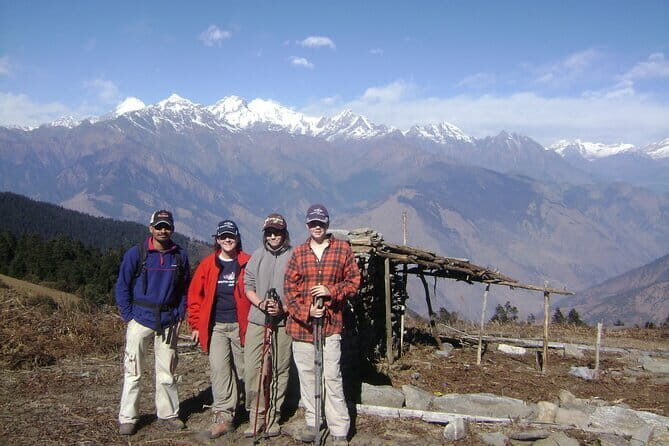
Most Nepal trips start in Kathmandu, but this one uses that time well. You begin with temple stops that show you two sides of local life: Hindu pilgrimage energy and Tibetan-influenced Buddhist practice.
At Pashupatinath Temple on the Bagmati River, the setting is quiet and scenic compared to the city noise, with the temple dedicated to Lord Shiva. It’s one of the major pilgrimage destinations in Nepal and beyond, and it’s UNESCO-listed since 1979. If you’re the type who likes to understand a place, this stop gives you context fast: Nepal isn’t just a backdrop—it’s a living spiritual system.
Then you head to Swayambhunath Stupa, also called the Monkey Temple. It sits on a hill and is UNESCO-listed too. The name Swayambhunath means self-existent one, and it’s an older core site for Buddhism in the valley. You’ll get the classic stupa experience here—prayer flags, the sense that people come for devotion, not tourism alone.
Finally, there’s Boudhanath Stupa, believed to date back to the 5th century. The dome-shaped base and tall spire are hard to miss, and the Buddha eyes painted on all four sides are a standout visual detail. Those eyes—often called the wisdom eyes—represent all-seeing compassion, and the whole area tends to feel like a slow, steady ritual zone rather than a quick photo stop.
Practically, the trip also includes 2 nights in Kathmandu in a 3-star hotel. That matters. When your trek days start soon after, you want sleep that helps you wake up ready, not wiped out.
You can also read our reviews of more hiking tours in Kathmandu


Getting to Langtang: Private Ride, Dhunche Gate, Syabrubesi Base
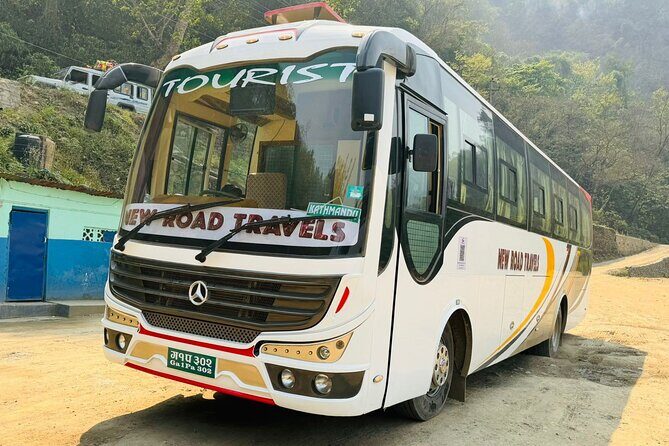
Once Kathmandu temple time is done, you switch gears. You drive from Kathmandu toward the trek start in a private air-conditioned vehicle, which is a big comfort upgrade. Mountain roads can be slow, and the easier start helps you keep your energy for actual walking.
Along the way, you pass small villages with hills and terraces in view, and you get glimpses of big mountain forms like Ganesh Himal. The route also goes through Dhunche, described as the gateway to Langtang National Park and the trekking area. Dhunche is useful because it’s where you understand the idea of a foothold town: basic accommodation, eateries, and shops, with the feeling of rural Nepal rather than a tourist corridor.
You then enter the Langtang National Park checkpost area. This is where permits matter, and the good news is that your trek plan includes the necessary documentation. You may need to show your Langtang National Park Permit on arrival.
Your overnight base after the drive is Syabrubesi. This village is the standard starting point for Langtang Valley and Gosainkunda treks. It also serves as a transit hub for people heading toward Tibet via Rasuwagadhi border crossings, so even though it’s quiet, it’s not isolated. The mix of Tamang hospitality and practical guesthouse infrastructure makes it a logical first night.
Syabrubesi Hot Springs and Thulo Syabru’s Tamang Culture
After your arrival, you don’t immediately jump into a day of max effort. You get a reset option: Syabrubesi Hot Spring. The thermal waters are surrounded by forests and mountain views, and the point is simple. Trek days are hard on legs and joints, so soaking in warm mineral water can help you feel human again.
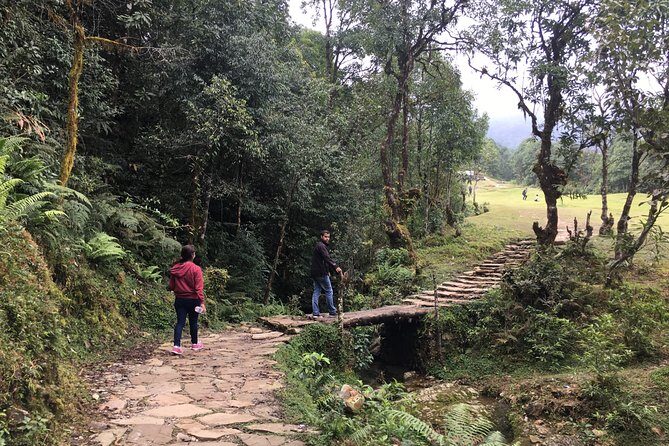
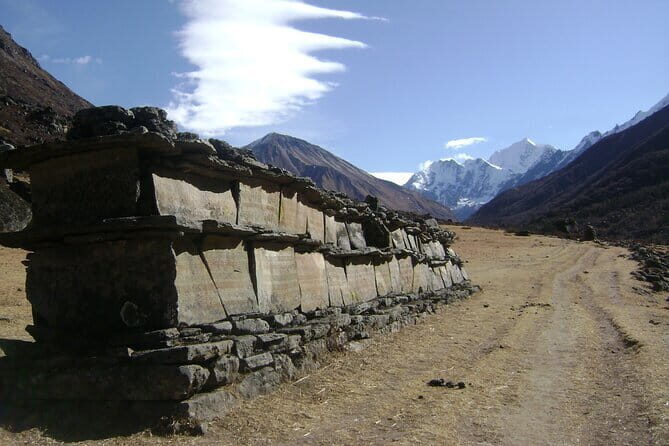
From there, you move onward toward Thulo Syabru, around 2,200 meters. This place works because it’s both scenic and culturally grounded. Thulo Syabru is known for traditional Tamang architecture and welcoming locals. You’ll likely pass through with the feeling that you’re trekking through people’s home routes, not just empty wilderness.
What I like about this stretch is the pacing logic. It’s early enough that you’re still getting your trek legs, but you’re also already seeing how the valley changes as altitude climbs. You’ll feel the air tighten a bit, and you’ll start noticing prayer flags and local construction styles as part of the trail experience.
Langtang Village to Kyanjin Gompa: Tea-House Trek at High Altitude
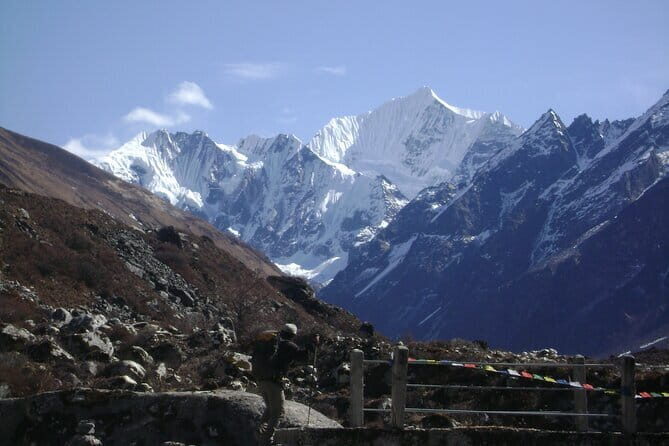
As the trek builds, the route shifts into classic high-country rhythm: longer stretches, more views, and less room for rushing. The included meals help you stay consistent. Your package includes 6 nights at tea house/lodge on the trekking portion, with breakfasts 8 times, lunches 7 times, and dinners 6 times included.
That matters because at altitude, predictable food timing helps with energy and with coping when you get tired. You also know you won’t have to make difficult decisions about where your next meal is coming from.
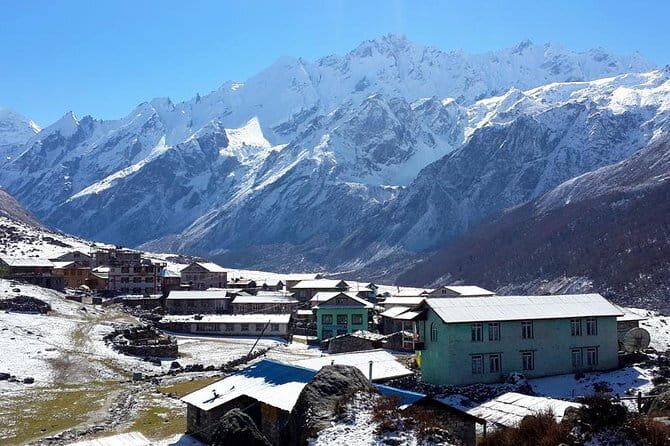
A key cultural stop on this phase is Langtang Village. It’s described as a picturesque settlement with Tamang heritage and stone houses with prayer flags. For me, that’s the kind of detail that turns a trail into a story. You’re not only looking up at peaks; you’re also looking at how communities live in the Himalaya.
Then you reach Kyanjin Gompa at about 3,870 meters. This is a sacred Buddhist monastery area tucked into huge mountain scenery. You’ll see ornate monastery architecture, colorful prayer flags, and a calmer spiritual mood than you’d get in most trekking towns. The plan also includes time to explore the monastery grounds, with the option to participate in meditation sessions, plus the chance to enjoy panoramic views of glaciers and peaks.
If you like moments of quiet on a hike day, Kyanjin Gompa is a strong one. It gives your brain a break after hours of walking, and it helps explain why people make pilgrimages here.
Kyanjin Ri Sunrise Viewpoint Above Langtang Lirung and Dorje Lakpa
This trek’s big physical and visual payoff is the climb to Kyanjin Ri, around 4,773 meters. It’s right near Kyanjin Gompa, so you’re not relocating far—your effort is focused.
The view is the point. From Kyanjin Ri, you get panoramic sightlines to named peaks such as Langtang Lirung, Dorje Lakpa, and Ganchempo. If you’ve ever wondered what high-altitude sunrise looks like, this is the kind of spot where the clouds and light shifts can change the whole scene in minutes.
Your itinerary also emphasizes sunrise spectacles. Practically, that means early starts and colder air, even if the day hike itself is short compared to lower-altitude treks. Dress for the real temperature, not the idea of temperature. Layers and gloves are not optional at these elevations.
The other payoff: you feel a sense of accomplishment that’s tied to a specific viewpoint, not just another checkpoint. And because Kyanjin Ri sits near a monastery base, the hike also feels tied to the spiritual and community side of the route, not only the summit side.






Returning via Ghodatabela and Why the Trek Feels Complete
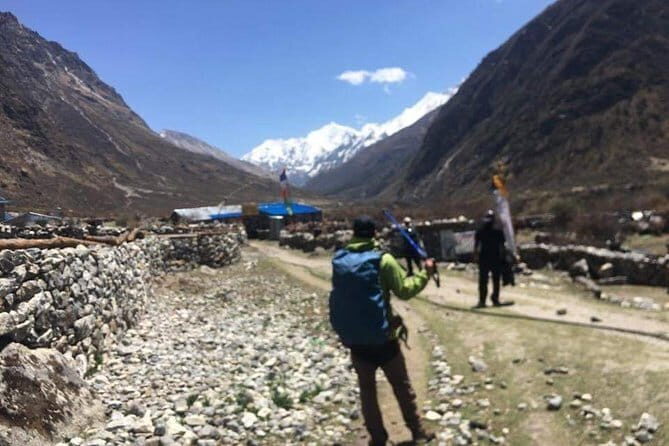
After the Kyanjin Ri highlight, the trek moves back through the valley corridor. One stop mentioned is Ghodatabela, known for rugged charm and a quieter sense of place. The name translates to horse stable, which makes sense given the historic role of pack animals along trekking routes.
Ghodatabela is also described as a serene stopover with forests, cascading water, and mountain views. If you’re tired, this is the kind of place where the day still feels worthwhile. The goal isn’t adrenaline. It’s recovery and a steady walk back with fewer high-stress moments.
Eventually, you return to Syabrubesi for the trekking base, then continue back toward Kathmandu with the private vehicle. This structure is nice because you’re not dragged through constant transfers at the end. The trek part is allowed to end cleanly, then your trip shifts back into city comfort.
Price and Logistics: Getting Value in Permits, Gear, and Support
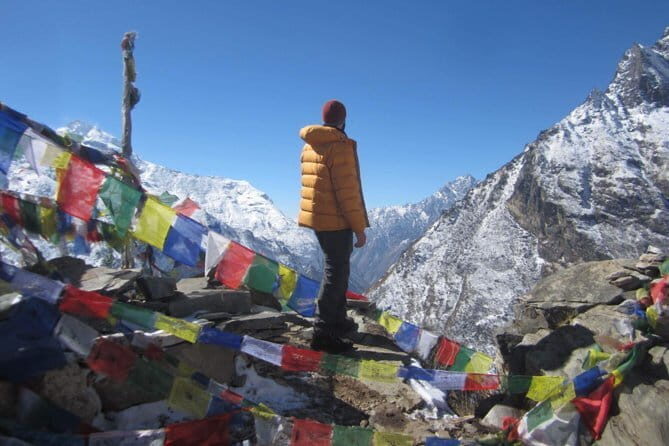
The price is $1,050 per person for about 9 days. At first glance, that’s not cheap. But in Nepal trekking, value often lives in the things you don’t see on a brochure: permits, guide time, gear you’d otherwise rent, and who carries the burden.
Here’s where this plan gives you real traction:
- TIMS and Langtang National Park permits included. Permits are mandatory, and handling them saves you time and hassle.
- Professional experienced trekking guide throughout. On a mountain route, a good guide affects pace, safety, and how much you actually understand.
- Porter included. Even if you pack smart, having a porter reduces strain and helps you keep energy for steep moments.
- Trekking poles and a performance sleeping bag (camp grade) provided. This is useful if you’re traveling from abroad with limited luggage space.
- Private transportation from Kathmandu toward Syabrubesi. That comfort can matter a lot early on.
You also get two nights in Kathmandu at a 3-star category hotel, plus meals on the trekking segment. For many trekkers, the biggest cost shock comes from deciding what to eat, where to stay, and what to rent. This package reduces those decisions.
What isn’t included is also worth calling out: insurance/medical coverage, plus personal expenses, laundry, and beverages not mentioned. If you don’t already have travel insurance that covers trekking and altitude, you’ll want to fix that before you go.
One more practical detail: the tour mentions mobile ticket and group discounts. Even without seeing exact numbers, the idea is straightforward—less paperwork, smoother updates, better fairness if you’re traveling with more people.
Who This Trek Fits Best (and Who Should Think Twice)
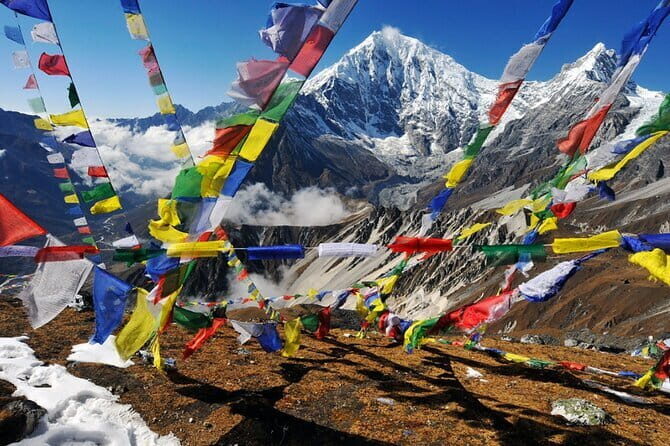
I’d see this trek as a strong option if you want a Nepal mountain experience that’s active but still managed. The trip is described as suitable for most travelers, and the trekking style is organized around tea houses/lodges with a guide and porter support.
It also seems to work for different travel styles. In past family trips, people felt the guide helped them navigate well, and accommodations were described as among the best possible. For couples, the “lap of Langtang” vibe is a real theme: shared effort, quiet viewpoints, and a final Kathmandu cultural wrap-up.
That said, think twice if you know you struggle with altitude. Kyanjin Ri pushes you to around 4,773 meters, and the trek includes the higher-altitude stop at Kyanjin Gompa around 3,870 meters. Even with guidance, you’re still dealing with thin air.
Also, because the trek includes early-morning sunrise climbing, you’ll want to be the kind of person who can handle cold starts without grumbling too much. (Cold grumbling is okay. Just don’t let it stop you.)
Should You Book This Langtang Valley Trek?
If you want a well-supported Langtang experience with big scenery and real local culture, I think this one is worth serious consideration. The combination of Kathmandu UNESCO sites plus Langtang’s Tamang villages gives you more than a hike: you get a sense of how spiritual life and mountain life sit side by side.
I’d especially recommend booking if you value structure and support. The guide quality comes through in real feedback, including a guide named Rai who navigated confidently for a family trip. And the hospitality details show up too, with a host named Binod mentioned for a memorable farewell dinner. Those aren’t small things on a trekking trip—they’re what make the end of the journey feel cared for.
On the flip side, don’t book this expecting a walk in the park. You’re going to work for Kyanjin Ri and you’ll feel altitude along the way. If you’re ready for that, you’ll likely come away with the kind of memory that stays sharp long after the mountain is gone.
FAQ
What’s the duration of the Langtang Valley trekking experience?
It runs for about 9 days.
Where does the tour start and end?
It starts at Tribhuvan International Airport in Kathmandu and ends back at the same meeting point.
What’s included for permits?
TIMS and Langtang National Park permits are included.
Are meals included during the trek?
Yes. Breakfast is included 8 times, lunch 7 times, and dinner 6 times.
Where do you stay during the trek?
The trek includes 6 nights at tea house/lodge.
Is transportation included?
Yes. Private transportation is included, including an air-conditioned vehicle from Kathmandu toward Syabrubesi.
Are trekking essentials provided?
Yes. A sleeping bag (camp grade) and trekking poles are provided, and a porter is included.
Can I cancel for a full refund?
Yes. Free cancellation is available up to 24 hours before the experience start time for a full refund. If you cancel less than 24 hours before, you won’t get a refund.