REVIEW · KATHMANDU
Hiking & city tour in Kathmandu with community Volunteering
Book on Viator →Operated by Sabbatical Explore Nepal (Social Tourism Nepal) · Bookable on Viator
Kathmandu can feel loud and fast, until your feet hit the hills. This 8-day Nepal plan mixes big-name heritage sights with real community volunteering, plus guided day hikes around the Kathmandu valley. You get set up with Nepali meals and local stays, so you spend less time figuring out logistics and more time connecting with how people actually live.
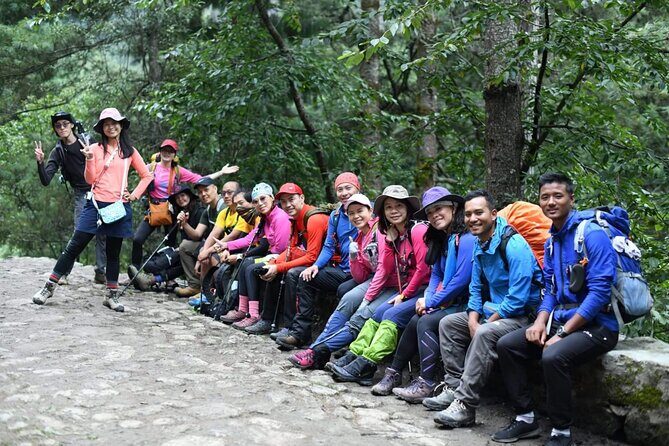
What I love most is the community school volunteering that’s built into a wider village-and-culture rhythm, not treated like a random add-on. I also like that the trek isn’t a tough test of willpower: the Nagarkot panoramic hiking is gentle enough to enjoy the views without burning the whole trip.
One consideration: some days are deliberately village-focused, so if you’re the type who wants nonstop city time or lots of downtime, you’ll want to go in with flexible expectations.
In This Review
- Key highlights worth your attention
- Price and what you actually get for it
- Getting started in Thamel and how the week feels
- Day 1: Durbar Squares, Monkey Temple, and markets in Kathmandu Valley
- Day 2: Pashupatinath, Boudhanath-area stupa energy, then hills on the way to Nagarkot
- Day 3: Nagarkot panoramic hiking trail and Kartike Deurali
- Day 4: Nagarkot View Tower—when you want the view without extra suffering
- Day 5: Nala Gumba and Dhagpo Sheydrub Ling Monastery for a full cultural day
- Day 6: Community school volunteering in Nala Nepal, then Kali Temple viewpoints
- Day 7: Dhulikhel zipline, Namobuddha monastery spiritual time, and hiking toward Panauti
- Day 8: Doleshwor Mahadeva, ethnic Kathmandu Valley stops, and Pilot Baba Ashram
- Accommodation and meals: how the trip stays personal
- Who this tour suits best (and who might not love it)
- Should you book? My honest take
- FAQ
- FAQ
- How long is this Kathmandu hiking and volunteering experience?
- Is pickup included?
- What meals are included?
- Do I volunteer at a community school?
- Is there hiking during the trip?
- Are temple and monastery entrance tickets included?
- Is this a private tour?
Key highlights worth your attention
- School volunteering in a real community setting, including a local program for children
- Homestay + guesthouse + hotel mix, so you experience multiple styles of Nepali hospitality
- Nagarkot area views via a panoramic hike and a view tower stop
- A full day around Nala Gumba and Dhagpo Sheydrub Ling Monastery, for calmer, spiritual countryside time
- Village-to-temple hiking links, including the route from Dhulikhel toward Namo Buddha and onward to Panauti
- A private group setup with pickup from Thamel, plus an air-conditioned vehicle for transfers
Price and what you actually get for it
At $1,069.97 per person for about 8 days, this isn’t a budget-only option. The value comes from the fact that you’re not just buying sightseeing—you’re buying a whole support system: transport (air-conditioned vehicle), multiple accommodation types, meals, and listed fees.
From the included items, you’ll get 7 breakfasts, 7 lunches, and 6 dinners, plus “all fees and taxes.” That meal coverage matters in Kathmandu, where eating cheaply is easy but doing it consistently on a tight schedule isn’t always. You also avoid the mental load of chasing tickets across multiple sites every day.
Still, there’s a practical detail to verify before you go: the day plan lists Pashupatinath Temple admission as not included. Even if most costs are handled, I’d confirm exactly what you should expect to pay on arrival for that specific stop.
And yes, tips aren’t included. That part is standard in many places, but it’s worth planning for so it doesn’t feel like a surprise.
You can also read our reviews of more city tours in Kathmandu
Getting started in Thamel and how the week feels
Your trip starts back at Thamel in Kathmandu, with pickup offered from the area. You’ll be traveling in a private group, and you’ll have a driver and local guide support the city parts and the hikes.
The overall rhythm is a smart mix:
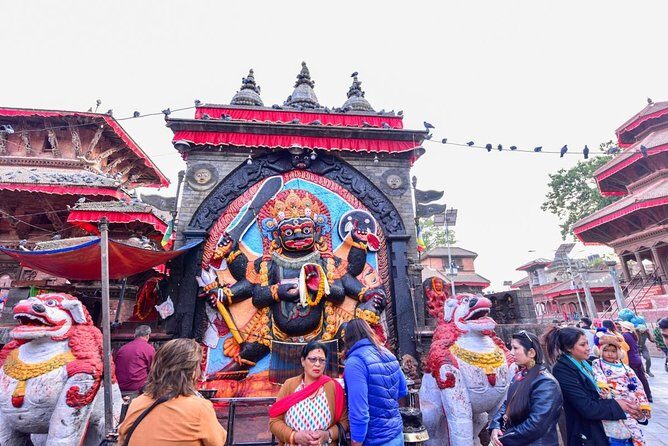
- Early days load you with Kathmandu Valley heritage (multiple Durbar Squares and major religious sites).
- Then you pivot into hills and monasteries for quieter, slower moments.
- Finally you finish with more viewpoints and spiritual stops, including Pilot Baba Ashram.
If you like having structure (but not feeling like you’re trapped in a bus all day), this style usually lands well. If you hate early starts and packed days, you’ll need to choose carefully, because several segments are scheduled as full outings.
Day 1: Durbar Squares, Monkey Temple, and markets in Kathmandu Valley
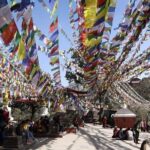
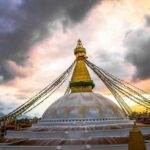
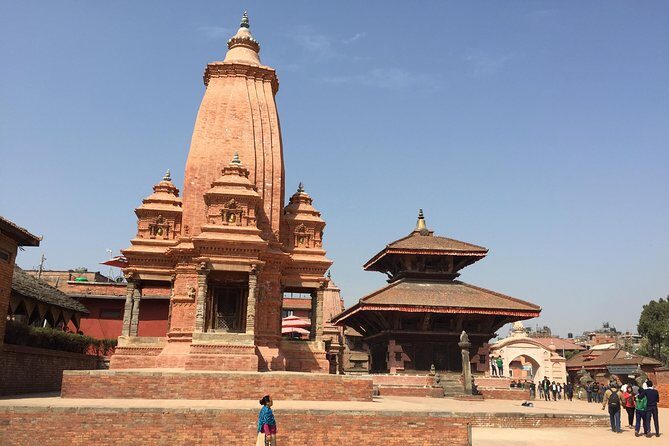
Day 1 is a classic Kathmandu Valley introduction, with a full day that blends UNESCO-level sights and everyday street life. You start at Swayambhunath Temple, also known as the Monkey Temple. It’s one of those places where you feel the city’s layers immediately—temples perched high, prayer flags moving in the breeze, and plenty of activity down below. The included ticket makes this one easy to commit to.
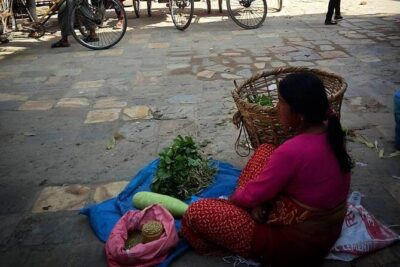
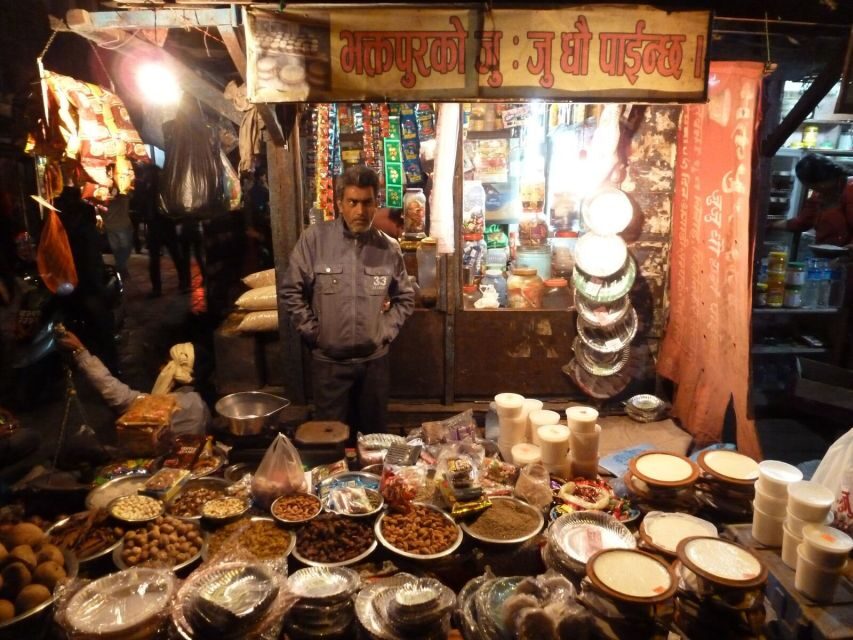
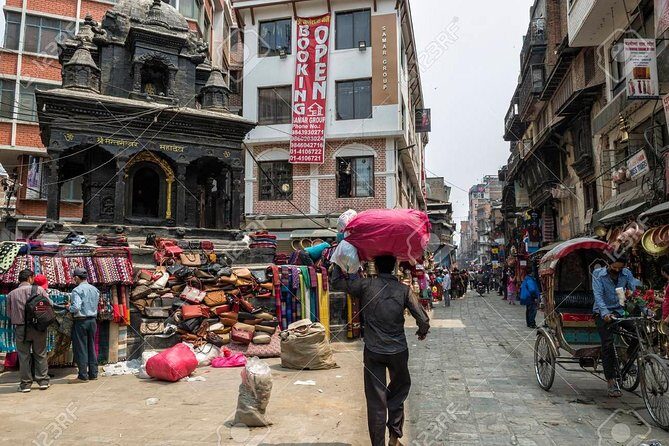
From there, the plan shifts from monuments to neighborhoods. You stop at places like Kalimati store and Indrachowk club, plus market exploring at Asan. This is more than “shopping time.” It’s where you can watch daily routines: what people buy, how they talk, and what they treat as normal. For first-time visitors, these market stops help you get your bearings faster than staring at maps.
Then the day turns more formal and monumental:
- Kathmandu Durbar Square
- Patan Durbar Square
- Bhaktapur Durbar Square
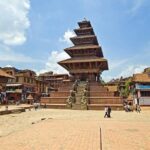
All three are powerful in different ways. Kathmandu gives you scale and energy, Patan often feels more sculptural and artistic, and Bhaktapur tends to feel like a city inside a city. You’ll spend about an hour at each main Durbar Square stop, so it’s enough time to look closely without feeling rushed.
One small warning from experience in historic centers: if you’re wearing shoes that are too thin or too slippery, you’ll feel it. Kathmandu stone can be uneven. Bring solid, grippy footwear.
Day 2: Pashupatinath, Boudhanath-area stupa energy, then hills on the way to Nagarkot
Day 2 is a blend day—spiritual icons plus movement out into the hills.
First up is Pashupatinath Temple. Its admission is listed as not included, so plan for that. This is one of the most significant Hindu sites in the region, and even if you’re not religious, it’s a place where the rituals make sense immediately. Pay attention to respectful behavior: quiet voices, no blocking views, and follow local guidance.
You then visit Buddha Stupa, described as the world’s biggest stupa. The admission ticket there is included, which keeps your cash management simple. This stop adds a different spiritual atmosphere compared with Pashupatinath—less about speed and more about still attention.
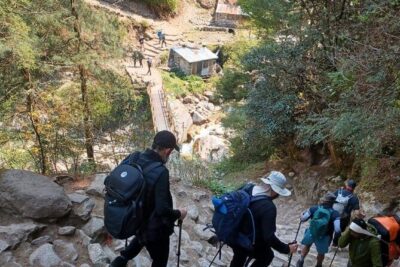
After the temples, you head outdoors for a hike: Sundarijal Water Falls and then trekking toward Chisapani–Nagarkot. This is where the trip starts feeling like a true Nepal experience rather than just a sightseeing loop. You’ll spend about 3 hours on this segment with nature, people, and trail time.
You don’t need marathon fitness for this day, but you do need to be comfortable walking on paths that can be uneven. If you’re prone to blisters, bring basic blister care. Kathmandu days stack up, and small foot pain can snowball.
Day 3: Nagarkot panoramic hiking trail and Kartike Deurali
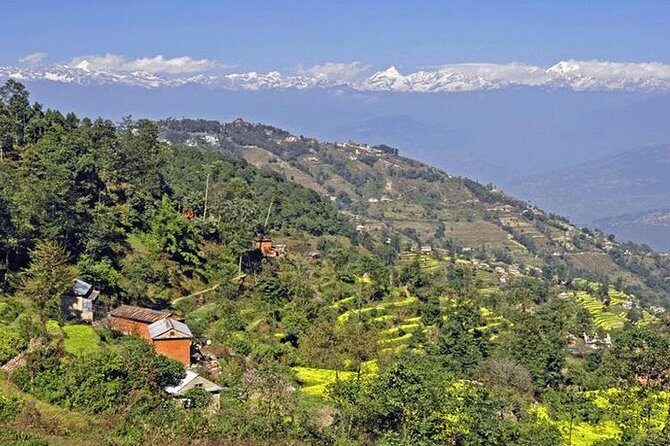
Day 3 focuses on Nagarkot Panoramic Hiking Trail—about 2 hours—and the point isn’t speed. It’s the gradual payoff of altitude and angles as the mountains come into view. The included admission ticket helps you stay fully in hiking mode instead of ticket hunting.
After that, you visit Kartike Deurali for roughly another 2 hours. This stop is framed around people, culture, and scenery. Even when the big views are hazy, these village-and-trail moments are often what you remember most: small conversations, quiet paths, and the sense that you’re moving through local life rather than around it.
Practical tip: Nepal weather can shift fast. Even for a “gorgeous view” hike, pack layers. A light rain shell can save your day if clouds roll in unexpectedly.
You can also read our reviews of more hiking tours in Kathmandu


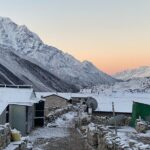
Day 4: Nagarkot View Tower—when you want the view without extra suffering
Day 4 keeps it scenic with Nagarkot View Tower, plus time for exploring local culture and people. The stop is about 4 hours, so it’s not just a quick photo stop. It’s a chance to slow down and treat the view as part of the day, not as a checkpoint.
This is also a useful day if you’re managing energy. You’ll still be outside and around local activity, but it’s less “trail grind” than a full hike segment.
If you care about photos: early in the day typically gives you more consistent light, but the trip schedule here is fixed, so just follow your guide and be ready to shoot when the sky cooperates.
Day 5: Nala Gumba and Dhagpo Sheydrub Ling Monastery for a full cultural day
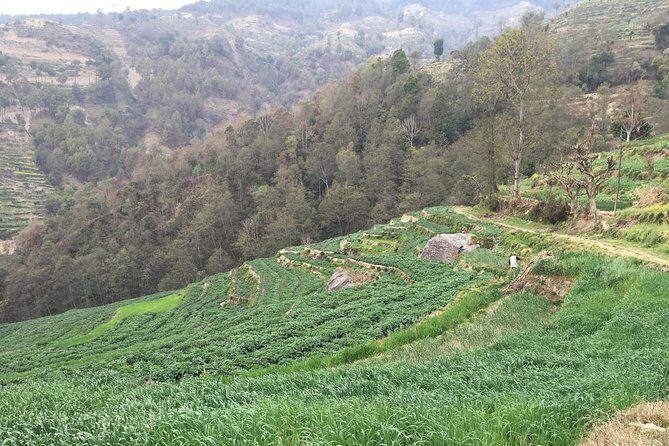
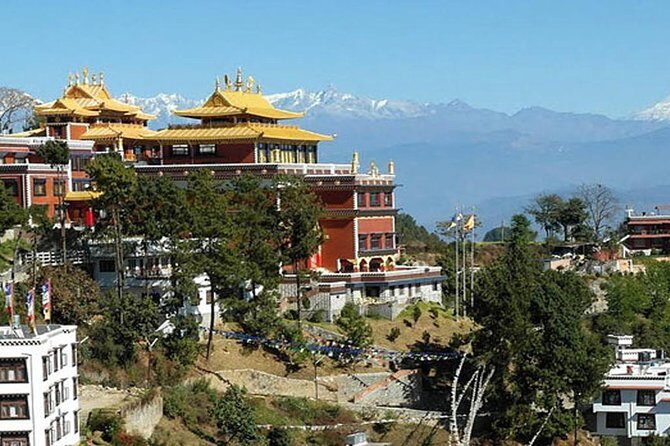
Day 5 turns toward countryside spirituality and village life. You spend a whole day around Nala Gumba and Dhagpo Sheydrub Ling Monastery, about 4 hours listed for this segment.
This part of the week is valuable because it’s quieter than the temple-and-market rhythm. Monastery visits tend to slow your internal pace. You’re less busy bouncing between sights and more likely to notice details: how daily routines work, what people carry, and how faith shows up in everyday actions.
If you’re volunteering later, this day also helps you prepare mentally. It’s easier to show up with respect when you’ve already spent time around local religious practice.
Day 6: Community school volunteering in Nala Nepal, then Kali Temple viewpoints
Day 6 is the heart of the social component: visiting a community school with a social tourism special program for school children, plus a farewell component (about 3 hours). This is more than “you teach for a bit.” It’s built as a structured school interaction, which matters for how your time feels and how children experience the day.
You’ll also visit Kali Temple, about 1 hour, with green valley views and panoramic Himalayan views described. Even if the weather is imperfect, a temple viewpoint stop is often a good way to end the day emotionally—reflection time with a view.
A key mindset for this kind of volunteering: keep your energy steady. Don’t try to be a superhero teacher. Be patient, follow the guide’s lead, and let the local program set the pace.
Day 7: Dhulikhel zipline, Namobuddha monastery spiritual time, and hiking toward Panauti
Day 7 has two major ingredients: an adventure activity and a spiritual hiking finish.
First is Dhulikhel Zipline – Worldwide Adventures, with admission included. You also have a hiking component toward Namobuddha from Dhulikhel (about 1 hour listed for this stop). It sounds like the day strings activities together, so if you’re afraid of heights, bring that up early and ask how it’s handled in practice.
Next you reach Namobuddha Monastery, then continue hiking through Khadpu. The plan notes views of Balthali, rest time at the monastery, and spiritual time with monks before reaching Panauti. Some of the wording here is about spiritual time and culture; the practical takeaway is that you’re doing a thoughtful transfer between places, not just checking boxes.
Day 7 ends with Punya-Mata River mentioned as part of the people and culture focus. That hints that you might pass local daily-life scenes along the way. When you’re moving by foot, you naturally slow down and notice more than you would from a vehicle.
Day 8: Doleshwor Mahadeva, ethnic Kathmandu Valley stops, and Pilot Baba Ashram
Your last day stays in the spiritual and scenic zone.
You visit Doleshwor Mahadeva Temple (about 1 hour). Then you head to Nagadesh Buddha Vihar, described as highlighting the ethnic communities of the Kathmandu Valley and a local ethnic market (about 1 hour). This is a strong closing note because it grounds the trip in local identity beyond the famous names.
Finally there’s Pilot Baba Ashram (about 1 hour) with a beautiful view from the hill. The trip ends back at Thamel.
If you’re craving a souvenir, the ethnic-market feel is the kind of place where you can pick up something meaningful without turning it into a tourist trap. But keep your bargaining respectful. You’ll see plenty of “yes” answers with a calm tone.
Accommodation and meals: how the trip stays personal
You’ll stay in a mix of places: homestay, local guesthouse, and hotel. The point isn’t luxury. It’s that you’ll experience Nepal in different “skins.”
Homestays usually give you the clearest picture of daily household life. You learn fast—how people eat, how rooms are used, and how family schedules shape your day. Guesthouses can be more comfortable and social, while hotels are where you recharge after longer travel days.
Meals are a big deal here: Nepali-style meals are included throughout, and the structure (multiple breakfasts, lunches, dinners) means you get consistency. You also get to try local options without worrying about whether you’ll find something you like on a given day.
Because meals are included, I’d still be honest with your guide about allergies or dietary limits early. The trip clearly aims to keep food flowing smoothly—so you want that to work for you.
Who this tour suits best (and who might not love it)
This tour fits you well if you want:
- a meaningful community volunteering component tied to real schedules
- guided hiking with gentle, view-focused routes around Nagarkot and nearby areas
- a Kathmandu Valley intro that goes past the big temples into markets and local identity
- a private-group feel, with a driver and guide handling movement
It might be less ideal if you:
- hate early-to-mid day starts and prefer open-ended wandering
- need lots of free time for solo exploring or rest
- expect the entire week to be city-only, because village and monastery time is a major part of the program
Should you book? My honest take
If you want Kathmandu plus hills, but you also care about doing something human and not just sightseeing, I’d book this. The strongest value is the combination: famous heritage sights in the valley, then a real volunteering day, then hikes that let the mountains and village life carry the story.
Before you commit, do two quick checks:
- Confirm what you may still need to pay for Pashupatinath since that stop is listed as not included.
- Be realistic about the pacing. The program is full, and the “meaningful village time” is not optional.
If those two points feel workable for you, this is one of the better ways to see Nepal as a lived-in place instead of a highlight reel.
FAQ
FAQ
How long is this Kathmandu hiking and volunteering experience?
It runs for about 8 days, ending back at the meeting point in Kathmandu (Thamel).
Is pickup included?
Pickup is offered, and the meeting point is Thamel, Kathmandu 44600, Nepal.
What meals are included?
Breakfast is included 7 times, lunch is included 7 times, and dinner is included 6 times.
Do I volunteer at a community school?
Yes. You visit a community school in Nala Nepal and there’s a social tourism program for school children, including a farewell component.
Is there hiking during the trip?
Yes. You’ll hike around the Kathmandu valley and hills, including a Nagarkot panoramic hiking trail, a hike from Sundarijal Water Falls toward Chisapani–Nagarkot, and hiking toward Namobuddha and onward to Panauti.
Are temple and monastery entrance tickets included?
Many major stops list admission tickets as included, but Pashupatinath Temple is specifically listed as not included. You should confirm your exact on-the-ground ticket expectations.
Is this a private tour?
Yes. It’s private, meaning only your group participates.