REVIEW · KATHMANDU
Everest Base Camp Helicopter Tour
Book on Viator →Operated by Magical Nepal · Bookable on Viator
Everest without the long hike is a rare thing. This helicopter tour gives you a tight, early-morning shot at Everest views plus a couple of high-altitude moments that feel worlds away from Kathmandu.
I especially like how it’s built for limited time: it’s about 4.5 hours and doesn’t require days on the trail. I also like the human touch mentioned in past bookings, with operators such as Pradeep and Saugat known for clear communication and weather updates.
One big consideration: it depends heavily on flying conditions, so the day you choose can change if weather won’t cooperate.
In This Review
- Key things to know before you go
- Early Lift-Off from Tribhuvan: How the 6:15 a.m. start works
- Hotel Everest View Breakfast: The scenic warm-up before the higher altitudes
- Kala Patthar Landing (5,644.5 m): The closest look without days on the trail
- What you might see from the air: glaciers, routes, and pilot-as-guide moments
- Small group, serious attention: maximum 2 travelers and tight timing
- Price and logistics: is $1,800 really value, or just a splurge?
- Weather dependence: what to expect when the mountains say no
- Who this tour fits best
- Should you book this Everest Base Camp helicopter tour?
- FAQ
- How long is the Everest Base Camp helicopter tour?
- What time does the tour start?
- Where is the meeting point and where does it end?
- Is pickup offered?
- What stops are included?
- What altitude is Kala Patthar?
- What ticketing method is used?
- How many travelers are allowed on the tour?
- What happens if the weather is poor?
- What is the cancellation policy?
Key things to know before you go
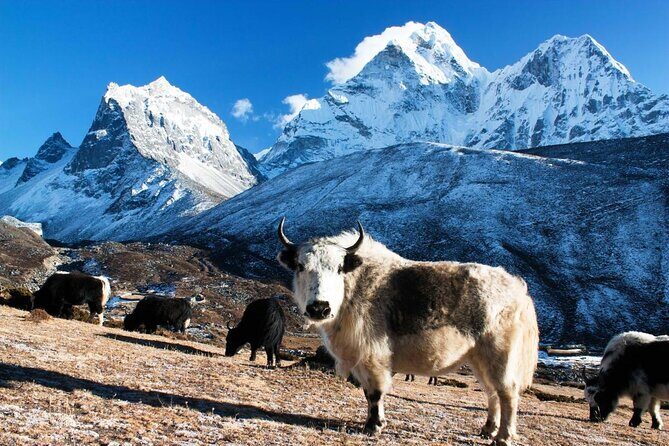
- Breakfast with Everest in view at Hotel Everest View, before you go higher.
- Kala Patthar landing (5,644.5 m) for one of the closest-look angles without trekking.
- Very small group size (maximum of 2 travelers), which usually means more attention and less waiting.
- Early departure from Tribhuvan area with a start time of 6:15 a.m., built around calmer conditions.
- Weather-dependent flight planning, with options if conditions fail (different date or refund).
- Possible extra stops like Lukla or a base-camp-side landing on some routes, depending on conditions.
Early Lift-Off from Tribhuvan: How the 6:15 a.m. start works
This is the kind of Everest plan that respects your calendar. You start at 6:15 a.m. with the meeting point listed at Tribhuvan International Airport (Ring Rd, काठमाडौँ 44600, Nepal), and you’re back there at the end. It’s short, but not rushed in the chaotic way some “fast” tours can be.
Why the early start matters: in the Everest region, visibility and flying conditions matter a lot. You’re not just waking up early for fun. You’re doing it because helicopters and mountain views work best when the day is still fresh and skies are more likely to cooperate.
It also means you’ll spend less time in transit and more time actually looking up. If you’re in Nepal with a tight schedule and you still want the main event, this format is one of the more practical ways to do it.
A few more Kathmandu tours and experiences worth a look

Hotel Everest View Breakfast: The scenic warm-up before the higher altitudes
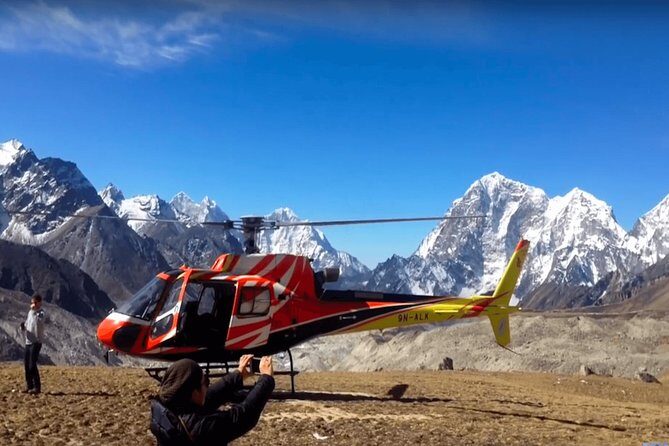
The first stop is Hotel Everest View for breakfast. The point here isn’t the food alone. It’s the chance to sit still for a bit with Mount Everest in your line of sight before the helicopter portion takes over.
Expect a proper “wow” moment. You go from Kathmandu’s bustle into that Everest-region viewpoint, with a breakfast break that gives you time to take photos calmly and get oriented before you go higher. Past experiences around this tour highlight that the operation focuses on timing and making sure you get the best chance at visibility.
There are also practical benefits to a breakfast stop at a set hotel rather than trying to eat on the fly. You’re not juggling snacks in cold air while trying to spot peaks. You eat, you look, then you move on.
Kala Patthar Landing (5,644.5 m): The closest look without days on the trail
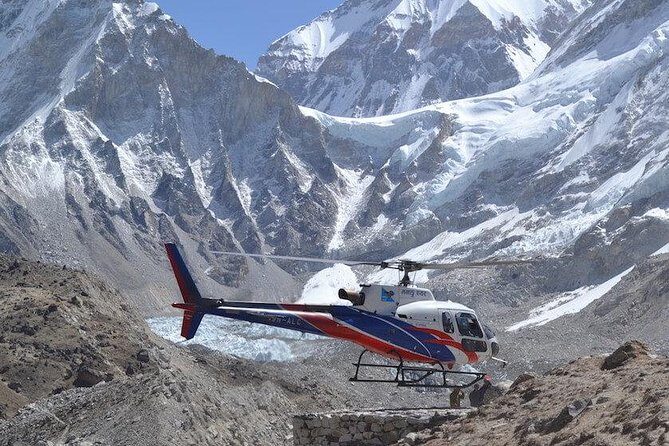
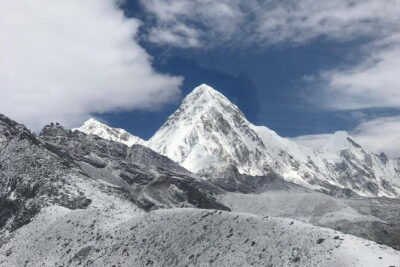
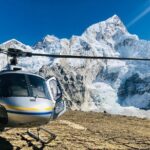
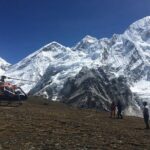
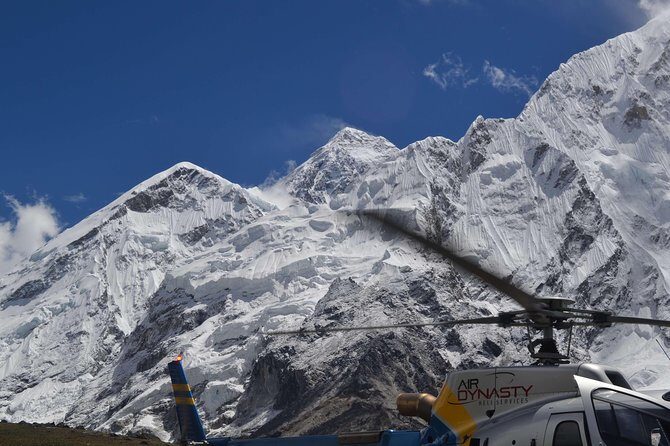
Then comes the main altitude moment: a landing at Kala Patthar (5,644.5 m / 18,519 ft) for about 10 minutes. That time window is short, but that’s kind of the magic of it. You’re paying for intensity and access, not for a long hike.
Kala Patthar is known for giving very direct views of Everest’s area, and this tour is designed to get you to that angle without the usual grind. You’re not earning your view with blisters. You’re earning it with timing, weather, and the fact that you showed up early.
A landing at that height also changes the feel of the trip. Even if you’ve traveled in Nepal before, it’s a different scale when you’re actually touching high-altitude ground. If you’re sensitive to altitude, you’ll want to take it seriously and move slowly during that short stop.
Also, remember the biggest constraint: 10 minutes is not “wander and explore.” It’s a look, a few photos, then you go back to the helicopter because the day is built around flight windows.
What you might see from the air: glaciers, routes, and pilot-as-guide moments
From the helicopter, the Everest region becomes more than a name on a map. You see the routes, the valleys, and the way mountain walls shape weather and light. Several accounts tie the best moments to the view quality from above, including views of glaciers.
One detail I like in particular is the role your pilot can play. In examples shared from this operation, the pilot wasn’t treated like a silent chauffeur. People described the pilot as actively pointing out what you’re seeing and naming mountain areas.
That matters because helicopter rides can be visually stunning and still feel vague if nobody explains what you’re looking at. If your pilot is talkative, you get a sharper sense of place—what’s nearby, what’s significant, and how Everest sits in the larger range.
Now, about route variations: some experiences mention a stop around Lukla or a base-camp-side landing. The core structure stays the same, but mountain flying isn’t always one exact script. Treat extra stops as a bonus you may get, not something you should count on for planning.
Small group, serious attention: maximum 2 travelers and tight timing
This tour caps at maximum 2 travelers. For a helicopter experience, that’s a big deal. Fewer people usually means less awkward waiting, less crowd pressure at each viewing moment, and more straightforward coordination from the ground team.
It also fits the vibe of the itinerary. This isn’t a “hang out all morning” situation. The plan is designed around short windows, and smaller groups tend to run cleaner when weather and timing get picky.
You’ll also feel the value of a focused operator. Past comments include praise for strong communication and proactive weather check-ins, with names like Pradeep tied to the operation and Saugat mentioned as an easy communicator. That kind of responsiveness matters a lot when your entire view depends on conditions you can’t control.





Price and logistics: is $1,800 really value, or just a splurge?
At $1,800 per person, this isn’t an impulse purchase. You’re paying for three things: speed, access, and reducing risk of missing your chance at Everest views due to limited time.
Here’s how I think about value for a tour like this:
- If you were going to hike Everest region trails, you’d be paying with time, stamina, and logistics (and the hike still doesn’t guarantee the exact viewpoints you want on your schedule).
- A helicopter experience compresses days into hours. That’s the core value.
- The landing at Kala Patthar and breakfast stop aren’t just scenic stops. They’re the heavy hitters in a short day.
If you’re the type who values a once-in-a-lifetime view and you have the budget, this can make financial sense compared to spending weeks and still feeling unsure about timing. If you’re on a tight schedule, this tour is often the best “high probability of seeing Everest” option—because it’s built around getting you to the right angles fast.
If you’re mainly chasing a bargain, this won’t be it. But if you’re trying to avoid the stress of marathon trekking, long acclimatization, and uncertain timing, the price starts to feel more like paying for certainty.
Weather dependence: what to expect when the mountains say no
This experience requires good weather. If conditions are poor, you’ll be offered a different date or a full refund. That’s the honest setup for Everest by air—mountains don’t care about your vacation timetable.
So plan like this:
- Pick a date with flexibility if you can.
- Keep your schedule around Kathmandu open enough to shift if needed.
- Don’t treat one single day as a guarantee.
The upside is that the operation is explicitly set up to handle conditions changes rather than pretending everything will go perfectly. When the weather cooperates, you’ll have a smooth morning with a clear sequence of stops. When it doesn’t, the trip isn’t left hanging with no plan.
Who this tour fits best
This is ideal if you:
- Want Everest views but don’t want to hike.
- Have limited time in Nepal and still want a major Everest-region moment.
- Prefer a small-group experience and a tight, well-timed itinerary.
- Like the idea of photos with context, especially if your pilot shares what you’re seeing.
It’s less ideal if you:
- Need a long walking experience or detailed exploration at ground level.
- Have no flexibility at all for weather shifts.
- Are worried about short altitude stops and want a fully low-altitude day (because Kala Patthar is not low).
Should you book this Everest Base Camp helicopter tour?
If your goal is simple—see Everest up close without trekking—then booking makes sense. The combination of a breakfast viewpoint, a Kala Patthar landing, and a short total duration is exactly what you want when time is the constraint.
I’d book this if you can handle the price, you’re okay with early mornings, and you’re prepared for weather to influence the plan. If you’re traveling with a friend or partner, the maximum 2 travelers setup is a real plus for comfort and attention.
If you’re hoping for a guaranteed perfect view no matter what, I’d hesitate. Everest by air is stunning, but it’s still weather-driven. Bring flexibility, and you’ll set yourself up for the best odds of that first real Everest moment.
FAQ
How long is the Everest Base Camp helicopter tour?
The tour is listed as about 4 hours 30 minutes.
What time does the tour start?
The start time is 6:15 a.m.
Where is the meeting point and where does it end?
You meet at Tribhuvan International Airport (Ring Rd, काठमाडौँ 44600, Nepal) and the activity ends back at the same meeting point.
Is pickup offered?
Yes, pickup is offered.
What stops are included?
The tour includes breakfast at Hotel Everest View and a landing at Kala Patthar.
What altitude is Kala Patthar?
Kala Patthar is listed at 5,644.5 m (18,519 ft).
What ticketing method is used?
The tour offers a mobile ticket.
How many travelers are allowed on the tour?
The tour has a maximum of 2 travelers.
What happens if the weather is poor?
The experience requires good weather. If it’s canceled due to poor weather, you’ll be offered a different date or a full refund.
What is the cancellation policy?
You can cancel for a full refund up to 24 hours in advance. If you cancel less than 24 hours before the start time, the amount paid is not refunded.