A trek where the views keep changing. Khopra Danda Trek is a newer route in the Annapurna region that builds on the classic Ghorepani–Poon Hill area, then pushes higher to a ridge viewpoint at 3,637m and on to Khayer Lake. I also love the way this itinerary mixes village trails, guesthouse nights, and one proper camping day—so it feels like a full Nepal hiking experience, not just a “walk and pose” trip. One thing to consider: the days aren’t short, and you’ll earn views with steep stairs and long hiking stretches (including the 4,660m climb to Khayer Lake).
What makes it especially appealing is the pacing and variety. You start with Kathmandu sightseeing, settle into Pokhara before the trek, then follow a mostly downhill-uphill rhythm through Tikhedhunga, Ghorepani, Tadapani, Dobato, and Chistibung, finishing with a recovery-focused stop in Tatopani before returning to the cities. The group size is capped at 25 travelers, which usually keeps the trip feeling organized without turning it into a moving parade. If you’re hoping for a fully low-effort walk, this isn’t the trek for you—but if you want big Annapurna-range payoffs without doing a marathon circuit, it fits well.
In This Review
- Key highlights you’ll actually feel on the trail
- Why Khopra Danda Feels Like the Annapurna Sweet Spot
- Entering Nepal with Kathmandu Durbar Square and a Pokhara reset
- From Nayapul to Tikhedhunga: the first real hiking day (and why it counts)
- Ghorepani, Ulleri, and the Poon Hill morning effect
- Tadapani to Dobato: villages, distance, and hitting 3,350m
- Dobato and Muldai (3,637m): where the trek turns into a viewpoint mission
- Chistibung to Khopra Ridge: shorter walking, bigger sky
- Khayer Lake (4,660m): sacred hiking plus real camping
- Tatopani hot ponds: recovery that actually helps
- Back to Pokhara, then Kathmandu: jeep roads and an easy finish
- Price and logistics: what $1,120 buys you in real terms
- Who this trek suits best (and who should skip it)
- Practical tips before you go (based on what the route actually asks for)
- Should you book Khopra Danda Trek?
- FAQ
- What time does the trek start, and where is the meeting point?
- How long is the Khopra Danda Trek?
- What is the highest point on the trek?
- Do you sleep in tents during the trek?
- When do hot water ponds come into play?
- Can I cancel for a full refund?
- Is this trek for moderate fitness levels?
Key highlights you’ll actually feel on the trail
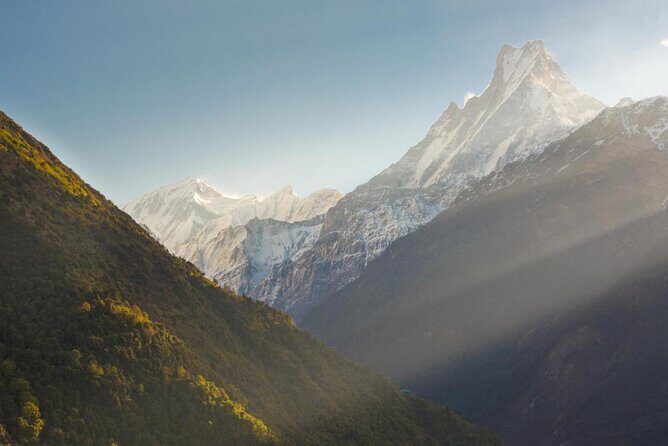
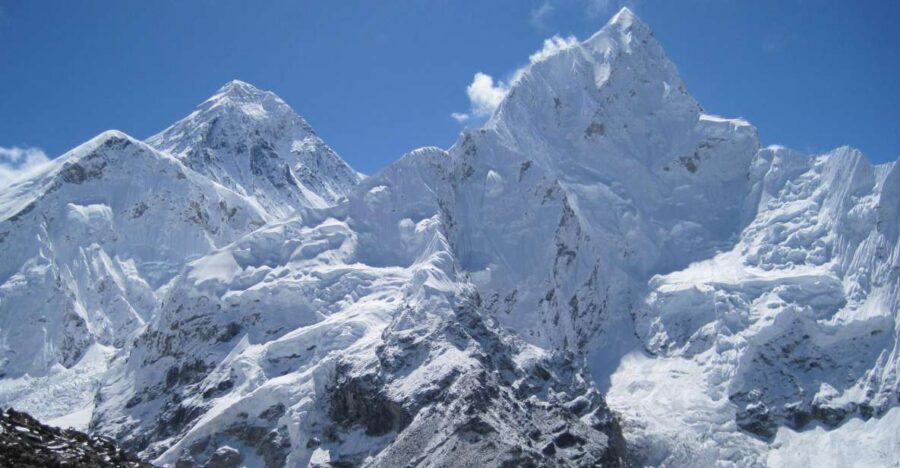
- Khopra Ridge and the 3,637m viewpoint for wide Annapurna + Dhaulagiri range views
- Khayer Lake at 4,660m, a sacred high lake visit with camping overnight
- Guesthouse nights plus one tent day, so you get comfort most nights, adventure one night
- Tatopani hot water ponds for sore-muscle recovery after descending from higher ground
- Small-ish group cap (max 25) and a route that follows familiar Annapurna paths before branching out
Why Khopra Danda Feels Like the Annapurna Sweet Spot
Khopra Danda Trek lives in a great pocket of the Annapurna region: close enough to the Ghorepani–Poon Hill trail system that you get that classic “Himalaya first light” experience, but different enough to feel like your own journey. The big theme is viewpoint hopping—morning climbs that pay off, then afternoons when you slow down and enjoy the villages and lodge evenings.
The altitude numbers matter here. You’ll be around 3,637m on key viewpoint days, and your highest moment comes at 4,660m at Khayer Lake. That’s not just trivia; it shapes how the days feel. At these heights, the air gets thinner, mornings can be cold, and every stop to eat matters. The trek still offers plenty of chances to catch your breath and refuel, but you should go in expecting effort.
You can also read our reviews of more hiking tours in Kathmandu


Entering Nepal with Kathmandu Durbar Square and a Pokhara reset
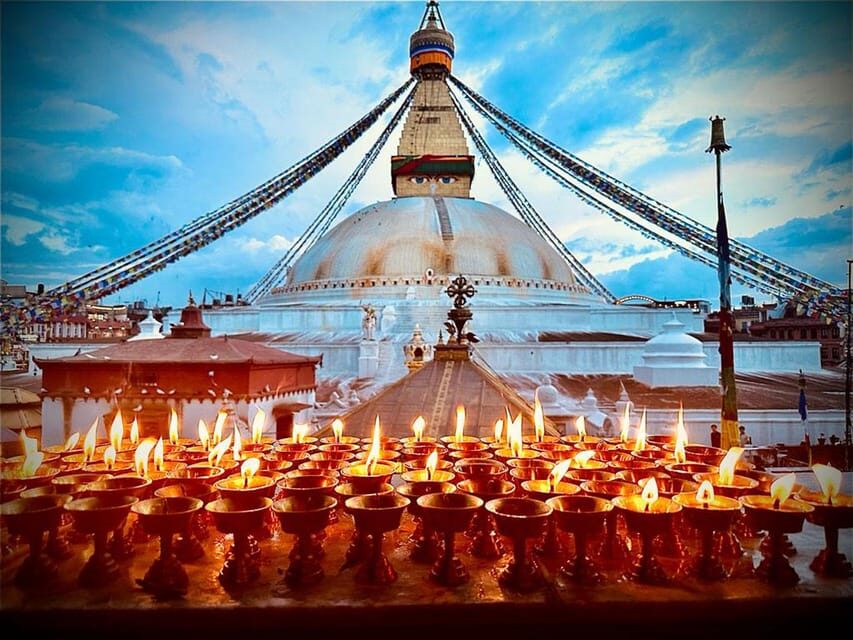
Your trip starts at Tribhuvan International Airport with a meeting point on Ring Rd, and the start time listed is 10:45am. Day 1 is Kathmandu sightseeing with Kathmandu Durbar Square included for about 3 hours. This is a good way to get oriented. You arrive from travel, but you don’t jump straight into a long hike. Instead, you see the city’s historic core and get a sense of Nepal’s layout before the mountains take over.
Day 2 shifts you to Pokhara by drive (about 4–5 hours), plus sightseeing time in Pokhara. This day is a real reset. You’ll go from busy roads and city sights to lakeside vibes and the calm energy Pokhara has before trekking. It’s also the last full “easy logistics” day, which matters because you’ll soon be walking hours at a time.
From Nayapul to Tikhedhunga: the first real hiking day (and why it counts)
On Day 3, the pattern begins. You drive from Pokhara to Nayapul (about 1.5 hours), then start hiking to Tikhedhunga at 1,750m. The walk time listed is about 5 hours, and you’ll follow the Modi Khola route downstream from the Annapurna valley.
Why this matters: the first trekking day is where you calibrate your pace and your gear. You’ll likely notice quickly how your legs respond after a travel day, and how quickly you can get into a steady rhythm. If you’re serious about enjoying the higher days later, take this day seriously—don’t sprint. Use it to figure out how often you need breaks and how you manage hydration.
Ghorepani, Ulleri, and the Poon Hill morning effect
Day 4 is a classic uphill grind. You’ll climb through more than 3,000 stone steps to Ulleri (with a stop around halfway), then continue to Ghorepani. Total hiking time is 6 to 7 hours, and you’ll sleep in a guesthouse overnight.
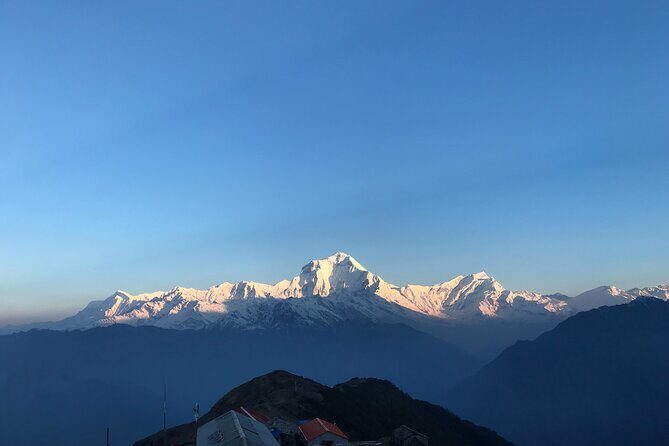
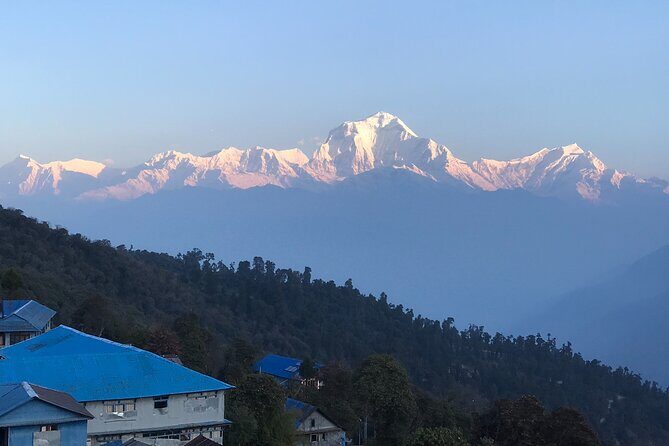
Then Day 5 brings Poon Hill. You’ll reach the top of Poon Hill and use it as a sunrise viewpoint—this is the part where the Annapurna and Dhaulagiri ranges can turn strikingly golden. After that morning, you return to Ghorepani and continue the trail toward Tadapani, walking about 6 to 7 hours and staying in a guesthouse again.
A practical note: Day 5 lists Admission Ticket Not Included. Even if you don’t know the exact ticket details yet, plan to budget for any viewpoint or site charges marked as not included. This is one of those small gaps that can surprise people if they assume everything sightseeing-related is covered.
Also, be ready for stairs and steady climbs. This trek uses the familiar Annapurna pathways, which is great for organization and guesthouse availability, but it still means your legs will feel it.
Tadapani to Dobato: villages, distance, and hitting 3,350m
Day 6 moves from Tadapani to Dobato, covering a stated trek distance of 6.5 km and taking about 5 to 6 hours. You’ll walk across villages and along the trail with views of silvery mountains mentioned in the itinerary description. Dobato sits at 3,350m, and you’ll overnight at Dobato.
This is a key day for acclimation by design. You’re moving upward, but not jumping straight to the highest elevations. You’ll feel the altitude more clearly than in earlier days, but it’s still staged so you’re not thrown into the deep end. Use evenings here to rest, hydrate well, and keep your head calm. If you’re prone to altitude sensitivity, this is the day to take it slow and treat the guesthouse night as part of your “climb plan.”




Dobato and Muldai (3,637m): where the trek turns into a viewpoint mission
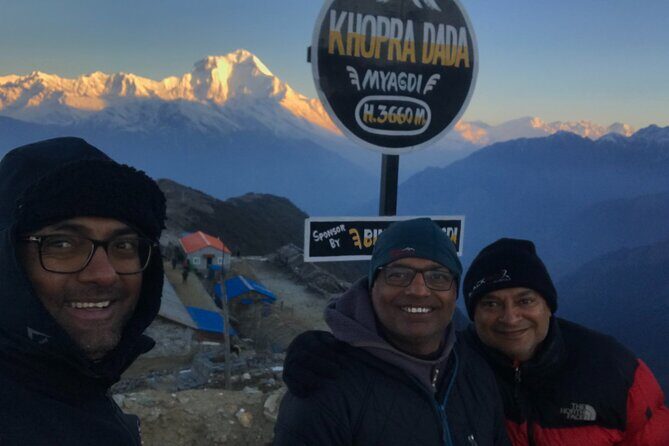
Day 7 is your early highlight. You hike from Dobato up to the Muldai viewpoint at 3,637m to catch morning views of 25 mountains across the Annapurna and Dhaulagiri ranges. After you get the viewpoint, you return to Dobato and then continue trekking to Chistibung via Bayli Kharka. The listed total trekking time is about 5 hours, and you’ll sleep in Chistibung.
This day is short on paper compared to some others, but it still has a “big moment” feeling. Sunrise viewpoint climbs are rarely about the distance alone; they’re about timing. You’ll want to be dressed and ready early so you don’t waste precious morning light fumbling with layers. And when you reach the viewpoint, take a minute. Stare. Let the range settle in. This is the day that makes Khopra Danda feel like more than a route extension.
Chistibung to Khopra Ridge: shorter walking, bigger sky
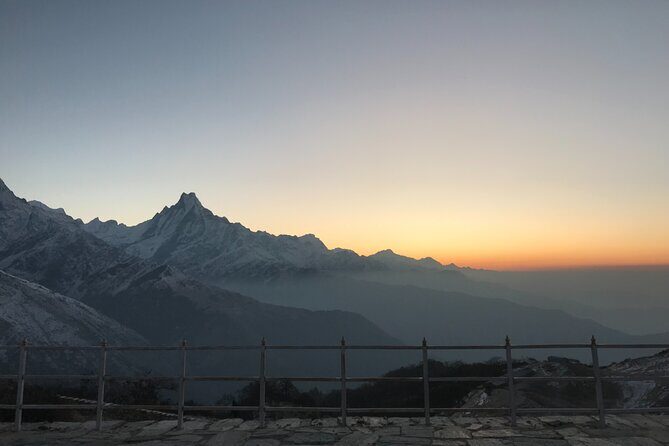
Day 8 is lighter in hiking time. From Chistibung, you trek for about 3 hours to Khopra ridge, where you’ll get spectacular views of peaks like Dhaulagiri, Annapurna, and Nilgiri, plus others in the wider ranges. Then the plan is resting in Khopra community lodges for the rest of the day, and overnight in Khopra.
You’ll notice Day 8 lists Admission Ticket Not Included again. If you’re budgeting tightly, this is another place to keep a small cash reserve. For many treks, the ticket lines can be small-but-real, and the safest move is to assume you might pay something locally on viewpoint days.
The real value of this day, though, is how it changes your mental pace. After multiple long travel and trekking days, you get a shorter walking stretch, then the freedom to linger at elevation and enjoy lodge life without rushing.
Khayer Lake (4,660m): sacred hiking plus real camping
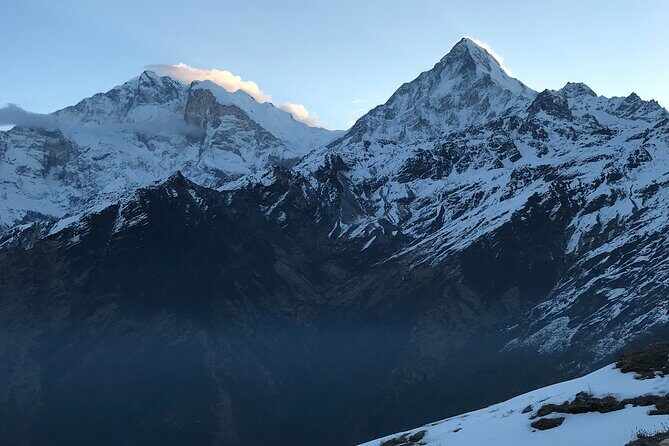
Day 9 is the adventure day: after breakfast you hike up to Khayer Lake at 4,660m, and the listed time is about 5 hours. The itinerary notes the lake is sacred and has a Brahma temple, and that you’ll set tents and stay overnight.
This is also the day where you’ll need to think in “bring what you need” mode. The plan says all required kinds of stuff and food must be carried from Khopra danda for this day. That means you should pack intentionally for tent life and cold conditions. Even if you don’t know what temperatures will be like, treat a 4,660m night as something you must dress for.
How this feels in practice: most trekking days are about getting from lodge to lodge. Khayer Lake is different. You’ll arrive at the lake, set your base, then spend the night there. That shift makes the experience memorable—less controlled, more personal.
Tatopani hot ponds: recovery that actually helps
On Day 10, you descend toward Tatopani after lunch. Tatopani is known as an end point area for the Annapurna circuit and has hot water ponds. The idea is straightforward: soak in warm water to comfort muscle pain from the trek, then sleep in Tatopani overnight.
This is a smart design for a long, view-heavy route. After a high point and a camping night, your body will need a reset. Hot ponds aren’t magic, but they can make a real difference in how you feel the next day. It’s also a cultural stop, since Tatopani is a well-known trekking junction.
Back to Pokhara, then Kathmandu: jeep roads and an easy finish
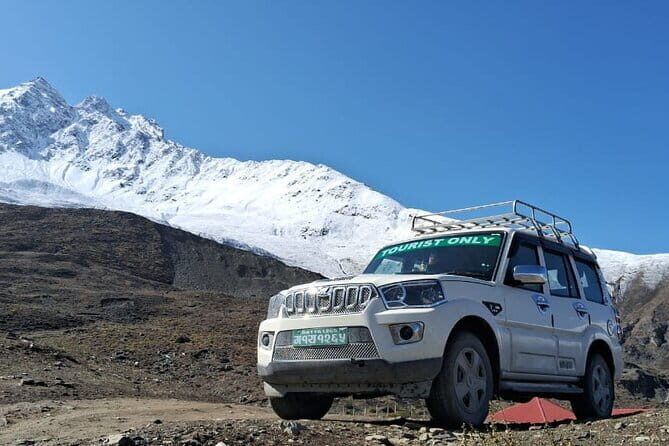
Day 11 takes you back to Pokhara by jeep. The route follows an off-road trail until Beni, then a black-topped road from Beni through Nayapul (which is the starting point of the Ghorepani–Poon Hill trek and also connected to the Khopra ridge route). You’ll stay overnight in Pokhara.
Day 12 returns to Kathmandu by either tourist bus or flight. The driving/transfer time listed is about 4 hours. Day 13 finishes with an airport transport timed so you arrive at the international airport 3 hours before your flight schedule. This “buffer” matters. Trek days can mess with timing, so it’s helpful to have your last day built for smooth departures.
Price and logistics: what $1,120 buys you in real terms
The listed price is $1,120 per person for an approx. 13-day trip. To judge value, I look at two things: how much hard coordination it saves you, and how much the itinerary “pays you back” in memorable moments.
Here’s the balance this trek seems to offer:
- You get a full Kathmandu-to-Pokhara setup with city sightseeing and included admissions for at least Kathmandu Durbar Square.
- You get a structured trekking route through multiple villages with guesthouses on most days.
- You also get the big-ticket experiences: Khopra ridge viewpoint, Muldai at 3,637m, Khayer Lake at 4,660m, and Tatopani hot ponds.
- Transport legs are handled: airport-to-trip start, drive Pokhara legs, and return to Pokhara by jeep and back to Kathmandu by bus or flight.
What’s not fully spelled out in the itinerary text: exact details of what you personally must pay for every day (especially where it lists Admission Ticket Not Included). That doesn’t mean the price is bad. It just means you should budget lightly for local charges.
Also, the itinerary mentions you’ll sort out things and hire porters after reaching Nayapul on Day 3. That’s a classic trekking cost and a decision point for you. If you want a lighter load—especially on the Khayer Lake camping day—planning for porter help is usually worth it.
Who this trek suits best (and who should skip it)
This trek is aimed at people with moderate physical fitness. That’s consistent with the daily hiking times—often 5 to 7 hours, plus steep stair sections earlier in the route. You don’t need to be an ultralight athlete, but you do need to be comfortable walking uphill for hours and handling altitude.
You’ll likely love this trek if:
- You want the Annapurna experience but don’t want a giant circuit-style commitment.
- You enjoy viewpoint mornings and don’t mind stairs when the rewards are real.
- You want one night of camping without going full survival mode.
You might want to choose something else if:
- You’re looking for very short daily hikes.
- High altitude (up to 4,660m) is a concern for your health or comfort level.
- Camping sounds like a dealbreaker.
Practical tips before you go (based on what the route actually asks for)
1) Plan for cold and early mornings. The trek includes sunrise-style viewpoint days and a tent night at 4,660m. Even without knowing the exact weather, treat nights and mornings as cool.
2) Carry what you need for Day 9 from Khopra danda. The itinerary explicitly says you must carry required stuff and food for the lake day. Don’t pack like you’ll buy anything easily at the lake.
3) Bring layers for guesthouse-to-viewpoint shifts. Many days include long walking stretches followed by stops at high points where temperatures drop.
4) Keep a little cash for days marked Admission Ticket Not Included. Day 5 (Poon Hill area) and Day 8 (Khopra ridge) are both marked that way, even though other sightseeing admissions are marked free or included earlier.
5) Go easy on Day 3–4. This is where you build a sustainable pace for the later altitude work.
Should you book Khopra Danda Trek?
If you want a Nepal trek that blends classic Annapurna viewpoints with a higher, more personal finale at Khayer Lake, I think Khopra Danda Trek is a strong choice. The itinerary’s mix of guesthouses, a dedicated 3,637m viewpoint day, and the Tatopani hot ponds recovery stop makes it feel balanced rather than punishing.
If you’re the type who enjoys planning and following a steady hiking rhythm, and you’re ready for long days and a true high point at 4,660m, book it. Just don’t underestimate the effort: this route asks for consistent walking time and smart packing—especially for the camping day.
FAQ
What time does the trek start, and where is the meeting point?
The meeting point is Tribhuvan International Airport (Ring Rd, Kathmandu), and the listed start time is 10:45am.
How long is the Khopra Danda Trek?
The tour is listed as 13 days (approx.).
What is the highest point on the trek?
The highest elevation mentioned is Khayer Lake at 4,660m.
Do you sleep in tents during the trek?
Yes. On the Khayer Lake day (Day 9), the plan says you’ll set tents and stay overnight.
When do hot water ponds come into play?
Hot water ponds are at Tatopani, on Day 10, after lunch as you descend.
Can I cancel for a full refund?
Yes. You can cancel up to 24 hours in advance of the experience’s start time for a full refund. If it’s canceled due to poor weather, you’ll be offered a different date or a full refund.
Is this trek for moderate fitness levels?
The tour notes that travelers should have a moderate physical fitness level, which fits the repeated multi-hour hiking days.