REVIEW · KATHMANDU
Private Day Tour in Kathmandu Valley Rim with Bhaktapur Sightseeing
Book on Viator →Operated by Himalayan Planet Adventures · Bookable on Viator
Bhaktapur feels like a living museum. This private Kathmandu Valley rim day pairs UNESCO Bhaktapur with hilltop Changu Narayan and the quieter riverside town of Panauti, all without long detours. I especially like the door-to-door private transfers, because your day starts and ends smoothly instead of wrestling with Kathmandu traffic.
I also like that the stops are built for real context, not just photos, with a professional guide who can explain what you’re seeing. Names that come up often include Pankaj and Rabina, and both are known for answering questions about Hindu religion and culture in a way that actually clicks. One possible drawback: entry fees aren’t included (the estimate is about USD 20 per person), and a few sites involve short walks over uneven stone.
In This Review
- Key Highlights Worth Planning For
- Why This Kathmandu Valley Rim Day Feels Different
- Door-to-Door Pickup: The Real Value of Private Transport
- Stop 1: Changu Narayan Temple on a Hilltop (UNESCO Start)
- Bhaktapur Durbar Square: The Main Museum-Like Block of the Day
- Nyatapola and the 55 Window Palace: When Bhaktapur Really Shows Off
- Kailashnath Mahadev in Sanga: The Big Statue Break You Didn’t Know You Needed
- Panauti Museum and Indreshwar Mahadev Temple: The Quiet Payoff
- Timing, Tickets, and What You’ll Actually Pay
- Who This Tour Suits Best (And Who Might Want Another Option)
- Practical Tips Before You Go
- Should You Book This Kathmandu Valley Rim Tour?
- FAQ
- How long is the private Kathmandu Valley rim tour?
- What’s included in the price?
- Are entrance fees included?
- Is food or drinks included?
- Where does pickup take place?
- Is this a private tour or a shared group?
- What’s the dress code?
Key Highlights Worth Planning For
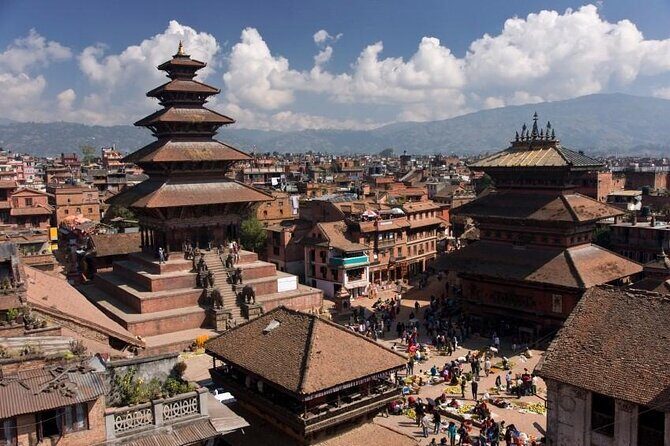
- UNESCO Bhaktapur Durbar Square plus key landmarks like Nyatapola Temple and the 55 Window Palace
- Changu Narayan Temple start at a hilltop UNESCO site, including the 4th-century feel
- Panauti off the main route, where you’ll visit the Panauti Museum and Indreshwar Mahadev Temple
- Sanga’s Kailashnath Mahadev statue (about 44m / 144 feet), a huge Shiva landmark on the way
- Private guide + private vehicle, so the pace and questions can stay focused on your group
Why This Kathmandu Valley Rim Day Feels Different
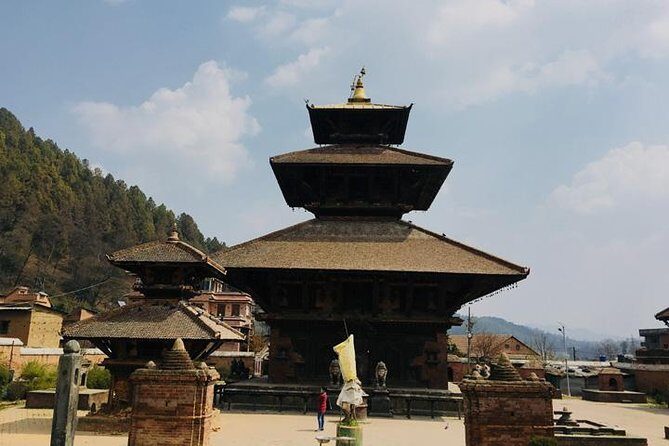
Most Kathmandu sightseeing days try to cram everything into one tight loop. This one takes a different approach: it follows the rim of the Kathmandu Valley and swaps some crowd time for slower, smaller-town stops. You still get the headline names—Bhaktapur (UNESCO), Changu Narayan (UNESCO), and major Shiva-related sights—but the route’s real win is that it helps you see the valley’s variety without feeling herded.
The format matters. This is a private day tour, so your group stays together and you don’t waste time waiting for other people. The schedule is also compact and human-scale: 7 to 8 hours total, with guided time at major locations and short breaks built into the route. It’s the kind of trip where you can absorb details without your brain overheating.
You’ll also notice the guide isn’t just there to point. The descriptions emphasize religion and culture, and the guide support you get is exactly what makes temple days make sense. When you understand why a statue, a pagoda temple, or a palace window matters, the day stops being just sightseeing and starts being interpretation.
The other big theme is logistics done right: the tour includes hotel pickup and drop-off inside the Ring road (including Bouddha part). That’s important because you don’t want to lose an entire day to trying to find each other in busy streets.
You can also read our reviews of more private tours in Kathmandu


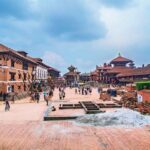
Door-to-Door Pickup: The Real Value of Private Transport
In Kathmandu, “getting around” can be its own full-time job. This tour includes transport by a private vehicle and door-to-door round-trip pickup within the Ring road area (plus the Bouddha part). For many people, that’s the difference between a relaxed day and a day that feels like you’re always on the move.
Here’s what you can plan for in practical terms:
- Expect a morning start that’s convenient for your base location inside that zone.
- You won’t need to coordinate taxis or haggle for rides between distant stops.
- You’ll spend more of the 7–8 hours actually at sights, not parked in traffic or standing in lines for transport.
Because it’s private, the guide can also shape the flow around your group. If someone needs a slower pace at a temple or you want extra time at a courtyard, it’s easier to do that than on a shared van.
One note to keep your expectations grounded: the itinerary includes multiple “short” site stops—often 5 to 15 minutes—and the timing suggests there will be some walking at each location. It’s not described as a hike, but you should wear shoes you’re comfortable standing and walking in.
Stop 1: Changu Narayan Temple on a Hilltop (UNESCO Start)
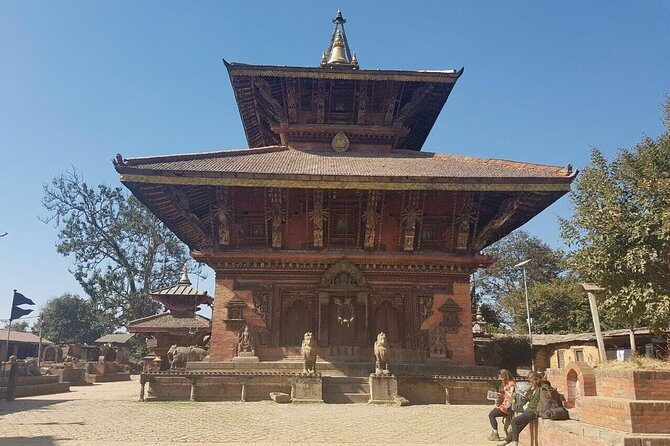
Your day begins at Changu Narayan Temple, described as the oldest Hindu temple in the Kathmandu Valley and a UNESCO World Heritage Site. The temple’s location on a hilltop makes the start feel like a step back in time. Even if you’ve seen other Himalayan temples before, starting here tends to “set the frame” for everything else you’ll see later.
The visit time is about 30 minutes, and the entry ticket is not included. That matters for planning: you’ll want to keep some cash or card access ready when you reach the ticket point.
Why this first stop works:
- You see a temple with deep-rooted age (the description points to the 4th century).
- The UNESCO status signals this isn’t just a pretty building; it’s recognized for major cultural and historical significance.
- As an opening act, it gives you vocabulary for later stops—pagodas, Shiva symbolism, courtyards, and the way Hindu sites are organized.
If you’re interested in religion beyond surface level, Changu Narayan is a smart “warm-up.” You’ll likely get more out of the rest of the day because your guide can connect what you’re seeing to what it means.
Bhaktapur Durbar Square: The Main Museum-Like Block of the Day
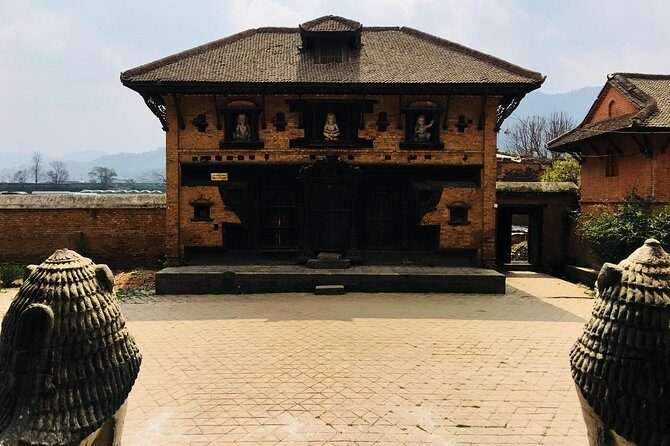
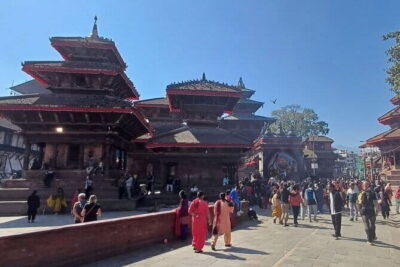
Next up is Bhaktapur Durbar Square, one of the best-preserved royal city squares in the Kathmandu Valley and another UNESCO site. This is the big one: about 1 hour of guided time, and it’s where you’ll start noticing how Bhaktapur’s architecture, temple layout, and palace structures link together.
From there, the itinerary keeps you in the Durbar Square area and nearby highlights, with a sequence of short but targeted stops:
- Taumadhi Square (about 10 minutes, free entry)
- Pottery Square (about 10 minutes, free entry)
- Nyatapola Temple (about 10 minutes, free entry)
- Nyatapola area inside Durbar Square (about 10 minutes)
- 55 Window Palace (about 10 minutes, free entry)
- Dattatreya Temple (about 15 minutes, free entry)
This pattern is well designed for a private tour because it avoids two extremes: it doesn’t rush past major monuments, but it also doesn’t force you to sit in one place for the whole hour. You get a “walk-and-look” rhythm where each stop adds a new piece to the picture.
A practical tip: since many of these stops are short, you’ll get the best experience by staying mentally switched on. Ask your guide questions as you move—about the pagoda form, the courtyards, and how the palace and temple spaces relate. This is where having a guide who can explain Hindu religion and culture in plain language really pays off.
Nyatapola and the 55 Window Palace: When Bhaktapur Really Shows Off
Two of the Bhaktapur stops are the kind you remember later, because they’re visually specific.
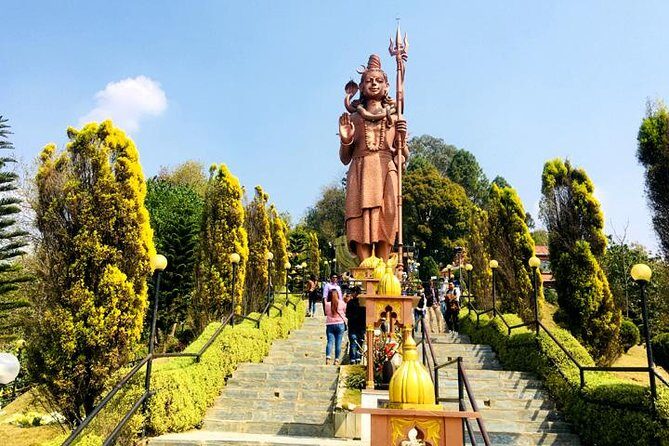
Nyatapola Temple is highlighted as Bhaktapur’s most iconic landmark, described as the legendary five-story pagoda, about 30 meters (100 ft) tall. Your time at the temple proper is about 10 minutes, and the itinerary adds another brief look at the Nyatapola courtyard area. That extra minute-plus matters because temples like this make more sense when you can see their surrounding space, not just the front view.
Then you get the 55 Window Palace, described as a 15th-century masterpiece of Newari craftsmanship. It’s only a short stop, but for many visitors, this is the detail stop where you’ll notice the precision of window patterns and the palace’s role in the royal layout.
Don’t treat these as just photo targets. The value of a guided stop is that your guide can help you understand why a pagoda’s layers matter or what palace layout signals about status and ceremony. If you like architecture and want meaning, this is the section of the day that usually delivers.




Kailashnath Mahadev in Sanga: The Big Statue Break You Didn’t Know You Needed
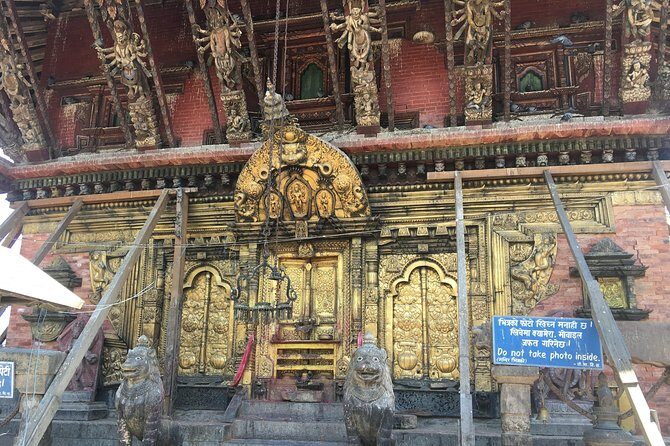
After Bhaktapur, the itinerary shifts to Sanga for the monumental Kailashnath Mahadev statue. It’s described as one of the world’s tallest Shiva statues, standing about 144 feet (44 meters). The scheduled time at the statue is short—about 5 minutes for the first look—and then there’s a longer 30-minute visit to the Kailashnath Mahadev area, including a garden-style visit on the way to Panauti.
This is a smart placement in the day because it gives you a visual reset. After the dense palace-temple density of Bhaktapur, a huge open landmark feels like breathing room. Even when the visit time is brief, a statue of this scale tends to hit your brain instantly. It’s not the kind of stop you can easily recreate from memory later unless you see it in person.
Keep in mind that the entry fee at this stop is listed as not included, so budget for that part too. The garden area suggests it won’t be only about the statue; you’ll likely get a more relaxed walking feel compared to the Durbar Square environment.
Panauti Museum and Indreshwar Mahadev Temple: The Quiet Payoff
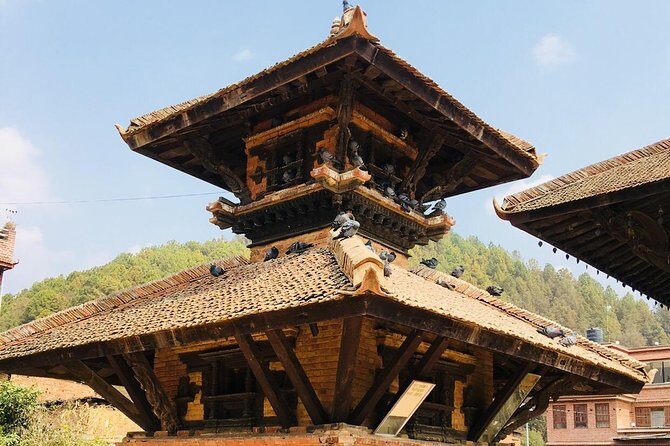
The final segment is Panauti, a town positioned as a step off the beaten path. This part of the day is where the tour’s promise shows: avoiding the Kathmandu crowds and seeing something calmer.
The itinerary includes:
- Panauti Museum (about 15 minutes, entry not included)
- Indreshwar Mahadev Temple (about 1 hour, free entry)
Why these two stops work together: the museum gives cultural context, and then Indreshwar gives you the lived religious focal point. The Indreshwar Mahadev Temple is described as one of the oldest and most significant pagoda temples in Nepal, and it’s the main attraction of Panauti. With a full 1-hour visit, you should expect this to be more than a quick look.
If your group likes religion explained clearly, this is where you’ll often feel the guide’s value most. Your guide can connect architectural style (pagoda form) to the religious importance of the site. And because you’re not fighting through a massive city square, it’s easier to ask questions and take in the details.
Also, this is the part of the day that feels most “local.” Bhaktapur is UNESCO famous, but Panauti is the quieter counterpart, and the pacing makes it easy to pay attention.
Timing, Tickets, and What You’ll Actually Pay
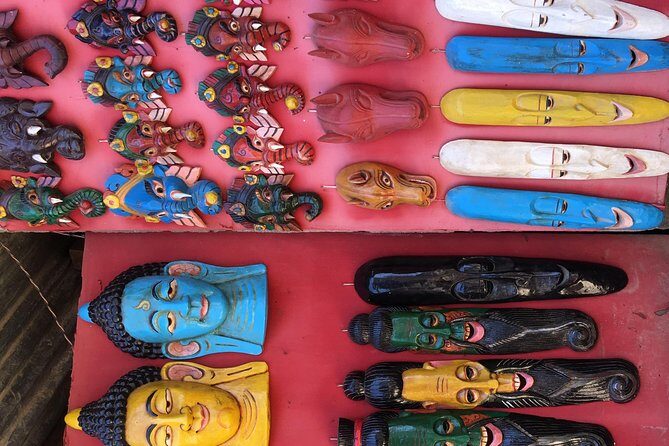
Let’s talk money in a useful way. The tour costs $110 per person and runs about 7 to 8 hours. What you get included is hotel pickup/drop-off (inside the Ring road including Bouddha part), a private vehicle, and a professional guide.
What you don’t get included:
- Food and drinks
- Entry fees, estimated around USD 20 per person
That entry fee estimate is the biggest variable. In practice, temple and palace sites can add up quickly, and this itinerary includes multiple places where admission may apply (Changu Narayan, Kailashnath Mahadev statue/area, and the Panauti Museum are explicitly marked as not included, while several Bhaktapur stops are free).
So is it good value? For me, the value hinges on two things:
- Private logistics: you’re paying for a guide plus a private vehicle plus pickup/drop-off in a defined area.
- A structured route: you’re not picking between dozens of options. You’re getting a coherent Kathmandu Valley rim day that connects UNESCO sites with lesser-visited context.
If your group is likely to rent your own rides and hire a guide anyway, this price looks more reasonable. If you’re traveling solo and you already plan to manage public transport and you don’t care about guided interpretation, then you could save money. But you’ll also lose the convenience and the explanations that make temples click.
Who This Tour Suits Best (And Who Might Want Another Option)
This is a strong fit if you:
- Want UNESCO Bhaktapur without squeezing it into a rushed city checklist
- Like learning about Hindu religion and culture through site-specific explanations
- Prefer a calmer pace than you’d likely get from larger group tours
- Travel as a family (the tour format is private and can work well with kids, as long as they’re okay with temple walking)
It may be less ideal if you:
- Want a purely outdoor, scenic day with minimal religious sites (this one is temple-heavy)
- Have limited flexibility for short walks and standing time at multiple monuments
- Don’t want to pay separate site entry fees on top of the tour price
In other words: if you’re here for meaning as much as photos, you’ll probably enjoy it. If your priority is only seeing landmark exteriors with no context, you might feel the day is too guided and structured.
Practical Tips Before You Go
A few simple things will make the day smoother:
- Dress smart casual, as noted for the tour. Temple days usually go easier when you’re comfortable covering appropriately.
- Bring a small amount of cash for sites where entry is required (entry fees are not included).
- Plan for no food provided. Build in a plan for snacks and water before the tour or during breaks if you can coordinate with your guide.
- Wear good shoes. Even when the stop times are short, you’ll be standing and walking on temple and palace surfaces.
If you want to get maximum value from the guide, come with a couple of basic questions in mind—like how the pagoda temple style relates to worship, or why Bhaktapur’s Durbar Square layout feels like a living map of royal and religious life.
Should You Book This Kathmandu Valley Rim Tour?
I think you should book it if you want a single day that connects UNESCO Bhaktapur and Changu Narayan with the quieter, more personal side of the valley in Panauti. The private format plus door-to-door pickup makes it feel like a proper day trip, not a logistics puzzle. And with guides such as Pankaj and Rabina associated with clear explanations and helpful answers, the religious and cultural side of the itinerary is a strength, not a burden.
Skip it if entry fees and temple-focused sightseeing don’t fit your style. If you prefer free-form wandering with no paid structure, you may prefer to mix Bhaktapur and Panauti on your own.
If you’re deciding based on value: the $110 price becomes more attractive when you factor in private transport, pickup/drop-off, and a professional guide—especially if you’d otherwise pay for those services separately.
FAQ
How long is the private Kathmandu Valley rim tour?
The tour runs about 7 to 8 hours.
What’s included in the price?
Hotel pickup and drop-off (inside the Ring road including Bouddha part), transport by a private vehicle, and a professional tour guide.
Are entrance fees included?
No. Entry fees are not included, and the estimate is about USD 20 per person.
Is food or drinks included?
No, food and drinks are not included.
Where does pickup take place?
Pickup is included for hotels inside the Ring road, including the Bouddha part.
Is this a private tour or a shared group?
It’s private. Only your group participates.
What’s the dress code?
The dress code is smart casual.