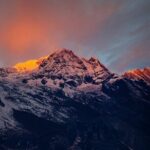
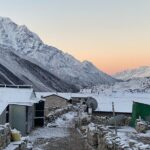
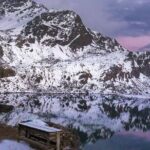
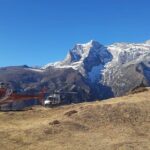
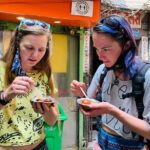
Big mountains, real villages, and a basecamp night. This Annapurna Base Camp trek bundles the famous Poon Hill sunrise into the route, then carries you through terraced farmland, Gurung and Pun villages, and simple tea houses. I like that it’s built to keep you moving day by day without feeling like a rushed stampede, with a professional team that handles the key logistics.
What I like most: the Poon Hill sunrise morning is timed for early hiking, so you’re up and out before the clouds win. A second big plus is the village texture: you walk through changing settlements as the climb steepens, and you get enough time in communities to feel daily Himalayan life rather than just passing through.
One consideration: the comfort level is basic. You’ll sleep in tea houses where toilets and bathrooms are outside, and you should plan on limited creature comforts—worth it for the views, but not for everyone.
In This Review
- Key highlights you’ll care about
- Why this ABC trek (with Poon Hill) works in 9 days
- Price and what you actually get for $835
- Day-by-day: what to expect, and where each day hits hardest
- Day 1: Ulleri start, mix of jeep and walking
- Day 2: Ghorepani and the rhododendron forest
- Day 3: Poon Hill sunrise, then down to Tadapani
- Day 4: Chhomrong area to Sinuwa, lots of ups and downs
- Day 5: Deurali, mostly along the Modi River bank
- Day 6: Annapurna Base Camp day (4,310 meters)
- Day 7: Base Camp sunrise, then down to Bamboo
- Day 8: Jhinu Danda descent and hot spring time
- Day 9: final walk, ride to Pokhara, farewell
- Tea houses and meals: what comfort level really means
- Altitude and fitness: how to make this feel doable
- Packing with real cold in mind
- The organization quality: guides, pickups, and rescue support
- Best moments for photos and timing
- Who should book this trek
- Should you book this Annapurna Base Camp trek?
- FAQ
- What is the duration of the Annapurna Base Camp Trek?
- Where does the trek start and what transfers are included?
- What kind of accommodation is included on the trek?
- Are meals included?
- Are beverages included in the price?
- How high do you go on this trek?
- Is there an English-speaking guide?
- Is emergency rescue support included?
- Is this trek private?
- What happens if the trek is canceled due to weather?
- What should I pack for cold weather?
Key highlights you’ll care about
- Poon Hill dawn, then a full day forward without adding a separate trek
- Rhododendron forest hiking on the Ghorepani approach
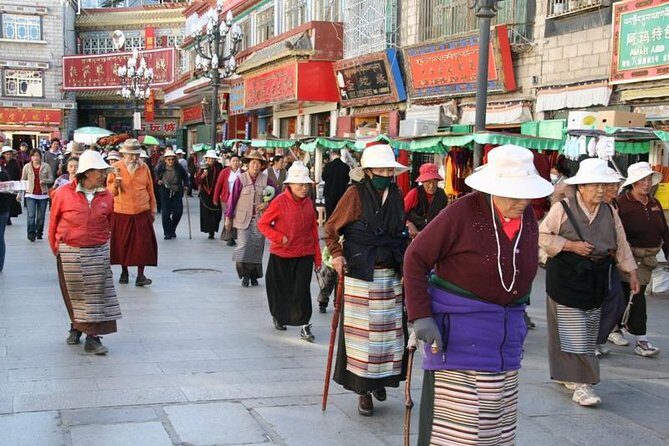
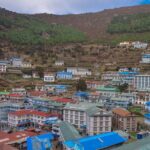
- Village walking with Gurung and Pun communities as altitude climbs
- Annapurna Base Camp at 4,310 meters with both sunset and sunrise moments
- Jhinu Danda hot spring to soak sore legs after the long descent
- An organized support package with pickup/drop-off, an English-speaking guide, and emergency assistance
Why this ABC trek (with Poon Hill) works in 9 days
The best part of this route is how it balances two kinds of Nepal trekking thrills. You get the early, photo-friendly payoff of Poon Hill, then you settle into the slower rhythm of the Annapurna Base Camp path through villages, forests, and farmland.
This is also a smart timing plan. After a few hours’ drive from Pokhara, the trek starts climbing through Ulleri and toward Ghorepani, so you’re not spending your whole time just getting to trailhead. And because the itinerary includes both sunset and sunrise around Base Camp, you’re not forced to choose only one big mountain moment.
You can also read our reviews of more hiking tours in Kathmandu
Price and what you actually get for $835
At $835 per person for about 9 days, the value here comes from what’s bundled in rather than what you have to add later. Your package includes teahouse accommodation (basic rooms), all breakfasts, lunches, and dinners listed for the trek days, and the key transportation legs (Pokhara to Hile, plus Jhinu back to Pokhara). It also covers government taxes and service charges, with a promise of no hidden costs.
You also get a professional English-speaking guide, and their costs are handled (wages, accommodation, meals, transportation, insurance). That matters because it reduces the odds of you getting stuck managing route decisions, paperwork, or day-to-day logistics while you’re also dealing with altitude.
Two practical notes for your budget: beverages like tea/coffee, cold drinks, and bottled water aren’t included, and tips for the guide are expected. If you like to buy extra snacks, you’ll want to plan for those personally too.
Day-by-day: what to expect, and where each day hits hardest
Day 1: Ulleri start, mix of jeep and walking
Your day begins after breakfast, with your guide meeting you and taking you toward Ulleri. The first part uses a private jeep ride, then you switch to walking, finishing with a tea house stay for the night. This combo is useful: you save some early leg fatigue, but you still warm up properly once you’re on foot.
The best preparation here is mental. Even if the day is shorter than later days, you’ll still feel the walking pace and elevation gradually.
Day 2: Ghorepani and the rhododendron forest
After breakfast, you head toward Ghorepani and hike through rhododendron forest. If you travel in spring, this section is especially rewarding because the forest can be in bloom. Lunch is planned at a local restaurant during the trek, then you check in to a lodge in Ghorepani.
A key takeaway: this day is not just movement; it’s atmosphere. Tree cover changes how you breathe and how the temperature feels, so the trail can feel gentler than exposed ridgelines would.
Day 3: Poon Hill sunrise, then down to Tadapani
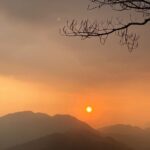
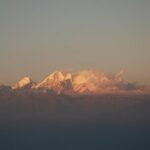
You start very early for a hike to Poon Hill to catch sunrise. After the view, you descend back to Ghorepani, eat breakfast, and continue trekking toward Tadapani.
This day tends to be memorable for one reason: the timing. Early hikes mean cold mornings and a quick payoff, then you continue on while other people are still waking up.
Day 4: Chhomrong area to Sinuwa, lots of ups and downs
Day 4 shifts into a tougher rhythm. You hike down to Kimrong Khola, then climb up to Chhomrong, and keep going onward to Sinuwa. It’s described as full of ups and downs, and you’ll stay overnight at a lodge in Sinuwa.
If you’re thinking about pacing, this is where you earn it. Short steep climbs feel hard, but you’ll feel better if you keep your effort steady instead of sprinting the uphill moments.
Day 5: Deurali, mostly along the Modi River bank
This is the day with less scenery drama. You mostly walk along the bank of the Modi River, and the route notes that you won’t see mountain views on this day. You sleep at a simple lodge in Deurali.
Don’t treat this like a wasted day. River-bank trekking often means easier navigation and a different feel underfoot. It can also be a mental breather day, especially after the ups and downs of Chhomrong-to-Sinuwa.
Day 6: Annapurna Base Camp day (4,310 meters)
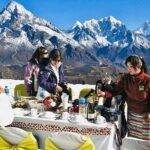
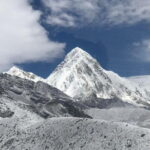
Day 6 is the centerpiece. You trek to Annapurna Base Camp at 4,310 meters, then you get a sunset view and spend the night in the lap of the Annapurna Himalayan range.
At this altitude, pacing is everything. Take it slow, keep breathing controlled, and prioritize steady steps over speed. Your goal is to arrive feeling human enough to enjoy the evening light, not to arrive wiped out.
Day 7: Base Camp sunrise, then down to Bamboo
You’re up early for sunrise from Annapurna Base Camp, then breakfast comes before trekking back down the same trail to Bamboo for the night.
This is a classic two-part mountain day: cold, calm morning views, then active recovery by descending. If you’ve been saving energy, this is where you’ll feel rewarded.
Day 8: Jhinu Danda descent and hot spring time
You continue descending toward Jhinu Danda and check in at a lodge. Then you walk down to the Modi River bank to enjoy natural hot springs—an intentional reward after a week on the trail.
This is one of the most practical parts of the whole trek. After days of downhill impact, the hot spring time gives your body a chance to reset, even if you keep expectations realistic.
Day 9: final walk, ride to Pokhara, farewell
You walk for about an hour, then catch your ride to Pokhara. Your guide leaves you at the hotel and the trip ends.
Think of this day as transition. You’ll be tired, but it’s also a relief day: you’re done with elevation gains and into the ease of city logistics.
Tea houses and meals: what comfort level really means
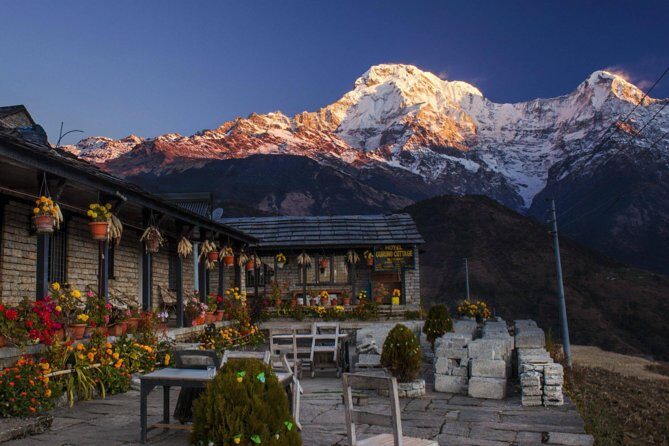
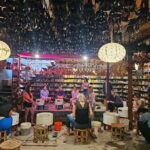
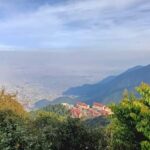
Accommodation is basic teahouse lodging. Expect simple rooms, and plan on toilets and bathrooms being outside. That’s common on this kind of trek, but it affects how you plan your mornings and late nights. A headlamp and warm layers matter more here than you might think.
Food is included for the trek days: breakfast (8), dinner (8), and lunch (9). This helps you avoid budgeting uncertainty mid-trek, and it keeps you from spending peak energy searching for meals.
Beverages are not included, and that’s the part many people forget. If you like hot tea, coffee, or bottled water, budget for it. Also, if you’re sensitive to cold, you might want extra warmth in the evening since tea houses can be chilly.
Altitude and fitness: how to make this feel doable
This trek reaches Annapurna Base Camp at 4,310 meters. Even if you’re in decent shape, altitude changes how fast you can safely move. The route’s structure helps: it includes gradual progression from Ulleri to Ghorepani, then several varied days before the basecamp push.
You’ll also have deliberate altitude moments. The sunrise and sunset focus at Base Camp can tempt you to stay outside longer than you should. Do it, but don’t ignore your body. Keep your layers tight, drink enough water, and if you feel off, don’t chase the perfect photo from the most exposed spot.
The operator states you should have moderate physical fitness. I agree with that framing for this route, especially since several days include ups and downs rather than a smooth, gentle grind.
Packing with real cold in mind
The packing guidance here is straightforward: warm clothes and the gear to handle cold mornings and nights. They specifically call out essentials like a down jacket, sleeping bag, full sleeve layers, warm hat, sunglasses, gloves, warm socks, trekking boots (plus slippers), thermal undergarments, a fleece jacket, water bottle, day bag, and a gortex jacket. A headlight and sun/cold creams are also mentioned.
Two practical tips:
- Bring layers you can vent and re-close fast. Cold at dawn, warmth during climbs, then cold again on descents is the pattern.
- Keep your sleeping setup warm enough. Tea houses are basic, and outside toilets mean you’ll likely step out at least once in the dark.
The organization quality: guides, pickups, and rescue support
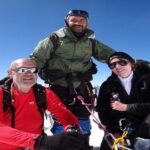
Your trip is private in the sense that only your group participates, and you get hotel pickup and drop-off. You also receive a professional guide (English-speaking), with guide expenses covered so you’re not relying on tips to keep the program running smoothly.
From the feedback you’ve been given, the team includes guides named Ram, Dilli, and Tupie, and the planning is described as organized from airport pickup to final drop-off. I can’t promise every single detail matches your exact dates, but the pattern matters: when a company handles both Nepal city logistics and mountain days, your trek feels less like guesswork.
There’s also an emergency rescue service included for evacuation and medication support. That doesn’t mean “ignore safety,” but it does mean the program is designed with real-world risk in mind.
Best moments for photos and timing
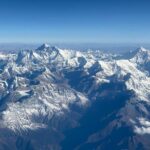
If you care about photos, this itinerary is built around them without making you run. The early Poon Hill sunrise hike gives you that mountain panorama moment, then you’re moving again. Base Camp adds another high-value photo window with both sunset and sunrise views.
If clouds roll in, you’ll still get trail time and village moments, since the days include forests, farmlands, and settlement transitions rather than only mountain panoramas. That’s a big reason people come back impressed even when weather is imperfect.
Who should book this trek
This is a strong fit if you:
- Want classic Annapurna views and also want the Poon Hill sunrise without a separate trip
- Enjoy village trekking through different ethnic communities like Gurung and Pun groups
- Are okay with basic tea-house lodging and outside bathrooms
- Can handle a moderate fitness challenge with several days of ups and downs
If you’re after a luxury comfort level or you hate cold mornings, you might find the basic lodging and early departures tough. In that case, you may want a different style of trek.
Should you book this Annapurna Base Camp trek?
I’d book it if you want good value, clear logistics, and a route that mixes mountain payoff with real trail life. The inclusion of meals, teahouse stays, guide support, and the main transfers makes it easier to budget and focus on the trek itself.
You should think twice if outside-toilet lodging is a dealbreaker for you, or if you’re hoping for mountain views every single day. Day 5 is specifically a Modi River bank walk with limited mountain views, and the experience is about endurance and rhythm as much as scenery.
If you’re ready to pack warm and move at a steady pace, this itinerary delivers the Annapurna Base Camp goal plus the extra sunrise moments that trekkers love.
FAQ
What is the duration of the Annapurna Base Camp Trek?
It’s listed as 9 days approximately.
Where does the trek start and what transfers are included?
You get hotel pickup/drop-off, plus transportation for Pokhara–Hile and Jhinu–Pokhara transfers.
What kind of accommodation is included on the trek?
You stay in basic teahouses during the trek. Toilet and bathroom facilities are outside.
Are meals included?
Yes. Lunch is included 9 times, and breakfast 8 times and dinner 8 times.
Are beverages included in the price?
No. Cold drinks, bottled mineral water, tea/coffee, and other beverages are not included.
How high do you go on this trek?
You reach Annapurna Base Camp at 4,310 meters.
Is there an English-speaking guide?
Yes. You’ll have a professional and experienced trekking guide who speaks English.
Is emergency rescue support included?
Yes. In emergency cases, the team will assist with evacuation and medication.
Is this trek private?
Yes. It’s a private tour/activity, and only your group will participate.
What happens if the trek is canceled due to weather?
This experience requires good weather. If canceled due to poor weather, you’ll be offered a different date or a full refund.
What should I pack for cold weather?
You should pack warm clothes such as a down jacket, sleeping bag, full sleeves, warm hat, sunglasses, gloves, warm socks, trekking boots, thermal undergarments, fleece jacket, water bottle, day bag, and a gortex jacket, plus a headlight and sun/cold creams.