REVIEW · LUMBINI
Lumbini: Buddhists Spiritual Exploration
Book on GetYourGuide →Operated by Himalayan Nomad Treks Pvt. Ltd. · Bookable on GetYourGuide
Lumbini can feel like the whole day slows down on purpose. I love starting at the Maya Devi Temple complex, because it gives you a clear, physical way to understand why this place matters, not just vague ideas. I also like the paced rhythm: temple stops, then gardens and quiet reflection. One thing to watch: the Lumbini Museum may have closure days for remodeling, which can reduce how much you get from the museum portion of the day.
You’ll travel from your hotel in Lumbini (early morning pickup) with an English-speaking guide, then spend the day moving between the birthplace site, monasteries, museum time, and a gentle stroll outside the Lumbini Development Zone. This is a private-group format, so you’re not squeezed into a crowd to hear the meaning behind what you’re seeing.
Price-wise, this can feel like good value when the guide is helping you read the symbols and you’re staying focused for the full 7 hours. If your quote is higher than the listed rate, I’d be extra strict about what’s open that day (especially the museum), because that’s the one factor that can change the “story” your day ends up telling you.
In This Review
- Quick Takeaways Before You Go
- Why This Lumbini Day Feels Different Than a Checklist Tour
- Maya Devi Temple: The Birthplace Site You’ll Want to Slow Down For
- The Sacred Marker Stone and Queen Maya Devi’s Bathing Pond
- Lumbini Gardens and Meditation Time: Where the Day Turns Personal
- Monasteries Around Lumbini: Seeing Global Buddhism Through Architecture
- Lumbini Museum: Artifacts That Add Context (When It’s Open)
- Food and Community Moments: Nepali Lunch and Cultural Exchange
- A Leisurely Stroll Outside the Development Zone
- Price and Logistics for a 7-Hour Private Tour
- Who This Tour Suits Best
- Should You Book This Lumbini Spiritual Exploration?
- FAQ
- FAQ
- How long is the Lumbini spiritual exploration tour?
- Where does pickup and drop-off happen?
- Is lunch included in the tour price?
- Are entrance fees included?
- What languages is the guide available in?
- Is the tour wheelchair accessible?
- What do I need to bring?
- What’s the cancellation policy?
Quick Takeaways Before You Go
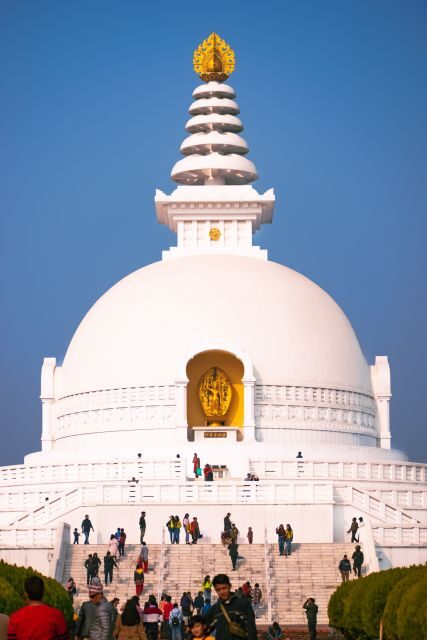
- Maya Devi Temple complex gives you the birthplace context in a structured, on-site way
- Monasteries across traditions help you see Buddhism as a lived, international practice
- Gardens + meditation time turns the day from sightseeing into reflection
- Lumbini Museum artifacts add context, but check opening status because closures can happen
- Local lunch and community time make the spiritual visit feel connected to daily life
- Private, hotel pickup keeps logistics simple for a long (but manageable) day
Why This Lumbini Day Feels Different Than a Checklist Tour
Lumbini sits in Nepal’s Terai region, south of Butwal. It’s not the kind of place where you should try to sprint from one photo spot to the next. This tour works because it treats the day like a gentle sequence: sacred birthplace first, then learning, then quiet, then cultural exchange.
The best part is that you’re not only walking around temples—you’re getting an English-speaking guide to connect what you’re seeing to what it symbolizes. That matters at Lumbini. Without context, it can turn into a lot of stone-and-garden scenery. With context, the same spaces feel intentional.
This tour also builds in breathing room. After the main temple complex, you get time in the gardens and moments of meditation and self-reflection. For many people, that’s the real highlight, not the last monument.
You can also read our reviews of more tours and experiences in Lumbini.

Maya Devi Temple: The Birthplace Site You’ll Want to Slow Down For
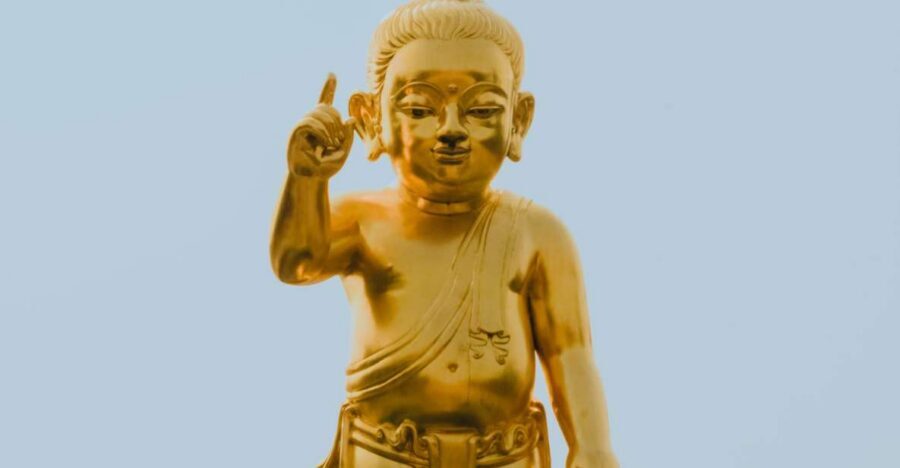
Your day starts with an early hotel pickup, then you head straight to Lumbini’s Maya Devi Temple complex. This is the heart of the experience: the sacred area associated with the Buddha’s birth and the monuments around it.
Here’s what makes this stop especially worth a guided visit. The complex includes specific elements you can’t fully “decode” from a map. Your guide helps you understand what each part represents, so you’re not just looking at structures—you’re learning how devotees understand the place.
You’ll explore the temple complex itself and take in the main points of the sacred grounds. In practical terms, plan to move at a walking pace and expect moments where you’ll stop, look, and actually take time to understand before you move on.
A temple complex day can get busy in general travel terms, but the tour format keeps you organized. You’re less likely to feel lost, and you’re more likely to notice details you’d otherwise skip.
The Sacred Marker Stone and Queen Maya Devi’s Bathing Pond
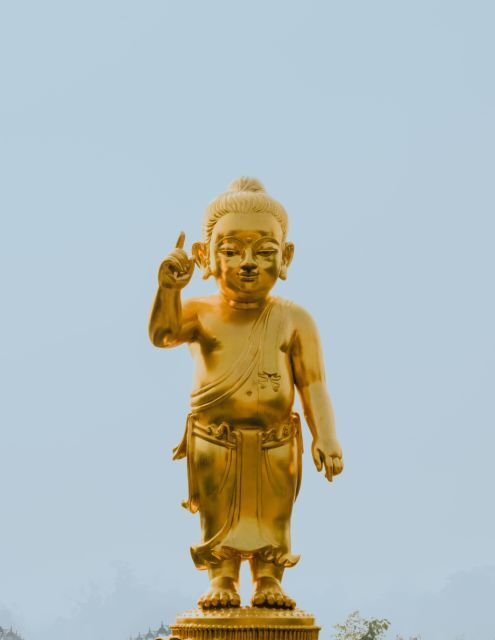
Within the Maya Devi Temple area, the route also includes the sacred marker stone and Queen Maya Devi’s bathing pond. These are the kinds of locations that matter precisely because they’re specific—not generic.
A big part of what makes Lumbini powerful is that it focuses on a sequence of sacred meaning: birthplace symbolism, associated sites, and devotional spaces. The marker stone and bathing pond are part of that chain, and with a guide, you get help putting the pieces together.
If you tend to rush, this is a good reminder: slow down here. Take a moment to absorb the atmosphere. Even if you’re not traveling for religious reasons, you’ll probably feel how the site encourages calm behavior—lower voices, careful walking, and time spent looking rather than moving.
Lumbini Gardens and Meditation Time: Where the Day Turns Personal
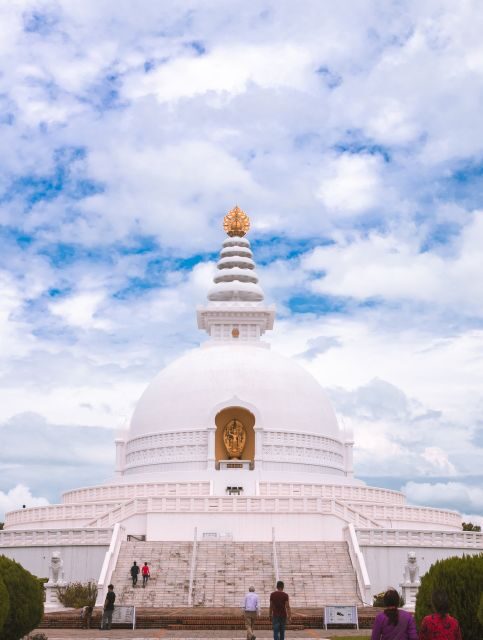
After the main sacred complex, the schedule shifts into restoration mode. You get time to bask in Lumbini’s serene gardens, plus moments of meditation and self-reflection.
This isn’t “extra fluff.” At Lumbini, the gardens help you reset your brain. You’ve been learning and looking at sacred architecture; then you’re asked to pause. That pause is where the experience becomes more than information.
If you’re the kind of traveler who likes to keep your schedule tight, you might be tempted to skip the reflection time. Don’t. Even a few quiet minutes can change how you remember the day. You’ll likely leave feeling less like you completed a route and more like you had a real experience.
Practical tip: bring a light layer. Garden time can feel cooler in the morning, and temple zones often involve shade and open air.
Monasteries Around Lumbini: Seeing Global Buddhism Through Architecture
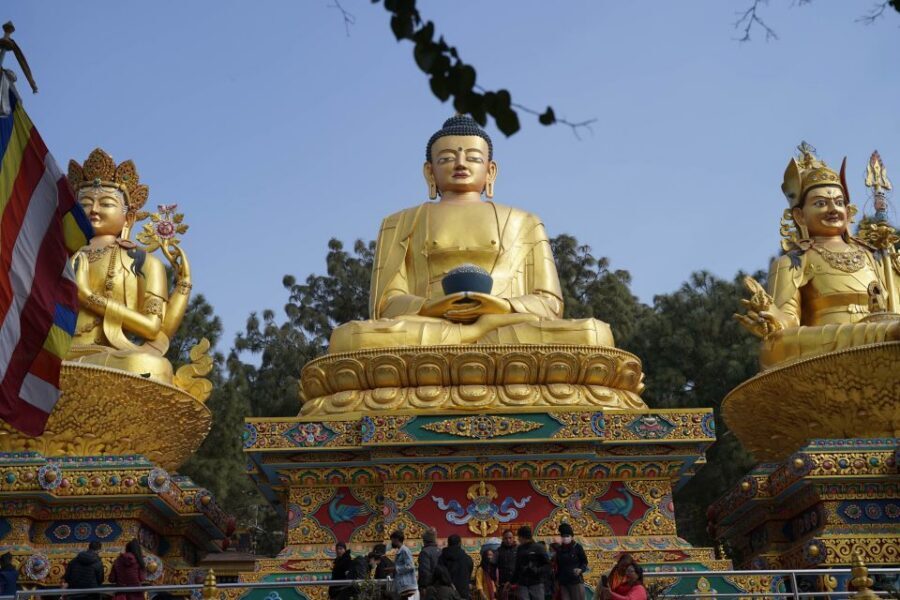
In the afternoon, you visit monasteries that reflect global Buddhist traditions and heritage. You’ll marvel at diverse architectural styles, which is a major part of why this day doesn’t feel repetitive.
What I like about this portion is that it expands the story beyond a single origin point. Lumbini is the start of a tradition, but it’s also a destination shared across many Buddhist cultures. The monasteries reflect that reach.
While you’re there, look for differences in how each monastery expresses devotion through space—things like layout, decorative elements, and the way courtyards or prayer areas are arranged. You don’t need to know the meaning of every symbol to appreciate the effort. The guide’s job is to explain what matters most.
This is also a calmer contrast to the birthplace area. Monasteries often invite quieter behavior, and the tour structure gives you time to experience that mood shift.
Lumbini Museum: Artifacts That Add Context (When It’s Open)
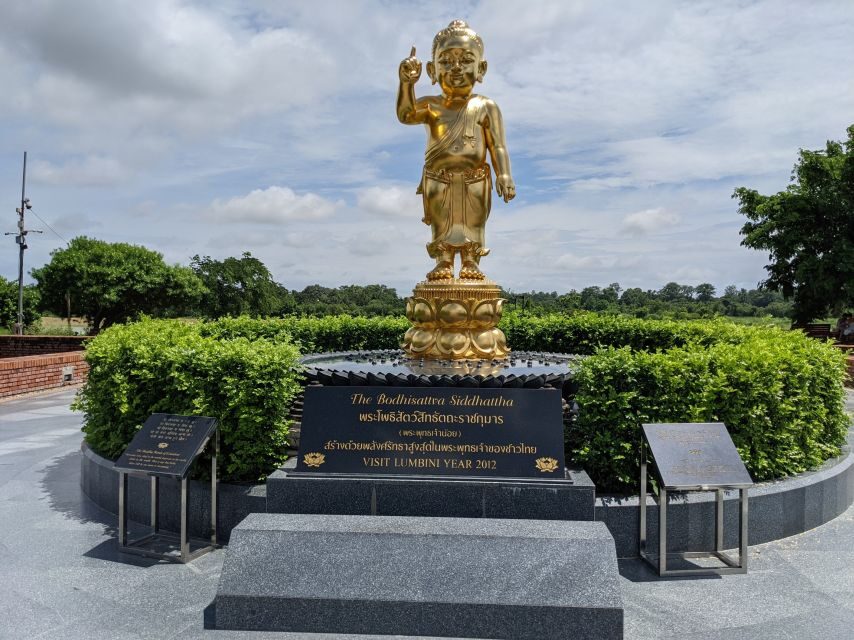
The Lumbini Museum is designed to deepen your understanding of Buddhism’s evolution through artifacts. If you’re curious about how ideas and practices changed across time, this is the portion that turns your visit into something more grounded.
That said, this is the part you should treat with extra care. One traveler reported that the museum was closed for remodeling while it was still listed as part of the visit. I can’t promise your day will be perfect, so I’d make a small habit: before you go, verify that the museum is open on your travel date.
If the museum is open, you’ll likely come away with clearer context for what you saw in the temple complex and monasteries. If it’s closed, you might still enjoy the spiritual atmosphere, but the learning piece could feel lighter than expected.
Food and Community Moments: Nepali Lunch and Cultural Exchange
You’ll have a traditional Nepali lunch during the day, but it’s not included in the tour price. That means you should plan a bit of cash and keep an eye on your appetite once lunch time arrives.
What I like here is the cultural exchange angle. The tour includes time where you can interact with locals and savor Nepali cuisine. Those moments are often what make a spiritual itinerary feel human, not staged.
A quick practical note: since food is not included, your best value comes from choosing a meal that fits your pace. Don’t plan to skip lunch and then “snack later,” because the day is long enough that you’ll feel it.
A Leisurely Stroll Outside the Development Zone
Later in the day, you can take a leisurely stroll outside the Lumbini Development Zone. This gives you a softer ending than another round of major temple stops.
Think of it as your decompress moment. You’re still in the Lumbini region, still absorbing the mood, but you’re not locked into a tight schedule. This is a good time to ask the guide quick questions—how to interpret what you saw earlier, how locals think about the site, or what to notice if you return on your own.
If you like photography, this is often the part of the day where images feel more relaxed. If you’re more reflective, it’s where the experience can settle into your memory.
Price and Logistics for a 7-Hour Private Tour
The tour is listed at $49 per person for a 7-hour experience with hotel pickup and drop-off in Lumbini, an English-speaking guide, water, and visits across the Lumbini area and temples. Entrance fees and food are not included.
So is it good value? Often, yes—if you’re paying for the guidance and pacing, not just transport. In a place like Lumbini, a guide can turn stones and symbols into something you understand. That’s hard to replicate if you’re doing it alone without reliable context.
But there are two value-sensitive points:
- Entrance fees aren’t included, so your final cost can rise depending on what you pay on arrival.
- The museum may not be open, and that can change how “complete” the day feels.
One traveler flagged that they paid $78 USD and felt the description didn’t match what they received, including the museum being closed for remodeling. I’d use that as a reminder: if your quoted price is significantly higher than the listing, ask yourself whether the museum access (and other included stops) will still happen on your date.
On logistics, the tour is private group, wheelchair accessible, and includes a bottle of water. Pickup is from any hotel in Lumbini, and you should wait in the lobby about 10 minutes before the scheduled pickup time. Languages listed are English and Hindi, which is helpful if you want clarity during questions.
Who This Tour Suits Best
This experience is a strong match if you want a spiritual day that’s structured but not rushed. You’ll probably love it if you:
- want on-site explanations at the Maya Devi Temple complex
- enjoy meditation or at least quiet reflection time
- prefer learning through guided context rather than reading alone
- like cultural exchange and seeing how different Buddhist communities express devotion
It’s less ideal if you’re expecting a fully flexible, stop-anywhere day. This is planned and guided, with a clear route. You’ll get freedom within that structure, but it’s not designed to be a wandering free-for-all.
Also, bring your ID or passport. The tour data specifically calls for it.
Should You Book This Lumbini Spiritual Exploration?
If you’re visiting Lumbini and want your day to feel meaningful, this tour is worth considering. The mix of Maya Devi Temple, monasteries reflecting global traditions, museum context, and gardens for reflection is exactly the kind of balance that helps a spiritual site land in your head and heart—not just on your camera roll.
Before you book, do two simple checks:
- Confirm your final price and whether it matches what you think is included.
- Verify Lumbini Museum opening status for your travel date, since closures for remodeling can happen.
If those boxes are green, you’ll likely come away with a calmer mind and a clearer understanding of why Lumbini draws people from everywhere.
FAQ
FAQ
How long is the Lumbini spiritual exploration tour?
It’s listed as a 7-hour full day.
Where does pickup and drop-off happen?
Pickup and drop-off are included from any hotel in Lumbini.
Is lunch included in the tour price?
No. A traditional Nepali lunch is part of the day, but it’s not included.
Are entrance fees included?
No. Entrance fees are listed as not included.
What languages is the guide available in?
The live tour guide is listed as English and Hindi.
Is the tour wheelchair accessible?
Yes, it is wheelchair accessible.
What do I need to bring?
Bring your passport or an ID card.
What’s the cancellation policy?
Free cancellation is available up to 24 hours in advance for a full refund.