REVIEW · LUMBINI
Lumbini Full day tour with Guide
Book on GetYourGuide →Operated by Adventure in Nepal · Bookable on GetYourGuide
One birth story, many temples, one quiet garden. Lumbini is revered as the birthplace of Siddhartha Gautama, and this full-day tour helps you make sense of it all without getting lost in the holy-site maze. I especially like starting at the Maya Devi Temple—it’s not just beautiful, it explains why pilgrims come here. I also love how your guide ties the UNESCO Sacred Garden to the wider spread of Buddhism through the monasteries you’ll see nearby.
The big consideration: the tour time is set for a full day, but your pace on the ground can vary, and some monastery admission (like Nava Maitri Maha Viharaya) may cost extra since entrance fees aren’t included.
In This Review
- Key Highlights You’ll Actually Care About
- Entering Lumbini: Where Your Guide Turns Confusing Into Clear
- Maya Devi Temple: Start With the Birth Story, Not the Gift Shop
- The UNESCO Sacred Garden: The Real Core of the Lumbini Development Zone
- Monasteries From Around the World: Different Traditions, One Pilgrimage Space
- Lumbini Museum: Turn Walking Into Understanding
- Outside the Main Zone: Villages, Local Life, and Real Nepali Flavors
- Price and Value: Is $38 for a Private Day Trip a Good Deal?
- Time on the Ground: What 8 Hours Really Means
- Who This Tour Fits Best (and Who Should Skip It)
- Practical Tips That Make the Day Smoother
- Should You Book This Lumbini Full Day Tour?
- FAQ
- How long is the Lumbini full day tour with a guide?
- What’s included in the tour price?
- What isn’t included?
- Where does pickup happen?
- What languages can the guide speak?
- What should I bring, and what should I avoid?
Key Highlights You’ll Actually Care About
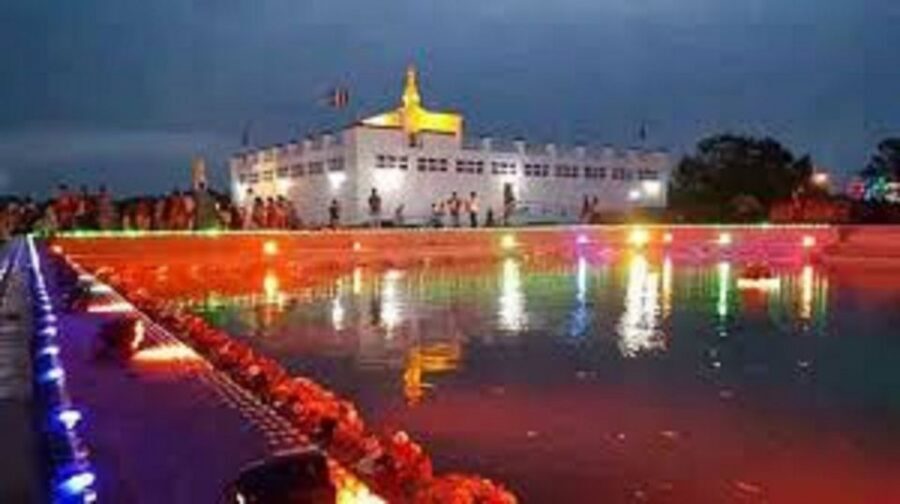
- Maya Devi Temple, the marker for Buddha’s birth site with a sacred stone and a pond linked to Queen Maya Devi
- UNESCO Sacred Garden in the Lumbini Development Zone, the heart of the pilgrimage area
- Monasteries from different Buddhist communities, each with distinct design and artwork
- Lumbini Museum, which adds historical and archaeological context beyond what you see outdoors
- A calm, reflective pace option, since many people use Lumbini for meditation and quiet time
- A well-connected guide like Suhail/Sahil, who can make the day feel smoother inside the complex
Entering Lumbini: Where Your Guide Turns Confusing Into Clear
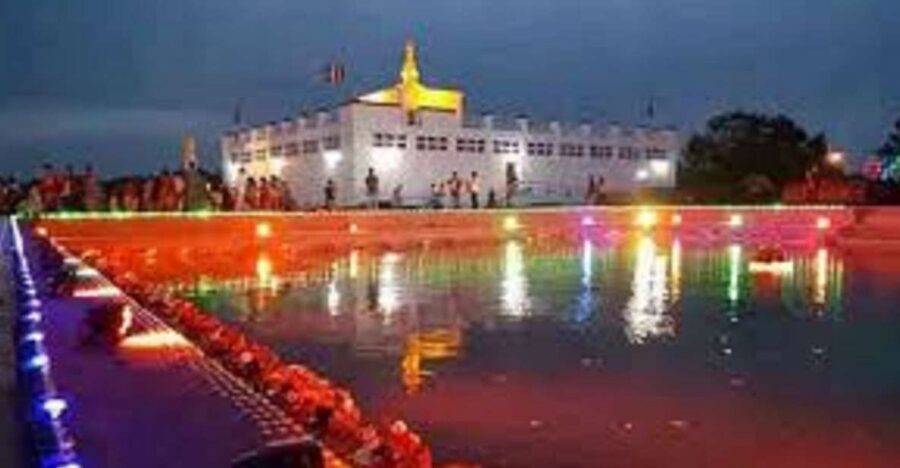
Lumbini isn’t a loud, party-style place. It’s more like a place for walking slowly, reading signs carefully, and noticing how the atmosphere changes from temple to garden to shrine. What makes a guided day tour valuable is simple: you get the story behind what you’re looking at—without having to guess.
Your day starts with hotel pickup within the Lumbini temple area, roughly a 3 km radius from Mayadevi Temple. That matters because the Lumbini complex is spread out enough that wandering in the wrong direction wastes time. With a professional English-speaking tour guide, you also get translations and quick explanations as you go, including in English, Nepali, or Hindi depending on what the guide uses.
One of the best “quiet perks” here is that guides can keep you on track. In the past, I’ve seen how much a friendly guide improves the experience when sites feel similar at first glance. This tour has that advantage built in, and reviews also mention guides like Suhail (and Sahil) being flexible and easy to talk with—plus they can share practical pointers for what to prioritize.
You can also read our reviews of more tours and experiences in Lumbini.
Maya Devi Temple: Start With the Birth Story, Not the Gift Shop
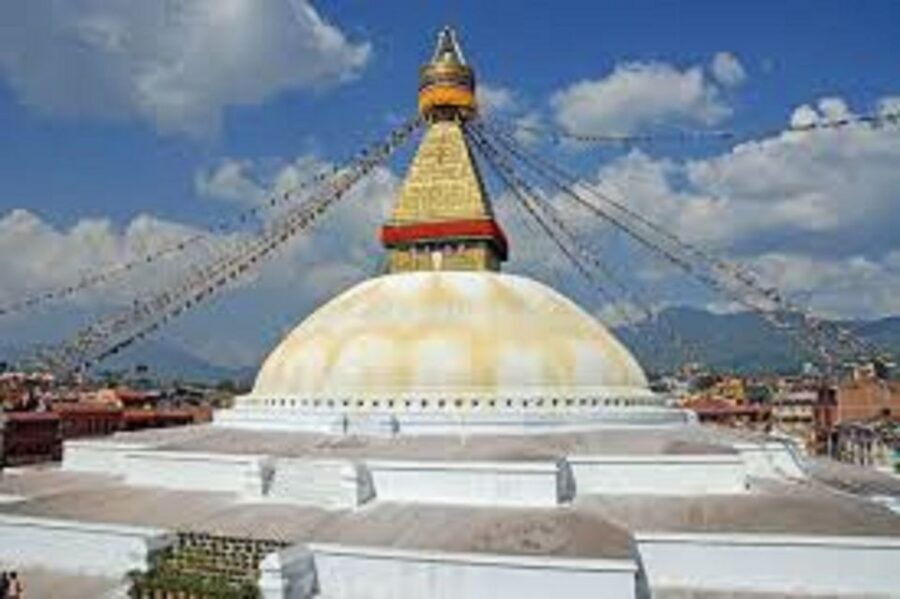
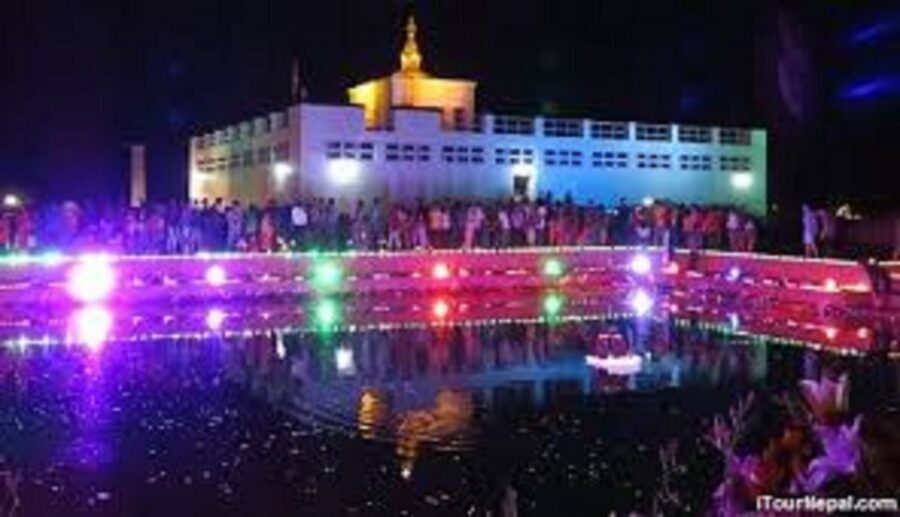
Most people begin with the Maya Devi Temple, because it marks the exact spot where Queen Maya Devi gave birth to Siddhartha Gautama. This is the kind of place where the “why” matters as much as the architecture. Inside, you’ll encounter a sacred marker stone and a pond where Queen Maya Devi is believed to have bathed before giving birth.
Even if you’ve read about Buddhism before, this temple gives you something different: a physical anchor. You stop seeing the birth story as an abstract idea and start understanding it as a specific place people still visit to pay respect.
Practical note: the tour includes pickup and drop-off in the temple area, but it doesn’t include entrance fees. So if you’re budgeting, remember that you’ll likely pay separate admission for some sites once you’re there. Also, keep in mind the tour involves walking on temple grounds—so comfortable shoes aren’t optional.
The UNESCO Sacred Garden: The Real Core of the Lumbini Development Zone
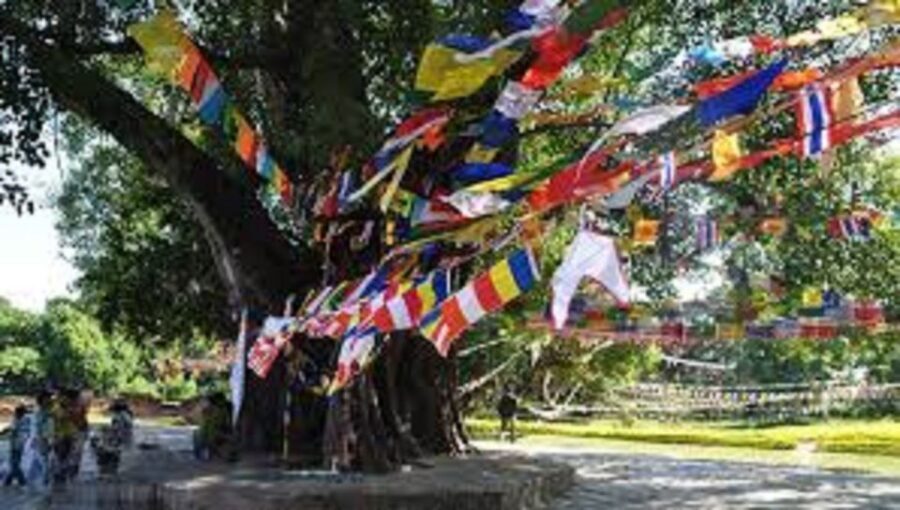
After you get the birth-site context, the main event is the Sacred Garden area within the Lumbini Development Zone, a UNESCO World Heritage site. This is where Lumbini feels most “spiritual” in a practical sense: the gardens help slow your pace, and the layout encourages quiet attention.
As you move through the Sacred Garden, your guide’s job is to connect what you’re seeing to what it means. You’re not just moving from one shrine to another. You’re following a spiritual geography tied to the life of Buddha and the pilgrimage traditions that grew around it.
Two things I like about this part:
- It’s visually peaceful without being boring. Temples and markers sit among garden spaces, so you get variety without noise.
- You can choose how reflective you want to be. Lumbini is known for calm moments, and the setting genuinely supports meditation and reflection.
If you’re someone who likes spiritual travel but hates feeling rushed, this is a good match. Still, aim to have a flexible attitude about timing; one review noted the experience may run shorter than expected if you move quickly or if access takes less time than planned. If a full-length day is important to you, talk with your guide about your preferred pace and which stops matter most.
Monasteries From Around the World: Different Traditions, One Pilgrimage Space
One reason Lumbini stands out from many temple visits is the range of Buddhist communities represented through monasteries, temples, and shrines. As you explore beyond the core garden area, you’ll see buildings created by Buddhist communities from different countries.
Each monastery has its own style, artwork, and significance. This is a great moment to shift your thinking from one religion-as-a-single-thing to Buddhism as a living tradition with local expressions. You can often tell the influence of different cultural aesthetics simply by comparing details—roof lines, ornamentation, and how each space is arranged for visitors and worship.
This is also where a helpful guide earns their fee. Reviews specifically mention guides like Suhail being well connected and, in some cases, able to introduce visitors to parts of the complex that wouldn’t be obvious on your own. That doesn’t mean you’ll magically bypass everything, but it does mean you’re less likely to miss a meaningful stop.
One practical warning: if a particular monastery is high on your list (for example, Nava Maitri Maha Viharaya was mentioned in a review), plan for the chance that its admission isn’t included. Since entrance fees aren’t part of the package, you’ll want a little cash ready.
Lumbini Museum: Turn Walking Into Understanding
The Lumbini Museum helps you connect outdoor experiences to evidence. Instead of only relying on what’s built and what’s displayed in sacred spaces, you’ll also see artifacts and archaeological findings related to the life of Buddha and the history of Buddhism in this region.
This is especially valuable if you’re the kind of traveler who hates leaving a place without a stronger mental timeline. A museum visit can answer the question: what changed over time, and what do we know from physical remains?
Even if you don’t love museums, this one serves as a “translator” between the pilgrimage story and the real-world layers of history. It’s a smart pairing with the monastery and garden walking, because it helps you interpret symbols with less guesswork afterward.
Outside the Main Zone: Villages, Local Life, and Real Nepali Flavors
Lumbini isn’t only about temple walls. Outside the main Lumbini Development Zone, you can also explore nearby villages and interact with local communities. This part of the experience can add warmth to the spiritual day, because you’re not only observing sacred space—you’re seeing daily life around it.
You may also be able to taste traditional Nepali cuisine. Food and drinks aren’t included in the tour, but that’s often a good thing: you can choose what you like, and your guide can point you toward options in the area.
If you’re traveling with an open mind, this village time can also make the whole day feel more grounded. Lumbini can be serene, but it still sits inside a real region with real people.
Price and Value: Is $38 for a Private Day Trip a Good Deal?

At $38 per person for an 8-hour private tour, the price is fairly reasonable—especially because you get hotel pickup/drop-off in the Lumbini area and a professional English-speaking guide. You also get a bottle of water per person, which sounds small, but it matters during long walks and warm days.
Where the value equation gets tricky is entrances and food:
- Entrance fees aren’t included, so you should expect extra costs on-site for some areas.
- Food and drinks aren’t included, so you’ll budget for meals separately.
One review pointed out that if you add a tuk-tuk to cover a large complex more easily, the total cost can climb. That’s not automatically a bad idea—sometimes it helps pacing—but it’s worth thinking about how much you want to pay to reduce walking. The standard experience already includes guide guidance and pickup within the temple area radius, which can reduce how much “extra transport” you need.
Overall, I’d call this good value if you want interpretation more than just sightseeing. If you’re comfortable reading signage and figuring things out, you could do it independently. If you want context, smoother routing, and a chance to ask questions, the private guided format is the strong part.
Time on the Ground: What 8 Hours Really Means
The tour is set for 8 hours, but the reality of a temple complex day depends on your pace, crowds, and how much you stop to look, read, and ask questions. One important note from past experiences: a guide may still feel organized and informative while the day ends up being shorter than the stated duration.
So here’s the smart move: treat 8 hours as a target, not a guarantee. If you have only one day in the area and you want maximum coverage, confirm early which sites are priorities for you. A flexible guide can often adjust, but it’s better to align expectations before you start walking.
Who This Tour Fits Best (and Who Should Skip It)
This tour is a strong match if you:
- want a guided explanation of Buddha’s birthplace area
- like combining outdoor sacred sites with museum context
- prefer a private group format where you can ask questions at your pace
- want help navigating monasteries from different Buddhist traditions
It’s not suitable for pregnant women, and it’s rain-or-shine. That means bring shoes you can handle on wet paths and plan for weather changes.
Also, no luggage or large bags are allowed. Travel light. If you’re carrying daypack-sized stuff, keep it compact so you’re not stuck managing gear in temple areas.
Practical Tips That Make the Day Smoother
Here’s how to set yourself up for an enjoyable Lumbini day:
- Bring a passport or ID card, plus cash for entrance fees and optional purchases
- Wear comfortable shoes—temple grounds involve walking
- Plan for rain or shine; pack for changing weather even if the forecast seems calm
- Keep luggage minimal since large bags aren’t allowed
- If you’re strict about time, ask your guide about pacing early so you don’t feel rushed later
And if you can, ask your guide what to prioritize. Reviews mention guides being patient and answering questions well, and that kind of interaction turns the day from “seeing places” into actually understanding them.
Should You Book This Lumbini Full Day Tour?
I’d book it if you want a guided, private day focused on the heart of Lumbini: Maya Devi Temple and the UNESCO Sacred Garden, plus monasteries and the museum for context. At $38, it’s a sensible value when you factor in private guidance, pickup/drop-off in the temple area, and water—just remember entrance fees and food are separate.
Skip it or consider a lighter plan if you’re only looking for quick photos, hate walking, or need a very guaranteed “every minute for 8 hours” schedule. For most people coming to Lumbini for meaning and understanding, this is a solid way to spend a full day.
FAQ
How long is the Lumbini full day tour with a guide?
The tour duration is 8 hours.
What’s included in the tour price?
Included items are hotel pickup and drop-off within the Lumbini area, a professional English-speaking tour guide, a bottle of water per each person, and a private tour.
What isn’t included?
Entrance fees and food and drinks are not included, though they are available for purchase.
Where does pickup happen?
Pickup is included within the Lumbini temple area, roughly within a 3 km radius from Mayadevi Temple.
What languages can the guide speak?
The live tour guide is available in English, Nepali, and Hindi.
What should I bring, and what should I avoid?
Bring your passport or ID card, cash, and comfortable shoes. Luggage or large bags are not allowed, and the tour runs rain or shine.