REVIEW · KATHMANDU
Everest Base Camp Trek – 14 Days
Book on Viator →Operated by Nepal Trek Adventure and Expedition P.Ltd · Bookable on Viator
Everest Base Camp starts long before Everest. The big hook here is the mix: high-altitude trekking plus Sherpa villages, with real mountain time every single day. You’ll move from Kathmandu’s energy to the Khumbu’s quiet, then finish with the “I can’t believe this is real” view at Kala Patthar.
Two things I really like: the way the plan supports you through the hardest part, altitude acclimatization (especially Namche and the rest days), and the on-the-ground teamwork behind the scenes. The operator’s director, Binod Sapkota, is described as staying engaged, and your trek guide is set up as an English-speaking pro with 10+ years.
One consideration: Lukla flights are weather-dependent. When plans get delayed, your schedule can tighten fast, and you should be ready for that reality in the Everest region.
In This Review
- Key highlights worth knowing
- Enter Kathmandu and get set up for Lukla
- Day 2 to Phakding: the first real step into Khumbu life
- Namche Bazaar: acclimatization plus Sherpa culture in the middle of it
- Tengboche: monastery vibes and a slower climb with big views
- Dingboche and the optional Chhukung day: the altitude math starts here
- Lobuche: past the tree line, where the air feels different
- Everest Base Camp and Gorakshep: glacier, then the reason you came
- Kala Patthar: the high viewpoint day you should not skip
- The return to Namche and Lukla: easier days that still demand respect
- Price and value: what $1,800 buys in real mountain terms
- Who this Everest Base Camp trek suits best (and who should think twice)
- Should you book this 14-day Everest Base Camp trek?
- FAQ
- What city does this Everest Base Camp trek start from?
- How do the flights work for Lukla and back?
- What’s included in the price?
- What should I budget for that is not included?
- What’s the group size limit?
- Where is the meeting point and what time does it start?
- What physical condition do I need?
- What if weather cancels the experience?
Key highlights worth knowing
- Kathmandu to Lukla flights built in: you start trekking quickly after a short scenic hop to the Khumbu.
- Namche Bazaar acclimatization day: built around adjusting to altitude, with optional hikes and the Khumjung Hillary school visit.
- Tengboche and Dingboche scenery focus: monastery-area vibes at Tengboche, plus Dingboche views toward Ama Dablam and the Imja River.
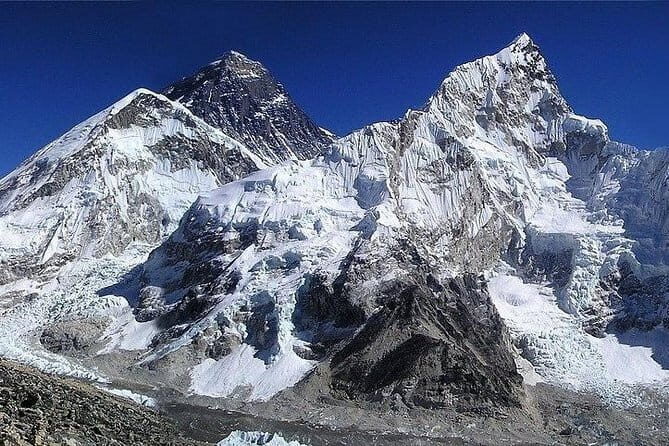
- Choir-of-the-mountains day at Kala Patthar: a high viewpoint day at 5,545 m that’s designed for maximum mountain payoff.
- Porter support that matters: luggage carried with a 2 guests per porter setup, so you can hike smarter.
- Service that can adapt: the company has coordinated quick changes when weather or medical situations hit, including helicopter return in at least one emergency case.
Enter Kathmandu and get set up for Lukla
This trek starts with real-world Nepal logistics, not just wishful thinking. You meet at Tribhuvan International Airport (start time listed as 6:15 am), and you’ll be taken to a 3-star hotel for 2 nights before the mountain part begins. That first buffer matters. You can sort sleep, showers, snacks, and the little stuff that turns stressful if you wait until the trail.
Then comes the signature move: a 35-minute flight from Kathmandu to Lukla (listed altitude 2,804 m). It’s short, but it’s also a big altitude shift. Expect the flight and the airport day to feel like a small project: briefing, meeting the guide and porters, and getting your bags sorted before hiking begins.
Pickup is offered, and the group size is capped at 15 travelers, which tends to keep things from turning chaotic. Your trek guide is English-speaking, and your porter arrangement is practical: one porter for every two guests. That balance is a nice middle ground—enough help that you don’t feel punished by your gear, while still hiking for yourself.
Possible reality check: Lukla weather can change the pace. If the skies are rough, you’re dealing with the mountain’s schedule, not yours.
You can also read our reviews of more hiking tours in Kathmandu


Day 2 to Phakding: the first real step into Khumbu life
After landing at Lukla, your trek starts with a downhill push to Phakding (listed 2,610 m). This is a smart first day length and altitude pattern: you’re not going straight up to the highest feelings on day one. You’re easing in while following the main corridor near the Dudh Kosi River.
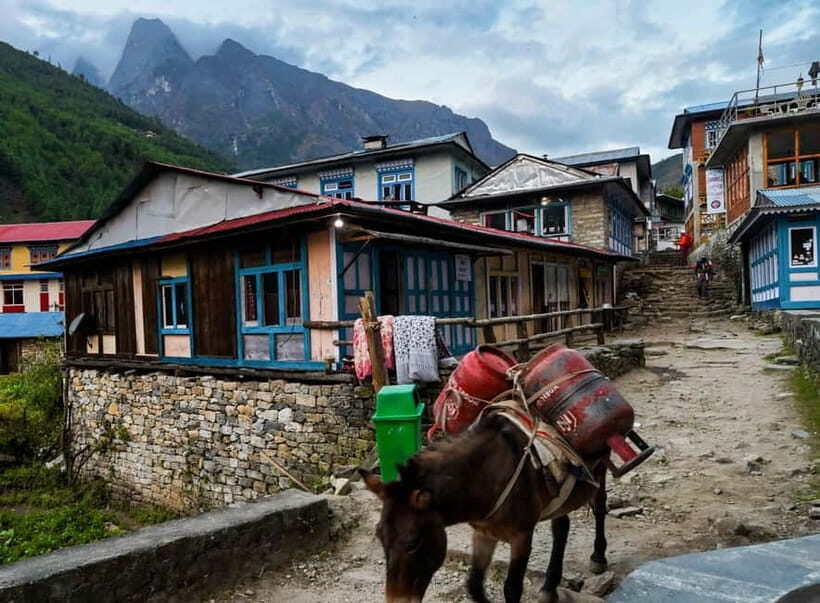
Phakding isn’t just a dot on a map. It’s where the Everest region begins to look like itself: villages, small trails, and a constant reminder that you’re walking through an inhabited world, not a theme park. You’ll meet the rhythm of tea-house stops and the steady, unglamorous work of walking with purpose.
What I like about this segment is how it sets expectations. The trek is scenic, sure, but it’s also work. This day tells you quickly how your body reacts and how your group moves as a unit.
Namche Bazaar: acclimatization plus Sherpa culture in the middle of it
You reach Namche Bazaar, the big hub of the Khumbu. The trail here passes through forests, traditional villages with plowed fields, and yak pastures, and you’re right at the start of the Sagarmatha National Park experience (you’re described as approaching the park entrance around this area).
Namche is where your trek changes pace. It’s the biggest Sherpa village in the Khumbu region and a launch point for expeditions and treks. You’ll feel that energy. You’ll also find practical last-minute supplies—like chocolate—because Kathmandu is great, but people forget things.
Then you get an important gift: an acclimatization day in Namche. The plan gives you time to adjust before pushing higher. You can do a short hike around the area, and there’s an option that feels meaningful: visiting the school Sir Edmund Hillary built in Khumjung village. That kind of stop helps you connect the trek to people and history, not just altitude numbers.
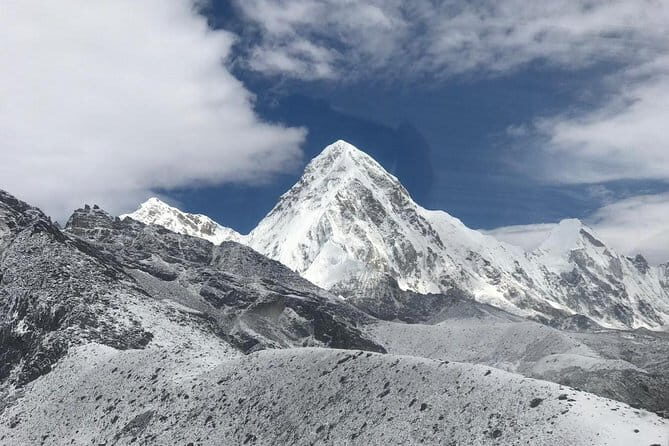
On clear days, the mountain views are a highlight. The itinerary lists a bunch of peaks you can spot from the Namche area, including Thamserku, Kangtega, Nuptse, Lhotse, Ama Dablam, and, yes, Mount Everest. You don’t need binoculars every minute, but it helps to have some way to focus on distances when your brain wants to sprint ahead.
Drawback to keep in mind: Namche days can tempt you to go too hard. The point is acclimatization. If you treat it like a hike-to-win contest, you’ll pay later.
Tengboche: monastery vibes and a slower climb with big views
From Namche, the trek continues toward base camp territory via Tengboche. This route is described as going up slowly, with sections near steep slopes. That matters for footing and for how your muscles feel. Even when the gradient isn’t dramatic, the air gets thinner and your body starts working harder for each step.
Tengboche is known for atmosphere and views. You’ll pass pine trees and rhododendron color, and the itinerary calls out the visual drama of Ama Dablam while you climb. Lunch is planned at 3,680 m, and there’s a stop described with significance to Lama Sange Dorje’s birth.
In practical terms, Tengboche is a day that mixes effort with reward. You’re climbing, but you’re also getting that “this is real Himalaya” feeling, with the kind of scenery that makes you stop more often than you planned.
Dingboche and the optional Chhukung day: the altitude math starts here
Next up is Dingboche (listed 4,410 m). The itinerary describes options for route timing, including the idea of using the lower trail on the way up and the upper trail on the way back. That’s not trivia—it affects how you pace yourself and how your legs feel in the days that follow.
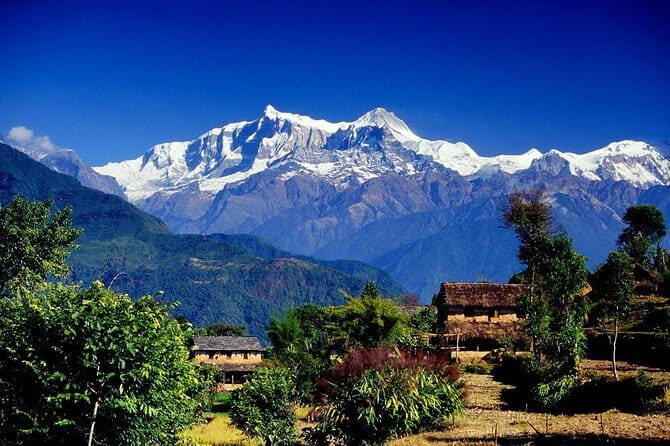
Dingboche is where the trek gets more serious. At this altitude, a stroll around the village gives you serious mountain sightlines: Ama Dablam, the Imja River, and more. The plan also points out practical comforts nearby, including Moonlight Lodge, an Internet Cafe, and even a billiards hall that’s described as one of the highest in the world. Those small comforts matter more at altitude than you’d think. When it’s cold and your body is adjusting, you’ll appreciate any place that breaks the monotony.
Then you get a day off. This isn’t free time as in “do whatever.” It’s structured for acclimatization. You can climb to Chhukung Ri (listed 5,550 m) for views toward Makalu, Ama Dablam, and Baruntse, or hike around Chhukung village (listed 4,730 m). If you want to keep it lower and gentler, the Chhukung option still gives you movement without forcing maximum altitude stress.
Lunch suggestions include Hotel Bright Star in Chhukung as a popular choice. That kind of detail is useful on trek days, when deciding where to eat can feel like a whole job.





Lobuche: past the tree line, where the air feels different
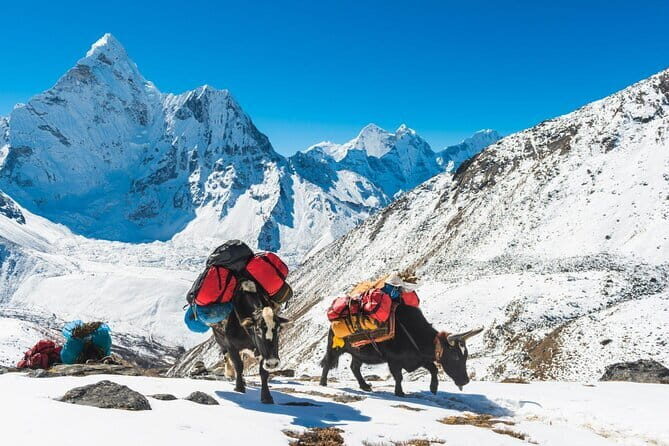
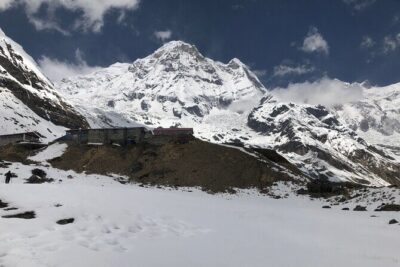
The day toward Lobuche (listed 4,910 m) is described as moving through wide valleys and over a route that crosses yak fields, including stopping at Dughla before Lobuche. Once you’re above the tree line, the feel changes fast. The itinerary describes snow-covered paths, no green hills, and a more stark, open terrain.
This is one of the biggest “your trek personality changes” segments. You stop seeing villages as cozy breaks and start seeing them as waypoints. The plan notes there are no Sherpa villages staying in Lobuche in the usual sense, which fits the feel of this area: fewer traditional stops, more tea-house infrastructure, more mountains staring at you from every direction.
The views are called out as hard to look away from, with named peaks like Tawache, Pumari Peak, and Cholaste. When you’re tired, it’s easy to miss the good stuff. In Lobuche, the scenery is the reward and it keeps coming.
Everest Base Camp and Gorakshep: glacier, then the reason you came
On the day from Lobuche to Gorakshep, the itinerary says it’s a two to three hour hike and that you’ll travel at around 4,900 m with the Khumbu Glacier nearby. The glacier is described as the world’s tallest glacier, 12 km long, with moon-like formations. That description is doing a job: it tells you to expect a surreal environment, not just a “view, photos, done” stop.
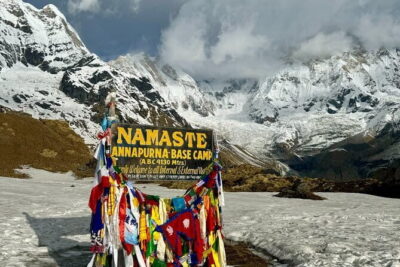
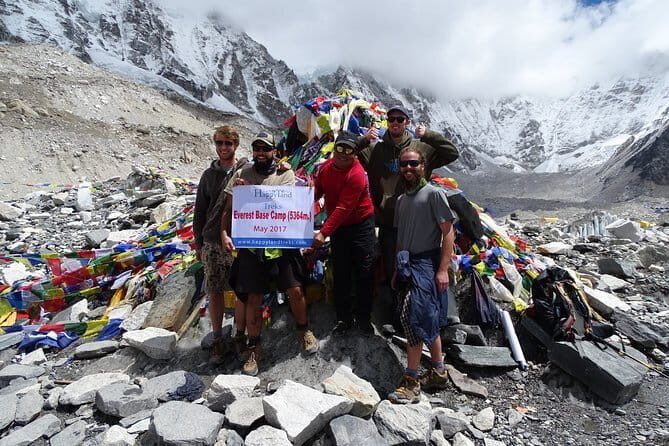
Base Camp is described as relatively close from the Gorakshep side, and the plan sets up a clear goal: reach Everest Base Camp, stand where climbers start their journey, then head back down. The vibe here is hard to put into words without sounding dramatic. The practical truth is simpler: you’ll feel the payoff in a way that makes the earlier days feel like they were building toward this exact moment.
Then comes the evening return to Gorakshep. If you’re thinking about energy for photos, manage it. The air at these heights can make every task feel longer.
Kala Patthar: the high viewpoint day you should not skip
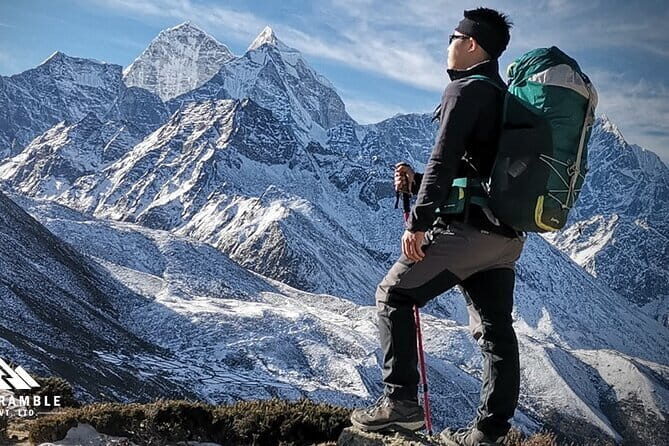
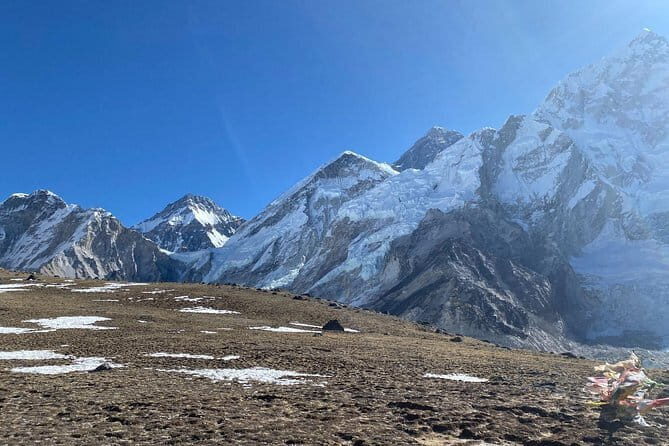
If you only focus on Everest Base Camp, you still get the win. But Kala Patthar is where the story gets sharper. The itinerary lists it as a walk toward 5,545 m, described as the highest point of this route.
The reward is clear: you can see Mount Everest, Ama Dablam, and Pumori close up, plus massive glacier-and-mountain surroundings. This is also a day with a second bonus stop. The plan mentions visiting the H.M.A.R. hospital, described as built in 1975, or heading to a nearby village at 4,371 m.
For many people, that hospital visit is the moment the trek feels bigger than the view. It grounds your experience in real need and real work at altitude. It also helps you remember that this region isn’t only about climbing dreams—it’s also about care, logistics, and survival.
The return to Namche and Lukla: easier days that still demand respect
The return route follows familiar towns—Orsho, Somare, Pangboche, and Tengboche—before reaching Namche again. The itinerary says the trail is easier to walk on the way back, but that doesn’t mean it’s effortless. Your legs can feel fine on flat sections and then suddenly revolt on stairs or rough ground. Even downhill is work on tired muscles.
This stretch is where I’d focus on pacing and soaking in views without exhausting yourself. You’ll have chances to pause for vistas and take in the mix of forests and mountain views. The goal is to finish feeling like you still have something left, not like you’re sprinting to survive.
Finally, the trek reaches Lukla to wrap up the Everest area. The itinerary highlights group time here—talking about the trek together and letting the day be social, including relaxing and getting a hot shower. That hot shower detail matters. At altitude, it’s not a luxury. It’s morale.
Price and value: what $1,800 buys in real mountain terms
At $1,800 per person for a roughly 14-day trip, you’re paying for a full package that includes the big-ticket logistics people often underestimate: permits and the Kathmandu–Lukla–Kathmandu flights. You also get two nights in Kathmandu at a 3-star hotel (or similar), plus meals and guide support.
Here’s what the inclusion list really means for you:
- Guide support: an English-speaking guide with 10+ years reduces guesswork and helps keep your altitude plan on track.
- Porter help: luggage carried with a 2 guests per porter ratio, which helps you keep a steady rhythm.
- Meals are largely covered: the plan lists 12 breakfasts, and 10 lunches and 10 dinners, so you’re not hunting food on the trail.
- Permits are included, so you’re not stuck translating paperwork while you’re in hiking mode.
Not included are the two classic “don’t forget this” items: tips (expected) and travel insurance with both medical and emergency evacuation coverage. That second one is non-negotiable at this altitude—especially if your plan involves remote emergency response. The included emphasis on insurance is a clue that they’re treating risk seriously.
Group discounts are mentioned too, and the max group size of 15 helps preserve a sense of organization. This is the kind of trip where good management can save your energy.
Who this Everest Base Camp trek suits best (and who should think twice)
This trek is listed for travelers with moderate physical fitness. That’s fair, because Everest Base Camp trekking is strenuous but not written as a technical climb. You’re walking long days at rising altitude. If you can handle steady hikes, you’re in the right neighborhood.
I’d especially recommend this plan if you like:
- A guided structure with altitude acclimatization built in.
- A team that seems willing to stay active when problems show up, including planning changes tied to weather.
- Sherpa village culture stops, not only scenery targets.
I’d think twice if:
- You’re likely to ignore altitude guidance and push too hard on rest days.
- You don’t have insurance and a realistic expectation for weather delays around Lukla.
Should you book this 14-day Everest Base Camp trek?
If you want an EBC itinerary that’s organized around altitude pacing, includes the key travel pieces (flights, permits, hotel nights, meals), and has strong operator support with proven human backup, this is a solid choice.
My push to you: make sure your insurance is truly set for medical and emergency evacuation, pack with the porter setup in mind, and plan mentally for Lukla weather reality. Do those three things, and you’ll be set up to enjoy the part that matters most—long views, Sherpa culture stops, and a high-altitude journey that ends at Kala Patthar with the kind of mountain closeness you can’t fake.
FAQ
What city does this Everest Base Camp trek start from?
It starts in Kathmandu, Nepal. You also spend 2 nights in Kathmandu at a 3-star hotel or similar before the trek begins.
How do the flights work for Lukla and back?
The itinerary includes a 35-minute scenic flight from Kathmandu (Tribhuvan International Airport) to Lukla (Tenzing-Hillary Airport), and later a return 35-minute flight from Lukla back to Kathmandu.
What’s included in the price?
Included are permits, the Kathmandu–Lukla–Kathmandu flights, 2 nights in Kathmandu (3-star hotel or similar), an English-speaking guide with 10+ years of experience, meals (listed breakfasts, lunches, dinners), and a porter for luggage (2 guests sharing 1 porter).
What should I budget for that is not included?
Tips for your guide and porter are not included (tipping is expected). Travel insurance is also not included, and the tour data states you must cover it for both medical and emergency evacuation.
What’s the group size limit?
This trek has a maximum of 15 travelers.
Where is the meeting point and what time does it start?
The start is listed as Tribhuvan Airport, Kathmandu, Nepal, with a start time of 6:15 am. Ticket redemption is at Nepal Trek Adventure and Expedition P. Ltd., Thamel Marg, Kathmandu 44600, Nepal.
What physical condition do I need?
The tour data says travelers should have moderate physical fitness.
What if weather cancels the experience?
The experience requires good weather. If it’s canceled due to poor weather, you’ll be offered a different date or a full refund.