REVIEW · NAGARKOT
Nagarkot to Chagu Hike through Rani Jhula Bridge with Lunch
Book on GetYourGuide →Operated by Adventure Himalaya Nepal Pvt. Ltd. · Bookable on GetYourGuide
One day, two bridges, and big mountain views. I love how the morning drive out of Thamel makes you breathe slower, and I love the photo chances from Rani Jhula and Nagarkot with guide Rajan Dhakal guiding the way. The main catch: it’s a real hike with some uneven footing, so bring comfy, grippy shoes.
This is a private group day trip, so you can set a workable pace with an English-speaking guide. You’ll also get smooth hotel pickup from Thamel and a return drop-off back in Kathmandu after about 8 hours.
Nagarkot’s Himalayan panoramas are best on clear mornings, so treat weather like part of your itinerary.
In This Review
- Key things I’d plan around
- From Thamel to Nagarkot: the short drive that changes your mood
- Nagarkot viewpoints: where the Himalaya can steal the show
- The 4-hour hike: forests, fields, villages, and a few surprises
- Rani Jhula Suspension Bridge: a sway-and-photo stop over the Sali Nadi
- Chagunarayan (Changu Narayan) Temple: UNESCO, Vishnu, and 4th-century stories
- Lunch in Chagunarayan village: real food after real walking
- Guide Rajan Dhakal and the value of a steady local voice
- Price and logistics: $64 worth it for a full, guided day
- Who should book this tour (and who should choose differently)
- Should you book this Nagarkot–Rani Jhula–Chagunarayan day hike?
- FAQ
- What is the duration of the Nagarkot to Chagu Hike tour?
- Where does the tour start and end?
- Is lunch included?
- How long do you hike on foot?
- Do you visit Rani Jhula Suspension Bridge and Chagunarayan Temple?
- Are entrance fees included?
- What language is the guide?
- Is the tour a private group?
- What should I bring for the hike?
- Is there free cancellation and how late can I cancel?
Key things I’d plan around
- Thamel-to-Nagarkot drive: an easy transfer that gets you out of the city fast
- Nagarkot start: a short guided orientation before you hit the trail
- ~4 hours of hiking total: forests, terraced fields, and village paths (moderate pace)
- Rani Jhula timing: you’ll stop for guided context and then time to look around and take photos
- Chagunarayan Temple: a UNESCO site tied to Vishnu, with guided storytelling
- Lunch included: eat in the Chagunarayan area after the walking
From Thamel to Nagarkot: the short drive that changes your mood
You start in Thamel, Kathmandu, then roll out toward the hills in a comfortable car. In a few minutes, the traffic noise drops away and the air feels different, which matters because this trip is built around switching gears: city energy to countryside walking.
The tour includes pickup and drop-off in Thamel, so you avoid the mental tax of figuring out transport on a tight day. You also get an English-speaking guide for the day, which helps when the places are older, religious, and locally meaningful—not just scenic.
This first segment is also your warm-up window. Even before you walk, you’re already climbing in altitude, and your body feels it gradually. If you’re prone to getting winded, take it easy once the car stops—don’t rush your first steps.
You can also read our reviews of more tours and experiences in Nagarkot.
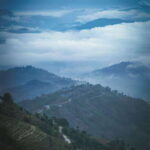
Nagarkot viewpoints: where the Himalaya can steal the show
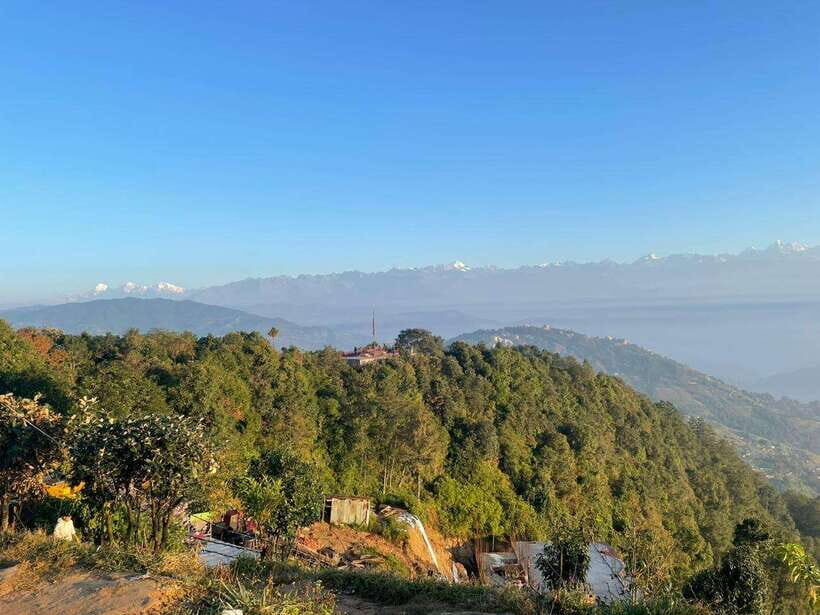
Nagarkot is one of those Kathmandu-area spots that earns its reputation. After you arrive, you get a guided tour of about 30 minutes, which is a smart move: it helps you understand what you’re looking at instead of just snapping pictures at random angles.
The big promise here is panoramic Himalayan views—on clear days you can see a wide sweep of ranges, stretching from the Annapurna region in the west to Mount Everest in the east. Even if the peaks are partly hidden, Nagarkot still delivers something real: the mood of the hills, the pine-lined air, and long views that change as you shift position.
Why I like that guided stop: you learn what to look for, so the best viewpoints don’t feel accidental. And because this is a one-day route, a short orientation beats wandering around and losing time.
A practical note: Nagarkot views depend on the sky. If it’s hazy, you may still enjoy the walk and the village scenery, but the “big white mountains everywhere” moment might be reduced. Plan for the day to be good either way.
The 4-hour hike: forests, fields, villages, and a few surprises
This route is the heart of the day. You’ll hike for about four hours total at a moderate pace, broken into two walking sections with the bridge and temple in between.
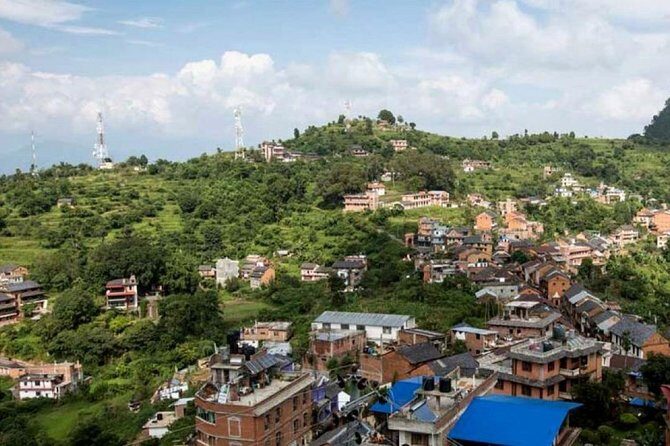
On the first walking stretch, the trail runs through pine trees, terraced fields, and local villages. The effect is refreshing. Instead of a single scenic overlook, you get movement through everyday rural life: footpaths, small homesteads, and the slow rhythm of people going about their day.
The route is also made for “small moments,” not only big ones. You might pass a waterfall along the way, and you may spot goats on the roadside. Those details sound minor until you’re walking and you realize the landscape is alive with ordinary Nepalese scenes.
Terrain-wise, don’t treat this as a casual stroll. You’re gaining elevation (the area sits around 2000m), and you’ll be on uneven paths with rocks and steps. One review-style tip that’s worth listening to: expect some rough sections, and you’ll enjoy the day more if you bring a small snack for energy during the hike.
Photo tip: when you stop, stop deliberately. Let the view settle, then frame. On a moving hike, it’s easy to shoot too fast and end up with blurry “almost” shots. The bridge and Nagarkot are your best odds, but the walking stretches can produce strong photos if you slow down for a minute.
Rani Jhula Suspension Bridge: a sway-and-photo stop over the Sali Nadi
After your first hike segment, you reach Rani Jhula, a suspension bridge spanning the Sali Nadi River. It’s described as a newly built engineering marvel, and you can feel that modern intent when you’re standing on it—clean design, clear structure, and a strong sense of height.
You’ll get a guided introduction here, plus a window of free time (about 20 minutes) for sightseeing and photographs. That mix is useful. The guide gives you context, and then you get to enjoy it without feeling rushed.
What makes Rani Jhula memorable is the combination of engineering and scenery. You’re looking over the river and across surrounding hills and valleys. Then you’re in the middle of the bridge, standing where the sway is part of the experience. It’s a small thrill, the kind that resets your brain after hours of walking.
A smart move for photos: don’t only shoot from the ends. Try for at least one “middle” angle if you’re comfortable. The bridge is long and designed for views, so the center positions often deliver more depth.
Also, the bridge is a good place to pause and check your energy. This stop sits right before the second walking section to the temple, so take a drink of water, breathe, and adjust your pace for what’s next.
Chagunarayan (Changu Narayan) Temple: UNESCO, Vishnu, and 4th-century stories
Your final major stop is Chagunarayan Temple (often written as Changu Narayan), a UNESCO-listed site and one of the oldest Hindu temples in the Kathmandu Valley. The temple dates back to the 4th century and is dedicated to Lord Vishnu.
You’ll visit with a guided tour, plus time to explore on your own. That guided component matters because older temples can look like beautiful stone work until you know the symbols and the meaning. With an explanation from your guide, the carvings and sculptures stop being decoration and start becoming language.
The architecture is described as intricate, with wood carvings and stone sculptures. In practice, that means you should expect details. Look for patterns, figures, and the ways different materials are used. If you like cultural sites, this is where the day earns its “more than just views” label.
There’s also a strong storytelling side. Your guide shares legends and origins about the temple, which turns the visit into something you can remember beyond photos. It’s especially effective on a hiking day, because your brain is primed to notice texture, time, and place.
In case you’re wondering: yes, you can enjoy the temple even if you’re not a temple person. The route and the setting make it feel like a destination, not a quick stop.
Lunch in Chagunarayan village: real food after real walking
Lunch is included, and it’s tied to the Chagunarayan area. The plan includes authentic local food tasting during the temple visit window, which usually means you get a chance to try more than one simple option rather than a rushed sandwich situation.
In this part of Nepal, you might see classics like momo, spicy local dishes, or a hearty Nepali thali style meal. The exact choices can vary, but the goal is consistent: feed you after hiking with local flavors you wouldn’t easily find in Kathmandu convenience spots.
Why I think this works: timing. After several hours of walking and a bridge stop, you’re hungry in a good way. Food tastes better when you’ve earned it, and it’s easier to handle the last car ride back because you’re properly fueled.
One practical tip from the hike logic: bring something small to nibble during the walking stretches if your appetite runs ahead of the schedule. One guide-led hike tip you’ll hear for a reason is that small snacks can make the effort feel easier.
Guide Rajan Dhakal and the value of a steady local voice
This trip is private, and that’s not just a comfort perk. A guide changes the whole meaning of what you’re seeing.
In the best feedback from this route, guide Rajan Dhakal is praised for communicating well before the hike, teaching people about Nagarkot and the surrounding Bhaktapur-area viewpoints, and sharing lots of information without turning the day into a lecture. That “information with rhythm” style matters because you’re physically active—if explanations come at the wrong times, you feel it in your legs.
The guide also helps you move through cultural sites respectfully. Temple visits run on local norms. When you understand what you’re looking at, the carvings and the stories start to land.
If you care about photography, a thoughtful guide helps you time stops and choose angles. A long bridge means more potential compositions, and Nagarkot’s views reward people who pause to look instead of only rushing to the next location.
Price and logistics: $64 worth it for a full, guided day
At about $64 per person for an 8-hour day, the value is less about one single “big-ticket” thing and more about the package.
You’re getting:
- an English-speaking guide
- hotel pickup and drop-off
- entrance fees
- lunch
- bottled drinking water
- government taxes
For a one-day route that includes two major walking segments plus a UNESCO temple and a suspension bridge, the bundled costs make sense. You’re not paying separately for entrances, a guide, and transport like you might if you built it DIY.
Is $64 cheap? Not exactly. But it’s fair for what you get: a full day that’s organized, guided, and efficient. The best part is you spend less time negotiating logistics and more time enjoying the actual hike and sites.
The practical thing to understand: this isn’t a “sit and see” day. If you don’t want to walk for several hours on uneven ground, you’ll feel the price as less worth it. If you do like moving through places and you’re comfortable with moderate hiking, it’s good value.
Who should book this tour (and who should choose differently)
This tour is a great fit if you like any combination of:
- Himalayan views (especially if you enjoy waiting for the sky to cooperate)
- photography that includes both viewpoints and a classic suspension-bridge angle
- cultural stops with real context, not just a quick photo at the entrance
- a guided day with private pacing
It’s also a smart choice if you’re traveling with limited time in Kathmandu. You’ll feel like you did more than a single “sightseeing block” because the day changes locations with purpose: viewpoints, hiking, bridge, then temple.
I’d be cautious if you:
- don’t like uneven, rocky footing or longish walks
- want a mostly flat route
- get uncomfortable with some elevation changes
In short: if your body can handle a moderate hiking day around 2000m and you’re happy to earn your lunch, you’ll likely love it.
Should you book this Nagarkot–Rani Jhula–Chagunarayan day hike?
Book it if you want a full Kathmandu Valley experience in one day: mountain air at Nagarkot, a memorable suspension-bridge photo moment at Rani Jhula, and a UNESCO temple visit that actually makes sense with a guide. The private setup and careful pacing make it easier to enjoy rather than endure.
Skip it if you want an easy, minimal-walking day or if you’re expecting guaranteed white-peak views no matter what the weather does. Nagarkot is weather-dependent, and this day runs on walking.
If you’re the type who likes real rural scenery—pine trees, terraced fields, villages, and those everyday details like goats and maybe a waterfall—this is exactly your kind of day.
FAQ
What is the duration of the Nagarkot to Chagu Hike tour?
The total duration is listed as 8 hours.
Where does the tour start and end?
Pickup and drop-off are available in Thamel, Kathmandu. The tour also lists two pickup and two drop-off location options, with Thamel as one of them.
Is lunch included?
Yes. Lunch is included, and you’ll have a chance to taste local food in the Chagunarayan area during the temple visit.
How long do you hike on foot?
The hike is listed as about four hours total, with two on-foot sections of around 2 hours each.
Do you visit Rani Jhula Suspension Bridge and Chagunarayan Temple?
Yes. You’ll experience Rani Jhula Suspension Bridge and then visit Chagunarayan Temple, including guided time and free time.
Are entrance fees included?
Yes. Entrance fees are included in the tour price.
What language is the guide?
The guide is listed as English-speaking, and the tour is operated with a live guide.
Is the tour a private group?
Yes. The group type is listed as private group.
What should I bring for the hike?
The tour involves moderate hiking, including uneven ground as part of the walk. Comfortable, grippy shoes and a small snack can help since you’ll be walking for hours before you eat.
Is there free cancellation and how late can I cancel?
Free cancellation is available up to 24 hours in advance for a full refund, and the tour also offers reserve now & pay later.