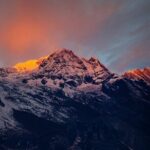
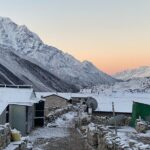
A Mustang trek feels like time travel. You’ll walk through Upper Mustang country, pass through Kagbeni, and weave in Tibetan cultural sights and monasteries, plus a visit to Muktinath within the region. I particularly love how the day schedule stays human-sized with 4–6 hours walking most days, and how the focus stays on local culture rather than just ticking off viewpoints. One consideration: this trip really depends on good weather, so you’ll want flexibility in your plans.
I also like that you’re not doing it alone. This is a private tour/activity, so your pace and needs matter, and you get a welcome and farewell dinner back in Kathmandu. If you’re hoping for guaranteed onboard WiFi or included bottled water, you’ll need to plan for that on your own.
In This Review
- Key things that make this trek special
- Upper Mustang Trek: Why this route feels so different
- Getting started from Jomsom: the trek’s first “gear”
- Kagbeni: where the trail starts feeling like a story
- Upper Mustang trekking days: 4–6 hours that keep you enjoying it
- Old monasteries and local towns: the “why” behind the walk
- Muktinath: the region highlight that rounds out the story
- Kathmandu welcome and farewell dinners: comfort after the trail
- Guides and service: the human side that shapes the trip
- Price and value: what $2,205.13 buys you
- Weather and cancellations: plan like a realist
- Who this trek is best for (and who should skip it)
- Should you book Upper Mustang Trek?
- FAQ
- How long is the Upper Mustang Trek?
- Where does the trek start and what route does it follow?
- How many hours do you walk each day?
- What meals are included during the trip?
- Is WiFi included?
- Is bottled water included?
- Is this a private tour?
Key things that make this trek special
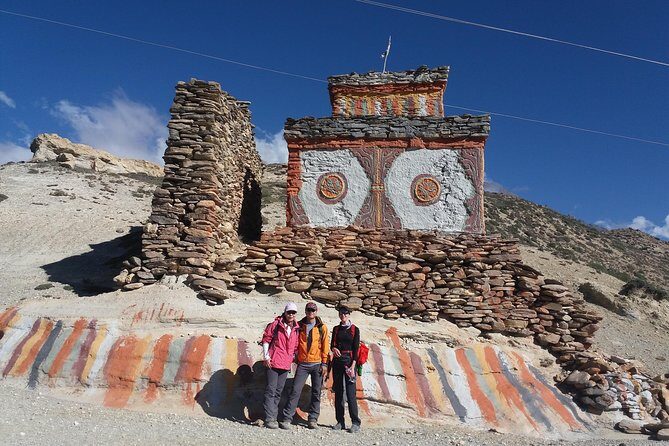
- Jomsom to Kagbeni to Upper Mustang: a clear walking route with cultural stops built into the days
- Old monasteries and local towns: you’re not just walking hills, you’re passing through heritage
- 4–6 hours per day: enough time to enjoy the places without turning it into an all-day grind
- Muktinath included: one of the key Mustang-region highlights is part of the trek
- Private group experience: only your group participates, so the itinerary can feel more personal
Upper Mustang Trek: Why this route feels so different
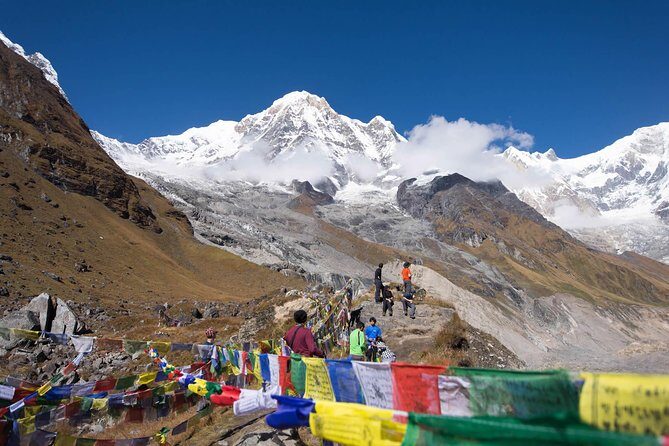
Upper Mustang has a distinct vibe. The region is shaped by long cultural ties to Tibet, and that shows up in the monasteries, local settlements, and the way the landscape feels lived in rather than staged for tourists. On this trek, you’re not racing from one photo spot to the next. You’re walking day by day, with sights that make more sense once you’ve physically arrived.
What I like most for your planning is the balance of structure and breathing room. Your trekking days are typically 4–6 hours, and that matters because it keeps the trip enjoyable even if you’re not an ultra-endurance hiker. It’s enough time to move through the route from Jomsom toward Kagbeni and onward into Upper Mustang, with time to stop, look, and take in the Tibetan cultural pieces.
The other big draw is that it’s not only Upper Mustang in name. You also include Muktinath, which helps you feel like you saw the wider Mustang-region story, not just one corridor of valleys.
You can also read our reviews of more hiking tours in Kathmandu


Getting started from Jomsom: the trek’s first “gear”
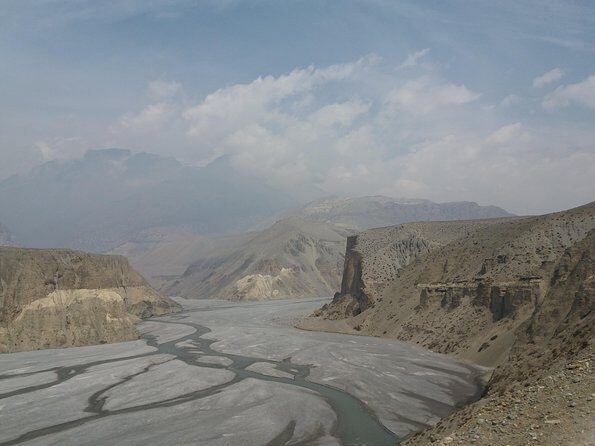
The trek begins in Jomsom. For most people, that’s the moment the trip shifts from travel mode to trekking mode. Even if you’ve never done a high-altitude trek before, starting with an established launch point like Jomsom makes the transition easier to understand.
Expect the first walking stretch to set your rhythm: steady effort, frequent breaks, and time to notice how the architecture and monastery areas start to look different as you move through the region. This is where you’ll feel the cultural theme taking over—Tibetan influences don’t show up as a single landmark, they show up in small details along the way.
Practical tip for you: plan to walk at a conversational pace. When your daily time is in the 4–6 hour range, you’ll enjoy the day more if you’re not forcing speed.
Kagbeni: where the trail starts feeling like a story
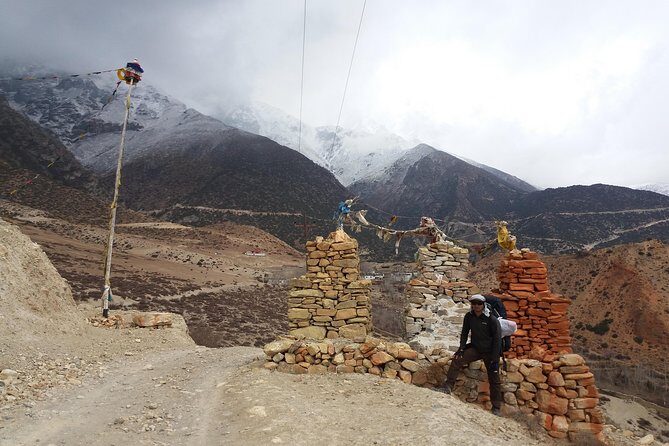
Your route includes Kagbeni as you work your way toward Upper Mustang. Kagbeni matters because it’s not just a place you pass. It’s a cultural waypoint, and the trek design includes visits to old monasteries and local cultural towns during the walking days.
That means Kagbeni can be a mental checkpoint. You’re learning the rhythm of the region by moving through it slowly, seeing how communities live alongside religious sites and how daily life flows in mountain settlements.
What to watch for: when the itinerary includes monasteries, your schedule can feel slightly more flexible than pure hiking days. You may stop longer than you planned, because the whole point is culture and place—not just distance.
Upper Mustang trekking days: 4–6 hours that keep you enjoying it
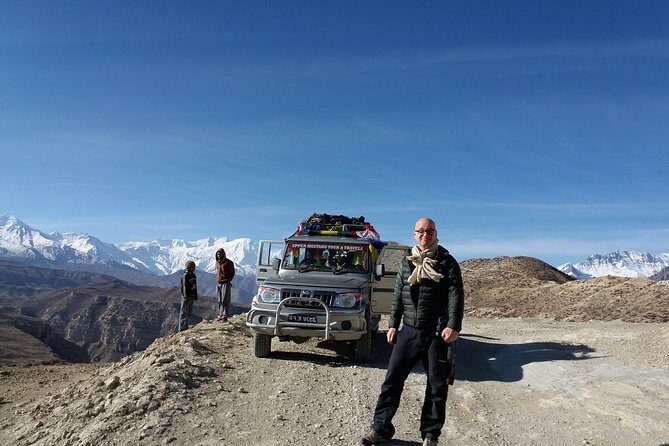
Once you’re deep into Upper Mustang, the trek becomes about consistent progress with built-in cultural stops. The schedule is daily walking of about 4–6 hours, and the exact feel of each day can vary depending on conditions and the route specifics.
This walking window is a gift for value. It lets you:
- finish the day without arriving exhausted,
- spend time at old monastery sites when your group reaches them,
- keep your energy for the next day.
If you’re the kind of traveler who likes meaningful stops but still wants a real trek, this pacing is a strong match.
Good to know: the tour is designed for people with moderate physical fitness. That doesn’t mean it’s casual. It means the days are built to be reachable if you pace well, take breaks, and keep moving steadily.
Old monasteries and local towns: the “why” behind the walk
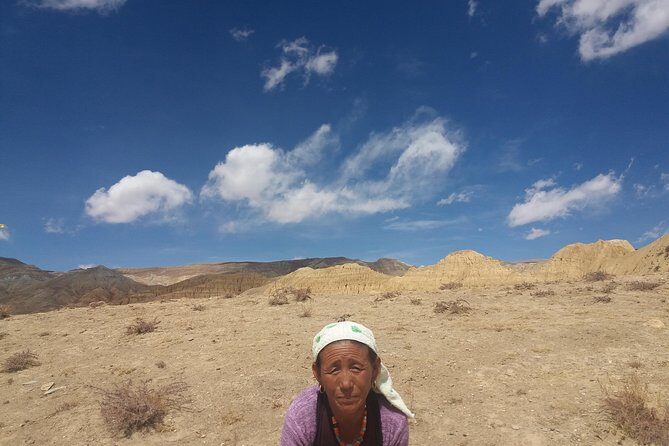
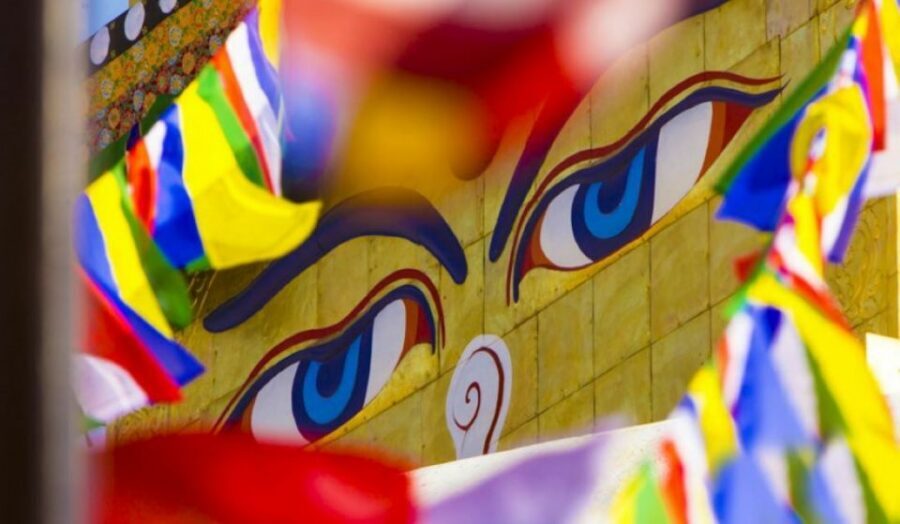
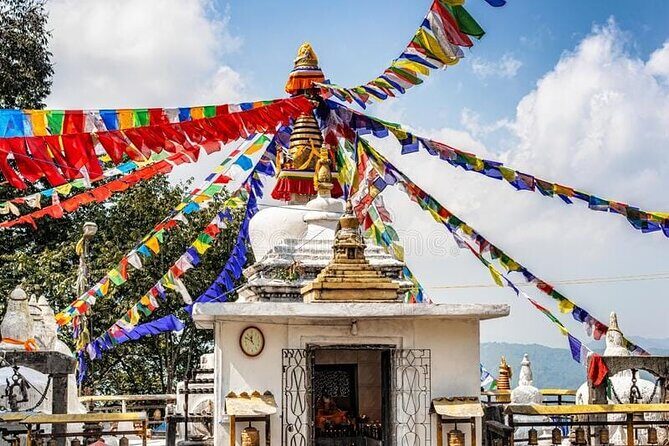
A big part of the experience is visiting old monasteries and local cultural towns along the trek. These stops are valuable because they connect the walking route to how people have lived and worshiped in this region for a long time.
It’s also one of the reasons this trek can feel more authentic than a route that only chases scenery. When you’re moving through towns and monastery areas, you’re interacting with places that still have function. Even if your main goal is photographs and understanding culture, your time on the ground tends to feel more grounded when there’s daily life around you.
My practical advice: keep your schedule light in Kathmandu before you leave for the trek. When you’re rested, the monastery and town stops feel like meaningful encounters, not interruptions.






Muktinath: the region highlight that rounds out the story
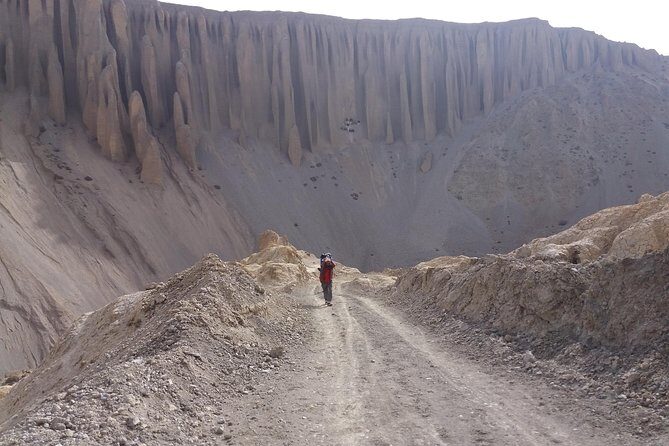
The tour includes the Mustang region, including Muktinath. Adding Muktinath changes the feeling of the whole trip. Instead of ending with a single directional trek through Upper Mustang, you get a sense of the wider Mustang-region connection—religious significance and cultural identity tied to the route.
Because the tour information doesn’t describe every detail of the stop, I’ll keep this practical: plan it as a key moment. Treat it like a day you don’t want to rush. Even with trekking time constraints, highlights like Muktinath tend to reward slower walking, more observation, and time to understand what you’re seeing.
Kathmandu welcome and farewell dinners: comfort after the trail
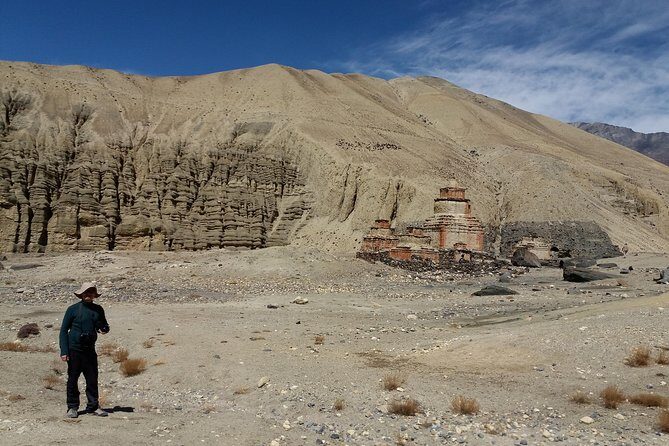
Back in Kathmandu, your trip includes dinner in Kathmandu as part of a welcome and farewell. I love this design choice for two reasons.
First, after a trek, it’s easier to enjoy your last evening without immediately worrying about logistics or finding a place to eat. Second, it gives you a clear social landing point: you get to reconnect with your guide and trekking team before and after your time in the mountains.
If you’re traveling as a private group, these dinners can also feel like a satisfying bookend: you start with introductions and end with reflections on what you saw and how your walking days went.
Guides and service: the human side that shapes the trip
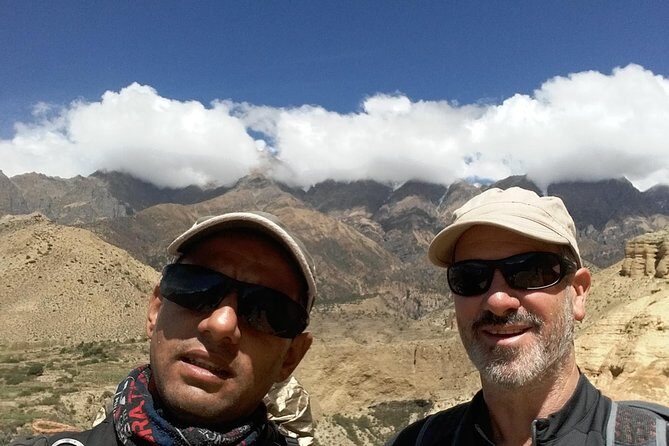
A trek lives or dies by people. In the feedback tied to this operator and trekking experience, the tone is consistent: guides and team members are praised for being helpful, upbeat, and ready to go the extra mile.
Names you may see in past experiences include Shaktiman, praised for good humor and for taking travelers further than they expected, and Ram Adhikari, described as professional and confident with the terrain. There’s also Sajana, noted for helping build an itinerary that fits limited time while still keeping things enjoyable.
I can’t promise you’ll get any specific person, but I can tell you what this data suggests about the service style: you’re likely to experience a team that pays attention to your pace and makes the day plan work.
What to do when you book: tell your guide what you care about most—more monastery time, more relaxed days, or a faster route. With a private setup, that conversation can matter.
Price and value: what $2,205.13 buys you
At $2,205.13 per person for an approx. 16-day private trek, the price sits in the “serious adventure” category. The real question is whether it feels like value for what you actually receive—and here, the inclusions help.
You get:
- breakfast every day during the trip,
- lunch during the trek,
- dinner during the trek,
- plus welcome and farewell dinner in Kathmandu,
- pickup offered, and
- a mobile ticket.
That meal coverage matters more than it sounds. On trek days, meal planning can become annoying fast, and it also affects how you feel during walking time. If meals are handled, you can focus on the day rather than logistics.
Not included, based on the tour details:
- WiFi on board,
- bottled water,
- soda/pop.
So you’ll still want to budget for basic extras like water. But compared to many trekking packages, the meal structure and the Kathmandu dinners are a clear part of the value.
Weather and cancellations: plan like a realist
This experience requires good weather. That’s not a marketing line—it’s a practical reality for Mustang routes. Your safety and schedule depend on conditions, and the tour notes that if it’s canceled due to poor weather, you’ll be offered a different date or a full refund.
Also, the tour confirmation happens at time of booking, so you’re not stuck waiting in limbo for weeks.
My advice: book with some flexibility around flight changes and keep buffer days in Kathmandu if you can. If weather shifts, you’ll thank yourself later.
Who this trek is best for (and who should skip it)
This is a great fit if you:
- want Tibetan-influenced culture in a real walking format,
- enjoy monastery visits and local towns more than nonstop viewpoint hopping,
- can handle moderate physical fitness demands,
- prefer a private group feel over a packed group.
You might think twice if:
- you’re not comfortable walking 4–6 hours most days,
- you need guaranteed onboard WiFi or want bottled water included,
- you’re traveling in a tight weather window with no flexibility.
If you love pace, culture, and steady days, this trek style is likely to click with you.
Should you book Upper Mustang Trek?
I’d book if you want a culture-first Mustang trip that still feels like a real trek. The included breakfasts, trek lunches, and dinners (plus Kathmandu welcome and farewell) reduce hassle, and the 4–6 hour daily walking range makes it approachable for moderately fit hikers.
If you’re deciding last-minute, I’d base your call on two things: your willingness to plan around weather, and your comfort with the walking duration. When those align, this trek can deliver one of the more meaningful ways to experience the Mustang region, with Muktinath and Tibetan cultural sights built into the journey.
FAQ
How long is the Upper Mustang Trek?
The duration is listed as approximately 16 days.
Where does the trek start and what route does it follow?
You start walking from Jomsom, then pass through Kagbeni, and continue into Upper Mustang.
How many hours do you walk each day?
Daily trekking is about 4–6 hours, depending on the day.
What meals are included during the trip?
Breakfast is included every day. Lunch is included during the trek. Dinner is included during the trek and there are welcome and farewell dinners in Kathmandu.
Is WiFi included?
WiFi on board is not included.
Is bottled water included?
Bottled water is not included.
Is this a private tour?
Yes. It’s a private tour/activity, and only your group will participate.