REVIEW · KATHMANDU
Kathmandu: 15-Day Everest Base Camp Trek with Guide
Book on GetYourGuide →Operated by Outshine Adventure Pvt Ltd · Bookable on GetYourGuide
Everest starts with a Kathmandu street tour. This 15-day Everest Base Camp trek strings together iconic stops like Namche Bazar, Tengboche, and Kalapathar, plus real Sherpa village life along the Khumbu route. You’ll also get a proper start in Kathmandu, not just a quick hotel drop.
I especially like the plan’s small-group pacing, which helps you move without feeling like you’re in a human train. I also like the English-speaking Sherpa guide factor; guides such as Kale Prakash (and the wider Outshine team, including Gokul) are known for organizing clean logistics and taking extra care when someone isn’t feeling well, plus sharing local culture as you go.
One thing to watch: your base price doesn’t cover the big add-ons that shape your final budget, like the Lukla airfare and trek meals, and porters aren’t included (optional is available). If you’re counting dollars closely, plan for those upfront rather than guessing later.
In This Review
- Key Points You’ll Care About
- Kathmandu Pre-Trek Reset: Durbar Square, Swayambhunath, Boudhanath, and Pashupatinath
- From Kathmandu to Lukla: Your First Altitude Hit Starts on Flight Day
- Namche Bazar and the Everest View Hotel: The Acclimatization Day That Actually Works
- Tengboche to Dingboche: Monastery Views, Ridge Paths, and Sherpa Village Life
- Chhukung Valley Day Trip: How to Use a Flexible Day Without Burning Yourself Out
- Lobuche to Gorakshep, Then Kalapathar: The Everest Base Camp Approach
- The Return to Namche and Lukla: You’ll Walk More Than You Expect
- Price and Logistics: What $675 Covers, and What Adds Up
- Should You Book This 15-Day Everest Base Camp Trek?
- FAQ
- What’s included in the Kathmandu part of the trip?
- Are Everest National Park permits and TIMS included?
- Is airfare from Kathmandu (Ramechhap) to Lukla included?
- Are meals included during the trek?
- Do you provide a sleeping bag or down jacket?
- Is this trek suitable for wheelchair users?
Key Points You’ll Care About
- Small-group structure helps keep acclimatization and trail timing more manageable.
- Licensed English-speaking Sherpa guidance brings real context in places like Tengboche and Dingboche.
- Sagarmatha National Park permits + TIMS are included, which saves you time and paperwork stress.
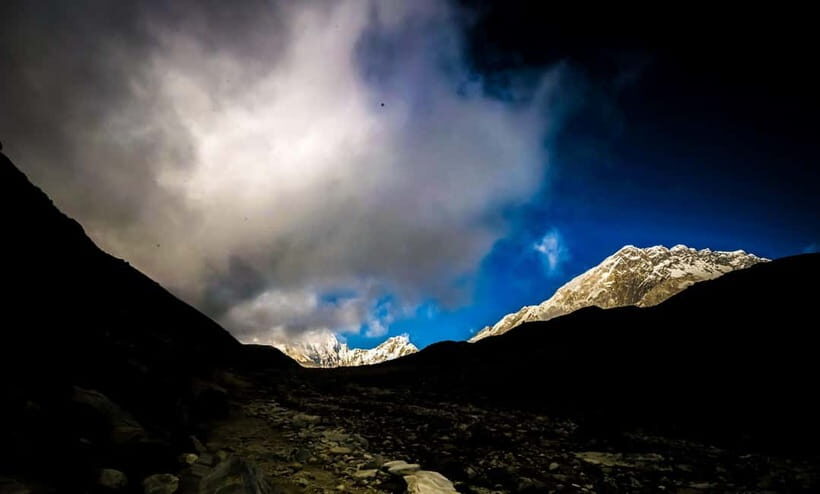
- Altitude breaks are built in, including a dedicated Namche rest day and the Kalapathar early morning.
- Down jacket and sleeping bag if needed are part of the package, useful if you travel light.
Kathmandu Pre-Trek Reset: Durbar Square, Swayambhunath, Boudhanath, and Pashupatinath
Day 1 is straightforward: you land at Kathmandu Airport, then get a private transfer to your hotel and a full briefing with your guide. This is the moment that matters. You’ll want clarity on clothing layers, how the trek days will feel, and what gear you should prioritize before you head to Lukla.
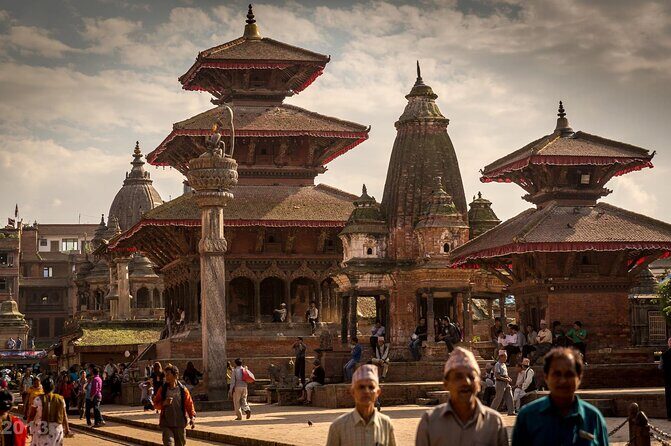
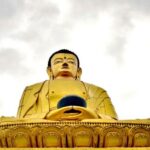
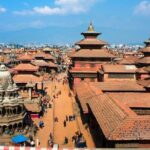
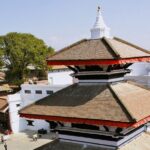
Day 2 is the cultural warm-up day, done with a private car and your guide: Kathmandu Durbar Square, Swayambhunath, Boudhanath, and Pashupatinath (the cremation temple). I like this order because it gives you a spectrum of Nepal’s religious life before you leave the city for the mountains. You’re not just ticking boxes. You’re getting the worldview that shows up again and again on the trek—in monastery stops and the everyday rhythm of prayer flags and village paths.
Practical note: Pashupatinath is a working, sacred site, and it’s also emotionally intense. If you’re sensitive to crowds or ceremonies, keep your expectations calm and respectful. The benefit is that you’ll see how “spiritual” isn’t a museum word here; it’s part of daily life.
By the end of Day 2, you’ll be mentally ready for the next leap: an early flight day to the Khumbu.
You can also read our reviews of more guided tours in Kathmandu
From Kathmandu to Lukla: Your First Altitude Hit Starts on Flight Day
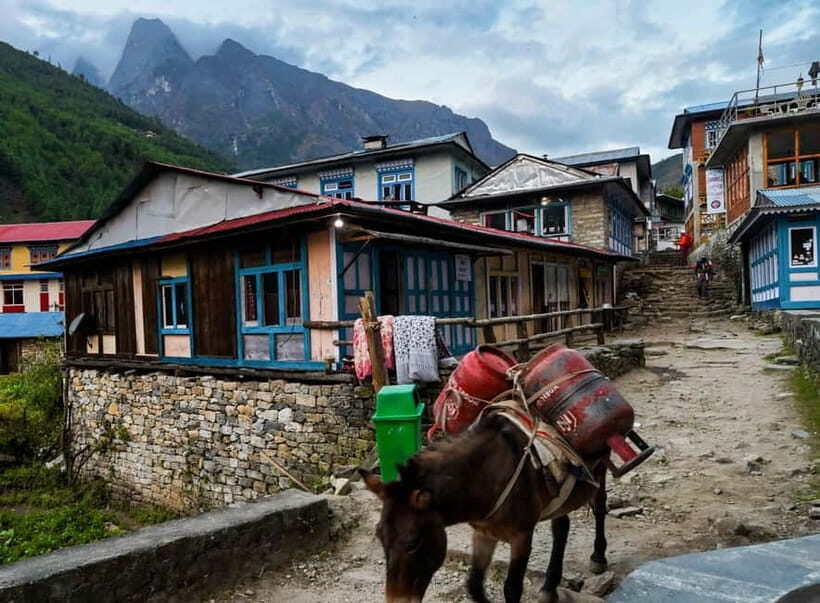
Day 3 is your Lukla day: you fly from Kathmandu to Lukla, then take an easy trek to the upper region of Phakding for the night. This is a smart way to begin. After the flight, your body gets a gentle ramp-up through walking rather than jumping straight into steep climbs.
Why that matters: altitude is a sneaky mechanic. Even when the trail looks manageable on paper, the air feels different fast. The short “warm-up” stretch to Phakding helps you settle in, check your stride, and start learning how your breathing changes with elevation.
Also, take the logistics seriously. Your trek includes the guide, permits, and trek accommodations, but it does not include the airfare portion for the Lukla hops. The trip listing notes airfare from Kathmandu (Ramechhap) to Lukla and back. If you have not already planned how you’ll handle that segment, build time to sort it before you arrive in Nepal.
Once you’re in the Phakding rhythm, the days ahead make sense: walking between villages, stopping at tea houses or lodge-style rooms, and letting acclimatization do its job.
Namche Bazar and the Everest View Hotel: The Acclimatization Day That Actually Works
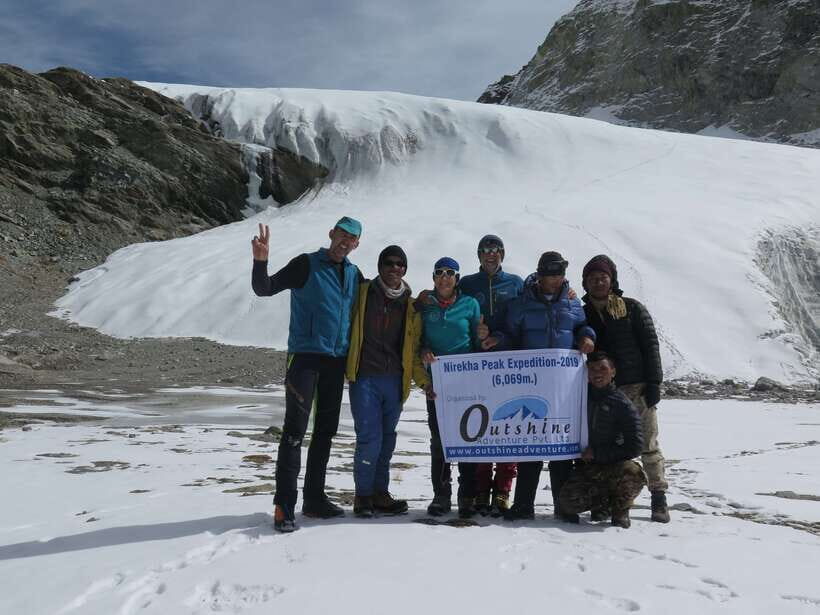
Day 4 climbs through the Dudh Koshi valley to Namche Bazar, the classic hub where Sherpa culture, trekking logistics, and big Himalayan views all collide. The walk up through rhododendron forests and alongside river valleys sets the tone for the Khumbu. You’ll start to see why Namche feels like a real base point instead of just a stopover.
Then comes Day 5: a rest day in Namche to acclimatize, including a hike to Everest view point Hotel Syangboche at 3850 meters. This is one of the most useful parts of the itinerary because it’s not a fake “rest day.” You still get a climb that helps your body adjust, but you’re not stacking it on top of another long descent-to-ascent day.
I like that the plan gives you altitude training without rushing. This approach tends to be kinder to first-timers and still helps experienced trekkers keep their schedule moving.
What you’ll likely feel on a day like this: your legs may feel normal, but your breathing gets louder. That’s your cue to slow your pace and take short breaks. The goal is to arrive at tomorrow’s walking feeling like you have energy left—not like you already spent it all today.
Tengboche to Dingboche: Monastery Views, Ridge Paths, and Sherpa Village Life
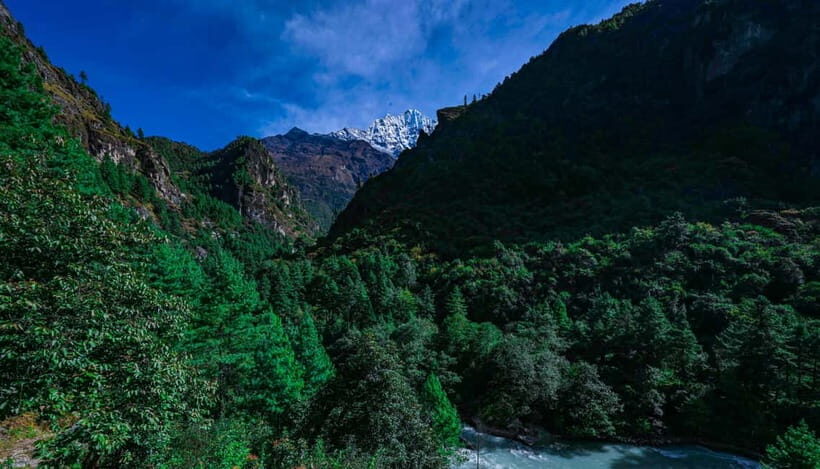
Day 6 takes you to Tengboche. From Namche, you climb through high altitudes and chilly weather, then reach Thyangboche Monastery, perched at about 3,867 meters on a ridge. The monastery setting is a highlight for a reason: you get Himalayan views with a sense of place that feels tied to the local rhythm, not just a photo stop.
Here’s a practical tip I recommend for days like this: give yourself time near viewpoints and don’t treat monastery visits as a quick button press. The air can change quickly, and if clouds roll in, you’ll want a moment where you can actually enjoy the view instead of chasing it.
Day 7 shifts toward Dingboche through villages along the way—Imja Khola, Pangboche, and Pheriche—then walking near the Khumbu glacier area before reaching Dingboche. This is where Sherpa culture becomes more than a line item. You’re moving through communities that live with the mountain every day, and you’ll notice that monastery life and everyday village life share the same altitude reality.
One small watch-out: Day 7 involves a lot of emotional and physical stimulation. With all the stops, you can forget to drink water consistently. Keep hydration steady, even if you don’t feel thirsty yet.
Chhukung Valley Day Trip: How to Use a Flexible Day Without Burning Yourself Out
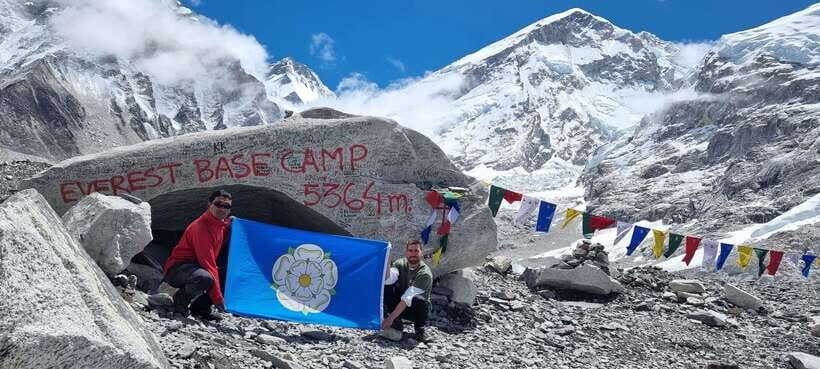
Day 8 is a day trip to Chhukung Valley and back to Dingboche. This is a smart pairing: you already acclimatized, then you get a scenic outing without committing to a full “move camp to the next village” day.
Chhukung Valley is described as one of the world’s best hikes in the itinerary plan, and even if you don’t measure it on a global scale, you can expect a payoff. The trail feeling here tends to be more dramatic than the route segments that are only about reaching the next tea house. This day is often where trekking starts to feel less like logistics and more like you’re really on a journey.
Day 9 then brings the next step: trekking to Lobuche. You’ll rest there and admire nature’s design—meaning: you’ll spend more time in open, high-altitude terrain where every view feels closer and more exposed. That also means wind can be a factor. Bring layers you can adjust quickly.
If you’re prone to feeling cold early, this stretch is where being underdressed can cause a slow spiral: you move slower, get tired faster, and sleep worse. That’s why the included option of a down-filled jacket and sleeping bag (if needed) can matter, especially in colder seasons.
You can also read our reviews of more hiking tours in Kathmandu


Lobuche to Gorakshep, Then Kalapathar: The Everest Base Camp Approach
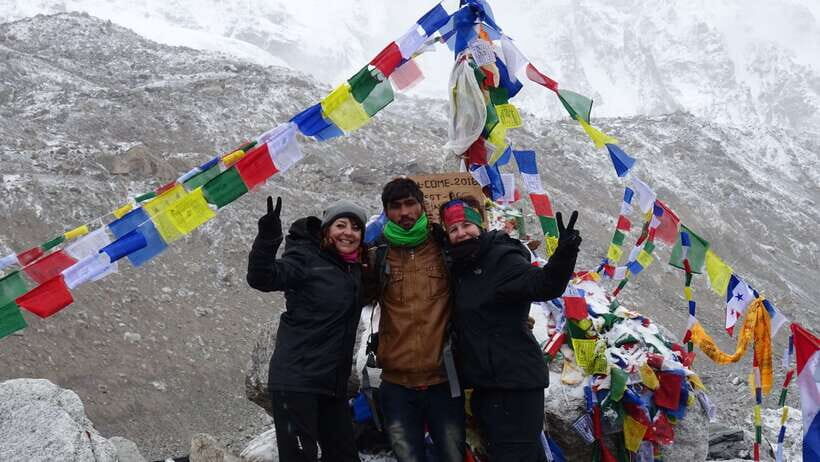
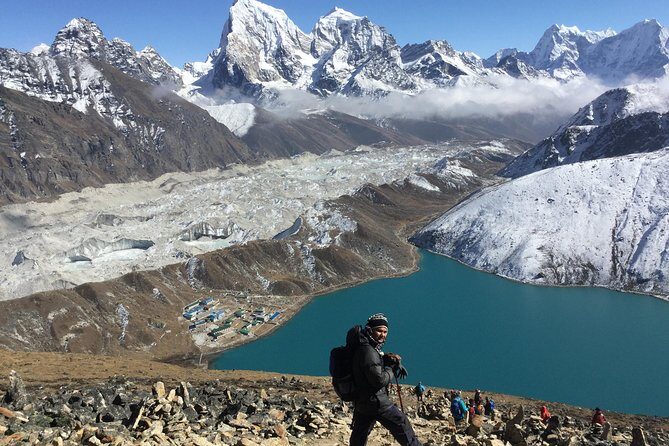
Day 10 is the move to Gorakshep, a small settlement near the shores of a frozen lake, and your departure point toward Everest Base Camp. Even when you’re not at Base Camp yet, you’ll feel the “approach” mood shift. The air can feel sharper. The trail tends to narrow. Everyone’s eyes drift toward the same direction as if it’s magnetized.
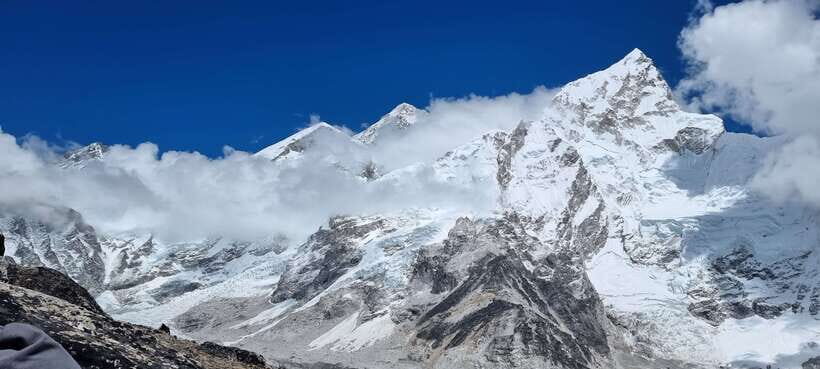
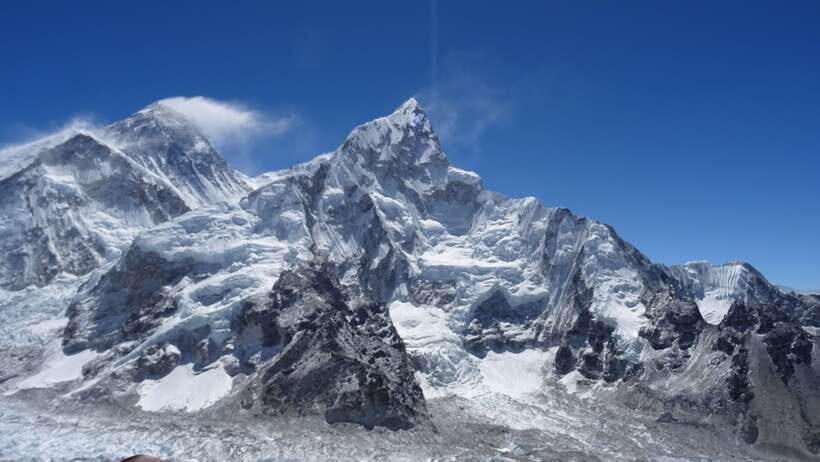
Day 11 is the early morning hike to Kalapathar and Pheriche. The plan calls for rising early for views from Kalapathar, then heading back toward Pheriche. This is a day where timing matters more than distance. Early starts are usually about light and clarity, and you’ll want to be ready before it gets complicated to move your hands and feet.
Here’s a comfort strategy I’d use if I were planning this: eat a good simple breakfast when offered, then keep breaks short and frequent. You’re not trying to rush. You’re trying to avoid freezing while waiting too long.
This portion of the trek is where the emotional reward hits. Even if Base Camp itself isn’t what you pictured in your head, the climb’s meaning comes through in the effort: the way the trail exposes you to scale and cold, and the way the group’s energy changes when people realize they’re really near the heart of Everest country.
The Return to Namche and Lukla: You’ll Walk More Than You Expect
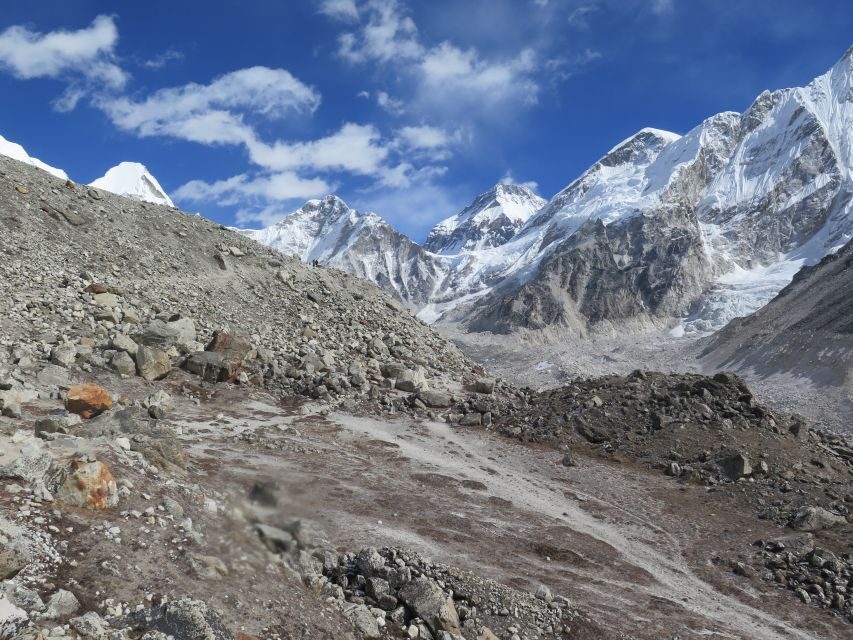
Day 12 is the descent back toward Namche Bazar, stopping again to acclimatize. This is key. Descending can trick your body into thinking you’re safe, but altitude effects can linger. A stop in Namche keeps the return safer and helps you avoid rushing straight to the finish.
Day 13 continues to Lukla. Yes, it’s a long walk with the pleasure of completing the journey. This is also one of the days where your feet will judge your shoe choices. If you went with comfortable shoes from the start, you’ll feel the difference on the return.
Day 14 brings the flight back to Kathmandu, plus a night in a hotel to recover. Day 15 is your transfer to the international airport for departure.
If you can, give your body kindness after the mountains. Long flights can feel rough after days of uphill work. The hotel night in Kathmandu is valuable because it lets you sleep in a more normal setup before your journey home.
Price and Logistics: What $675 Covers, and What Adds Up
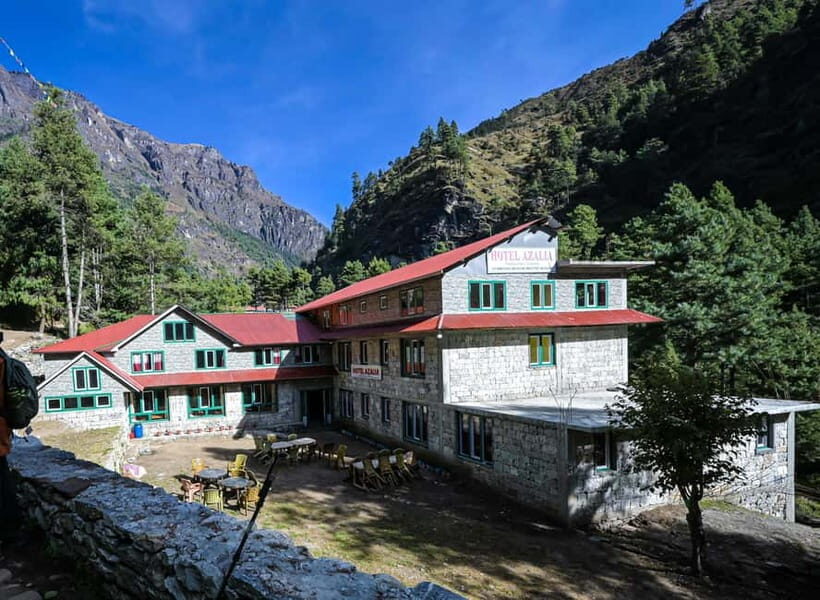
The listed price is $675 per person for a 15-day Everest Base Camp trek with an expert guide. That’s a decent starting point for what’s included, mainly because the package covers more than just “someone leading you on a trail.”
Included items that matter for value:
- Private car transfers in Kathmandu (airport pick-up/drop-off and a private guided city tour)
- Hotel accommodation in Kathmandu for 3 nights
- Licensed English-speaking Sherpa guide
- Lodge-style accommodation during the trek
- Sagarmatha National Park permits and TIMS
- Staff-related insurance, equipment, and medicine
- Down-filled jacket and sleeping bag if needed
- Government taxes
What’s not included (and why it affects your real cost):
- Airfare for the Lukla route (Kathmandu/Ramechhap to Lukla and back). The itinerary notes this as optional to reserve on request, which can be helpful if you don’t want to manage it yourself.
- Breakfast, lunch, and dinner during the trek. The listing explicitly excludes meals, so you should plan your daily food budget. Lodge meals can be a major part of daily costs at altitude.
- Porters to carry your luggage during the trek are not included, though optional service is available and can be shared with two people.
- Alcoholic and other drinks are also excluded.
My take on value: this price works best if you’re comfortable budgeting for flights and trek meals, and if you’re able to carry what you need yourself (or you’ll add a shared porter). If you expected meals and airfare to be fully bundled, you might feel surprised. If you plan those items in advance, the package becomes much easier to justify.
There’s also the practical side: the route is not suitable for wheelchair users, and it’s built for walking on steep mountain trails. That means your money is going into proper mountain execution—permits, guide leadership, and the acclimatization structure—rather than comfort-style upgrades.
Should You Book This 15-Day Everest Base Camp Trek?
You should consider booking this itinerary if you want:
- A small-group feel with a guide who explains the “why” behind the stops
- A route that balances climbing with acclimatization days (Namche rest day plus Kalapathar timing)
- Included mountain essentials like permits and access to a down jacket/sleeping bag if needed
- A clear Kathmandu start with a real guided tour, including the major heritage sites and Pashupatinath
You might think twice if:
- You dislike planning for extra costs like Lukla airfare and trek meals
- You need wheelchair accessibility (the trek isn’t suitable)
- You’re looking for a fully catered experience where every meal and comfort item is already wrapped into the price
One final nudge: if you’re new to high altitude trekking, the most valuable thing isn’t just reaching Everest Base Camp. It’s how you get there. This itinerary’s built-in acclimatization stops and the kind of guide support reflected by names like Kale Prakash, Kali, Kumar, Santos, and Gokul make it feel like the route is designed to be handled—not just survived.
FAQ
What’s included in the Kathmandu part of the trip?
You get airport and hotel pick-up and drop-off by private car, plus 3 nights in a hotel in Kathmandu. There’s also a guided city tour in a private car covering Kathmandu Durbar Square, Swayambhunath, Boudhanath, and Pashupatinath.
Are Everest National Park permits and TIMS included?
Yes. The trek includes Everest National Park permits and TIMS (trekking permits).
Is airfare from Kathmandu (Ramechhap) to Lukla included?
No. Airfare from Kathmandu (Ramechhap) to Lukla and back is not included, though optional services can reserve or book flights on request.
Are meals included during the trek?
No. Breakfast, lunch, and dinner during the trek are not included.
Do you provide a sleeping bag or down jacket?
Yes. Down-filled jacket and sleeping bag are provided if needed.
Is this trek suitable for wheelchair users?
No. The trek is not suitable for wheelchair users.