REVIEW · KATHMANDU
Everest Base Camp Trek with Kathmandu Valley Sightseeing Tour
Book on Viator →Operated by Mountain Kick Private Limited · Bookable on Viator
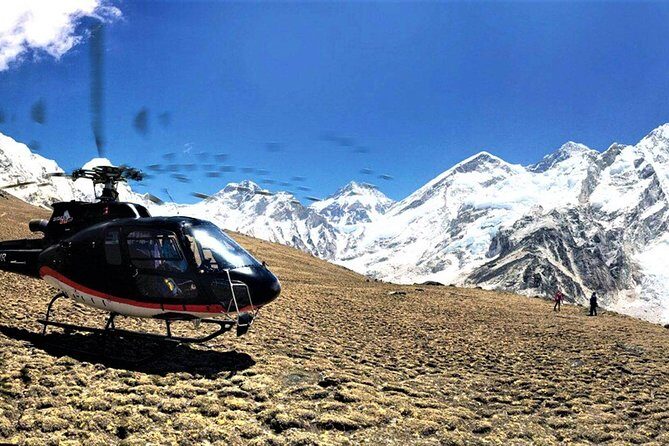
Everest feels reachable from day one. This trek starts with an early morning jump into the mountains, beginning in Lukla and ending with the high drama of Kala Patthar, plus time to see Kathmandu’s sights before and after. You’re not climbing Everest, but you do get to stand near it—on the route to Everest Base Camp where the whole place feels oddly close.
I especially like the trip’s hands-on support: twin-share lodging in Kathmandu, guesthouses on the trek, and a porter system built in. I also like that the package covers the official admin you shouldn’t want to chase on your own, including the Sagarmatha National Park permit and the TIMS card. The main drawback is the reality check: altitude rises fast, and Lukla flights are famously weather-sensitive, so plan for delays and keep extra days free.
In This Review
- Key highlights
- Everest Base Camp: Lukla to the Foot of a Giant
- The 15 Days Reality: Short Climb Sessions, Long View Time
- Kathmandu Valley Sightseeing Plus a 3-Star Reset
- The Lukla Flight: The Part You Can’t Control
- Through Sherpa Villages: More Than Just Scenery
- Everest Base Camp: Standing Where Summits Begin
- Kala Patthar: The Altitude Moment at 18,519 Feet
- Guesthouses, Porters, and Local Support That Make Life Easier
- Price and Value: Is $1,500 Fair Here?
- Who This Trek Fits Best (and Who Should Rethink It)
- Practical Tips: Insurance, Equipment, and Medical Prep
- What You’ll Remember Most
- Should You Book This Everest Base Camp Trek with Kathmandu Valley Sightseeing?
- FAQ
- Where does the tour start?
- How high does the trek go?
- Is Everest Base Camp a summit attempt?
- What’s included in the package?
- What is not included?
- Do I need travel insurance before I arrive?
- Can I get a full refund if I cancel?
Key highlights
- Lukla-first start with a 5:45 am meeting time at Tribhuvan Airport
- Kala Patthar altitude hit at 18,519 feet (and big views to match)
- Support that reduces load: porters (one for each pair of travelers)
- Real permits included: Sagarmatha National Park and TIMS card
- Guesthouse rhythm instead of camping everything yourself
Everest Base Camp: Lukla to the Foot of a Giant
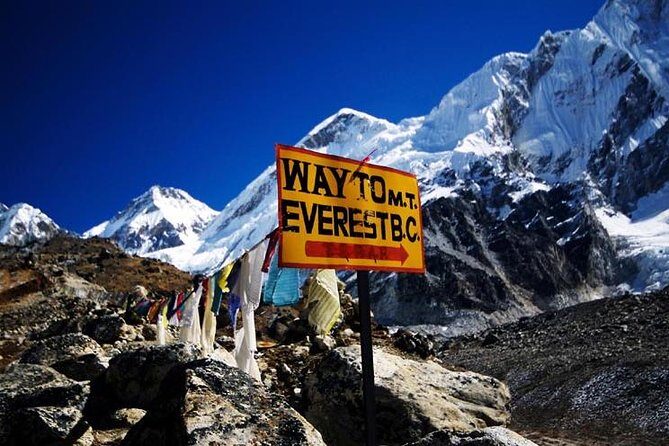
This trek is built around a simple idea: you get the Everest feeling by walking into it. Starting from Lukla, you’ll hike through Sherpa villages on the way up and back. Along the way you pass through the kinds of scenery the Himalaya is famous for—gorges, valleys, rivers, forests, and villages—so the experience doesn’t jump straight from Kathmandu city life to icy drama.
Once you reach Everest Base Camp, you’re standing at the launchpad of the world’s highest summit attempts. It’s not a throne room, and it’s not all romance in one postcard frame. It’s cold, it’s high, and it’s a working outdoor staging area for the mountain’s big seasonal ambitions. And that’s exactly why it lands so well.
One detail I really like is the trip’s honesty about effort. The altitude climbs from about 4,600 feet in Kathmandu up to 18,519 feet at Kala Patthar. The description also flags that the region can be cold and arid, with snow and trails cut along mountain sides. That kind of clarity helps you show up mentally ready, not surprised.
You can also read our reviews of more hiking tours in Kathmandu


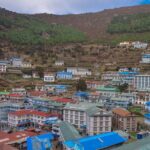
The 15 Days Reality: Short Climb Sessions, Long View Time
The difficulty level is described as mountain climbing for most of the trip, but in short sessions with lots of rest and sightseeing in between. That matters because Everest Base Camp isn’t one big grind where you hurt yourself trying to power through. It’s more about pacing, step by step, with frequent breaks that keep you moving steadily.
You’re hiking in a thin-air environment, and even if you’re strong, your body still has to adjust. That’s why the trek is framed around moderate fitness and frequent stops. If you treat this like a casual stroll, you’ll get punished. If you treat it like a paced workout with breaks, you’ll be much happier.
Also, you should know that the itinerary may have adjustments for reasons beyond anyone’s control—flight delays, accidents, or natural hazards. That doesn’t mean it’s chaotic. It just means the Himalaya sets terms sometimes. Having a flexible mindset makes the whole thing easier.
Kathmandu Valley Sightseeing Plus a 3-Star Reset
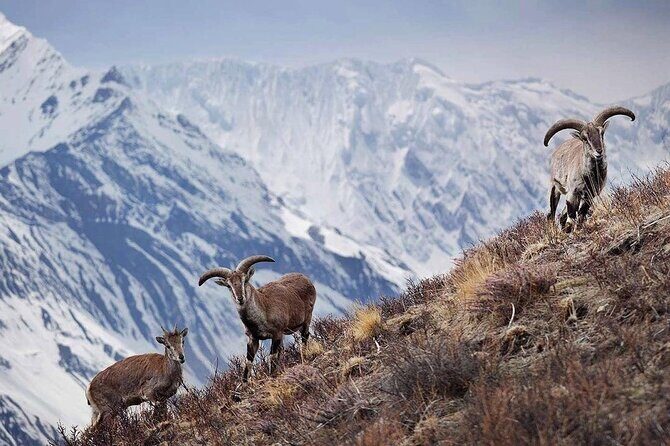
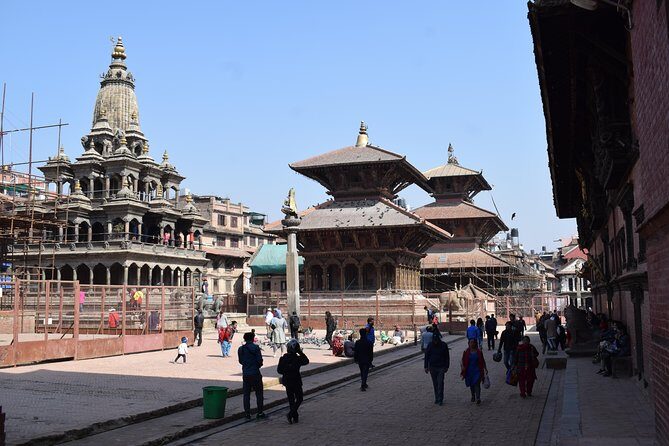
Your Kathmandu base is a three-star hotel on a twin-sharing basis, with breakfast included. This is your chance to get sleep, eat properly, and start sorting your gear before the trek. It’s also where the Kathmandu Valley sightseeing tour fits in, letting you experience more than just airport-to-hotel-to-airport.
Kathmandu is also the place to do the boring but important things: confirm medical basics, review your trekking plan, and make sure you’re not traveling under-prepared. I like that the trip includes breakfast and a proper hotel night setup, because it turns the start from stressful to manageable.
One more practical point: the meeting point is Tribhuvan Airport in Kathmandu, with a 5:45 am start time. That early schedule means you’ll want to build your Kathmandu days around sleep and timing, not late nights.
The Lukla Flight: The Part You Can’t Control
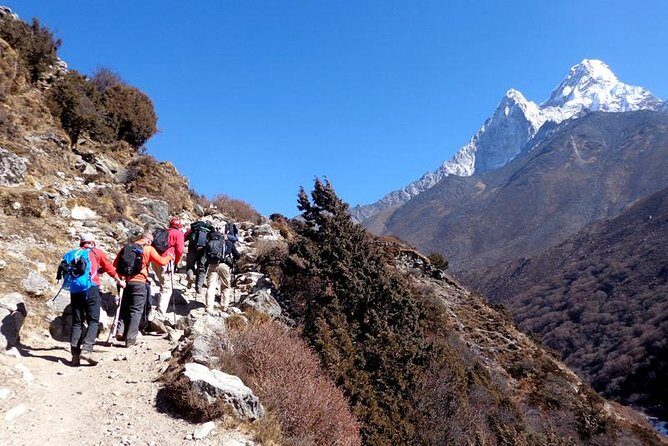
The jump to Lukla is described as vulnerable to weather shocks, and delays or cancellations are common with unfavorable conditions. This is the single biggest logistical risk in the whole program, and it’s why the trip advises freeing up a few days before and after.
If you’ve never traveled in mountain weather before, here’s the simple way to think about it: you can be ready on every level, but the sky still has a vote. So build flexibility. It’s not just for romance—it protects your trek schedule and reduces last-minute scrambling.
It also affects how you plan your entry into the trek. Even though the hike starts after you reach Lukla, your overall experience starts with that morning rhythm. When flights shift, everything downstream can shift too. The best strategy is to treat “15 days approx.” as a range you should respect.
Through Sherpa Villages: More Than Just Scenery
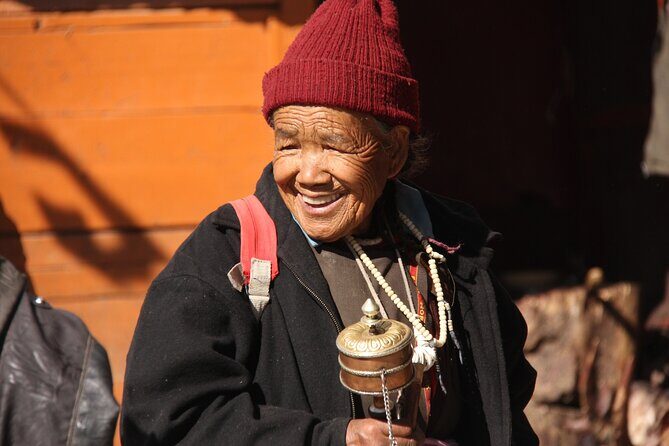
The trek is designed to walk through Sherpa villages on the way to Everest and back. That’s a key part of what you’re buying. You’re not just chasing altitude. You’re moving through communities that live with the mountain as a neighbor, not a distant idea.
In practical terms, those villages provide rhythm to the day: periods to rest, refuel, and see how the region adapts to life at elevation. And in human terms, it helps the trek feel like a journey through places, not a hike through empty air.
The description also includes variety—gorges, valleys, rivers, forests—so you don’t get one single type of view all day. That variety is important for motivation, especially when altitude starts to make every step feel heavier.






Everest Base Camp: Standing Where Summits Begin
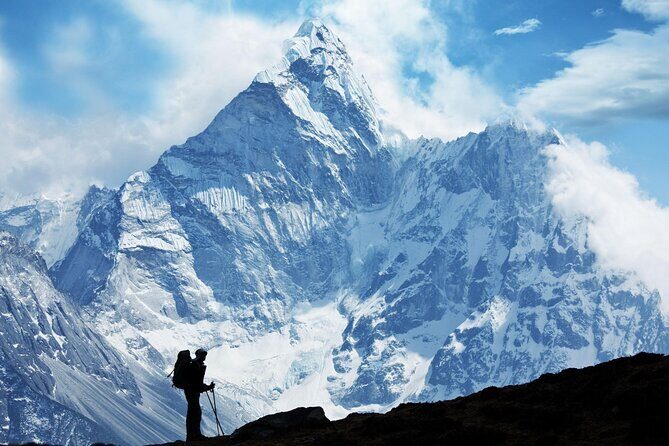
At Everest Base Camp, you get the closest realistic version of Everest’s scale. The trip frames it well: this is where all mountaineers begin their summit of the highest peak in the world. Standing there shifts the way you think about size and distance.
It also helps that the trek includes the approach terrain—cold, arid conditions, snow, mountain side trails, and deep gorges. Those details matter because they explain why Base Camp doesn’t feel like an easy destination. You earn it with the walk itself.
You also shouldn’t expect Base Camp to be a warm, friendly picnic stop. It’s high and exposed. If you’re the type who likes comfort, plan for it to be different here. If you like honesty—cold air, sharp light, and the mountain doing its thing—this is your moment.
Kala Patthar: The Altitude Moment at 18,519 Feet
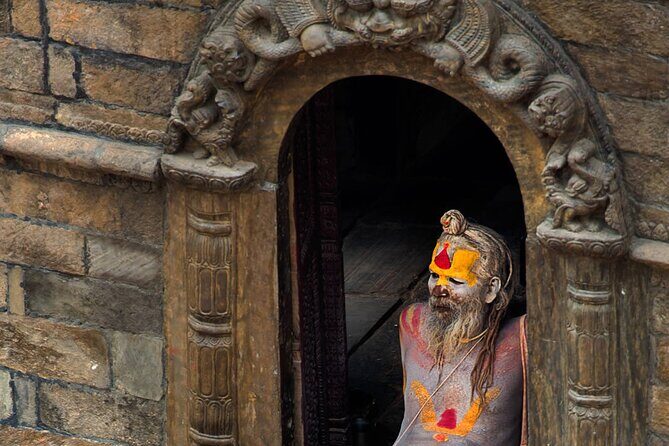
Kala Patthar is the top altitude point listed in the itinerary information, at about 18,519 feet. That’s where the trek earns its name as a real mountain challenge. It’s also where your effort tends to translate most directly into payoff: wide views and the feeling that Everest isn’t just big—it’s absolute.
This is also where pacing really matters. The trip description emphasizes short sessions and rest, and that’s exactly what you want during the high push. Don’t try to sprint. Think in terms of steady movement and conserving energy for the time when you actually need it.
If you’re choosing this trek, be honest about your own comfort with thin air. Moderate fitness is mentioned as the target. Strong lungs and a calm pace can make a huge difference here.
Guesthouses, Porters, and Local Support That Make Life Easier
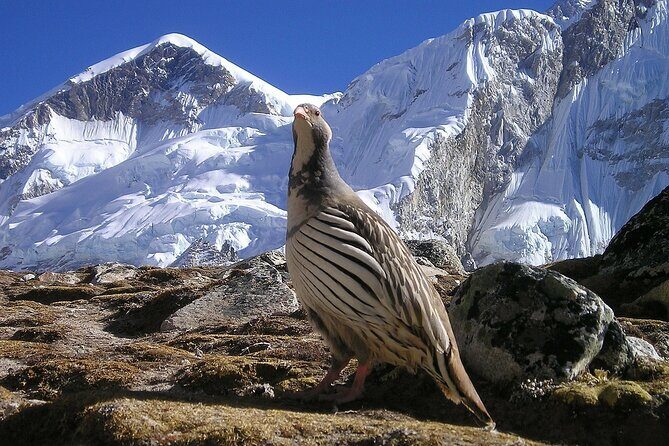
The trek uses guesthouses, with twin-sharing during Kathmandu and guesthouse stays during the trek. That typically means you’re not carrying everything in the same exhausting way day after day.
Most important: the trip includes porters and local support staff. The details say porters are provided one each for a pair of travelers. That’s a big value piece, because it reduces the load you need to manage while climbing in thin air. It also helps you keep your trekking experience focused on walking and adapting, not hauling.
Local support matters in practical ways too. The trip notes that guides and local staff are trained in basic medical intervention, and that your insurance covers emergency rescue and evacuation. That’s a reassurance you should take seriously, because in the high mountains, it’s not about toughness—it’s about safety.
Price and Value: Is $1,500 Fair Here?
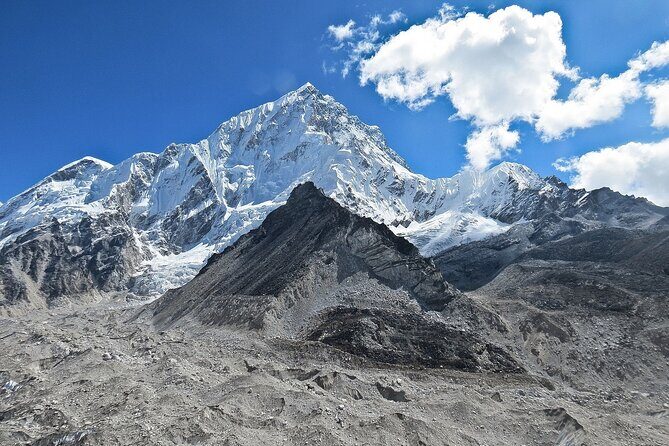
$1,500 per person is not cheap, but for an Everest Base Camp trek, the included parts matter. You get Kathmandu hotel nights in a three-star setup with breakfast, guesthouses during the trek, and the big paperwork items—Sagarmatha National Park permit plus the TIMS card. You also get porter support and local staffing.
What’s not included is equally important: travel insurance is compulsory (and cannot be taken in Nepal), international airfare to and from Kathmandu isn’t included, visa fees aren’t included, and trekking equipment isn’t included. In other words, the price covers the trek framework and core services, but you still own the travel-to-nepal parts and your personal gear plan.
If you’re comparing options, I’d focus on whether the package sets you up with permits and logistical support. Those aren’t glamorous, but they save time and hassle. They also reduce the chance your trip runs into preventable administrative friction mid-journey.
Who This Trek Fits Best (and Who Should Rethink It)
This is aimed at people with moderate physical fitness. The route requires climbing mountains for most of the trip, even if it’s broken into shorter sessions. So you don’t need to be a mountaineer, but you do need to be comfortable with consistent uphill walking.
It also suits people who want the Everest experience without trying to summit. You get the big mountain moment—standing at the base—while still doing a serious trek that changes how you see distance, effort, and cold air.
If you hate altitude, struggle with early starts, or can’t handle flight uncertainty, this might be harder. The Lukla flight risk is real, and the trek guidance explicitly suggests clearing extra time in case things shift.
Practical Tips: Insurance, Equipment, and Medical Prep
Travel insurance is mandatory, and the trip states you can’t take it in Nepal. That means you should sort it before you arrive, and make sure it covers emergency rescue and evacuation. The guidance also suggests that your insurance agent will know which plan fits this kind of travel.
Trekking equipment isn’t included. That’s a simple callout, but it has a big effect on your planning. Don’t assume you can rent your way out of poor prep. Choose gear that works for cold conditions and mountain walking, then test it before you come.
If you have a medical condition, tell your guides and support staff ahead of time. The trip notes that guides and local support are trained in basic medical intervention. Still, you should consult your doctor beforehand and carry medicines you need.
If you’re traveling with a service animal, the trip notes that service animals are allowed. (Always confirm specifics with the provider, but at least this is an option stated in the tour info.)
What You’ll Remember Most
I think the most memorable part of this trek is the way it turns Everest from a distant concept into a physical presence you walk toward. You’re not just looking at it. You’re earning it with days of changing terrain and altitude adaptation.
The other thing I’d highlight is the service feel. Across accounts of this experience, the team—especially a lead guide named Kumar—gets strong mentions for making logistics smooth and stress-free. You also get repeated praise for Sherpa support, which fits with the reality that this kind of trek depends on experienced local partners.
When it comes together, it can feel like the planning is handled well, so you can focus on the hike and the big views instead of the small headaches.
Should You Book This Everest Base Camp Trek with Kathmandu Valley Sightseeing?
Book it if you want a serious, rewarding Everest trek that still keeps things organized—hotel support in Kathmandu, guesthouses on the route, permits handled, and porter help included. Also book it if you’re okay with cold, altitude, and the fact that the Lukla flight is part of the deal, weather permitting.
Skip or rethink it if you can’t build in buffer days, you’re not comfortable with mountain walking for most of the trip, or you’re not ready to handle the insurance and equipment requirements on your end. This is adventure travel with real altitude consequences, not a casual hike.
If you’re mentally ready for the high and the waiting, this can be one of those trips that resets your sense of what effort really means.
FAQ
Where does the tour start?
The start is at Tribhuvan Airport in Kathmandu, Nepal, with a 5:45 am start time.
How high does the trek go?
The altitude is listed as about 4,600 feet at Kathmandu up to about 18,519 feet at Kala Patthar.
Is Everest Base Camp a summit attempt?
No. The trip description says you will not attempt to scale Everest, though you do stand on the foot of Mount Everest and reach Everest Base Camp.
What’s included in the package?
Included items are a three-star twin-sharing hotel in Kathmandu with breakfast, twin-sharing guesthouses during the trek, porters (one each for a pair of travelers) plus local support staff, and fees for Sagarmatha National Park and the TIMS card.
What is not included?
Not included are travel insurance, international airfare to and from Kathmandu, visa fees for Nepal, and trekking equipment.
Do I need travel insurance before I arrive?
Yes. Travel insurance is compulsory and must cover emergency rescue and evacuation, and you cannot take it in Nepal—so arrange it before arriving.
Can I get a full refund if I cancel?
Yes. You can cancel up to 24 hours in advance for a full refund, and cut-off times are based on the experience’s local time.