REVIEW · POKHARA
5 Days Mardi Himal Trek.
Book on Viator →Operated by Dadhi Ram Thapa · Bookable on Viator
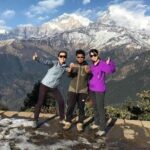
Mardi Himal feels like a secret route. I like hiking with Dadhi Ram Thapa, who’s an English-speaking guide and stays flexible if you want changes, and I like that the trek is built around simple teahouse stops so you don’t have to think about where to sleep.
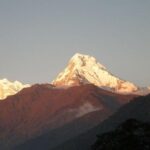
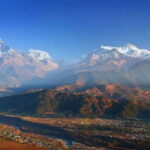
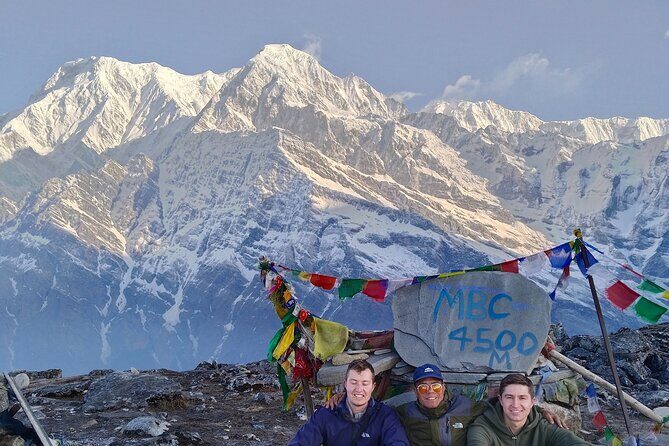
The payoff is the climb toward about 4500 meters, plus a sunrise-style viewpoint on Day 4 that makes early starts feel worth it. Even in bad weather, the foggy forest stretches can turn into a different kind of mountain experience, with lots of bird activity along the way.
One thing to plan for: this is a real trek with a moderate fitness requirement, and meals and drinks are not included. Budget extra cash, because you’ll likely spend around $30 per day per person on food.
In This Review
- Key highlights worth your attention
- Mardi Himal’s appeal: pioneer route energy without the chaos
- Pokhara to Pothana: a good start that sets your rhythm
- Forest Camp on Day 2: river sounds, birds, and mountain glimpses
- Mardi High Camp on Day 3: the day for glacier-and-valley views
- Sunrise viewpoint and Siddhing on Day 4: early start, then momentum
- Lumre on Day 5: rural walking, hanging bridge, and the easy finish
- Price and value: what you pay for at $500 per person
- The itinerary in real terms: daily pacing and what to watch
- Who this trek fits best (and who should think twice)
- Practical planning: starting time, group setup, and meals
- Should you book the 5 Days Mardi Himal Trek?
- FAQ
- What is the meeting start time for the trek?
- What is included in the $500 price?
- Are meals included?
- How long is the trek?
- Is this a group tour with other people?
- Is cancellation free?
Key highlights worth your attention
- Dadhi Ram Thapa’s flexible coaching if conditions or your pace call for a small route tweak
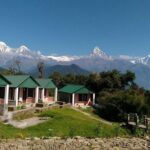
- Teahouse nights that keep the experience straightforward and low-stress
- Forest-to-high-camp variety, with changes in terrain day to day
- Sunrise at the viewpoint, then back for breakfast before continuing
- Foggy monsoon possibility that can add atmosphere (and more animal and bird moments)
- Day 5 rural finish, including a hanging bridge and a drive back to Pokhara
Mardi Himal’s appeal: pioneer route energy without the chaos
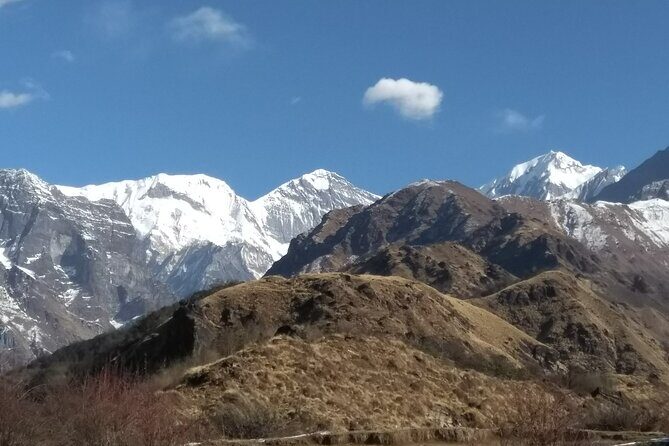
If you like mountain trekking but you don’t want the biggest-crowd vibe, Mardi Himal has that pioneer feel. The whole point is to experience a route that’s still considered “fresh” for explorers, with big effort paid back in changing views as you climb.
What I also like is how the trek keeps things human-paced. You’re not just grinding uphill. You get periods of forest walking, river sightings, and viewpoint time, so you’re not spending every minute thinking about your next step.
One more plus: the guide matters a lot here. With Dadhi Ram Thapa, you’re not only getting someone to lead the way. You’re getting someone who can answer questions and adjust when needed, which makes the trail feel less like a checklist and more like a guided conversation.
You can also read our reviews of more hiking tours in Pokhara
Pokhara to Pothana: a good start that sets your rhythm
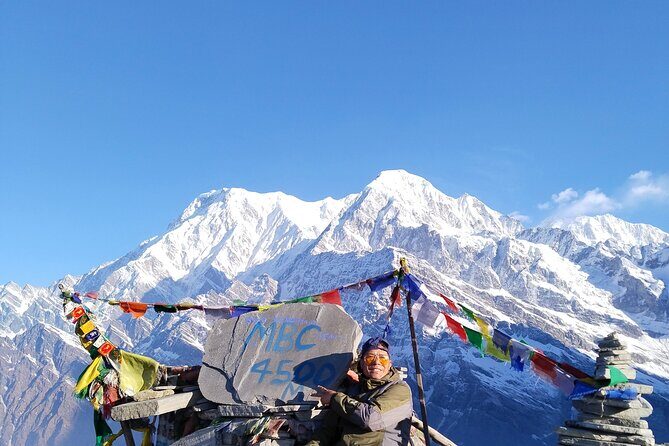
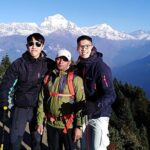
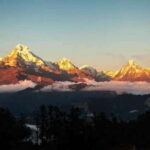
Your trek begins with transport out of Pokhara, then walking toward Pothana. Day 1 is about 5 hours total, with the day designed to move you from the city energy into trekking mode without dropping you into the hardest terrain immediately.
This first day is valuable because it establishes your rhythm. After pickup and the drive, you’ll get a chance to settle into your pace, test your pack weight, and find your breathing pattern before the higher days.
If you’re someone who gets anxious on day one, this structure helps. You’re walking toward a teahouse stop, not trying to “win” the entire trek on Day 1.
Forest Camp on Day 2: river sounds, birds, and mountain glimpses
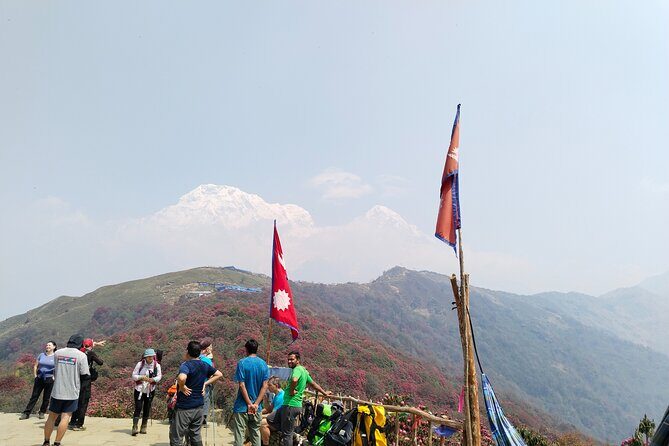
Day 2 starts after breakfast, then you walk toward Forest Camp. Expect around 5 hours, and the trail is described as a mix of pretty scenery: mountain views, a river to watch at times, and bird sightings. You’ll also spend time moving through forest, so the route doesn’t feel like a constant exposed slog.
This is the day I’d point to for people who love the “in-between” moments on treks. Forest sections slow you down in a good way. You notice sound, light through the trees, and the way the air changes as you climb.
Possible drawback: if weather turns foggy, you may get fewer long-distance views than you hoped. Still, that’s not wasted time. Forest hiking can be its own reward, especially if you’re the type who notices wildlife and plant variety.
Mardi High Camp on Day 3: the day for glacier-and-valley views
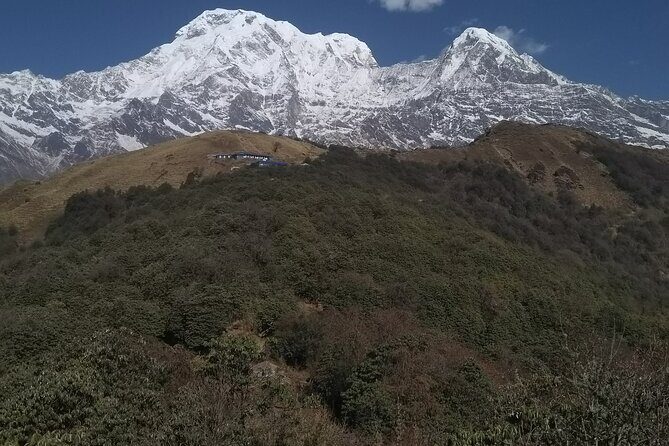
Day 3 is where the trek starts to feel more dramatic. You’ll hike about 6 hours to Mardi High Camp, with the trail described as roughly half through forest and half on hill terrain. That change matters. It usually means different walking feel, different light, and different sightlines.
You’ll be looking at both sides for scenery: mountain views, valley views, a river element, and even glacier sights (weather permitting). It’s a long day, but the mix of terrain helps break up the mental load.
What to keep in mind: this day can be the turning point for energy levels. You’re not just hiking longer; you’re also higher. If you’re at the moderate-fitness level, focus on steady steps, short pauses, and drinking water regularly rather than trying to push speed.
Sunrise viewpoint and Siddhing on Day 4: early start, then momentum
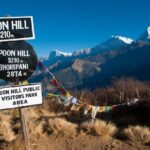
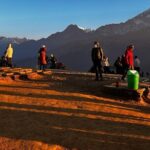
Day 4 begins early for the viewpoint goal, where you can catch sunrise and mountain views. Then you walk back, eat breakfast, and continue trekking to Siddhing, again around 6 hours.
This day is cleverly split. The sunrise push gets you the best chance for crisp visibility. After that, you’re not stuck lingering forever. You take breakfast, then transition back into hiking mode toward Siddhing.
A note on expectations: sunrise isn’t something you can guarantee on every schedule, because weather around mountains can shift fast. But even if the view is hazy, the early-morning atmosphere on a ridge-like viewpoint area can be memorable. And because you’ll head back for breakfast before moving on, you’re not burning your whole day on waiting.
A few more Pokhara tours and experiences worth a look

Lumre on Day 5: rural walking, hanging bridge, and the easy finish
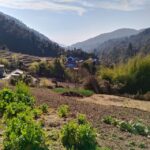
Your last trekking day moves you toward Lumre with about 6 hours of walking. The route includes time through rural village settings and a crossing on a hanging bridge, then lunch at Lumre before driving back to Pokhara.
I like this finish because it softens the edge of high-altitude trekking. You get a different kind of Nepal here: villages, daily-life pace, and a brief sense of arrival. The hanging bridge adds a little attention and balance work, but it’s also a fun “we’re here” moment.
After lunch, the drive back makes the ending clean. Instead of scrambling for transport, you’re collected and dropped back in Pokhara, which keeps your last day from turning into logistics.
Price and value: what you pay for at $500 per person
At $500 per person, this trek is priced for a guided, multi-day experience with accommodation and permits included. What matters is what’s inside that number.
Included elements are:
- TIMS and permits
- Teahouse accommodation
- An English-speaking trekking guide
- Necessary transportation
- Hotel pickup and drop-off
That’s a lot of the “hidden” costs people often forget when comparing trek prices. Also, the tour offers pickup, and it’s structured as a private activity for your group only. Group discounts are mentioned too, which can help if you’re traveling as more than one party.
What’s not included is equally important:
- Meals and drinks (available to purchase; about $30 per day per person is the estimate given)
- Tips (optional)
So the real budget should be trek price plus your food spend for the 5 days. If you like decent meals after long hiking days, you’ll probably land close to that estimate. If you’re strict about snack-only days, you might spend less, but most people find it’s worth eating well.
The itinerary in real terms: daily pacing and what to watch
Here’s how the five days typically “feel,” based on the way the trek is structured:
- Day 1 (to Pothana, ~5 hours): a runway day. You’re learning your walking rhythm.
- Day 2 (to Forest Camp, ~5 hours): forest walking with riverside vibes and bird spotting.
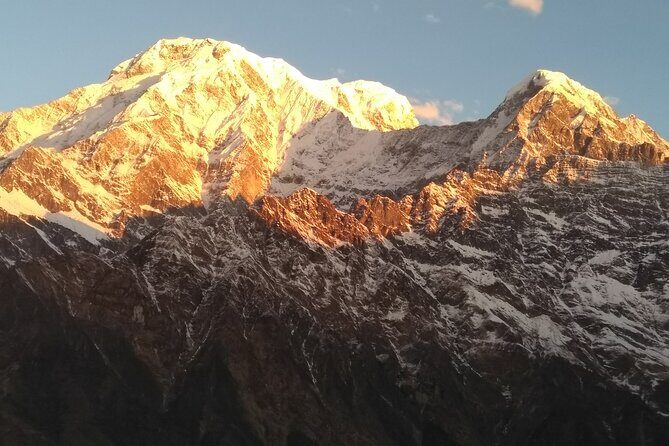
- Day 3 (to Mardi High Camp, ~6 hours): higher effort with glacier and valley views if conditions cooperate.
- Day 4 (viewpoint at sunrise, then to Siddhing, ~6 hours): early start for views, then another full hiking segment.
- Day 5 (to Lumre, ~6 hours): rural finish with a hanging bridge, then drive back to Pokhara.
Moderate physical fitness is mentioned for a reason. Mardi Himal is not a stroll. The trek gains altitude, and you’ll need to pace yourself across those 5–6 hour hiking days.
Also, remember that mountain weather can change fast. If you’re hiking in monsoon season, visibility can shift and you may get more fog and mist. On the bright side, foggy forest walking can turn the trail into something atmospheric, with more attention on flora, fauna, and birds.
Who this trek fits best (and who should think twice)
This trek is best for you if you:
- want a guided trek without heavy logistics
- enjoy varied walking conditions (forest, hills, viewpoint mornings)
- like scenery goals like glacier views and sunrise viewpoints
- want a guide who can answer questions and stay flexible
It may not be the best match if you:
- want a fully flat trek
- hate early mornings (Day 4 starts early for the viewpoint)
- aren’t comfortable with a moderate-fitness level requirement
If you’re already trekking at a consistent pace and you’re comfortable walking several hours a day, you’ll likely enjoy the flow.
Practical planning: starting time, group setup, and meals
You’ll start at 8:30 am. Hotel pickup and drop-off are included, so you’re not left trying to figure out the first drive yourself.
This is also set up as a private experience where only your group participates. That matters if you like moving together without waiting on strangers, and it’s usually easier to manage pace.
One practical piece: meals and drinks are not included, but they’re available to purchase. With an estimated $30 per day for food, plan your spending so you’re not surprised mid-trek. I’d also treat hot drinks and snacks as part of your energy strategy, especially on cold mornings around the viewpoint.
Should you book the 5 Days Mardi Himal Trek?
I’d book this trek if you want an honest mountain experience with a guide who actually helps—Dadhi Ram Thapa is the kind of guide you’ll appreciate on a route with changing conditions. The teahouse structure, sunrise viewpoint on Day 4, and the mix of forest plus higher scenery make it feel like more than just climbing for climbing’s sake.
I’d think twice if you hate early mornings or if you’re trying to keep costs extremely tight, because meals and drinks add up and the itinerary still asks for moderate fitness. For the right kind of trekker, though, Mardi Himal is the kind of route that makes each day’s effort feel purposeful.
FAQ
What is the meeting start time for the trek?
The start time is 8:30 am.
What is included in the $500 price?
It includes TIMS and permits, teahouse accommodation, an English-speaking trekking guide, necessary transportation, and hotel pickup and drop-off.
Are meals included?
No. Meals and drinks are not included, but they are available to purchase (around $30 per day per person is stated).
How long is the trek?
The trek runs for 5 days (approx.).
Is this a group tour with other people?
No. It’s a private tour/activity, so only your group participates.
Is cancellation free?
Yes. You can cancel for free up to 24 hours in advance of the experience’s start time for a full refund.