REVIEW · SUNDARIJAL
Kathmandu: Chisapani Nagarkot 3-Days 2-Nights Trek
Book on GetYourGuide →Operated by Breakfree Adventures Pvt. Ltd. · Bookable on GetYourGuide
Three days, and the Himalayas feel close. I like this trek because it’s built for Himalaya payoff without the kind of high-altitude pressure that scares off many first-timers. You’ll hike through Shivapuri National Park, walk village trails, and end at Nagarkot for sunrise and panoramic views. I also like that your private English-speaking guide can turn the trail into a story, with guides such as Dipak Karki, Govinda Pathak, and Ramesh mentioned as standout, friendly professionals.
The one real caveat: your views depend heavily on weather. If clouds roll in, Langtang and the broader range can disappear, so pack for rain and wind—this route still works, but the “wow” factor needs clear skies and an early start.
In This Review
- Key things that make this trek worth it
- Why this Kathmandu-to-Nagarkot trek feels doable
- Day 1: Sundarijal to Chisapani, hiking into Shivapuri National Park
- Day 2: Chisapani to Nagarkot, forests, villages, and the climb to big views
- Day 3: Sunrise at Nagarkot and Changu Narayan’s 323 A.D. temple
- Price and logistics: is $190 per person good value?
- Guides make the trail feel shorter
- Lodges, bathrooms, and the comfort reality check
- Weather is the boss: how to plan for clear Himalayas
- What to bring for a 3-day Nagarkot trek
- Who should do this trek (and who shouldn’t)
- Should you book this 3-day Kathmandu → Nagarkot trek?
- FAQ
- How long is the Kathmandu Chisapani Nagarkot trek?
- What are the main hiking days and durations?
- What’s included in the price?
- Is food included on the trek?
- Is there a porter?
- What should I bring for the trail?
Key things that make this trek worth it
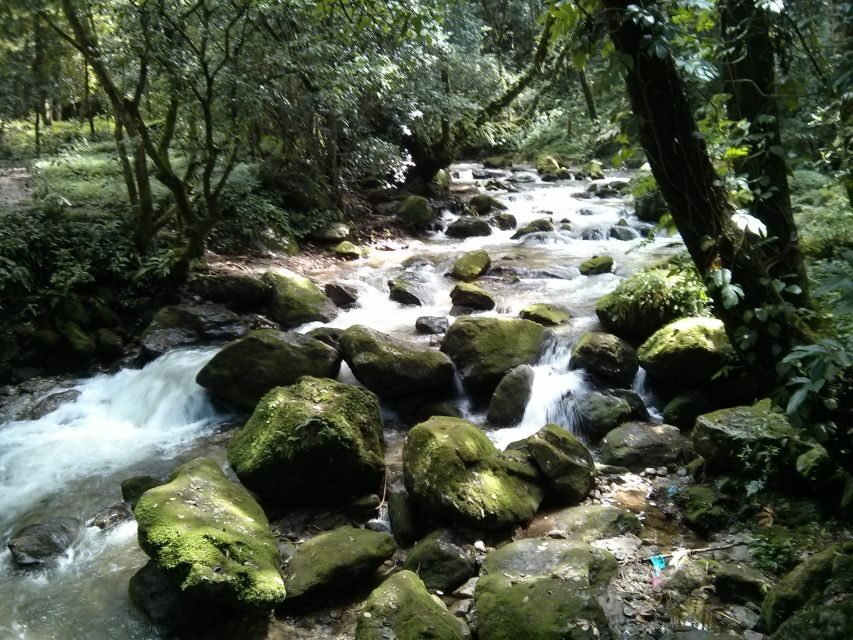
- Sundarijal’s Reservoir approach plus Shivapuri National Park trails
- Chisapani sunset views, including Langtang on clear days
- A long Day 2 with forests, terraced fields, and village walking to Nagarkot
- Nagarkot sunrise timing and a Changu Narayan finish at the 323 A.D. temple
- Private end-to-end transfers, permits, and a guide included in the price
Why this Kathmandu-to-Nagarkot trek feels doable
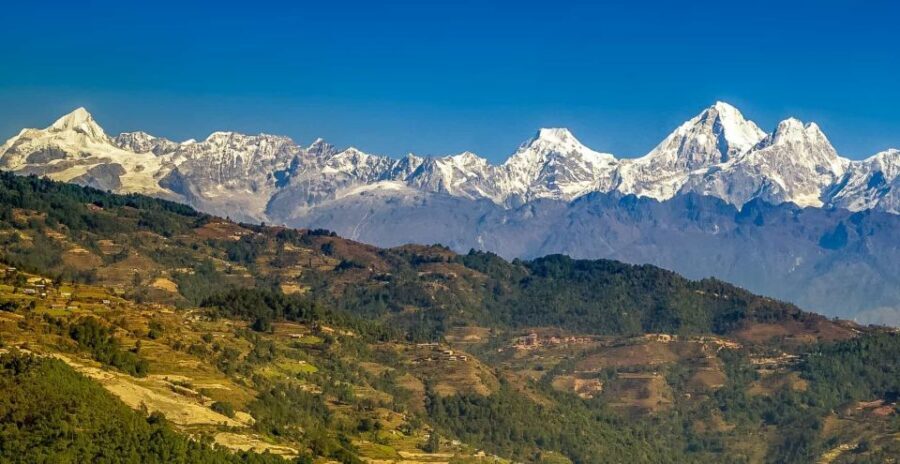
This is a short Nepal trek that stays in the “challenging but human” zone. You start at Sundarijal (1,460 m), climb toward Chisapani (2,165 m), peak again around Nagarkot (about 2,175 m), then finish at Changu Narayan (1,541 m). That rhythm matters: you get big mountain scenery while avoiding the extreme altitude game that turns many treks into a slow, exhausting acclimatization project.
It also helps that the route is designed for day-after-day motion. You’ll hike from one foothill zone to the next, with a lodge overnight in Chisapani and then another stay in Nagarkot. By the third morning, you’re ready for the payoff—sunrise—then you transition into an easier descent toward a major cultural stop.
And because this is a private guide trek, you’re not just following a line on a map. Your guide handles the trail logistics (route, pace, timing) and can explain what you’re actually walking through—forest edges, village life, and the meaning of the temple finish at Changu Narayan.
Day 1: Sundarijal to Chisapani, hiking into Shivapuri National Park
Day 1 is the “set the tone” day. You’re picked up in Kathmandu, driven about an hour to Sundarijal, then start hiking. Your uphill begins by following a large water pipe coming down from the Sundarijal Reservoir—an immediate hint that this isn’t a random track. It’s practical infrastructure paired with a trail that leads you into greener, wilder terrain.
From there, you enter Shivapuri National Park and gradually work toward Mulkharka Village. The trail then passes through Tamang Village before reaching Chisapani. This is where you’ll feel the difference between “a walk” and “a trek”: the route climbs, you walk long enough that your legs start to adjust, and the scenery changes in a way that keeps it interesting even when the trail is simply doing its job.
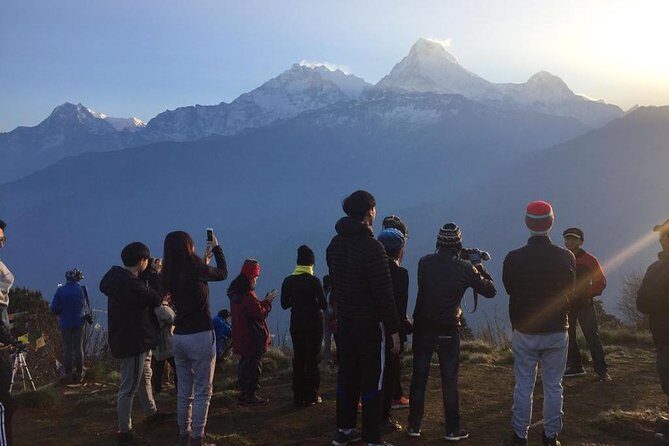
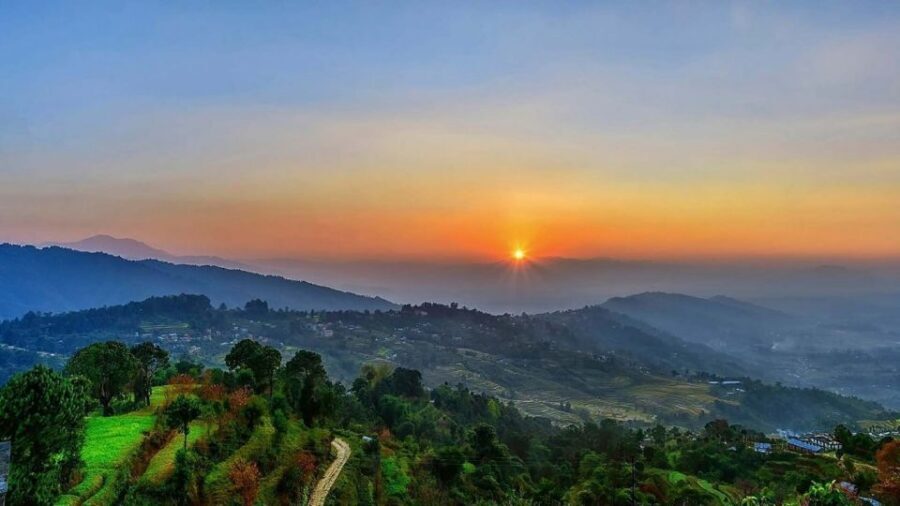
Chisapani is your lodge base for the night, and it’s also the moment you can start catching real Himalayan views. On clear evenings, you may see mountain panorama including Langtang Himal. As the day cools, sunset becomes a natural checkpoint—stand, breathe, and take the kind of photos you’ll actually be happy with later.
What to watch for on Day 1
- Expect 5–6 hours of hiking with a lot of uphill.
- Stairs and steady climbing show up early, so don’t blow your energy at the start.
- If the weather is moody, that’s normal for this region—just keep going and aim for the best evening visibility you can.
Day 2: Chisapani to Nagarkot, forests, villages, and the climb to big views
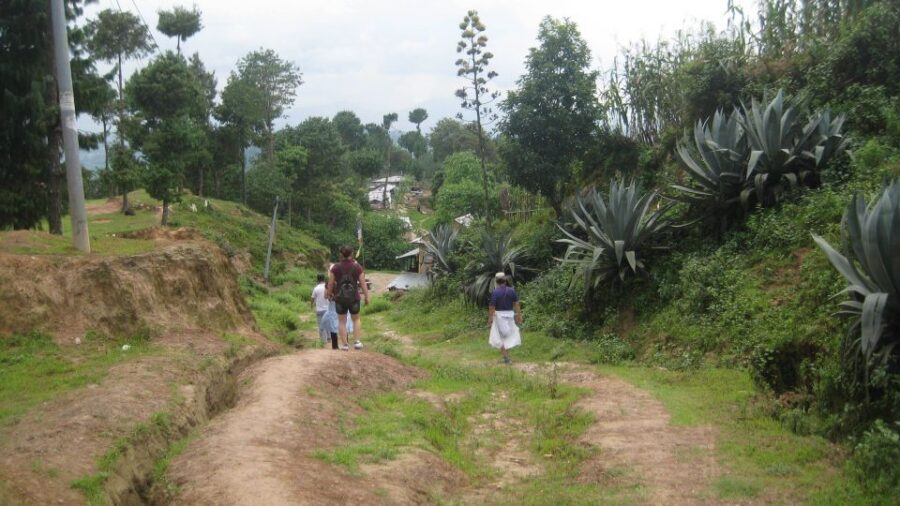
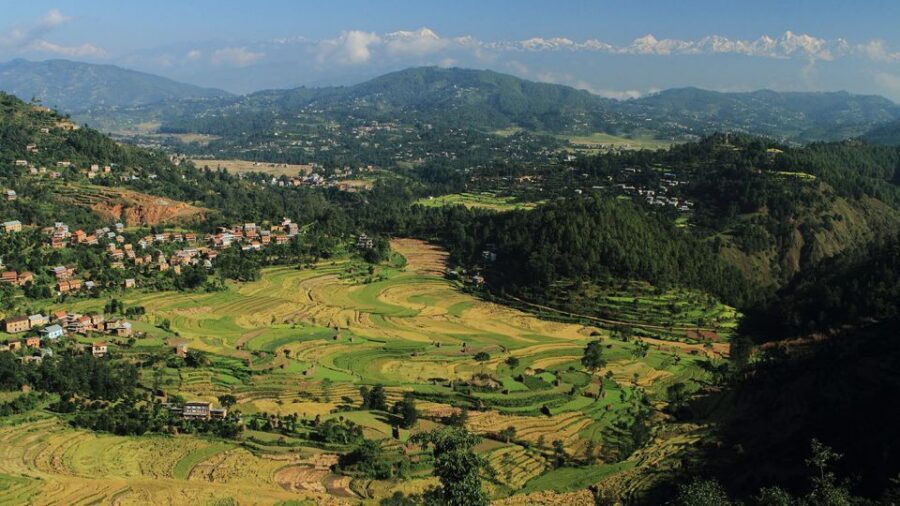
Day 2 is the longest-feeling day. After breakfast in Chisapani, the trek heads uphill through lush forest, then trends downward toward Jhule and Chauki Bhanjyang. You’ll cross villages and terraced fields—so you’re not stuck in one repeated scenery type—and that variety is a big part of why this day doesn’t feel like one long chore.
From there, the route leads to Kattike Bhanjyang. Then comes the key moment: you’ll need to ascend up to reach Nagarkot. This final lift is what positions you for the classic Nagarkot outlook—wide, elevated views when the sky cooperates.
Even if you don’t get perfect visibility, the day still delivers something. You’re walking through real settlements, watching how fields shape the terrain, and spending hours moving through forests that make the trail feel cooler and more shaded than it would outside the park.
Also, Nagarkot lodge stays are part of the point. You’ll get accommodation with breakfast, and the Nagarkot lodging includes an attached bathroom. That sounds minor, but on a multi-day trek it changes how you recover at night.
What to watch for on Day 2
- It’s 6–7 hours of hiking, often with ups and downs.
- The terrain can feel longer than the clock because you’ll be walking through multiple village zones.
- If you’re sensitive to repetitive climbing, pace the ascent out of Kattike Bhanjyang.
Day 3: Sunrise at Nagarkot and Changu Narayan’s 323 A.D. temple
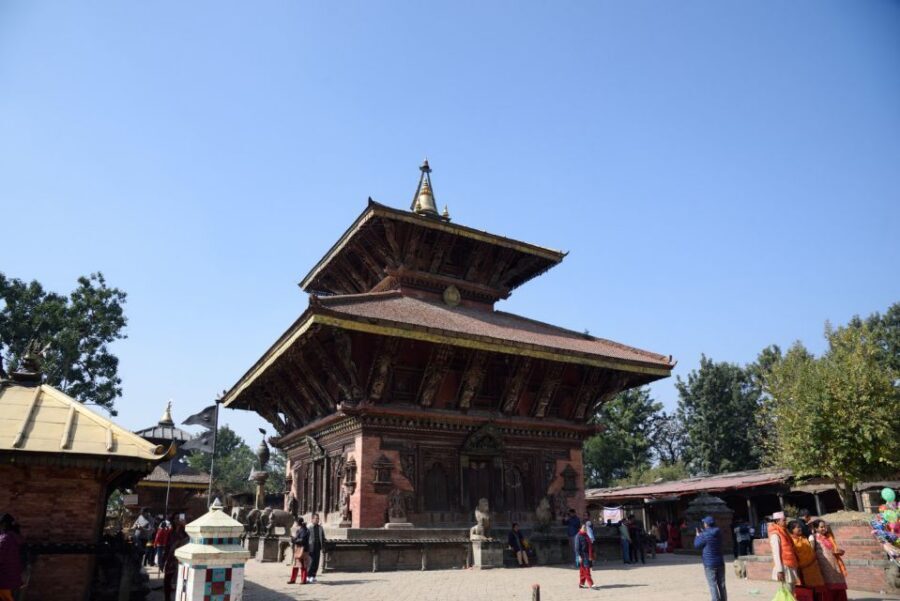
Day 3 starts early. The plan is simple: wake up for sunrise over the Himalayas, then eat breakfast before continuing the hike. This early start is worth it because it’s the best shot at clear skies and crisp sightlines, especially on a trek this short.
Then you head from Nagarkot to Changu Narayan with about 3–4 hours of hiking. The trail descends via Telkot, and along the way you get bird’s-eye views of both Bhaktapur and Kathmandu. That’s a fun “you’re back near the city” reminder—mountains today, city views tomorrow.
Changu Narayan is your cultural finish point. You’ll reach the famous 323 A.D. temple of Changu Narayan, one of the region’s standout historic sites. After that, you meet your vehicle and drive back to Kathmandu, dropping you at your hotel.
This day is a good blend of physical and mental travel. You end with a walking payoff (sunrise and descent views) and then a strong anchor stop (the temple), which helps the whole trip feel complete instead of like you simply walked from point A to point B.
Price and logistics: is $190 per person good value?
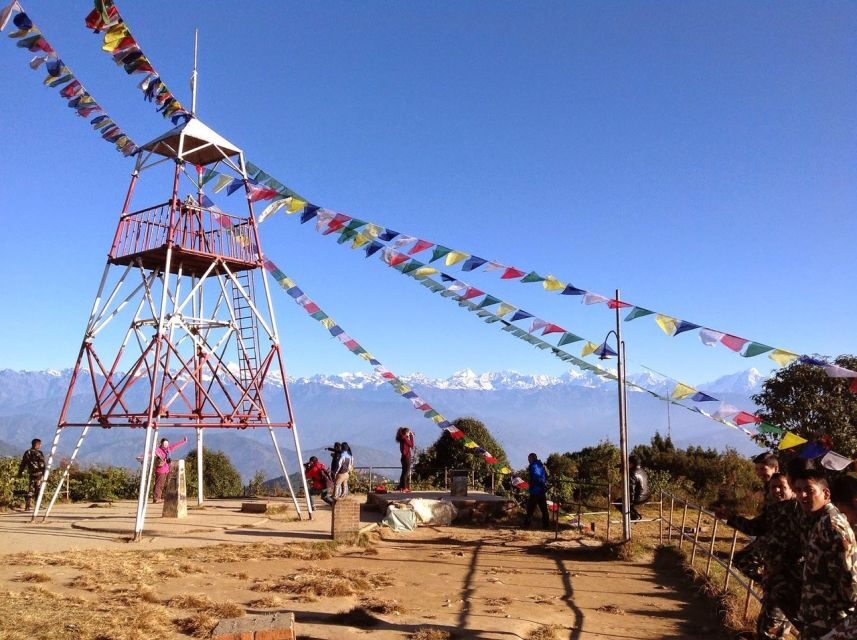
At $190 per person for 3 days, the main value isn’t just the hiking. It’s the fact that the trek is packaged with the things that usually make independent treks harder in Nepal: permits, a licensed guide, and private transfers at both ends.
Here’s what you get that protects your time and reduces guesswork:
- Kathmandu hotel pickup and drop-off
- Private vehicle transfers: Kathmandu → Sundarijal, and Changu Narayan → Kathmandu
- Lodging with breakfast: a lodge/guest house in Chisapani and a Nagarkot stay with breakfast (including an attached bathroom there)
- Hiking and National Park permits
- A private English-speaking guide
What you should budget extra:
- Lunch and dinner (food and drinks aren’t included)
- Porter services if you need them
Is it “cheap”? No, not compared with DIY trekking. But it’s priced in the zone where you’re paying for structure, timing, and local expertise—especially useful if you want the route without having to arrange every moving part yourself.
If you’re a solo traveler, one consideration is that private setups can feel pricey compared with shared-group treks. If you’re traveling as a couple or group, this kind of package often feels much more balanced.
Guides make the trail feel shorter
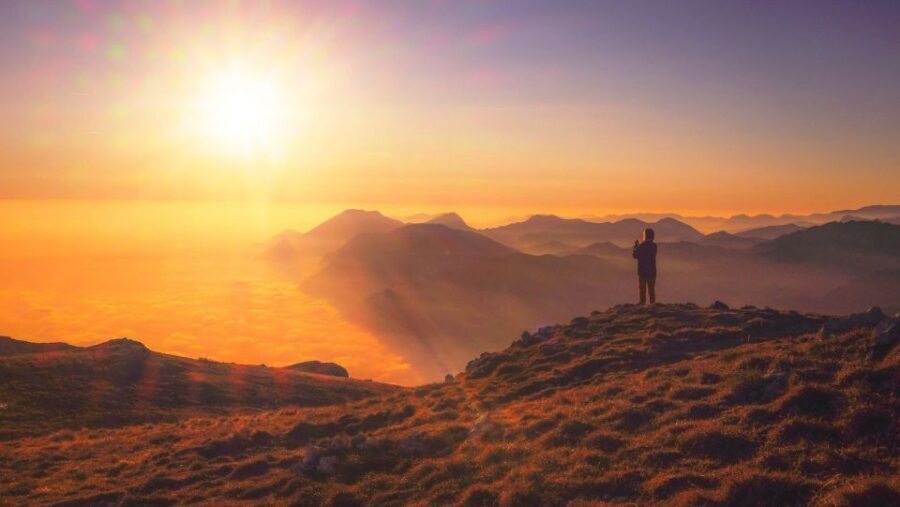
You’ll be hiking for hours, so the guide’s role matters beyond safety. A strong guide helps you match your pace to the day, keeps you oriented, and explains what you’re seeing—mountain features when they’re visible, forest ecology on shaded stretches, and the cultural meaning behind stops like Changu Narayan.
The names that come up most often from trekkers are Dipak Karki, Govinda Pathak, and Ramesh—and the common thread is how approachable and supportive they are. One theme I’d take seriously: your guide should be someone you can ask questions to without feeling rushed. That’s one reason a private trek can feel more relaxing than a larger group hike.
Also, guides help when weather changes plans. Heavy rain can shrink visibility and make the trail slicker. You still want a plan that keeps you safe and gets you moving toward the right pickup points.
Lodges, bathrooms, and the comfort reality check
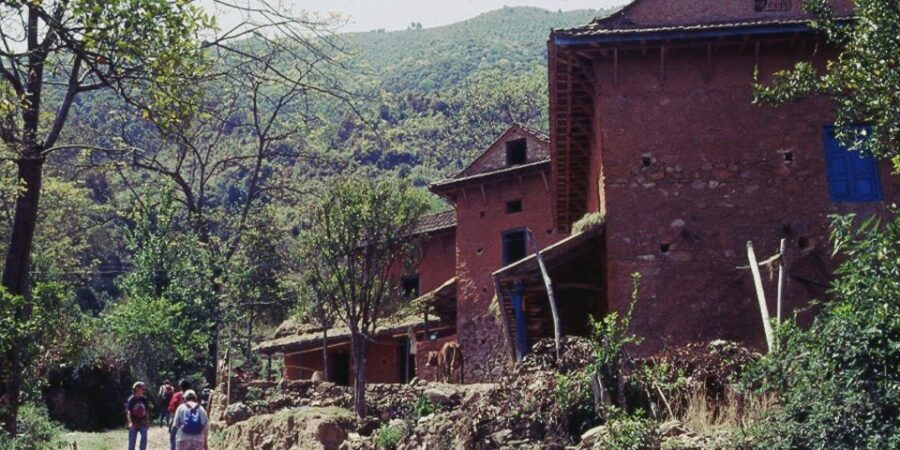
This trek uses simple lodge-style accommodation in Chisapani and Nagarkot. That’s normal for the route, and it’s part of the charm: you’re not stuck in a hotel bubble. You’re sleeping close to the trail rhythm, eating breakfast, and resetting for the next day.
One practical note from the overall experience: lodges may vary in how “ready” rooms are and how basic amenities are. I’d treat this as a checklist trip, not a spa weekend. Bring small personal basics, and don’t assume every place will have everything stocked the way a larger hotel would.
A positive detail you can count on: Nagarkot lodging includes an attached bathroom. That reduces nighttime stress and makes your third day feel easier because you’re not scrambling for comfort in the morning.
Weather is the boss: how to plan for clear Himalayas
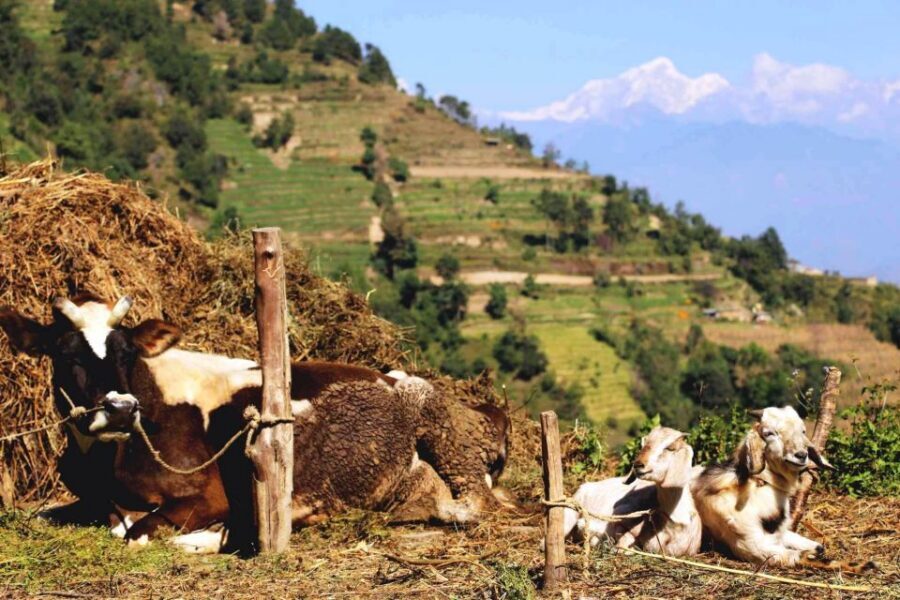
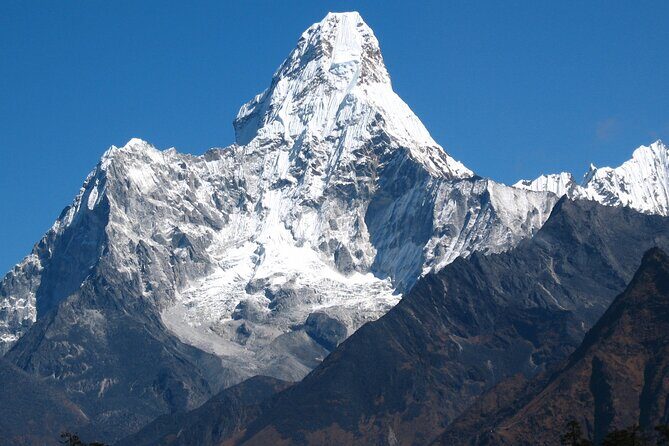
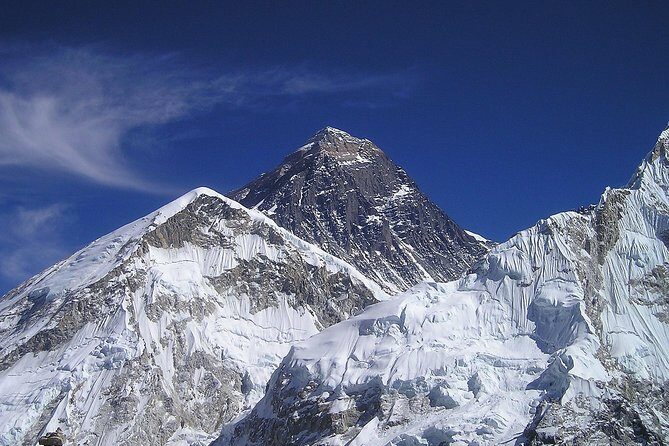
The experience is built around panoramic Himalayan views, and the honest truth is that the Himalayas are picky about visibility. If weather is clear, you can catch views that include Langtang and more. If not, you’ll still hike the route, see forests and villages, and enjoy the atmosphere—but the sweeping mountain panorama may be cloudy or hidden.
Sunrise is your best tool for a better outcome. Day 3’s early wake-up exists for a reason: crisp morning air often improves visibility. Even when the forecast looks uncertain, getting up early gives you the chance to see the mountains at their most photogenic.
Pack like the weather can change quickly. Wind can cut. Rain can happen. And in monsoon conditions, expect slippery patches and more persistent cloud cover.
What to bring for a 3-day Nagarkot trek
Based on what you’ll likely face on this route, bring gear that handles both sun breaks and wet trail days:
- Windbreaker
- Rain gear
- Hiking shoes (support matters with downhill sections)
- Warm clothing for mornings and evenings
A couple of smart add-ons I’d consider:
- A small personal item for bathroom basics just in case lodges are understocked
- A light daypack so you’re not carrying everything in your hands on stair-heavy sections
Who should do this trek (and who shouldn’t)
This trek is ideal if you want:
- A short Himalayan hike from Kathmandu without extreme altitude stress
- A route with village walking plus National Park trails
- Big-view goals (Chisapani sunsets and Nagarkot sunrise)
- A guide who handles permits, pace, and route flow
It’s not ideal if you:
- Hate long days of stairs and uphill climbing (Day 1 and the lead-up to Nagarkot on Day 2 involve plenty of that)
- Need perfectly guaranteed mountain views (weather controls that)
Solo travelers should feel comfortable with the structure of a private guide. Still, check whether the trip setup you book fits solo pricing expectations, because private arrangements can cost more per person.
Should you book this 3-day Kathmandu → Nagarkot trek?
Book it if you want a well-paced Himalayan taste with real logistics handled for you: permits, guide, private transfers, and lodge breakfasts, all wrapped into 3 days. It’s also a great pick if you want a guided trek that ends with something meaningful beyond views—the 323 A.D. Changu Narayan temple.
Don’t book it (or at least manage expectations) if you’re chasing a mountain view you feel entitled to. Your biggest “win” depends on clear skies, and the route is still a hike even when the mountains hide.
If your goal is to see Nepal up close—forest, villages, sunrise, and historic temple architecture—this is a strong, efficient choice.
FAQ
How long is the Kathmandu Chisapani Nagarkot trek?
It runs for 3 days and 2 nights.
What are the main hiking days and durations?
Day 1 is about a 5–6 hour hike from Sundarijal to Chisapani after an approximately 1 hour drive. Day 2 is about a 6–7 hour hike from Chisapani to Nagarkot. Day 3 is about a 3–4 hour hike from Nagarkot to Changu Narayan, followed by about a 1 hour drive back to Kathmandu.
What’s included in the price?
The package includes Kathmandu hotel pickup and drop-off, private transport from Kathmandu to Sundarijal and from Changu Narayan back to Kathmandu, lodge/guest house accommodation with breakfast (including Nagarkot with an attached bathroom), hiking and National Park permits, and a licensed English-speaking guide. Taxes are also included.
Is food included on the trek?
No. Lunch and dinner are not included, so you’ll need to pay for your meals while you’re on the trail.
Is there a porter?
A porter is not included if you need one.
What should I bring for the trail?
Bring a windbreaker, rain gear, hiking shoes, and warm clothing.