REVIEW · KATHMANDU
Everest Base Camp Standard Trek
Book on Viator →Operated by Shepherd Holidays · Bookable on Viator
Everest starts with a scary little plane ride. This Everest Base Camp Standard Trek mixes the famous Lukla approach, Sherpa villages, and smart high-altitude acclimatization, then finishes with Kathmandu sightseeing. You also get a more complete package than most DIY attempts: airport pickup, internal flights, park fees, guide and porters, and meals during the trek.
What I like most is the way the route gives you variety without rushing: you pass through pine forests, suspension bridges, and big-view stops like Namche Bazaar and Tengboche before you ever push higher. I also like that the trek is built around accommodation in mountain guest houses plus organized support, so your days feel guided rather than guess-and-hope. The second big win is that the plan includes the tricky logistics around altitude and timing, so you spend rest days where they actually help.
One consideration: the cold and thin air are real. Even with acclimatization days, you should expect hard walking days and very chilly temperatures on the way to higher viewpoints like Kala Patthar.
In This Review
- Key highlights you’ll feel on this trek
- First Flight Over the Khumbu: Kathmandu to Lukla
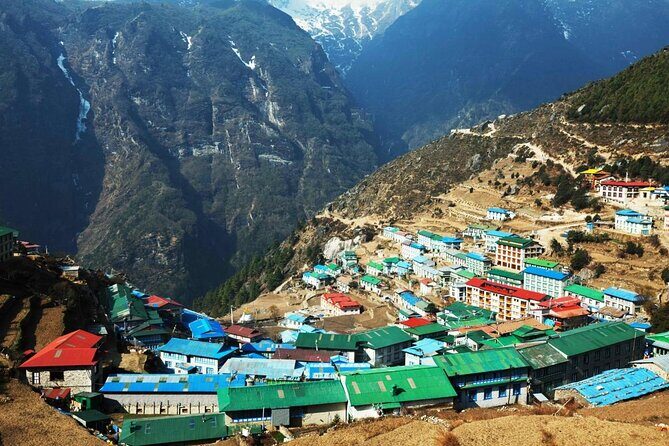
- Phakding to Namche Bazaar: River Valleys and Sherpa Hub Energy
- Namche Rest Day: Khumjung Walks and Mountain-View Choices
- Tengboche Monastery Day: Rhododendrons, Big Peaks, and Quiet Awe
- Dingboche Region: The Acclimatization That Helps You Actually Continue
- Lobuche to Gorak Shep: Memorial Stones and Thin-Air Concentration
- Kala Patthar: Pre-Dawn Cold for 360-Degree Views
- Downhill Home Stretch: Namche, Suspension Bridges, and Sore Legs
- Lukla Back to Kathmandu: Farewell Dinner and Real Shower Dreams
- Price and Value: What $2,000 Covers on This Everest Route
- The Team Factor: Guide Bhim and the Human Side of the Route
- Should You Book This Everest Base Camp Trek?
- FAQ
- How long is the Everest Base Camp Standard Trek?
- Where does the trek start and end?
- Are airport transfers included in Kathmandu?
- Are flights to and from Lukla included?
- What kind of accommodations are provided during the trek?
- Are meals included while trekking?
- What trekking support and gear are included?
- Is entry to Sagarmatha National Park included?
- What is not included in the price?
- What happens if poor weather cancels flights or the trek?
Key highlights you’ll feel on this trek
- Lukla flight experience: a short hop that drops you into the classic Everest region
- Acclimatization built in: Namche and Dingboche give you breathing room before higher altitudes
- Sherpa-led navigation: the route can feel confusing near high camps, so following your lead Sherpa matters
- Tengboche monastery views: the largest monastery in the region with Everest and Ama Dablam in sight
- Kala Patthar timing: pre-dawn start for 360-degree views over Everest and the surrounding peaks
- Personal guide support: strong feedback for guide Bhim and the team’s friendly, helpful style
First Flight Over the Khumbu: Kathmandu to Lukla
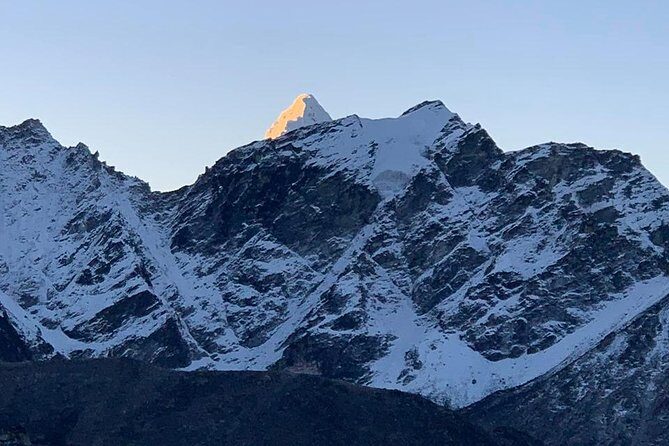
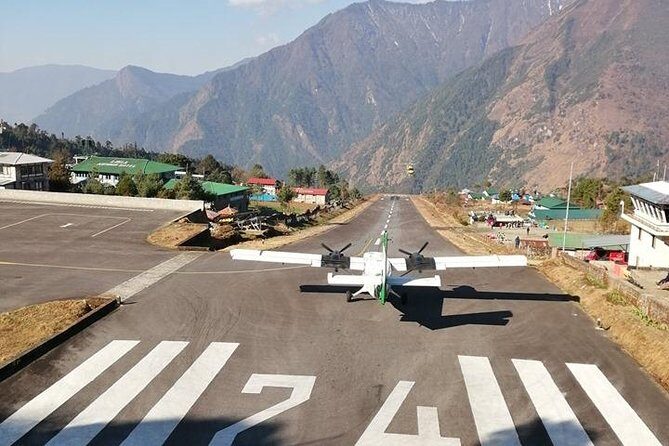
Your trip starts in Kathmandu, then you move quickly into the part that makes Everest feel unreal: the 30-minute flight from Kathmandu to Lukla. Lukla sits at about 9,186 feet, and the approach is famous because you get a birds-eye view of Himalayan ridges before the plane lands on a hillside surrounded by big peaks. In plain terms, it’s the moment you stop thinking this is a normal vacation and start thinking it’s an adventure.
Once you land, you meet your trekking crew and get sorted for the trek. Then you begin walking right away with a gradual descent that takes you into the Khumbu valleys. A neat early bonus is the chance of a glimpse of Mt. Khumbila from the Cheplung area—a sacred peak that has never been climbed, which adds meaning to what could otherwise be just a first walking day.
Practical note: the flight is short, but it’s still a major part of your schedule. If you’re the type who hates tight timing, you’ll want to keep your day flexible around airport movements and check-in.
You can also read our reviews of more hiking tours in Kathmandu
Phakding to Namche Bazaar: River Valleys and Sherpa Hub Energy
Day two sets a tone that’s great for easing in: you walk through pine forest and then follow the valley north. You’ll cross the Dudh Koshi River, then pass places like Chumoa and Monjo, the entrance zone to Everest National Park. Suspension bridges show up early here, which means your feet get your first taste of rope-and-rock trekking reality.
What you’re really walking toward is Namche Bazaar, the main Sherpa hub in the Khumbu region. The last climb is steep enough to get your heart rate up, but you reach Namche with the payoff of a lively town feel: government offices, ATMs, internet cafes, shops, and restaurants. If the weather cooperates, this is also where you may get early glimpses of Everest and Lhotse.
Why this stop matters: Namche isn’t just a place to sleep. It’s your altitude transition point, where you can rest, refill, and adjust your routine before continuing deeper into the mountains. It’s also where you start learning the trekking rhythm: slow uphill, steady pauses, and lots of water even when you’re not thirsty yet.
Namche Rest Day: Khumjung Walks and Mountain-View Choices
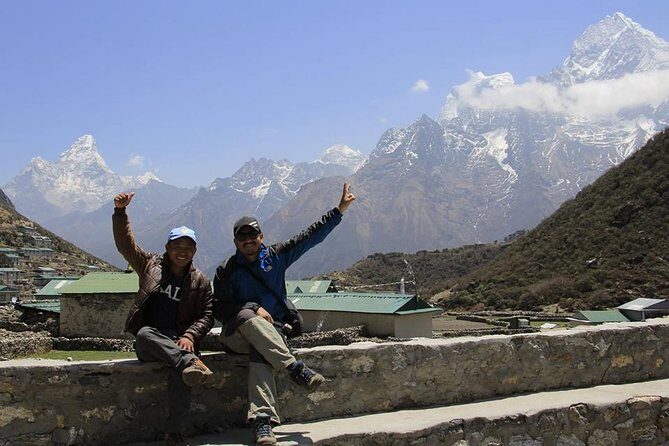
Day three is a rest and reset day in Namche Bazaar. That sounds easy on paper, but at altitude it’s the difference between “I’m tired” and “I’m wrecked.” You get time to slow down, eat well, and take in the daily rhythm of the Khumbu.
If you want a structured activity, the plan offers a day hike option to Khumjung village (around 12,401 feet). You’ll get Sherpa settlement life at altitude plus views of the surrounding peaks and the local flora and fauna that show up differently when you’re higher.
This is also where I think you’ll benefit most from having a guide. Even on rest days, a good guide helps you choose what’s right for your body that day. If you feel great, you hike. If you feel off, you keep it gentle and protect the rest of the trek.
Tengboche Monastery Day: Rhododendrons, Big Peaks, and Quiet Awe
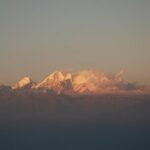
On day four you start moving down toward the Dudh-Koshi River, then climb back up through rhododendron forests to Tengboche. This is one of those classic Everest-route days where the trail itself keeps changing, so you stay mentally engaged. Along the way, you pass views of a whole set of peaks like Mount Everest, Lhotse, Nuptse, Ama Dablam, Thamserku, and others—good “mountain sampler” energy.
When you reach Tengboche, you visit the Tengboche monastery, described as the largest monastery in the region. It’s a spiritual pause, but it also works as a viewing platform. You’re in a place built for mountain watchers, and it shows.
The only potential drawback: monastery stops tend to be calm and slow, which can make you realize how much your body has been working. If you’re prone to feeling chilled, bring layers you can add or remove easily once you stop walking.
Dingboche Region: The Acclimatization That Helps You Actually Continue
Day five brings another walking day into the Dingboche area. You’ll descend through forests of birch, conifers, and rhododendrons, then continue toward the Imja Valley and pass along river corridors before climbing up. The highlight here is arriving at the fields around Dingboche, which are enclosed by stone walls to protect barley, buckwheat, and potatoes from cold winds and grazing animals.
Day six is your dedicated acclimatization day in Dingboche. Instead of just lounging, the plan includes options for day hikes to Nagarjun Hill or Chukkhung Valley for views of Makalu, Lhotse, Chalotse, Tawache, and Ama Dablam. This is the kind of hike that’s shorter than “another full day to camp,” but still teaches your body what higher altitude feels like.
My practical take: acclimatization days work best when you treat them like training, not sightseeing marathons. Go for good views, not personal bests. If you keep your effort moderate here, you’ll stand a better chance later when the days get steeper.
Lobuche to Gorak Shep: Memorial Stones and Thin-Air Concentration
By day seven you’re climbing gradually toward Duglha, then pushing up a steep trail toward Chupki Lhara. Here you’ll see memorial stones with prayer flags for Scott Fischer and Babu Chiri Sherpa. It adds weight to the hike, because you’re walking through a place tied to real risk, real loss, and decades of high-altitude climbing history.
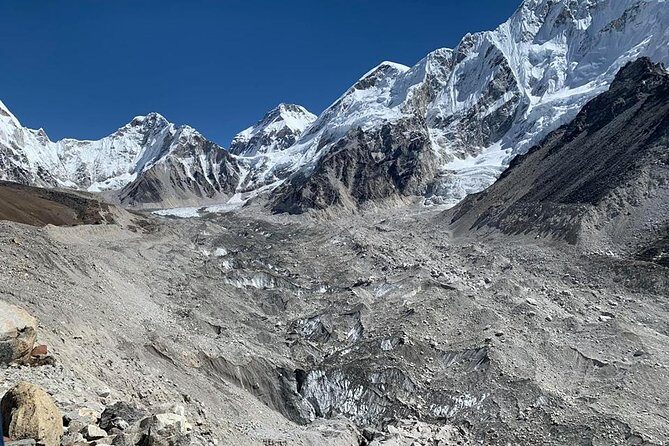
From there you move along the Khumbu moraine, with big surrounding peaks like Khumbutse, Lingtren, Pumori, and Mahalangur Himal in the broader view. Then the trail eases into the valley and takes you to Lobuche.
Day eight is a strenuous push to Everest Base Camp via Gorak Shep. You’ll walk past memorials tied to Indian army mountaineers and then continue through rocky dunes, moraine, and streams. One detail I really appreciate here is a warning that the path can be misleading—so you’ll want to follow your lead Sherpa closely when the terrain isn’t obvious.
When you reach Everest Base Camp, you see mountaineers’ tents against the gray surroundings, especially noticeable in spring. It’s not just a photo stop; it’s a sensory one. And after the Base Camp visit, you return to Gorak Shep for a night at very high altitude.
Kala Patthar: Pre-Dawn Cold for 360-Degree Views
Day nine is an early morning departure from Pheriche, with pre-dawn darkness and cold temperatures that can run about -10 to -14°C. Winds can add to the chill, which is why layer strategy matters more than you think. You’re moving fast enough to feel your effort, but not so fast that warmth solves everything.
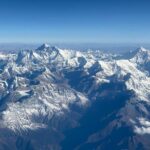
You’ll head toward the views that most people remember: the plan has you reach Kala Patthar, where you can get 360-degree panoramic views including Everest. You spend time there for photos and the kind of mountain watching that makes time feel slow. Then you return to Lobuche for the next night.
This is where you learn whether you’re a “cold-face” person or not. If you hate waiting in the cold, pack warm gloves and a hat you trust, and keep your movement steady. The payoff is the view, but your comfort determines how much you enjoy it.
Downhill Home Stretch: Namche, Suspension Bridges, and Sore Legs
Day ten shifts you back toward lower altitude with a descent route that follows the Dudh Koshi gorge. You’ll pass through rhododendrons and juniper trees, cross suspension bridges over the Dudh Koshi River, and trek through pine forests. The plan even notes the possibility of seeing colorful pheasants and mountain goats in the forest, which is a nice reminder that the mountain isn’t only about rocks and views.
You eventually reach Sansa and enjoy views of Ama Dablam, Thamserku, and Nuptse, then continue on winding trails before reaching Namche Bazaar again. This part of the trek often feels long because your legs do all the work while your lungs are breathing easier.
Day eleven brings a steep descent out of Namche. You’ll walk cautiously over rocky terrain and cross suspension bridges over fast-flowing tributaries. After that, the trail levels out and becomes more straightforward, which helps your body recover for the last travel day.
The biggest tip here is simple: downhill is brutal on knees. Take your time, shorten your stride, and use trekking poles if you’ve got them.
Lukla Back to Kathmandu: Farewell Dinner and Real Shower Dreams
Day twelve finishes with an early flight back to Kathmandu from Lukla. Once you land, you have time to rest, do souvenir shopping, or explore more of the city if you want. Your guides can help with shopping, which can be useful when you’re tired and just want something meaningful without wasting energy.
That evening includes a farewell dinner to celebrate the completion of the journey. It’s the right kind of ending: not a long ceremony, just a chance to share stories while the mountain still feels close.
Price and Value: What $2,000 Covers on This Everest Route
At $2,000 per person for a roughly 12-day trek, you’re paying for more than a bed and a trail. The value comes from the logistics you’d struggle to handle well on your own: flights to and from Lukla, transportation to and from Tribhuvan Airport in Kathmandu, government-authorized guide and porters, and organized mountain guest-house lodging.
The package also includes park entry and TIMS card, which are not “small paperwork” in the Everest region. On top of that, you get insurance, meals during the trek (breakfast, lunch, dinner as stated), and even trekking gear support like a sleeping bag and warm layers, plus a first aid kit and maps. In other words, you’re mostly paying to reduce uncertainty.
What’s not included matters for your budget. International airfare is separate, and meals in Kathmandu beyond breakfast are also not covered. You’ll also likely pay for shower and charging fees at some guest houses, plus tips for your guide and porter, and personal costs like alcohol or extra snacks. If you’re the kind of person who wants lots of hot drinks, electronic charging, and frequent indulgences, plan those expenses now so you don’t feel surprised later.
The Team Factor: Guide Bhim and the Human Side of the Route
The strongest praise in the provided feedback centers on the guide experience. One trip highlighted guide Bhim as funny, knowledgeable, and very helpful, with a big impact on how “smooth” the trek felt day to day. Another note praised the organization and named team members like Bandhu, Ramesh, and Umesh as nice, helpful, and experienced.
You should take that seriously. On Everest, the route can be straightforward when conditions are good, but it can turn confusing when visibility drops or paths don’t look obvious. Having a guide who keeps the group calm and moving helps you keep your focus on walking, acclimatization, and hydration.
If you care about a supportive pace, this is the part to pay attention to when you book: ask who your guide will be and confirm what you need to feel comfortable.
Should You Book This Everest Base Camp Trek?
I’d suggest booking this if you want the classic Everest Base Camp experience with your logistics handled. You’re covered on internal flights, park access paperwork, organized meals, and high-altitude support with government-authorized guidance. The itinerary also makes sense for real bodies, with rest and acclimatization days at Namche and Dingboche.
I’d think twice if you have knee issues that don’t like downhill, if cold weather is a deal-breaker, or if you’re hoping to do everything at a leisurely pace without any demanding days. This route includes steep ascents and descents, very cold pre-dawn conditions for Kala Patthar, and the reality of thin air.
If you fit the target—moderate physical fitness, a willingness to follow guidance closely, and an interest in authentic mountain life—this trek is a strong match for turning Everest from a dream into a sequence of walks, views, and earned moments.
FAQ
How long is the Everest Base Camp Standard Trek?
It runs about 12 days (approx.).
Where does the trek start and end?
It starts in Kathmandu and ends back in Kathmandu after flying from Lukla.
Are airport transfers included in Kathmandu?
Yes. Transportation to and from Tribhuvan Airport is included, and pickup is offered.
Are flights to and from Lukla included?
Yes. All transportation for the trek includes flights to and from Lukla.
What kind of accommodations are provided during the trek?
You stay in local guest houses in the mountains. In Kathmandu, the package includes a 3-star or above hotel with breakfast.
Are meals included while trekking?
Yes. The trek includes hygienic meals with breakfast, lunch, and dinner during the trekking days.
What trekking support and gear are included?
The package includes a guide and porters, plus items like a sleeping bag and warm layers, a first aid kit, and maps.
Is entry to Sagarmatha National Park included?
Yes. The Sagarmatha National Park entry fee is included, along with the TIMS card.
What is not included in the price?
International airfare, meals in Kathmandu other than breakfast, tips for guide and porter, shower/electronic charging fees in some places, and personal expenses like alcohol are not included.
What happens if poor weather cancels flights or the trek?
The experience requires good weather. If it is canceled due to poor weather, you’ll be offered a different date or a full refund.