REVIEW · POKHARA
Ghorepani Poonhill Trek
Book on Viator →Operated by Asian Heritage Treks and Travels · Bookable on Viator
Poon Hill is famous for a reason: you’ll watch the mountains wake up. This short trek inside the Annapurna region mixes big sunrise payoff with village walking through Ghorepani, Ulleri, and Ghandruk, where local life stays front and center. Two things I really like here are how easy it is to access (drive from Pokhara and start at Nayapul) and how strong the planning is for permits and logistics (ACAP, TIMS, and park fees handled). One thing to consider: this is still a trekking route with lots of going up and down, including plenty of stairs.
What makes the experience feel worth it is the balance between comfort and authenticity: you stay in basic local lodges, sleep at trail towns, and you get an English-speaking local guide who can explain what you’re seeing. You’ll also get the key “why do people come here?” moment—early-morning views from Poon Hill at 3210m—followed by forest scenery on the way to Tadapani (2610m). If you’re expecting a “flat walk in the park,” you’ll want to adjust your expectations.
In This Review
- Key things you’ll notice on the Ghorepani Poonhill trek
- Value for Money: What You’re Actually Paying For
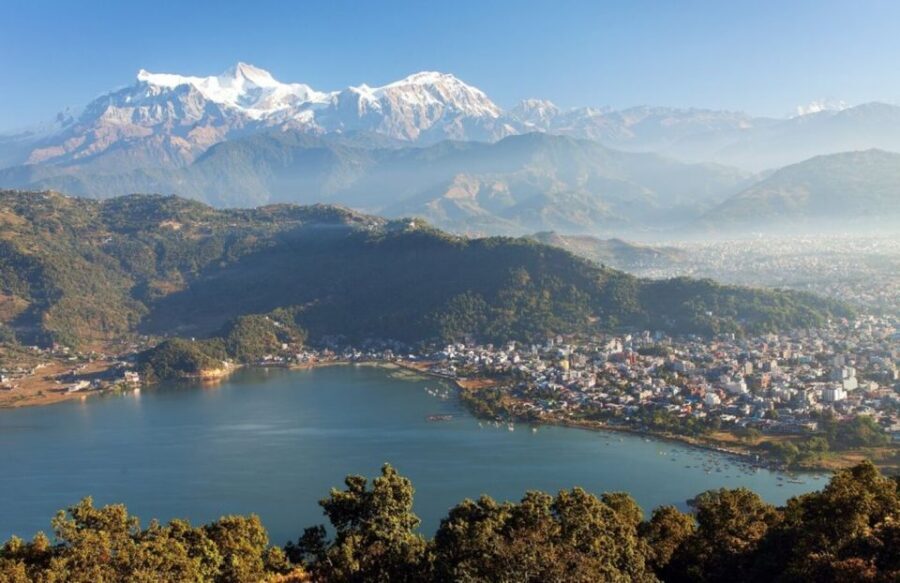
- Getting There From Pokhara: The Real Start of the Trek
- Day 1 Ulleri: Terrace Walking and the Lodge-Dinner Rhythm
- Day 2 Ghorepani: Mountain Frames and Village Life
- Day 3 Poon Hill Sunrise to Tadapani Forest Walk
- Day 4 Ghandruk to Nayapul: The Finish With Real Gurung Village Flavor
- What’s Included (and what you should budget for)
- Lodges, Comfort, and Altitude Reality Check
- Who This Trek Suits Best
- Should You Book This Poon Hill Sunrise Trek?
- FAQ
- How long is the Ghorepani Poonhill Trek?
- Where does the trek start?
- Is transportation included from Pokhara?
- What kind of accommodation is provided?
- Are meals included in the package price?
- Are permits and park fees included?
- What is the main highlight at Poon Hill?
- What fitness level do I need?
- Is this tour private or shared?
- What information do I need to book?
Key things you’ll notice on the Ghorepani Poonhill trek
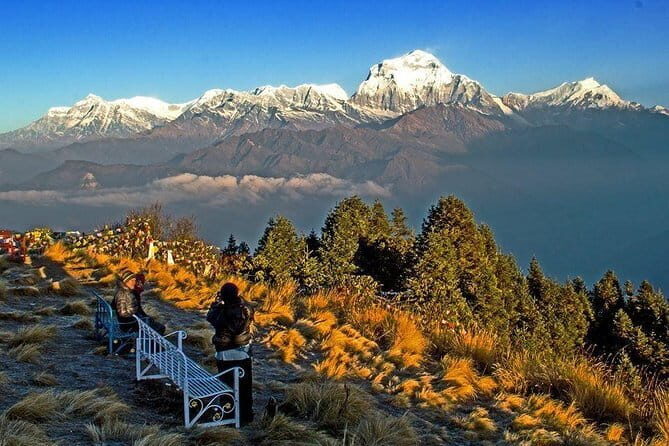
- Poon Hill sunrise at 3210m: early start, then a wide mountain panorama including Annapurna and Dhaulagiri.
- Rhododendron scenery: you’ll pass through areas described as a massive rhododendron forest.
- Village time, not just viewpoints: Ulleri, Ghorepani, and Ghandruk give you real face-to-face Nepal, not only photos.
- A knowledgeable guide experience: guidance from someone like Rohit (mentioned in feedback) is a big part of the value.
- Room-only lodge stays: simple lodges for 3 nights, with food usually purchased along the way.
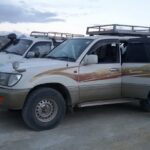
- Private land transport: you’re not figuring out buses and transfers on a tight trekking schedule.
Value for Money: What You’re Actually Paying For
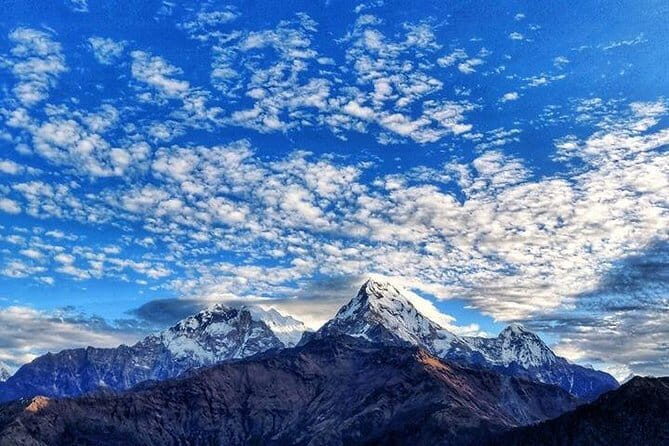
At $358.61 per person for an approx. 4-day trek, this package sits in the “good value if you want low-stress planning” zone. The price makes more sense when you look at what’s covered versus what’s not.
What you get for the money:
- 3 nights in basic local lodges (room only)
- ACAP, TIMS, National Park fees, and other trekking permits
- A professional English-speaking local trekking guide
- All land transportation by private vehicle as listed
What you’re not paying for (so you’ll budget for it):
- Meals and drinks
- Nepal visa fee
- Tipping (not mandatory, but common)
- Travel insurance and any emergency rescue/evacuation
So the “value” isn’t that everything is cheap—it’s that the parts that are annoying to arrange (permits, guide, and transport) are handled. For a short trek, that matters. You’ll spend more time walking and less time troubleshooting logistics.
You can also read our reviews of more hiking tours in Pokhara
Getting There From Pokhara: The Real Start of the Trek
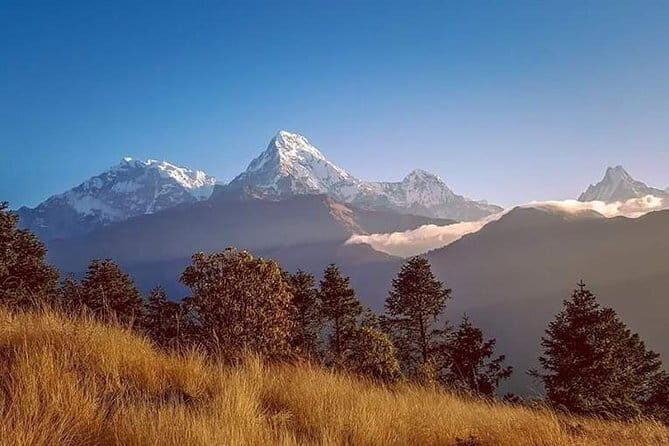
You’ll begin with a drive from Pokhara to Nayapul, which is your jump-off point for trekking. From there, the walking starts toward Ulleri, with stops along the way that help pace you into the rhythm.
Why this matters:
- You’re saving a day of complicated travel.
- You avoid that “jet-lag scramble” where you arrive and immediately try to climb at full effort.
- You get a smoother transition from city to trail.
Once you start, the pace is guided and steady: you’ll hike through terraces and older village paths, then gradually settle into that classic rhythm of Nepal trekking—walk, pause, take in views, repeat.
Day 1 Ulleri: Terrace Walking and the Lodge-Dinner Rhythm
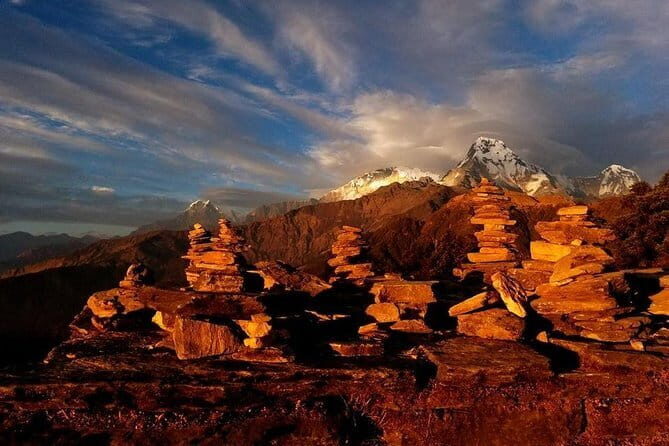
Day 1 is about easing into altitude and getting your legs used to the up-and-down trail feel. After the drive from Pokhara to Nayapul, you head toward Ulleri. The route takes you via Thikhedhunga, with a lunch stop at Hile.
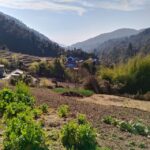
When you’re walking through this first stretch, you’ll notice terraced paddy fields and green hills rising and falling around you. This is also where the air changes slightly—cleaner, cooler, and more “mountain” as you go.
What makes Ulleri special:
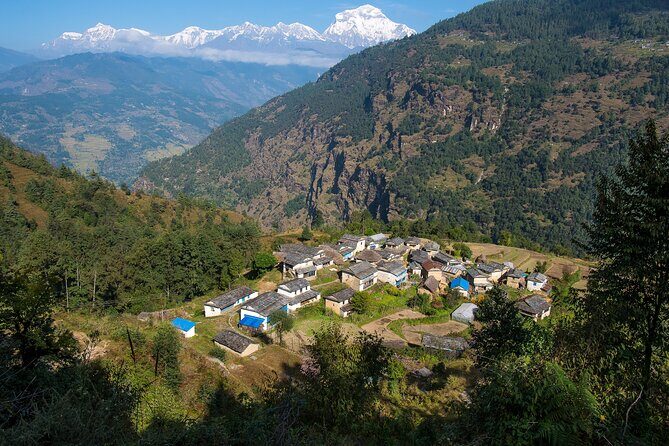
- It’s a village that feels lived-in, not staged.
- You check in to a lodge and can eat a traditional Nepalese mountain dinner there (just remember meals aren’t included, so you’ll pay at the lodge).
Possible drawback:
- Like many treks in the region, you should be ready for stairs and short climbs. One of the most common “real life” bits you’ll hear is that the steps add up. If you go in expecting only gentle walking, you’ll feel it by late afternoon.
Day 2 Ghorepani: Mountain Frames and Village Life
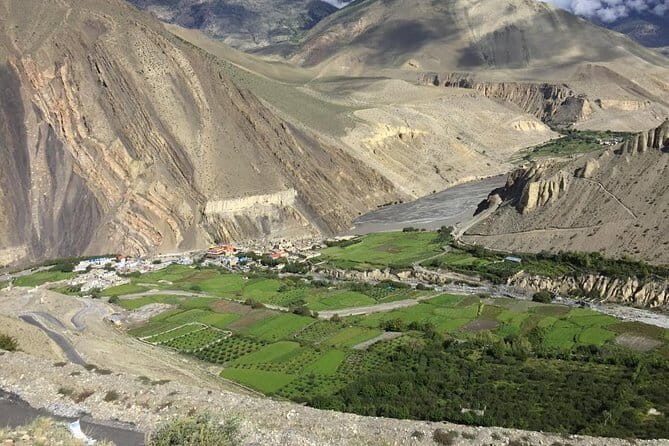
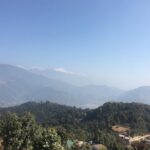
After breakfast, you set off toward Ghorepani. This is one of the most rewarding days for scenery variety: you walk through village paths and get glimpses of major peaks along the way, including Machhapuchhre, Himchuli, and Annapurna South.
There’s also a specific natural highlight mentioned on this route: the path runs through areas described as the world’s biggest rhododendron forest. Even if you’re not the type who stops for every flower, it changes the whole feel of the day. The forest makes the walk feel cooler and calmer, and the colors can be striking depending on the season.
Once you arrive, you check in at your lodge in Ghorepani. Then the afternoon is your time:
- explore the village
- talk to locals and other trekkers
- take in Himalayan views from the town area
Why this afternoon freedom is valuable:
Sunrise is coming next, and it’s worth having a lower-stress day built in. You get to settle, ask questions, and learn what to watch for the next morning.
Day 3 Poon Hill Sunrise to Tadapani Forest Walk
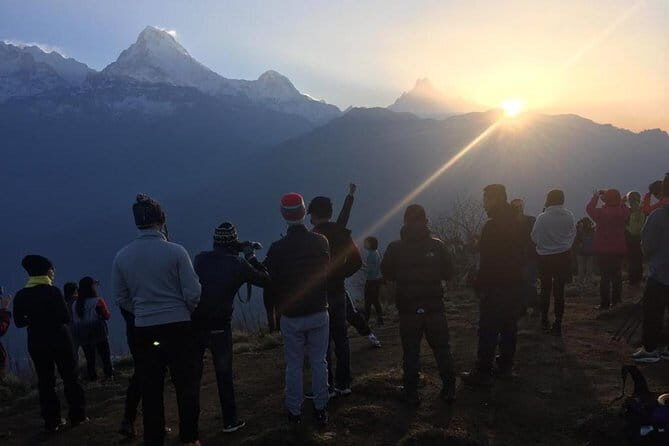
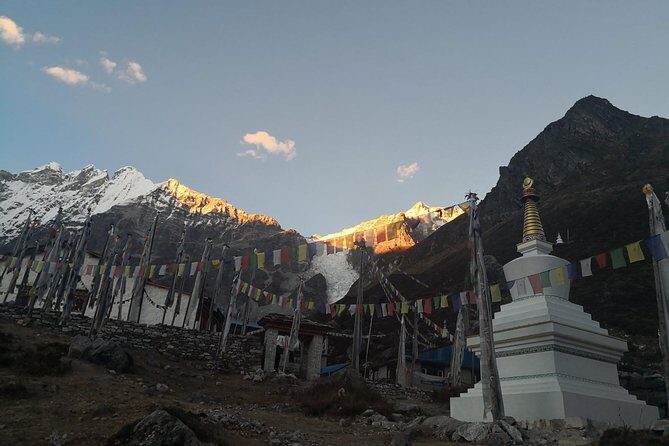
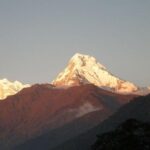
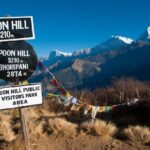
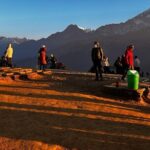
This is the day with the big “wow” factor—because you start early to hike to Poon Hill (3210m). You go for the first light of the sun, and it’s set up like a classic mountain payoff: short, steep effort followed by a panorama that makes the whole trek feel real.
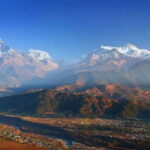
From Poon Hill, the views are described as spanning multiple big names, including Annapurna and Dhaulagiri. You’re not just looking at one peak—you’re seeing a wider mountain stage.
Practical note:
Early mornings mean you’ll want layers. Even if the day later warms up, sunrise viewing can feel chilly fast at this height.
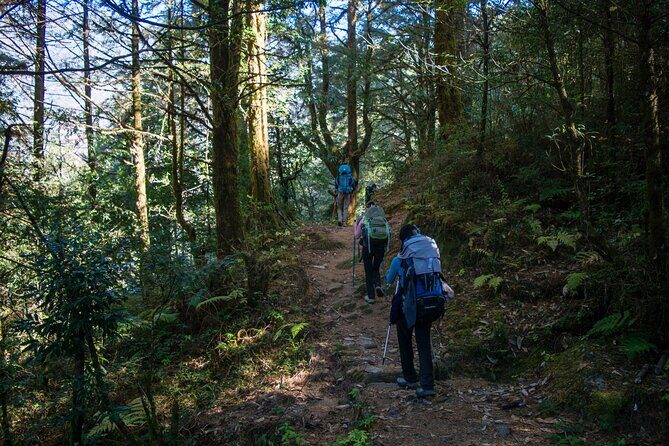
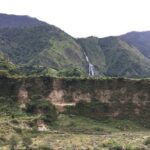
After breakfast in Ghorepani, you trek toward Tadapani (2610m). This part shifts from mountain-panorama energy to forest walking. The trail goes through a dense mix of rhododendrons, bamboo, and oak, plus you may spot waterfalls, rocks, wildlife, and birds along the way.
This is also where the guide matters:
A good guide doesn’t just lead you from A to B. They help you notice what’s around you—why certain vegetation appears where it does, what you’re seeing on the ridgelines, and how the villages connect to the bigger Annapurna region.

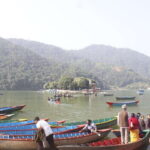
Day 4 Ghandruk to Nayapul: The Finish With Real Gurung Village Flavor
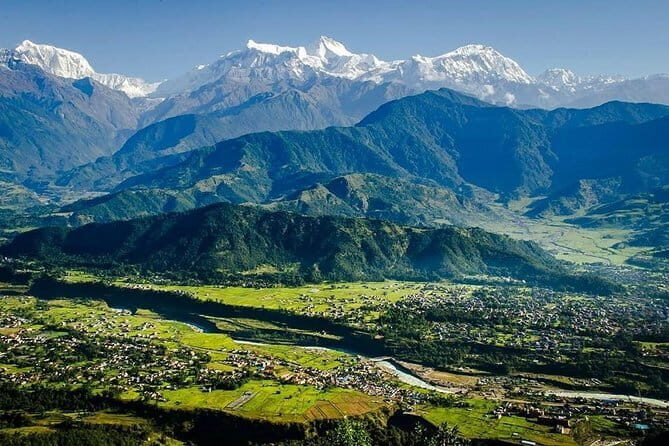
Day 4 is the longest walking day described here. After breakfast, you head through jungle areas and pass streams and villages. After roughly 3 to 4 hours, you reach Ghandruk, a picturesque Gurung village.
You stop for lunch and rest in Ghandruk before continuing onward to Nayapul. From Nayapul, you board a private vehicle and return to Pokhara.
Why I like this ending:
It avoids the “everyone rushes back with sore legs and no closure” feeling. You get a cultural stop—Ghandruk as a Gurung village—then you wrap with an easy ride back to town.
Possible drawback:
Because the day is longer, it can feel tiring if you didn’t pace yourself earlier. The way to handle it is simple: take fewer dramatic breaks, drink water steadily, and keep your pace calm even when you feel you should push.
What’s Included (and what you should budget for)
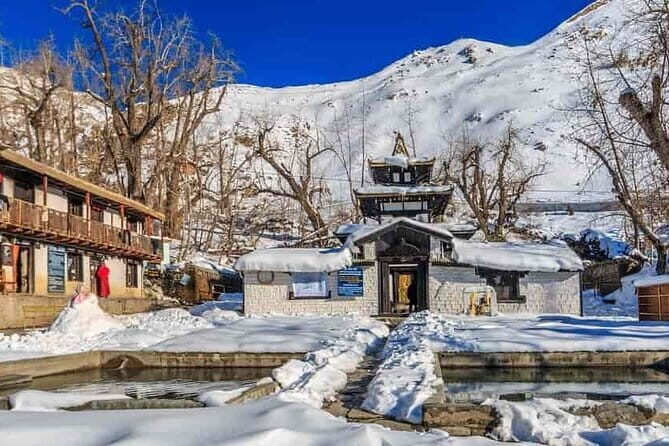
The included stuff is solid and covers the trip’s core cost drivers:
- Lodge stays (3 nights), room only
- Permits and fees: ACAP, TIMS, National Park fees, and other trekking permits
- Professional English-speaking local guide
- Private vehicle transport as part of the route plan
What’s not included is also clear, which is helpful:
- Food, drinks, beverages
- Nepal visa fee
- Tipping (not mandatory)
- Emergency rescue/evacuation
- Your personal expenses
- Travel insurance
- Anything not listed in “Included”
If you want smooth budgeting, plan to pay for:
- breakfasts/dinners at the lodges
- lunches on trail
- hot drinks (often tea/coffee), especially on early sunrise mornings
Lodges, Comfort, and Altitude Reality Check
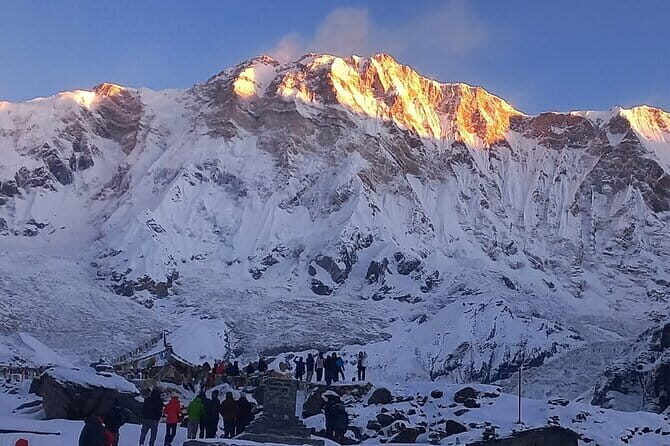
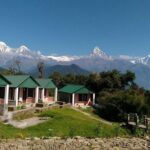
This is a lodge trek, not a hotel trek. “Basic local lodge” usually means:
- simple rooms
- shared or basic facilities depending on the lodge
- warm-ish common areas but variable room heat
That’s not a deal-breaker, and it’s part of the authenticity here. The bigger comfort factors for you are:
- sleeping layers (even in warmer months, mornings can be cool)
- good socks and shoes with grip for stair-heavy sections
- a water plan (you’ll need to handle hydration carefully on climb days)
Altitude-wise, the trek is still approachable for many people since it’s a short route, but you will be high at points like 3210m at Poon Hill. Take the first day a little slower than you think you need to. That helps your body adjust and makes sunrise feel more fun than painful.
Who This Trek Suits Best
This trek fits best if you want:
- a short Himalayan experience without committing to a long route
- big scenery moments without complex logistics
- a guided experience with a local who can explain what you’re seeing
It’s described as suitable for people with moderate physical fitness. If you can handle stairs and a few hours of uphill walking, you’ll likely be fine. If you’re new to hiking, you’ll still enjoy it—you just need to pace yourself and treat day 3 as the highlight day rather than the day you prove you’re tough.
It also works well for groups because it’s set up as a private tour/activity for your group, with private land transport included.
Should You Book This Poon Hill Sunrise Trek?
If your top priority is the classic Annapurna sunrise from Poon Hill, and you want a short trek that still feels properly Nepal—this is an easy yes.
I’d book it if you:
- want strong value from a package that handles permits and transport
- like village walking as much as viewpoints
- don’t mind basic lodges and paying for meals along the way
- appreciate having a guide who can point out what’s around you (Rohit is specifically mentioned for knowledge and friendly guidance in feedback)
I’d think twice if you:
- hate stairs or you’re dealing with mobility issues
- want food and comfort included end-to-end (meals and drinks aren’t included here)
- need guaranteed warm lodging amenities (lodges are simple and can vary)
Bottom line: for a short, high-reward sunrise trek in the Annapurna region, this package is a practical choice. You’ll earn those mountain views with your legs, then spend the next days enjoying the villages and forests that make the effort feel worth it.
FAQ
How long is the Ghorepani Poonhill Trek?
The trek is listed as about 4 days (with 3 night accommodations).
Where does the trek start?
You drive from Pokhara to Nayapul, and then you start hiking from Nayapul toward Ulleri.
Is transportation included from Pokhara?
Yes. All land transportation by private vehicle is included as mentioned in the route plan, and pickup is offered.
What kind of accommodation is provided?
You get 3 night accommodation in basic local lodge throughout the trek, room only.
Are meals included in the package price?
No. Food, drinks, and beverage bills are not included.
Are permits and park fees included?
Yes. The package includes ACAP, TIMS, National Park fees, and other trekking permits.
What is the main highlight at Poon Hill?
You hike early to Poon Hill (3210m) to see sunrise, with panoramic mountain views described to include Annapurna and Dhaulagiri.
What fitness level do I need?
The trek is designed for travelers with moderate physical fitness.
Is this tour private or shared?
It’s private—only your group participates.
What information do I need to book?
You need the passport name, number, expiry, and country for all participants.