REVIEW · KATHMANDU
14 Days Annapurna Base Camp Trekking | Best trek for visit Nepal 2020
Book on Viator →Operated by Nepal Treks and Tour · Bookable on Viator
Some trips feel planned. This one feels like a route with a reason.
You’ll start in Kathmandu with UNESCO sights, then head west to Pokhara and work your way into the Annapurna region toward Annapurna Base Camp. Along the way you’ll climb through Magar and Gurung villages, get an early-morning wow moment at Poon Hill, and end with a real body-reset at Jhinu hot springs.
I especially liked the way this itinerary mixes culture and altitude. Kathmandu doesn’t get dumped as a side quest; it’s a full sightseeing day with major sites. And once you’re trekking, the route is paced to build up to the big payoff without feeling like you’re only chasing a number on a map.
One possible drawback: the trek includes plenty of steep climbing early on, and later a lot of downhilling. If your knees get cranky, you’ll want good shoes, trekking poles, and an honest attitude about lots of stairs and downhill effort.
In This Review
- Key highlights I’d bet on
- Kathmandu first: UNESCO sights before you earn altitude
- From Kathmandu to Pokhara: a scenic reset, then the trek launch
- Ulleri to Ghorepani: stairs, suspension bridges, and early acclimatization
- Poon Hill sunrise: your early-morning payoff
- Chhomrong and Sinuwa: where the trail turns serious
- Annapurna Base Camp day: Hinku cave, Machhapuchhre views, then the big arrival
- Descent to Bamboo and Jhinu hot springs: the smartest recovery move
- Pokhara and Kathmandu wrap-up: use the downtime wisely
- Price and value: what $871 includes (and what to plan for)
- Should you book this Annapurna Base Camp trek?
- FAQ
- Where does the trip start?
- What time is the start time?
- How long is the trek?
- Do you get pickup and transfers?
- Which Kathmandu UNESCO World Heritage sites are visited?
- What’s the trekking highlight at the top?
- Is Jhinu hot springs included?
- What’s included in the price?
- What is not included?
Key highlights I’d bet on
- Poon Hill sunrise built into the route so you get the Himalaya glow before the main base-camp grind
- Private trekking experience with English support, plus private transport during the Kathmandu/Pokhara stages
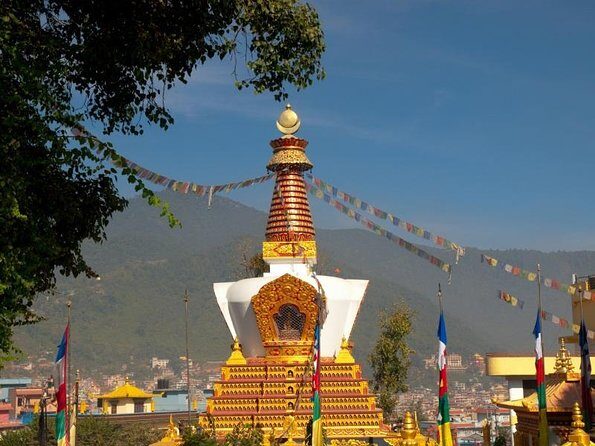
- UNESCO Kathmandu Valley day with stops like Swayambhunath and Boudhanath before you go high
- Village-hopping through Magar and Gurung settlements (Ulleri, Ghorepani, Chhomrong, Sinuwa) with cultural stops along the way
- Annapurna Base Camp via Machhapuchhre Base Camp view corridor, plus the Hinku cave stop on the approach
- Jhinu hot springs after the descent begins, so your legs get a deserved break
Kathmandu first: UNESCO sights before you earn altitude
This trek starts in Kathmandu, and I like that it doesn’t waste your first day. After you land at Tribhuvan International Airport (TIA), you get met by a company representative and transferred to your hotel. You can also walk off jet lag in Thamel, where it’s easy to grab water, snacks, and a quick sense of Nepal time.
The welcome dinner the same evening is the kind of soft landing you want before a mountain trip. It also means you’ll meet your team in a low-pressure setting, not while your lungs are already doing backflips.
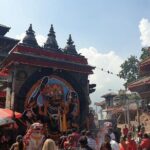
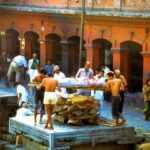
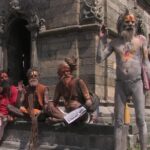
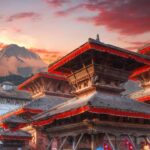
On the next day, you get a guide and a private vehicle to hit the Kathmandu Valley World Heritage sites. Expect classics like Pashupatinath, Swayambhunath, and Boudhanath, with time to soak in how different temples feel when you see them without a crowd stampede. Permits and trek documents are also arranged during this Kathmandu window, which matters because nothing ruins a mountain mood like chasing paperwork while everyone’s waiting on you.
Practical tip: keep your Kathmandu day light. You’re sightseeing, yes, but your body is still your main gear for Annapurna.
You can also read our reviews of more hiking tours in Kathmandu
From Kathmandu to Pokhara: a scenic reset, then the trek launch
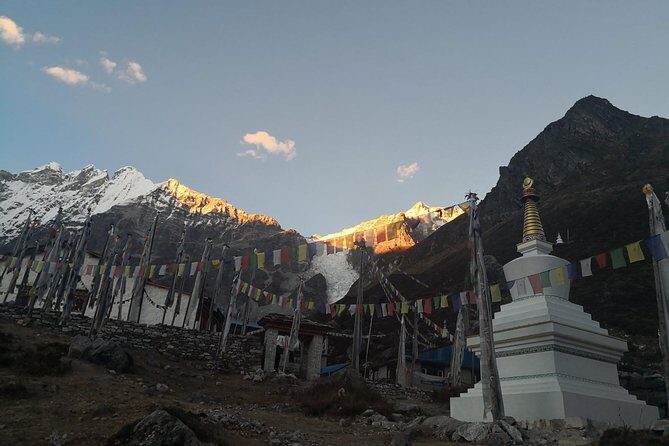
Next comes the big switch from city to mountains. You travel by road from Kathmandu to Pokhara (about 200 km). The ride uses the Prithvi Highway corridor, so you’re watching hills, rivers, and changes in vegetation move by your window. It’s a long day, but it helps you mentally transition from traffic to trail.
Pokhara gives you a softer landing before altitude. Depending on what you choose to do with free time, you might see Phewa Lake, Mahendra Cave, Davis Falls, and even the Bat Cave area. It’s also a good place to sort your gear, fill water carefully, and let your muscles wake up after sitting.
When you finally leave Pokhara for the trek, you go toward Nayapul. Nayapul is the start point for many Annapurna routes, so you’ll feel the region gear up around you. You’ll be driven along a zigzag route, then the trekking begins near the Ulleri side—meaning your first real hiking day is about building rhythm, not trying to win the day.
Ulleri to Ghorepani: stairs, suspension bridges, and early acclimatization
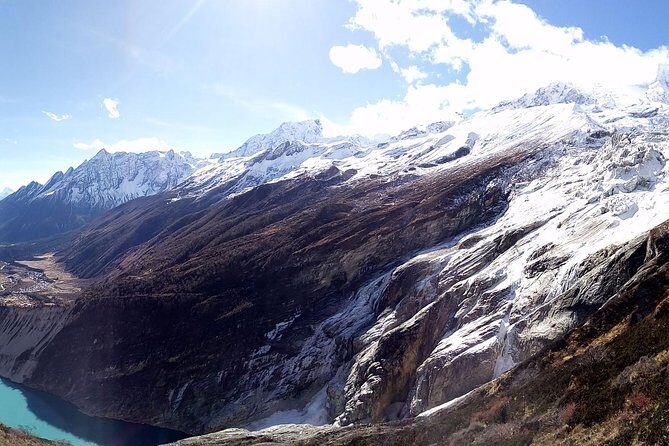
The trek’s first steps are classic Annapurna style: stone staircases, small settlements, and short climbs that make you feel it right away. You’ll pass through Birethanti and Tikhedhunga before crossing a suspension bridge and climbing to Ulleri. Ulleri matters on this route because it’s where you start meeting local communities up close. The Magar culture is specifically highlighted here, and you’ll feel that through the villages and everyday life around the lodges.
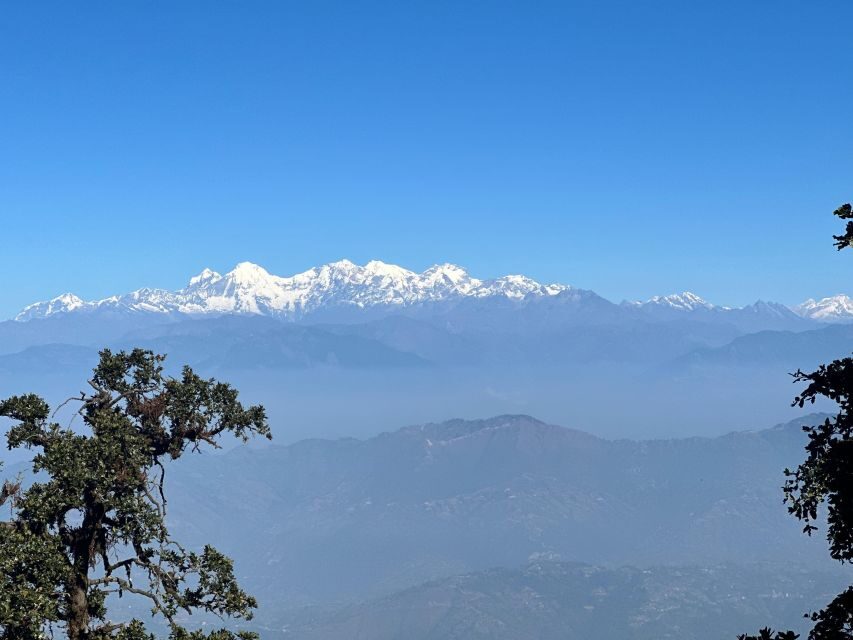
Then the next day pushes you toward Ghorepani. You’ll trek through places like Banthanti for lunch and continue to Ghorepani, another Magar village. This section also gives you your first real “range reveal.” From Ghorepani, you can see the Annapurna and Dhaulagiri ranges, which is a big deal because it confirms what you’re actually chasing.
One small thing I’m grateful for in an itinerary like this: it doesn’t treat the villages as a blur between checkpoints. You’re staying in places with names for a reason, and that helps you slow down enough to notice how trail life works.
Poon Hill sunrise: your early-morning payoff
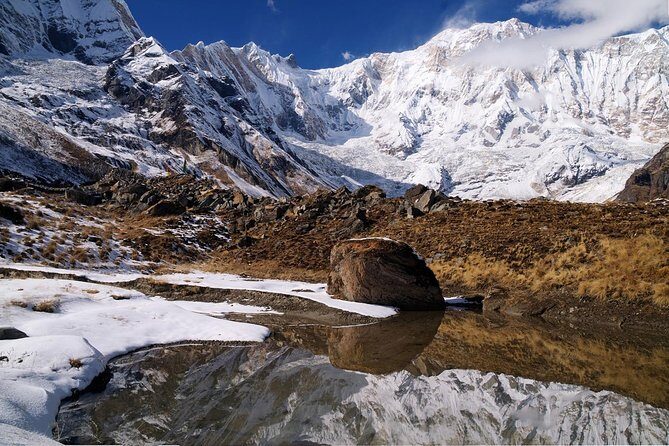
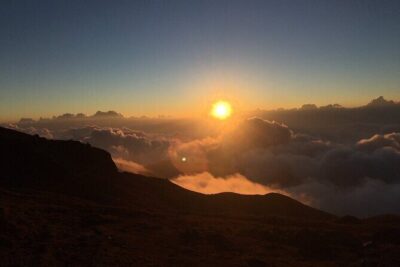
Before the main base-camp push, you wake very early for Poon Hill. This viewpoint is famous for a reason: sunrise over the Himalayas creates that brief, sharp moment where everything looks unreal, even if you’ve seen mountains in photos your whole life.
From Poon Hill, you descend back toward Ghorepani for breakfast, then move on to Tadapani. Tadapani is a Gurung village, and the route explicitly calls out options to stay in a homestay to learn local Gurung culture. You won’t be forced into it, but the option is there, and that’s valuable because this trek is more than hiking—it’s also the chance to see how people live around the mountains.
This day also sets your body up for the longer stretches ahead. You get an intense view first, then you return to work, which is the right order.
Chhomrong and Sinuwa: where the trail turns serious
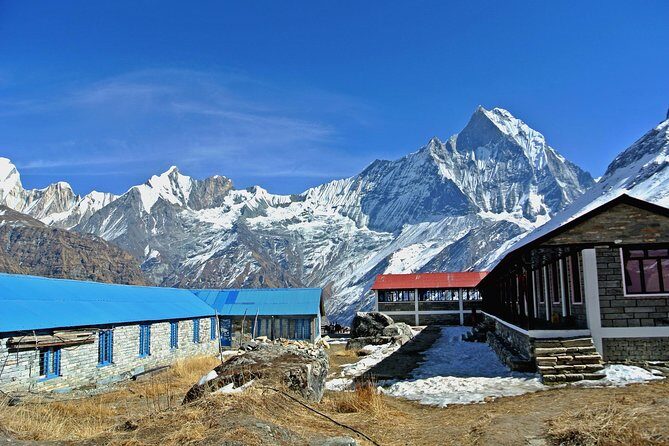
From Tadapani you climb through the forested Modi valley toward Chhomrong, one of the largest settlements in the Annapurna region. You’ll pass Gurung settlements such as Chulie and Gurjung, stop for lunch at Talung, then climb to Chhomrong via lots of stairs.
Chhomrong tends to feel like a turning point because it combines village life with a more rugged trekking mood. You’re still in the human world, but you’re also getting closer to the part where the mountains get louder and the air gets thinner.
Then you head toward Sinuwa, crossing the Chhomrong Khola and ascending through rhododendron and oak forests. After lunch in Bamboo, the route continues through more forested sections and brings you to the teahouse cluster area near the final approach—called Himalaya on this itinerary, with lodges and teahouses.
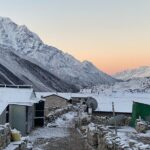
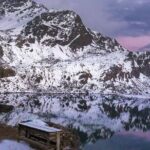
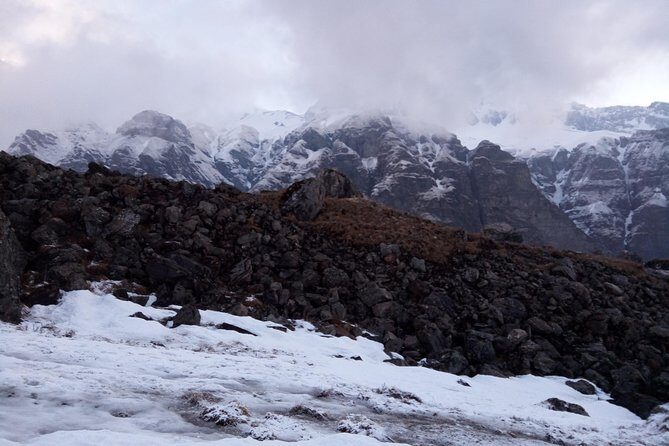
A heads-up: as you get higher on this route, the terrain gets tougher. The plan notes that parts of the trail are rugged and that snow may be visible in some sections. That doesn’t mean you’ll face a winter storm, but it does mean you shouldn’t underestimate cold and traction.
Annapurna Base Camp day: Hinku cave, Machhapuchhre views, then the big arrival
The base-camp day is the headline. You start seeing vegetation thin out as elevation increases—trees fade, and alpine scrub takes over. That change matters because it’s one of the clearest signs that your effort is translating into a different mountain world.
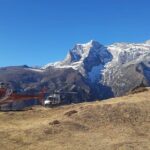
On the approach, you pass the Hinku cave. Later you move toward Machhapuchhre Base Camp, where you get a view of the Machhapuchhre massif (listed at 6,993m). From there, you’re only a few hours from Annapurna Base Camp.
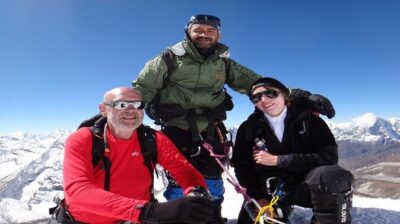
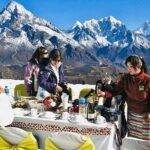
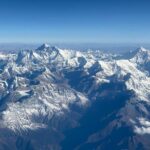
Once you arrive, you’re at a vantage point for a wide view of Annapurna, Dhaulagiri, and Manaslu. The itinerary also includes interacting with campers at the base camp, which gives the place more texture than just a photo stop. You’ll spend the night right there, so you can soak in the atmosphere when the day crowds thin out.
Practical note: base-camp weather can shift quickly, and you’ll feel the cold at night even if your afternoon hiking felt manageable. Bring layers and wear something warm between climbs.
Descent to Bamboo and Jhinu hot springs: the smartest recovery move
The day after base camp is not a celebration hike. It’s a purposeful descent. Morning views are part of the deal, with sunrays lighting the Himalayas, then you bid goodbye and head down to Bamboo. The plan is mostly downhill and includes a lot of down climbing. That’s where poles help and where slow foot placement saves your shins.
Bamboo is a small settlement, and the route notes the shift back toward lush vegetation as you descend. You’ll likely feel the difference in your body too: less altitude stress, more leg fatigue.
Then comes the reset: Jhinu Danda and the hot springs. From Bamboo you climb toward Khuldighar (including mention of an experimental sheep farm), descend through rhododendron fields to Sinuwa, then ascend steeply to Jhinu. The reward is the natural hot springs at Jhinu, described as especially refreshing for aching legs.
I think this is a smart design choice because the hot springs day lines up with when you’re most likely to feel tired. You’re still in trekking mode, but you’re also finishing the descent loop, and the springs help you bounce back so your final travel days feel easier.
Pokhara and Kathmandu wrap-up: use the downtime wisely
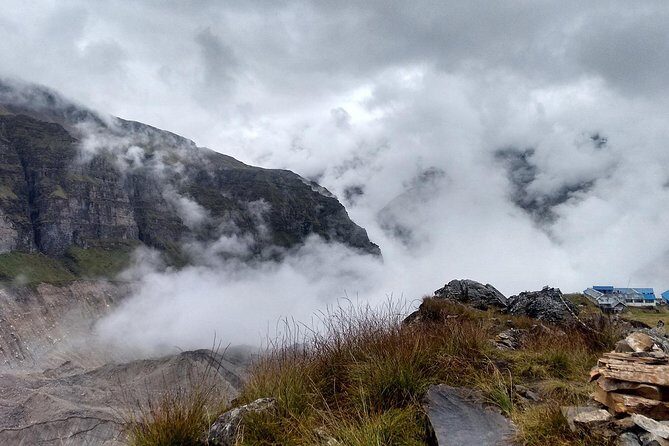
After trekking ends, you drop back to Pokhara. The route descends to Birethanti, then you continue walking back to Nayapul, where your representative transfers you to your Pokhara hotel. The itinerary includes a sightseeing window in Pokhara too—like Phewa Lake and the World Peace Pagoda—plus the chance to relax before the return to Kathmandu.
Back in Kathmandu, you drive for about 6 hours, with a typical hilly highway view out the window. In the evening, Thamel is still there for souvenirs, snacks, and one last look at the city energy before you fly out.
On the final day, you get a brief session with your representative and then a drop-off at Tribhuvan International Airport. Simple, direct, no last-minute chaos.
Price and value: what $871 includes (and what to plan for)
At $871 per person, this is positioned as a guided, gear-supported trek with a private-transport approach in the main city segments. The value is strongest in the parts you’d otherwise pay extra for or scramble to arrange yourself:
Included items you’ll feel:
- Private transportation (Kathmandu and Pokhara stages)
- All fees and taxes
- First aid kit
- Sleeping bags and down jackets (huge for comfort if you don’t want to buy gear)
- English-speaking guide and the guide’s expenses
- Meals: 3 breakfasts and 11 lunches (dinner isn’t listed as included)
Not included, and you should budget:
- Travel insurance
- Nepal visa fee
- Tipping for guide(s), porter(s), and driver(s)
Why the gear inclusion matters: a lot of people underestimate how much warmth you need at night and in cold higher segments. Sleeping bags and down jackets provided means you can pack lighter and keep your money for the things you actually want to enjoy.
One more value angle: this is a private tour/activity with only your group participating. That can make it easier to move at a comfortable pace and reduce waiting around.
Possible reality check: the itinerary is described as requiring moderate physical fitness. That doesn’t mean it’s casual. It does mean you’ll benefit if you already walk regularly, and you accept that your days include stairs and downhills, not just scenic pauses.
Should you book this Annapurna Base Camp trek?
If you want an Annapurna Base Camp trip that’s more than trekking dots on a map, this one makes sense. You get Kathmandu UNESCO time, Pokhara breathing room, a sunrise viewpoint at Poon Hill, village travel through Magar and Gurung communities, a true base-camp arrival day, and recovery at Jhinu hot springs.
Book it if:
- you want a guided, gear-supported trek (sleeping bag and down jacket provided)
- you like having a built-in cultural warm-up in Kathmandu rather than arriving and rushing straight to the trail
- you’re okay with lots of stairwork and downhill climbing near the end
Skip or reconsider if:
- you know your knees hate long downhills
- you’re expecting a relaxed walk with minimal rugged stretches
FAQ
Where does the trip start?
It starts at Tribhuvan International Airport in Kathmandu, Nepal.
What time is the start time?
The start time is listed as 7:45 am.
How long is the trek?
The duration is 14 days (approximately).
Do you get pickup and transfers?
Yes, pickup is offered, and the itinerary includes transfers between the airport, hotels, and trekking start areas.
Which Kathmandu UNESCO World Heritage sites are visited?
The itinerary highlights major UNESCO World Heritage sites in Kathmandu Valley, including Kathmandu Durbar Square and Swayambhunath. It also lists visits to Pashupatinath and Boudhanath.
What’s the trekking highlight at the top?
The biggest highlight is reaching Annapurna Base Camp, with views of Annapurna, Dhaulagiri, and Manaslu, plus stops like Hinku cave and Machhapuchhre Base Camp.
Is Jhinu hot springs included?
Yes. Jhinu Danda is part of the trek, and the hot springs are described as a refreshing break for your legs.
What’s included in the price?
Included are private transportation, all fees and taxes, a first aid kit, sleeping bags and down jackets, an English-speaking guide, and meals (3 breakfasts and 11 lunches).
What is not included?
Travel insurance, the Nepal visa fee, and tipping for guide(s), porter(s), and driver(s) are not included.