REVIEW · KATHMANDU
Annapurna Base Camp Trekking
Book on Viator →Operated by himalayan sanctuary adventure private limited · Bookable on Viator
One of the best ways to do Annapurna is to remove the stress first. This private 14-day trip strings together Kathmandu UNESCO sites, a smooth route down to Pokhara, and then the classic trek to Annapurna Base Camp, with a guide and porters handling the hard parts. You also get real flexibility to tweak timing along the way.
Two things I’d gladly put at the top of your list are the all-inclusive food and lodging on trek nights (teahouse breakfast, lunch, and dinner) and the private guide’s attention, plus porters to carry your gear at a practical 2 trekkers to 1 porter ratio. My one caution: this is not a couch-to-base-camp fantasy—expect a moderate fitness level and long, early days, and note that hot water and many extras cost extra.
In This Review
- Key Highlights That Matter (Not Just Nice-Sounding Bullets)
- Price and Logistics: What $899 Really Buys You
- Your Kathmandu Warm-Up: Heritage Sites and Trek Prep
- Pokhara Transfer: The Calm Before the Climb
- Ulleri to Ghorepani: The Trail Starts Gently, Then Knows Your Name
- Poon Hill Sunrise and Tadapani: Worth the Early Alarm
- Chhomrong: Where the Trek Feels Like a Real Nepal Mountain Village
- Dovan to Deurali: Forest, Rivers, and the Trek’s Middle-Mountain Mood
- Annapurna Base Camp Day: The Goal, Plus the Important Part After It
- Bamboo Back to Jhinu Danda: Hot Springs as a Real Reward
- Pokhara and Kathmandu Wrap-Up: Travel Days That Don’t Feel Like a Free Fall
- What Makes This Trek Feel Private (and Why You’ll Care)
- The Fitness Reality: Moderate Means You Should Train Your Legs
- Packing and Extra Costs: The Stuff Not Included
- Should You Book This Annapurna Base Camp Trek?
- FAQ
- What’s included in the trek package price?
- Are meals included on the trek?
- Are hot showers and hot water included?
- Do sightseeing entrance fees in Kathmandu cost extra?
- What transport do I use between Kathmandu and Pokhara?
- What time does the experience start?
- Do I need a certain fitness level?
- Are tips included for guides and porters?
- What’s the cancellation policy?
Key Highlights That Matter (Not Just Nice-Sounding Bullets)
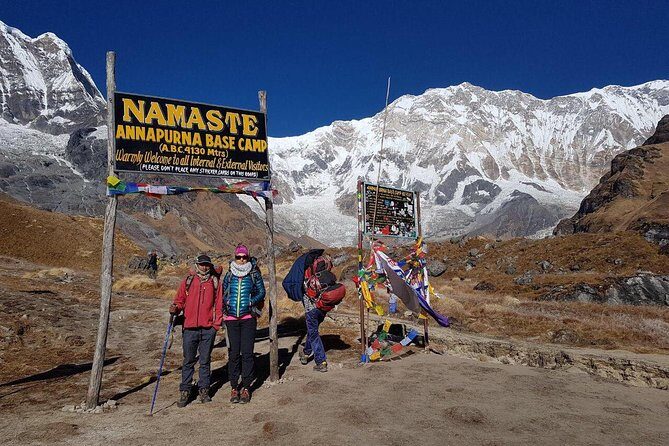
- Private guide plus porters: You’re not negotiating trails and timing on your own, and luggage isn’t your problem.
- Food is mostly handled: Teahouse stays include breakfast, lunch, and dinner on trek days.
- Kathmandu heritage before you hike: Pasupatinath, Boudhanath, Patan Durbar Square, and Swayambhunath set the cultural tone fast.
- Permits handled end-to-end: ACAP and TIMS paperwork (plus government/local taxes) are included.
- Teahouse-to-teahouse trekking: You sleep in villages and lodges along the Annapurna route rather than camping.
Price and Logistics: What $899 Really Buys You
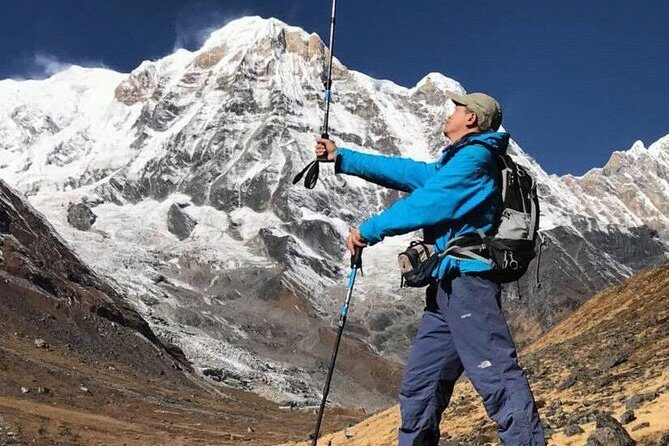
At $899 per person, this trek is priced like a full-service package, not a bare-bones booking. You’re paying for the pieces that usually take time, emails, and uncertainty to arrange yourself: airport pickup, Kathmandu and Pokhara hotel nights, transport between Kathmandu and Pokhara, permits, and an English-speaking trekking guide with porters.
A big value point is what’s included during the trek itself. You don’t just get a bed—you get teahouse accommodations plus meals (breakfast, lunch, dinner). That matters in Nepal because trail days can be long, weather can slow plans, and “figuring out dinner” becomes an annoying job after you’ve already hiked all day.
The tradeoff is that a few everyday costs aren’t included: hot water, cold drinks, phone calls, laundry, beer/bar bills, and things like battery recharging. Entrance fees for Kathmandu sights also aren’t included. In practice, that means you should bring some extra cash for comfort items and small convenience costs you’ll want along the route.
You can also read our reviews of more hiking tours in Kathmandu
Your Kathmandu Warm-Up: Heritage Sites and Trek Prep
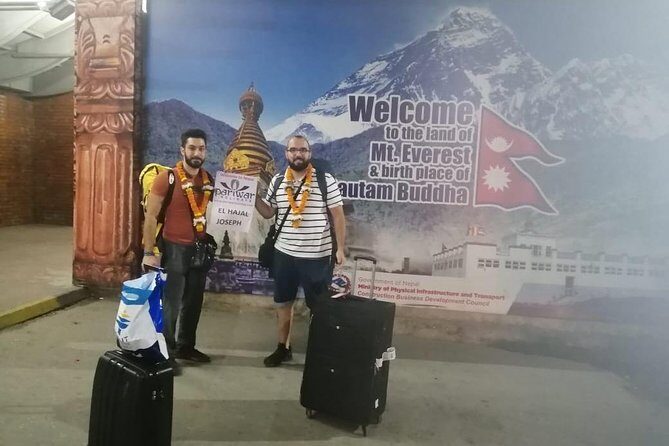
Day 1 is airport-to-hotel with pickup from Tribhuvan International Airport. It’s a simple start, but it sets the tone: someone else handles arrivals so you can sleep, eat, and reset.
Day 2 is a packed heritage day across four UNESCO-listed stops:
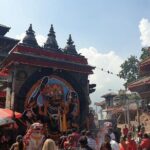
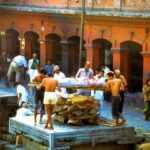
- Pashupatinath Hindu Temple: Sacred Hindu pagoda-style temple complex on the Bagmati River. If you’re new to Nepal, this is one of the quickest ways to understand the country’s spiritual gravity.
- Boudhanath Stupa: The huge stupa dominates the area, and it’s known for its distinctive design and the way pilgrims move through the space.
- Patan Durbar Square: Palace courtyards and stone temples. It’s a more relaxed feeling than Kathmandu’s busiest core, but it still gives you that sense of old Nepal right in the middle of the city.
- Swayambhunath (Monkey Temple): The stupa on a hill, with the valley view and the monkeys that will absolutely steal your attention.
Why this matters for your trek: you’re building a mental picture of Nepal before you chase altitude. It also helps you get daylight time and normal meals on your clock before the physically demanding portion begins.
After sightseeing, you’re not left scrambling—this is the day that functions like a gear-and-walking warm-up, both logistically and mentally.
Pokhara Transfer: The Calm Before the Climb
On Day 3 you’ll travel from Kathmandu to Pokhara by tourist bus/coach. You’ll typically be collected from your hotel around 6:30–7:00 am depending on the day’s schedule, then head out early because it’s a long day.
Pokhara is less hectic than Kathmandu and functions as the gateway town for the Annapurna region. You’ll get your first big change of scenery, and that matters: it’s easier to commit to the trek once you feel like you’re truly out of city life.
This is also where the trek team’s rhythm starts. You’ll move from city time (temples, meals, buses) into trail time (check the route, pack smart, and start walking with purpose).
Ulleri to Ghorepani: The Trail Starts Gently, Then Knows Your Name
Day 4 begins with a drive from Pokhara to Nayapul, then a short walk along the Modi Khola before reaching Birethanti (1,015 m). This day is a warm introduction: you’re climbing, but you’re not yet in the grind.
The trail then continues toward villages like Hille (1,495 m) and ends near Tikhedhunga (1,570 m). Think of it as your first lesson in Nepal trekking—short climbs, village steps, and getting your breathing to sync with the path.
Day 5 shifts gears. You’re heading toward Ulleri, passing through Magar village areas, then moving into oak and rhododendron forest. This is a more classic uphill day with multiple altitude gains as you work toward Ghorepani (2,840 m).
One practical note: this is where your footwear and trekking rhythm start to matter. If you rush, you’ll pay later. You’ll do better if you treat it like “steady effort,” not “race and recover.”
Poon Hill Sunrise and Tadapani: Worth the Early Alarm
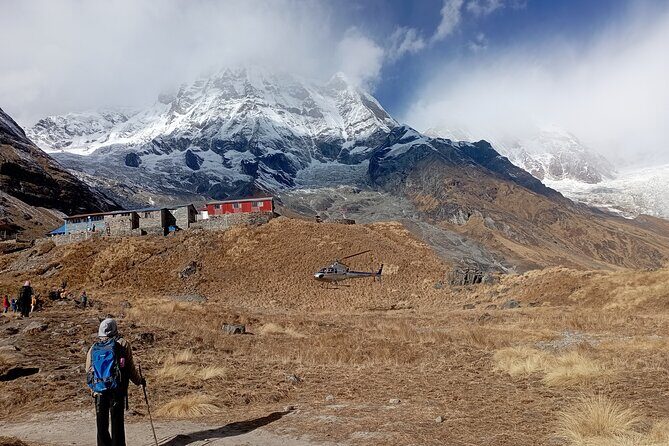
Day 6 is split into two parts: a very early hike to Poon Hill (3,210 m) and then the trek onward to Tadapani (2,700 m).
Poon Hill is the common early-morning viewpoint for good reason. You go up before the day fully wakes, aiming for sunrise over the Himalayan range. Even if clouds show up, the experience of being up there early—cool air, quiet trails, and the first mountain-light—is usually the payoff.
Afterward, you retrace back toward Ghorepani for breakfast, then continue east and downhill-ish through rhododendron forests and waterfall sections to reach Tadapani.
This day is a good “check your body” day. If your legs hate the early climb, you’ll learn that here and can adjust your pace for later days.
Chhomrong: Where the Trek Feels Like a Real Nepal Mountain Village
Day 7 drops you into the rhythm of rhododendron and terraced fields. You start with a descent through rhododendron forest, then the scenery opens into fields and village trails.
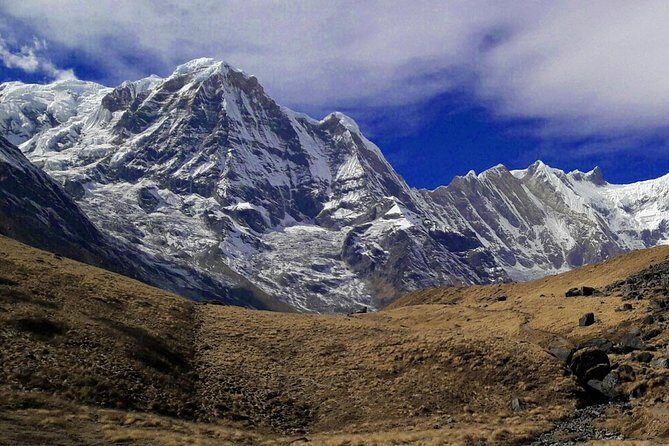
The route includes a suspension bridge crossing, and you’ll also start seeing how villages are built around the trek corridors. You end at Chhomrong (2,170 m), a village right below the big Annapurna mass.
This is often the moment when the trek starts to feel more “you’re living here for a while” and less “you’re hiking through.”
And yes, you’ll likely feel those stone steps and uneven village paths. The good news is you’re not alone—your guide is there to help set pace and keep you moving safely.
Dovan to Deurali: Forest, Rivers, and the Trek’s Middle-Mountain Mood
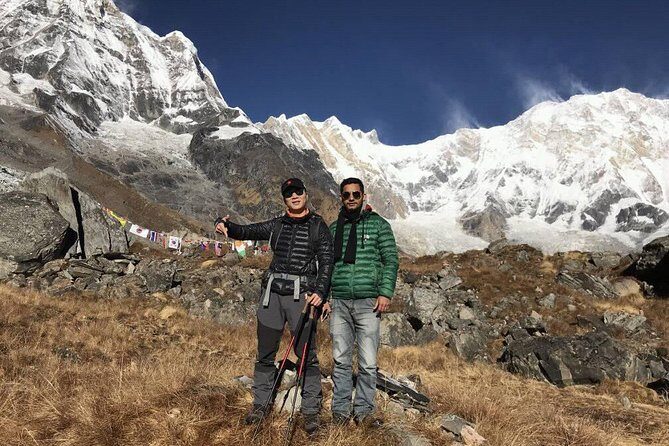
Day 8 moves through bamboo forest that can feel damp and cold, then uphill sections that are sometimes steep. You’ll reach a point where the forest opens, and views show up again—this is where people start looking forward to the “next turn” because the terrain keeps changing.
The walk passes points like Hinku Cave and continues with a mix of river valleys and climbs. You end at Dovan, with views toward Dhaulagiri mentioned in the route description.
Day 9 follows a steady climb through the valley area toward Deurali. The trail can be rocky and close to cliff lines in places, so this isn’t a “casual stroll” day even if it’s not the longest on paper.
This stretch is often where I tell people to keep your expectations grounded. You don’t always get full dramatic mountain views every hour. Some days you earn them with effort, patience, and concentration on footing.
Annapurna Base Camp Day: The Goal, Plus the Important Part After It
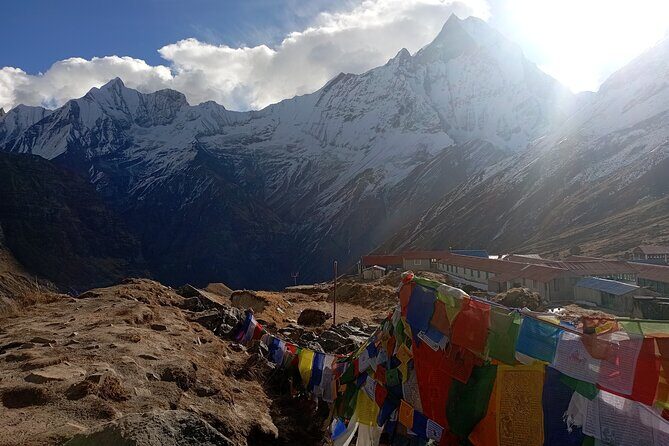
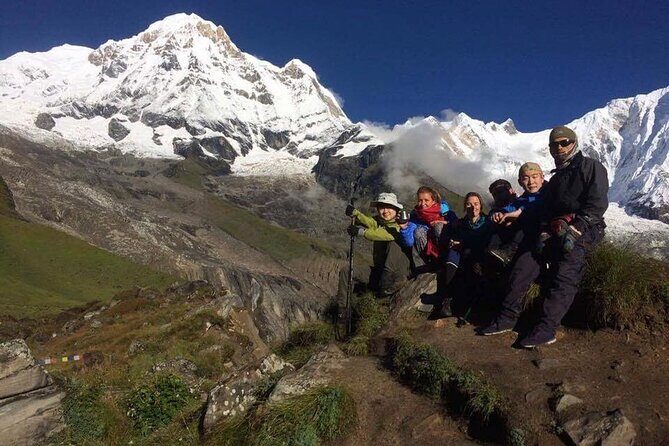
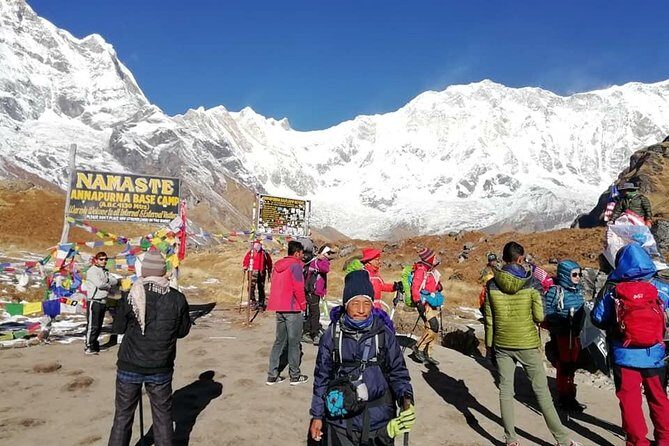
Day 10 is the day you reach Annapurna Base Camp. Your route description points to a relatively direct, uphill-to-base-camp feel in the final push.
The practical reality of this kind of day is that the mental payoff is huge, but you also need to manage the physical cost. You’ll have spent energy getting there, and then the schedule turns toward return.
Day 10 continues into the downhill phase after base camp, passing Machhapuchhre Base Camp, Deurali, Himalayan Hotel, and Doban, and then ending the night at Bamboo. That’s a lot of names, but the point is simple: the trek shifts from climbing to controlling your speed and protecting your knees.
This is also where weather can change the plan. One of the past experiences linked with this style of trek notes that weather prevented going further than planned. So I’d treat “base camp day” as the goal, but also accept that nature sometimes writes the final draft.
Bamboo Back to Jhinu Danda: Hot Springs as a Real Reward
Day 11 brings a return along the route, retracing steps back toward Chhomrong, stopping for lunch, then descending toward the Modi Khola valley area.
Day 12 is Jhinu Danda hot spring time. You’ll trek from the trail area to Jhinu Danda (hot spring stop), with an afternoon/evening chance to soak. The route description specifically calls out the hot springs and the hill scenery around western Nepal.
This is one of the best “why this trek is worth it” moments. Trekking is physical. Recovery matters. If you’ve done your best pacing earlier, you’ll feel the relief here.
Pokhara and Kathmandu Wrap-Up: Travel Days That Don’t Feel Like a Free Fall
Day 13 is drive back to Pokhara after you complete the trek, with overnight in Pokhara.
Day 14 returns to Kathmandu by tourist bus after breakfast. It’s a long drive, and the schedule points to several hours of travel time.
Why this structure is helpful: you don’t end the mountains and instantly jump into long-city chaos. You get one night to sleep, hydrate, and re-orient, then you head back with normal city logistics.
What Makes This Trek Feel Private (and Why You’ll Care)
This is a private tour/activity where only your group participates. That matters more than people think. It’s easier to:
- keep a steady pace without crowd pressure,
- ask questions and get quick feedback from your guide,
- and adjust timing when conditions change.
In past feedback for this kind of trip setup, guide names like Bishnu Bhatta and Vishnu come up, along with mentions of friendly guides such as Prem dai. The common thread in those comments is practical support: helping with comfort, keeping things organized, and generally making the trek easier to handle for non-hardened hikers.
The Fitness Reality: Moderate Means You Should Train Your Legs
The tour is listed as requiring moderate physical fitness. That means you should be prepared for:
- repeated uphill/downhill days,
- early mornings,
- long trail time,
- and the fact that “rest stops” still require walking to reach them.
The itinerary includes days of 4–7 hours trek time, plus travel days with early departures. You don’t need to be an athlete, but you do need to be honest about your endurance.
If you’re coming from a low activity baseline, do a stair or incline routine for a few weeks before your trip. Even short hikes with a daypack can make a noticeable difference.
Packing and Extra Costs: The Stuff Not Included
Some important items aren’t in the included cost. The tour doesn’t include hot water, cold drinks, phone calls, laundry, or beer/bar bills. It also doesn’t include entrance fees for Kathmandu sightseeing, and tips for guides and porters are not included.
Here’s how I’d handle this in real life:
- Budget a small daily amount for trail and hotel extras.
- Bring a water plan you’re comfortable with, since bottled/boiled water and battery recharge are listed as not included.
- Plan to carry cash for small purchases where needed.
Also, the route description emphasizes teahouse meals during trek days. That’s a great setup, but you’ll still want to listen to your body and keep expectations realistic about water and food choices at altitude.
Should You Book This Annapurna Base Camp Trek?
I think you should book if you want a structured trek where logistics, permits, and food are handled for you, and you like the idea of a private guide plus porters so you can focus on walking and enjoying the mountain days. The Kathmandu heritage add-on is also a strong fit if you want Nepal culture right away, not as an afterthought.
I’d hold off or look closer if you know you don’t like early mornings, long drive days, and steep stairs/uneven village trekking. Also, since weather can disrupt trekking progress on some departures, you’ll want the right mindset: flexible expectations, slow and careful pacing, and a willingness to adjust if conditions demand it.
If you match the moderate fitness level and want real value from an organized package, this is the kind of Annapurna trek that lets you spend your energy where it counts—on the trail.
FAQ
What’s included in the trek package price?
The price includes airport pickup, Kathmandu and Pokhara 3-star hotels with breakfast, and teahouse accommodations during the trek with breakfast, lunch, and dinner. It also includes tourist coach transportation between Kathmandu and Pokhara, an English-speaking trekking guide plus porters (with their salary, insurance, equipment, flight, food, and lodging), plus permits (ACAP and TIMS) and government/local taxes.
Are meals included on the trek?
Yes. During the trek, teahouse stays include breakfast, lunch, and dinner.
Are hot showers and hot water included?
Hot water is listed as not included. You’ll also need to plan for other comfort extras that aren’t part of the package.
Do sightseeing entrance fees in Kathmandu cost extra?
Yes. Entrance fees for sightseeing are listed as not included.
What transport do I use between Kathmandu and Pokhara?
You use a tourist coach between Kathmandu and Pokhara (and back), and the transfer schedule includes an early bus/coach on the way to Pokhara.
What time does the experience start?
The meeting start time is listed as 6:45 am.
Do I need a certain fitness level?
The tour notes that you should have moderate physical fitness.
Are tips included for guides and porters?
No. Tips for guides and porters are listed as not included.
What’s the cancellation policy?
Free cancellation is available up to 24 hours in advance of the experience start time for a full refund. If you cancel less than 24 hours before, the amount paid is not refunded.