REVIEW · POKHARA
Australian Base Camp Hike For Sunrise over the Himalayas
Book on GetYourGuide →Operated by Snow Peak Tours and Travels pvt. ltd. · Bookable on GetYourGuide
That sunrise hits hard. This early hike from Kande to Australian Camp is built for one thing: a 360° Annapurna sunrise view above Pokhara’s fog.
I like two parts a lot. First, the human touch—guides (including Moti Thapa) set a pace that feels right and help with photo timing and framing. Second, the payoff at the top: Machhapuchhre (Fishtail) and the Annapurna peaks glowing in the morning light.
The main catch is the start time. You’re up very early for a moderately uphill climb, so if you don’t love brisk mornings, you’ll want to lean into breaks and a steady pace.
In This Review
- Key moments that make the hike worth it
- Why this sunrise hike feels different than a standard morning walk
- Getting to Kande from Pokhara: pickup, timing, and what 5 hours really means
- The hike up from Kande: forests, villages, and a climb you can control
- Australian Camp at sunrise: the peaks you’ll actually try to spot
- Descending back to Kande: easier legs and a smoother finish
- The guide experience: why Moti Thapa is praised so often
- Price and value: what you get for $64 per person
- What to bring (and how to stay comfortable on a dawn hike)
- Who should book this sunrise hike?
- Should you book this tour?
- FAQ
- FAQ
- How long is the sunrise hike experience?
- Where do you get picked up in Pokhara?
- How do you reach Kande, the hike starting point?
- How difficult is the hike from Kande to Australian Camp?
- How long does it take to walk up to Australian Camp?
- What do you see at Australian Camp during sunrise?
- Are there places to rest or get refreshments at Australian Camp?
- What’s included in the price of $64 per person?
- What’s not included?
- What ID do I need to bring?
Key moments that make the hike worth it
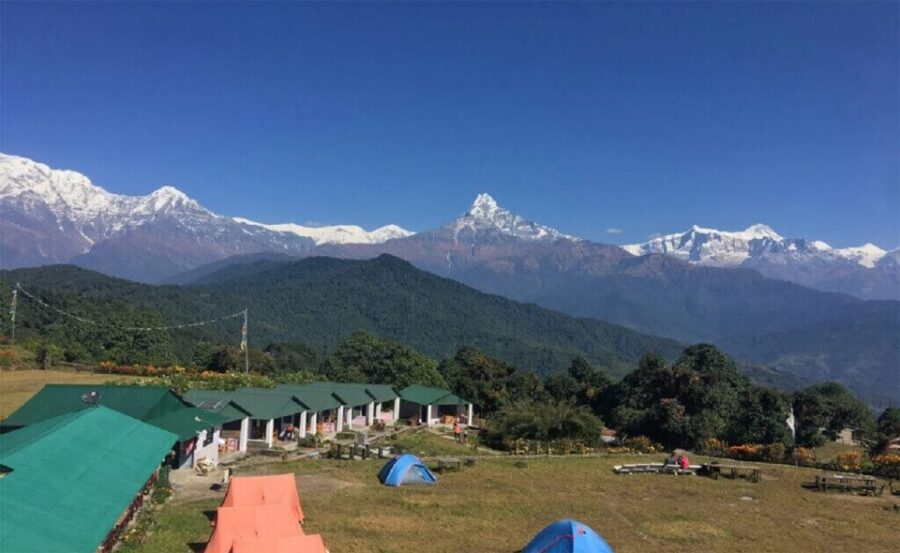
- 360° Annapurna sunrise from Australian Camp with peaks like Annapurna South and Hiunchuli in view
- Above-the-clouds feeling over Pokhara as fog rolls through the valley
- A moderate climb through forests and villages you can enjoy even if you take it slow
- Photo-friendly stops and guidance—Moti Thapa is specifically praised for helping with pictures
- Teahouses at the camp for a well-timed rest and simple refreshments
- Wildlife sightings are possible (one deer sighting was highlighted)
Why this sunrise hike feels different than a standard morning walk
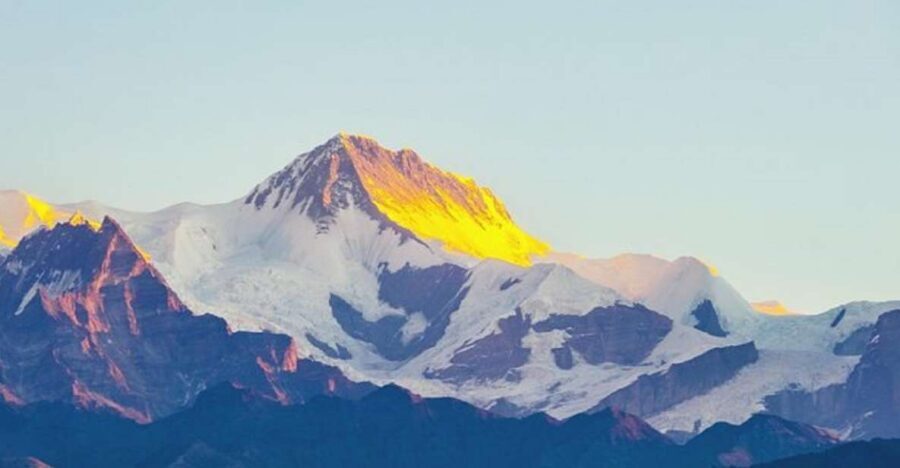
Most sunrise trips promise big views, but this one adds an actual hiking element that makes the moment land harder. You’re moving upward from Kande toward Australian Camp, so when the horizon opens up, it feels earned—not just watched from a bus window.
I also like that the scenery is mixed: you’re not only walking toward mountains. You pass through forests, terraced fields, and small villages, so the hike itself stays interesting while you’re waiting for dawn.
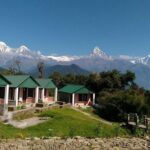
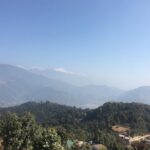
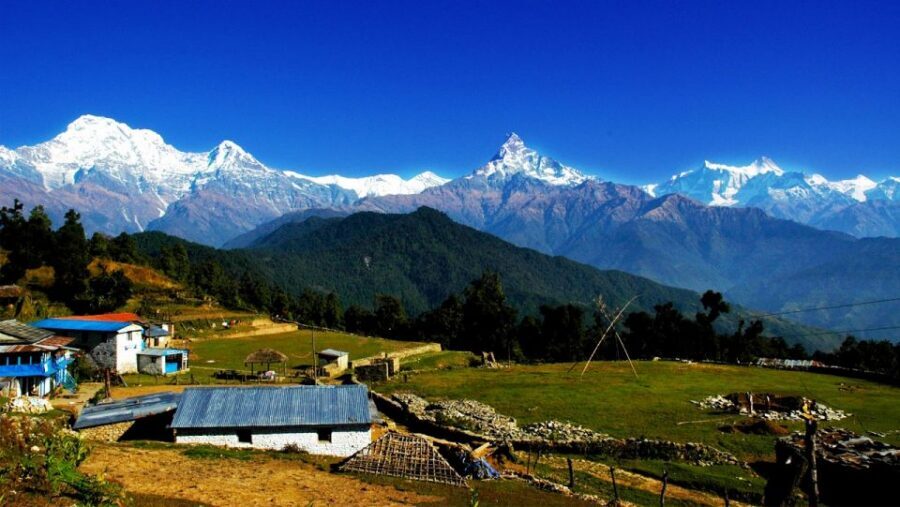
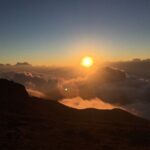
The real reward is the view. From Australian Camp, the Annapurna range stretches across the morning sky in a full panorama. And because you’re positioned above the Pokhara fog, the valley can look like a sea of clouds around you.
You can also read our reviews of more hiking tours in Pokhara
Getting to Kande from Pokhara: pickup, timing, and what 5 hours really means
This experience is scheduled around sunrise, so your exact departure time shifts with the season. What’s consistent is the rhythm: hotel pickup in the early morning, a short ride to the trail start, then a hike up timed for the light.
Your pickup is offered within the Lakeside and Sarangkot areas, with drop-off also in the Lakeside area (Lakeside Rd 6 / Lakeside Road). The drive is quick—about 30 to 40 minutes—to reach Kande, which acts as the staging point for the hike.
Even though the hike blocks are shorter, the total duration is listed as 5 hours. That makes sense when you include the drive, the ascent, time at the viewpoint waiting for the best light, and the downhill return.
The hike up from Kande: forests, villages, and a climb you can control
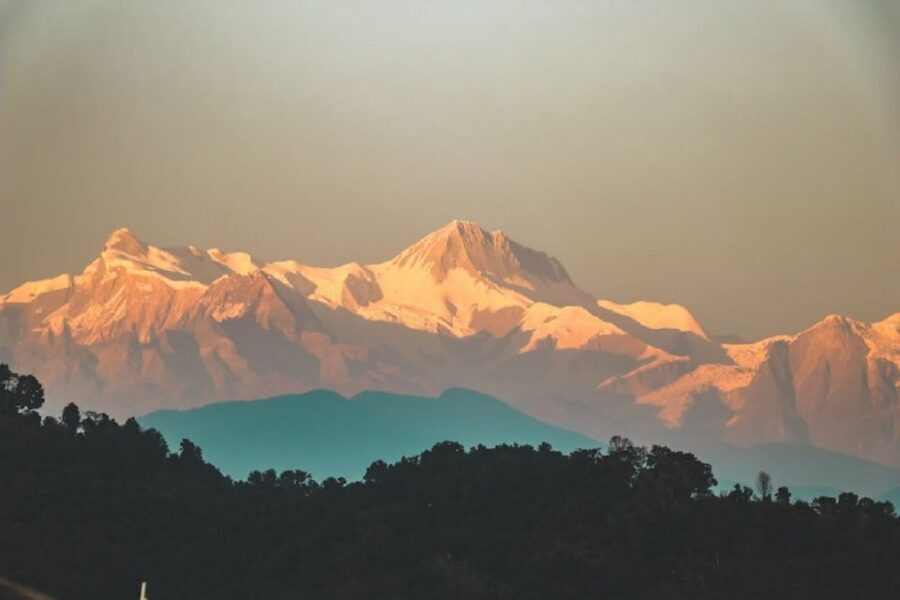
The climb from Kande to Australian Camp is described as relatively moderate, and your pace drives the experience. The hiking time is typically about 1 to 1.5 hours round-trip for the ascent portion (with the total hike experience structured so you still have time to enjoy the sunrise).
Because it’s early, the air and timing can help with wildlife spotting. You might see animals along the trail, and one deer sighting was specifically mentioned after the guide pointed it out in the wild.
You’ll walk through a mix of nature and everyday life in the Annapurna region—lush forests, terraces, and charming villages along the way. That matters because it keeps you focused while you’re climbing in the dark or early gray light, and it makes the hike feel like more than a straight line to one photo.
Practical takeaway: go slower than you think you need to. If your group needs breaks, you can take them. One guide was praised for anticipating the right pace and stopping when people felt they needed it.
Australian Camp at sunrise: the peaks you’ll actually try to spot
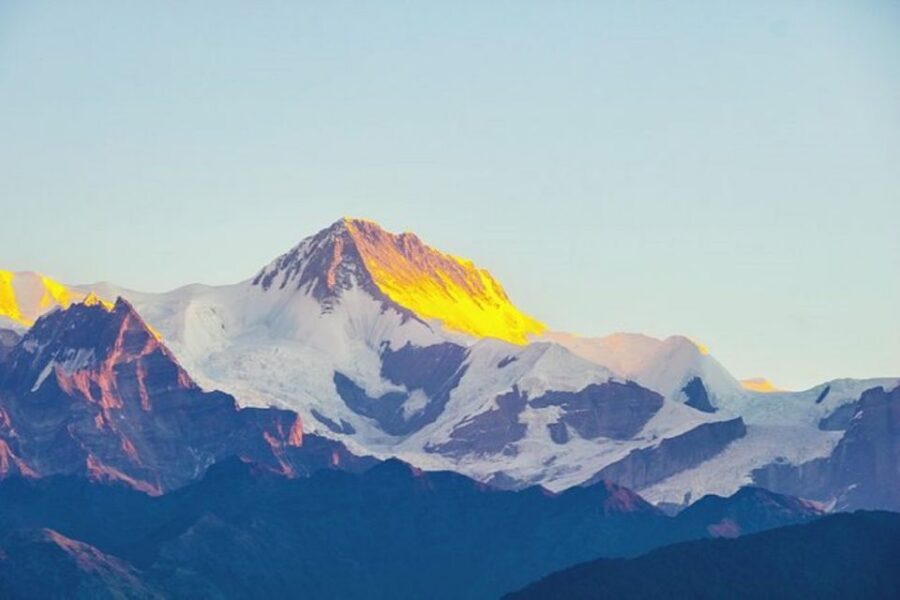
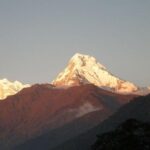
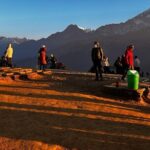
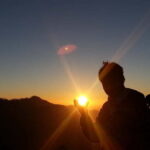
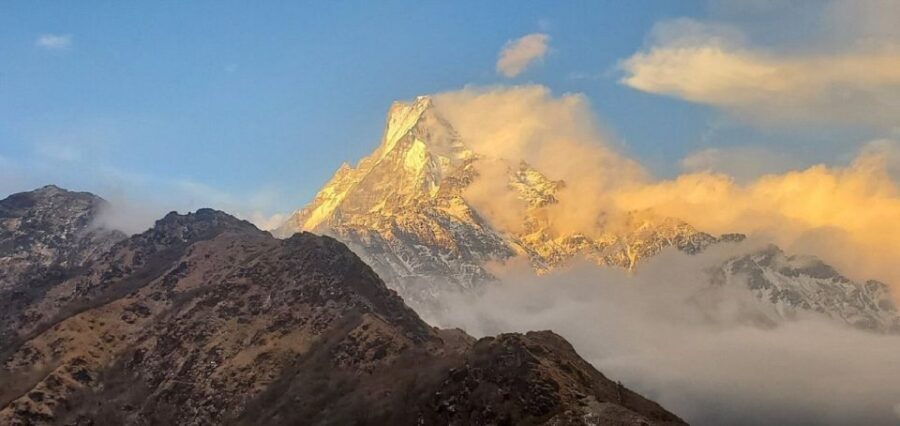
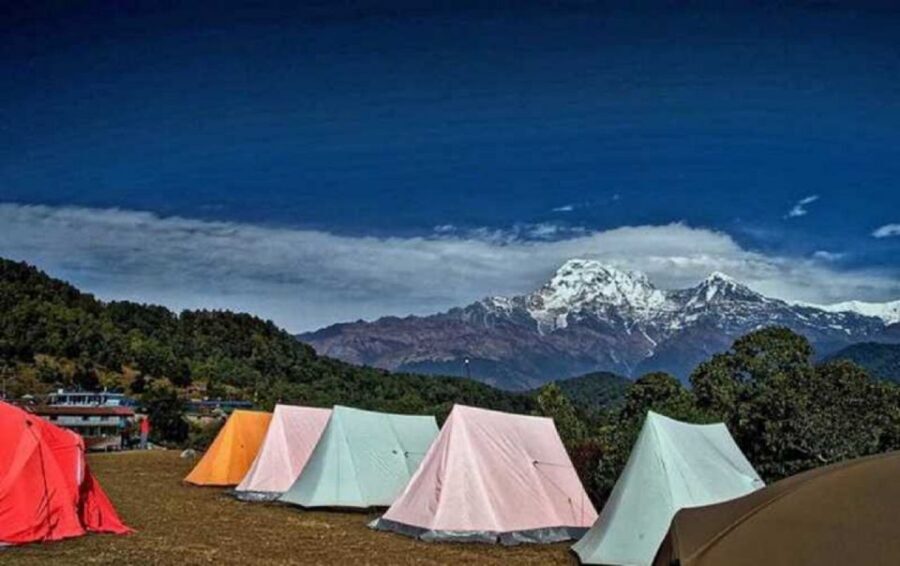
Once you reach Australian Camp, the focus turns fully to the sunrise. The viewpoint is famous for a wide view over the Annapurna Himalayan range, described as a 360-degree panoramic moment.
This is where you’ll want your camera ready and your patience working. Sunrise isn’t instant—light spreads across the peaks, and the view can change minute by minute as clouds and angles shift.
The specific peaks you can look for include:
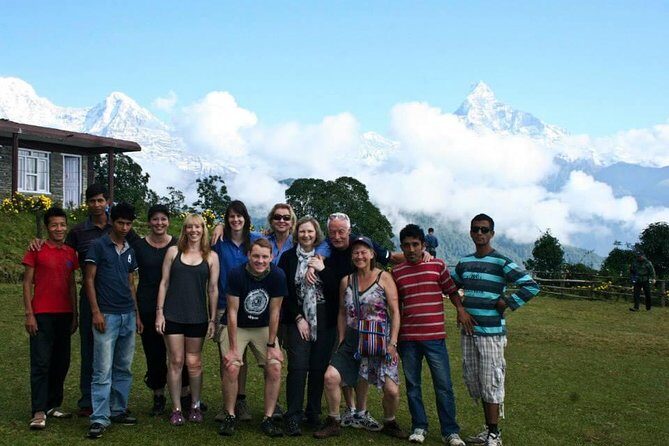
- Machhapuchhre (Fishtail), the iconic jagged silhouette
- Annapurna South
- Hiunchuli
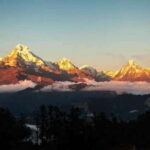
A big part of the magic is the setting. From Australian Camp, it can feel like you’re above the clouds, with fog covering the Pokhara valley below. Even if visibility is imperfect, the morning atmosphere tends to make the mountains look more dramatic than daytime views.
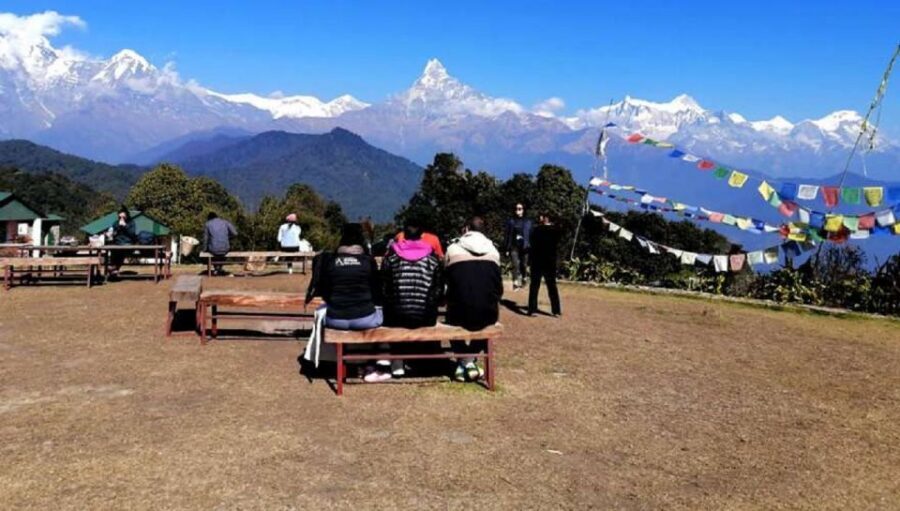
What you do up top also matters. You get time for a photo stop and sightseeing, then you can settle into the camp area to warm up and rest. There are teahouses at the camp where you can take a break and enjoy simple refreshments while you soak in the views.
Descending back to Kande: easier legs and a smoother finish
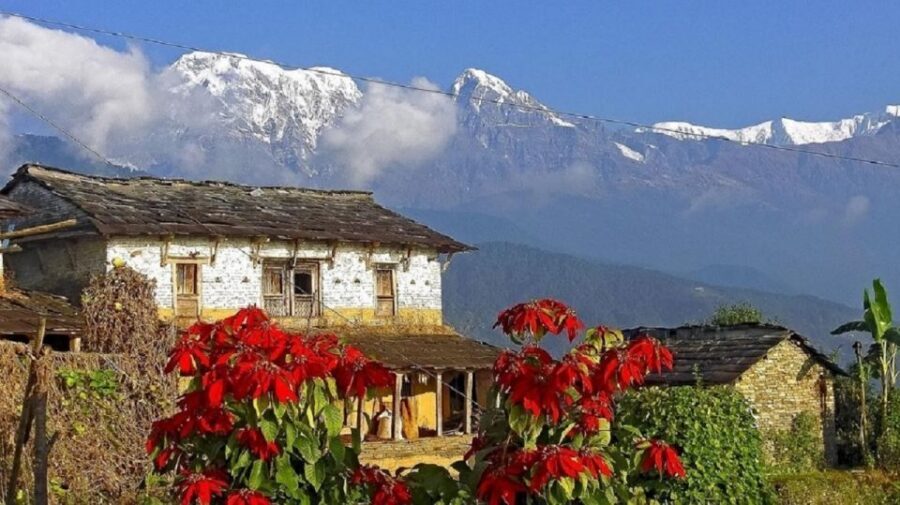
After sunrise time, you head back down to Kande. The downhill is described as easier and quicker, taking around 1 hour.
That downhill segment is more than just logistics. It’s when you can slow down, look back at the route you climbed, and enjoy the trail details without feeling like you’re fighting the clock. You also have a chance to spot wildlife again if conditions are right.
Once you return to Kande, you’ll be driven back toward Pokhara, finishing your sunrise adventure where you started the morning routine.
A few more Pokhara tours and experiences worth a look
The guide experience: why Moti Thapa is praised so often
This kind of hike lives or dies on the guide’s timing and people skills. The best part is when a guide knows how to manage the group’s energy in the dark-to-dawn shift—when the view is far away, but everyone’s motivation is high.
In the feedback you’re working from, Moti Thapa is repeatedly singled out for practical pacing: he anticipated what would work for different walkers and took breaks at times that felt natural. He also helped with photo spots, suggesting where to stand and when to shoot.
There’s also a strong educational element. The guide approach includes sharing facts and stories about Nepal and the surrounding mountains, plus pointing out plants and animals you might otherwise miss. If you like hiking with context, this is the right style.
One more small but meaningful detail: helpers sometimes carry bags, which takes pressure off you when you want to focus on steady steps and not gear weight.
Price and value: what you get for $64 per person
At $64 per person, you’re paying for more than a view. You’re buying a sunrise-timed experience with multiple cost-heavy pieces bundled in.
Here’s the value breakdown you can count on:
- Hotel pickup and drop-off within Lakeside/Sarangkot
- Private vehicle transfer to the trail start area and back (between Pokhara and Kande/Phedi-side access)
- A government-certified English-speaking guide
- Permits and fees
- Bottle of water per participant
- Government taxes and charges
- First aid kit on hand
What’s not included is also clear: lunch and beverages during the trek, plus personal snacks and drinks. So if you’re planning to stay energized, bring your own snack plan or plan to buy something at the camp after the main hike segment.
For the money, the biggest value is the guide + sunrise timing + transport. If you were trying to DIY this on your own, the hardest part wouldn’t be the walking—it would be nailing the early schedule, finding the right pickup/route rhythm, and getting the best viewpoints without wasting time.
What to bring (and how to stay comfortable on a dawn hike)
The essentials are simple. Bring passport or an ID card, since that’s required. You’ll also get water, but you should still plan for your own snacks because lunch isn’t included.
From a comfort standpoint, this is a hike that can feel vigorous if you go too fast. The route is moderate, but you’re starting early and moving uphill. Your best strategy is basic:
- Wear comfortable, reliable walking shoes
- Keep your effort steady rather than sprinting for the first viewpoint
- Take breaks if you need them—the pace is part of the experience
At the camp, expect teahouses where you can rest and grab refreshments. That’s useful if you want a quick pause before the descent.
Who should book this sunrise hike?
This hike is a great match if you:
- Want the Annapurna sunrise without doing a full multi-day trek
- Like short hikes with a big payoff
- Enjoy a guided experience that includes mountain and Nepal context
- Prefer a private group pace rather than feeling rushed
It may not be your best fit if you struggle with very early mornings or if uphill hiking—even moderate—doesn’t feel doable for you. But if you’re willing to slow down and take breaks, it still feels manageable for a lot of people.
Should you book this tour?
If your priority is sunrise over the Annapurna range, I think it’s an easy yes. The mix of early transport, a guided climb, and the Australian Camp viewpoint gives you a high-probability route to a memorable morning—especially if Machhapuchhre and that cloud-over-valley look are on your list.
Book it if you’re ready for an early start and want a guided, well-organized way to get there. Skip it only if you’re the type who hates dawn hikes so much that you’d end up impatient during the climb.
FAQ
FAQ
How long is the sunrise hike experience?
The total experience runs about 5 hours, including pickup, the hike to the viewpoint, time for sunrise viewing and photos, and the return.
Where do you get picked up in Pokhara?
Pickup is available within the Lakeside and Sarangkot areas.
How do you reach Kande, the hike starting point?
You’ll be driven from your pickup area to Kande, which takes about 30 to 40 minutes.
How difficult is the hike from Kande to Australian Camp?
The hike is described as relatively moderate in difficulty. It can feel vigorous if you push your pace, but you can take breaks as needed.
How long does it take to walk up to Australian Camp?
The hike from Kande to Australian Camp takes about 1 to 1.5 hours depending on your pace.
What do you see at Australian Camp during sunrise?
You’ll get sunrise panoramic views of the Annapurna range, including Annapurna South, Machhapuchhre (Fishtail), and Hiunchuli, often with the Pokhara valley fog below.
Are there places to rest or get refreshments at Australian Camp?
Yes. The camp area has teahouses where you can rest and enjoy refreshments.
What’s included in the price of $64 per person?
Hotel pickup/drop-off in Lakeside/Sarangkot, guide service, permits and fees, private vehicle transfers to/from the trail start areas, a bottle of water per participant, taxes, and a first aid kit.
What’s not included?
Lunch and beverages during the trek are not included, and you’ll also cover personal snacks and expenses.
What ID do I need to bring?
Bring a passport or an ID card.