REVIEW · KATHMANDU
Kathmandu City Sightseeing Tour – 6 hours
Book on Viator →Operated by Kathmandu Car Services · Bookable on Viator
One day in Kathmandu can feel like a blur. That is why I like this private loop: you get a dedicated cultural guide and hotel pickup so you spend less time figuring things out and more time seeing what matters. I particularly enjoy the mix of UNESCO sites and lived-in spirituality, from Kathmandu Durbar Square to the stupa scene at Boudhanath. The one thing to plan for is added entrance fees at monuments (not included), which can change your final cost.
You also get a practical pacing advantage. Five major stops are spaced so you can actually absorb them, instead of racing through photo stops with no context. And if your day includes a driver like Mr Suresh or Mr Pulendra, you’ll likely appreciate the combination of safe driving and helpful English explanations along the way.
The downside is simple: it is a long day, mostly outdoors, and a good weather day helps everything run smoothly. If you are short on stamina or you dislike stairs and hills, you should go in knowing there will be some uphill walking—especially near Swayambhunath.
In This Review
- Key Things I’d Prioritize on This Kathmandu Private Tour
- What You’re Really Buying With a 6-Hour Private Kathmandu Circuit
- Kathmandu Durbar Square: Where Royal Power Still Shows Up in Stone
- Pashupatinath Temple on the Bagmati: Spiritual Intensity by the River
- Boudhanath Stupa: Prayer-Wheel Focus and a Temple-City Feeling
- Swayambhunath Hilltop Views and the Monkey Energy
- Patan Durbar Square: Carvings, Royal Remains, and Bronzes in a Museum
- The Car, the Driver, and Why It Makes the Whole Day Easier
- Price and Real Budget: Where the $230 Covers You Well (and Where It Doesn’t)
- Timing, Weather, and How to Stay Comfortable on a Temple-Focused Day
- Who This Tour Fits Best
- Should You Book This Kathmandu City Tour?
- FAQ
- How long is the Kathmandu City Sightseeing Tour?
- What does the price include, and what does up to 10 mean?
- Are entrance fees to monuments included in the tour price?
- Is hotel pickup and drop-off offered?
- Is this a group tour or private tour?
- What happens if the weather is poor or you cancel?
Key Things I’d Prioritize on This Kathmandu Private Tour
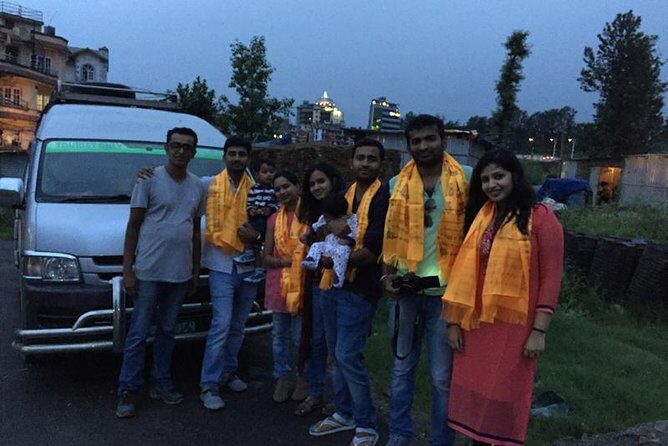
- A private cultural guide in an air-conditioned vehicle so your day stays comfortable and understandable
- UNESCO-heavy route that covers both Hindu temple complexes and Buddhist stupa culture
- Monkey-and-temple contrast between Swayambhunath’s hilltop views and the river rituals at Pashupatinath
- Boudhanath’s stupa atmosphere with prayer wheels and constant religious motion
- Patan Durbar Square’s carving focus plus a museum stop area with bronze statues and religious objects
- Budget for monument entrance fees since sites require a separate per-person ticket cost
What You’re Really Buying With a 6-Hour Private Kathmandu Circuit
This is a private sightseeing tour in Kathmandu for your group (up to 10 people), and it runs about 6 to 7 hours. That private setup matters here. Kathmandu’s sights are spread out, and with hotel pickup and drop-off, you can keep the day simple: you get collected, driven, guided, and returned.
The value is in the combo of logistics plus interpretation. Your English-speaking cultural guide helps you read what you are looking at: why a square mattered, what a stupa represents, and what makes each temple complex distinct. Meanwhile, the air-conditioned private vehicle keeps transit manageable, especially during hotter hours.
You do give up one thing in exchange for convenience: you are responsible for food, drinks, and monument entrance fees. The tour price covers transport, fuel, guide time, and vehicle comfort, but it does not cover ticketed access inside the sites.
You can also read our reviews of more city tours in Kathmandu
Kathmandu Durbar Square: Where Royal Power Still Shows Up in Stone
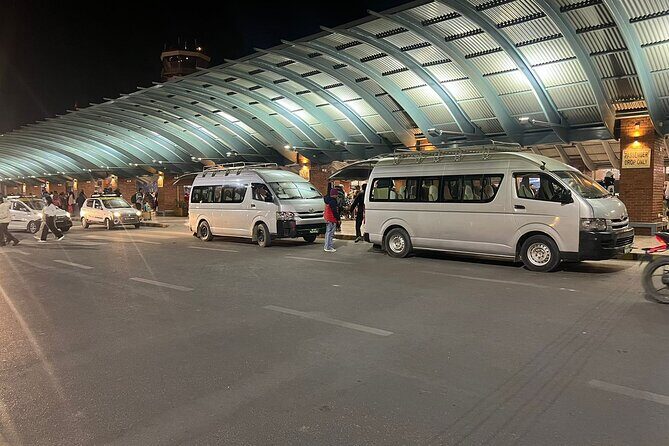
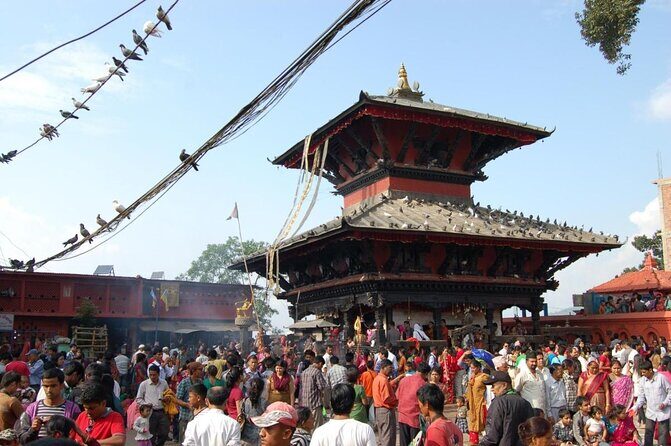
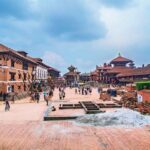
Your day starts at Kathmandu Durbar Square, also known as Hanuman Dhoka Durbar. This is the traditional heart of the medieval town and the former residence of the Nepali royal family and administrators, so you get a snapshot of governance written into architecture.
What I like about arriving here early in a day like this is how quickly the place sets the tone. Even if you only have an hour, you can notice the layered character of the square: it is not just a monument, it is a living public space where history and daily life sit close together.
A practical note: the time on-site is about one hour, and entrance fees are not included. So if you care about going beyond quick looks, think about bringing enough cash or having your ticket plan ready for the museum/monument access that may be required.
Pashupatinath Temple on the Bagmati: Spiritual Intensity by the River
Next is Pashupatinath Temple, one of Nepal’s most famous Hindu temple complexes. It sits on the banks of the Bagmati River, about 5 kilometers northeast of central Kathmandu, and that location shapes the whole experience.
I find Pashupatinath hits differently when you understand you are not just viewing buildings. You are watching a sacred landscape. The river setting and the temple complex together help explain why this is such a magnet for worship. Even in a one-hour visit, the guide’s commentary can help you separate what’s ceremonial from what’s purely architectural.
Two things to keep in mind. First, tickets for this kind of site are not included in your tour price. Second, a temple complex can mean crowds at peak times, so be ready to slow down and move with the flow rather than expect wide-open walking space.
Boudhanath Stupa: Prayer-Wheel Focus and a Temple-City Feeling
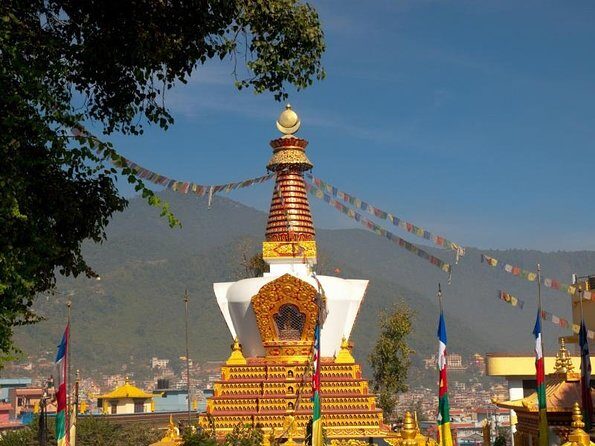
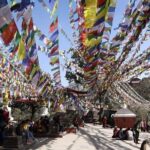
Then you head to Boudhanath Stupa, famous for being one of the largest stupas in South Asia. It is about 36 meters high, and around it you get a ring of monasteries and religious life that makes the area feel like its own world.
This stop is a strong choice for travelers who like spiritual atmosphere more than just big sights. A stupa is not only an object; it is a focal point for religious motion. If you have never seen prayer-wheel culture up close, you’ll likely understand why people stop, watch, and keep watching.
Your visit is about one hour, and again, monument admission fees are not included. If you are budgeting, treat this as a ticketed stop rather than something you can skip paying for. Also remember: if the day is hot or your schedule is tight, you may want to plan for short pauses. The stupa area invites lingering.
Swayambhunath Hilltop Views and the Monkey Energy
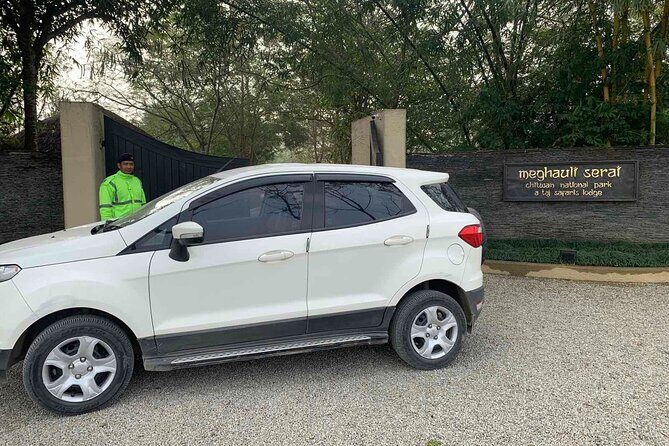
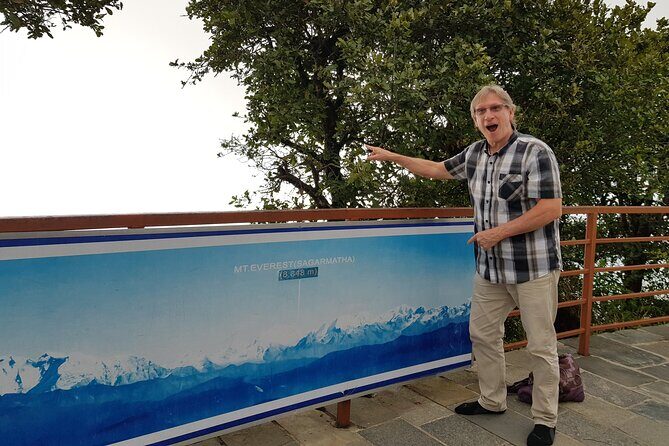
After Boudhanath, you travel to Swayambhunath Temple, perched on a hill west of Kathmandu city. The name is tied to the idea of sublime trees, and even if you do not focus on every plant, the hilltop layout helps you feel why the site became important.
This is one of the most memorable stops on the route for a simple reason: it has that mix of altitude, visibility, and lively surroundings. The area is also known for monkeys, and that means you will probably see more movement around you than at most other sacred sites.
With only about one hour, you will likely want to do two things quickly: (1) take in the hilltop panorama when you get the chance, and (2) let the guide point out what is worth seeing so you do not end up spending all your time just chasing photos. Admission tickets are not included, so factor in the ticket cost for this stop as part of your total.






Patan Durbar Square: Carvings, Royal Remains, and Bronzes in a Museum
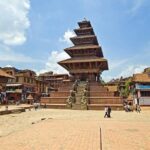
The tour finishes with Patan Durbar Square, another former royal palace complex that anchors Patan’s religious and social life. This stop is particularly rewarding if you like details—because Patan is known for exquisite carvings on temples and shrines.
I like that Patan brings contrast after the more immediate energy of the Kathmandu squares and the river-based ritual focus. Here, your guide can help you read how the carvings and layouts communicate power, devotion, and community identity.
Your time is about one hour, and the area includes a museum with an array of bronze statues and religious objects. Since entrance fees are not included in the tour price, you should plan for the ticket costs if you want museum access rather than only walking the square.
The Car, the Driver, and Why It Makes the Whole Day Easier
This tour includes private vehicle transport, fuel, and hotel pickup and drop-off, which is not a small deal in Kathmandu. Your ride is listed as an air-conditioned vehicle, which matters when the day starts in the city and includes hilltop and temple areas.
In the wider Kathmandu Car Services experience, people have highlighted drivers who combine safety with good English support—names like Mr Suresh and Mr Pulendra come up in positive service stories. That is the kind of driver who does not just drive; they can act as an extra layer of explanation while you are in transit.
Also, this is a private tour, so you are not stuck waiting for strangers to gather or manage different walking speeds. Your group stays together, and your guide can adjust the pace if you want a quick stop for a restroom break or if you need a slower approach due to crowds.
Price and Real Budget: Where the $230 Covers You Well (and Where It Doesn’t)
The tour price is $230 per group, up to 10 people. That pricing can be good value if you are traveling as a small group, because it bundles a private vehicle, fuel, hotel pickup/drop-off, and an English-speaking cultural guide into one package.
Here is the key budget detail: all entrance fees are not included. The tour notes a monument entry cost of $35 per person. That means your final total is not only the $230 group fee; it is the group fee plus tickets per person, depending on how many people are in your party.
Food and drinks are also not included, and lunch is not included. That is normal for a city tour, but it does mean you should plan where you will eat rather than assume a stop is built in. If you want to keep the day smooth, pick a restaurant plan for after the last site, or ask your guide where a good, efficient meal fits your timing.
A good way to think about value: you are paying to replace three headaches—navigation, ticket uncertainty inside sites, and long waits between distant stops. If you want that low-stress approach, this package delivers.
Timing, Weather, and How to Stay Comfortable on a Temple-Focused Day
This tour is designed for a full city-and-temple circuit, so comfort matters. The good news is you get air-conditioned transit between major sites, which helps you recharge while still keeping a full schedule.
Weather is a factor. The tour requires good weather, and if it is canceled due to poor conditions you should expect either a different date or a full refund. That is worth taking seriously because rain or poor visibility can make walking around hilltops and outdoor religious areas less pleasant.
Pacing tip: since each stop is around one hour, you do not want to arrive drained. I recommend treating this like a set of mini-lessons rather than a race. If you want the best payoff from a guide, spend the first few minutes at each site asking yourself what you want to learn there—then let the guide’s commentary connect the dots.
Who This Tour Fits Best
This experience fits best if you want the major Kathmandu sights without the hassle of arranging transport and working out a route on your own. It is also a strong match for groups up to 10 people because the pricing is per group rather than per person for the main tour fee.
It is especially good for people who like context. If you enjoy understanding why a square, stupa, or temple matters—rather than only collecting photos—you’ll get more out of the guide time.
The main mismatch is for people who want purely free, unstructured time. Because the tour is time-boxed with set stops, you are trading spontaneity for efficiency and interpretation.
Should You Book This Kathmandu City Tour?
If you are trying to see Kathmandu’s biggest icons in one day, and you want it done with pickup, private transport, and guided context, this is a solid choice. The price works well for groups, and the route hits the right balance between royal-era architecture, Hindu temple intensity, and Buddhist stupa culture.
I would book it if you care about getting your bearings fast and learning what you are looking at at each UNESCO-style stop. I would think twice only if your budget cannot stretch to the separate $35 per person monument fees, or if you prefer very light walking days.
FAQ
How long is the Kathmandu City Sightseeing Tour?
It runs for approximately 6 to 7 hours.
What does the price include, and what does up to 10 mean?
The price is $230 per group, and it can accommodate up to 10 people. It includes private vehicle transport, fuel, hotel pickup and drop-off, and an English-speaking cultural guide, with an air-conditioned vehicle.
Are entrance fees to monuments included in the tour price?
No. Entrance fees are not included. The tour lists an entrance fee estimate of $35 per person for monuments sites.
Is hotel pickup and drop-off offered?
Yes. Hotel pickup and drop-off are included.
Is this a group tour or private tour?
This is a private tour/activity, so only your group participates.
What happens if the weather is poor or you cancel?
The experience requires good weather. If it is canceled due to poor weather, you’ll be offered a different date or a full refund. The policy also allows free cancellation up to 24 hours in advance for a full refund.